Psychological tests on the topic of “cbt”

Take free, research-backed psychological tests and get clear, private results in minutes.

All tests

Page 1 of 2


Kentucky Inventory of mindful noticing appears here.
  • cbt
  • awareness
Kentucky Inventory of Mindfulness Skills (KIMS)
39 questions8 min
The measure is designed to assess mindfulness-related skills in everyday functioning. The Kentucky Inventory of Mindfulness Skills (KIMS) is a self-report questionnaire t...
Mindful Attention Awareness in a quiet kitchen.
  • cbt
  • awareness
Mindful Attention Awareness Scale (MAAS)
15 questions3 min
This brief self-report measure is used to assess dispositional mindfulness in everyday life. The Mindful Attention Awareness Scale (MAAS) focuses on the frequency of inat...
Mindful Attention Awareness during a quiet tea pause.
  • cbt
  • awareness
Mindful Attention Awareness Scale (MAAS)
15 questions3 min
The Mindful Attention Awareness Scale (MAAS) is a brief self-report measure used to assess an individual’s typical level of present-moment attention and awareness in dail...
Experiential Avoidance Questionnaire shows an unopened envelope.
  • cbt
  • openness to experience
Experiential Avoidance Questionnaire
32 questions6 min
The measure assesses the tendency to avoid or suppress unwanted internal experiences (e.g., thoughts, emotions, bodily sensations, and memories) and the degree to which t...
Responsibility Interpretations Questionnaire shows cautious prevention.
  • cbt
  • ocd
Responsibility Interpretations Questionnaire (RIQ)
16 questions3 min
This brief self-report measure assesses how individuals appraise personal responsibility, particularly in situations that may evoke intrusive thoughts, doubt, or guilt. T...
Cognitive Avoidance Questionnaire shows attention turning away.
  • cbt
Cognitive Avoidance Questionnaire (CAQ)
25 questions5 min
This self-report instrument is designed to assess patterns of cognitive avoidance in response to unwanted or intrusive thoughts. The Cognitive Avoidance Questionnaire (CA...
Cognitive Fusion Questionnaire shows a tangled thread.
  • cbt
  • tpo
Cognitive Fusion Questionnaire (CFQ-7)
7 questions2 min
This brief self-report measure assesses the extent to which an individual becomes entangled with thoughts and experiences them as literal truths rather than transient men...
Cognitive Flexibility Inventory explores several possible paths.
  • flexibility
  • cbt
Cognitive Flexibility Inventory (CFI)
20 questions4 min
This self-report measure assesses perceived cognitive flexibility, including the ability to generate alternative interpretations and to view difficult situations as manag...
Thought Control Questionnaire shows a woman reframing thoughts.
  • cbt
Thought Control Questionnaire (TCQ)
30 questions6 min
The measure is designed to characterize how individuals respond to intrusive or unwanted thoughts; the Thought Control Questionnaire (TCQ) provides a brief self-report pr...
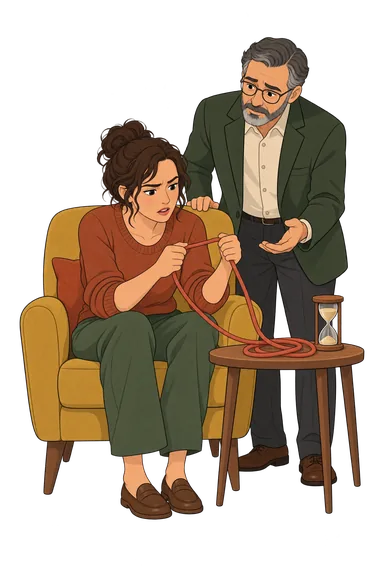
Metacognitions Questionnaire-30 (MCQ-30) Test: client, psychologist, cord, timer.
  • irrational beliefs
  • cbt
Metacognitions Questionnaire-30 (MCQ-30)
30 questions6 min
This self-report measure is used to assess metacognitive beliefs associated with worry and related emotional difficulties. The Metacognitions Questionnaire-30 (MCQ-30) pr...
Obsessive Beliefs Questionnaire shows careful ruler checking.
  • irrational beliefs
  • cbt
Obsessive Beliefs Questionnaire (OBQ)
44 questions9 min
The measure assesses maladaptive belief domains commonly associated with obsessive-compulsive symptoms. The Obsessive Beliefs Questionnaire (OBQ) is designed to help iden...
Body Awareness Questionnaire beside a warm mug.
  • cbt
  • awareness
Body Awareness Questionnaire (BAQ)
18 questions4 min
This self-report measure is used to characterize everyday attention to internal bodily sensations and routine physiological changes. The Body Awareness Questionnaire (BAQ...
Consecutive Action Questionnaire follows a revised plan.
  • flexibility
  • cbt
Consecutive Action Questionnaire (CAQ-8)
8 questions2 min
This measure assesses an individual’s tendency to persist with goal-directed behavior despite discomfort or obstacles. The Consecutive Action Questionnaire (CAQ-8) is int...
Acceptance and Action: woman pauses at doorway.
  • flexibility
  • cbt
Acceptance and Action Questionnaire (AAQ)
9 questions2 min
This brief self-report measure is used to screen for patterns of psychological inflexibility, including experiential avoidance and efforts to control unwanted internal ex...
Acceptance and Action: woman pauses over a notebook.
  • flexibility
  • cbt
Acceptance and Action Questionnaire-II (AAQ-II)
7 questions2 min
This measure is used to assess psychological inflexibility and experiential avoidance in relation to internal experiences (e.g., thoughts, emotions) and valued action. Th...
COPE Inventory Test shows deliberate planning.
  • cbt
  • coping behavior
COPE Inventory
60 questions6 min
This measure is designed to assess coping responses commonly used when individuals encounter stress. The COPE Inventory provides a structured self-report approach to char...
World Assumptions Scale shows calm consideration of fairness.
  • depression
  • irrational beliefs
World Assumptions Scale (WAS)
37 questions7 min
This self-report measure is designed to evaluate core assumptions about the self, other people, and the world that may shift following significant stress. The World Assum...
Child and Adolescent attention in a calm classroom.
  • cbt
  • awareness
Child and Adolescent Mindfulness Measure (CAMM)
7 questions2 min
This brief self-report measure is used to assess dispositional mindfulness in youth, with attention to present-moment awareness and an accepting stance toward internal ex...
Child and Adolescent notices a blank page.
  • cbt
  • awareness
Child and Adolescent Mindfulness Measure (CAMM)
10 questions2 min
This self-report measure assesses dispositional mindfulness in youth, with emphasis on present-moment attention and an accepting stance toward internal experiences. The C...
Responsibility Assumption Scale: woman reviews broken bowl.
  • cbt
  • ocd
Responsibility Assumption Scale (RAS)
26 questions5 min
This self-report measure is designed to assess general beliefs and assumptions about personal responsibility in everyday situations. The Responsibility Assumption Scale (...
Mindfulness and Attention notices a leaf.
  • cbt
  • awareness
Mindfulness and Attention Rating Scale
15 questions3 min
This self-report measure assesses dispositional mindfulness with an emphasis on attentive awareness of present-moment experience in everyday life. The Mindfulness and Att...
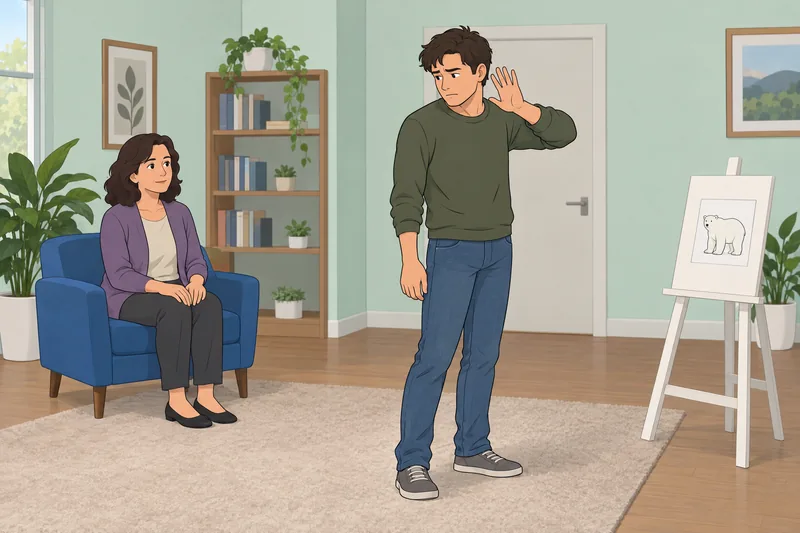
White Bear Suppression appears as a blocked thought.
  • cbt
White Bear Suppression Inventory (WBSI)
15 questions3 min
This self-report measure assesses an individual’s tendency to suppress unwanted thoughts and the distress associated with recurrent intrusive cognitions. The White Bear S...
Ruminative Responses Scale shows a looping thought.
  • cbt
  • rumination
Ruminative Responses Scale (RRS)
22 questions5 min
This measure assesses habitual responses to distress, with emphasis on repetitive, self-focused thinking. The Ruminative Responses Scale (RRS) is used to characterize ind...
Ruminative Response Scale depicts repeated self-reflection.
  • cbt
  • rumination
Ruminative Response Scale (RRS-10)
10 questions2 min
This brief self-report measure assesses a person’s tendency to respond to distress with repetitive, self-focused thinking. The Ruminative Response Scale (RRS-10) is commo...
Ruminative Responses Scale shows a looping thought.
  • cbt
  • rumination
Ruminative Responses Scale (RRS-18)
18 questions4 min
This self-report measure assesses a person’s tendency to engage in repetitive, persistent thinking about distress and its implications. The Ruminative Responses Scale (RR...
Self Compassion Test shows a woman journaling calmly.
  • cbt
  • self-acceptance
Self-Compassion Scale (SCS)
26 questions5 min
This self-report measure assesses attitudes and emotional responses toward oneself during periods of distress. The Self-Compassion Scale (SCS) is commonly used to charact...
Fear of Compassion shows hesitation before offered care.
  • cbt
  • self-acceptance
Fear of Compassion Scale
31 questions6 min
This self-report measure evaluates individual differences in discomfort or resistance related to compassionate responding. The Fear of Compassion Scale is designed to ass...
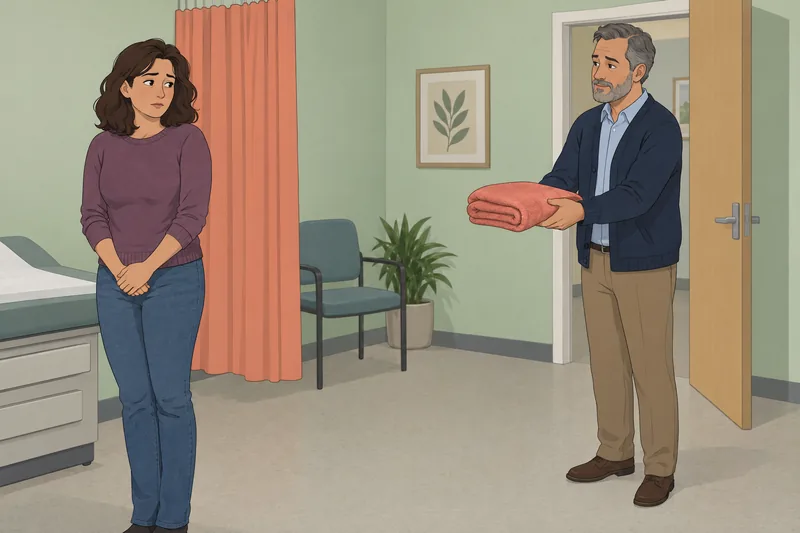
Leahy Emotional Schema appears in a quiet clinic.
  • cbt
  • schematherapy
Leahy Emotional Schema Scale II (LESS II)
28 questions6 min
This measure is designed to assess how individuals understand, evaluate, and respond to their own emotional experiences. The Leahy Emotional Schema Scale II (LESS II) is ...
Error-Making Questionnaire Test shows careful self-review.
  • cognitive therapy
  • cognitive distortions
Error-Making Questionnaire
50 questions10 min
This self-report measure is designed to identify common patterns of cognitive errors that may contribute to emotional distress and maladaptive coping. The Error-Making Qu...
Comprehensive Coping Inventory shows calm breathing.
  • cbt
  • defense mechanisms
Comprehensive Coping Inventory (CCI-20)
20 questions4 min
Coping responses to stress are often habitual and may influence adjustment and symptom maintenance. The Comprehensive Coping Inventory (CCI-20) is a brief self-report mea...
Comprehensive Coping Inventory appears in clinic.
  • cbt
  • defense mechanisms
Comprehensive Coping Inventory (CCI-55)
55 questions11 min
When the last few months have been hard, you already know you got through them. What is harder to see is the style of that getting-through: avoiding, worrying, replaying,...
Irrational Beliefs Diagnostic unfolds in a clinic.
  • irrational beliefs
  • cognitive distortions
Irrational Beliefs Diagnostic Method (SPB)
50 questions10 min
This self-report measure is designed to identify patterns of maladaptive, rigid belief structures that may contribute to emotional distress. The Irrational Beliefs Diagno...
Automatic Thoughts Questionnaire: patient reviews a blank form.
  • cognitive therapy
  • cbt
Automatic Thoughts Questionnaire (ATQ)
30 questions6 min
This self-report measure assesses the frequency of negative, automatic cognitions commonly associated with depressed mood. The Automatic Thoughts Questionnaire (ATQ) is i...
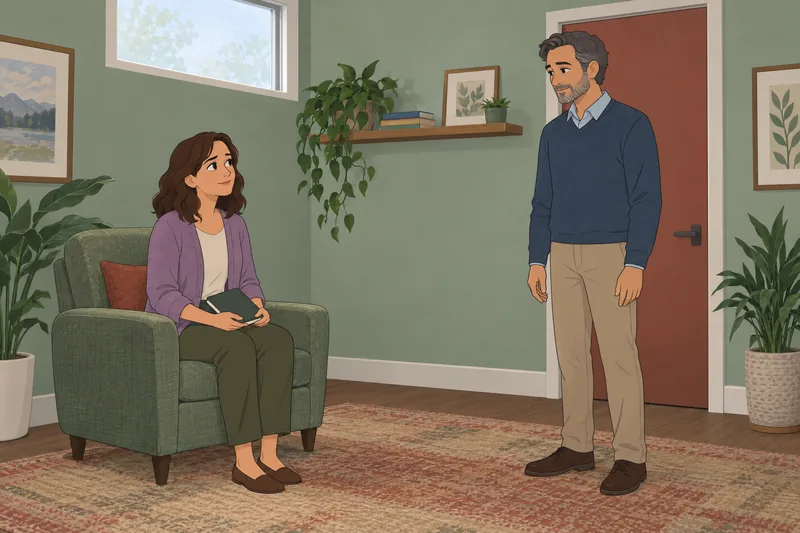
Unconditional Self-Acceptance Questionnaire appears in a clinic.
  • cbt
  • rational-emotional therapy
Unconditional Self-Acceptance Questionnaire (USAQ)
20 questions4 min
This measure assesses unconditional self-acceptance and the extent to which self-worth is maintained despite perceived mistakes, failures, or others’ evaluations. The Unc...
Unconditional Self-Acceptance Questionnaire depicts calm feedback.
  • cbt
  • rational-emotional therapy
Unconditional Self-Acceptance Questionnaire (USAQ)
20 questions4 min
This brief self-report measure is designed to assess the extent to which an individual endorses unconditional self-acceptance. The Unconditional Self-Acceptance Questionn...
Illusory Beliefs Questionnaire shows a cautious charm ritual.
  • irrational thinking
  • cbt
Illusory Beliefs Questionnaire
21 questions4 min
The measure is designed to assess the extent to which an individual endorses illusory or irrational beliefs, such as perceiving hidden connections or influences where non...

Cognitive Behavioral Therapy (CBT) focuses on the connection between thoughts, feelings, and behaviors. CBT assessments can help you identify negative thought patterns and recognize behaviors that may be holding you back. These tools provide valuable insights into how your mindset influences your emotional well-being.

The tests available here draw on established psychological principles to evaluate cognitive and behavioral patterns. They can be particularly helpful if you're experiencing persistent negative thoughts, difficulty managing stress, or challenges in decision-making. These assessments help you understand how your cognitive processes shape your reactions and clarify their impact on your mental health.

Explore the CBT tests below to gain a deeper understanding of your thoughts and behaviors, and take the first steps toward positive change.

Research-backed
Every test is validated and drawn from peer-reviewed clinical research.
Private by default
Your answers are encrypted, never sold and never shared with anyone.
Instant results
Get a clear, readable interpretation the moment you finish.