Psychopath Tests

Take free, research-backed psychological tests and get clear, private results in minutes.

All tests

Dark Triad Test shows calculated control.
  • manipulations
  • narcissism
Short Dark Tetrad (SD4)
28 questions6 min
This brief self-report measure assesses socially aversive personality characteristics relevant to interpersonal functioning. The Short Dark Tetrad (SD4) provides a compac...
Short Dark Triad appears during a table discussion.
  • machiavellianism
  • narcissism
Short Dark Triad (SD3)
27 questions5 min
This self-report measure is designed to provide a brief screening of socially aversive personality traits. The Short Dark Triad (SD3) assesses three related constructs co...
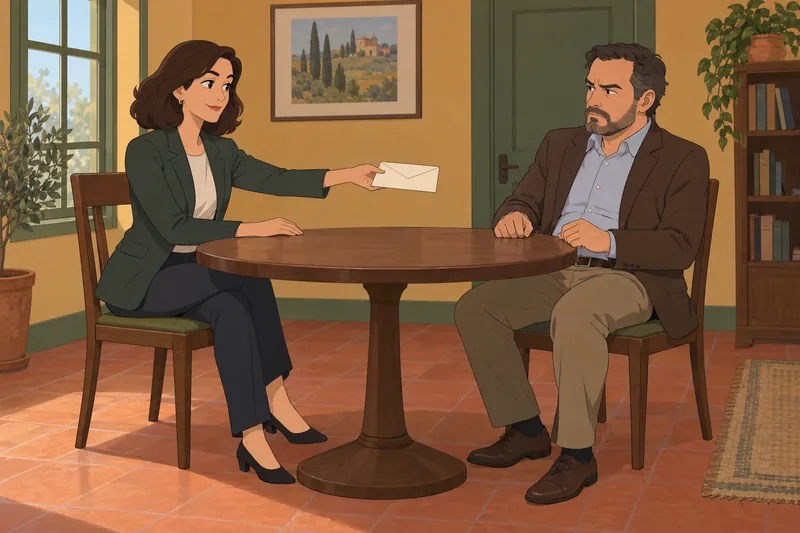
Dark Dozen Questionnaire shows a guarded envelope exchange.
  • machiavellianism
  • narcissism
Dark Dozen Questionnaire (DTDD)
12 questions3 min
In clinical and research settings, brief tools are sometimes used to screen for socially aversive personality tendencies. The Dark Dozen Questionnaire (DTDD) is a short s...
Levenson Self-Report Psychopathy Scale: Two professionals shaking hands
  • psychopathy
Levenson Self-Report Psychopathy Scale (LSRP)
26 questions5 min
This self-report measure assesses psychopathic personality features in nonforensic, community-based samples. The Levenson Self-Report Psychopathy Scale (LSRP) is designed...
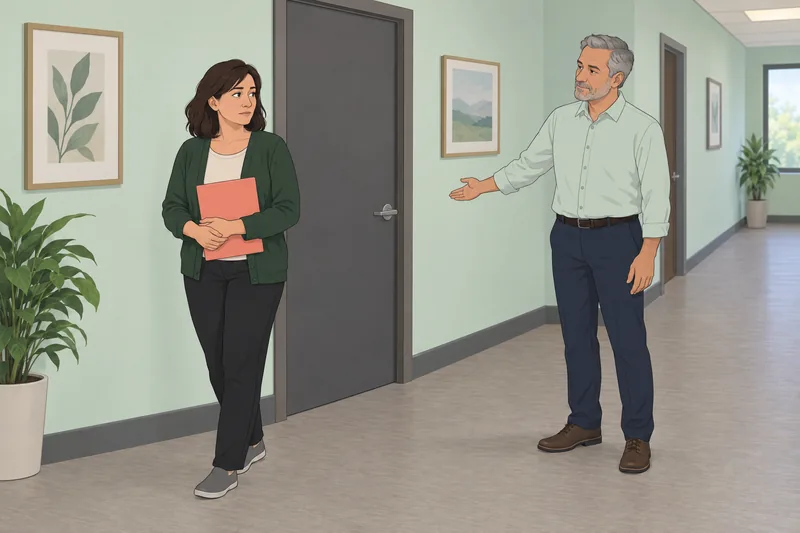
Sociopath Test: client pauses by a clinic door.
  • psychopathy
Sociopath Traits Self‑Check
74 questions10 min
Looking for a “sociopath test”? This self-check is a reflective quiz about traits people often associate with antisocial behavior—like chronic rule-breaking, lack of remo...

What Is Psychopathy?

The word "psychopath" gets thrown around a lot — in crime podcasts, headlines, and everyday arguments. But psychopathy is a real psychological construct, not just an insult. It describes a specific pattern of traits: emotional shallowness, lack of empathy, manipulativeness, and impulsivity. Psychopathy is not an official diagnosis in the DSM-5, but its core features overlap significantly with antisocial personality disorder and callous-unemotional traits, both of which are recognized clinical conditions.

Common Signs of Psychopathic Traits

Psychopathy exists on a spectrum — most people display some of these traits at low levels, while clinical psychopathy involves a persistent, high-intensity cluster of them:

  • Lack of empathy — difficulty genuinely understanding or caring about others' feelings
  • Shallow emotions — emotional responses that appear surface-level or performed
  • Manipulativeness — using charm or deception to get what they want
  • Impulsivity and risk-taking — acting without considering consequences
  • Little remorse or guilt — rarely feeling genuine regret after harming others
  • Chronic dishonesty — lying or distorting the truth without hesitation
  • Grandiosity — an inflated sense of self-worth and entitlement

Researchers typically distinguish between primary psychopathy (characterized by coldness, dominance, and low fear) and secondary psychopathy (characterized by impulsivity, emotional instability, and reactive behavior).

Are All Psychopaths Dangerous?

No. While psychopathic traits can increase the risk of antisocial or harmful behavior, many individuals with elevated psychopathy scores never commit crimes. Some even channel their traits into high-stakes careers where boldness and emotional detachment are advantageous. What matters most is the degree and context of these traits — which is exactly what psychopathy screening tests are designed to help assess.

Can You Test for Psychopathy?

You cannot receive a formal clinical diagnosis of "psychopathy" — it is not listed as a standalone disorder in the DSM-5 or ICD-10. However, validated self-report tools can reliably measure psychopathic traits and estimate how your score compares to others of the same age and gender.

The assessments on this page are based on established psychological research. They are designed for use in non-clinical, community-based settings and have been validated across a wide range of populations.

I'm Worried I Might Have Psychopathic Traits — What Should I Do?

Taking a screening test is a good first step toward self-awareness. If your results suggest elevated psychopathic traits, consider speaking with a licensed mental health professional. A qualified therapist or psychiatrist can provide a proper evaluation and discuss what your results actually mean for your life and relationships. It's worth noting that people who genuinely worry about harming others are unlikely to be clinical psychopaths — that concern itself reflects empathy.

Psychopathy Tests Available on This Page

The screening tools below assess psychopathy and related dark personality traits across a range of research-backed frameworks:

  • Short Dark Tetrad (SD4) — assesses psychopathy alongside narcissism, Machiavellianism, and sadism in 28 questions
  • Short Dark Triad (SD3) — measures the classic dark triad of psychopathy, narcissism, and Machiavellianism in 27 questions
  • Self-Report Psychopathy Scale III (SRP-III) — a comprehensive 64-question assessment of psychopathic personality traits for non-clinical settings
  • Dark Dozen Questionnaire (DTDD) — a quick 12-question screening for dark triad tendencies
  • Levenson Self-Report Psychopathy Scale (LSRP) — measures primary and secondary psychopathy in community populations across 26 questions

Each test takes only a few minutes to complete and provides a score with context for interpretation. These tools are for informational and educational purposes only and do not constitute a clinical diagnosis.

Research-backed
Every test is validated and drawn from peer-reviewed clinical research.
Private by default
Your answers are encrypted, never sold and never shared with anyone.
Instant results
Get a clear, readable interpretation the moment you finish.