Estranged Husband: Meaning, Causes, Signs & What to Do
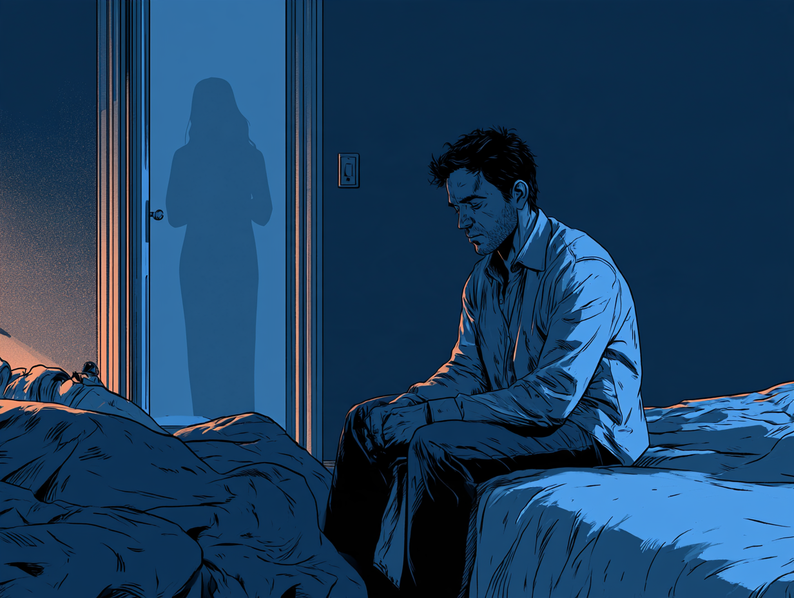

The word “estranged” can be confusing because it describes the state of a relationship without telling you exactly what happened or what comes next. An estranged husband is a husband who has become significantly emotionally or physically distant from his spouse, or both, while the couple may still be legally married. Estrangement can involve living apart, but it can also develop between spouses who continue to share the same home.
This kind of distance may emerge after unresolved conflict, a loss of trust, major life stress, or a gradual decline in emotional intimacy. It does not automatically mean that a couple is separated in a legal sense or that divorce is inevitable. Understanding the distinction matters, especially when you are trying to decide whether to initiate a conversation, establish new boundaries, seek professional support, or simply make sense of a relationship that no longer feels the way it once did.
What Does Estranged Husband Mean?
An estranged husband is a man who remains married but has become significantly disconnected from his spouse emotionally, physically, or in both ways. The term describes the condition of the relationship rather than a specific legal status. A couple may consider themselves estranged even if neither spouse has filed for legal separation or divorce.
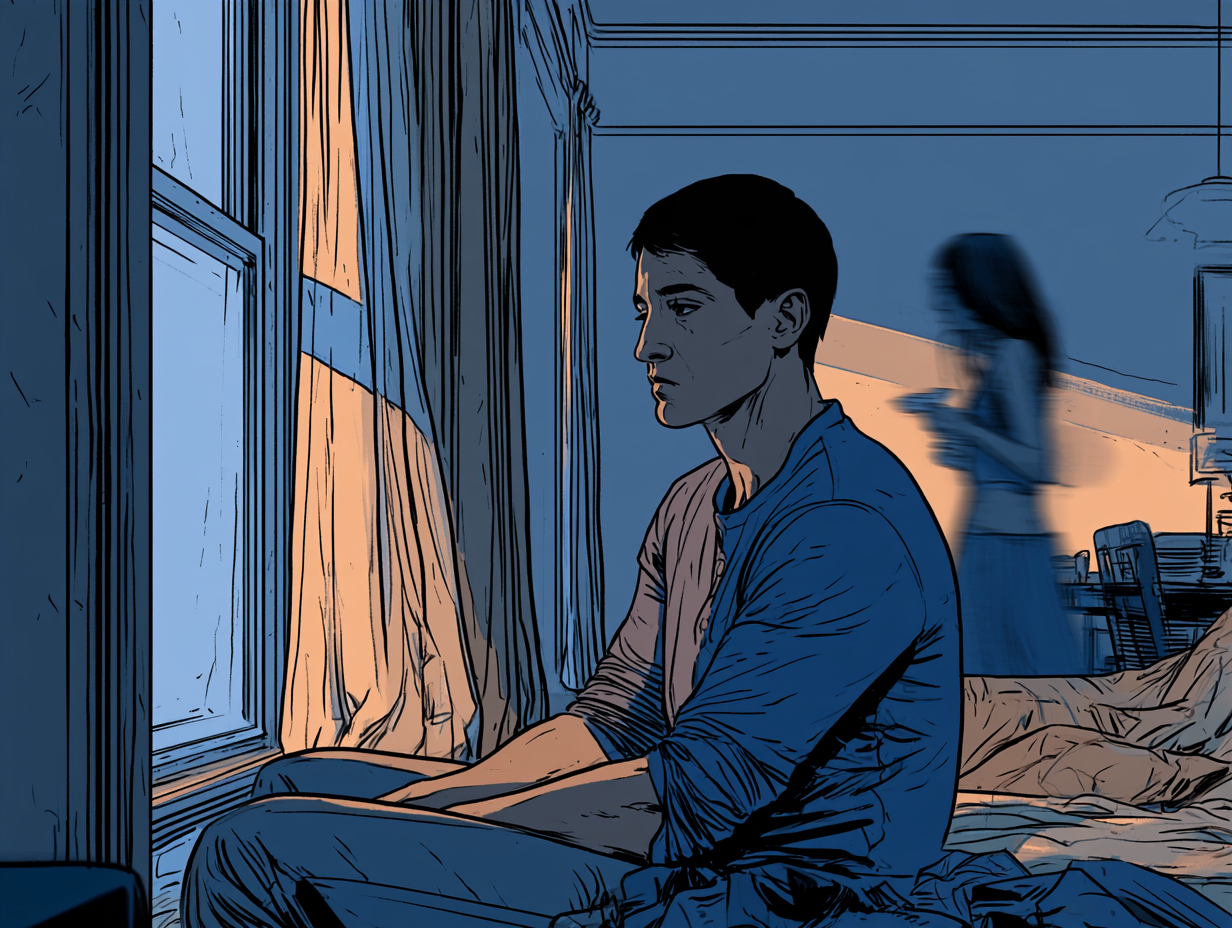
Estrangement also does not tell you why the relationship changed. For some couples, the distance follows a major conflict or breach of trust. For others, it develops slowly as communication, affection, shared routines, or emotional intimacy decline. Because circumstances vary considerably between couples, the term alone cannot tell you whether the marriage will eventually recover or end.
Emotional vs. Physical Estrangement
Physical estrangement is usually easier to recognize because the spouses may live in different homes or spend long periods apart. Emotional estrangement can be less obvious. Two people may continue sharing a house, managing finances, parenting children, and attending family events while feeling profoundly disconnected from each other.
Signs of emotional estrangement may include conversations becoming almost entirely practical, little interest in sharing personal experiences, reduced affection, avoidance of difficult subjects, or a persistent sense that the spouses are living parallel lives. A single argument or a short period of distance does not necessarily amount to estrangement. The term is generally more useful when the disconnection has become an established pattern in the relationship.
Can You Be Estranged and Still Married?
Yes. A person can be estranged from a husband and remain legally married. Estrangement describes distance within a relationship, while divorce refers to the legal termination of a marriage.
Separation requires a little more care because its legal meaning can vary across the United States. A couple may informally describe themselves as separated simply because they are living apart, while a formal legal separation can involve a court process and specific arrangements concerning issues such as finances, property, support, or parenting.
For that reason, describing someone as an estranged husband does not by itself establish the couple's legal status. When the distinction affects property, custody, financial obligations, inheritance, or other legal rights, advice should come from a qualified family-law professional in the relevant state.
What Causes an Estranged Husband to Pull Away?
There is rarely one universal reason a husband becomes estranged from his spouse. Marital estrangement may follow a specific event, such as a serious breach of trust, but it can also develop gradually through repeated conflict, emotional disconnection, or pressures outside the relationship. In many marriages, several factors overlap.
Understanding possible causes can help explain how distance developed, but behavior alone does not reveal another person's motives with certainty. Withdrawal should not automatically be interpreted as evidence of a mental health condition, an affair, or a desire for divorce.
Unresolved Conflict and Communication Breakdown
Repeated arguments can create distance when the underlying issues never feel resolved. The subject of each disagreement may change, yet the couple can find themselves returning to the same pattern of criticism, defensiveness, avoidance, or withdrawal.
Communication problems are not limited to frequent fighting. Silence can become just as significant. A husband may stop discussing worries, plans, disappointments, or personal experiences with his spouse. Conversations can gradually narrow to children, bills, household responsibilities, and other practical matters.
Over time, this pattern may leave one or both spouses feeling that meaningful communication has disappeared even though they still speak every day.
Loss of Trust or Betrayal
Trust can be damaged by infidelity, dishonesty, financial secrecy, repeated broken promises, or other experiences that one partner perceives as a betrayal. When the injury remains unresolved, emotional distance may become a way of responding to anger, disappointment, or uncertainty about the relationship.
Not every estranged marriage involves betrayal, however. Assuming that distance proves infidelity or deception can make an already difficult situation harder to understand. The cause is better established through direct information and observable circumstances than through speculation.

Emotional Disconnection and Unmet Relationship Needs
Some spouses become estranged without a single dramatic turning point. They may gradually stop confiding in each other, showing affection, spending meaningful time together, or feeling involved in each other's lives.
A relationship can continue functioning on a practical level during this process. The couple may still coordinate schedules, manage a household, raise children, or attend social events together. What has changed is the sense of emotional partnership behind those routines.
This gradual form of estrangement can be particularly confusing because there may be no obvious date when the marriage began to feel different.
Stress, Life Changes, and Outside Pressure
Problems within the relationship are not the only possible contributors. Significant external pressure can reduce the time, energy, and emotional attention that spouses have available for each other.
Potential stressors include:
financial strain or job instability;
demanding work schedules;
parenting or caregiving responsibilities;
serious illness or other major health challenges;
relocation, bereavement, or another significant life transition.
External stress does not inevitably cause marital estrangement, and two couples facing similar circumstances may respond very differently. It can, however, intensify existing conflict or make it easier for emotional distance to grow unnoticed.
The important distinction is that a cause is not the same as an excuse. Identifying what contributed to estrangement may make the situation easier to understand, but it does not determine what either spouse must tolerate or what should happen to the marriage next.
Signs of Marital Estrangement
Marital estrangement usually becomes visible as a pattern of sustained disconnection rather than through one isolated disagreement. Spouses may communicate less, stop turning to each other for emotional support, lose interest in shared time, or begin organizing their lives more independently. Some couples live apart, while others remain under the same roof despite feeling increasingly disconnected.
No single sign proves that a marriage is estranged. Context, duration, and changes from the couple's usual relationship patterns matter.
Emotional and Communication Signs
One of the clearest changes may be the way spouses communicate. Conversations that once included opinions, feelings, plans, humor, or everyday experiences can become brief and functional. Communication may focus almost entirely on children, household tasks, money, appointments, or other practical responsibilities.
Other possible signs include:
one or both spouses consistently avoiding personal conversations;
affection or physical intimacy becoming noticeably less frequent;
spending increasingly little meaningful time together;
no longer seeking each other out for comfort, advice, or emotional support;
important decisions being made increasingly independently;
unresolved resentment shaping everyday interactions;
communication becoming persistently hostile, minimal, or avoidant.
These behaviors need to be considered as part of a broader pattern. A demanding month at work, an illness, a recent argument, or a temporary need for personal space can change how spouses interact without necessarily indicating long-term estrangement.

Estranged vs. Separated vs. Divorced
The words estranged, separated, and divorced are sometimes used as though they describe different stages of the same process. They do not. Estrangement primarily describes the state of a relationship, while separation may describe living arrangements or a formal legal status, and divorce legally ends a marriage.
| Term | What it usually describes | Is the marriage legally intact? |
|---|---|---|
| Estranged | Significant emotional or physical distance between spouses | It may be |
| Separated | Spouses living apart or, in some jurisdictions, a formal legal arrangement | Often yes |
| Divorced | A marriage that has been legally terminated | No |
An estranged husband can therefore still be living with his spouse, living elsewhere, informally separated, or involved in a formal separation process. The word “estranged” alone does not establish which of these circumstances applies.
Legal separation is particularly important to distinguish from everyday use of the word “separated.” Family law differs by state, and the legal consequences of separation can involve issues such as property, finances, parenting arrangements, and support. If the distinction affects someone's legal rights or obligations, a qualified family-law attorney in the relevant state can explain how local law applies.
What Can You Do When Your Husband Is Estranged?
If your husband is estranged, the first step is not necessarily to persuade him to reconnect or to make an immediate decision about the marriage. Start by identifying what has actually changed and what you need now. Depending on the circumstances, that might mean having a direct conversation, setting clearer boundaries, seeking professional support, or getting practical advice about finances, parenting, or legal concerns.
Estrangement can create pressure to find an explanation quickly. Try to separate what you know from what you are assuming. A change in communication or affection can be observed. The reason behind that change may require a conversation.
Clarify What Has Changed
Consider the specific differences between the relationship now and the relationship before the estrangement became noticeable. Has communication decreased? Are you living separately? Has affection disappeared? Are important decisions now being made independently? Has one spouse explicitly said that they want space or are considering ending the marriage?
Focusing on concrete changes can make the situation easier to discuss. It also helps distinguish a persistent relationship problem from a temporary period of distance caused by stress, illness, work, caregiving, or another difficult circumstance.
If practical issues are becoming uncertain, it may also help to clarify how responsibilities such as housing costs, shared bills, childcare, and access to important documents are currently being handled.
Decide Whether a Conversation Is Possible and Safe
When communication is safe, a direct conversation may provide more useful information than trying to interpret silence or changes in behavior. The goal does not have to be resolving the entire marriage in one discussion. A more realistic first conversation may focus on what each spouse believes is happening and whether either person wants to work on the relationship.
Respecting a request for space can sometimes be appropriate, but space does not have to mean accepting indefinite uncertainty. You can still decide what level of communication you need, what boundaries you are comfortable with, and how long you are willing to remain in an unclear situation.
If communication involves intimidation, threats, stalking, coercive behavior, or violence, attempting a private reconciliation conversation may not be appropriate. Safety should take priority over repairing communication.
Consider Individual or Couples Therapy
Couples therapy may help some spouses examine recurring conflict, communication problems, trust injuries, or emotional disconnection with a licensed mental health professional. It is most useful to think of therapy as a structured place to understand the relationship and consider possible changes, rather than as a guarantee that the marriage will stay together.
Individual therapy can also be useful when only one spouse wants professional support. It can provide space to process grief, anger, uncertainty, or conflicting feelings and to think through personal boundaries and decisions without requiring the estranged spouse to participate.
Couples therapy is not automatically the appropriate setting when there is ongoing abuse, coercive control, or a significant safety concern. Those circumstances require an individualized assessment of safety and appropriate professional support.
Can an Estranged Marriage Recover?
Yes, some estranged couples reconnect, but estrangement does not have one predictable outcome. Rebuilding a relationship usually requires more than simply resuming contact. Both spouses may need to address the problems that contributed to the distance and decide whether they are willing to rebuild communication, trust, or intimacy.
Other couples remain separated or decide to divorce. Neither outcome can be predicted solely from the fact that a husband has become estranged. The more useful question is whether both spouses are willing and able to participate in whatever comes next, while respecting each person's boundaries, choices, and safety.
Professional Help, Relationship Safety, and Next Steps
Marital estrangement is not a mental health diagnosis, and an estranged husband should not be assumed to have a psychiatric disorder simply because he has withdrawn from the relationship. Professional support may still be valuable when the uncertainty, conflict, or loss surrounding estrangement begins to interfere with everyday life or becomes difficult to navigate alone.
The type of help that makes sense depends on the circumstances. Some people want support understanding their own emotions and choices. Others need help evaluating the future of the relationship. In situations involving abuse, coercion, or immediate danger, safety takes priority over attempts to restore communication.

When Relationship Distress Is Affecting Daily Life
Consider speaking with a licensed mental health professional if relationship distress is persistently affecting sleep, concentration, work, parenting, social functioning, or your ability to make decisions. You do not need to wait until both spouses agree to couples therapy. Individual therapy can provide support even when an estranged spouse does not want to participate.
A therapist can also help separate questions that sometimes become tangled together during estrangement: what you feel, what you know about your spouse's intentions, what remains uncertain, which boundaries you need, and what decisions actually belong to you.
If both spouses want to explore the relationship and it is safe to do so, couples therapy may provide a structured setting for discussing conflict, trust, communication, and possible next steps. Therapy cannot guarantee reconciliation, and reconciliation does not have to be the only acceptable goal.
When Safety Comes First
Some situations require a different approach. Threats, stalking, physical or sexual violence, intimidation, and coercive or controlling behavior should not be treated simply as communication problems between spouses. Trying to resolve these situations through a private confrontation or an ordinary relationship conversation may increase risk.
If you are in immediate danger in the United States, call 911. If you are experiencing a suicide, mental health, or substance use crisis, or you are worried about someone who may be in crisis, call or text 988 to reach the 988 Suicide & Crisis Lifeline.
When there is no immediate emergency but safety is a concern, specialized domestic violence services, a licensed clinician with appropriate expertise, or a qualified legal professional can help you consider options based on your circumstances. The appropriate next step does not have to be reconciliation. It should reflect your needs, your choices, and your safety.
Conclusion
Having an estranged husband can leave you with questions that do not have immediate answers, especially when the marriage still exists legally but the relationship has changed significantly. Estrangement can involve emotional distance, physical separation, or both, and its causes can range from unresolved conflict and loss of trust to gradual disconnection or pressures outside the marriage.
The term itself does not predict what will happen next. Some couples reconnect, while others remain apart or eventually divorce. What matters is understanding the circumstances of your own relationship rather than treating estrangement as a fixed stage with a predetermined outcome.
Clear information, realistic boundaries, and appropriate professional support can make the situation easier to navigate. If safety is a concern, protecting yourself takes priority over repairing the relationship. Whatever comes next, the decision about reconciliation should depend on the choices, needs, and safety of the people involved.
Key Takeaways
- An estranged husband remains married but has become significantly emotionally or physically disconnected from his spouse, and estrangement does not automatically mean divorce;
- Marital estrangement can develop through unresolved conflict, communication problems, loss of trust, emotional disconnection, or significant pressures outside the relationship;
- Estrangement differs from separation and divorce because it describes relationship distance rather than establishing a specific legal marital status;
- Individual or couples therapy may help people understand relationship distress, clarify boundaries, and consider next steps when professional support is appropriate;
- When estrangement involves threats, stalking, coercive behavior, or violence, personal safety should take priority over attempts to repair the relationship.
References
- American Psychological Association. Estrangement Is Never Easy or Straightforward. Psychologists Can Help. Monitor on Psychology. American Psychological Association;
- American Psychological Association. Couples Therapy. APA Dictionary of Psychology. APA Dictionary of Psychology;
- American Psychological Association. Couples Therapy and Intimate Partner Violence: Insights for Mental Health Professionals. American Psychological Association;
- American Psychological Association. Divorce. American Psychological Association;
- American Psychiatric Association. Diagnostic and Statistical Manual of Mental Disorders, Fifth Edition, Text Revision (DSM-5-TR). American Psychiatric Association;
- 988 Suicide & Crisis Lifeline. 988 Suicide & Crisis Lifeline.
Frequently Asked Questions
Can you be estranged from your husband and still live together?
Yes. Estrangement does not require spouses to live in different homes. A couple may continue sharing a home, managing finances, raising children, or following familiar routines while experiencing substantial emotional distance. Living together therefore does not rule out marital estrangement.
Is an estranged husband still legally married?
An estranged husband can still be legally married. Estrangement describes distance within a relationship and does not itself terminate a marriage. Divorce is a legal process, while legal separation has specific meanings and requirements that can vary by state.
What is the difference between an estranged husband and a separated husband?
An estranged husband is significantly disconnected from his spouse emotionally, physically, or both. Separation commonly refers to spouses living apart and may also refer to a formal legal arrangement in some jurisdictions. A husband can therefore be estranged without being formally separated.
How long does marital estrangement last?
There is no standard duration for marital estrangement. It may last for weeks, months, or considerably longer depending on the circumstances and the choices of both spouses. The length of estrangement alone cannot predict whether a couple will reconcile, remain separated, or divorce.
Can an estranged husband come back?
Some estranged spouses reconnect, but there is no way to guarantee that an estranged husband will return or that reconciliation will succeed. Rebuilding a relationship generally requires both spouses to address the circumstances that contributed to the distance and decide whether they want to work toward renewed trust, communication, or intimacy.
Should you go to couples therapy if your husband is estranged?
Couples therapy may be useful when both spouses are willing to participate and it is safe to work on the relationship together. Individual therapy is another option when only one spouse wants professional support. When abuse, coercive control, or significant safety concerns are present, couples therapy may not be appropriate without a careful professional assessment of the situation.
The word “estranged” can be confusing because it describes the state of a relationship without telling you exactly what happened or what comes next. An estranged husband is a husband who has become significantly emotionally or physically distant from his spouse, or both, while the couple may still be legally married. Estrangement can involve living apart, but it can also develop between spouses who continue to share the same home.
This kind of distance may emerge after unresolved conflict, a loss of trust, major life stress, or a gradual decline in emotional intimacy. It does not automatically mean that a couple is separated in a legal sense or that divorce is inevitable. Understanding the distinction matters, especially when you are trying to decide whether to initiate a conversation, establish new boundaries, seek professional support, or simply make sense of a relationship that no longer feels the way it once did.
What Does Estranged Husband Mean?
An estranged husband is a man who remains married but has become significantly disconnected from his spouse emotionally, physically, or in both ways. The term describes the condition of the relationship rather than a specific legal status. A couple may consider themselves estranged even if neither spouse has filed for legal separation or divorce.
Estrangement also does not tell you why the relationship changed. For some couples, the distance follows a major conflict or breach of trust. For others, it develops slowly as communication, affection, shared routines, or emotional intimacy decline. Because circumstances vary considerably between couples, the term alone cannot tell you whether the marriage will eventually recover or end.
Emotional vs. Physical Estrangement
Physical estrangement is usually easier to recognize because the spouses may live in different homes or spend long periods apart. Emotional estrangement can be less obvious. Two people may continue sharing a house, managing finances, parenting children, and attending family events while feeling profoundly disconnected from each other.
Signs of emotional estrangement may include conversations becoming almost entirely practical, little interest in sharing personal experiences, reduced affection, avoidance of difficult subjects, or a persistent sense that the spouses are living parallel lives. A single argument or a short period of distance does not necessarily amount to estrangement. The term is generally more useful when the disconnection has become an established pattern in the relationship.
Can You Be Estranged and Still Married?
Yes. A person can be estranged from a husband and remain legally married. Estrangement describes distance within a relationship, while divorce refers to the legal termination of a marriage.
Separation requires a little more care because its legal meaning can vary across the United States. A couple may informally describe themselves as separated simply because they are living apart, while a formal legal separation can involve a court process and specific arrangements concerning issues such as finances, property, support, or parenting.
For that reason, describing someone as an estranged husband does not by itself establish the couple's legal status. When the distinction affects property, custody, financial obligations, inheritance, or other legal rights, advice should come from a qualified family-law professional in the relevant state.
What Causes an Estranged Husband to Pull Away?
There is rarely one universal reason a husband becomes estranged from his spouse. Marital estrangement may follow a specific event, such as a serious breach of trust, but it can also develop gradually through repeated conflict, emotional disconnection, or pressures outside the relationship. In many marriages, several factors overlap.
Understanding possible causes can help explain how distance developed, but behavior alone does not reveal another person's motives with certainty. Withdrawal should not automatically be interpreted as evidence of a mental health condition, an affair, or a desire for divorce.
Unresolved Conflict and Communication Breakdown
Repeated arguments can create distance when the underlying issues never feel resolved. The subject of each disagreement may change, yet the couple can find themselves returning to the same pattern of criticism, defensiveness, avoidance, or withdrawal.
Communication problems are not limited to frequent fighting. Silence can become just as significant. A husband may stop discussing worries, plans, disappointments, or personal experiences with his spouse. Conversations can gradually narrow to children, bills, household responsibilities, and other practical matters.
Over time, this pattern may leave one or both spouses feeling that meaningful communication has disappeared even though they still speak every day.
Loss of Trust or Betrayal
Trust can be damaged by infidelity, dishonesty, financial secrecy, repeated broken promises, or other experiences that one partner perceives as a betrayal. When the injury remains unresolved, emotional distance may become a way of responding to anger, disappointment, or uncertainty about the relationship.
Not every estranged marriage involves betrayal, however. Assuming that distance proves infidelity or deception can make an already difficult situation harder to understand. The cause is better established through direct information and observable circumstances than through speculation.
Emotional Disconnection and Unmet Relationship Needs
Some spouses become estranged without a single dramatic turning point. They may gradually stop confiding in each other, showing affection, spending meaningful time together, or feeling involved in each other's lives.
A relationship can continue functioning on a practical level during this process. The couple may still coordinate schedules, manage a household, raise children, or attend social events together. What has changed is the sense of emotional partnership behind those routines.
This gradual form of estrangement can be particularly confusing because there may be no obvious date when the marriage began to feel different.
Stress, Life Changes, and Outside Pressure
Problems within the relationship are not the only possible contributors. Significant external pressure can reduce the time, energy, and emotional attention that spouses have available for each other.
Potential stressors include:
financial strain or job instability;
demanding work schedules;
parenting or caregiving responsibilities;
serious illness or other major health challenges;
relocation, bereavement, or another significant life transition.
External stress does not inevitably cause marital estrangement, and two couples facing similar circumstances may respond very differently. It can, however, intensify existing conflict or make it easier for emotional distance to grow unnoticed.
The important distinction is that a cause is not the same as an excuse. Identifying what contributed to estrangement may make the situation easier to understand, but it does not determine what either spouse must tolerate or what should happen to the marriage next.
Signs of Marital Estrangement
Marital estrangement usually becomes visible as a pattern of sustained disconnection rather than through one isolated disagreement. Spouses may communicate less, stop turning to each other for emotional support, lose interest in shared time, or begin organizing their lives more independently. Some couples live apart, while others remain under the same roof despite feeling increasingly disconnected.
No single sign proves that a marriage is estranged. Context, duration, and changes from the couple's usual relationship patterns matter.
Emotional and Communication Signs
One of the clearest changes may be the way spouses communicate. Conversations that once included opinions, feelings, plans, humor, or everyday experiences can become brief and functional. Communication may focus almost entirely on children, household tasks, money, appointments, or other practical responsibilities.
Other possible signs include:
one or both spouses consistently avoiding personal conversations;
affection or physical intimacy becoming noticeably less frequent;
spending increasingly little meaningful time together;
no longer seeking each other out for comfort, advice, or emotional support;
important decisions being made increasingly independently;
unresolved resentment shaping everyday interactions;
communication becoming persistently hostile, minimal, or avoidant.
These behaviors need to be considered as part of a broader pattern. A demanding month at work, an illness, a recent argument, or a temporary need for personal space can change how spouses interact without necessarily indicating long-term estrangement.
Estranged vs. Separated vs. Divorced
The words estranged, separated, and divorced are sometimes used as though they describe different stages of the same process. They do not. Estrangement primarily describes the state of a relationship, while separation may describe living arrangements or a formal legal status, and divorce legally ends a marriage.
| Term | What it usually describes | Is the marriage legally intact? |
|---|---|---|
| Estranged | Significant emotional or physical distance between spouses | It may be |
| Separated | Spouses living apart or, in some jurisdictions, a formal legal arrangement | Often yes |
| Divorced | A marriage that has been legally terminated | No |
An estranged husband can therefore still be living with his spouse, living elsewhere, informally separated, or involved in a formal separation process. The word “estranged” alone does not establish which of these circumstances applies.
Legal separation is particularly important to distinguish from everyday use of the word “separated.” Family law differs by state, and the legal consequences of separation can involve issues such as property, finances, parenting arrangements, and support. If the distinction affects someone's legal rights or obligations, a qualified family-law attorney in the relevant state can explain how local law applies.
What Can You Do When Your Husband Is Estranged?
If your husband is estranged, the first step is not necessarily to persuade him to reconnect or to make an immediate decision about the marriage. Start by identifying what has actually changed and what you need now. Depending on the circumstances, that might mean having a direct conversation, setting clearer boundaries, seeking professional support, or getting practical advice about finances, parenting, or legal concerns.
Estrangement can create pressure to find an explanation quickly. Try to separate what you know from what you are assuming. A change in communication or affection can be observed. The reason behind that change may require a conversation.
Clarify What Has Changed
Consider the specific differences between the relationship now and the relationship before the estrangement became noticeable. Has communication decreased? Are you living separately? Has affection disappeared? Are important decisions now being made independently? Has one spouse explicitly said that they want space or are considering ending the marriage?
Focusing on concrete changes can make the situation easier to discuss. It also helps distinguish a persistent relationship problem from a temporary period of distance caused by stress, illness, work, caregiving, or another difficult circumstance.
If practical issues are becoming uncertain, it may also help to clarify how responsibilities such as housing costs, shared bills, childcare, and access to important documents are currently being handled.
Decide Whether a Conversation Is Possible and Safe
When communication is safe, a direct conversation may provide more useful information than trying to interpret silence or changes in behavior. The goal does not have to be resolving the entire marriage in one discussion. A more realistic first conversation may focus on what each spouse believes is happening and whether either person wants to work on the relationship.
Respecting a request for space can sometimes be appropriate, but space does not have to mean accepting indefinite uncertainty. You can still decide what level of communication you need, what boundaries you are comfortable with, and how long you are willing to remain in an unclear situation.
If communication involves intimidation, threats, stalking, coercive behavior, or violence, attempting a private reconciliation conversation may not be appropriate. Safety should take priority over repairing communication.
Consider Individual or Couples Therapy
Couples therapy may help some spouses examine recurring conflict, communication problems, trust injuries, or emotional disconnection with a licensed mental health professional. It is most useful to think of therapy as a structured place to understand the relationship and consider possible changes, rather than as a guarantee that the marriage will stay together.
Individual therapy can also be useful when only one spouse wants professional support. It can provide space to process grief, anger, uncertainty, or conflicting feelings and to think through personal boundaries and decisions without requiring the estranged spouse to participate.
Couples therapy is not automatically the appropriate setting when there is ongoing abuse, coercive control, or a significant safety concern. Those circumstances require an individualized assessment of safety and appropriate professional support.
Can an Estranged Marriage Recover?
Yes, some estranged couples reconnect, but estrangement does not have one predictable outcome. Rebuilding a relationship usually requires more than simply resuming contact. Both spouses may need to address the problems that contributed to the distance and decide whether they are willing to rebuild communication, trust, or intimacy.
Other couples remain separated or decide to divorce. Neither outcome can be predicted solely from the fact that a husband has become estranged. The more useful question is whether both spouses are willing and able to participate in whatever comes next, while respecting each person's boundaries, choices, and safety.
Professional Help, Relationship Safety, and Next Steps
Marital estrangement is not a mental health diagnosis, and an estranged husband should not be assumed to have a psychiatric disorder simply because he has withdrawn from the relationship. Professional support may still be valuable when the uncertainty, conflict, or loss surrounding estrangement begins to interfere with everyday life or becomes difficult to navigate alone.
The type of help that makes sense depends on the circumstances. Some people want support understanding their own emotions and choices. Others need help evaluating the future of the relationship. In situations involving abuse, coercion, or immediate danger, safety takes priority over attempts to restore communication.
When Relationship Distress Is Affecting Daily Life
Consider speaking with a licensed mental health professional if relationship distress is persistently affecting sleep, concentration, work, parenting, social functioning, or your ability to make decisions. You do not need to wait until both spouses agree to couples therapy. Individual therapy can provide support even when an estranged spouse does not want to participate.
A therapist can also help separate questions that sometimes become tangled together during estrangement: what you feel, what you know about your spouse's intentions, what remains uncertain, which boundaries you need, and what decisions actually belong to you.
If both spouses want to explore the relationship and it is safe to do so, couples therapy may provide a structured setting for discussing conflict, trust, communication, and possible next steps. Therapy cannot guarantee reconciliation, and reconciliation does not have to be the only acceptable goal.
When Safety Comes First
Some situations require a different approach. Threats, stalking, physical or sexual violence, intimidation, and coercive or controlling behavior should not be treated simply as communication problems between spouses. Trying to resolve these situations through a private confrontation or an ordinary relationship conversation may increase risk.
If you are in immediate danger in the United States, call 911. If you are experiencing a suicide, mental health, or substance use crisis, or you are worried about someone who may be in crisis, call or text 988 to reach the 988 Suicide & Crisis Lifeline.
When there is no immediate emergency but safety is a concern, specialized domestic violence services, a licensed clinician with appropriate expertise, or a qualified legal professional can help you consider options based on your circumstances. The appropriate next step does not have to be reconciliation. It should reflect your needs, your choices, and your safety.
Conclusion
Having an estranged husband can leave you with questions that do not have immediate answers, especially when the marriage still exists legally but the relationship has changed significantly. Estrangement can involve emotional distance, physical separation, or both, and its causes can range from unresolved conflict and loss of trust to gradual disconnection or pressures outside the marriage.
The term itself does not predict what will happen next. Some couples reconnect, while others remain apart or eventually divorce. What matters is understanding the circumstances of your own relationship rather than treating estrangement as a fixed stage with a predetermined outcome.
Clear information, realistic boundaries, and appropriate professional support can make the situation easier to navigate. If safety is a concern, protecting yourself takes priority over repairing the relationship. Whatever comes next, the decision about reconciliation should depend on the choices, needs, and safety of the people involved.
References
- American Psychological Association. Estrangement Is Never Easy or Straightforward. Psychologists Can Help. Monitor on Psychology. American Psychological Association;
- American Psychological Association. Couples Therapy. APA Dictionary of Psychology. APA Dictionary of Psychology;
- American Psychological Association. Couples Therapy and Intimate Partner Violence: Insights for Mental Health Professionals. American Psychological Association;
- American Psychological Association. Divorce. American Psychological Association;
- American Psychiatric Association. Diagnostic and Statistical Manual of Mental Disorders, Fifth Edition, Text Revision (DSM-5-TR). American Psychiatric Association;
- 988 Suicide & Crisis Lifeline. 988 Suicide & Crisis Lifeline.
Frequently Asked Questions
Can you be estranged from your husband and still live together?
Yes. Estrangement does not require spouses to live in different homes. A couple may continue sharing a home, managing finances, raising children, or following familiar routines while experiencing substantial emotional distance. Living together therefore does not rule out marital estrangement.
Is an estranged husband still legally married?
An estranged husband can still be legally married. Estrangement describes distance within a relationship and does not itself terminate a marriage. Divorce is a legal process, while legal separation has specific meanings and requirements that can vary by state.
What is the difference between an estranged husband and a separated husband?
An estranged husband is significantly disconnected from his spouse emotionally, physically, or both. Separation commonly refers to spouses living apart and may also refer to a formal legal arrangement in some jurisdictions. A husband can therefore be estranged without being formally separated.
How long does marital estrangement last?
There is no standard duration for marital estrangement. It may last for weeks, months, or considerably longer depending on the circumstances and the choices of both spouses. The length of estrangement alone cannot predict whether a couple will reconcile, remain separated, or divorce.
Can an estranged husband come back?
Some estranged spouses reconnect, but there is no way to guarantee that an estranged husband will return or that reconciliation will succeed. Rebuilding a relationship generally requires both spouses to address the circumstances that contributed to the distance and decide whether they want to work toward renewed trust, communication, or intimacy.
Should you go to couples therapy if your husband is estranged?
Couples therapy may be useful when both spouses are willing to participate and it is safe to work on the relationship together. Individual therapy is another option when only one spouse wants professional support. When abuse, coercive control, or significant safety concerns are present, couples therapy may not be appropriate without a careful professional assessment of the situation.