ADHD vs Anxiety in Adults: How to Tell Them Apart (or Both)


Struggling to concentrate, forgetting appointments, or feeling constantly on edge can make everyday responsibilities exhausting. When comparing ADHD vs anxiety in adults, the confusion makes sense because both conditions can affect focus, sleep, and emotional well-being. Yet similar symptoms do not always have the same underlying explanation.
ADHD is a neurodevelopmental disorder involving persistent difficulties with attention regulation, hyperactivity, impulsivity, or a combination of these symptoms. Anxiety disorders involve excessive fear or anxiety that can interfere with concentration and daily functioning. Some adults experience both conditions, making the differences harder to recognize without a professional evaluation.
Understanding these patterns can help you describe your experiences more clearly. This guide explains how ADHD and anxiety differ, why their symptoms overlap, how clinicians assess them, and what treatment options may be available.
What Is the Difference Between ADHD and Anxiety in Adults?
The main difference between ADHD and anxiety lies in the patterns behind their symptoms. ADHD involves persistent difficulties with attention regulation, hyperactivity, impulsivity, or a combination of these features. Anxiety disorders involve excessive fear or anxiety, often accompanied by worry, physical tension, or avoidance. Both can interfere with concentration, but the reasons behind that difficulty may differ.

ADHD and Anxiety Affect Attention Differently
For adults with ADHD, staying focused can be difficult even when they feel calm. They might lose track of conversations, forget appointments, or struggle to finish routine tasks despite understanding their importance. These difficulties often reflect longstanding patterns of inattention or executive functioning challenges rather than a temporary response to stress.
Anxiety can disrupt attention differently. When someone is preoccupied with possible mistakes, upcoming responsibilities, or feared outcomes, worry may compete with the mental resources needed to concentrate. For example, an employee might repeatedly reread an email because they fear sending something incorrect.
The distinction is not always clear. People with ADHD may experience anxiety about missed deadlines, while people with anxiety disorders can struggle with organization and memory. Neither pattern alone confirms a diagnosis.
ADHD vs Anxiety Symptoms: Side-by-Side Comparison
The following table highlights common differences between ADHD and anxiety in adults. These patterns are useful for understanding symptoms, not for diagnosing either condition.
| Feature | ADHD | Anxiety |
|---|---|---|
| Main difficulty | Attention regulation and/or impulsivity | Excessive fear or worry |
| Typical onset | Symptoms begin in childhood | Onset varies by disorder |
| Concentration | Persistent attention difficulties | Often disrupted by worry |
| Other signs | Forgetfulness, disorganization, restlessness | Tension, avoidance, restlessness |
| Clinical assessment | Developmental history and impairment | Fear, worry, avoidance, and impairment |
According to the National Institute of Mental Health, ADHD symptoms begin during childhood, although some people are not diagnosed until adulthood. Anxiety disorders, by contrast, differ in their onset and symptom patterns.
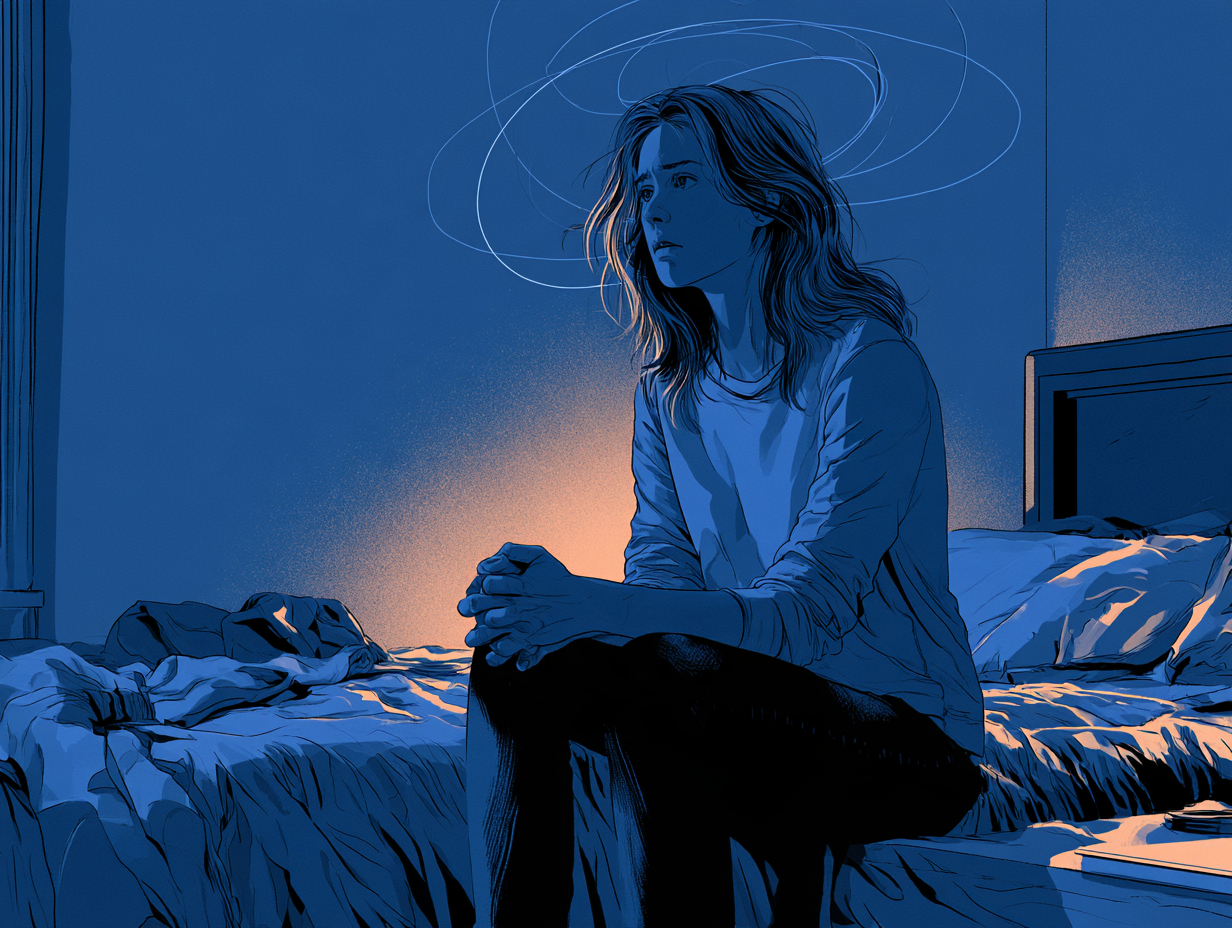
A licensed clinician considers the full history of symptoms, their duration, and their effects on daily life. This broader assessment matters because ADHD and anxiety can coexist, and similar behaviors may have more than one explanation.
ADHD and Anxiety: Why Symptoms Overlap
ADHD and anxiety can look remarkably similar in everyday life. Both may involve difficulty concentrating, restlessness, forgetfulness, and trouble managing responsibilities. The overlap happens partly because anxiety can interfere with attention, while ADHD-related challenges can create stressful situations that increase worry.
Difficulty Concentrating and Forgetfulness
With ADHD, attention difficulties may persist across different activities, even when there is no obvious source of stress. Someone might forget where they put their keys, lose track of instructions, or start several household chores without finishing any of them. These patterns often involve difficulties with working memory, planning, or maintaining attention.
Anxiety can produce similar behavior for different reasons. Persistent worry may occupy attention, making it harder to remember details or stay engaged in a task. For example, someone preparing for an important meeting might forget routine responsibilities because they are preoccupied with everything that could go wrong.
The timing of these difficulties can offer useful clues. Problems that have appeared consistently since childhood may warrant an ADHD assessment, while concentration difficulties closely associated with excessive worry may point toward anxiety. However, these patterns are not definitive, particularly when both conditions are present.
Restlessness, Sleep Problems, and Feeling Overwhelmed
Restlessness is another shared symptom. Adults with ADHD may feel an ongoing need to move, shift between activities, or seek stimulation. People experiencing anxiety may feel restless because of nervousness, apprehension, or physical tension.
Sleep problems can further complicate the picture. Anxiety may make it difficult to fall asleep because of persistent worry, while ADHD can be associated with difficulties maintaining regular sleep routines. Poor sleep itself can worsen concentration and emotional regulation, regardless of the underlying condition.
Anxiety may also become especially noticeable in close relationships, where uncertainty can lead to repeated worrying or reassurance-seeking. For a closer look at this pattern, read our guide to relationship anxiety, its signs, and ways to cope.
Rather than focusing on one symptom, consider when difficulties began, what seems to trigger them, and how consistently they affect daily life. A qualified clinician can help interpret these patterns.
Can You Have Both ADHD and Anxiety?
Yes. Adults can have ADHD and an anxiety disorder at the same time. These are distinct conditions, but their symptoms may overlap and influence one another. Having both can make everyday difficulties harder to understand because problems with attention, organization, and worry may occur together.
How ADHD and Anxiety Can Affect Each Other
ADHD-related difficulties can contribute to stressful experiences. Repeatedly missing deadlines, forgetting commitments, or struggling to organize responsibilities may increase worry about work, relationships, or personal performance.
Anxiety can also make existing ADHD symptoms more difficult to manage. Persistent worry may interfere with concentration, while fear of making mistakes can make starting or completing tasks feel overwhelming.
Consider an adult who has struggled with organization since childhood and now spends hours worrying about falling behind at work. Their longstanding attention difficulties and current anxiety may both deserve clinical attention. However, experiencing stress because of ADHD does not automatically mean someone has an anxiety disorder.
Signs That Both Conditions May Need Assessment
A comprehensive evaluation may be especially useful when attention difficulties and excessive worry appear to follow different patterns.
For example, someone might experience forgetfulness and disorganization even during relatively calm periods, while also having persistent worries that interfere with sleep, relationships, or decision-making.
Clinicians consider whether symptoms meet the diagnostic criteria for each condition rather than assuming that one explains everything. They also assess other possible contributors, including sleep problems, depression, and medical conditions.
Recognizing that ADHD and anxiety can coexist helps prevent an overly narrow explanation of a person's difficulties. Appropriate assessment can clarify which symptoms require attention and support an individualized treatment plan.
Clinical Evaluation for ADHD and Anxiety in Adults
Clinicians distinguish ADHD from anxiety by examining symptom history, patterns, duration, and effects on daily functioning. There is no single questionnaire, blood test, or brain scan that can reliably determine whether an adult has ADHD, an anxiety disorder, or both. A comprehensive assessment considers several possible explanations.
Childhood History and Symptom Patterns
Developmental history is particularly important when evaluating ADHD. Under DSM-5-TR criteria, several symptoms must have been present before age 12, although a formal diagnosis may occur much later.
Clinicians also look for symptoms in two or more settings, such as home and work, and evidence that they interfere with functioning. Childhood school reports, family observations, or personal recollections may help establish a longstanding pattern.
Anxiety disorders have different diagnostic requirements. Depending on the condition, clinicians assess excessive fear, worry, avoidance, physical symptoms, and how long these experiences have persisted.
What Happens During an Adult ADHD and Anxiety Evaluation?
An assessment usually begins with a clinical interview covering current symptoms, medical history, mental health history, and everyday functioning.
A clinician may use standardized questionnaires to identify patterns associated with ADHD or anxiety. However, screening results are only one part of the evaluation and cannot independently confirm either diagnosis.
The assessment may also explore:
- sleep quality and persistent fatigue;
- depression or trauma-related symptoms;
- medication and substance use;
- medical conditions that may affect attention or cause anxiety-like symptoms.
A clinician may ask about childhood experiences or, with permission, gather information from someone familiar with the person's history.
Other mental health conditions can also develop after significant life changes or stressful events. Our article on adjustment disorder, its symptoms, and treatment explains another possible response to stress that clinicians may consider when evaluating emotional difficulties.

Why Self-Diagnosis Can Be Misleading
Online ADHD and anxiety checklists can help people recognize concerns worth discussing, but individual symptoms are not specific to one diagnosis.
For example, procrastination might reflect difficulties initiating tasks, fear of failure, depression, sleep deprivation, or several factors together. Similarly, restlessness does not automatically indicate ADHD or an anxiety disorder.
If you want to organize your observations before an appointment, the ADHD Test for Adults can help you reflect on attention difficulties, restlessness, and everyday patterns. Its results are not a clinical diagnosis and cannot establish whether ADHD is present.
A professional evaluation helps determine whether symptoms meet established diagnostic criteria, whether multiple conditions are present, and what support may be appropriate.
Treatment Options for ADHD and Anxiety in Adults
ADHD and anxiety disorders are treatable, but the most appropriate approach depends on the diagnosis, symptom severity, and individual needs. Treatment may involve psychotherapy, medication, practical coping strategies, or a combination of approaches. When both conditions are present, clinicians consider how each affects daily functioning.
Therapy and Behavioral Strategies
Cognitive behavioral therapy (CBT) can help adults manage symptoms of ADHD and anxiety, although treatment goals differ.
For ADHD, therapy may focus on planning, time management, organization, and managing patterns of avoidance or procrastination. Practical strategies such as reminders, structured routines, and breaking larger tasks into smaller steps can support daily functioning.
For anxiety disorders, CBT often addresses unhelpful thinking patterns, excessive worry, and avoidance. Depending on the specific anxiety disorder, treatment may include gradual exposure to feared situations under professional guidance.
When ADHD and anxiety coexist, therapy can address both organizational challenges and anxiety-related behaviors rather than treating every difficulty as part of one condition.
Medication and Co-Occurring Conditions
Medication is another evidence-based treatment option. Stimulant and nonstimulant medications are used to treat ADHD, while certain antidepressants, including selective serotonin reuptake inhibitors (SSRIs) and serotonin-norepinephrine reuptake inhibitors (SNRIs), are commonly prescribed for several anxiety disorders.
Medication selection requires an individualized assessment. A clinician considers the person's symptoms, medical history, potential side effects, and possible interactions with other medications.
Having both ADHD and anxiety does not automatically rule out ADHD medication. However, treatment decisions and follow-up monitoring should account for both conditions.
The goal is not simply to improve concentration or reduce worry in isolation. Effective care should help people function more comfortably and consistently in everyday life.
When to Seek Professional Help
Consider seeking a professional evaluation if difficulties with attention, excessive worry, or restlessness persist and interfere with your daily life. You do not need to determine whether ADHD or anxiety is responsible before asking for help.
Signs That an Evaluation May Be Helpful
An assessment may be worthwhile if symptoms repeatedly affect your work, relationships, sleep, or ability to manage everyday responsibilities.
For example, you might regularly miss important deadlines despite trying different organizational strategies, or spend so much time worrying that routine decisions become difficult.
A primary care provider can help you identify appropriate next steps. Psychiatrists, psychologists, and other qualified mental health professionals may also assess these concerns, depending on their training and scope of practice.
How to Prepare for Your Appointment
Before your visit, write down specific examples of the difficulties you experience and when they occur.
Include when you first noticed symptoms, whether similar problems existed during childhood, and how they affect different areas of your life. Mention sleep difficulties, medications, and any previous mental health treatment.
If you have health insurance, check your provider directory for in-network assessment services.
You may also find it helpful to record how often worry, tension, or nervousness affects your daily routine. The Anxiety and Worry Scale offers a structured opportunity to reflect on these experiences. It is not a diagnostic tool, and its results should not be used to distinguish ADHD from an anxiety disorder.
Crisis and Immediate Support
If emotional distress becomes overwhelming or you are experiencing suicidal thoughts, call or text 988 to reach the Suicide & Crisis Lifeline in the United States. You can contact 988 even if you are unsure whether your situation qualifies as a crisis.
If you or someone else is in immediate danger, call 911.

Conclusion
ADHD and anxiety in adults can share symptoms, but understanding the differences requires looking beyond concentration problems or restlessness. Longstanding attention difficulties, patterns of excessive worry, and the impact of symptoms on daily life all provide important clues. Some people experience both conditions, making a comprehensive assessment especially valuable.
If these difficulties affect your work, relationships, or well-being, consider speaking with a qualified healthcare professional. An accurate diagnosis can help you understand your experiences and identify treatment options that address your individual needs.
References
- American Psychiatric Association. Diagnostic and Statistical Manual of Mental Disorders, Fifth Edition, Text Revision (DSM-5-TR). 2022.
- National Institute of Mental Health. Attention-Deficit/Hyperactivity Disorder. National Institutes of Health.
- National Institute of Mental Health. Generalized Anxiety Disorder. National Institutes of Health.
- Centers for Disease Control and Prevention. Diagnosing ADHD.
- National Institute of Mental Health. ADHD in Adults: 4 Things to Know.
- National Institute of Mental Health. Psychotherapies.
- American Academy of Family Physicians. American Family Physician. Clinical resources on adult ADHD evaluation and treatment.
- 988 Suicide & Crisis Lifeline. Crisis Support and Emergency Resources.
Frequently Asked Questions
Can anxiety be mistaken for ADHD in adults?
Yes. Anxiety can cause concentration difficulties, restlessness, and forgetfulness that resemble ADHD symptoms. However, ADHD involves a longstanding pattern of symptoms beginning in childhood, while anxiety-related difficulties may be associated with excessive fear or worry. A professional assessment can help distinguish the conditions.
Can untreated ADHD cause anxiety?
Living with unmanaged ADHD symptoms can contribute to stress and worry, particularly when difficulties with organization, deadlines, or responsibilities affect daily life. However, this does not mean ADHD always causes an anxiety disorder. Anxiety may develop independently, and some adults experience both conditions.
How can I tell if my lack of focus comes from ADHD or anxiety?
Consider when your concentration difficulties began and whether they occur mainly during periods of worry or across many situations. ADHD-related attention difficulties typically have roots in childhood, while anxiety may interfere with focus through fear, worry, or heightened alertness. These patterns are not diagnostic, so a qualified clinician should evaluate persistent symptoms.
Can adults develop ADHD later in life?
ADHD is classified as a neurodevelopmental disorder, and current diagnostic criteria require several symptoms to have been present before age 12. However, some people are not diagnosed until adulthood because their earlier symptoms were overlooked or became more noticeable as responsibilities increased. New attention problems in adulthood should also be assessed for other possible causes.
Can someone have ADHD and generalized anxiety disorder?
Yes. ADHD and generalized anxiety disorder (GAD) can occur together. A person may experience longstanding attention and organizational difficulties alongside excessive worry about multiple areas of life. Clinicians evaluate each condition separately while considering how their symptoms interact.
What kind of doctor can diagnose ADHD and anxiety in adults?
Psychiatrists and appropriately trained primary care physicians can diagnose ADHD and anxiety disorders in adults. Licensed psychologists and certain other qualified mental health professionals may also conduct diagnostic assessments, depending on their training and state licensing rules. A primary care provider can help arrange a referral when needed.
Is ADHD or anxiety harder to treat?
Neither condition is universally harder to treat. Treatment outcomes depend on symptom severity, co-occurring conditions, individual circumstances, and access to appropriate care. Both ADHD and anxiety disorders have evidence-based treatment options, including psychotherapy and medication when clinically appropriate.