Spiritual Psychosis: Symptoms, Causes, and How to Tell When Help Is Needed
Spiritual exploration can be deeply meaningful, but it can also become frightening when experiences start to feel overwhelming or out of control. Many people search for answers after sudden changes in perception, beliefs, or behavior that don’t seem to fit their usual sense of self. Spiritual psychosis is a term often used to describe situations where intense spiritual beliefs or experiences are accompanied by psychotic symptoms, such as a loss of reality testing or significant disruption in daily functioning. While it is not an official diagnosis in the DSM-5-TR, clinicians recognize that spiritual themes can appear during mental health crises and deserve careful, respectful attention.
In this guide, you’ll learn what people usually mean when they talk about spiritual psychosis, which symptoms raise concern, and what factors can contribute to these experiences. We’ll also look at how to distinguish spiritual growth from a mental health emergency and explain when it’s important to seek professional support. The goal is clarity and safety, not judgment — so you can better understand what’s happening and what steps to take next.
What Is Spiritual Psychosis?
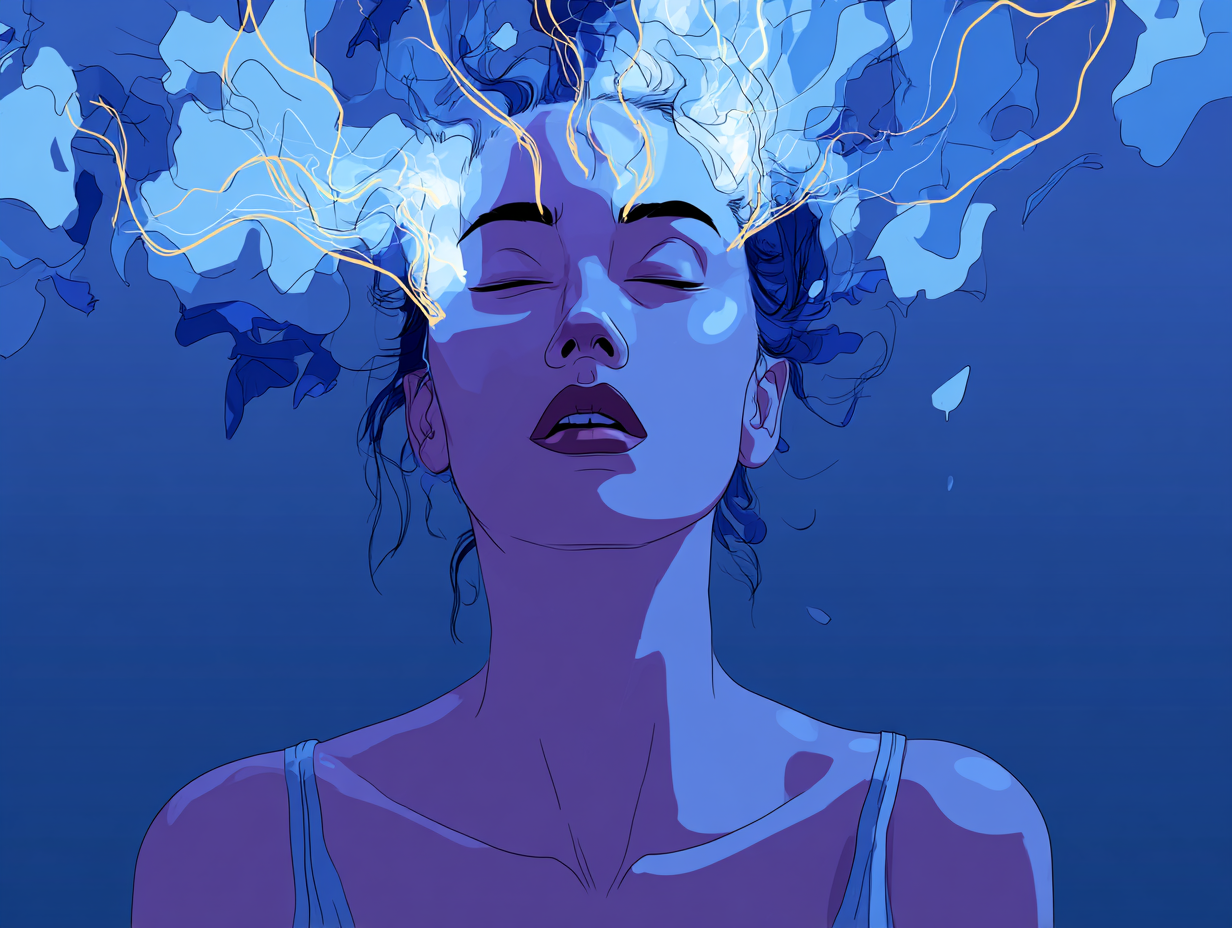
At its core, this term is used to describe a situation where spiritual or religious ideas become intertwined with psychotic symptoms in a way that disrupts a person’s ability to accurately interpret reality. People may feel as though they have received special messages, possess a unique mission, or are guided by forces that others cannot perceive. What makes these experiences concerning is not their spiritual content, but the loss of reality testing and the impact on daily functioning.
It’s important to be precise here. Spiritual psychosis is not an official diagnosis in the DSM-5-TR. Mental health professionals instead assess for recognized conditions such as brief psychotic disorder, bipolar disorder with psychotic features, or schizophrenia spectrum disorders. The phrase is commonly used in clinical conversations to acknowledge that psychosis can sometimes take on spiritual themes, especially in people who are already engaged in religious or spiritual practices.
Here’s the key distinction: spiritual beliefs, even intense ones, are not inherently pathological. Many cultures and traditions include visions, altered states, or a strong sense of meaning as part of spiritual life. Psychosis becomes a concern when those beliefs are fixed, rigid, and disconnected from shared reality, and when they interfere with safety, relationships, or the ability to work, sleep, and care for oneself.
For example, someone might believe they are receiving divine guidance during prayer or meditation. In a non-pathological context, this belief remains flexible, symbolic, and grounded. In a psychotic state, the same belief may turn absolute and unchallengeable, leading the person to stop sleeping, quit their job, or act on perceived commands without considering consequences.
Clinicians pay close attention to functioning and insight. Can the person question their experiences? Are they open to alternative explanations? Can they maintain basic routines and relationships? When insight fades and daily life begins to unravel, professional evaluation becomes essential.
Understanding what people mean by spiritual psychosis helps reduce shame and confusion. It reframes the experience as a mental health issue that can involve spiritual content, rather than a spiritual failure or a personal flaw. With the right support, many people recover stability and regain a balanced relationship with both their mental health and their beliefs.
What Are the Symptoms of Spiritual Psychosis?
Spiritual beliefs alone are not a problem. Symptoms become concerning when spiritual ideas are paired with psychotic features that affect perception, thinking, and behavior. In spiritual psychosis, the content of psychosis often takes a religious or spiritual form, but the underlying issue is a disruption in how reality is processed and evaluated.
Early signs can be subtle. A person may seem unusually preoccupied with spiritual meaning or feel they have accessed a deeper “truth” others cannot see. Over time, these experiences can intensify and begin to interfere with sleep, work, relationships, or personal safety. What clinicians look for is not what someone believes, but how those beliefs function in their life.

Cognitive and belief-related symptoms
- rigid conviction of having a special mission, power, or identity;
- interpreting neutral events as divine signs or personal messages;
- inability to consider alternative explanations;
- feeling chosen, enlightened, or uniquely responsible for others’ fate.
Perceptual symptoms
- hearing voices framed as spiritual guides, angels, or demons;
- seeing visions, symbols, or light with absolute certainty of their meaning;
- sensing external control over thoughts or actions.
Emotional and behavioral symptoms
- extreme fear, euphoria, or emotional swings linked to spiritual ideas;
- withdrawal from family, friends, or daily responsibilities;
- impulsive or risky actions based on perceived spiritual commands;
- neglect of basic needs such as eating, hygiene, or rest.
One of the strongest warning signs is sleep deprivation. Many people experiencing spiritual psychosis sleep very little for days while feeling energized or “guided.” Lack of sleep alone can worsen psychotic symptoms and accelerate loss of reality testing.
When symptoms move from unusual to dangerous
The difference between intense spiritual interest and a mental health crisis often lies in functioning and safety. The table below highlights key distinctions clinicians use to assess risk.
| Experience | Less Concerning | Red Flags |
|---|---|---|
| Beliefs | Symbolic, flexible | Fixed, absolute, unchallengeable |
| Insight | Can question experiences | No doubt or reflection |
| Functioning | Daily life intact | Work, sleep, self-care disrupted |
| Safety | No commands or risk | Voices or beliefs urging harm |
For instance, feeling spiritually inspired after a retreat is not unusual. But believing you must stop eating because you are “transcending the physical body,” or acting on instructions from voices, signals a need for immediate professional evaluation.
If you notice these symptoms in yourself or someone close to you, it does not mean something is permanently wrong. It means the nervous system and perception may be under extreme strain. Early support can prevent escalation and significantly improve outcomes.
Causes of Spiritual Psychosis: Why It Can Happen
There is no single cause of spiritual psychosis. Instead, clinicians understand it as the result of multiple interacting factors that overwhelm the brain’s ability to regulate perception, meaning, and emotional intensity. Spiritual content does not create psychosis by itself, but it can shape how psychotic symptoms are expressed when someone is already vulnerable.
A useful way to think about this is the stress–vulnerability model. Some people have a higher biological or psychological sensitivity to psychosis. When intense stressors or destabilizing experiences are added, symptoms can emerge.
Biological and psychological vulnerability
Some individuals are more susceptible to psychotic symptoms due to factors such as:
- a personal or family history of psychosis, bipolar disorder, or severe mood disorders;
- heightened sensitivity to stress or emotional overload;
- past trauma, especially when dissociation is already present;
- difficulty regulating intense emotional states.
This vulnerability may remain dormant for years. A triggering event does not “cause” the condition on its own, but it can push an already strained system past its limits.
Stress, exhaustion, and nervous system overload
One of the most common contributors is prolonged stress combined with sleep deprivation. When the brain is deprived of rest, dopamine regulation and reality testing become impaired. Under these conditions, thoughts can take on exaggerated meaning and emotional intensity.
High-risk situations often include:
- extended periods of little or no sleep;
- extreme fasting or physical exhaustion;
- major life crises, such as loss, migration, or identity disruption;
- prolonged isolation.
When exhaustion sets in, spiritual ideas can become organizing explanations for overwhelming internal sensations.
Intensive spiritual practices
Practices meant to promote insight or transcendence can become destabilizing when taken to extremes or practiced without grounding. Examples include:
- prolonged silent meditation without guidance;
- intensive breathwork leading to dissociation;
- extended retreats without psychological screening;
- sudden immersion in belief systems that discourage questioning.
For most people, these practices are safe. For someone with underlying vulnerability, however, they can amplify dissociation, reduce reality testing, and accelerate psychotic symptoms.
Substances and medications
Psychoactive substances are a well-documented trigger. Psychedelics, stimulants, and even some prescribed medications can provoke psychosis in vulnerable individuals, especially when combined with spiritual frameworks that encourage interpretation of altered states as absolute truth.
Importantly, substance-induced psychosis can persist even after the substance is discontinued, making early evaluation essential.
Why spirituality shapes the experience
Psychosis often draws on the most emotionally meaningful symbols available to the person. For someone engaged in spirituality, religious or mystical ideas may become the language through which distress is expressed. This does not mean spirituality is the problem. It means the mind is using familiar concepts to make sense of overwhelming internal experiences.
Understanding the causes of spiritual psychosis helps shift the focus away from blame. These experiences are not a moral failure or a spiritual mistake. They are a signal that the brain and nervous system need stabilization, support, and professional care.
Spiritual Awakening or Psychosis: How Can You Tell the Difference?
This is one of the most confusing and emotionally charged questions people ask. Spiritual experiences can feel intense, emotional, and life-changing, which makes it hard to know where spiritual growth ends and a mental health crisis begins. The difference is not about whether an experience is spiritual. It’s about how the experience affects reality testing, flexibility, and daily functioning.
A helpful starting point is this: spiritual experiences tend to expand awareness, while psychosis tends to narrow it. One brings greater integration into life; the other pulls a person away from it.
Key clinical markers clinicians look for
Mental health professionals focus on how beliefs are held, not what the beliefs are.
- Is the person able to question or reflect on their experience?
- Do they recognize that others may see things differently?
- Are they still able to work, sleep, eat, and maintain relationships?
- Is there curiosity, or is there certainty that cannot be challenged?
When insight and flexibility remain intact, the experience is far less likely to be psychotic.

Spiritual growth tends to look like
- increased self-reflection and emotional range;
- symbolic or metaphorical understanding of experiences;
- openness to feedback and alternative perspectives;
- improved or stable daily functioning;
- a sense of meaning that coexists with responsibility.
Psychosis tends to look like
- rigid, literal interpretations taken as absolute truth;
- loss of doubt or critical reflection;
- withdrawal from everyday life;
- sleep deprivation paired with high energy or agitation;
- beliefs or perceptions that drive unsafe behavior.
The table below summarizes these differences in a practical, clinical way.
| Dimension | Spiritual Experience | Psychotic Process |
|---|---|---|
| Insight | Can reflect and question | No doubt or self-questioning |
| Flexibility | Beliefs are symbolic | Beliefs are literal and fixed |
| Functioning | Life roles maintained | Work, sleep, self-care impaired |
| Relationship to others | Connection and empathy | Isolation or mistrust |
| Risk | No commands or danger | Voices or beliefs urge action |
A realistic example
Imagine someone returning from a meditation retreat feeling deeply connected and reflective, yet still able to discuss their experience, rest, and return to work. That experience may be intense, but it remains grounded.
Now compare that to someone who believes they have been chosen to deliver a message that must be acted on immediately, stops sleeping, quits their job, and refuses medical care because they feel “protected.” The second scenario signals loss of reality testing and requires urgent professional evaluation.
Why this distinction matters
Mislabeling psychosis as spiritual awakening can delay care and increase risk. At the same time, dismissing genuine spiritual experiences as pathology can cause unnecessary fear and shame. A careful, respectful assessment by a licensed mental health professional helps protect both psychological safety and personal meaning.
If there’s uncertainty, it’s always appropriate to consult a psychologist or psychiatrist for clarification. Asking for help does not invalidate spiritual beliefs. It prioritizes safety, stability, and long-term well-being.
When Should You Seek Professional Help for Spiritual Psychosis?
Seeking help can feel intimidating, especially when experiences are framed in spiritual or deeply personal terms. Many people hesitate because they fear being judged, misunderstood, or immediately hospitalized. In reality, reaching out for professional support is often the safest and most stabilizing step, especially when symptoms begin to interfere with daily life or personal safety.
A good rule of thumb is to focus on functioning and risk, not on the spiritual meaning of the experience itself.
Signs it’s time to reach out for help
Consider contacting a licensed mental health professional if you or someone close to you notices:
- ongoing loss of sleep for several nights in a row;
- difficulty working, studying, or caring for basic needs;
- increasing fear, agitation, or emotional instability;
- beliefs that feel uncontrollable or impossible to question;
- hearing voices or receiving commands that influence behavior;
- withdrawal from loved ones combined with growing certainty or urgency.
These signs suggest that the nervous system may be overwhelmed and needs support to regain balance.
Who to contact: psychologist or psychiatrist?
In the United States, both psychologists and psychiatrists play important but different roles.
- A psychologist can provide assessment, grounding strategies, and ongoing therapy to help stabilize thinking, reduce distress, and rebuild insight;
- A psychiatrist is a medical doctor who can evaluate whether medication may be helpful, especially when symptoms are severe, persistent, or rapidly escalating.
Often, the most effective care involves collaboration between both professionals. Importantly, seeking an evaluation does not automatically mean medication or hospitalization. Many people receive outpatient support and recover stability without inpatient care.
What to expect when you seek help
A qualified clinician will focus on safety, sleep, stress levels, and current functioning. They may ask about recent spiritual practices, substance use, and life stressors, not to judge them, but to understand potential triggers. The goal is stabilization and clarity, not to challenge personal beliefs.

Early support is associated with better outcomes. Addressing symptoms before they escalate can reduce distress, shorten recovery time, and help preserve relationships and work roles.
Crisis resources
If symptoms escalate quickly or involve thoughts of harm:
- Call or text 988 to reach the Suicide & Crisis Lifeline in the U.S.;
- If you or someone else is in immediate danger, call 911.
These services are confidential, available 24/7, and focused on keeping people safe during moments of crisis.
References
1. National Institute of Mental Health. Schizophrenia. 2024.
2. American Psychiatric Association. What Is Psychosis? 2023.
3. American Psychological Association. Understanding Psychosis. 2022.
4. Mayo Clinic. Psychosis: Symptoms and Causes. 2023.
5. Cleveland Clinic. Psychosis. 2024.
Conclusion
Experiences that feel spiritual can be powerful and meaningful, but they can also become frightening when they are paired with psychotic symptoms and a loss of reality testing. What is often called spiritual psychosis reflects a mental health crisis shaped by spiritual content, not a failure of belief or character. The most important markers are flexibility, insight, and the ability to function safely in daily life.
If spiritual ideas begin to feel rigid, overwhelming, or dangerous, professional support can help restore stability and clarity. Early evaluation, compassionate care, and appropriate treatment allow many people to recover and reconnect with both their mental health and their values. You don’t have to navigate this alone, and seeking help is a step toward safety, not judgment.
If you ever feel unsafe or at risk, call or text 988 to reach the Suicide & Crisis Lifeline in the U.S. If there is immediate danger, call 911.
Frequently Asked Questions
Is spiritual psychosis an official diagnosis?
No. Spiritual psychosis is not a formal DSM-5-TR diagnosis. Clinicians use the term descriptively when psychotic symptoms involve spiritual or religious themes.
Can meditation or spiritual practices cause psychosis?
For most people, meditation and spiritual practices are safe. In individuals with underlying vulnerability, extreme or unsupervised practices combined with stress or sleep deprivation can contribute to psychotic symptoms.
How is spiritual psychosis treated?
Treatment focuses on stabilizing symptoms and restoring reality testing. This may include psychotherapy, psychiatric evaluation, and sometimes medication, depending on severity and clinical assessment.
Does having spiritual beliefs increase the risk of psychosis?
No. Spiritual beliefs alone do not cause psychosis. Risk is related to biological vulnerability, stress, sleep disruption, and other factors. Spiritual content may shape how symptoms are expressed, not whether they occur.
When should I seek urgent help?
Urgent help is needed if there is loss of sleep for days, inability to function, hearing voices that give commands, or risk of harm. In the U.S., call or text 988, or call 911 if there is immediate danger.