Shadow Archetype: Jung’s Dark Side and the Shadows of the 12 Archetypes
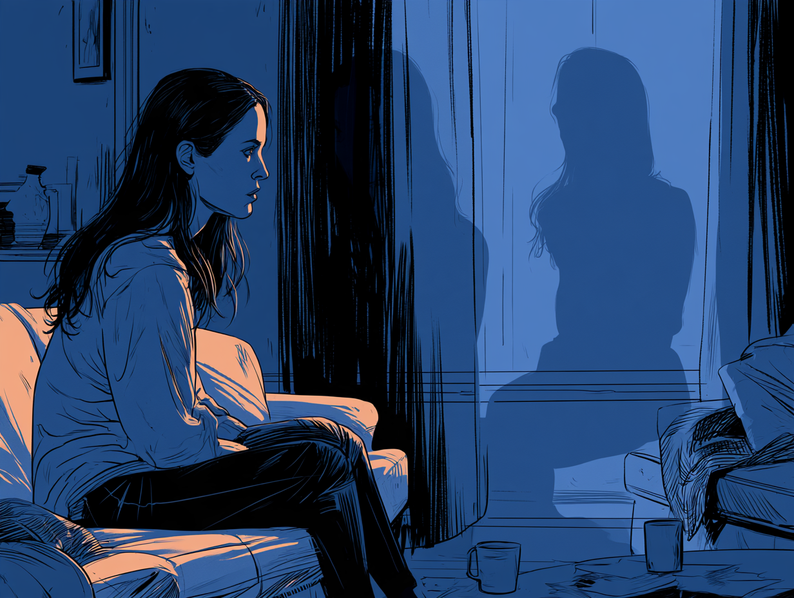
You can care deeply about someone and still resent being the person they always turn to. In Jungian psychology, the shadow archetype describes aspects of yourself that your conscious identity struggles to acknowledge, including feelings, wishes, and strengths you have learned to reject. That tension can be uncomfortable, especially when your reaction clashes with the person you believe you should be.
The word “dark” can sound ominous, but Jung’s idea includes more than hostility or envy. Assertiveness, ambition, and the wish to be cared for can also sit outside someone’s accepted self-image. Recognizing a feeling does not mean approving every action it might inspire.
Below, we’ll explore this idea alongside the popular 12-archetype framework developed by Carol S. Pearson, rather than a fixed list created by Jung. You’ll find possible shadow patterns for each archetype, questions for examining everyday reactions, and guidance on when to seek professional support. These descriptions offer perspectives for reflection, not diagnoses.
What Is the Shadow Archetype in Jungian Psychology?
The shadow archetype represents aspects of ourselves that we do not recognize or accept as part of who we are. In Jung’s framework, these aspects sit outside conscious awareness, yet may influence how we interpret situations and respond to others. The American Psychological Association’s dictionary includes both positive and negative qualities in its definition of the shadow.
This is a concept from analytical psychology, not a diagnosis. It offers a way to ask what your usual self-description leaves out, without assuming that every uncomfortable reaction reveals a hidden truth.
The Persona and the Qualities We Leave Out
Jung used persona to describe the social face we present to the world. Being dependable at work, patient with children, or composed during conflict can be sincere and useful. The difficulty, within this framework, arises when a role becomes so restrictive that ordinary feelings seem incompatible with it.
For example, imagine an employee known for handling everything independently. When a coworker requests help with a deadline, the employee feels irritated and thinks, “Why can’t they manage on their own?” One possible interpretation is that the coworker is expressing a need the employee rarely permits themselves to acknowledge.
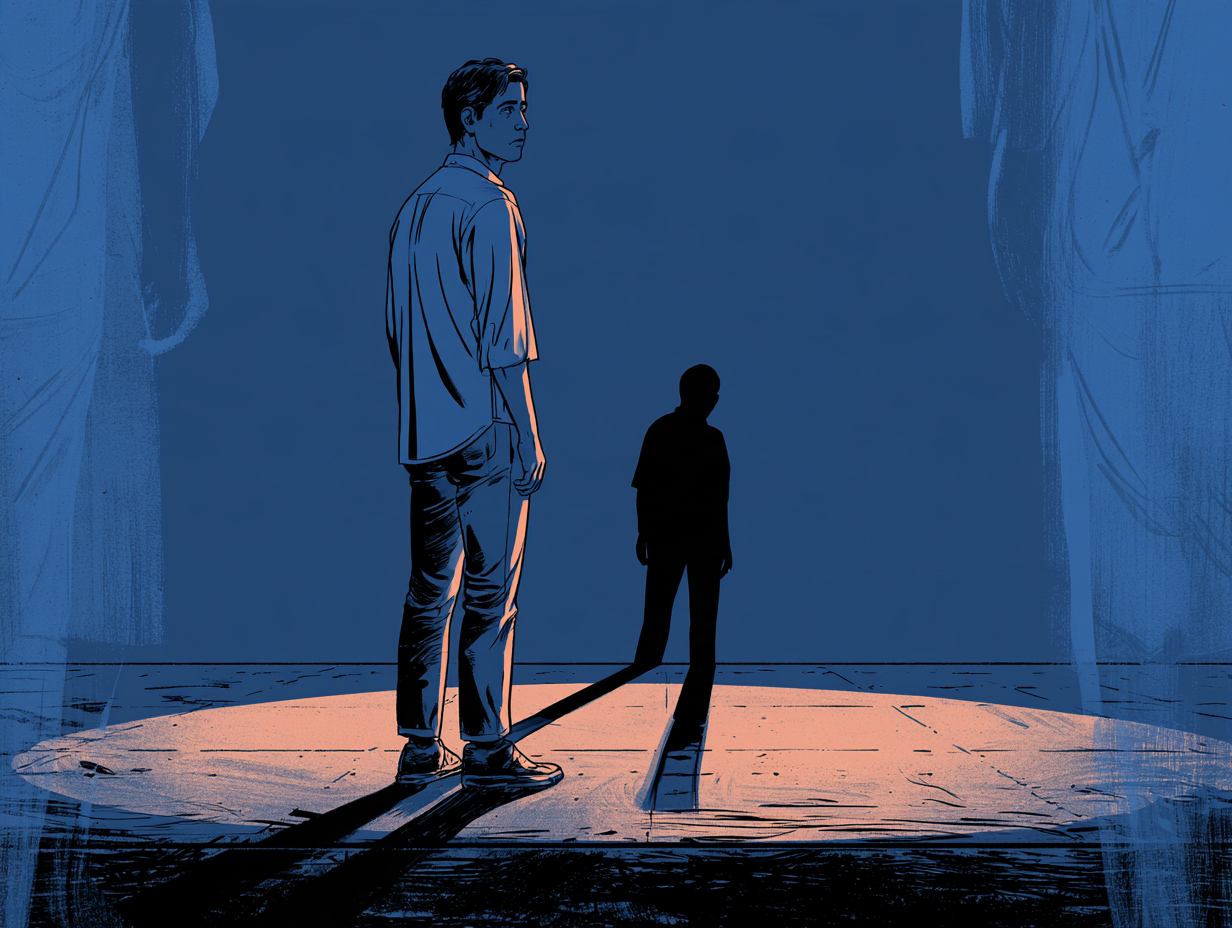
That interpretation is a question to explore, not a verdict. The employee might also be overloaded, or the coworker might repeatedly leave tasks unfinished. Understanding the situation requires attention to both internal reactions and external facts.
Why the Shadow Includes Strengths, Too
A person who equates assertiveness with selfishness may struggle to recognize their own legitimate preferences. Someone who has learned to avoid attention might minimize an accomplishment, even while wishing others would notice it. In a Jungian reading, confidence or ambition could belong to the shadow because those qualities feel unacceptable.
Integration means becoming more able to acknowledge such qualities and choose how to express them. You might admit that you want recognition, then discuss your contribution directly. The aim is greater awareness and responsibility, with room for feelings that your familiar role does not accommodate.
How Does the Shadow Archetype Relate to the 12 Archetypes?
Jung’s shadow describes what a person does not consciously acknowledge about themselves. The popular 12-archetype framework offers a separate way to explore recurring motivations, such as belonging, independence, or caregiving. Reading these ideas together can generate questions about behavior, but the twelve categories are not Jung’s definitive inventory of the psyche.
Jung’s Theory and Pearson’s Later Framework
Carol S. Pearson explains that she developed a six-archetype model and later expanded it to twelve in Awakening the Heroes Within. Names vary across applications: an archetype called the Warrior in one version may appear as the Hero in another. Those naming differences reflect adaptations of the framework.
For example, someone drawn to the Caregiver role might notice resentment after repeatedly agreeing to requests. A shadow interpretation could invite them to examine an unacknowledged wish to receive care themselves. However, caregiving does not automatically imply resentment, and the same reaction can have several explanations.
A Framework for Reflection, Not a Diagnosis
Keep these three concepts separate when reading archetype descriptions:
| Concept | What It Describes | How to Use It |
|---|---|---|
| Jungian shadow | Disowned aspects of the self | Explore a theoretical perspective |
| An archetype’s shadow side | A possible problematic expression | Reflect on a specific pattern |
| Clinical assessment | Symptoms, history, and functioning | Seek evaluation from a qualified clinician |
Recognizing yourself in a description does not establish a mental health condition. The American Psychiatric Association explains that DSM-5-TR diagnostic criteria require trained professionals using clinical judgment. The following profiles therefore describe possibilities to consider, not conditions to diagnose or identities you must accept.
The Shadow Sides of All 12 Archetypes
Each archetype highlights a recognizable motivation, but no motivation explains an entire person. The profiles below offer possible interpretations of what happens when a valued identity becomes restrictive. They distinguish between a problematic behavior and the unacknowledged feeling or need that might sit behind it.
These are illustrative readings, not twelve scientifically established pairings. You might recognize several patterns, or find that a description fits one situation but not another.
The Innocent: Hope and the Avoidance of Difficult Truths
The Innocent values hope, trust, and the possibility that things will work out. A possible shadow pattern appears when maintaining that outlook requires dismissing evidence of a problem.
Someone might repeatedly excuse a broken agreement because acknowledging disappointment feels disloyal. What remains unacknowledged could be anger or doubt. Making room for those feelings allows optimism to coexist with questions, precautions, and realistic expectations.
The Everyperson: Belonging and the Loss of Individuality
The Everyperson seeks connection through shared experience and mutual acceptance. That wish can become restrictive when belonging seems to depend on having no inconvenient differences.
Agreeing with friends despite a strong private objection is one possible expression. The excluded quality might be individuality, including pride in an unusual interest or achievement. A useful reflection is whether staying connected actually requires hiding a preference, or whether that rule has gone untested.
The Hero: Courage and the Refusal to Need Help
Courage, persistence, and willingness to face difficulty give the Hero its appeal. Trouble arises when being capable becomes an obligation to remain invulnerable.
A person might keep accepting responsibilities while concealing exhaustion, then resent others for not stepping in. The unacknowledged need could be rest, reassurance, or practical support. Asking for a specific kind of help offers a way to retain responsibility without treating every limit as defeat.

The Caregiver: Generosity and Unspoken Resentment
The Caregiver finds meaning in responding to others’ needs. A possible shadow expression is giving beyond what feels sustainable while expecting others to recognize the cost without being told.
Resentment may point toward an overlooked preference, though it can also reflect genuinely unequal responsibilities. Consider whether an offer is freely chosen, realistically manageable, and open to discussion. Caring for someone does not require making personal needs invisible.
The Explorer: Freedom and the Urge to Escape
The Explorer values discovery, autonomy, and room to choose. Its difficult side may appear when leaving becomes the default response to discomfort, even in situations the person wants to preserve.
An urge to abandon a project or relationship could invite questions about what commitment seems to threaten. Dependence, disappointment, or ordinary routine might be hard to acknowledge. Still, choosing to leave can be reasonable; staying is not automatically growth.
The Rebel: Change and Opposition for Its Own Sake
The Rebel challenges restrictions and notices what others accept without question. That strength can become indiscriminate opposition when cooperation starts to feel like surrender.
Rejecting a workable suggestion simply because it came from an authority figure illustrates this possibility. An unacknowledged wish for support or belonging may deserve attention. The practical distinction is whether resistance serves a considered value or merely protects an identity built around refusing.
The Lover: Connection and the Fear of Separation
The Lover emphasizes intimacy, appreciation, and emotional investment. A possible shadow pattern develops when closeness becomes a demand for constant reassurance or agreement.
Someone might suppress a preference to avoid disappointing a partner, then feel unseen. Independence or anger could be difficult to admit. Reflection should leave room for both people’s choices: recognizing fear does not justify monitoring, pressure, or attempts to control another person.
The Creator: Originality and the Pressure to Be Perfect
The Creator values imagination and making something meaningful. Its shadow side might involve protecting an ideal so fiercely that no finished work feels acceptable.
A writer who endlessly revises an opening but never shares a draft offers one example. The uncomfortable feeling could be fear of ordinary criticism rather than a lack of ideas. Choosing what counts as finished gives creativity a practical boundary without requiring certainty about the reception.
The Jester: Humor and the Avoidance of Vulnerability
The Jester brings playfulness and perspective. Humor becomes limiting when every serious feeling must immediately become a joke.
During a difficult conversation, someone might make everyone laugh while leaving their own hurt unspoken. Earnestness could feel more exposing than wit. Letting one sincere statement stand without a punchline creates another option, while preserving humor as something enjoyable rather than obligatory.
The Sage: Understanding and Emotional Distance
The Sage seeks knowledge, accuracy, and understanding. A possible shadow expression is using explanation to avoid acknowledging personal involvement.
Someone might analyze a disagreement in impressive detail yet struggle to say they felt rejected. The overlooked material could include sadness, uncertainty, or a wish for comfort. Understanding an emotion and allowing yourself to experience it are different tasks; neither requires abandoning careful thought.
The Magician: Possibility and the Temptation to Control
The Magician represents transformation and the ability to imagine alternatives. A problematic expression appears when confidence in a desired outcome leaves little room for other people’s consent or disagreement.

A person might frame unsolicited direction as knowing what someone “really needs.” Limits and uncertainty may be difficult to accept. Responsible influence requires transparent intentions, realistic promises, and willingness to hear a refusal.
The Ruler: Leadership and the Fear of Losing Control
The Ruler values order, stewardship, and dependable structures. Its shadow side may emerge as rigidity when shared responsibility feels intolerably uncertain.
Repeatedly redoing another person’s work could reflect difficulty trusting a different approach, although genuine quality concerns also matter. A useful question is which standards are necessary and which are preferences. Leadership can include clear expectations while leaving others meaningful room to decide.
Recognizing Shadow Patterns in Everyday Life
To explore a possible shadow pattern, start with a specific reaction that conflicts with how you usually describe yourself. Treat that mismatch as a question worth examining. Neither a strong emotion nor recognition in an archetype profile proves that you have uncovered an unconscious motive.
Notice the Gap Between Your Self-Image and Your Reactions
Suppose you pride yourself on being independent, yet feel sharply irritated when your sibling asks someone to watch their children for an afternoon. You think, “They always expect help,” although you rarely allow yourself to ask for any.
One question to consider is whether their request touches a need you find difficult to acknowledge. Perhaps you want an afternoon off, too, but associate asking with letting people down. That possibility deserves curiosity rather than an immediate conclusion about your character.
Look for specific repetitions before settling on an explanation. Does the irritation appear whenever someone asks for support, or only with this sibling after repeated last-minute requests?
Check the Situation Before Calling It Projection
In a Jungian reading, projection can involve attributing unacknowledged aspects of yourself to another person. However, noticing selfishness, dishonesty, or controlling behavior does not establish that you secretly share those qualities.
Separate what happened from what you inferred. “My sibling asked twice this week” describes an event; “They believe my time doesn’t matter” interprets a motive. You can examine that interpretation while still deciding that you are unavailable.
Self-reflection leaves room for boundaries. Understanding your reaction does not obligate you to accept someone else’s behavior.
How Can You Explore Your Shadow Without Judging Yourself?
Begin with curiosity about a recent interaction, rather than a search for something wrong with you. Exploring the shadow archetype means considering what your preferred self-image might leave unacknowledged. The exercise below is a reflection prompt, not a validated assessment or a substitute for therapy.
Start With One Recent Situation
Choose an ordinary incident that feels manageable to revisit. You do not need to uncover a childhood explanation or decide which archetype fits before examining what happened.
Write a few sentences using these steps:
- Describe the event in observable terms, without assigning motives;
- Name the feeling and impulse, such as disappointment and wanting to withdraw;
- Separate what you know from what you assumed;
- Consider a need, preference, or fear you found difficult to admit;
- Choose one response that respects both your values and other people’s boundaries.
For example, a friend receives praise for organizing a gathering, and you feel overlooked. Instead of concluding that you are secretly selfish, consider whether you wanted acknowledgment for your contribution. You could congratulate your friend while also mentioning the work you enjoyed doing.
Make Room for a Feeling Without Acting on Every Impulse
You can acknowledge envy without undermining someone, or anger without sending an insulting message. Recognizing the feeling gives you something specific to consider; it does not make the first impulse a good decision.
Try replacing a character judgment with a precise observation: “I wanted recognition and felt disappointed.” From there, consider whether to make a request, change an arrangement, or let the feeling pass without taking action.
Pause When Reflection Turns Into Rumination
If you keep reviewing the same incident without reaching a new understanding or decision, pause the exercise. You do not have to resolve every feeling before returning to your day.
Avoid treating imagined explanations as recovered memories or established facts. If reflection repeatedly intensifies distress or disrupts daily activities, discuss the experience with a licensed mental health professional.
Professional Support and the Limits of Shadow Work
Archetype descriptions can provide language for reflection, but they cannot determine why you are struggling or which treatment fits your needs. If self-exploration becomes distressing, you can seek professional support without first identifying a hidden motive or choosing an archetype.

When Distress Interferes With Daily Life
Pay attention to changes in sleep, concentration, relationships, and your ability to manage everyday responsibilities. The National Institute of Mental Health recommends seeking professional help for severe or distressing symptoms lasting two weeks or more. That timeframe is not a requirement to wait: seek help sooner if symptoms are severe, worsening, or raise concerns about safety.
For example, repeatedly analyzing an argument until you miss sleep is a concrete concern to discuss. You do not need to establish whether it represents a shadow pattern.
What to Discuss With a Licensed Clinician
Describe what happens, how often it occurs, and how it affects your life. A licensed psychologist, clinical social worker, counselor, or psychiatrist can discuss your concerns and appropriate next steps.
If Jungian ideas interest you, ask how the clinician uses them and how progress would be evaluated. NIMH emphasizes that treatment choices should reflect individual needs and the clinical situation. An archetype label should not determine your care.
This article is informational and does not provide medical advice. In the United States, call or text 988 (Suicide & Crisis Lifeline); if in immediate danger, call 911.
References
1. American Psychological Association. Shadow. APA Dictionary of Psychology. 2018.
2. American Psychological Association. Archetype. APA Dictionary of Psychology. 2018.
3. American Psychiatric Association. About DSM-5-TR. n.d.
4. National Institute of Mental Health. Caring for Your Mental Health. Reviewed April 2026.
5. National Institute of Mental Health. Psychotherapies. n.d.
6. Substance Abuse and Mental Health Services Administration. 988 & 911: Key Differences Fact Sheet. 2025.
The shadow archetype invites you to consider qualities your familiar self-image leaves out, including needs and strengths you find difficult to acknowledge. Pearson’s 12-archetype framework offers additional perspectives, but none of these descriptions defines your character or establishes a diagnosis.
Start with one concrete situation, consider more than one explanation, and choose a response that respects your values and boundaries. Recognizing an uncomfortable feeling does not require acting on it. If reflection becomes distressing or everyday functioning suffers, a licensed mental health professional can help you explore what is happening.
Frequently Asked Questions
Is the shadow archetype the same as being a bad person?
No. In Jungian psychology, the shadow refers to aspects of yourself that you do not consciously recognize or accept, including positive qualities. Feeling envy, anger, or a wish for recognition does not establish your character or excuse harmful behavior. What matters in a particular situation includes how you respond and take responsibility for your actions.
Did Carl Jung identify exactly 12 archetypes?
Jung did not establish the popular twelve-item list as a definitive inventory of the psyche. Carol S. Pearson developed a later framework that expanded from six archetypes to twelve. Names vary across its applications, which explains why one source might use Warrior while another uses Hero. The framework draws on Jungian ideas but should be distinguished from Jung’s original work.
Can more than one archetype describe me?
Yes, you may recognize aspects of yourself in several descriptions, depending on the situation. You might value independence in your work while emphasizing caregiving within your family. That overlap does not require choosing a single “true” type or indicate a clinical condition. Consider whether a description illuminates a specific experience rather than expecting it to explain your entire personality.
Can positive qualities be part of the shadow?
Yes. The American Psychological Association’s definition includes positive as well as negative qualities that feel unacceptable to the conscious ego. For example, someone who associates confidence with arrogance might struggle to acknowledge their abilities. Within a Jungian interpretation, exploring that tension could involve recognizing a strength while choosing a considerate way to express it.
Do I need a test to identify my shadow?
No test is required to reflect on a reaction, an unspoken preference, or a recurring conflict. An archetype questionnaire may offer prompts, but its result does not establish an unconscious motive or a mental health diagnosis. Start with what happened, what you felt, and which explanations fit the facts. Leave room to revise your interpretation.
Is shadow work the same as psychotherapy?
Shadow work is a broad label for practices exploring unacknowledged aspects of the self, and those practices vary. Psychotherapy involves professional care tailored to a person’s concerns, needs, and clinical situation. A clinician may discuss Jungian concepts, but using a journal or completing an archetype exercise is not equivalent to receiving psychotherapy. Seek professional support if reflection intensifies distress or difficulties interfere with daily life.