Psychologist for an Adopted Child: How Therapy Supports Healing, Attachment, and Emotional Growth
Adoption can bring joy, relief, and hope yet it can also stir complicated feelings for both parents and children. Many caregivers begin searching for answers when their child’s behavior shifts or emotions feel harder to navigate. A psychologist for an adopted child can help families make sense of these changes by offering trauma-informed, adoption-competent support tailored to a child’s unique history.
These specialists understand how early stress, loss, and transitions can affect a child’s sense of safety, identity, and connection. They help children express feelings that are difficult to put into words and guide parents in building stronger attachment and emotional regulation at home. Working with a psychologist does not mean something is wrong it simply provides a safe space for healing, growth, and understanding.
In this article, you will learn what these psychologists do, why adopted children may face emotional or behavioral challenges, how therapy works, and practical steps parents can take while searching for support. You will also discover how to find the right adoption-competent therapist in the United States and when to reach out for professional help.

What a Psychologist for an Adopted Child Does and How They Support Families
A psychologist for an adopted child helps families understand how early experiences, transitions, and identity questions shape a child’s emotions and behavior. These specialists offer a safe, structured environment where children can explore feelings, strengthen attachment, and build trust. Their work supports both the child and the caregivers, guiding everyone toward healthier patterns of connection.
Core responsibilities of a psychologist for an adopted child
A psychologist for an adopted child focuses on understanding the child’s emotional world through a trauma-informed and developmentally sensitive lens. Instead of asking What is wrong with this child?, the focus shifts to What has this child been through, and what do they need to feel safe?
These specialists typically help with:
- emotional regulation challenges such as anxiety, anger, or intense sadness;
- behaviors linked to early stress or disrupted attachment;
- grief and identity questions that can surface at various developmental stages;
- peer and school difficulties;
- parent support, coaching, and guidance for building stronger relationships.
Sessions often include play-based activities, expressive techniques, or structured conversations that help children communicate nonverbally as well as verbally. For many adopted children, play offers the safest pathway to show fear, hope, or confusion.
Adoption-specific challenges (loss, identity, and early adversity)
Adoption, even when loving and stable, begins with loss. Children may carry memories or sensations from early adversity, prenatal stress, time in foster care, or institutional settings. These experiences can influence how a child develops trust, responds to transitions, and interprets the world around them.
Some children show increased sensitivity to rejection or separation. Others may struggle with self-worth or feel caught between multiple identities their birth family, adoptive family, and personal sense of belonging. These emotional layers can shift over time, especially during developmental milestones such as starting school or adolescence.
A psychologist trained in adoption issues understands how to address these themes gently and respectfully. Therapy may explore grief, curiosity about birth relatives, loyalty conflicts, and questions about identity in ways that honor the child’s experiences.
How therapy creates safety for healing and attachment
Adopted children often thrive when therapy provides three essential ingredients safety, connection, and predictability. A psychologist for an adopted child works to build a secure base a place where the child knows they will not be judged, pressured, or misunderstood.
Therapy emphasizes:
- co-regulation through consistent, calm responses;
- helping the child interpret physical cues as signals rather than danger;
- rewriting internal narratives such as I am not safe or People leave in supportive ways;
- involving parents in learning new relational patterns.
Many psychologists integrate parentchild sessions, teaching caregivers how to respond to behavior cues, create felt safety at home, and repair connection after ruptures. Over time, the child gains confidence, emotional vocabulary, and trust skills that support long-term resilience.
What Makes Emotional and Behavioral Challenges Common in Adopted Children?
Many adopted children navigate emotional worlds shaped by early stress, separation, or transitions. These experiences do not define them, yet they can influence how a child reacts to daily situations, relationships, and moments of uncertainty. Understanding the roots of these behaviors helps parents respond with compassion rather than fear or self-blame.
The role of early stress and the HPA axis
Early stress can affect how a child’s nervous system responds to danger, even years later. When the body’s stress-response system including the HPA axis has been activated too often or too intensely, it may become more reactive. A child might startle easily, struggle with sleep, or shift quickly between emotions.
This does not mean the child remembers traumatic events in a literal sense. Instead, their body may interpret ordinary daily challenges as potential threats. A raised voice, a sudden change in plans, or a caregiver leaving the room can trigger strong reactions rooted in earlier experiences of unpredictability.
Trauma-linked behaviors vs typical development
Separating trauma-linked behaviors from typical childhood stress can feel confusing. Many adopted children show signs that overlap with common developmental phases difficulty concentrating, irritability, clinginess, or big emotional outbursts.
The difference often lies in intensity, duration, and context. These patterns can appear when a child:
- struggles to trust new caregivers fully;
- reacts strongly to transitions;
- becomes overwhelmed in noisy environments;
- avoids closeness or seems unusually independent;
- shows sudden changes in mood without explanation.
None of these behaviors automatically signal trauma. They are simply clues that help parents and psychologists understand the child’s emotional landscape and support them more effectively.
Attachment patterns and how they influence behavior
Attachment is the emotional bond that forms between a child and caregiver. For adopted children, this bond may have been disrupted one or more times. Even when adoption leads to a stable, loving home, the child may still carry questions about whether adults will stay, whether they are lovable, or whether it is safe to rely on others.
As a result, children may show:
- clinginess or panic during transitions;
- avoidance of comfort or refusal to accept help;
- testing behaviors;
- emotional withdrawal;
- difficulty reading social cues.
These behaviors are not defiance. They are often protective strategies shaped by earlier environments.
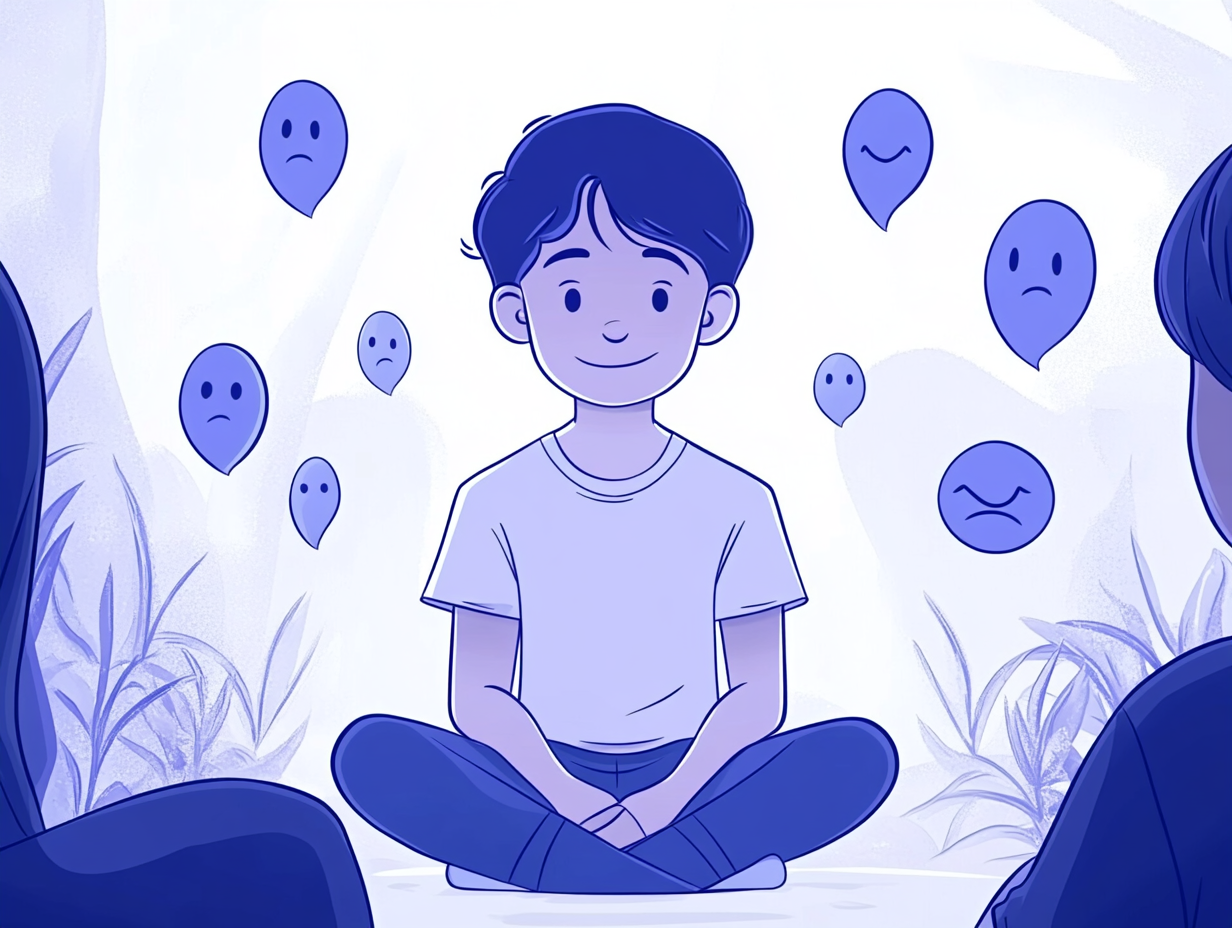
Table Behaviors, Possible Meanings, and What Helps
| Behavior | Possible Meaning | What Helps |
|---|---|---|
| Intense anger or irritability | Difficulty regulating emotions after early stress | Predictable routines, calm co-regulation, sensory breaks |
| Clinginess or separation distress | Fear of abandonment, attachment insecurity | Gentle transitions, connection rituals, reassurance |
| Withdrawal or shutting down | Feeling overwhelmed or unsafe | Quiet presence, slow pacing, validating feelings |
| Defiance or testing limits | Checking caregiver consistency | Clear boundaries with warmth and follow-through |
| Difficulty concentrating | Stress response overshadowing attention | Movement breaks, visual supports, reducing overwhelm |
| Regression | Stress, fatigue, or reminders of loss | Compassion, temporary scaffolding, consistent caregiving |
When a Psychologist for an Adopted Child Is Needed Signs, Red Flags, and How to Respond
Many adopted children move through emotional ups and downs as they adjust to new relationships, routines, and developmental stages. Some challenges resolve with support at home, while others may be signs that a psychologist for an adopted child can offer deeper guidance. Knowing when to seek help can reduce stress for the whole family and strengthen the child’s sense of safety.
Common signs that your child may need support
Children communicate through their behavior as much as their words. Patterns that persist for several weeks, intensify over time, or interfere with daily functioning may signal that additional support could help.
These signs can include:
- frequent emotional outbursts or difficulty calming down;
- fear of separation or extreme clinginess beyond age expectations;
- withdrawal from caregivers, peers, or activities they once enjoyed;
- sleep disruptions such as nightmares or night waking;
- sudden regression in toileting, independence, or communication;
- heightened sensitivity to rejection or criticism;
- ongoing conflicts at school or trouble forming friendships;
- strong reactions to adoption-related topics or reminders of past experiences.
These behaviors do not mean something is wrong with the child. They simply indicate that the emotional load may be heavier than they can carry alone and that professional support may help lighten it.
Red flags that require urgent help (988, 911)
Some situations call for immediate support from a crisis-trained professional. If a child expresses or demonstrates behaviors that suggest risk of harm to themselves or others, or if they suddenly withdraw in ways that feel alarming, urgent evaluation is necessary.
Seek crisis help right away if a child shows:
- statements about not wanting to live;
- threats of harm to themselves or others;
- severe aggression or loss of control;
- sudden, intense withdrawal or detachment;
- behavior that suggests they may be responding to overwhelming fear or traumatic memories.
If you ever feel a child is in immediate danger, call 911.
For urgent emotional distress, you can call or text 988 (U.S. Suicide and Crisis Lifeline).
These services are confidential and available 24/7 to support families through crisis moments.
When self-help is not enough
Many parents start with home strategies co-regulation, routines, communication, sensory tools and these can make a meaningful difference. But self-help alone might not meet the child’s needs when:
- behaviors escalate despite consistent support;
- school concerns become frequent and disruptive;
- adoption themes trigger strong or confusing emotions;
- parents feel overwhelmed, unsure, or stuck;
- family relationships feel strained or disconnected;
- the child’s reactions seem out of proportion to everyday events.
A psychologist for an adopted child brings specialized training in trauma, attachment, development, and family dynamics. They help uncover the meanings behind behaviors and guide parents in reshaping patterns at home.
Here is the encouraging part early support often prevents future struggles. Therapy can strengthen attachment, increase emotional regulation, and give the whole family more confidence and calm.
Evidence-Based Therapy Approaches for Adopted Children
Therapy for adopted children is most effective when it is trauma-informed, attachment-focused, and developmentally appropriate. Because many adopted children have lived through early stress, transitions, or disrupted caregiving, the therapeutic process must meet them where they are emotionally. The goal is not to fix behavior, but to help the child feel safe, understood, and connected foundations that support long-term healing.
Play therapy and child-centered approaches
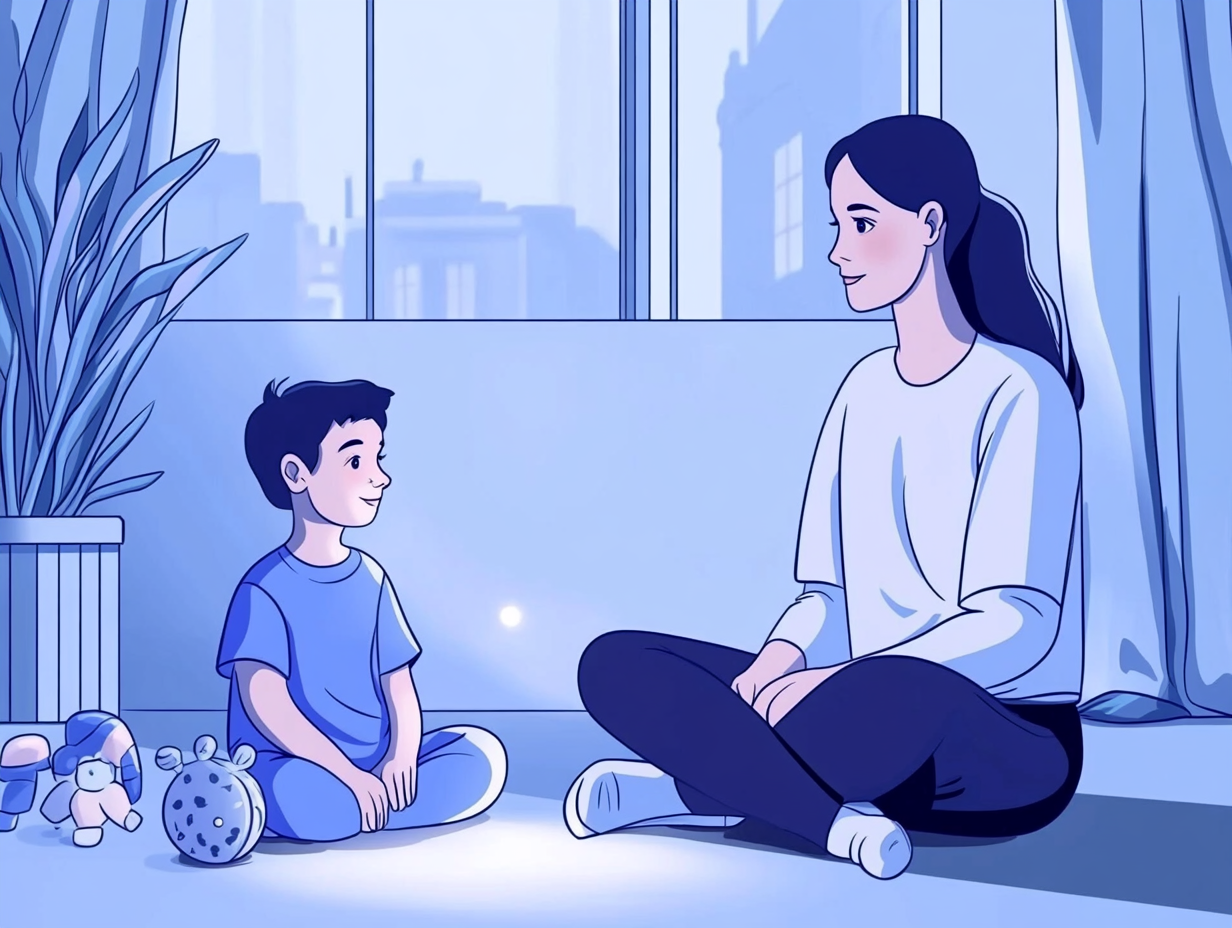
Play therapy is often the first doorway into healing because children naturally express feelings through play rather than words. A trained therapist observes themes, emotional cues, and symbolic patterns that help reveal a child’s internal world.
Play therapy can help when a child:
- struggles to talk about difficult emotions;
- reenacts scenes of fear, confusion, or loss;
- uses play to explore identity or relationships;
- needs a safe space to practice new skills like problem-solving or emotional labeling.
These sessions are gentle, nondirective, and paced according to the child’s readiness. Many adopted children relax into this environment and begin sharing emotions they previously had no words for.
Trauma-focused cognitive behavioral therapy (TF-CBT)
TF-CBT is one of the most researched treatments for children who have experienced trauma. It uses age-appropriate techniques to help children make sense of overwhelming memories, master physical stress reactions, and develop healthier thinking patterns.
Therapists may incorporate:
- grounding exercises;
- coping skills for strong emotions;
- gentle processing of difficult memories;
- parentchild sessions to strengthen communication.
TF-CBT focuses on building safety, then helping the child understand their experiences with support, pacing, and consent.
Dyadic Developmental Psychotherapy (DDP) and parent involvement
DDP is designed specifically for children with attachment disruptions. Instead of working with the child alone, DDP brings parent and child together in a structured, nurturing environment. The therapist models PACE Playfulness, Acceptance, Curiosity, and Empathy helping both parent and child experience moments of connection that feel emotionally safe.
DDP can be especially helpful when a child:
- pushes caregivers away during moments of stress;
- shows extreme clinginess or fear of separation;
- struggles to trust adults;
- seems shut down emotionally.
Over time, DDP strengthens the parentchild relationship and increases the child’s capacity for closeness and cooperation.
TBRI and relational healing
Trust-Based Relational Intervention (TBRI) is widely used in the U.S. for children with histories of early adversity. It focuses on three pillars empowering meeting physical needs, connecting building attunement, and correcting teaching new skills with compassion.
TBRI emphasizes:
- co-regulation between caregiver and child;
- cues that help a child feel safe;
- scripts for repairing connection after conflict;
- predictable routines that reduce stress;
- mindful behavior correction rather than punishment.
Parents often find TBRI practical and grounding, as it provides daily tools for understanding behavior and responding with sensitivity.
Therapy Types, How They Work, and When They Are Used
| Therapy Type | How It Works | When It Is Used |
|---|---|---|
| Play Therapy | Uses symbolic play to help children express emotions and experiences safely | Early childhood, difficulty verbalizing feelings, identity exploration |
| TF-CBT | Blends coping skills, emotional regulation, and gentle trauma processing | Trauma history, anxiety, emotional outbursts, intrusive memories |
| DDP | Strengthens attachment through parentchild sessions using PACE principles | Attachment disruptions, fear of closeness, trust difficulties |
| TBRI | Builds safety and connection through relational and sensory-based tools | Behavioral dysregulation, sensory needs, family stress |
| EMDR | Uses bilateral stimulation to support trauma processing | Specific traumatic memories, high anxiety, when clinically suitable |
Practical Ways Parents Can Support Healing at Home
Parents play a central role in helping adopted children feel safe, understood, and connected. Even outside of therapy, daily interactions can rebuild trust and support emotional regulation. Small, consistent actions often make the biggest difference, especially when a child has lived through stress or unpredictable caregiving in the past.
Co-regulation and felt safety
Co-regulation is the process of helping a child calm their body and emotions by staying calm yourself. Many adopted children struggle to regulate independently, especially when they feel overwhelmed, misunderstood, or afraid. They borrow the adult’s steady presence as their nervous system settles.
Ways to support coregulation include:
- keeping your voice warm and steady during conflict;
- offering physical closeness when welcomed;
- slowing your own breathing so the child can match your pace;
- using short, simple phrases that reduce overwhelm;
- creating predictable transitions around bedtime, meals, or school.
Felt safety the internal sense of being protected grows when a child experiences consistent responses rather than unpredictable reactions. Over time, this helps diminish the fear that often drives challenging behaviors.
Communication scripts that strengthen trust
Adopted children may struggle with trust, vulnerability, or self-worth. They may test boundaries to see if caregivers will remain steady. The way adults communicate during emotional moments can either deepen connection or unintentionally create distance.
Helpful scripts include:
- You are not in trouble. We will figure this out together.
- Your feelings make sense. I am here with you.
- I will not leave, even when things feel hard.
- Let us take this one step at a time.
- You can always come to me, even when you are upset.
These statements reduce shame and remind the child that big emotions do not threaten the parentchild relationship. For many adopted children, hearing reassurance during conflict is crucial for healing past experiences of instability.
Routines, predictability, and sensory regulation
Many adopted children feel safer when their world is structured and predictable. Routines reduce the cognitive load of constant adjustment and help children anticipate what happens next especially if early life was chaotic or inconsistent.
Supportive strategies include:
- visual schedules for mornings, evenings, and school days;
- gentle transitions;
- sensory tools like weighted blankets or movement breaks;
- quiet corners where the child can retreat without feeling punished;
- shared rituals such as bedtime check-ins or post-school reconnection time.
Sensory needs often go unnoticed, yet they deeply influence behavior. Meeting these needs helps reduce stress and supports emotional balance.
How to Find the Right Psychologist for an Adopted Child in the United States
Finding a psychologist for an adopted child can feel overwhelming at first. Families often wonder how to choose someone who truly understands adoption, trauma, and attachment. The good news is that many U.S. clinicians specialize in these areas and use approaches tailored to children with complex early histories. With the right guidance, parents can find a therapist who supports both the child’s healing and the family’s growth.
What adoption-competent therapy really means
An adoption-competent psychologist has specialized training in the emotional, developmental, and relational experiences common among adopted children. Not all child therapists have this background, and parents benefit from asking directly about a clinician’s experience.
Adoption-competent therapists typically:
- understand trauma, attachment, grief, and identity formation;
- avoid blaming parents or the child for stress-related behaviors;
- incorporate the child’s history into treatment planning;
- use trauma-informed approaches that emphasize safety and connection;
- work collaboratively with caregivers rather than in isolation.
They also know how adoption themes shift as children grow from early bonding to identity questions in adolescence and adjust therapy accordingly.
Questions to ask before choosing a therapist
A strong therapeutic relationship begins with a good fit. Parents can approach initial consultations as conversations rather than tests.
Helpful questions include:
- What experience do you have working with adopted children?
- What training do you have in trauma and attachment?
- Do you involve parents in sessions? How often?
- What therapy models do you use (TF-CBT, DDP, TBRI, play therapy)?
- How do you support children who struggle with trust or transitions?
- How do you collaborate with schools or pediatricians when needed?
- What should we expect in the first few sessions?
Pay attention to how the psychologist answers. Do they speak respectfully about adoptive families? Do they invite parent involvement? Do they convey warmth and understanding of adoption-specific challenges?
Insurance, out-of-network choices, and telehealth considerations
Navigating the U.S. mental health system can be confusing, especially with varying insurance requirements. Parents often do not realize they have options beyond in-network providers.
Here is what to keep in mind:
- Many insurance plans cover therapy for children under standard outpatient mental health benefits.
- Some adoption-competent specialists work out-of-network, but families may receive partial reimbursement.
- Telehealth is widely available and legal across most states, allowing families to access specialists even if none are nearby.
- Ask whether the psychologist provides statements for insurance claims.
- Community clinics, university programs, and nonprofit agencies often offer lower-cost services.
Parents should also verify confidentiality mental health providers must follow HIPAA regulations, and therapy content is not shared with schools, agencies, or employers unless parents consent or a safety concern requires disclosure.
Ultimately, choosing a psychologist for an adopted child is less about finding the perfect provider and more about finding someone who understands your family’s story, works collaboratively, and creates a safe space for healing.
References
1. National Institute of Mental Health. Child and Adolescent Mental Health. 2023.
2. Child Welfare Information Gateway, U.S. Department of Health and Human Services. Adopted Children’s Mental Health Needs. 2023.
3. American Psychological Association. Understanding Trauma and Attachment in Adopted Children. 2020.
4. Substance Abuse and Mental Health Services Administration. Child Trauma and Behavioral Health. 2022.
5. Harvard Health Publishing. Childhood Trauma and Its Effects on Development. 2021.
Conclusion
Adopted children often carry stories written long before they joined their families stories shaped by early stress, loss, or transitions. These experiences can influence how they express emotions, handle relationships, and respond to everyday challenges. A psychologist for an adopted child offers a safe and structured space where those experiences can be understood with compassion rather than fear.
Therapy helps children build trust, regulate emotions, and strengthen the bond with their caregivers. Parents gain insight, practical strategies, and reassurance that they are not alone in navigating complex behaviors. With the right support, children can heal, grow, and feel more grounded in their relationships and identity.
If distress ever escalates or safety concerns arise, families in the United States can call or text 988 for the Suicide and Crisis Lifeline, or 911 if immediate danger is present. Reaching out is a sign of commitment and care for both the child and the family.
FAQ
How do I know if my adopted child needs therapy?
If your child shows ongoing emotional outbursts, withdrawal, sleep issues, or strong reactions to separation or transitions, therapy may help. Patterns that last several weeks or affect school, friendships, or home life often benefit from a specialist’s support.
What does therapy look like for an adopted child?
Therapy typically includes play-based sessions, emotional regulation tools, and parent involvement. A psychologist may use approaches such as play therapy, TFCBT, DDP, or TBRI to help children feel safe, express emotions, and strengthen attachment.
Does needing a psychologist mean something is wrong with my child?
No. Children who have experienced early transitions or stress often need extra support to understand emotions and build trust. Therapy provides a safe space for healing and growth, not a label or judgment.
How long does therapy usually take?
Duration varies depending on the child’s history, needs, and progress. Some children benefit from several months of weekly sessions, while others may work with a psychologist for longer periods with breaks in between. A therapist will collaborate with you to plan the right pace.
How do I find an adoption-competent psychologist in the United States?
Look for therapists with training in trauma, attachment, and adoption. Online directories allow you to filter for these specialties. You can also request referrals from pediatricians, schools, or local adoption agencies.
Is telehealth a good option for adopted children?
Telehealth can work well for many families, especially those living far from specialists. Some children prefer online sessions, while others benefit from in-person play-based approaches. A psychologist can help decide which format fits your child best.