Jealous Man: What to Do — Psychologist’s Advice
Feeling overwhelmed by a partner’s jealousy can leave you tense, confused, or even questioning your own reality. Many people across the U.S. face this struggle quietly, hoping things will settle on their own. A jealous man may react not because of what you have done, but because of the story his mind is telling him, a story shaped by insecurity, fear of loss, past experiences, or emotional overload.
Jealousy itself is not the problem. It is a normal human emotion. What matters is how someone behaves when they feel it. Some responses are manageable through communication, grounding, and boundaries. Others may become controlling or unsafe. Understanding the difference can help you move from confusion to clarity.
In this guide, you will learn why jealousy feels so intense for some men, what helps in the moment, and how to talk without escalating conflict. The article explores healthy and harmful patterns, psychological mechanisms, and steps you can take to protect your well-being. You will also see when therapy can support you, him, or the relationship.
This article is informational only. If you ever feel in danger, call 911. For emotional distress or crisis support, call or text 988.

Why a Jealous Man Feels Jealous and What Jealous Behavior Really Means
Jealousy can feel sudden and overwhelming, especially when reactions seem out of proportion to the situation. A jealous man may be responding not to your actions, but to the threat his mind believes is present. Understanding what is happening beneath the surface helps reduce confusion and makes space for clearer boundaries and healthier conversations.
Psychological and Emotional Mechanisms Behind Jealousy
Jealousy often develops from insecurity, fear of abandonment, and cognitive distortions. According to the American Psychological Association, fear of losing someone emotionally important can make neutral events appear threatening.
Common mechanisms include low self-esteem, anxious attachment, interpreting harmless interactions as signs of danger, and imagining negative scenarios without evidence. These reactions feel real to the person experiencing them, even if they do not match reality.
Common Triggers for Jealous Behavior in Relationships
Everyday situations may activate jealousy, especially when someone is stressed or emotionally overloaded. Cleveland Clinic notes that anxiety lowers the threshold for feeling threatened, making ambiguous cues feel significant.
Typical triggers include delayed responses, changes in routine, unclear social interactions, comparisons with others, past relational hurt, and emotional tension. Sometimes jealousy appears suddenly. Other times it builds quietly until a small moment causes a strong reaction.
When Jealousy Shifts From Emotion to Controlling Behavior
Feeling jealous is human. Acting in controlling ways because of jealousy creates harm. This shift may start with repeated questioning, reassurance-seeking, checking phones or social media, monitoring whereabouts, or limiting your connections.
Cleveland Clinic identifies persistent monitoring or isolation attempts as behaviors linked to emotional harm. When these patterns appear, jealousy is no longer a private discomfort. It becomes a relational risk.
Types of Jealousy, Why They Happen, and What Helps
| Type of jealousy | Why it happens | What helps |
|---|---|---|
| Normal jealousy | A natural response to uncertainty or perceived threat | Calm communication, reassurance, clarifying expectations |
| Insecurity-driven jealousy | Low self-esteem, fear of abandonment, attachment wounds | CBT-style thought reframing, grounding, therapy for insecurity |
| Situational jealousy | Triggered by unclear social situations or past hurt | Defining boundaries, discussing agreements, couples therapy |
| Controlling jealousy | Emotional dysregulation or need for control, may involve monitoring | Firm boundaries, therapeutic support, safety planning if escalating |
| Triggered jealousy | Linked to unresolved trauma or earlier relational pain | Trauma-informed therapy, emotional regulation practices |
When you understand what drives jealousy, you gain clarity and can decide what steps toward communication, safety, or support make sense for your situation.
What to Do About a Jealous Man: Psychology-Backed Strategies That Actually Help
Jealousy can create pressure in a relationship. When a jealous man reacts intensely, conversations may turn sharp and confusing. You may try to reassure him, only to face the same questions again. Understanding how to respond without escalating tension or abandoning your own boundaries is essential. These strategies come from approaches used in relationship counseling and individual therapy in the U.S.
How to Talk to a Jealous Partner Without Escalating Conflict
Conversations escalate when partners react from emotion instead of intention. The goal is not to prove innocence. It is to create emotional steadiness for both people.

Helpful guidelines include slowing the pace of the conversation, acknowledging the feeling rather than the accusation, avoiding rapid reassurance, and keeping your tone calm. Validating a feeling does not mean agreeing with the interpretation. A statement such as “I understand you felt worried” does not confirm anything happened.
Research from the Gottman Institute shows that emotional attunement reduces defensiveness and helps partners shift out of threat mode.
Grounding and Emotional Regulation During Difficult Conversations
When jealousy intensifies, the nervous system reacts. Heart rate rises, thinking narrows, and breathing becomes shallow. This affects both partners.
To reduce escalation, take a pause before responding, place your feet on the ground, breathe slowly, or take a ten minute break if needed. These techniques come from CBT and DBT interventions that help regulate emotional activation.
Scripts and Phrases That De-Escalate Tension
Having a few prepared phrases helps you stay steady:
- I am here, and I want to understand what felt threatening.
- Let us slow down so we can talk without hurting each other.
- I am listening, but I will not continue if the conversation becomes accusatory.
- We can come back to this after we both take a breath.
- I care about our relationship, and I need the conversation to stay respectful.
These statements acknowledge emotion, protect boundaries, and shift the dynamic away from interrogation. Short, calm responses often work better than long explanations.
Strategies for Responding to Jealous Reactions
| Situation | Underlying issue | Helpful response |
|---|---|---|
| Repeated questioning | Anxiety or cognitive distortions | Slow the pace, avoid over reassurance, reflect emotion |
| Raised voice or intense emotion | Nervous system activation | Pause the conversation, use grounding techniques, take a break |
| Accusations without evidence | Fear of abandonment or loss | Validate the feeling while keeping boundaries |
| Monitoring or checking behaviors | Control rooted in insecurity | State limits, suggest therapy, disengage if escalation continues |
| Silent withdrawal | Shame or overwhelm | Invite a calm conversation later while keeping boundaries |
Responding effectively does not mean accepting inappropriate behavior. It means choosing approaches that protect your emotional steadiness and clarify what is acceptable for you.
How Jealousy Affects Relationships and What Healthy Patterns Look Like
Jealousy does not stay contained in one person. It shapes tone, habits, and expectations. Over time, a partner’s jealousy may pull both people into roles they never intended to play. Understanding these dynamics helps you see what is repairable and what signals deeper concern.
Early Relational Warning Signs
Relational strain builds gradually. It shows up as irritability, questioning that feels like interrogation, or a sense of walking on eggshells. Some people shrink their social world to avoid conflict.
These small adjustments are often the first sign that jealousy is reshaping the relationship.
Autonomy, Trust, and the Foundations of a Healthy Relationship
Healthy relationships rely on autonomy, trust, and mutual respect. Mayo Clinic describes these qualities as essential to emotional well-being.
Autonomy means both partners keep personal interests and friendships. Trust means believing in each other’s intentions even when apart. Respect means disagreements stay contained to the issue, not directed at the person.
Jealousy disrupts these foundations by introducing fear into everyday moments.
Rebuilding Connection After Jealous Episodes
Repair is possible when both partners reflect and adjust. Repair is not one person proving loyalty repeatedly. It involves naming emotional triggers, defining needs, and restoring predictable communication patterns.
Sometimes the first step is acknowledging the tension and returning to the conversation with more steadiness.
Understanding how jealousy affects a relationship helps you make choices that protect your emotional health and personal boundaries.
When a Jealous Man Becomes Harmful: What to Do and How to Stay Safe
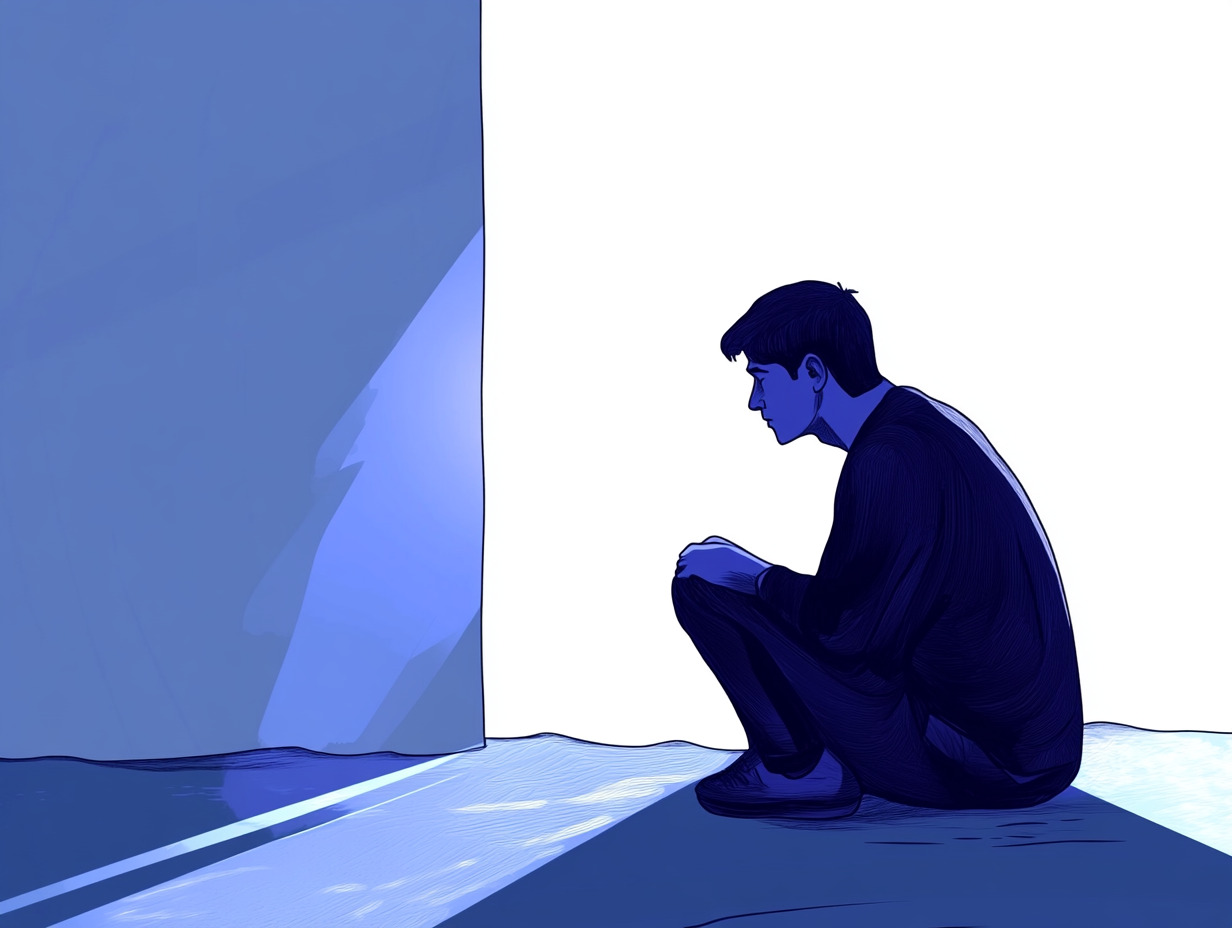
Jealousy becomes dangerous when it shifts from an internal emotion to behaviors that limit your freedom or safety. A man’s fear or insecurity does not justify controlling, intimidating, or threatening actions. When these patterns appear, the issue becomes safety rather than communication.
Red Flags and Controlling Patterns
Some behaviors indicate elevated risk. Cleveland Clinic notes that persistent monitoring, isolation attempts, or intimidation may reflect emotionally harmful dynamics.
- Checking your phone or accounts without permission
- Demanding constant updates
- Attempts to isolate you from friends or family
- Ultimatums or punishment when you set boundaries
- Yelling, threats, or unpredictable anger
If you hide normal parts of your life to avoid his reactions, the dynamic is no longer healthy.
How to Set Boundaries Safely
Boundaries protect autonomy. They should be clear, steady, and simple.
- I will not continue this conversation if there is yelling.
- My phone and personal messages are not available for checking.
- I am willing to talk, but not in a way that feels unsafe.
- We can revisit this when both of us are calm.
If he continues crossing boundaries after they are clearly stated, prioritizing safety becomes essential.
Crisis Indicators and U.S. Safety Resources
Some behaviors require outside support rather than relationship skills.
- Threats of harm
- Destroying objects during arguments
- Tracking your movements without consent
- Blocking exits
- Escalating intimidation
If you feel afraid, call or text 988 for confidential emotional support in the U.S. If there is immediate danger, call 911.
Behaviors, Risks, and Recommended Responses
| Behavior | Possible risk | Recommended response |
|---|---|---|
| Checking phone or messages | Boundary violation and control | State limits, seek support if it continues |
| Repeated interrogations | Escalating insecurity | Time limits on conversations, grounding strategies |
| Isolation attempts | Emotional abuse risk | Reinforce right to maintain relationships, consult a therapist |
| Threats or intimidation | High risk and possible escalation | Disengage, 988 for support, 911 for danger |
| Tracking movements | Severe control and potential physical danger | Seek crisis support and make a safety plan |
Jealousy should not cost you safety, autonomy, or peace. If control or fear is present, protection becomes more important than persuasion.
How Therapy Helps Jealous Partners and Their Loved Ones
Jealousy may look like a relationship issue, but its roots often involve insecurity, trauma, or emotional regulation challenges. Therapy provides space to understand and change these patterns. Support benefits both the jealous partner and the person affected by the behavior.
Individual Therapy for Insecurity, Emotional Regulation, and Jealous Thinking
When jealousy becomes overwhelming, individual therapy can help. The goal is not to eliminate jealousy but to change behaviors linked to it. Therapy addresses fears of rejection, cognitive distortions, and emotional dysregulation. The National Institute of Mental Health notes that anxiety intensifies threat sensitivity, which makes therapeutic regulation skills helpful.
Couples Therapy for Rebuilding Trust and Communication
Couples therapy works when jealousy affects both partners. A therapist guides conversations and helps restore trust, communication patterns, and boundaries. Research from the Gottman Institute shows that trust grows through respectful, predictable interactions, not control.

Signs It Is Time to Seek Professional Support
Consider reaching out to a licensed therapist or counselor if jealousy causes frequent conflict, accusations that do not stop, fear of being honest, boundary violations, or emotional or physical risk. Mayo Clinic explains that when stress affects sleep, mood, or functioning, support is recommended.
If safety becomes a concern, call or text 988. For immediate danger, call 911.
Therapy is a step toward emotional steadiness and healthier relationships.
References
1. American Psychological Association. Jealousy. 2022–2023.
2. Cleveland Clinic. Jealousy: Causes and Coping. 2023.
3. Mayo Clinic. Healthy Relationships. 2023.
4. National Institute of Mental Health. Emotion and Stress Responses. 2022–2023.
5. Gottman Institute. Understanding Jealousy in Relationships. 2020.
Conclusion
Jealousy can strain relationships, but understanding the emotions behind it helps you respond with clarity instead of confusion. What matters is not the presence of jealousy but how someone handles it. Healthy relationships rely on safety, honesty, and respect. If jealousy becomes controlling or frightening, it becomes a safety concern.
This article is informational only. If you feel unsafe, call or text 988. In immediate danger, call 911.
Frequently Asked Questions
It is common to feel overwhelmed when jealousy continues to appear in a relationship. These answers reflect how licensed therapists in the U.S. address concerns about jealousy, boundaries, safety, and emotional well-being.
Why do jealous men react so strongly, even when nothing is wrong?
Strong reactions often come from insecurity, fear of abandonment, or anxious attachment, not from anything you did. The mind interprets neutral situations as threats, activating a stress response. Jealousy intensifies when someone struggles with self-worth or emotional regulation.
How do I talk to a jealous man without making the situation worse?
Slow the conversation, acknowledge the emotion without accepting accusations, and use short boundary statements. Avoid overexplaining. Calm communication reduces defensiveness and shifts the interaction away from threat mode.
When is jealousy normal, and when is it a red flag?
Normal jealousy is occasional and eases with healthy communication. Red-flag jealousy includes checking your phone, monitoring your movements, isolation attempts, or reacting with anger. These behaviors may indicate emotional harm.
Can a jealous man actually change with therapy?
Yes. Therapy can help reduce insecurity, challenge distorted thinking, and build emotional regulation skills. Couples therapy supports rebuilding trust and communication. Change is most effective when boundaries are respected.
What should I do if his jealousy feels controlling or unsafe?
Prioritize safety. Controlling behavior rarely improves without support. Set boundaries, seek help, and contact crisis resources when needed. Call or text 988 for emotional support. Call 911 if in danger.
Is his jealousy happening because of me?
No. His emotional reactions come from internal fears and interpretations, not from your actions. You are responsible for honesty and respect, not for managing someone else’s insecurity.
Should we try couples therapy, or is individual therapy better?
Individual therapy helps when jealousy comes from personal insecurities or trauma. Couples therapy is useful when communication breaks down or trust needs repair. Many therapists recommend starting individually and adding couples sessions when helpful.