Fearful Avoidant vs Dismissive Avoidant: Key Differences and What They Mean for Relationships
Relationships can feel especially confusing when closeness brings both comfort and distress. Many people notice repeating patterns — pulling away, shutting down, or feeling torn between wanting connection and fearing it — without fully understanding why. When people search for fearful avoidant vs dismissive avoidant, they are often trying to make sense of these patterns and figure out what they actually mean.
Both fearful avoidant and dismissive avoidant attachment styles fall under avoidant attachment, but they are driven by very different emotional experiences. From the outside, they can look similar: emotional distance, difficulty with intimacy, and withdrawal during conflict. Internally, however, one style is shaped by fear and emotional overwhelm, while the other relies on emotional self-protection and independence.
In this article, you’ll learn how fearful avoidant and dismissive avoidant attachment differ at their core, how each style shows up in real relationships, and why these patterns repeat. You’ll also explore whether attachment styles can change over time and when it may be helpful to seek professional support. The goal is clarity — not labels — so you can better understand yourself or your relationships and decide what steps, if any, make sense next.

Fearful Avoidant vs Dismissive Avoidant: What’s the Difference?
At a glance, fearful avoidant and dismissive avoidant attachment styles can look almost identical. Both may involve emotional distance, discomfort with intimacy, or withdrawing during conflict. The key difference lies beneath the behavior — in what drives that distance and how closeness is experienced internally.
People with a fearful avoidant pattern often want connection deeply but feel unsafe once it starts to form. Closeness triggers anxiety, fear of rejection, or emotional overwhelm. In contrast, dismissive avoidant patterns are organized around self-protection through independence. Intimacy feels unnecessary or intrusive, so distance is used to maintain emotional balance rather than to manage fear.
Here’s a clear side-by-side comparison to highlight those differences:
| Feature | Fearful Avoidant | Dismissive Avoidant |
|---|---|---|
| Core emotional driver | Fear of closeness and abandonment | Discomfort with emotional dependence |
| Response to intimacy | Craves closeness, then pulls away | Creates distance to feel safe |
| View of independence | Wants connection but doubts safety | Values self-reliance over closeness |
| Common relationship pattern | Push–pull, emotional highs and lows | Emotional distancing, withdrawal |
Another way to think about it is emotional intensity. Fearful avoidant attachment tends to involve strong internal reactions — longing, fear, shame, and anxiety often exist at the same time. Dismissive avoidant attachment, by contrast, relies on emotional deactivation. Feelings are minimized or set aside to avoid vulnerability altogether.
For example, during a moment of closeness, a fearful avoidant person might suddenly feel flooded with worry — What if I get hurt? What if I’m too much? — and pull away despite wanting to stay connected. A dismissive avoidant person may not experience that spike of fear at all. Instead, they might feel calm but disengaged, thinking, I don’t really need this.
Neither pattern reflects a lack of care or an inability to love. Both develop as ways to stay emotionally safe. Understanding which style fits better is not about labeling yourself or a partner, but about recognizing the underlying emotional logic that shapes how closeness and distance are handled.
What Is Fearful Avoidant Attachment?
Fearful avoidant attachment is defined by a deep internal conflict around closeness. People with this pattern often want intimacy, reassurance, and emotional connection, yet feel unsafe once those needs begin to be met. The result is a constant push–pull between longing for closeness and needing distance to manage fear.
Emotional experience of fearful avoidant attachment
At the emotional core of fearful avoidant attachment is high sensitivity to threat in relationships. Closeness can quickly activate anxiety, self-doubt, or fear of abandonment. At the same time, distance can feel painful and triggering in its own way. This creates an exhausting emotional loop: wanting connection, feeling overwhelmed by it, pulling away, and then feeling lonely or regretful afterward.
Many people with this pattern describe feeling “too much” or “not enough” at the same time. They may be highly attuned to a partner’s tone, availability, or mood, constantly scanning for signs of rejection. Even neutral situations can feel emotionally loaded.
If you’ve ever noticed your heart racing after a vulnerable conversation — even when nothing objectively went wrong — this pattern may feel familiar.
How fear and desire for closeness coexist
Fearful avoidant attachment involves both attachment anxiety and attachment avoidance. That combination is what makes it so confusing. One part of the person seeks reassurance and emotional safety, while another part expects closeness to end in pain.
This often shows up as mixed signals in relationships. Someone may open up deeply, initiate closeness, or move quickly toward emotional intimacy, then suddenly shut down or disappear. From the outside, this can look inconsistent or unpredictable. Internally, it often feels like emotional overload rather than indecision.
Here’s the key point: the withdrawal isn’t a lack of interest. It’s a nervous system response to perceived emotional danger.
Common relationship patterns and triggers
Fearful avoidant patterns tend to emerge most strongly when relationships start to matter. Common triggers include:
- growing emotional intimacy
- perceived rejection or criticism
- uncertainty about where the relationship is headed
- feeling dependent on someone emotionally
For example, someone may feel excited and connected after a meaningful date, then wake up the next day flooded with anxiety. Thoughts like I moved too fast or This will end badly can lead to pulling back, canceling plans, or emotionally distancing — even though the desire for connection is still there.
Over time, this cycle can feel deeply discouraging. Relationships start to feel intense, unstable, or short-lived, reinforcing the belief that closeness is unsafe.

Fearful avoidant attachment is not a flaw or a failure. It’s a protective adaptation that often develops in response to inconsistent, unpredictable, or emotionally unsafe early relationships. Understanding this pattern is a first step toward reducing self-blame and making room for change.
What Is Dismissive Avoidant Attachment?
Dismissive avoidant attachment is organized around emotional self-protection through distance. People with this pattern often feel most comfortable relying on themselves and minimizing emotional dependence on others. Closeness is not usually experienced as frightening, but it can feel unnecessary, intrusive, or draining.
Emotional experience of dismissive avoidant attachment
At the emotional core of dismissive avoidant attachment is a strong preference for autonomy. These individuals tend to regulate stress by turning inward rather than seeking reassurance. They may experience themselves as calm, rational, and independent, especially during emotionally charged situations.
Unlike fearful avoidant attachment, there is usually little conscious anxiety about abandonment. Instead, emotional needs are downplayed or dismissed altogether. Vulnerability may feel awkward or pointless, and relying on others can register as a loss of control.
If you’ve ever felt most at ease when no one expects emotional closeness from you, this pattern may resonate.
Independence vs emotional distance
Dismissive avoidant attachment often gets misunderstood as emotional coldness. In reality, it reflects a learned belief that needing others is risky or unreliable, even if that belief isn’t consciously articulated.
Many people with this style value competence, self-sufficiency, and personal space. They may prioritize work, hobbies, or solo activities and feel uncomfortable when relationships demand emotional availability. This doesn’t mean they don’t care. It means closeness is managed by creating distance before vulnerability feels overwhelming.
In relationships, this can show up as:
- keeping conversations practical rather than emotional
- minimizing problems or conflict
- needing significant space after moments of intimacy
How dismissive avoidance protects against vulnerability
Dismissive avoidant attachment relies on emotional deactivation strategies. Feelings are downregulated, rationalized, or pushed aside to maintain equilibrium. When a partner expresses strong emotions or needs, the dismissive avoidant response is often to withdraw, change the subject, or focus on logic instead of feelings.
For example, during a conflict, a dismissive avoidant person may appear calm and detached, thinking, This isn’t a big deal, while their partner feels unheard or shut out. Internally, this distance serves a purpose: it keeps emotional intensity at a manageable level.
Over time, however, this strategy can limit emotional intimacy. Partners may experience the relationship as one-sided or emotionally distant, even when commitment is present.
Dismissive avoidant attachment is not about lacking emotions. It’s about keeping emotions contained. Recognizing this pattern can help explain why relationships may feel stable on the surface yet emotionally disconnected underneath.
How Do Fearful and Dismissive Avoidant Styles Affect Relationships?
Avoidant attachment styles tend to reveal themselves most clearly in close relationships. While fearful avoidant and dismissive avoidant patterns share a tendency toward distance, they shape relationship dynamics in very different ways — especially during moments of intimacy, uncertainty, or conflict.
Dating and early attachment dynamics
In the early stages of dating, fearful avoidant attachment often appears as intensity followed by hesitation. Someone may feel deeply drawn to a partner, seek frequent contact, and move quickly toward emotional closeness. Then, once the relationship starts to feel real, anxiety rises. The same connection that felt exciting can suddenly feel overwhelming, leading to pulling back or sending mixed signals.
Dismissive avoidant attachment typically looks more restrained from the start. These individuals may enjoy dating but prefer clear boundaries and plenty of personal space. Emotional conversations may be delayed or avoided, and independence is emphasized early on. Partners can interpret this as lack of interest, even when commitment exists.
Both patterns can create confusion, but for very different emotional reasons.
Conflict, closeness, and emotional withdrawal
Conflict is where the contrast becomes sharper. Fearful avoidant attachment tends to amplify emotional reactions. Disagreements may trigger fear of rejection or loss, leading to heightened sensitivity, reassurance-seeking, or sudden withdrawal when emotions feel too intense.
Dismissive avoidant attachment responds to conflict by reducing emotional engagement. Rather than escalating, the person may shut down, minimize the issue, or disengage entirely. This withdrawal is not meant to punish a partner; it’s a way to regain internal calm by limiting emotional exposure.
Over time, these responses can create a painful cycle. One partner may pursue connection while the other retreats, reinforcing each person’s underlying fears.
Why these patterns repeat over time
Attachment patterns tend to repeat because they are reinforced by the nervous system. Fearful avoidant attachment confirms the belief that closeness leads to emotional chaos. Dismissive avoidant attachment confirms the belief that emotional distance is safer and more manageable.
For example, a fearful avoidant person may leave a relationship feeling both relieved and heartbroken, strengthening the idea that intimacy is dangerous. A dismissive avoidant person may feel calmer after creating distance, reinforcing the belief that independence prevents emotional strain.

Without awareness, these patterns can persist across relationships, even with different partners. Understanding how they operate is often the first step toward interrupting the cycle and creating more secure, flexible ways of relating.
Can Fearful or Dismissive Avoidant Attachment Change?
Attachment styles often feel deeply ingrained, which leads many people to wonder whether change is even possible. The short answer is yes — fearful avoidant and dismissive avoidant attachment patterns are learned responses, not fixed traits. They can shift over time, especially with the right conditions and support.
Is attachment style permanent?
Attachment styles are shaped by early relational experiences, but they continue to evolve throughout adulthood. According to the American Psychological Association, attachment patterns are not static. They reflect how the nervous system has learned to manage closeness, safety, and emotional risk — and those patterns can adapt when new experiences feel consistently safer.
Change doesn’t usually happen through insight alone. Simply knowing your attachment style rarely eliminates the automatic reactions that come with it. What matters more is repeated emotional experience that contradicts old expectations about closeness, dependence, or rejection.
How therapy helps reshape attachment patterns
Therapy provides a structured environment where attachment patterns can be observed, understood, and gradually softened. Attachment-focused therapy, psychodynamic approaches, and certain forms of cognitive behavioral therapy all work by increasing emotional awareness and tolerance for closeness.
For fearful avoidant attachment, therapy often focuses on regulating emotional overwhelm, building trust gradually, and learning to stay present during moments of connection without retreating. For dismissive avoidant attachment, the work may involve recognizing emotional needs, tolerating vulnerability, and allowing closeness without immediately shutting it down.
Importantly, therapy moves at a pace that respects the person’s defenses. Avoidant patterns exist for a reason — they developed to protect emotional safety.
When to consider professional support
It may be helpful to seek professional support when relationship patterns cause ongoing distress, repeated breakups, or emotional isolation. If avoidance begins to affect daily functioning, emotional well-being, or the ability to maintain meaningful relationships, working with a licensed mental health professional can provide clarity and support.
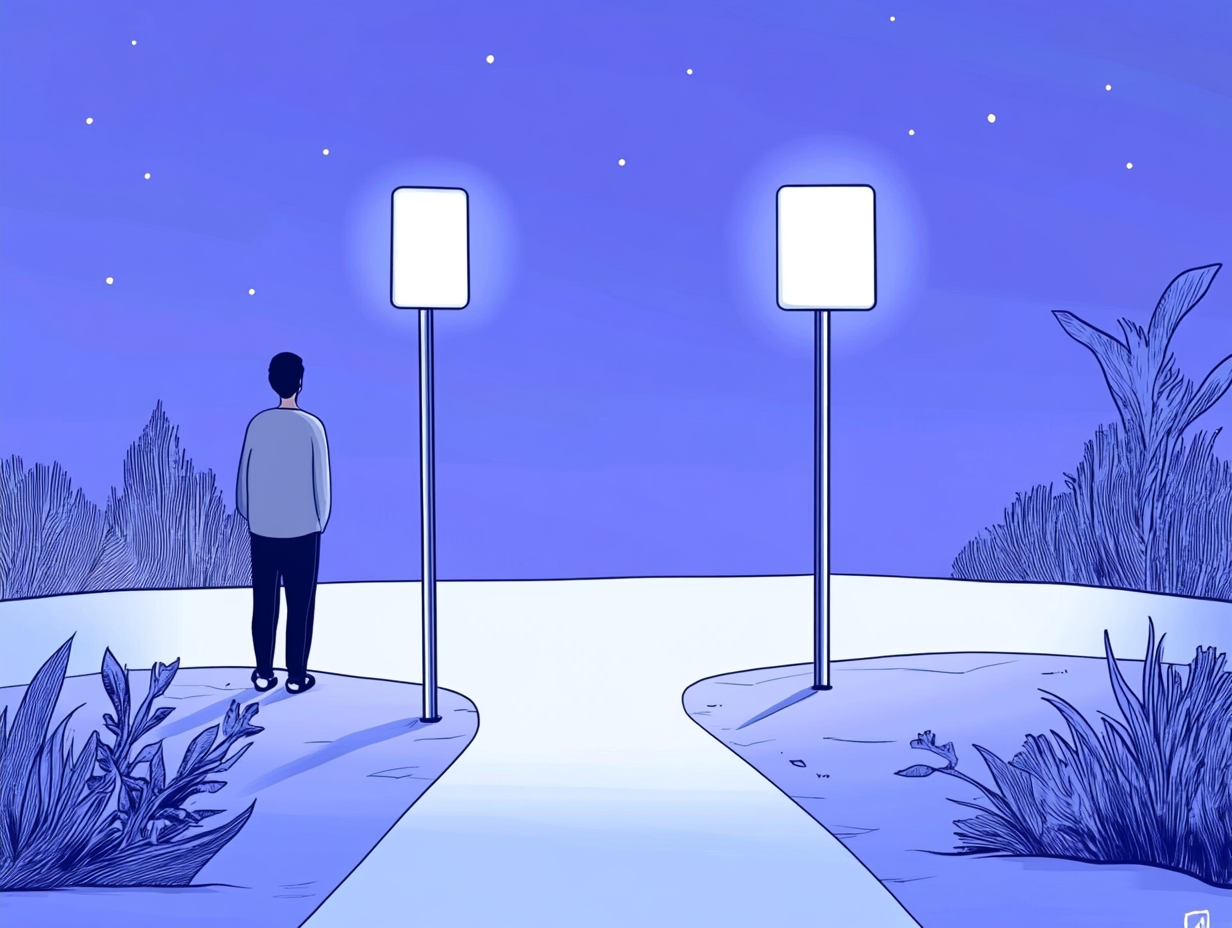
In the United States, licensed psychologists, counselors, clinical social workers, and psychiatrists are trained to work with attachment-related concerns. Therapy is not about changing who you are; it’s about expanding your capacity for connection and choice.
If emotional distress ever escalates to feelings of hopelessness or thoughts of self-harm, immediate support is essential. You can call or text 988, the Suicide & Crisis Lifeline, for confidential help at any time. If you are in immediate danger, call 911.
References
1. American Psychological Association. Attachment Theory and Close Relationships. 2023.
2. National Institute of Mental Health. Understanding Trauma and Stress-Related Responses. 2022.
3. American Psychological Association. Emotion Regulation and Avoidant Coping. 2022.
4. American Psychological Association. Can Attachment Styles Change Over Time? 2021.
Conclusion
Fearful avoidant and dismissive avoidant attachment styles can look similar on the surface, but they are driven by very different emotional processes. One pattern is shaped by fear and emotional overwhelm, while the other relies on distance and self-reliance to stay regulated. Understanding that difference can bring clarity to confusing relationship dynamics and reduce self-blame.
Attachment styles are not diagnoses or permanent labels. They describe patterns that developed to protect emotional safety — and patterns can change. With awareness, supportive relationships, and, for many people, therapy, it is possible to respond to closeness with more flexibility and less distress.
If relationship patterns feel painful, repetitive, or limiting, professional support can help create space for healthier connection. And if emotional distress ever feels overwhelming or unsafe, confidential help is available. You can call or text 988, the Suicide & Crisis Lifeline, at any time in the United States. If you are in immediate danger, call 911.
Frequently Asked Questions
Is fearful avoidant attachment the same as disorganized attachment?
They are often used interchangeably. Fearful avoidant attachment is commonly considered the adult expression of disorganized attachment, involving both fear of closeness and fear of rejection.
Can someone have traits of both fearful and dismissive avoidant styles?
Yes. Attachment styles exist on a spectrum, and people may show traits of more than one pattern, especially under stress or in different types of relationships.
Are avoidant attachment styles a mental health diagnosis?
No. Attachment styles describe relational patterns, not clinical diagnoses. They are used to understand how people tend to respond to closeness and emotional connection.
Can attachment styles change in adulthood?
Yes. Research summarized by the American Psychological Association shows that attachment patterns can shift through therapy, self-reflection, and secure relationships over time.
How do I know if therapy could help with avoidant attachment patterns?
If relationship patterns lead to ongoing distress, emotional withdrawal, or repeated conflicts, working with a licensed therapist may help clarify and gradually change these patterns.
When should relationship patterns be addressed with a professional?
Consider professional support when patterns feel stuck, interfere with emotional well-being, or affect daily functioning. In the U.S., licensed psychologists, counselors, or clinical social workers can help.