Fear of Abandonment: 12 Signs, Causes & How to Heal
It can feel terrifying when someone you care about pulls away, even slightly. Fear of abandonment is a powerful emotional pattern in which the possibility of rejection or separation triggers intense anxiety, panic, or desperate attempts to hold on. For many people in the United States, this fear shows up in romantic relationships, friendships, or even at work, and it can feel overwhelming.
The good news is that fear of abandonment is not automatically a mental disorder, and it does not mean something is “wrong” with you. Often, it connects to attachment patterns, past experiences, or stress responses that once helped you survive.
In this guide, you’ll learn the 12 most common signs, where this fear comes from, and practical ways to begin healing. This article is for educational purposes only and is not medical advice.
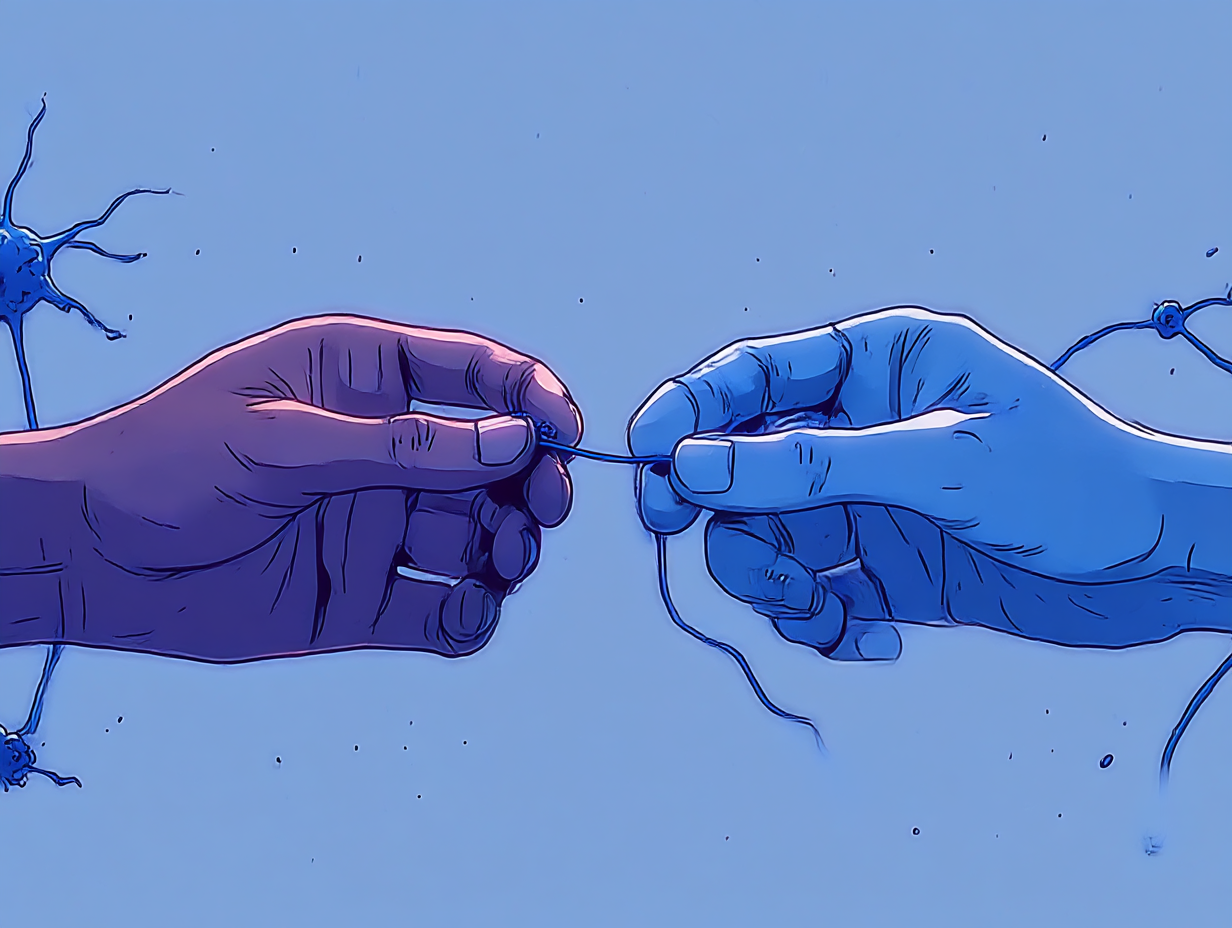
What Is Fear of Abandonment and Why Does It Feel So Intense?
Definition and Clinical Context
Fear of abandonment is an intense emotional reaction to the possibility of being rejected, left, or emotionally disconnected from someone important. It is not a standalone diagnosis in the DSM-5-TR, but it often appears within attachment difficulties, trauma histories, or certain personality patterns.
What makes it so powerful is not the event itself, but the meaning your nervous system attaches to it. At its core, fear of abandonment is closely tied to attachment theory.
The Role of Early Attachment
Early relationships with caregivers shape how safe or unsafe connection feels. If care was inconsistent, unpredictable, or withdrawn during times of distress, the brain may learn that closeness is fragile. As an adult, even small signs of distance, such as a delayed text reply or a change in tone, can trigger disproportionate anxiety.
What Happens in the Brain
Here’s what often happens internally. The brain’s threat detection system, particularly the amygdala, activates as if danger is present. Stress hormones such as cortisol increase. The body shifts into a fight, flight, or freeze response. Even if the rational mind knows “this is probably nothing,” the body reacts first.
That mismatch between logic and physiology is why fear of abandonment can feel overwhelming and hard to control.
Why Small Triggers Feel Huge
For example, imagine you send your partner a message and they do not respond for several hours. Instead of assuming they are busy, your thoughts jump to: “They’re losing interest,” or “I did something wrong.” Your chest tightens. You feel urgency to send multiple follow-up messages or to withdraw preemptively so you will not be hurt first. The emotional intensity may feel out of proportion, yet it feels completely real.
When Is It Normal and When Is It a Pattern?
It is important to normalize something here. Wanting reassurance and fearing loss are human experiences. Most people feel anxious when a relationship feels unstable.
The boundary is this: when the fear becomes persistent, extreme, or leads to behaviors that damage relationships, it may signal deeper attachment wounds that deserve attention.
How Attachment Sensitivity Develops
Fear of abandonment can also show up outside romantic relationships. A supervisor’s neutral feedback might be interpreted as a sign you are about to be fired. A friend canceling plans might feel like proof they no longer care. In these moments, the emotional brain is reacting to perceived loss of connection, not necessarily to objective evidence.
Research summarized by the American Psychological Association suggests that early attachment insecurity is linked to heightened sensitivity to rejection cues in adulthood. This does not mean change is impossible. Attachment patterns are adaptive strategies learned in specific environments. With awareness and support, they can evolve.
Here’s the reassuring truth: the intensity of fear of abandonment often reflects how deeply you value connection. The same nervous system that reacts strongly to separation is capable of building secure bonds. Understanding why the reaction feels so intense is the first step toward responding differently rather than reacting automatically.
If you have ever felt your heart race over a small shift in someone’s behavior, you are not alone. And while these reactions can feel frightening, they are workable. Awareness creates space between trigger and response, and that space is where healing begins.
12 Signs of Fear of Abandonment in Relationships
Fear of abandonment often shows up in patterns rather than isolated moments. You may not walk around thinking, “I’m afraid of being left,” but your emotions and behaviors can reveal it. These signs are not a diagnosis. They are signals that anxiety about connection may be influencing how you relate to others.
1. Constant Need for Reassurance
You frequently ask if everything is okay or if the other person still cares, even after receiving reassurance. Even small gaps in communication can create disproportionate worry that something is wrong.
2. Overanalyzing Small Changes
A shorter text message, a delayed reply, or a neutral facial expression feels loaded with meaning. You assume something negative rather than considering neutral explanations.
3. Intense Jealousy or Comparison
You feel threatened by your partner’s friends, coworkers, or even social media interactions. Comparison becomes a way to scan for signs that you might be replaced.
4. Fear of Conflict
You avoid expressing needs or concerns because you worry that disagreement will lead to rejection or abandonment. Silence feels safer than risking distance.
5. Clinging Behavior
You feel panic when apart and may push for more closeness than the other person is comfortable with. Physical or emotional distance feels intolerable.
6. Testing the Relationship
You might withdraw, threaten to leave, or create small dramas to see if the other person will “prove” they care. These behaviors often stem from anxiety rather than manipulation.
7. Emotional Highs and Lows
Your mood depends heavily on the state of the relationship. A good interaction feels euphoric. A minor distance feels devastating.

8. Preemptive Rejection
You end relationships early because you assume abandonment is inevitable. Leaving first feels safer than being left.
9. Difficulty Being Alone
Solitude feels unsafe rather than restful. You may rush into new relationships to avoid the discomfort of being by yourself.
10. People-Pleasing
You ignore your own needs in order to prevent others from leaving. Approval becomes a strategy for maintaining connection.
11. Catastrophic Thinking
A delayed response quickly turns into thoughts like, “They’re done with me,” or “I’ll always end up alone.” The mind jumps to worst-case conclusions.
12. Strong Reactions to Perceived Criticism
Even gentle feedback feels like confirmation that you are not lovable or will be abandoned. Emotional responses may feel intense and difficult to regulate.
Causes of Fear of Abandonment
Fear of abandonment rarely appears out of nowhere. It usually develops as a learned response to early experiences of instability, loss, or emotional inconsistency. Understanding the causes does not mean blaming caregivers or partners. It means identifying how your nervous system learned to protect you.
Early Attachment Disruption
One of the most common roots involves inconsistent caregiving in childhood. If a caregiver was sometimes warm and sometimes withdrawn, a child may have learned that closeness can disappear without warning. According to attachment theory, this unpredictability can shape an anxious attachment style, where connection feels fragile and must be constantly monitored.
For example, if comfort was available only occasionally, a child might amplify distress to keep a caregiver close. As an adult, that same pattern may show up as intense reassurance-seeking or fear during minor relationship shifts.
Trauma and Loss
Traumatic experiences can also shape abandonment fears. This includes physical or emotional neglect, parental divorce, sudden loss of a loved one, or exposure to unstable environments. Research summarized by the National Institute of Mental Health shows that trauma can sensitize the brain’s stress response systems, including the amygdala and the HPA axis. When these systems are primed, even mild relational stress can feel threatening.
Adult relationship betrayal, such as infidelity or sudden breakup, can reinforce this sensitivity. The brain stores these experiences as evidence that closeness equals risk.
Inconsistent Emotional Availability
Sometimes the cause is more subtle. A caregiver may have been physically present but emotionally unavailable due to depression, substance use, or chronic stress. Children in these environments often become hyper-attuned to emotional cues. That vigilance can persist into adulthood as heightened sensitivity to perceived rejection.
Learned Beliefs About Worth
Over time, repeated experiences of instability may shape core beliefs such as “I am not enough” or “People always leave.” Cognitive-behavioral research consistently shows that these underlying beliefs influence how ambiguous situations are interpreted. A delayed response becomes confirmation of inadequacy rather than a neutral event.
How It Differs From Related Conditions
Fear of abandonment is not, by itself, a DSM-5-TR diagnosis. However, it can overlap with features of other conditions. The differences matter because treatment approaches may vary.
| Fear of Abandonment | Separation Anxiety Disorder | Borderline Personality Disorder |
|---|---|---|
| Pattern of relational anxiety | DSM-5-TR diagnosis | DSM-5-TR diagnosis |
| Often attachment-based | Often childhood onset | Includes emotional instability |
| Triggered by perceived rejection | Marked distress at separation | Fear of abandonment plus other criteria |
| Not a standalone disorder | Impairment required for diagnosis | Requires multiple diagnostic features |
Separation anxiety disorder involves persistent and excessive distress related to separation, often beginning in childhood, though it can occur in adults. Borderline personality disorder includes fear of abandonment as one feature among several, such as identity disturbance and chronic emotional instability. Only a licensed clinician can assess for these conditions.
Here is the key takeaway. Fear of abandonment is often a protective strategy that once made sense. If connection was unpredictable or unsafe, hypervigilance became adaptive. The problem arises when that strategy continues in stable environments where it is no longer needed.
Understanding the cause reduces shame. Your reactions are not character flaws. They are learned responses shaped by experience. And learned responses can be unlearned.
How Do You Heal Fear of Abandonment?
Healing fear of abandonment does not mean eliminating vulnerability. It means learning to respond to perceived distance with regulation instead of panic. The goal is not to stop caring deeply. It is to build internal safety so connection feels secure rather than fragile.
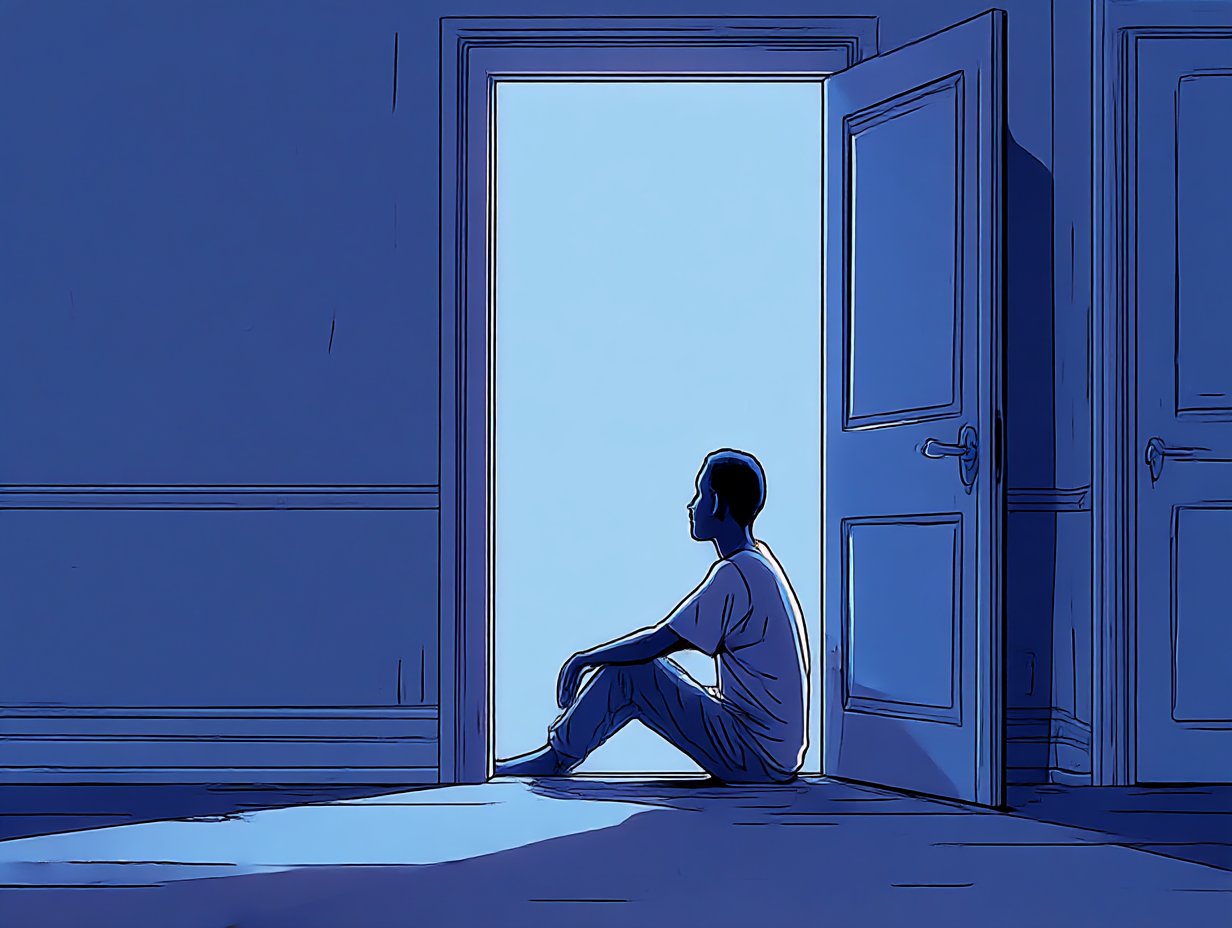
Here’s the encouraging part: attachment patterns can change. Research in attachment science shows that people can move toward greater security through corrective emotional experiences, therapy, and intentional practice.
Strengthen Emotional Regulation First
When fear of abandonment is triggered, the nervous system reacts before logic catches up. That is why regulation skills matter.
- Slow, paced breathing to calm physiological arousal
- Grounding techniques, such as naming five things you see and hear
- Brief physical movement to discharge tension
For example, if your partner has not replied for hours and anxiety spikes, pause before sending multiple texts. Take five minutes to regulate your breathing. This interrupts the automatic cycle and gives your rational mind time to reengage.
Dialectical Behavior Therapy, often used to support emotional regulation, teaches distress tolerance skills that are especially helpful when relational anxiety feels overwhelming.
Identify and Challenge Core Beliefs
Cognitive Behavioral Therapy focuses on the beliefs driving emotional reactions.
- “If they pull away, it means I’m not enough.”
- “People always leave.”
- “I cannot handle rejection.”
Ask yourself:
- What evidence supports this belief?
- What evidence challenges it?
- Is there a more balanced explanation?
If a friend cancels plans, a balanced thought might be, “They may genuinely be busy. One canceled plan does not mean I am being abandoned.” Repetition of balanced thinking gradually rewires habitual interpretations.
Practice Secure Behaviors
Even if your internal feelings feel anxious, you can practice behaviors associated with secure attachment.
- Communicating needs directly instead of testing
- Allowing space without escalating
- Tolerating short periods of uncertainty
Behavioral experiments help here. For instance, choose not to send a reassurance text and observe the outcome. Often, the feared catastrophe does not occur. Over time, this builds confidence in your ability to tolerate ambiguity.
Develop Self-Compassion
Here’s something many people overlook: fear of abandonment often carries shame. You might judge yourself for being “too much” or “too sensitive.” Self-compassion counters that internal criticism.
Research widely discussed in health psychology shows that self-compassion reduces stress reactivity and supports emotional resilience. Try speaking to yourself the way you would to a close friend: “This is hard. I feel scared right now. That makes sense given my history.” That shift softens the intensity of the fear and reduces the urge to react impulsively.
Explore Attachment-Based Therapy
If patterns feel deeply ingrained, working with a licensed mental health professional can accelerate healing. Attachment-based therapy focuses on understanding relational history and building secure connection in the therapeutic relationship itself.
- CBT for cognitive restructuring
- DBT for emotional regulation
- Trauma-focused therapies when abandonment fears are trauma-linked
Therapy is not about labeling you. It is about building tools and insight in a structured, confidential setting.
Build a Broader Support Network
When one relationship becomes the sole source of emotional security, fear of abandonment intensifies. Expanding connection across friendships, family, community, or support groups reduces pressure on any single bond.
Secure attachment grows through repeated experiences of reliability and consistency. Here is the hopeful truth. Healing fear of abandonment does not mean becoming detached. It means feeling safe enough in yourself that temporary distance no longer feels like existential threat.
With awareness, practice, and sometimes professional support, new patterns can take root.
When Should You Seek Professional Help for Fear of Abandonment?
Fear of abandonment becomes more than a relationship challenge when it starts to interfere with daily functioning, emotional stability, or decision-making. Occasional anxiety about losing someone is human. Persistent, overwhelming distress that disrupts work, sleep, or relationships may signal the need for professional support.
- Repeated relationship breakdowns driven by intense fear or reactivity
- Panic symptoms, intrusive thoughts, or severe jealousy that feel hard to control
- Ongoing insomnia, irritability, or difficulty concentrating
- A history of trauma that intensifies relational anxiety
- Emotional reactions that feel disproportionate and exhausting
Therapy provides structured space to examine patterns safely. Evidence-based approaches such as Cognitive Behavioral Therapy, Dialectical Behavior Therapy, and attachment-focused therapy are commonly used to address fear of abandonment and related attachment concerns. A clinician can also assess whether symptoms overlap with conditions described in the DSM-5-TR and recommend appropriate treatment options.
If you are unsure where to start, many people in the United States search through insurance provider directories, Psychology Today listings, or primary care referrals. Some therapists offer telehealth sessions, which can increase access if local options are limited. Asking about session frequency, confidentiality, and out-of-network reimbursement can clarify logistics early.

Here’s an important distinction. Seeking help is not a sign that you are “too needy” or incapable of managing emotions. It reflects self-awareness and a commitment to healthier relationships. Professional guidance can shorten the learning curve and prevent patterns from repeating.
If distress ever escalates to thoughts of hopelessness or self-harm, immediate support is essential. You can call or text 988, the Suicide and Crisis Lifeline in the United States, for free and confidential support. If you or someone else is in immediate danger, call 911.
References
1. American Psychiatric Association. Diagnostic and Statistical Manual of Mental Disorders, Fifth Edition, Text Revision DSM-5-TR. 2022.
2. American Psychological Association. Attachment. 2023.
3. American Psychological Association. Trauma. 2022.
4. National Institute of Mental Health. Anxiety Disorders. 2023.
5.Substance Abuse and Mental Health Services Administration. 988 Suicide & Crisis Lifeline. 2023.
Conclusion
Fear of abandonment can feel overwhelming, especially when small moments of distance trigger intense anxiety. In many cases, these reactions are rooted in attachment history, trauma, or learned beliefs about worth and connection. The patterns may feel automatic, but they are not permanent.
With awareness, emotional regulation skills, and sometimes therapy, new relational habits can develop. You can learn to tolerate uncertainty, communicate directly, and build internal security that does not collapse when someone needs space.
If your distress feels persistent or interferes with your well-being, consider reaching out to a licensed mental health professional in your state. Support is available.
If you ever feel unsafe or in crisis, call or text 988. If you are in immediate danger, call 911.
Frequently Asked Questions
Is fear of abandonment a mental disorder?
Fear of abandonment itself is not a standalone diagnosis in the DSM-5-TR. However, it can appear within attachment difficulties, trauma-related conditions, or certain personality patterns. A licensed clinician can evaluate symptoms in context.
Can attachment styles change over time?
Yes. Research in attachment science suggests that people can move toward greater security through healthy relationships, self-reflection, and therapy. Change usually happens gradually through repeated corrective experiences.
Why does a delayed text message trigger panic?
For someone with abandonment-related anxiety, ambiguous cues can activate the brain’s threat response system. The body reacts before logic evaluates the situation. Emotional regulation skills can help interrupt that automatic cycle.
Is fear of abandonment linked to trauma?
It can be. Experiences such as neglect, sudden loss, or relational betrayal may heighten sensitivity to rejection. Trauma-informed therapy can help process these experiences safely.
When should I see a therapist for abandonment issues?
If your fears lead to repeated relationship conflict, intense anxiety, or difficulty functioning at work or home, professional support may help. In the United States, you can search for licensed psychologists, counselors, or clinical social workers through insurance directories or trusted platforms.