Emo vs Goth: 7 Differences in Music, Style and Mindset (and Which One You Are)
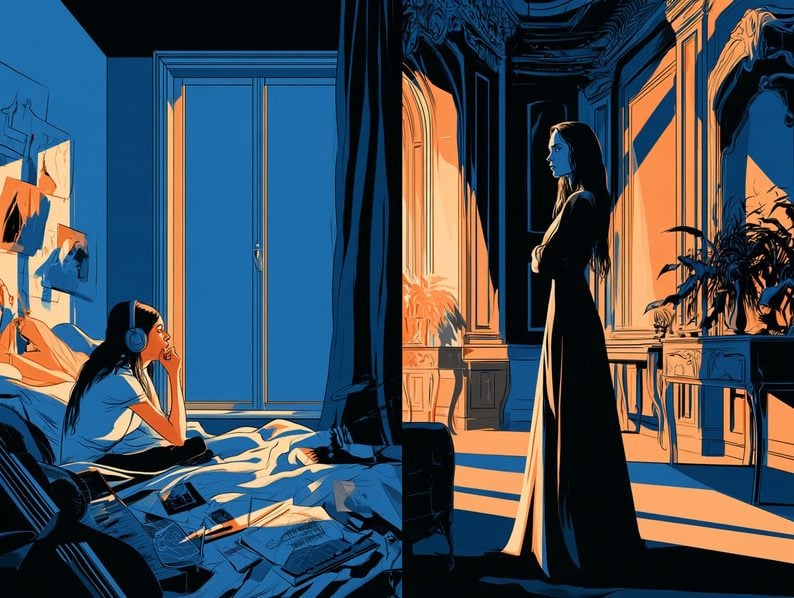
Black clothes, dramatic eyeliner, emotional music, and an appreciation for darker aesthetics can make emo and goth look surprisingly similar. But beneath their shared visual elements, these two alternative subcultures have different histories, musical foundations, artistic influences, and ways of expressing identity.
The emo vs goth debate often focuses on appearance. People assume that anyone with dark hair and heavy eyeliner belongs to the same cultural group. In reality, fashion alone rarely tells the whole story. Someone wearing a black lace dress might love gothic rock, while another person dressed almost identically might spend their evenings listening to My Chemical Romance.
Understanding the differences isn't about deciding which subculture is better or creating strict rules about who belongs. It's about recognizing two influential cultural movements that have given generations of people opportunities to explore music, creativity, friendship, and self-expression.
This guide explains seven important differences between emo and goth, from their musical origins to their attitudes toward personal identity. You'll also discover where the two cultures overlap and how to explore which one feels more natural to you.
What Is the Difference Between Emo and Goth?
The simplest distinction is that emo grew out of American hardcore punk, while goth emerged from British post-punk. Both developed into recognizable music-centered subcultures, but their artistic traditions evolved along different paths.
Emo, originally associated with the term emotional hardcore, appeared in the Washington, D.C., punk scene during the 1980s. Early bands experimented with more personal lyrics and emotionally expressive performances while maintaining connections to hardcore punk.
Goth developed earlier, around the late 1970s and early 1980s, when certain post-punk musicians began exploring darker atmospheres, unconventional sounds, and theatrical imagery. The emerging gothic rock scene eventually inspired its own fashion, nightlife, and artistic communities.
Today, both labels describe more than musical preferences. They can also represent social connections, fashion choices, artistic interests, and personal experiences. However, neither identity requires a particular personality, emotional state, or appearance.
Where Did Emo Come From?
Emo's earliest roots are generally traced to the Washington, D.C., hardcore scene of the mid-1980s. Bands such as Rites of Spring and Embrace became associated with a more emotionally expressive approach to punk music.
Rather than abandoning punk's intensity, these musicians introduced songwriting that could feel more vulnerable, introspective, and personal.
During the 1990s, emo expanded into different regional scenes. Bands such as Sunny Day Real Estate and American Football helped establish sounds that combined alternative rock, intricate guitar arrangements, and emotionally direct songwriting.
In the 2000s, a more commercially visible form of emo became associated with bands including My Chemical Romance, Taking Back Sunday, and Dashboard Confessional. This period also shaped the hairstyles, clothing, and visual references many people associate with emo today.
However, the history of emo is broader than its most recognizable 2000s fashion trends. The genre has continued evolving through underground scenes, independent artists, and later waves of revival.
Where Did Goth Come From?
Goth emerged from the British post-punk movement in the late 1970s and early 1980s. Musicians experimented with atmospheric production, prominent bass lines, unusual vocal styles, and themes that differed from conventional rock music.
Bauhaus, Siouxsie and the Banshees, The Cure, and The Sisters of Mercy are among the artists frequently discussed in relation to goth's development, although their individual relationships with the label vary.
One landmark recording is Bauhaus's 1979 single Bela Lugosi's Dead, which became closely associated with the emerging gothic rock sound.
As the scene developed, goth communities formed around concerts, clubs, independent record stores, and alternative nightlife. London's Batcave nightclub became an especially recognizable symbol of early goth culture.
Goth also developed connections with gothic literature, horror imagery, romanticism, and theatrical fashion. These influences helped create an aesthetic identity that extended beyond music without replacing music as the culture's foundation.
Emo vs Goth: What Are the 7 Main Differences?
Although emo and goth share some alternative cultural influences, comparing their music, fashion, and artistic traditions reveals important distinctions.
1. Music: Emotional Hardcore vs Gothic Rock
Music is the most important starting point when comparing emo and goth because both subcultures developed around specific musical scenes.
Emo originated within hardcore punk and later expanded into alternative rock, indie rock, and other guitar-driven styles. Its musical characteristics vary considerably between generations.
Early emo often combined punk intensity with emotionally expressive performances. Later styles introduced melodic vocals, dynamic changes, intricate guitar parts, and lyrics about personal relationships or internal conflict.
Artists commonly associated with different periods of emo include:
- Rites of Spring, an influential band from the original Washington, D.C., scene;
- Sunny Day Real Estate, associated with the genre's 1990s development;
- American Football, known for intricate arrangements and introspective songwriting;
- Taking Back Sunday, associated with the early 2000s emo and post-hardcore scene;
- My Chemical Romance, whose theatrical alternative rock became closely connected with mainstream emo culture.
Goth music developed from post-punk and is especially associated with gothic rock. Related styles include darkwave, deathrock, and certain forms of ethereal wave.
Depending on the artist, goth music may feature prominent bass lines, atmospheric guitar effects, drum machines, synthesizers, and distinctive vocal delivery.
Important artists in goth's musical history include:
- Bauhaus, whose early recordings helped define gothic rock;
- Siouxsie and the Banshees, influential in post-punk and gothic music;
- The Sisters of Mercy, associated with atmospheric gothic rock;
- Christian Death, influential in the American deathrock scene;
- Clan of Xymox, associated with darkwave and related gothic sounds.
Neither genre has a single uniform sound. Both contain multiple styles, and individual artists may move between genres throughout their careers.
The key difference: Emo's musical history begins with American hardcore punk, while goth's begins with British post-punk and gothic rock.
2. Fashion: Casual Alternative Style vs Theatrical Dark Aesthetics
Fashion is often the first thing people notice about alternative subcultures. However, clothing trends change over time, and neither emo nor goth has an official dress code.
The most recognizable 2000s emo style often included skinny jeans, fitted band T-shirts, hoodies, studded belts, canvas sneakers, and accessories inspired by punk and skate culture.
Some emo fashion also incorporated bright accents, striped clothing, fingerless gloves, and other elements that overlapped with scene fashion.
Goth fashion is frequently associated with darker palettes, layered fabrics, dramatic silhouettes, and influences from historical clothing.
Depending on the particular style, goth outfits may include:
- Black velvet, lace, mesh, or leather garments;
- Long coats, flowing skirts, corset-inspired pieces, or structured jackets;
- Platform boots, pointed footwear, or elaborate accessories;
- Silver jewelry, crosses, bats, or other decorative motifs;
- Clothing influenced by Victorian fashion, punk, romanticism, or contemporary alternative design.
Goth fashion also includes considerable variety. Trad goth, romantic goth, deathrock, and other styles can look noticeably different from one another.
Likewise, someone can participate in emo culture without wearing skinny jeans or maintaining a particular hairstyle.
The key difference: Recognizable emo fashion often draws on punk, skate, and alternative rock influences, while goth fashion frequently emphasizes dramatic dark aesthetics and historical or theatrical references.
3. Hair and Makeup: Side-Swept Bangs vs Dramatic Contrast
Hair and makeup helped make both subcultures visually recognizable, particularly during periods when alternative fashion became popular in mainstream media.
The classic 2000s emo hairstyle often featured straightened hair, layered cuts, and long side-swept bangs. Black hair dye was common, although other colors and highlights also appeared.
Emo makeup could include dark eyeliner, smoky eyes, and relatively simple everyday cosmetics. Some people combined dark eye makeup with colorful accessories or playful fashion details.
Traditional goth makeup often emphasizes stronger visual contrast. Depending on the individual and the style, this may include dramatic eyeliner, dark lipstick, sculpted eyebrows, or highly theatrical eye designs.
Some goth styles also incorporate teased hair, elaborate updos, unusual hair colors, or silhouettes inspired by earlier alternative music scenes.
However, pale foundation is not a requirement for goth identity, and wearing black eyeliner does not automatically make someone emo.
Many contemporary goths and emos wear minimal makeup or adopt styles that do not resemble the most familiar stereotypes.
The key difference: Classic emo beauty trends are often associated with straightened hair and side-swept bangs, while traditional goth looks may emphasize theatrical makeup and more dramatic visual contrast.
4. Mindset: Personal Expression vs Dark Artistic Exploration
One of the most misunderstood parts of the emo vs goth comparison involves personality and emotional expression.
Emo is frequently associated with introspection, vulnerability, and personal storytelling because these themes appear prominently in many emo songs.
Lyrics may explore heartbreak, friendship, insecurity, disappointment, personal growth, or the difficulties of navigating relationships.
Goth music and art often draw on themes such as mortality, mystery, romantic longing, melancholy, and the beauty of unconventional or unsettling imagery.
These differences reflect artistic traditions rather than fixed psychological characteristics.
An emo fan might be cheerful and outgoing. A goth might be practical, optimistic, and uninterested in discussing dark subjects outside artistic contexts.
Neither subculture determines how emotionally sensitive, sociable, confident, or mentally healthy someone is.
It is also inaccurate to assume that emo is exclusively about sadness or that goth is exclusively about death.
Both traditions contain humor, creativity, friendship, experimentation, and music that expresses a broad range of emotions.
The key difference: Emo songwriting frequently emphasizes personal emotional experiences, while goth artistic traditions often explore darker atmospheres, romanticism, and unconventional beauty.
5. Cultural Influences: Punk Roots vs Gothic Literature and Romanticism
Emo and goth developed within different artistic environments, and those origins continue to influence how each culture is understood.
Emo inherited important elements from punk, including independent music scenes, DIY creativity, and the idea that music can express experiences that mainstream culture sometimes overlooks.
As emo evolved, it developed connections with independent record labels, local concerts, alternative fashion, and online communities.
Goth also shares historical connections with punk and post-punk, but its visual and artistic identity developed additional associations with gothic fiction, horror cinema, romantic literature, and theatrical performance.
Gothic literature often explores uncertainty, isolation, mystery, supernatural imagery, and the relationship between beauty and fear.
These themes can influence goth fashion, photography, visual art, and musical presentation.
However, enjoying Edgar Allan Poe or wearing Victorian-inspired clothing does not automatically make someone goth. Participation in the musical culture remains an important part of how many goth communities understand their identity.
The key difference: Emo is closely connected to punk-derived personal expression, while goth combines post-punk music with a broader tradition of gothic and romantic artistic influences.
6. Communities: Emo Scenes vs Goth Clubs and Music Networks
Subcultures are not simply collections of clothing and music preferences. They are also communities where people develop friendships, share creative interests, and discover a sense of belonging.
Emo communities historically formed around local music venues, independent shows, record labels, and bands.
During the 2000s, online spaces became especially important for sharing music, discovering artists, and developing recognizable fashion trends.
Goth communities also developed through live music and independent scenes, but dedicated goth clubs and alternative nightlife have played a particularly visible role in the culture's history.
Many goth events feature gothic rock, darkwave, deathrock, and related music, providing opportunities for people to participate in the scene beyond online spaces.
Both cultures now exist across physical and digital communities.
People may discover alternative music through streaming services, social platforms, independent artists, or friends rather than traditional venues.
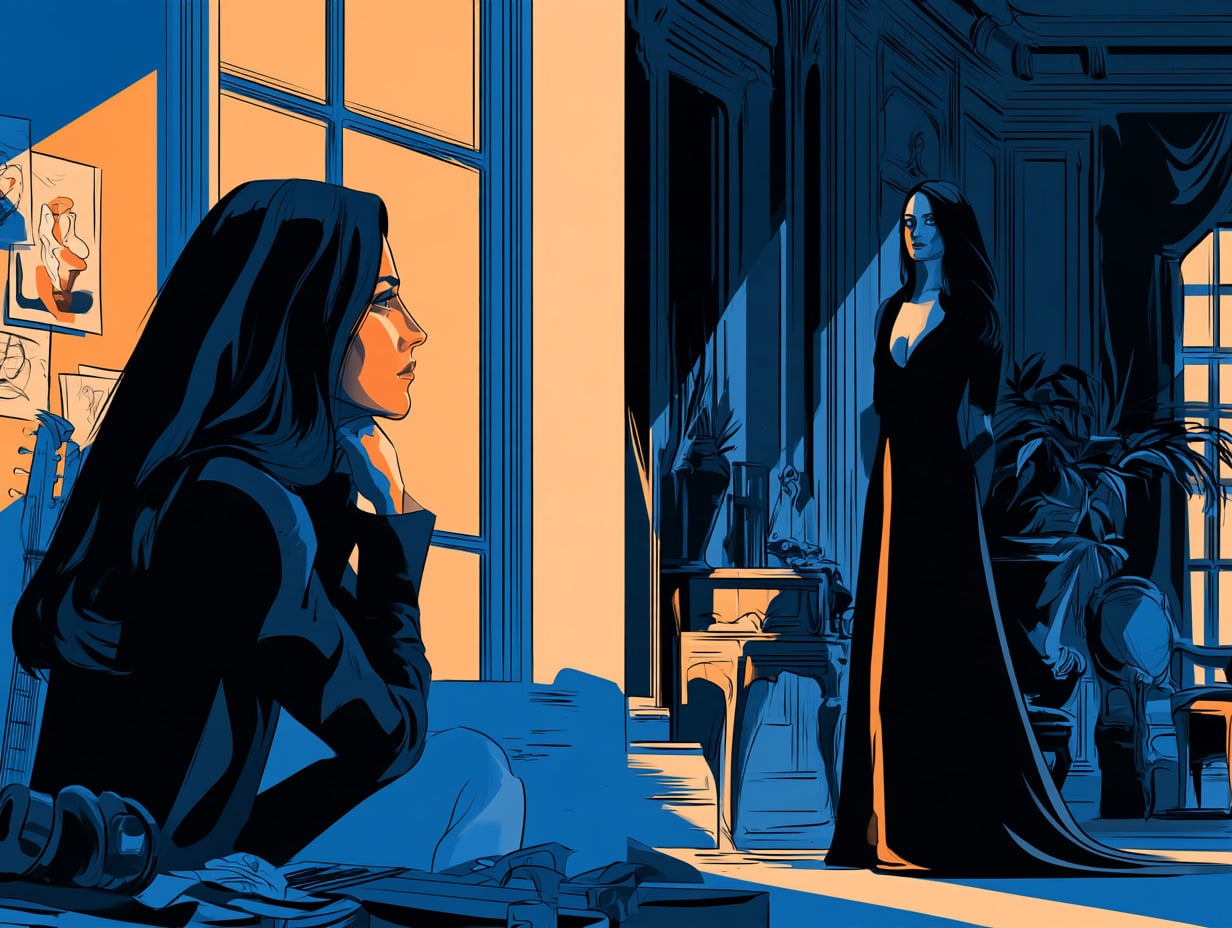
Importantly, participation does not require attending every concert, knowing every historical band, or dressing a particular way.
The key difference: Emo communities have strong roots in punk-derived live music scenes and later online alternative culture, while goth communities have maintained especially visible connections with gothic music clubs and dedicated nightlife.
7. Stereotypes: Emotional Instability vs Obsession With Darkness
Both subcultures have been misunderstood by people unfamiliar with their music and history.
Emo fans have sometimes been stereotyped as constantly sad, excessively emotional, or psychologically unstable.
Goths have sometimes been portrayed as frightening, antisocial, or unusually preoccupied with death.
These assumptions confuse artistic preferences with psychological characteristics.
Listening to emotionally expressive music does not establish that someone has depression. Similarly, enjoying dark fashion or gothic imagery does not indicate a mental health disorder.
Mental health conditions are assessed through patterns of symptoms, duration, distress, and their effects on everyday functioning, not through musical taste or clothing.
Alternative communities can provide meaningful social connections, although belonging to any particular group does not guarantee psychological well-being.
It is more useful to approach someone's interests with curiosity than to make assumptions based on their appearance.
The key difference: Emo and goth face different cultural stereotypes, but neither identity can be used to determine someone's mental health or personality.
Emo vs Goth: How Do Their Styles and Cultures Compare?
The following table summarizes the seven main differences between emo and goth. These are broad cultural patterns rather than rules that apply to every individual.
| Feature | Emo | Goth |
|---|---|---|
| Musical origins | American hardcore punk and emotional hardcore | British post-punk and gothic rock |
| Fashion | Band T-shirts, skinny jeans, hoodies, and punk-influenced accessories | Dark layers, lace, velvet, dramatic silhouettes, and theatrical influences |
| Hair and makeup | Side-swept bangs, straightened hair, and dark eyeliner | Dramatic eye makeup, contrasting looks, teased hair, and varied gothic styles |
| Common artistic themes | Personal emotions, relationships, vulnerability, and self-expression | Melancholy, mystery, mortality, romanticism, and unconventional beauty |
| Cultural influences | Hardcore punk, DIY music scenes, and alternative rock | Post-punk, gothic literature, romanticism, and horror aesthetics |
| Community traditions | Local shows, independent music scenes, and online communities | Gothic music clubs, concerts, festivals, and alternative nightlife |
| Common stereotypes | Being constantly sad or emotionally unstable | Being antisocial or obsessed with death |
These differences help explain why emo and goth are separate subcultures despite their occasional visual similarities.
At the same time, their boundaries are not absolute. Someone may enjoy both musical traditions, participate in both communities, or combine elements of their fashion styles.
Am I Emo or Goth? How Can You Find Your Style?
If you feel drawn to alternative culture, you might wonder whether emo or goth describes you more accurately.
There is no official qualification process for either identity. Exploring your preferences is more useful than trying to satisfy a checklist of stereotypes.
Start With the Music You Actually Enjoy
Because both subcultures developed around music, your listening habits are a useful place to begin.
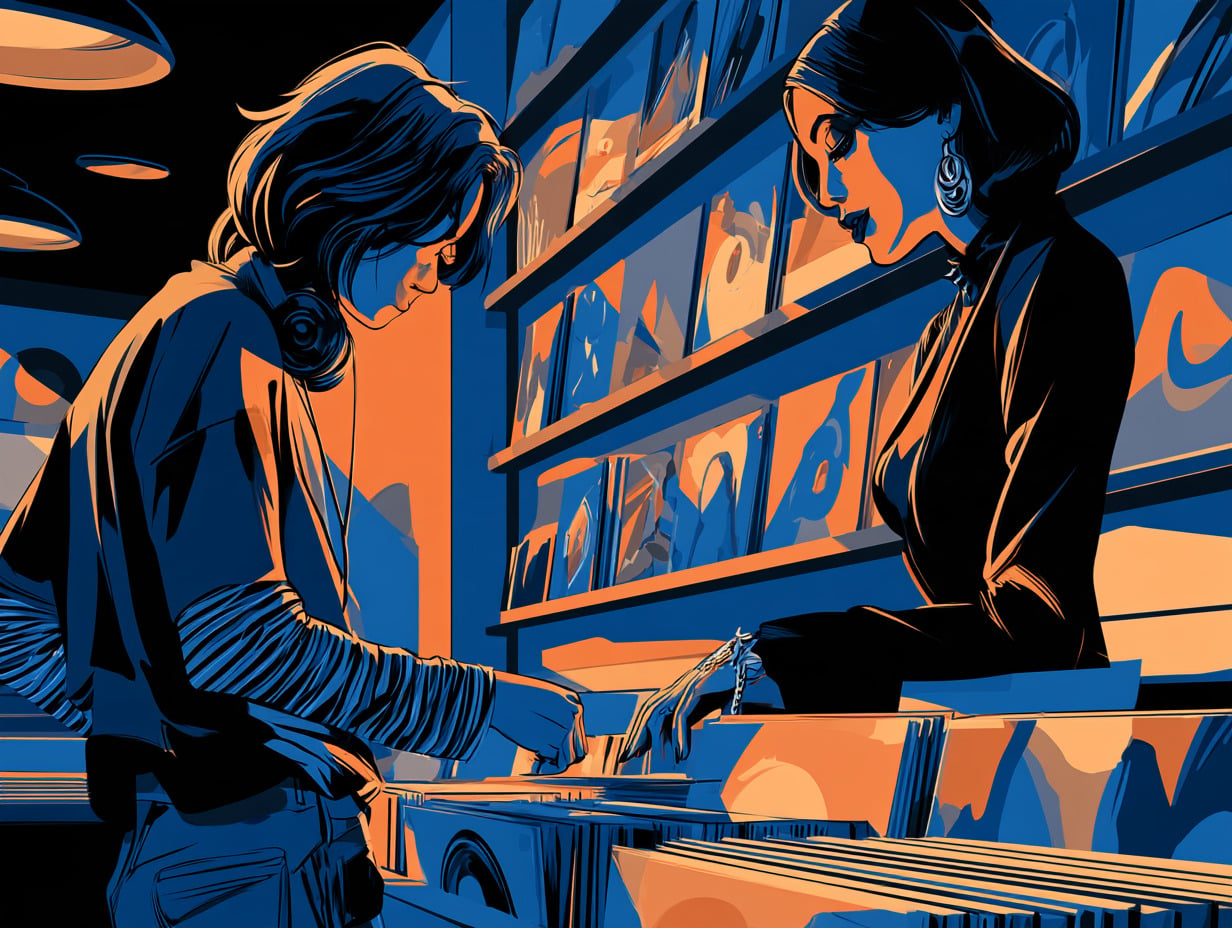
Try exploring artists from different periods of emo and goth history rather than relying exclusively on current social media trends.
For emo, you might begin with Rites of Spring, Sunny Day Real Estate, American Football, or Taking Back Sunday.
For goth, consider listening to Bauhaus, The Sisters of Mercy, Siouxsie and the Banshees, or Clan of Xymox.
Pay attention to what genuinely interests you. Do you connect more strongly with emotionally direct alternative rock, or do you prefer the atmosphere and musical textures associated with gothic rock and darkwave?
You might enjoy both equally, and that is a perfectly reasonable outcome.
If you're curious about how closely your preferences match emo culture, try the Am I Emo Quiz. It explores your connection to alternative music, fashion, and emotional self-expression without treating your results as a fixed identity.
Notice Which Aesthetic Feels Natural
Clothing can be another way to explore your preferences, but it should not become a test you feel pressured to pass.
You might enjoy the casual, band-centered look associated with 2000s emo fashion. Alternatively, you might prefer gothic clothing inspired by romanticism, dramatic silhouettes, or dark textures.
Try experimenting with individual elements rather than changing your entire wardrobe at once.
For example, you could combine a favorite band T-shirt with dark accessories, experiment with eyeliner, or explore secondhand clothing inspired by different alternative styles.
Consider whether a particular look feels comfortable and personally meaningful rather than simply recognizable.
Wondering whether darker aesthetics feel more like you? The Am I Goth Quiz helps you explore your preferences in gothic fashion, music, and alternative culture. Think of it as a starting point for self-discovery rather than a definitive label.
Explore the Communities Behind the Aesthetics
Online images can introduce you to alternative fashion, but they rarely capture the full experience of participating in a subculture.
Learning about the music, history, and communities behind a style can help you understand whether your interest extends beyond appearance.
You might explore interviews with musicians, attend an appropriate live show, discover independent artists, or learn about the history of local alternative scenes.
It can also be helpful to listen to people who have participated in these communities for many years.
The goal is not to prove that you belong. It is to discover which parts of the culture genuinely interest you.
Why Alternative Subcultures Can Feel Meaningful
Alternative subcultures can offer opportunities to explore personal identity and connect with people who share similar interests.
For someone who feels different from their peers, discovering a music scene or creative community may provide a new way to express themselves.
Fashion, music, and art can also become tools for communicating personal preferences that are difficult to explain through ordinary conversation.
However, belonging to a subculture is not a substitute for developing an individual identity. People can change their interests, experiment with different communities, and reconsider labels over time.
Exploring a subculture can also be part of a broader process of understanding your values and interests. If you're questioning your direction or struggling to separate your own preferences from other people's expectations, our guide on what to do with your life offers practical ways to explore your identity without rushing into permanent decisions.
You Don't Have to Fit Every Subculture Rule
One common misconception is that identifying with a subculture requires following every associated fashion trend, listening exclusively to certain bands, or adopting a specific personality.
In practice, cultural identities are more flexible.
You can appreciate gothic rock without wearing elaborate makeup. You can enjoy emo music without dressing like a teenager from the early 2000s.
You can also combine influences from punk, goth, emo, metal, and other alternative traditions without needing to choose one permanent category.
Some people strongly identify with a particular scene, while others simply enjoy its music or aesthetics.
Neither approach is inherently more authentic.
Personal identity can change as you discover new interests and experiences. If you've spent years adapting to other people's expectations, learning how to find yourself again may help you reconnect with the preferences and values that genuinely matter to you.
Can You Be Both Emo and Goth?
Yes. You can appreciate both emo and goth, participate in their communities, or incorporate elements of each into your personal style.
Although the subcultures have different musical histories, individual interests do not always fit neatly into separate categories.
Someone might listen to gothic rock in the morning and emo revival bands in the evening. Their wardrobe might include both romantic gothic pieces and casual alternative clothing.
There is nothing inherently contradictory about those preferences.
It is also important to distinguish between enjoying a particular aesthetic and participating in the culture associated with it.
For example, wearing dark clothing may reflect a personal fashion preference without indicating an interest in goth music. Similarly, enjoying a few emo songs does not necessarily mean someone identifies with the broader emo scene.
These distinctions can help people discuss cultural identity without turning labels into rigid categories.
The most useful question is not whether you meet every requirement for being emo or goth. It is whether the music, artistic traditions, and communities associated with either subculture have genuine meaning for you.
References
- Hebdige, D. (1979). Subculture: The Meaning of Style. Methuen.
- Hodkinson, P. (2002). Goth: Identity, Style and Subculture. Berg.
- American Psychiatric Association. (2022). Diagnostic and Statistical Manual of Mental Disorders, Fifth Edition, Text Revision (DSM-5-TR). American Psychiatric Association Publishing. Official DSM information.
- 988 Suicide & Crisis Lifeline. (n.d.). 988 Suicide & Crisis Lifeline. Official website.
Conclusion
The difference between emo and goth goes much deeper than black clothing, eyeliner, or a preference for alternative music.
Emo developed from American hardcore punk and became associated with emotionally expressive songwriting, alternative rock, and distinctive fashion trends. Goth emerged from British post-punk and developed its own musical traditions, artistic influences, and community spaces.
Their differences are especially visible in music, fashion, beauty trends, artistic themes, cultural history, community traditions, and the stereotypes surrounding each identity.
However, neither subculture determines someone's personality, emotional stability, or mental health. Both include diverse individuals whose interests and experiences cannot be reduced to a single stereotype.
If you're deciding whether emo or goth fits you better, begin with the music and explore the culture behind the aesthetic. You may discover a strong connection with one tradition, appreciate both, or decide that neither label fully describes you.
Ultimately, the most meaningful alternative identity is one that reflects your genuine interests rather than someone else's expectations.
Frequently Asked Questions
Is emo the same as goth?
No, emo and goth are different music-based subcultures. Emo originated in the American hardcore punk scene, while goth developed from British post-punk and gothic rock. Although their fashion styles sometimes overlap, their musical traditions and cultural influences are distinct.
Can you be both emo and goth?
Yes, you can identify with both emo and goth or enjoy elements of each subculture. Many people listen to music from different alternative genres and combine fashion influences. You don't need to choose a single label to appreciate both communities.
Is emo music always sad?
No, emo music explores a wide range of emotions, including anger, hope, excitement, heartbreak, and personal growth. While emotionally expressive lyrics are common, not every song focuses on sadness. Different periods of emo music also feature noticeably different sounds and themes.
Do goth people have to wear black?
No, wearing black isn't a requirement for participating in goth culture. Although dark clothing is a recognizable part of many goth fashion styles, the subculture is rooted primarily in music. Someone can enjoy gothic rock and participate in goth communities without dressing in a stereotypically gothic way.
Does being emo or goth mean you have depression?
No, identifying as emo or goth doesn't mean someone has depression or another mental health condition. Musical preferences, clothing, and artistic interests aren't sufficient to diagnose a psychological disorder. Mental health concerns should be evaluated based on symptoms and their impact on daily functioning, not cultural identity.
How do I know whether I'm emo or goth?
Start by exploring the music associated with each subculture. If you connect with emo rock and its personal songwriting traditions, emo might appeal to you; if you prefer gothic rock, darkwave, and related music scenes, you might feel closer to goth. You can also enjoy both without adopting either label.