Digital Psychologist: What Online Psychological Care Is — and When It Helps
Accessing mental health care in the U.S. can feel frustrating. Long waitlists, high costs, and limited local options often stop people from getting support when they need it most. For many, that gap has led to questions about online care and whether it can truly help. A digital psychologist is a licensed psychologist who provides professional psychological services through secure online platforms, using the same ethical and clinical standards as in-person care. This approach allows people to receive evidence-based therapy without commuting, while still working with a qualified mental health professional.
If you are wondering whether online psychological care is legitimate, effective, or appropriate for your situation, you are not alone. In this guide, you will learn what a digital psychologist actually does, how online sessions work, what research says about effectiveness, and how to tell the difference between licensed care and mental health apps. You will also get clear guidance on when digital care can be a good option and when in-person or emergency support is necessary.

What Is a Digital Psychologist?
A digital psychologist is not a new type of professional. It is a licensed psychologist who delivers psychological services online rather than in a physical office. The care itself follows the same professional standards, ethical rules, and clinical responsibilities required for in-person practice in the United States.
What “Digital” Actually Means in Psychology
The word digital refers only to the method of delivery, not the quality or depth of care. A digital psychologist conducts therapy through secure video sessions, and in some cases, through structured messaging or online platforms that support psychological treatment. The core elements of therapy remain the same: assessment, collaboration, evidence-based intervention, and ongoing evaluation of progress.
In practical terms, working with a digital psychologist usually looks like this: you schedule regular sessions, meet face-to-face over video, discuss current concerns, and work toward specific goals. The psychologist listens, asks clinically relevant questions, and applies established therapeutic approaches such as cognitive behavioral therapy or acceptance-based strategies. The difference is that the session happens through a screen instead of across a desk.
Here is a common scenario. Someone living in a rural area has been on a waitlist for in-person therapy for months. By choosing online care, they are able to connect with a licensed professional in another part of the state and begin treatment sooner, without sacrificing quality or professionalism.
Licensure and Scope of Practice in the U.S.
A digital psychologist must meet the same licensing requirements as any other psychologist. This includes a doctoral degree in psychology, supervised clinical training, passing national and state examinations, and holding an active license in the state where the client is located. Providing therapy online does not reduce these requirements.
The American Psychological Association makes it clear that telepsychology is governed by the same ethical principles as in-person care. Psychologists are responsible for informed consent, confidentiality, professional competence, and appropriate referrals when online care is not sufficient. Digital practice is not a loophole or a shortcut. It is simply a different format for delivering legitimate psychological services.
It is also important to understand what a digital psychologist is not. This role is not the same as a wellness coach, a mental health influencer, or an automated chatbot. A digital psychologist does not offer generic advice or motivational content. They provide individualized psychological care within clearly defined professional boundaries.
Understanding this distinction helps protect people from misleading claims. If the provider is not licensed, does not follow ethical guidelines, or cannot explain their credentials, they are not functioning as a digital psychologist in the clinical sense.
How Does a Digital Psychologist Work With Clients?
Working with a digital psychologist follows the same clinical structure as traditional therapy, with adjustments for the online setting. Sessions are intentional, confidential, and guided by professional standards rather than casual conversation or automated tools.
What Online Therapy Sessions Look Like
Most work with a digital psychologist happens through scheduled video sessions on a secure platform. These sessions typically last 45 to 60 minutes and occur weekly or biweekly, depending on the treatment plan and the client’s needs. From a clinical standpoint, the session flow is familiar: the psychologist checks in, explores current concerns, and helps the client reflect, problem-solve, or practice specific skills.
The first session often focuses on understanding why the person is seeking help, reviewing relevant history, and discussing goals. The psychologist may ask about stress levels, mood patterns, sleep, work demands, or relationships, always within a non-diagnostic, exploratory framework. Over time, sessions become more focused, addressing patterns of thinking, emotional responses, or behaviors that are causing distress.

For example, someone dealing with persistent work-related stress might use online sessions to examine how perfectionism shows up during deadlines, practice setting boundaries, and develop coping strategies they can apply between meetings. The therapeutic relationship develops through consistency and trust, not physical proximity.
Privacy, HIPAA, and Ethical Standards
A common concern about online care is confidentiality. Licensed psychologists are required to use HIPAA-compliant platforms that protect personal health information. These systems use encryption and security safeguards designed specifically for health care, not general video chat software.
Before treatment begins, a digital psychologist provides informed consent that explains how sessions work, how data are protected, and what the limits of confidentiality are. These limits are the same as in traditional therapy, such as situations involving imminent risk of harm. Ethical responsibility does not change simply because care is delivered online.
Psychologists are also expected to assess whether digital care is appropriate. If a person’s needs exceed what can be safely managed through telepsychology, the psychologist has an ethical obligation to recommend in-person services or higher levels of care. This boundary is central to responsible digital practice.
Here’s the thing: effective online therapy is not about convenience alone. It depends on professional judgment, clear communication, and ethical accountability. When those elements are present, the digital format becomes a practical way to access real psychological care, not a watered-down version of it.
How Effective Is Working With a Digital Psychologist?
Research over the past decade shows that working with a digital psychologist can be effective for many people, particularly when care is delivered by a licensed professional using evidence-based approaches. The format may be different, but the psychological principles behind treatment remain the same.
What Research Says About Online Psychological Care
Studies reviewed by the American Psychological Association and the National Institute of Mental Health indicate that online therapy can produce outcomes comparable to in-person care for concerns such as anxiety, stress-related conditions, and mild to moderate mood difficulties. These findings are strongest when treatment involves regular live sessions, a clear therapeutic framework, and an active working relationship between client and psychologist.
From a clinical perspective, effectiveness depends less on location and more on structure and engagement. A digital psychologist still conducts assessment, tracks progress, and adjusts interventions over time. The therapeutic alliance — the sense of collaboration and trust between client and clinician — remains a key factor, even when sessions happen through video.
For instance, someone experiencing ongoing anxiety may benefit from online cognitive strategies that help them notice unhelpful thinking patterns and respond differently in daily situations. When sessions are consistent and the person practices skills between meetings, improvement can be meaningful and sustained.
Benefits and Realistic Limitations
Digital psychological care offers several practical advantages. It reduces travel time, increases access for people in underserved areas, and can make it easier to fit therapy into a busy schedule. For some individuals, being in their own environment during sessions also lowers the emotional barrier to opening up.
At the same time, digital care has limits. It may not be appropriate for people experiencing acute psychiatric crises, severe impairment, or situations that require close in-person monitoring. Online therapy also depends on stable internet access and a private space, which is not equally available to everyone.
Here’s the key point: a digital psychologist is not a replacement for all forms of mental health care. It is one option within a broader system. When used in the right context, it can be a clinically sound and effective way to receive psychological support. When used outside those boundaries, it may fall short.
Understanding both the strengths and the limits helps people make informed decisions rather than relying on promises that online care can solve every problem.
Digital Psychologist vs In-Person Psychologist vs Mental Health Apps: What’s the Difference?
Not all online mental health options are the same. One of the most common sources of confusion is the assumption that a digital psychologist, an in-person psychologist, and a mental health app all provide comparable support. In reality, these options differ significantly in training, responsibility, and scope of care.
Professional Roles Explained
A digital psychologist and an in-person psychologist are the same professional role. Both are licensed psychologists with doctoral-level training, supervised clinical experience, and legal responsibility for the care they provide. The only difference is how sessions are delivered. One meets clients in an office, the other meets them through secure video platforms. Clinical judgment, ethical obligations, and accountability remain identical.
Mental health apps, by contrast, are not clinicians. Even when apps include educational content, mood tracking, or AI-driven conversations, they do not diagnose, assess risk, or provide psychotherapy. They are tools, not providers. Some apps may be helpful as supplements, but they cannot replace individualized psychological care.
To make these distinctions clearer, the table below summarizes the key differences.
| Option | Credentials | Type of Care | Clinical Responsibility |
|---|---|---|---|
| Digital psychologist | Licensed psychologist (PhD or PsyD) | Live psychotherapy online | Full ethical and legal accountability |
| In-person psychologist | Licensed psychologist (PhD or PsyD) | Live psychotherapy in office | Full ethical and legal accountability |
| Mental health app | No clinical license | Self-guided tools or AI responses | No clinical responsibility |
What Apps and AI Tools Can — and Cannot — Do
Mental health apps can offer reminders, basic coping exercises, or educational material. For some people, these tools provide short-term support or structure between therapy sessions. However, they do not adapt care based on clinical assessment, and they cannot respond appropriately to complex emotional situations or safety concerns.
A digital psychologist, on the other hand, is responsible for recognizing when symptoms escalate, when treatment needs to change, or when referral to in-person or emergency services is necessary. That level of judgment cannot be automated.
Here is a practical way to think about it. If someone wants to track their mood or practice breathing exercises, an app may be sufficient. If they want to understand recurring emotional patterns, process difficult experiences, or receive professional guidance tailored to their situation, working with a licensed psychologist, digital or in-person, is fundamentally different.
Understanding these differences helps people avoid false equivalence. Online does not automatically mean low-quality, and digital care is not the same as automated care. The key question is not where the psychologist is located, but whether the care is delivered by a qualified professional.
When Is a Digital Psychologist a Good Choice — and When Is It Not?
Choosing online psychological care is not just about convenience. It is about fit. A digital psychologist can be a strong option in many situations, but there are also clear limits that matter for safety and effectiveness.
Situations Where Digital Care Works Well
Working with a digital psychologist is often appropriate when a person is dealing with concerns that benefit from regular, structured therapy and do not require immediate in-person monitoring. Common examples include ongoing stress, anxiety symptoms, burnout, adjustment difficulties, or relationship-related concerns. Digital care can also work well for people who already have some insight into their patterns and are able to reflect and engage consistently between sessions.
Practical factors matter too. Online care increases access for people in rural areas, those with demanding work schedules, caregivers, or individuals who feel more comfortable starting therapy from their own space. For some, removing travel time and waiting rooms lowers the threshold for seeking help at all.
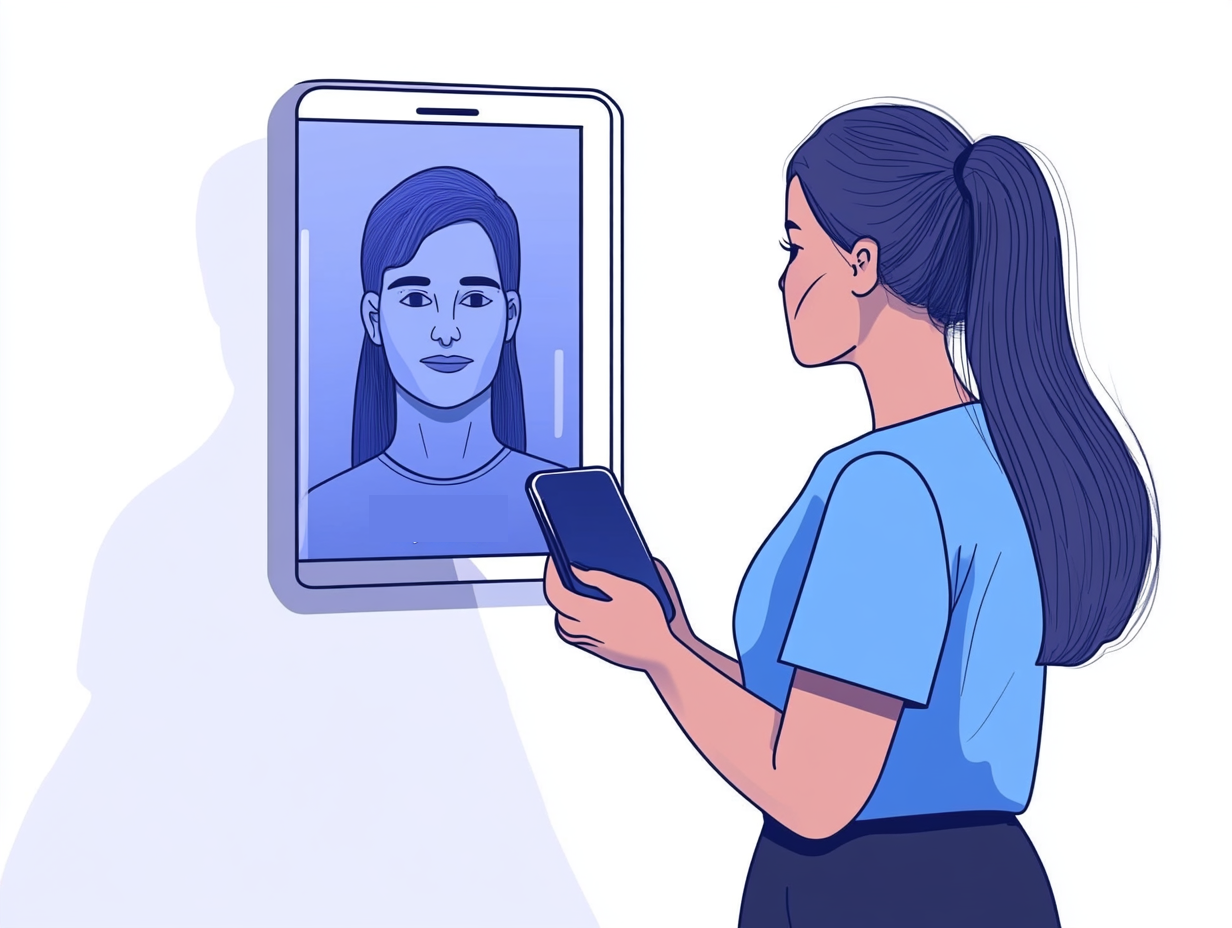
Here is a typical scenario. Someone notices that work stress is affecting sleep and concentration but does not feel in crisis. They want professional support without taking time off work or traveling long distances. In this case, digital psychological care can be a reasonable and effective choice.
When Digital Care Is Not Enough
There are situations where online therapy is not the right level of care. If someone is experiencing thoughts of self-harm, severe emotional distress, psychotic symptoms, or significant impairment in daily functioning, in-person or emergency services are more appropriate. Digital psychologists are ethically required to recognize these limits and to recommend higher levels of care when needed.
Digital care may also be insufficient if a person cannot access a private space, lacks stable internet, or needs close coordination with medical providers. These practical barriers can interfere with the therapeutic process, even when motivation is high.
This is where professional boundaries matter. A responsible digital psychologist will not promise to treat every condition online. Instead, they will help assess whether telepsychology is appropriate and guide the person toward in-person resources if safety or complexity requires it.
If you or someone you know is in crisis, immediate help is available. Call or text 988 to reach the Suicide and Crisis Lifeline in the United States. If there is immediate danger, call 911. These resources exist to provide urgent support when online therapy is not enough.
Understanding both the strengths and limits of digital care allows people to make informed decisions. Online psychology can expand access to real professional help, but it works best when used within clear ethical and clinical boundaries.
References
1. American Psychological Association. Guidelines for the Practice of Telepsychology. 2013.
2. National Institute of Mental Health. Psychotherapies. 2023.
3. American Psychological Association. Teletherapy: Virtual Mental Health Care. 2020.
4. Mayo Clinic. Telehealth: Technology Meets Health Care. 2022.
5. National Institute of Mental Health. Find Help for Mental Health. 2023.
Conclusion
Digital psychological care has become a practical part of the U.S. mental health system, not a shortcut around professional standards. A digital psychologist is a licensed clinician who provides real therapy through secure online platforms, following the same ethical and legal responsibilities as in-person care. For many people, this format improves access, flexibility, and continuity of treatment.
At the same time, digital care is not a universal solution. It works best when concerns are appropriate for outpatient therapy and when safety, privacy, and engagement can be maintained. Knowing the difference between licensed online care and non-clinical tools helps protect your time, your trust, and your well-being.
If distress escalates or safety becomes a concern, immediate help matters. Call or text 988 to reach the Suicide and Crisis Lifeline in the U.S. If there is immediate danger, call 911.
Frequently Asked Questions
Is a digital psychologist the same as an online therapist?
A digital psychologist is a licensed psychologist who provides therapy online. The term online therapist is broader and may include counselors or other providers, depending on credentials. Licensure and scope of practice are what determine the level of care.
Can a digital psychologist diagnose mental health conditions?
Licensed psychologists can conduct clinical assessments, but online care often focuses on treatment rather than formal diagnosis. Any diagnostic conclusions follow DSM-5-TR standards and are used carefully to guide care.
Is online therapy confidential?
Yes. Digital psychologists are required to use HIPAA-compliant platforms and follow the same confidentiality rules as in-person therapy. Limits to confidentiality are the same and are explained through informed consent.
Does insurance cover work with a digital psychologist?
Many U.S. insurance plans cover telepsychology, though coverage varies by provider and state. It is best to check whether online services are considered in-network or eligible for out-of-network reimbursement.
When should someone choose in-person care instead?
In-person or emergency care is recommended when there are safety concerns, severe symptoms, or the need for close medical coordination. A responsible digital psychologist will help guide that decision.