Bipolar 1 vs Bipolar 2: Understanding the Differences in Symptoms and Diagnosis
Bipolar disorder is a complex mood condition that affects how a person experiences energy, emotions, and daily functioning. Many people first encounter the terms Bipolar 1 and Bipolar 2 after noticing unusual mood shifts or hearing the diagnosis during a mental health evaluation. Understanding the difference between these two conditions can help people recognize patterns and seek appropriate support.
The distinction between Bipolar 1 and Bipolar 2 is not simply about severity. Each condition involves different types of mood episodes, different clinical patterns, and different risks. Mental health professionals rely on diagnostic criteria from the Diagnostic and Statistical Manual of Mental Disorders, Fifth Edition, Text Revision (DSM-5-TR) when evaluating bipolar spectrum disorders.
This article explains how Bipolar 1 and Bipolar 2 differ, what manic and hypomanic episodes look like, and how clinicians diagnose and treat bipolar disorder in the United States. The information is educational and does not replace professional medical evaluation.

What Is Bipolar Disorder
Bipolar disorder is a mood disorder characterized by recurring shifts between periods of elevated mood and periods of depression. These mood states are called mood episodes. Unlike typical emotional ups and downs, bipolar episodes involve significant changes in energy, behavior, sleep patterns, and thinking.
How mood disorders affect emotional regulation
Healthy emotional regulation allows people to adjust their mood in response to everyday situations. In bipolar disorder, the brain's mood regulation systems can become dysregulated. Neurobiological research suggests that changes in dopamine signaling, circadian rhythm disruption, and differences in limbic system activity may contribute to mood instability.
During elevated mood states, a person may feel unusually energetic, confident, or restless. During depressive phases, the same person may experience low mood, fatigue, and difficulty concentrating. These shifts can affect work performance, relationships, and decision making.
Why bipolar disorder involves cycles of mood episodes
Bipolar disorder is defined by distinct episodes rather than constant mood changes. A manic, hypomanic, or depressive episode must meet specific clinical criteria to qualify as part of the disorder. These episodes may last days, weeks, or sometimes longer.
Between episodes, many individuals return to a stable mood state. However, the pattern of recurring episodes is what distinguishes bipolar disorder from temporary emotional stress.
Bipolar 1 vs Bipolar 2: Key Differences
The central difference between Bipolar 1 and Bipolar 2 lies in the type of elevated mood episodes that occur. Bipolar 1 involves full manic episodes, while Bipolar 2 involves hypomanic episodes combined with major depression.
Overview of Bipolar 1 disorder
Bipolar 1 disorder is diagnosed when a person has experienced at least one manic episode. Mania involves an abnormally elevated or irritable mood accompanied by increased energy and significant behavioral changes.
A manic episode typically lasts at least seven days or requires hospitalization if symptoms become severe. During mania, individuals may experience reduced need for sleep, racing thoughts, impulsive decisions, or inflated confidence.
Manic episodes can significantly disrupt daily life and may sometimes include psychotic symptoms such as delusional thinking or hallucinations.
Overview of Bipolar 2 disorder
Bipolar 2 disorder involves recurring depressive episodes combined with hypomanic episodes. Hypomania is similar to mania but less severe and shorter in duration. A hypomanic episode must last at least four consecutive days.
Because hypomania may increase productivity or social energy, it is sometimes overlooked or misunderstood. Many individuals with Bipolar 2 seek help primarily because of depression rather than hypomania.
Why Bipolar 2 is not simply a milder condition
A common misconception is that Bipolar 2 represents a mild form of bipolar disorder. In reality, Bipolar 2 can be highly disruptive due to persistent depressive episodes.
People with Bipolar 2 often spend significantly more time in depressive states than in hypomanic states. These depressive periods can interfere with relationships, employment, and overall well being.
Bipolar 1 vs Bipolar 2: Manic Episode vs Hypomanic Episode
The difference between mania and hypomania is central to understanding bipolar disorder. Both involve elevated mood and increased energy, but they differ in intensity and impact on functioning.
What defines a manic episode
A manic episode is a period of abnormally elevated, expansive, or irritable mood accompanied by increased activity or energy. According to DSM-5-TR criteria, the episode must last at least seven days or require hospitalization if symptoms become severe.
During mania, several characteristic symptoms may appear:
- reduced need for sleep without feeling tired
- unusually rapid speech or racing thoughts
- inflated self confidence or grandiosity
- increased goal directed activity
- impulsive decisions such as risky spending or travel
Manic episodes can significantly disrupt daily functioning. Some individuals may experience severe agitation, difficulty concentrating, or impaired judgment. In certain cases, mania may include psychotic symptoms such as delusional beliefs.
What defines a hypomanic episode
Hypomania shares many features with mania but is less intense. A hypomanic episode must last at least four consecutive days and involve a noticeable change in behavior or mood.
Unlike mania, hypomania does not usually cause severe impairment in work or social functioning. Many people report feeling unusually productive, confident, or energetic during these periods.
However, hypomania can still lead to impulsive behavior or strained relationships. It may also signal an upcoming shift toward depression.
How these episodes affect daily functioning
The functional impact of manic and hypomanic episodes differs significantly. Mania often leads to serious disruption in everyday life, while hypomania may initially appear beneficial before creating longer term difficulties.
| Episode type | Typical symptoms | Impact on functioning |
|---|---|---|
| Mania | extreme energy, reduced sleep, impulsive behavior, racing thoughts | often severe disruption, possible hospitalization |
| Hypomania | elevated mood, increased productivity, reduced sleep | noticeable changes but usually less severe impairment |
Bipolar 1 vs Bipolar 2: Depressive Episodes and Mood Patterns
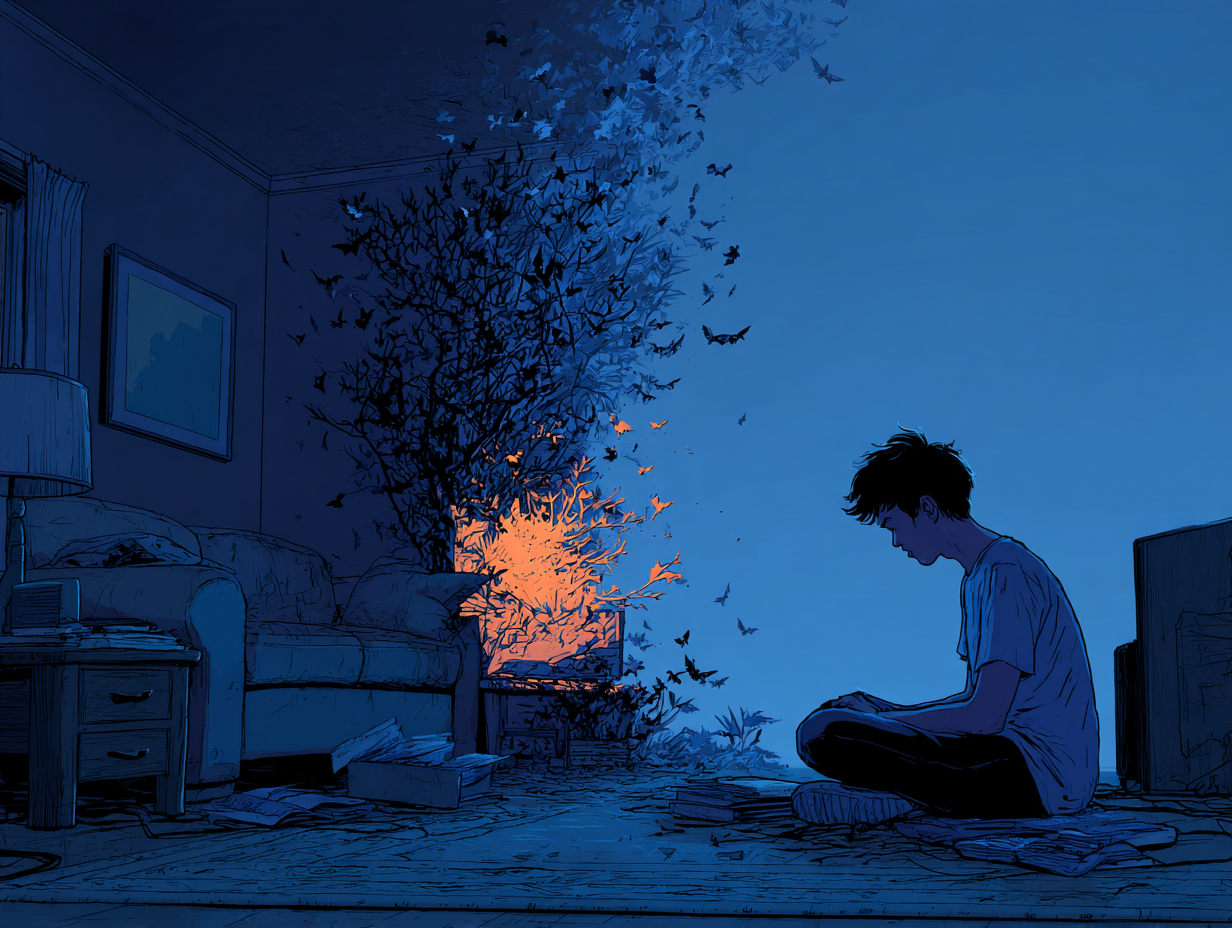
Although elevated mood episodes receive much attention, depressive episodes often represent the most persistent challenge in bipolar disorder. Many individuals experience longer depressive phases than elevated mood phases.
Major depressive episodes in bipolar disorder
A major depressive episode involves persistent sadness or loss of interest lasting at least two weeks. These episodes may include emotional, cognitive, and physical symptoms.
Common symptoms include:
- persistent low mood or feelings of emptiness
- fatigue or low energy
- difficulty concentrating
- changes in appetite or sleep
- loss of interest in previously enjoyable activities
In bipolar disorder, depressive episodes can feel particularly overwhelming because they follow periods of elevated energy.
Why depressive phases often dominate Bipolar 2
Individuals with Bipolar 2 frequently spend more time in depressive episodes than in hypomanic states. As a result, the condition is often mistaken for major depressive disorder.
Recognizing hypomania is essential for accurate diagnosis. Without identifying hypomanic episodes, treatment plans may not fully address the bipolar mood cycle.
Common emotional and cognitive symptoms
During depressive phases, individuals may experience intense self doubt, slowed thinking, and decreased motivation. Emotional withdrawal and difficulty completing everyday tasks are also common.
Because depressive symptoms can become severe, clinicians often monitor patients carefully for suicidal thoughts or self harm risk. If someone in the United States experiences a mental health crisis, they can contact the Suicide and Crisis Lifeline by calling or texting 988.
How Mental Health Professionals Diagnose Bipolar 1 vs Bipolar 2
Diagnosing bipolar disorder requires careful evaluation by a licensed mental health professional. Clinicians use structured interviews, symptom history, and DSM-5-TR criteria to determine whether bipolar disorder is present.
DSM-5-TR diagnostic criteria
The Diagnostic and Statistical Manual of Mental Disorders, Fifth Edition, Text Revision (DSM-5-TR) provides standardized criteria for diagnosing bipolar disorders. Clinicians evaluate the duration, intensity, and pattern of mood episodes before confirming a diagnosis.
For Bipolar 1 disorder, at least one manic episode must be present. A major depressive episode may occur but is not required for the diagnosis.
For Bipolar 2 disorder, the diagnostic pattern includes both hypomanic episodes and major depressive episodes. Importantly, a person with Bipolar 2 must never have experienced a full manic episode.
These diagnostic distinctions help clinicians determine appropriate treatment and support strategies.
Psychiatric evaluation and clinical interviews
A bipolar disorder assessment usually involves several steps. Mental health professionals explore a person’s mood history, sleep patterns, behavioral changes, and family history of mood disorders.
The evaluation may include:
- detailed discussion of past mood episodes
- questions about sleep, energy, and impulsivity
- screening questionnaires for mood disorders
- review of medications or substances that may affect mood
Clinicians may also gather information from family members when possible, since mood changes are sometimes easier for others to observe.
Conditions that may resemble bipolar disorder
Several mental health conditions can produce symptoms similar to bipolar disorder. Careful evaluation helps ensure accurate diagnosis.
Conditions that may be considered during assessment include:
- major depressive disorder
- cyclothymic disorder
- attention deficit hyperactivity disorder
- borderline personality disorder
- substance induced mood changes
Because treatment approaches differ across these conditions, proper diagnosis is essential for effective care.
Treatment Approaches for Bipolar 1 and Bipolar 2
Bipolar disorder is a long term condition, but many individuals achieve stability with appropriate treatment and support. Treatment plans are usually personalized and may combine medication, psychotherapy, and lifestyle adjustments.
Mood stabilizing medications
Medication is often an important component of bipolar disorder treatment. Mood stabilizers help reduce the intensity and frequency of mood episodes.
Common medication categories include:
- mood stabilizing medications such as lithium
- atypical antipsychotic medications
- anticonvulsant medications used for mood regulation
Psychiatrists carefully monitor medication response and side effects. Adjustments may be made over time to maintain mood stability.
Psychotherapy and coping strategies
Psychotherapy can help individuals understand mood patterns and develop strategies for managing symptoms. Several evidence based therapies are commonly used in bipolar treatment.
These approaches may include:
- cognitive behavioral therapy to challenge negative thought patterns
- psychoeducation to understand mood triggers
- interpersonal therapy to improve relationship stability
- skills for recognizing early warning signs of mood shifts
Therapy often focuses on maintaining routines, improving emotional awareness, and strengthening coping skills.
Lifestyle factors that support stability
Daily habits can influence mood stability. Consistent routines and healthy behaviors may help reduce the likelihood of mood episodes.
Helpful strategies often include:
- maintaining regular sleep schedules
- monitoring mood changes over time
- reducing alcohol or substance use
- managing stress through structured routines
Many clinicians encourage patients to track mood changes in journals or digital apps to identify patterns and early warning signs.
When to Seek Professional Help for Bipolar Symptoms
Many people experience occasional mood changes due to stress, life transitions, or sleep disruption. Bipolar disorder differs because mood episodes are more intense, last longer, and significantly affect daily functioning.
Recognizing early warning signs can help individuals seek evaluation before symptoms escalate.
Early warning signs
Although symptoms vary between individuals, certain patterns may indicate the need for a mental health assessment.
- periods of unusually high energy combined with little need for sleep
- impulsive decisions or risky behavior that feel out of character
- recurring cycles of elevated mood followed by deep depression
- difficulty maintaining work, school, or relationship stability
- rapid shifts in motivation, concentration, or emotional control
If these patterns appear repeatedly, a licensed mental health professional can evaluate whether bipolar disorder or another mood condition may be present.
Emergency mental health resources in the United States
Some bipolar symptoms require immediate professional attention. Severe mania, psychotic symptoms, or suicidal thoughts are considered medical emergencies.
If someone in the United States is experiencing a mental health crisis:
- call or text 988 to reach the Suicide and Crisis Lifeline
- call 911 if there is immediate danger
- seek urgent evaluation at the nearest emergency department
These services are available to provide confidential support and guidance during a mental health emergency.
Summary of Bipolar 1 vs Bipolar 2
The distinction between Bipolar 1 and Bipolar 2 is based on the type of mood episodes a person experiences. Bipolar 1 includes manic episodes that can significantly disrupt functioning, while Bipolar 2 involves hypomanic episodes combined with major depressive episodes.

Although hypomania may appear less severe than mania, Bipolar 2 often includes persistent depressive periods that can strongly affect quality of life. Both conditions require careful diagnosis and long term treatment planning.
| Feature | Bipolar 1 | Bipolar 2 |
|---|---|---|
| Elevated mood episode | mania | hypomania |
| Depressive episodes | may occur | required for diagnosis |
| Psychotic symptoms | may occur during mania | not present during hypomania |
| Functional disruption | often severe during mania | often severe during depression |
Because bipolar disorder involves complex mood patterns, professional assessment is essential for accurate diagnosis and treatment. With appropriate care, many individuals manage symptoms and maintain stable, fulfilling lives.
References
1. American Psychiatric Association. Diagnostic and Statistical Manual of Mental Disorders, Fifth Edition, Text Revision (DSM-5-TR). American Psychiatric Publishing. 2022.
2. National Institute of Mental Health. Bipolar Disorder Overview. National Institutes of Health. 2023.
3. National Alliance on Mental Illness. Bipolar Disorder Information Guide. NAMI. 2023.
4. Grande I, Berk M, Birmaher B, Vieta E. Bipolar disorder. The Lancet. 2016.
5. Miklowitz DJ. The Bipolar Disorder Survival Guide. Guilford Press. 2019.
Conclusion
Understanding the difference between Bipolar 1 vs Bipolar 2 helps clarify how bipolar disorders are diagnosed and treated. The key distinction lies in the type of elevated mood episodes. Bipolar 1 includes manic episodes that can significantly disrupt daily functioning, while Bipolar 2 involves hypomanic episodes together with major depressive episodes.
Although hypomania is less intense than mania, Bipolar 2 should not be considered a mild condition. Many individuals experience prolonged depressive phases that can affect relationships, work performance, and overall wellbeing.
A careful clinical evaluation is necessary to distinguish Bipolar 1 vs Bipolar 2 and to rule out other mental health conditions with similar symptoms. Mental health professionals use DSM-5-TR diagnostic criteria, structured interviews, and a detailed history of mood patterns when making a diagnosis.
With appropriate treatment that may include medication, psychotherapy, and stable daily routines, many people living with bipolar disorder are able to manage symptoms effectively and maintain long term stability.
Frequently Asked Questions
Is Bipolar 2 less serious than Bipolar 1?
Bipolar 2 is sometimes described as less severe because it does not involve full manic episodes. However, this does not mean the condition is mild. Many individuals with Bipolar 2 experience frequent or long depressive episodes that can significantly affect work, relationships, and overall quality of life.
Can Bipolar 2 turn into Bipolar 1?
If a person who was previously diagnosed with Bipolar 2 experiences a manic episode, the diagnosis may change to Bipolar 1. A manic episode is the defining feature of Bipolar 1 disorder according to DSM-5-TR diagnostic criteria.
What triggers manic or hypomanic episodes?
Mood episodes in bipolar disorder may be influenced by several factors. Common triggers include sleep disruption, major life stress, seasonal changes, substance use, and medication changes. Identifying personal triggers can help individuals manage mood stability more effectively.
Can bipolar disorder be treated without medication?
Treatment plans vary for each person, but medication is often an important component of bipolar disorder management. Psychotherapy, structured routines, and lifestyle adjustments can support stability, but medical supervision is usually recommended to prevent severe mood episodes.
When should someone seek emergency help for bipolar symptoms?
Emergency support should be sought if a person experiences suicidal thoughts, severe agitation, psychotic symptoms, or behavior that puts themselves or others at risk. In the United States, individuals can call or text 988 to reach the Suicide and Crisis Lifeline. If there is immediate danger, emergency services can be contacted by calling 911.