ADHD Burnout: Signs, Causes, and How to Recover
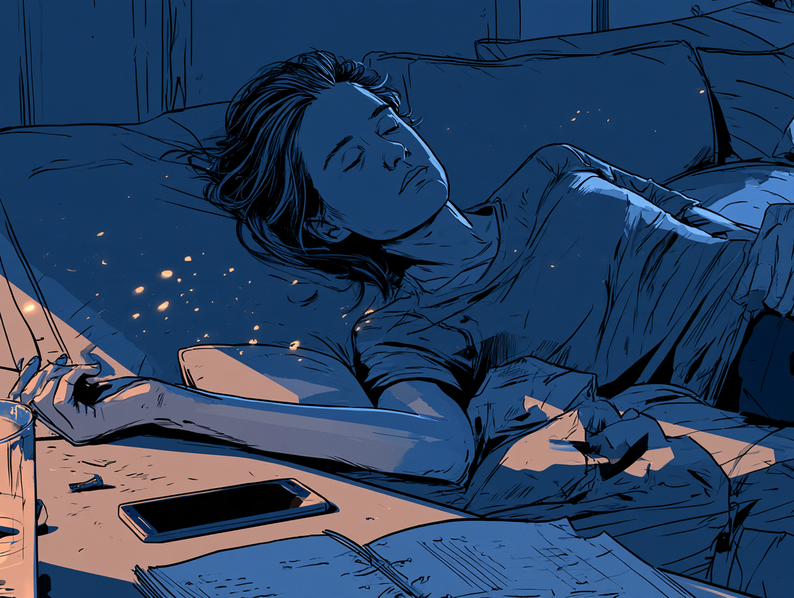
You open your laptop to answer one email, but twenty minutes later, you're still staring at the screen. ADHD burnout is a term people use to describe prolonged exhaustion and difficulty keeping up with everyday demands when they have attention-deficit/hyperactivity disorder (ADHD). Even familiar tasks may suddenly require more energy than you seem to have.
You might find yourself forgetting appointments, avoiding messages, or struggling with routines that once helped you stay organized. A quiet weekend doesn't necessarily make the exhaustion disappear, especially when the same pressures are waiting on Monday morning.
These experiences deserve attention, but they don't automatically indicate a particular condition. Depression, sleep disorders, medication effects, and other health concerns can cause similar difficulties. Understanding the possible warning signs and contributing factors can help you decide what changes to make and when to seek professional support.
This guide explains the signs of prolonged ADHD-related exhaustion, practical approaches to recovery, and ways to make daily responsibilities more manageable.
What Is ADHD Burnout?
People use the term ADHD burnout to describe feeling mentally drained and increasingly unable to keep up with daily demands after prolonged stress. For someone with ADHD, maintaining attention, organizing responsibilities, and managing competing priorities may already require substantial effort. When demands remain high and recovery time is limited, exhaustion can become difficult to manage.
ADHD burnout is not a separate diagnosis in the Diagnostic and Statistical Manual of Mental Disorders, Fifth Edition, Text Revision (DSM-5-TR), and there are no standardized diagnostic criteria for it.
ADHD Burnout vs. Everyday Tiredness
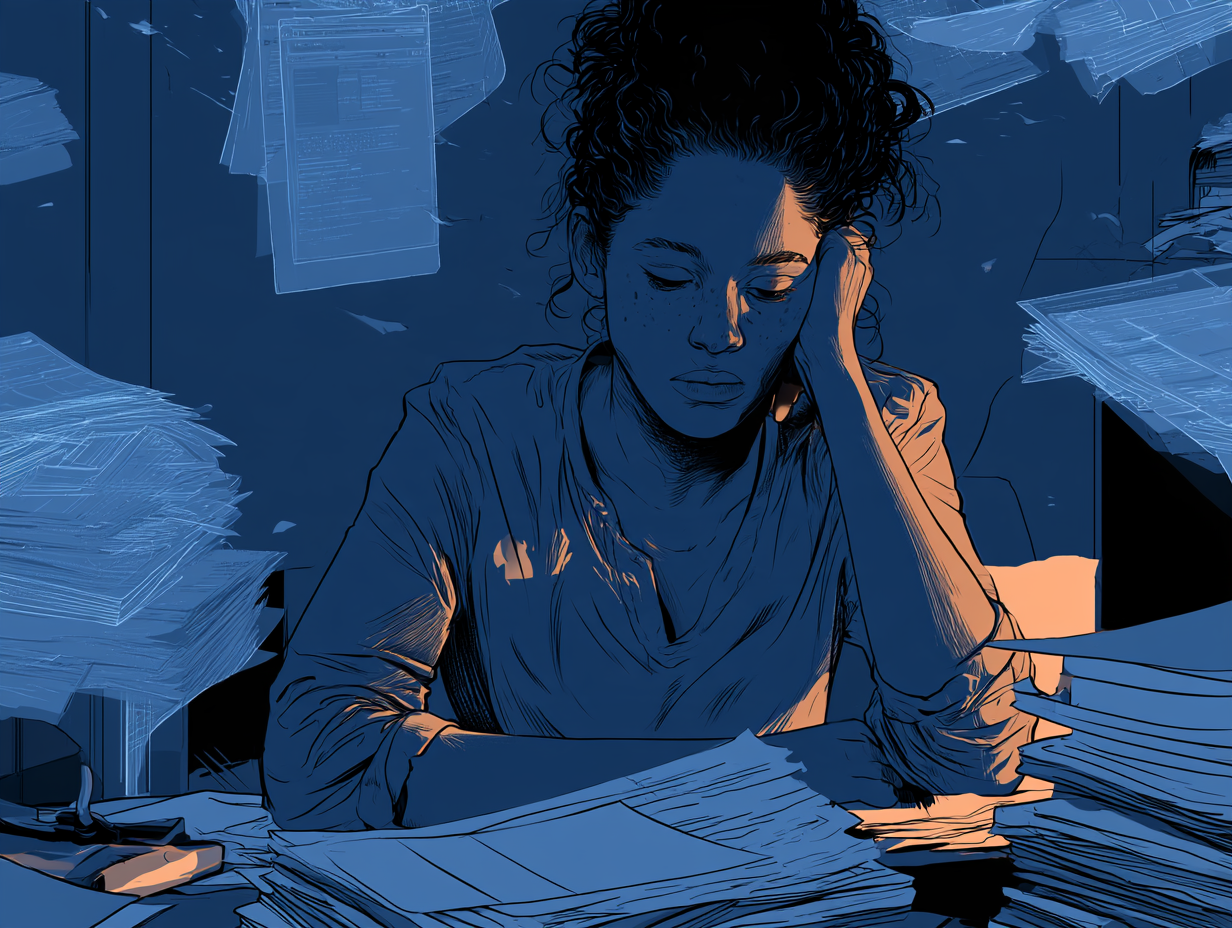
Ordinary tiredness often improves after adequate sleep or a break from demanding activities. Prolonged stress-related exhaustion may continue even when you make time to rest, particularly if the pressures contributing to it remain unchanged.
Imagine spending months working late to compensate for missed deadlines. Eventually, answering emails, preparing dinner, or following your usual morning routine may feel unusually difficult. What looks like procrastination from the outside may involve accumulated stress and reduced capacity.
The distinction isn't always obvious. Fatigue can have many causes, and its duration alone cannot establish whether someone is experiencing burnout.
Is ADHD Burnout a Medical Diagnosis?
No. ADHD is a recognized neurodevelopmental disorder, but ADHD burnout is an informal description rather than an independently diagnosed psychiatric condition.
That distinction matters because exhaustion, concentration difficulties, and reduced motivation can also occur with depression, anxiety, sleep disorders, and physical health conditions.
If your ability to function has changed significantly, a healthcare professional can help investigate possible explanations instead of assuming ADHD is responsible for every symptom.
What Are the Signs of ADHD Burnout?
ADHD burnout symptoms commonly described by people experiencing prolonged stress include mental fatigue, difficulty concentrating, emotional exhaustion, and reduced ability to manage everyday tasks. Changes may develop gradually, making them easy to overlook until work, relationships, or basic routines begin to suffer.
These experiences are not diagnostic criteria. Their importance depends partly on how they differ from your usual functioning and whether they persist.
Cognitive and Executive Functioning Difficulties
When you're already exhausted, remembering appointments, following conversations, or deciding what to do first can take more effort than usual. Strategies that normally help you manage ADHD may suddenly seem less effective.
Possible difficulties include:
- Struggling to concentrate on conversations, emails, or written instructions;
- Forgetting appointments, deadlines, or everyday responsibilities;
- Feeling overwhelmed by decisions that previously seemed manageable;
- Having trouble starting tasks despite understanding their importance;
- Losing track of priorities when several responsibilities compete for attention.
For example, an employee might spend an entire morning moving between unfinished assignments without making meaningful progress. They may be trying just as hard as usual, but the effort produces less visible results.
Emotional and Behavioral Warning Signs
Emotional exhaustion may appear as irritability, frustration, or feeling unusually sensitive to everyday setbacks. A minor interruption might seem unbearable after a day spent managing competing demands.
Some people begin avoiding messages, canceling plans, or withdrawing from activities they normally enjoy. Others feel discouraged because their usual coping strategies no longer seem reliable.
Reduced motivation doesn't necessarily mean someone has stopped caring. However, persistent withdrawal, loss of interest, or changes in mood can also indicate depression or another concern that needs assessment.
Physical Symptoms and Sleep Problems
Prolonged stress may coincide with physical fatigue, headaches, muscle tension, or disrupted sleep. Some people feel exhausted during the day but struggle to settle down at night.
Someone may also wake feeling unrefreshed despite spending enough time in bed. Persistent nonrestorative sleep can have several causes, including sleep disorders, and deserves medical attention when it continues.
Medication effects, depression, and medical conditions can produce overlapping symptoms. If exhaustion persists or interferes with daily life, consider speaking with a primary care clinician or licensed mental health professional.
Recognizing these changes is useful, but understanding what keeps the exhaustion going can be just as important.
What Causes ADHD Burnout?
Exhaustion can build when you're constantly trying to keep up with demands but rarely have enough time or support to recover. For people with ADHD, difficulties with attention, planning, and organization may add to the effort required to manage everyday responsibilities.
There is no established single cause of ADHD burnout. Instead, several sources of prolonged stress may contribute to the experiences people describe using this term.
Chronic Stress and Executive Functioning Demands
ADHD can make planning, prioritizing, remembering instructions, and switching between tasks more difficult. When these challenges occur alongside demanding schedules, ordinary responsibilities may require additional mental effort.
Consider someone who spends the workday handling interruptions, tracking deadlines, and correcting overlooked details. By evening, paying a bill or preparing dinner may feel overwhelming.
This doesn't necessarily mean their ADHD has become more severe. Stress, fatigue, and inadequate sleep may make existing difficulties harder to manage.

Masking, Perfectionism, and Overcompensation
Some people with ADHD describe hiding their difficulties or working harder to meet expectations, an experience often called ADHD masking. They may worry that colleagues will interpret missed details or time-management difficulties as carelessness.
An employee might repeatedly work late to finish assignments while everyone else assumes the workload is manageable. Keeping up appearances can leave little time for recovery.
Hiding ADHD-related difficulties may add to someone's stress, although its specific role in a distinct ADHD burnout syndrome has not been established.
Perfectionism can create additional pressure. Rechecking assignments, setting unrealistic standards, or agreeing to every request may increase the demands on an already limited amount of energy.
Work, Relationships, and Environmental Stressors
Exhaustion isn't always a problem that can be solved through better personal organization. Excessive workloads, unpredictable schedules, financial pressures, and unequal household responsibilities can all contribute to chronic stress.
Someone balancing work deadlines, childcare, and household management may have almost no time between competing obligations.
Limited support can make these pressures harder to manage. Identifying which demands can be reduced, shared, or reorganized is often more useful than assuming you simply need greater discipline.
ADHD Burnout Recovery: What Actually Helps
If you're exhausted, another productivity system probably isn't the first thing you need. A more useful starting point may be reducing the demands that are draining your energy.
There is no established treatment protocol or universal recovery timeline for ADHD burnout. Still, practical adjustments, adequate rest, and appropriate professional support may help address stress and improve everyday functioning.
Reduce Demands Before Adding New Routines
When you're struggling to get through the day, creating an elaborate self-improvement plan can become another responsibility you don't have the energy to manage.
Start by identifying what genuinely needs your attention this week. Paying rent or attending an important medical appointment may be essential. Reorganizing your closet or volunteering for another project can probably wait.
Try dividing responsibilities into three categories:
- Must be done now, such as paying urgent bills or meeting essential obligations;
- Can be simplified, delegated, or completed with help;
- Can safely wait until you have more capacity.
The goal isn't to abandon responsibilities. It's to create enough breathing room to address them without constantly exceeding your limits.
Make Everyday Tasks Easier to Start
Executive functioning difficulties can make small tasks feel surprisingly complicated, particularly when you're under stress.
Instead of writing "clean the apartment" on your to-do list, choose one concrete action, such as putting dishes in the sink. You can stop there or continue if you have the energy.
Other adjustments worth trying include:
- Keeping frequently used items in visible, consistent locations;
- Setting reminders for specific actions rather than vague goals;
- Preparing simple meals that require fewer decisions;
- Using a timer to make the beginning of a task feel manageable.
These strategies won't eliminate exhaustion. They may, however, reduce the effort required to navigate everyday life.
Protect Sleep and Recovery Time
Sleep difficulties are common among people with ADHD, and insufficient sleep can make concentration and emotional regulation harder.
Try maintaining a consistent opportunity to sleep and reducing stimulating activities before bedtime. If your mind stays busy with unfinished responsibilities, writing them down may help you stop mentally rehearsing tomorrow's schedule.
Recovery also means allowing time without performance expectations. Watching a familiar show, taking a walk, or enjoying a quiet hobby can offer a break from constant demands.
Rest matters, but it may not be enough if the same pressures are waiting when you return. Improving your circumstances may require changes to workload, expectations, or available support.
Ask for Support and Adjust Your Environment
You don't have to manage every responsibility independently.
At work, consider discussing clearer deadlines, written instructions, fewer interruptions, or other reasonable accommodations. Depending on your circumstances, workplace protections and accommodation options may be available.
At home, think about which recurring responsibilities could be shared or simplified.
For example, someone who consistently struggles to prepare dinner after work might arrange a rotating meal schedule with their partner instead of repeatedly trying to become more disciplined.

A licensed mental health professional can also help identify patterns of overcommitment and develop strategies suited to your needs.
Set Realistic Expectations for Recovery
ADHD burnout recovery isn't necessarily a steady process. You may feel more capable on some days and overwhelmed on others.
Rather than measuring progress only by how much you accomplish, notice whether essential tasks feel more manageable, your energy becomes more consistent, and you have opportunities to rest.
There's no reliable number of days or weeks that applies to everyone. The time needed to feel better may depend on underlying health concerns, ongoing demands, and the support available.
If exhaustion persists, worsens, or significantly disrupts your life, seek a professional evaluation. Depression, sleep disorders, medication effects, and medical conditions may require different approaches.
When to Seek Professional Help
You don't need to wait until you can barely function to ask for help. If exhaustion persists, affects your relationships, or makes ordinary responsibilities difficult, consider speaking with a healthcare professional.
ADHD-related stress may be part of the picture, but persistent fatigue and changes in functioning can have several causes.
ADHD Burnout vs. Depression and Occupational Burnout
ADHD burnout, depression, and occupational burnout can involve exhaustion, difficulty concentrating, and reduced motivation. However, they are not interchangeable conditions.
| Experience | Common Features | Key Distinction |
|---|---|---|
| ADHD-related exhaustion | Mental fatigue, overwhelm, difficulty managing tasks | An informal description, not a separate clinical diagnosis |
| Depression | Low mood, loss of interest, fatigue, concentration difficulties | A diagnosable mental health condition |
| Occupational burnout | Exhaustion, work-related cynicism, reduced professional effectiveness | A work-related phenomenon, not a medical diagnosis |
These experiences can overlap. For example, someone may have ADHD and depression while also experiencing significant workplace stress. A comparison table cannot determine which explanation applies to an individual.
What a Mental Health Professional Can Offer
A licensed psychologist, psychiatrist, clinical social worker, or other qualified clinician can assess symptoms and identify conditions that may need treatment.
Depending on the assessment, treatment may include cognitive behavioral therapy (CBT) adapted for ADHD, organizational skills support, or a medication review with an authorized prescriber.
These approaches address ADHD-related difficulties or co-occurring conditions rather than a separately recognized ADHD burnout diagnosis.
A primary care clinician can also investigate physical causes of persistent fatigue, including sleep-related concerns.
When Symptoms Require Urgent Attention
Seek prompt professional evaluation if exhaustion is accompanied by severe changes in functioning, persistent hopelessness, or difficulty managing essential daily needs.
Thoughts of suicide or self-harm require immediate attention. You don't need to wait until symptoms become unbearable to ask for help.
In the United States, call or text 988 (Suicide & Crisis Lifeline); if in immediate danger, call 911.
Once you've addressed immediate concerns, the next step is finding ways to make everyday demands more sustainable.
Preventing ADHD Burnout in the Future
Preventing ADHD burnout involves recognizing patterns of overload early and making daily demands more manageable. No strategy can guarantee that exhaustion won't return, but sustainable routines, realistic expectations, and adequate support may help reduce recurring stress.
Recognize Early Warning Signs
Pay attention to changes that tend to appear before you become completely overwhelmed. Perhaps you start missing appointments, avoiding messages, working late to catch up, or feeling unusually irritated by small interruptions.
These patterns can serve as reminders to reassess your workload rather than signs that you need to try harder.
Consider a brief weekly check-in. Ask yourself whether you've had enough time to rest, which responsibilities are becoming difficult, and what could be postponed or shared.
You don't need a complicated tracking system. A few notes on your phone may be enough to identify recurring pressures.
Build Sustainable Work and Rest Patterns
A routine that looks perfect on paper isn't much use if you can only follow it on your best days.
Try leaving space between demanding commitments, using reminders for recurring tasks, and setting clearer boundaries around work hours.
If certain responsibilities repeatedly lead to exhaustion, consider changing how they're organized or asking for additional support.
A licensed mental health professional can help you review coping strategies and address ADHD-related difficulties that continue to interfere with daily life.
The goal isn't to eliminate every stressful situation. It's to build a life where managing everyday responsibilities doesn't consistently require more energy than you can reasonably sustain.
References
- National Institute of Mental Health. Attention-Deficit/Hyperactivity Disorder (ADHD), 2020;
- Centers for Disease Control and Prevention. Treatment of ADHD, 2021;
- American Psychiatric Association. What Is ADHD? 2022;
- World Health Organization. Burn-out an Occupational Phenomenon: International Classification of Diseases, 2022;
- 988 Suicide & Crisis Lifeline. 988 Suicide & Crisis Lifeline.

Conclusion
ADHD burnout is not a formal medical diagnosis, but the exhaustion people describe using this term can have a real impact on everyday life. Recognizing changes in your energy, concentration, and ability to manage responsibilities may help you identify when additional support is needed.
Recovery often involves more than taking a break. Reducing excessive demands, making daily tasks easier, and addressing ongoing stress can create better conditions for rest and functioning. If exhaustion continues or everyday life feels increasingly difficult to manage, a healthcare professional can help you understand what's happening and what kind of support may help.
Frequently Asked Questions
How long does ADHD burnout last?
There's no established timeline for ADHD burnout recovery because it is not a formally defined medical condition. Some people may feel better after reducing stress and adjusting their routines, while others need more extensive support. Persistent exhaustion should be evaluated by a healthcare professional rather than automatically attributed to burnout.
Can ADHD burnout feel like depression?
Yes. Exhaustion, reduced motivation, concentration difficulties, and withdrawal from everyday activities can occur with both experiences. However, depression is a diagnosable mental health condition that may require specific treatment. A qualified clinician can assess persistent symptoms and help identify their possible causes.
Can ADHD burnout make ADHD symptoms seem worse?
Prolonged stress, fatigue, and insufficient sleep can make concentration, planning, and emotional regulation more difficult. As a result, existing ADHD-related challenges may feel harder to manage. This does not necessarily mean that ADHD itself has become more severe, and new or worsening symptoms deserve professional evaluation.
Is rest enough to recover from ADHD burnout?
Rest matters, but it may not be enough if the same pressures are waiting when you return. Recovery may also involve adjusting workloads, simplifying responsibilities, improving sleep habits, and seeking support. If symptoms persist despite these changes, a healthcare professional can assess other possible causes.
Can ADHD medication help with burnout?
ADHD medication may help manage core ADHD symptoms, but no medication is specifically approved to treat ADHD burnout as a separate condition. A qualified prescriber can review whether current treatment is effective and whether sleep problems, side effects, or other conditions need attention. Do not change prescribed medication without medical guidance.
When should I see a therapist for ADHD burnout?
Consider seeing a licensed mental health professional if exhaustion interferes with work, relationships, or essential daily activities, particularly when symptoms persist or worsen. A therapist can help you address stress and coping difficulties, while a medical evaluation may be needed to rule out other causes of fatigue. If you are experiencing suicidal thoughts or an emotional crisis in the United States, call or text 988. Call 911 if you are in immediate danger.