Social Battery: What It Means and How to Recharge Without Burning Out
Feeling drained after social interactions is more common than many people realize, even when those interactions are positive or meaningful. You might enjoy spending time with others and still come home exhausted, irritable, or in need of complete quiet. In psychology, this experience is often described using the term social battery — a way of explaining how much mental and emotional energy you have available for social connection at any given time.
A low social battery does not mean something is wrong with you, and it does not automatically point to burnout or a mental health condition. It reflects how your nervous system, attention, and emotional regulation respond to interaction, stimulation, and ongoing demands. For some people, social energy is restored quickly; for others, it takes intentional rest and boundaries.
In this guide, you’ll learn what “social battery” really means from a psychological perspective, why social interactions can feel draining even when they’re enjoyable, and how to recharge in ways that don’t involve guilt or total isolation. You’ll also learn when low social energy is a normal response — and when it may be a sign that professional support could help.
What Does “Social Battery” Mean in Psychology?
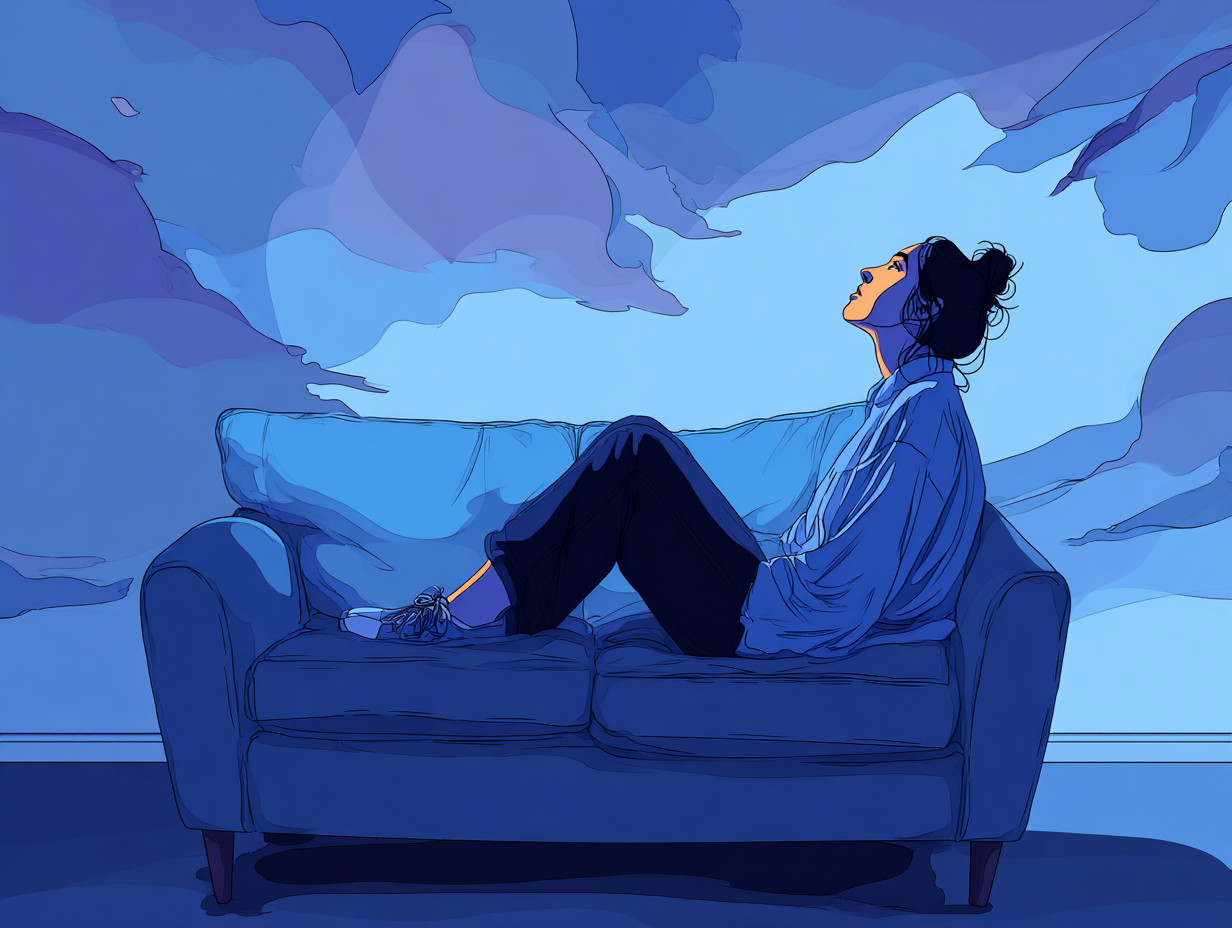
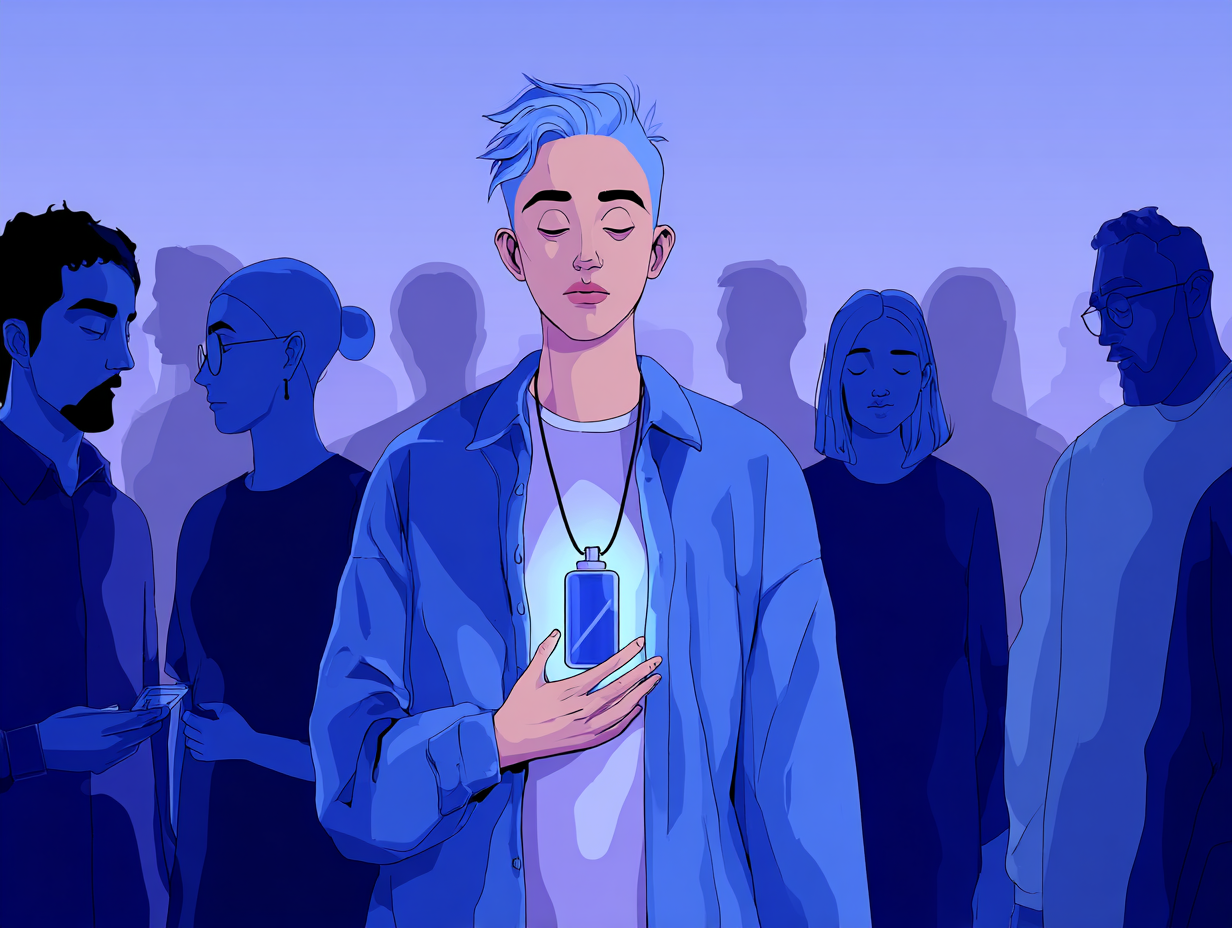
The idea of a “social battery” is a metaphor, not a formal diagnostic term, but it captures a very real psychological experience. It describes the amount of mental and emotional energy a person has available for interacting with others before feeling tired, overstimulated, or withdrawn. Just like a phone battery, social energy can be drained and recharged — and it does not recharge at the same rate for everyone.
Psychologists often use this concept informally because it helps people make sense of something that feels confusing or self-critical. Feeling socially exhausted is not a character flaw. It reflects how your brain processes stimulation, emotional cues, and interpersonal demands.
The Social Battery Metaphor Explained
Think about how much information your mind processes during social interaction. You’re listening, interpreting tone and facial expressions, choosing responses, regulating your emotions, and often managing expectations at the same time. All of that requires cognitive and emotional effort.
For some people, this effort feels energizing. Conversation sparks ideas, improves mood, and increases motivation. For others, even enjoyable social time slowly drains mental energy. When the social battery runs low, common reactions include irritability, difficulty concentrating, or a strong desire to be alone.
Importantly, a low social battery does not mean you dislike people. Many individuals who value relationships deeply still experience social fatigue. The battery metaphor helps separate social connection from social capacity. You can want connection and still need recovery time afterward.
Why Psychologists Use This Concept
Although “social battery” is not a DSM-5-TR diagnosis, it aligns with well-established psychological principles. Mental energy is finite. Attention, emotional regulation, and stress tolerance all rely on limited cognitive resources. When those resources are used heavily — through work meetings, caregiving, conflict, or constant interaction — depletion is expected.
Research cited by the American Psychological Association consistently shows that emotional regulation and sustained attention require effort, especially in socially demanding environments. Over time, this effort leads to mental fatigue, even in people who are socially skilled and emotionally intelligent.
The social battery framework is useful because it normalizes this experience. Instead of asking, “Why am I like this?” the question becomes, “What drains my energy, and what restores it?” That shift reduces shame and encourages practical self-awareness.
Social Battery, Personality, and Individual Differences
Social battery levels are influenced by many factors, including personality, stress load, health, and environment. Introversion and extraversion play a role, but they don’t tell the whole story. An extroverted person can still feel socially exhausted after weeks of high demand. An introverted person can enjoy social time and still need significant recovery afterward.
Life circumstances matter too. Parenting, caregiving, emotionally intense work, or ongoing stress can lower social energy across the board. In those situations, a low social battery is often a sign of overload, not a permanent trait.
Understanding what a social battery is helps reframe social exhaustion as a signal rather than a problem. It’s information your body and mind are giving you — information that becomes especially useful when you learn how to respond to it.
Why Social Interactions Can Feel Draining
Social exhaustion is not about weakness or a lack of social skills. It usually reflects how much emotional and cognitive effort an interaction requires. Even conversations that feel positive on the surface can quietly tax your mental energy, especially when they involve responsibility, self-control, or sustained attention.
Here’s the key point: social interaction is work for the brain. It activates multiple systems at once, and those systems don’t have unlimited capacity.
Emotional Labor and Regulation
One of the biggest drains on social energy is emotional labor. This refers to the effort involved in managing your emotional responses to meet social expectations. At work, this might mean staying calm with a difficult client, appearing engaged in meetings, or suppressing frustration. In personal relationships, it can look like being emotionally available when you’re already tired or navigating conflict carefully.
Even when emotional labor is subtle, it adds up. Regulating your tone, expressions, and reactions requires constant monitoring. Over time, this regulation depletes mental resources, especially if you don’t have space to decompress afterward.
For example, someone who spends the day on video calls may feel inexplicably drained by evening. They weren’t doing anything physically demanding, but they were continuously managing attention, emotion, and presentation. That sustained regulation lowers social energy, regardless of whether the interactions were “good” or “bad.”
Cognitive Load and Overstimulation
Social environments are information-dense. Your brain is processing words, facial cues, body language, background noise, and social context all at once. This creates cognitive load, particularly in group settings or unfamiliar situations.
When stimulation exceeds what your nervous system can comfortably process, mental fatigue follows. This is why crowded spaces, long gatherings, or back-to-back conversations can feel exhausting. It’s also why some people feel more drained after group interactions than one-on-one conversations.
Overstimulation doesn’t mean you’re socially anxious. It means your brain has reached its processing limit. When that happens, the body often responds with irritability, withdrawal, or a strong desire for quiet.
Why Enjoyable Interactions Can Still Exhaust You
Many people feel confused when they’re tired after social experiences they genuinely enjoyed. The assumption is that enjoyment should equal energy. In reality, enjoyment and effort are separate processes.
You can like someone, care about them, and still expend energy being present, attentive, and emotionally responsive. Family gatherings, meaningful conversations, or collaborative work can all be both fulfilling and draining. When the social battery drops afterward, it reflects effort, not regret.
This distinction matters because it reduces self-judgment. Feeling depleted after connection does not mean the connection was a mistake. It means your system needs recovery time to restore balance.
Understanding why social interactions drain energy sets the stage for learning how to recharge effectively. Once you recognize what uses up your mental and emotional resources, you can begin protecting them — without isolating yourself or pushing past your limits.
Is a Low Social Battery Normal, or a Sign of Burnout or Depression?
Feeling socially drained from time to time is a normal human response, especially during periods of high demand or stress. A low social battery often reflects temporary overload rather than a mental health condition. However, persistent exhaustion can sometimes overlap with burnout or depression, which is why understanding the differences matters.
The key distinction lies in duration, scope, and recovery. Social fatigue usually improves with rest and boundaries. Burnout and depression tend to persist and affect multiple areas of life.
| Feature | Low Social Battery | Burnout | Depression |
|---|---|---|---|
| Primary trigger | Social interaction | Chronic work or caregiving stress | Multiple factors |
| Scope of exhaustion | Mainly social situations | Work and daily functioning | Most areas of life |
| Response to rest | Usually improves | Limited improvement | Often no improvement |
| Mood impact | Irritability or withdrawal | Cynicism and detachment | Persistent low mood |
| Time course | Short-term | Gradual and ongoing | Lasts weeks or longer |
When Low Social Energy Is Still Normal
Many people notice lower social energy during busy seasons of life, after emotionally intense events, or when routines are disrupted. Parenting, health concerns, or major transitions can temporarily reduce tolerance for interaction. In these cases, social fatigue is a signal to slow down, not a diagnosis.

Importantly, needing more solitude does not mean you are becoming antisocial or emotionally disconnected. It often reflects a nervous system that has been stretched and needs recovery.
When to Look More Closely
It may be time to look beyond social battery if exhaustion is persistent and accompanied by other changes. Warning signs include loss of interest in activities you once enjoyed, difficulty sleeping despite rest, feelings of hopelessness, or withdrawal from all forms of connection. According to the National Institute of Mental Health, these patterns can indicate depression and warrant professional evaluation.
This distinction matters because the response is different. A low social battery calls for rest and boundaries. Burnout and depression benefit from structured support and, often, professional care.
If you’re unsure where you fall, that uncertainty alone can be a reason to talk with a licensed mental health professional. Clarifying what’s happening is often the first step toward feeling better.
How to Recharge Your Social Battery in Healthy Ways
Recharging your social battery is not about avoiding people or withdrawing completely. It’s about restoring mental and emotional energy in ways that allow you to stay connected without feeling depleted. Healthy recovery balances solitude, stimulation, and boundaries rather than swinging between overexposure and isolation.
The most effective strategies are often simple, but they work best when used intentionally.
Alone Time vs. Isolation
Alone time helps restore energy; isolation often worsens fatigue. The difference lies in choice and quality. Intentional solitude gives your nervous system a break from stimulation. Isolation, on the other hand, is driven by avoidance or exhaustion and can increase feelings of disconnection.
For example, choosing a quiet evening after a busy week can feel grounding. Canceling every plan for weeks because you feel overwhelmed often leaves people feeling more drained, not less. The goal is recovery, not disappearance.
Active and Passive Recovery
Not all rest looks the same. Some people recharge through passive rest, such as reading, listening to music, or sitting in silence. Others recover better with low-demand activity, like walking, stretching, or doing something creative without an audience.
Pay attention to what actually restores you. If scrolling on your phone leaves you more irritable, it may not be recharging your social battery, even if it feels easy in the moment. Recovery works best when stimulation is reduced, not replaced with a different kind of overload.
Set Boundaries Before You’re Depleted
One of the most effective ways to protect social energy is setting boundaries early. This might mean limiting the number of social events in a week, scheduling breaks between meetings, or being honest about how much interaction you can handle.
Boundaries are not a rejection of others. They are a way of preserving the energy needed for meaningful connection. According to guidance from the American Psychological Association, proactive boundaries reduce emotional exhaustion and support long-term well-being.
Recharging Without Guilt
Many people feel guilty for needing time alone, especially if they care deeply about others. This guilt often leads to overextension, followed by resentment or withdrawal. Reframing recovery as maintenance rather than avoidance can help.
Needing to recharge does not mean you are selfish or disengaged. It means your system is responding appropriately to demand. When rest is treated as part of social health, rather than a failure of it, energy tends to return more reliably.
Learning how to recharge your social battery allows you to stay engaged on your own terms. It creates space for connection that feels sustainable rather than exhausting.
When Low Social Energy Signals It’s Time to Get Support
Most fluctuations in social energy are normal and resolve with rest, boundaries, and reduced demand. Sometimes, however, low social energy is a sign that something deeper is going on. Knowing when to seek support can prevent prolonged exhaustion and protect your overall mental health.
The key question is not whether you ever feel drained, but how long it lasts and how much it affects your life.

Signs That Professional Support May Help
It may be time to consider talking with a licensed mental health professional if low social energy is persistent and begins to interfere with daily functioning. Warning signs can include:
- feeling exhausted even after adequate rest
- withdrawing from nearly all relationships, not just social events
- loss of interest or pleasure in activities you once enjoyed
- ongoing irritability, numbness, or hopelessness
- difficulty concentrating, sleeping, or managing daily responsibilities
According to the American Psychological Association, emotional exhaustion that does not improve with self-care alone can benefit from professional guidance. Therapy can help identify whether social fatigue is linked to stress overload, mood changes, or patterns such as people-pleasing and overextension.
What Therapy Can Help With
Working with a psychologist, counselor, or clinical social worker does not mean something is “wrong” with you. It offers structured support for understanding limits, rebuilding energy, and addressing underlying stressors. Therapy may focus on:
- learning sustainable boundaries
- managing emotional labor and expectations
- addressing burnout or depressive symptoms without judgment
- restoring a sense of balance between connection and recovery
If you’re unsure whether therapy is appropriate, a consultation alone can provide clarity and reassurance.
Crisis Support and Safety Resources
If low energy is accompanied by thoughts of hopelessness, self-harm, or feeling unable to cope, immediate support is essential. In the United States, you can call or text 988 to reach the Suicide and Crisis Lifeline at any time.
If you or someone else is in immediate danger, call 911. Reaching out for help is not a failure. It’s a practical step toward restoring energy, stability, and connection when self-care is no longer enough.
References
1. American Psychological Association. Stress Effects on the Body. 2023.
2. National Institute of Mental Health. Depression. 2023.
3. Cleveland Clinic. Burnout: What It Is and How to Recover. 2022.
4. Harvard Health Publishing. Mental Fatigue and Emotional Health. 2023.
Conclusion
A low social battery is not a flaw or a diagnosis. It’s a signal — one that reflects how your mind and nervous system respond to interaction, stimulation, and emotional demand. Feeling drained after social time can be completely normal, especially during busy or stressful periods.
What matters is how you respond to that signal. Learning to recharge intentionally, set realistic boundaries, and recognize when fatigue goes beyond everyday depletion can make social connection feel sustainable again. And when rest and self-care aren’t enough, professional support can help you understand what’s happening and regain balance.
If you ever feel overwhelmed to the point of hopelessness or concern for your safety, call or text 988 to reach the Suicide & Crisis Lifeline in the United States. If you are in immediate danger, call 911. Help is available, and reaching out is a sign of self-awareness, not weakness.
Frequently Asked Questions
Is having a low social battery a mental health problem?
No. A low social battery is a common experience and usually reflects temporary mental or emotional fatigue. It becomes a concern only if it is persistent, widespread, and interferes with daily functioning.
Can extroverted people have a low social battery?
Yes. Personality traits do not protect against social exhaustion. Even highly social people can feel drained during periods of stress, emotional labor, or overstimulation.
How long does it take to recharge a social battery?
Recovery time varies. Some people feel restored after a few quiet hours, while others need a full day or more of reduced stimulation. What matters is choosing recovery activities that genuinely restore energy.
Is wanting to be alone a sign of social anxiety?
Not necessarily. Wanting solitude can be a healthy response to overstimulation. Social anxiety typically involves fear or distress about being judged, not just a need for recovery.
When should I talk to a therapist about social exhaustion?
If social fatigue lasts for weeks, affects work or relationships, or is paired with low mood or withdrawal, speaking with a licensed mental health professional can help clarify what support is needed.
Can improving boundaries really help my social battery?
Yes. Clear boundaries reduce emotional overload and help preserve mental energy. Many people notice improved mood and engagement when they stop overextending themselves socially.