What a School Psychologist Does and How Helps Students
Hearing that your child may need to see a school psychologist can stir up a lot of emotions. Many parents feel anxious, confused, or unsure whether this means something serious is wrong. Those reactions are understandable, especially when school-related decisions feel high-stakes and unfamiliar.
A school psychologist is a trained mental health professional who works within the U.S. education system to support students’ learning, behavior, and emotional well-being. Rather than providing long-term therapy or making medical diagnoses, school psychologists focus on understanding how a child is functioning at school and what supports can help them succeed there. They collaborate with teachers, families, and administrators to identify strengths, address challenges early, and reduce barriers to learning.
In this guide, you’ll learn what a school psychologist actually does, when and why schools involve a school psychologist, and how school psychology services differ from counseling or clinical therapy. We’ll also walk through what evaluations look like, what rights parents have, and when it may be helpful to seek support outside the school. The goal is clarity and reassurance, not labels - so you can make informed decisions that feel right for your child.

What Is a School Psychologist and What Does a School Psychologist Do in U.S. Schools?
A school psychologist plays a specific and often misunderstood role inside American schools. At a basic level, a school psychologist helps schools understand how students learn, behave, and cope emotionally in the academic environment - and how the school can better support them.
Unlike private therapists, a school psychologist works as part of the education system. Their focus is not on diagnosing mental health conditions or providing long-term therapy, but on identifying barriers to learning and helping schools respond in practical, evidence-based ways.
The role of a school psychologist in the American education system
In U.S. public schools, a school psychologist is typically a highly trained professional with graduate-level education in psychology, child development, assessment, and special education law. Most are certified or licensed at the state level and work under federal frameworks such as IDEA (Individuals with Disabilities Education Act) and Section 504 of the Rehabilitation Act.
A school psychologist’s core responsibility is to help schools make informed decisions about students’ educational needs. This often includes:
- evaluating learning, attention, or behavioral concerns;
- interpreting how emotional or environmental factors affect school performance;
- advising teams on appropriate supports or accommodations;
- helping schools comply with legal and ethical standards.
Importantly, a school psychologist does not act alone. Their work happens in collaboration with teachers, administrators, school counselors, special education staff, and families. Decisions are typically made by a team, not by a single professional.
How school psychologists support learning, behavior, and emotional well-being
A school psychologist looks at the “whole student” in the school context. That means considering academics, behavior, emotions, peer relationships, and classroom environment together, rather than in isolation.
For example, when a child struggles with reading or math, a school psychologist may assess whether the difficulty is related to a learning difference, attention challenges, emotional stress, or gaps in instruction. When behavior becomes disruptive or withdrawn, they help the school understand why it is happening and what supports might reduce stress or improve regulation.
School psychologists commonly support students by:
- conducting school-based psychological and educational evaluations;
- observing students in classrooms or other school settings;
- helping design behavioral or academic intervention plans;
- supporting social-emotional learning initiatives;
- consulting with teachers on classroom strategies;
- guiding schools in crisis prevention and response planning.
While school psychologists are trained in mental health, their interventions stay within the school’s scope. They may help a child manage anxiety at school, improve coping skills during the school day, or adjust expectations to match developmental needs. If a student appears to need clinical treatment beyond what the school can provide, a school psychologist helps guide the referral process rather than providing that treatment themselves.
At its core, the role of a school psychologist is preventive and supportive. By identifying challenges early and aligning the right supports, school psychologists aim to reduce long-term academic and emotional difficulties - often before problems become more serious.
Is It Normal to See a School Psychologist? When a School Psychologist Gets Involved
Many parents worry that involvement from a school psychologist means something is seriously wrong. In reality, seeing a school psychologist is a common and often preventive part of how U.S. schools support students. A school psychologist is usually brought in not because a child is “failing,” but because the school wants a clearer understanding of how to help.
In most cases, a school psychologist becomes involved when a student’s needs go beyond routine classroom strategies and require a more individualized approach.
Why schools involve a school psychologist
Schools involve a school psychologist when they notice patterns that suggest a student may benefit from additional support. These patterns can look very different from one child to another and do not automatically indicate a mental health disorder or long-term problem.
Common reasons a school psychologist may be consulted include:
- ongoing academic struggles despite extra help;
- difficulty sustaining attention or following classroom routines;
- frequent emotional distress at school, such as anxiety or tearfulness;
- behavioral changes, including withdrawal or increased conflict;
- challenges with peer relationships or social skills;
- concerns about how stress, trauma, or life changes are affecting learning.
In many cases, teachers first try classroom-based strategies. When those supports are not enough, a school psychologist helps the team look more closely at what might be happening and what additional steps could be useful.
Common situations that lead to school psychologist referrals
A referral to a school psychologist often happens during transitions or periods of increased demand. Starting school, moving to a new grade, changes in family circumstances, or academic expectations that suddenly increase can all bring underlying difficulties to the surface.
It is also common for school psychologists to be involved as part of a structured process, such as a response-to-intervention (RTI) framework or an evaluation for special education or Section 504 accommodations. In these cases, the goal is not to label a child, but to determine whether adjustments in instruction, environment, or expectations are needed.
For many families, working with a school psychologist actually prevents bigger problems later. Early identification of learning or emotional challenges allows schools to respond before frustration, avoidance, or low self-esteem take root.
If you are feeling unsure or worried, it may help to remember this: a school psychologist’s involvement is meant to support your child’s success in school, not to judge parenting or assign blame. Asking questions, staying involved, and viewing the process as collaborative can make a significant difference in how helpful the experience feels.
How a School Psychologist Works: Evaluations, Assessments, and Parent Consent
When a school psychologist becomes involved more formally, parents often hear terms like evaluation, assessment, or testing - and that can raise new questions. Understanding how a school psychologist conducts evaluations, and what parents can expect from the process, can make it feel far less intimidating.
At its core, a school psychologist’s evaluation is designed to answer one question: what is getting in the way of a student’s learning or well-being at school, and what supports might help?
What happens during a school psychologist evaluation
A school psychologist does not rely on a single test or observation. Instead, evaluations are comprehensive and multi-step, combining information from several sources to form a balanced picture of how a student functions in the school environment.
A typical school psychologist evaluation may include:
- review of academic records and classroom performance;
- interviews with parents, teachers, and sometimes the student;
- classroom observations to see learning and behavior in context;
- standardized assessments related to learning, attention, or processing;
- rating scales that capture behavior or emotional functioning at school.
Importantly, these assessments focus on educational impact, not on diagnosing mental health conditions. While a school psychologist may note patterns that resemble attention difficulties or anxiety, they do not make medical diagnoses. Their role is to describe how observed challenges affect school functioning and what educational supports may be appropriate.
After testing is completed, the school psychologist prepares a written report and meets with the school team and family to explain the findings. This meeting is meant to be collaborative. Parents should leave with a clearer understanding of their child’s strengths, areas of need, and recommended next steps within the school setting.
What parents should know before giving consent
In the United States, schools cannot conduct a formal psychological evaluation without parental consent. This is a critical protection for families and an opportunity to ask questions before agreeing to testing.

Before signing consent, parents have the right to understand:
- why the school is recommending an evaluation;
- what areas will be assessed and what tools may be used;
- how the results will be shared and documented;
- whether the evaluation relates to special education or Section 504 eligibility;
- how long the process is expected to take.
Parents can also request clarification in plain language. A school psychologist should be able to explain the purpose of each assessment without relying on technical jargon. Consent does not mean giving up control; families remain active participants throughout the process.
Below is a simplified overview of common school-based evaluations and their educational purpose.
| Type of school psychologist evaluation | What it looks at | Why schools use it |
|---|---|---|
| Psychoeducational evaluation | learning skills, processing, academic achievement | to understand learning strengths and challenges |
| Behavioral assessment | behavior patterns and triggers at school | to guide behavioral supports |
| Social-emotional assessment | emotional regulation and coping at school | to identify stressors affecting learning |
| Functional behavior assessment (FBA) | when and why behaviors occur | to design targeted intervention plans |
Understanding how a school psychologist works during evaluations helps shift the focus from fear to information. The process is meant to clarify - not label - and to guide decisions that support a child’s success in the classroom.
School Psychologist vs School Counselor vs Clinical Psychologist: Key Differences Explained
When schools suggest involving a school psychologist, families often wonder how this role differs from other mental health professionals. The terms school psychologist, school counselor, and clinical psychologist are sometimes used interchangeably in everyday conversation, but in practice they serve distinct functions. Understanding these differences helps parents know who does what - and what to expect from each role.
At a glance, the key distinction is context. A school psychologist works within the education system, while a clinical psychologist practices in healthcare settings. A school counselor focuses on guidance and support rather than formal assessment.
School psychologist vs school counselor
Both school psychologists and school counselors support students’ well-being, but their training and responsibilities differ.
A school psychologist is trained in psychological assessment, data-based decision-making, and special education law. Their work often centers on evaluations, eligibility determinations, and designing supports that address learning or behavioral barriers in school.
A school counselor, on the other hand, typically focuses on academic guidance, social skills, and short-term emotional support. Counselors help students navigate schedules, peer relationships, and postsecondary planning. They may provide brief counseling but usually do not conduct comprehensive psychological testing.
In practical terms, a school counselor might help a student manage everyday stress or plan classes, while a school psychologist steps in when deeper assessment or structured interventions are needed to understand persistent challenges.
School psychologist vs clinical psychologist
The difference between a school psychologist and a clinical psychologist is even more important for families to understand.
A clinical psychologist works in medical or private practice settings and is qualified to diagnose mental health conditions using DSM-5-TR criteria. Clinical psychologists provide therapy and may treat conditions such as anxiety disorders, depression, or trauma over time.
A school psychologist, by contrast, does not provide long-term therapy or make medical diagnoses. Their evaluations describe how a child’s functioning affects learning at school and whether educational supports are needed. When concerns suggest a need for clinical treatment, a school psychologist typically recommends seeking services outside the school system.
The table below summarizes these role differences at a high level.
| Role | Primary setting | Main focus | Provides diagnosis or therapy? |
|---|---|---|---|
| School psychologist | Public or private schools | assessment, learning support, school-based interventions | no medical diagnosis; no long-term therapy |
| School counselor | Schools | academic guidance, social-emotional support | no diagnosis; limited counseling |
| Clinical psychologist | Clinics, hospitals, private practice | mental health treatment and diagnosis | yes, within scope of licensure |
Clarifying these roles can reduce confusion and frustration. When each professional is used for what they are trained to do, students receive more appropriate support - both in school and, when needed, beyond it.
How a School Psychologist Helps Students: Support, Interventions, and Accommodations
A school psychologist helps translate concerns into concrete, school-based supports. Once a student’s needs are better understood, the focus shifts from evaluation to action - what the school can realistically change to help the child learn and function more comfortably.
A school psychologist does not work directly with a student in weekly therapy sessions. Instead, they influence the environment around the student so that learning demands better match the child’s abilities and emotional capacity.

Academic and behavioral supports from a school psychologist
School psychologists often help design supports that are integrated into the classroom rather than pulled out of it. These supports are meant to reduce barriers without singling a student out unnecessarily.
Examples of school psychologist–guided supports include:
- academic accommodations, such as extended time, modified assignments, or alternative testing formats;
- instructional strategies tailored to attention, processing speed, or learning style;
- behavior intervention plans that focus on prevention rather than punishment;
- structured routines or visual supports to improve predictability;
- progress monitoring to see whether supports are working over time.
When a student qualifies for an Individualized Education Program (IEP) or a Section 504 plan, a school psychologist often contributes assessment data and recommendations. Their role is to ensure that supports are based on evidence, not assumptions.
Social-emotional support within the school setting
Although school psychologists do not provide psychotherapy, they play an important role in social-emotional support at the school level. This may include helping teachers respond more effectively to anxiety, emotional outbursts, or withdrawal in the classroom.
School psychologists may:
- consult with teachers about stress-sensitive classroom strategies;
- support school-wide social-emotional learning programs;
- help develop plans for students returning after illness, loss, or crisis;
- advise on peer support and conflict resolution approaches.
The goal is to help students feel safer, more regulated, and more capable during the school day. When emotional concerns appear to extend beyond what school-based strategies can address, the school psychologist helps guide families toward outside resources.
When a School Psychologist Is Not Enough: When to Seek Outside Professional Help
School-based support has clear limits. A school psychologist focuses on how a student functions at school - not on treating mental health conditions. Knowing when to look beyond the school system is an important part of protecting a child’s well-being.
In many cases, school support and outside care work best together rather than in isolation.
Signs school-based support may not be sufficient
It may be time to seek additional help outside the school if:
- emotional distress is intense, persistent, or worsening;
- symptoms significantly affect life outside of school;
- a child shows signs of severe anxiety, depression, or trauma;
- behavior raises safety concerns for the child or others;
- progress remains limited despite consistent school interventions.
A school psychologist can help families recognize these patterns and explain what types of professionals may be appropriate, such as a licensed clinical psychologist, counselor, or psychiatrist.
How school psychologists coordinate referrals
School psychologists do not provide outside treatment, but they often help families navigate next steps. This may include:
- recommending the type of provider to look for;
- explaining how school observations relate to clinical care;
- coordinating with outside clinicians when families choose to share information;
- helping schools adjust expectations while outside treatment is underway.
If a child ever expresses thoughts of self-harm or harm to others, immediate help is essential. In the United States, you can call or text 988 to reach the Suicide and Crisis Lifeline. If there is immediate danger, call 911. These resources are available 24/7 and can guide families through urgent situations.
Working With a School Psychologist: Parent Rights, Confidentiality, and Collaboration
A collaborative relationship with a school psychologist works best when parents understand their rights and feel comfortable asking questions. School psychology services are governed by federal and state laws designed to protect students and families.
Parent rights in school psychologist services
Parents have the right to:
- give or withhold consent for evaluations;
- receive clear explanations of findings and recommendations;
- participate in meetings and decision-making;
- request copies of evaluation reports;
- disagree with conclusions and seek independent evaluations.
School psychologists are expected to explain processes in accessible language and to involve families as partners, not passive recipients.
Confidentiality and documentation in U.S. schools
Information gathered by a school psychologist becomes part of a student’s educational record, not a medical record. This means it is protected under educational privacy laws, such as FERPA, but may be shared with relevant school personnel involved in supporting the student.
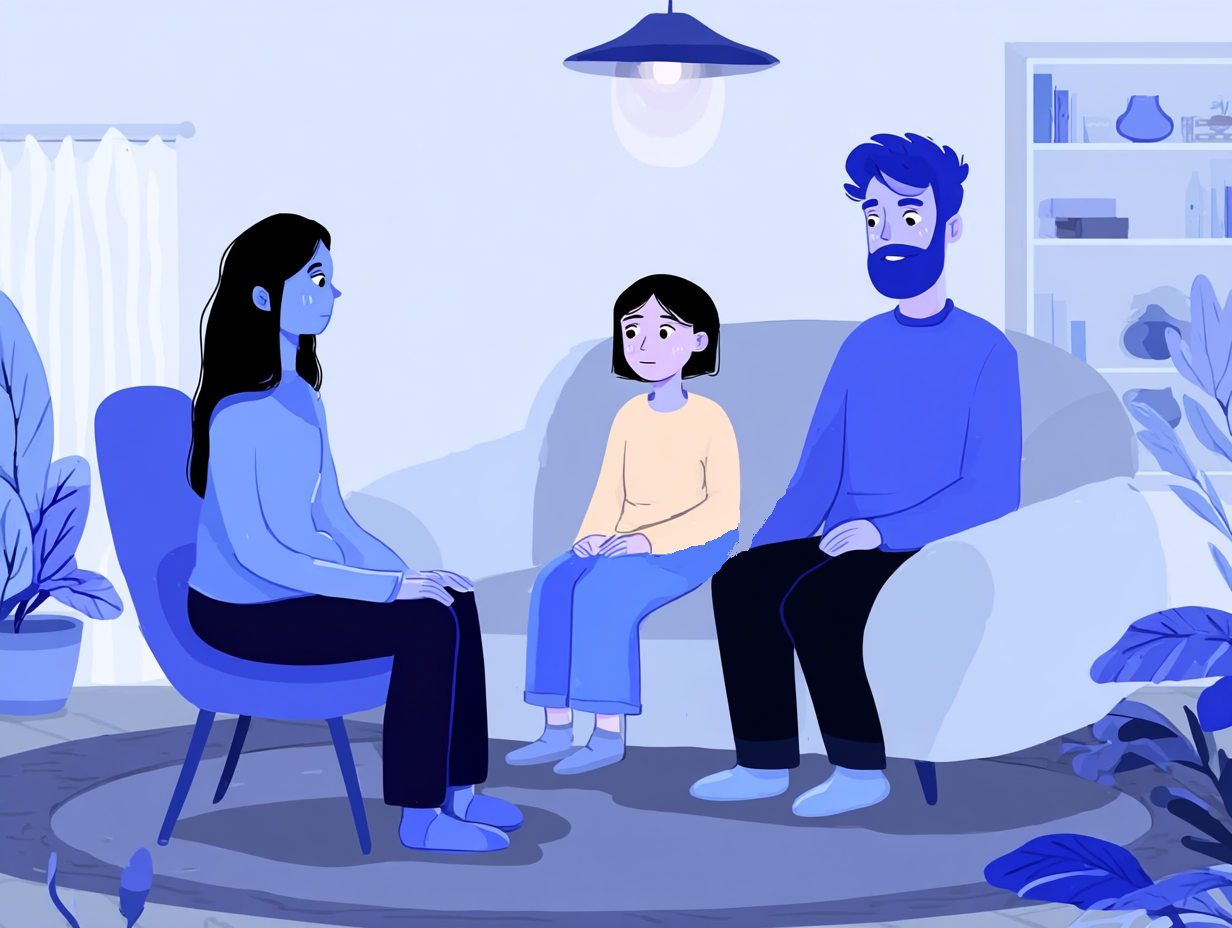
A school psychologist should explain:
- who has access to reports;
- how information is stored;
- what is shared during team meetings;
- what remains confidential unless safety is at risk.
Clear communication helps build trust and reduces misunderstandings. When families and schools work together with transparency, students benefit most.
References
1. American Psychological Association. What Is a School Psychologist? 2023.
2. National Association of School Psychologists. The Role of School Psychologists. 2022.
3. Centers for Disease Control and Prevention. Children’s Mental Health. 2023.
4. National Institute of Mental Health. Child and Adolescent Mental Health. 2022.
5. U.S. Department of Education. IDEA and Special Education Overview. 2023.
A school psychologist is not a sign that something is “wrong” with a child. A school psychologist is there to help schools understand how students learn, cope, and grow - and how the educational environment can better support them.
When parents understand the role, limits, and value of school psychology services, the process becomes far less intimidating. With clear communication, informed consent, and collaboration, school psychologists can be powerful allies in a child’s educational journey. And when additional help is needed, knowing when and how to seek it is a strength - not a failure.
Frequently Asked Questions
Does seeing a school psychologist mean my child has a diagnosis?
No. A school psychologist does not diagnose mental health conditions. Their role is to understand how a child is functioning at school and what educational supports may help.
Can a school psychologist provide therapy?
School psychologists do not provide long-term therapy. They focus on school-based strategies and may recommend outside therapy if needed.
Do parents have to agree to a school psychologist evaluation?
Yes. In the U.S., parental consent is required before a formal school psychological evaluation can take place.
How is a school psychologist different from a private therapist?
A school psychologist works within the education system and focuses on learning and school functioning, while a private therapist provides clinical mental health treatment.
When should parents seek help outside the school?
If emotional or behavioral concerns are severe, persistent, or affect life beyond school, seeking support from a licensed clinician outside the school is recommended.