Questions to Ask a Child Psychologist: How to Choose the Right Support
It’s natural to feel uneasy when you’re considering therapy for your child. Parents often wonder what happens in sessions, what to ask, and how to make sure the person they choose will truly help. You’re not alone - many families across the United States search for the right questions to ask a child psychologist before the first appointment.
The truth is, asking thoughtful questions doesn’t just ease anxiety - it builds trust and helps you understand what kind of support your child will receive. In this guide, you’ll learn how child psychologists work, what to expect in the first few sessions, and which questions reveal whether a therapist’s style fits your family’s needs.
You’ll also find practical examples, signs therapy is working, and tips on how to stay involved in your child’s care while respecting their privacy. The goal is simple - to help you feel confident, informed, and supported as you take this important step toward your child’s well-being.
What Does a Child Psychologist Do and How Can They Help?
Every parent wants to understand what happens when their child meets a psychologist. At its core, a child psychologist helps children express emotions, manage behavior, and navigate challenges through developmentally appropriate methods - often using play, art, or conversation rather than formal talk therapy.
Understanding Their Role
Child psychologists are licensed professionals with doctoral-level training (Ph.D. or Psy.D.) in developmental and clinical psychology. According to the American Psychological Association, they specialize in how thinking, emotions, and behavior evolve as children grow. This means they can identify patterns that are part of normal development - and those that might signal deeper stress.

In practice, sessions often look less like interviews and more like structured play. Children may use toys, drawings, or stories to show what they feel when words fall short. The psychologist observes these interactions to understand emotional triggers and coping styles.
How They Support Families
Therapy with children always involves parents. The psychologist may meet with you first to discuss concerns, history, and goals. Then, depending on your child’s age, you might join sessions periodically for updates and strategies to reinforce progress at home.
- Emotional regulation (anger, anxiety, sadness)
- Social difficulties or bullying
- Attention and learning challenges
- Trauma, grief, or family transitions (divorce, relocation)
- Persistent developmental or behavioral changes
According to the National Institute of Mental Health, early support can significantly improve long-term outcomes for children experiencing emotional or behavioral difficulties. Seeking help early is not failure - it is prevention.
What a Typical Session Looks Like
The first appointment usually lasts 45–60 minutes and may include:
- A parent interview about family and school context
- A short observation or play-based assessment with the child
- A discussion of next steps - testing, therapy goals, or home strategies
Most children meet with their psychologist weekly. Over time, therapy helps them build emotional vocabulary, problem-solving skills, and resilience - qualities that extend far beyond the therapy room.
Important to know: If you ever worry that your child might be in danger or express thoughts of self-harm, call or text 988 (Suicide and Crisis Lifeline). If there is immediate risk, call 911. Help is available 24/7 across the U.S.
Key Questions to Ask a Child Psychologist Before Starting Therapy
Finding the right therapist can feel overwhelming. Asking the right questions early helps you make an informed and confident choice - one that supports both your child’s comfort and your peace of mind.
You are not interviewing an authority figure - you are forming a partnership.

Questions About Experience and Training
- What is your background in working with children my child’s age?
- Do you specialize in certain challenges, such as anxiety, ADHD, or family transitions?
- What training do you have in child development or trauma-informed care?
The more experience a psychologist has with similar concerns, the better they can tailor treatment.
Questions About Methods and Approach
- What therapy methods do you use - play therapy, CBT, or another approach?
- How do you adapt methods for different personalities or cultural backgrounds?
- How do you involve parents in therapy?
Therapy should never feel mysterious. You have the right to understand what your child will experience and how to support that process at home.
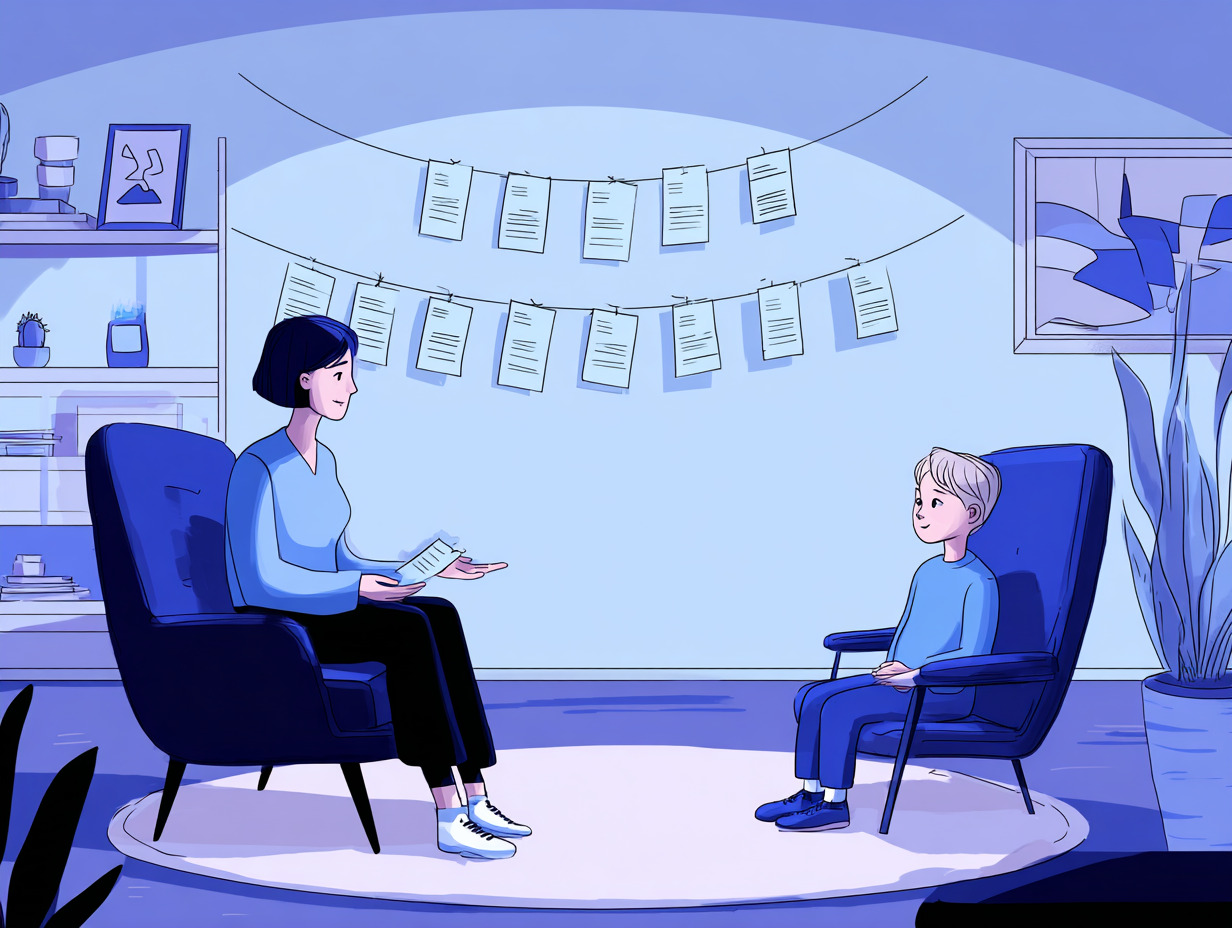
Questions About Progress and Communication
- How do you track and measure progress?
- How often will we review goals together?
- What signs show that therapy is helping?
Questions About Comfort and Fit
- How do you help children feel comfortable if they are shy or anxious?
- What happens if my child does not want to participate?
- What if my child prefers a different therapist?
Questions About Confidentiality and Safety
Under U.S. law, therapy for minors balances privacy with parental rights. Psychologists protect confidentiality unless safety is at risk. Parents receive general progress updates, not every detail.
Important to know: Therapy information is confidential under HIPAA. Disclosure occurs only when there is a risk of harm to the child or others.
How to Know If Your Child Needs Professional Support
All children have difficult days. When challenges persist or interfere with daily life, professional guidance may help.
- Frequent emotional outbursts lasting weeks
- Ongoing sadness, fear, or worry
- Sleep, eating, or concentration problems
- Withdrawal from friends or activities
- Regression such as bedwetting or clinginess
- Unexplained physical complaints
- Persistent conflict at home or school
According to the CDC, about one in five U.S. children experiences a mental, emotional, or behavioral disorder each year. Early intervention improves long-term outcomes.

What to Expect in the First Few Sessions
Child therapy often looks like play rather than conversation. This approach allows children to communicate naturally.
The First Appointment
The intake session usually includes discussion of your child’s history, routines, and recent stressors. The psychologist focuses on understanding, not judging.
How Trust Is Built
Trust develops through consistency and respect. A psychologist never forces disclosure and follows the child’s pace.
The First Few Weeks
- Play-based assessment activities
- Behavioral observations
- Parent check-ins
- Initial treatment planning
Supporting Your Child Between Sessions
Stay Consistent
Stable routines help children feel safe and support emotional growth.
Communicate Without Pressure
Avoid interrogating about sessions. Create space for sharing instead.
Reinforce Skills at Home
- Emotion labeling
- Coping skills practice
- Positive reinforcement
- Modeling calm behavior
When to Reassess or Change Therapists
Progress may be gradual. If distress increases or communication feels unclear, discuss concerns openly.
- Lack of progress communication
- Ongoing distress related to sessions
- Ethical or confidentiality concerns
- Feeling dismissed as a parent
Practical Considerations - Cost, Insurance, and Confidentiality
Cost and Insurance
Most U.S. insurance plans cover child therapy, though copays and limits vary. Ask about in-network status, visit limits, and teletherapy coverage.
Teletherapy
Telehealth can be effective when delivered by a licensed, HIPAA-compliant provider.
Confidentiality
Insurance receives billing information only. Employers do not access therapy records.
Conclusion
Seeking therapy for your child is an act of care and strength. Asking clear questions helps you build a partnership grounded in trust and understanding.
If your child ever expresses thoughts of self-harm or hopelessness, call or text 988. If there is immediate danger, call 911. Support is available 24/7.
Conclusion Parenting is full of questions, and seeking professional guidance for your child shouldn’t be one of the hardest ones. By asking clear, thoughtful questions, you gain insight into how therapy works, what progress looks like, and how to stay involved in a way that supports your child’s growth. Trust your instincts, stay curious, and remember - choosing to seek help is an act of strength, not fear. With the right child psychologist, your family gains more than coping tools; you gain confidence, understanding, and connection. If your child ever expresses thoughts of hopelessness or self-harm, call or text 988 (Suicide and Crisis Lifeline in the U.S.). If there’s immediate danger, call 911. Support is available 24/7.
Frequently Asked Questions
What are the best questions to ask a child psychologist?
Start with questions about their experience, therapy methods, and how parents are involved. Ask how progress will be measured and how confidentiality is handled - these reveal both skill and fit.
Can I attend my child’s therapy sessions?
Usually yes, especially for younger children. Many psychologists invite parents to participate at the beginning or end of sessions while maintaining private time for the child to speak freely.
How long does child therapy usually take?
Duration depends on the child’s needs and goals. Some improve within a few months, while others benefit from longer-term support. The psychologist will review progress regularly.
What if my child refuses to go to therapy?
Resistance is common at first. Frame therapy as a place to talk or play, not as punishment. If discomfort continues, discuss it with the psychologist - they can adjust the approach.
Does insurance cover therapy for children?
Most U.S. health plans include mental health coverage for children, though copays and session limits vary. Check with your insurer or ask the psychologist about payment options and reimbursement.
How can I tell if therapy is working?
Signs include more stable mood, improved communication, and better problem-solving. Your psychologist will review progress with you to confirm whether goals are being met.
References
- Centers for Disease Control and Prevention - Data and Statistics on Children’s Mental Health, 2023.
- American Psychological Association - Child Psychology, 2023.
- National Institute of Mental Health - Children and Mental Health, 2023.
- American Academy of Child and Adolescent Psychiatry - Practice Parameters for Psychotherapy With Children, 2022.
- U.S. Department of Health and Human Services - HIPAA Guidance for Consumers, 2023.
- Mayo Clinic - Child Therapy: What You Can Expect, 2023.Substance Abuse and Mental Health Services Administration - 988 Suicide and Crisis Lifeline, 2023.