Push–Pull Relationship Pattern: Causes, Emotional Impact, and How to Break the Cycle
Relationships that swing between intense closeness and sudden distance can leave you feeling confused, anxious, and emotionally exhausted. One moment everything feels deeply connected; the next, your partner pulls away without explanation. If this pattern keeps repeating, it’s understandable to wonder what’s really going on.
A push–pull relationship pattern describes a dynamic in which one or both partners alternate between seeking emotional closeness and creating distance. This cycle can feel powerful and even addictive, yet it rarely provides lasting emotional safety. Many people experience it in dating, long-term relationships, or on-and-off situationships without realizing there’s a recognizable psychological mechanism behind it.
In this guide, you’ll learn what drives push–pull dynamics, why they feel so intense, and how they affect the nervous system and emotional well-being. We’ll also explore practical ways to break the cycle, set healthier boundaries, and understand when professional support may help. The goal isn’t to label anyone, but to help you make informed, grounded choices about your relationships.

What Is a Push–Pull Relationship Pattern?
A push–pull relationship pattern is a recurring cycle in which emotional closeness is followed by distancing, withdrawal, or mixed signals. The connection intensifies, then abruptly cools off, often without a clear external reason. For the person on the receiving end, this back-and-forth can feel disorienting and emotionally destabilizing.
At its core, this pattern reflects an internal conflict around closeness. One part of a person wants connection, reassurance, and intimacy, while another part feels threatened by those same experiences. As a result, the relationship moves in waves rather than developing steady emotional safety.
How the push–pull cycle typically unfolds
The cycle often follows a predictable sequence, even though it may feel chaotic when you’re inside it.
- initial closeness: the relationship accelerates quickly, with frequent contact, emotional intensity, or a sense of deep connection;
- emotional peak: intimacy increases, vulnerability grows, and expectations may rise on both sides;
- sudden distancing: one partner pulls back through reduced communication, emotional coldness, or physical absence;
- reconnection: after space or conflict, closeness resumes, often without resolving what caused the withdrawal;
- repetition: the cycle restarts, often with greater intensity and emotional stakes.
For example, a partner may be very affectionate after a conflict, talk about the future, and then become distant once things feel “too real.” This pattern can repeat for months or even years if it’s not recognized.
Why this pattern feels intense but unstable
Push–pull dynamics activate the brain’s threat and reward systems at the same time. Periods of closeness provide relief, reassurance, and hope. Periods of withdrawal trigger anxiety, uncertainty, and a strong desire to restore connection. That contrast can make the relationship feel unusually powerful, even when it’s distressing.
From a psychological perspective, unpredictability strengthens emotional attachment. When affection and distance are inconsistent, the nervous system stays on high alert, scanning for signs of reconnection. Over time, this can increase emotional dependency and make it harder to step back and assess whether the relationship is meeting your needs.
It’s important to note that a push–pull relationship pattern is not a diagnosis and does not automatically mean someone is intentionally manipulative. In many cases, it reflects learned emotional strategies, fear-based reactions, or difficulties with emotional regulation. Understanding how the cycle works is the first step toward deciding how you want to respond to it.
Psychological Causes of the Push–Pull Relationship Pattern
The push–pull relationship pattern rarely comes from a single cause. Instead, it usually develops from a combination of emotional learning, attachment history, and how a person’s nervous system responds to closeness. Understanding these causes helps shift the focus away from blame and toward clarity.
At a basic level, push–pull behavior reflects an internal tug-of-war. The desire for connection is real, but so is the fear that connection brings. When those two forces collide, the relationship becomes the place where that conflict plays out.
Attachment styles and the approach–avoidance conflict
One of the most common psychological foundations of a push–pull dynamic is an anxious–avoidant attachment loop. This doesn’t mean either partner is “broken.” It means their nervous systems learned different ways of staying safe in relationships.
People with more anxious attachment tendencies often:
- seek closeness to regulate emotional distress;
- feel heightened sensitivity to changes in tone or availability;
- experience fear of abandonment when distance appears.
People with more avoidant tendencies often:
- value independence and emotional self-sufficiency;
- feel overwhelmed when closeness increases;
- create distance to restore a sense of control.
When these two styles interact, the pattern reinforces itself. The more one partner pulls away to feel safe, the more the other may pursue connection to reduce anxiety. That pursuit then increases the avoidant partner’s discomfort, leading to more withdrawal.
Psychologically, this is known as an approach–avoidance conflict. The same relationship is experienced as both comforting and threatening, depending on emotional proximity.
Fear of intimacy versus fear of abandonment
Push–pull dynamics are often fueled by two competing fears.
- fear of abandonment, which drives the need for reassurance and closeness;
- fear of intimacy, which activates once closeness is achieved.
A person may genuinely want connection and still panic when emotional vulnerability increases. For example, after a deep conversation or a meaningful milestone, they might suddenly feel exposed, dependent, or at risk of being hurt. Pulling away becomes a way to reduce that emotional intensity.
Importantly, these fears are not always conscious. Many people can describe their behavior but struggle to explain why it happens. They may say things like, “I don’t know why I shut down when things get serious,” or “I miss them when they’re gone, but feel trapped when they’re close.”
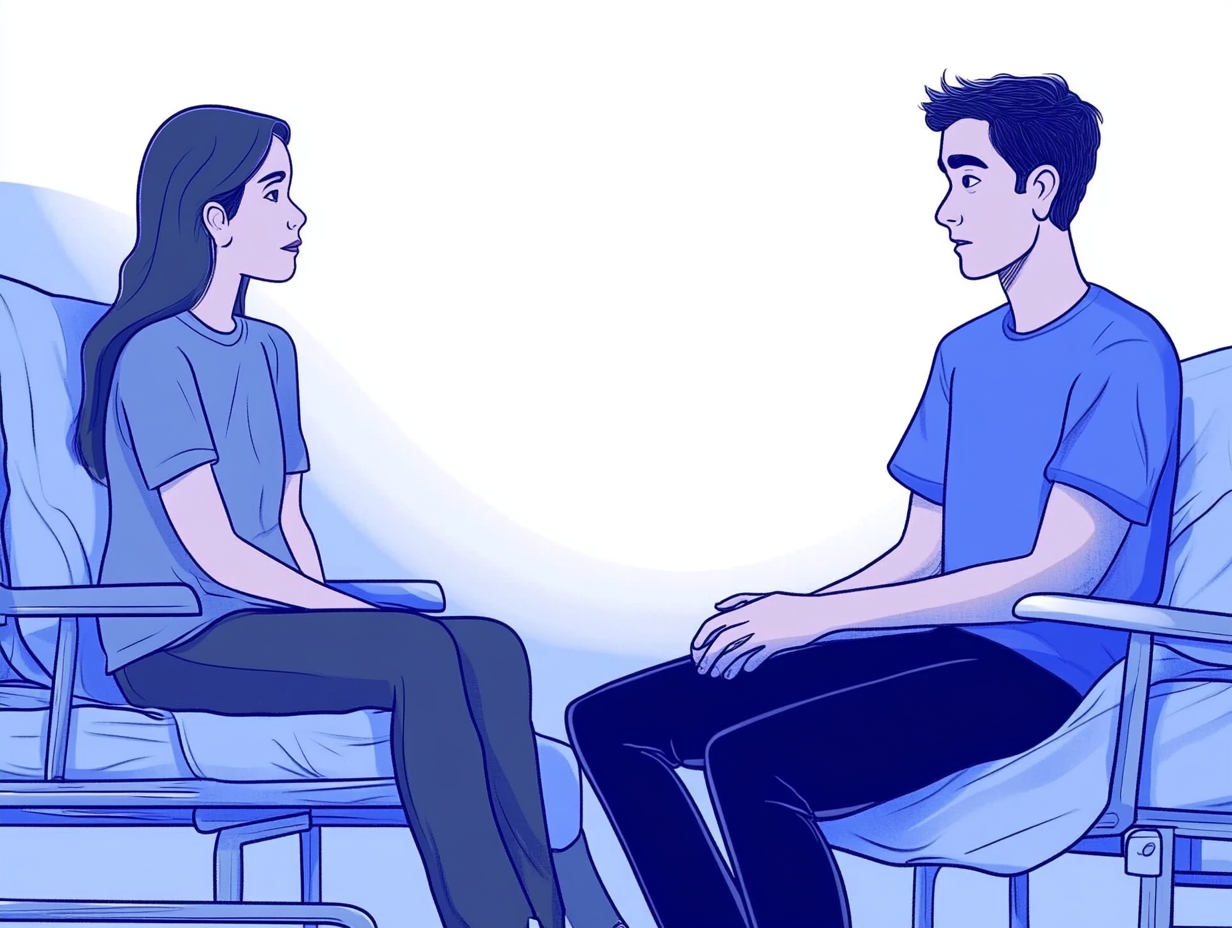
Emotional regulation and the threat response
From a nervous system perspective, closeness can activate a threat response for some individuals. Emotional intimacy requires openness, uncertainty, and reliance on another person. If earlier experiences taught someone that closeness leads to pain, criticism, or loss of autonomy, the body may react as if danger is present.
In these moments, distancing behaviors serve a regulatory function. Pulling away lowers emotional arousal, restores predictability, and reduces internal stress. The relief that follows can unintentionally reinforce the behavior, making it more likely to repeat.
This is why logic alone rarely breaks a push–pull relationship pattern. Even when someone intellectually wants stability, their nervous system may still react automatically. Change usually requires increased emotional awareness, tolerance for closeness, and new ways of regulating discomfort.
Understanding these psychological roots doesn’t excuse harmful behavior, but it does explain why the cycle can feel so hard to stop without conscious effort or support.
Why Does the Push–Pull Dynamic Feel So Emotionally Draining?
Push–pull relationships don’t just feel confusing, they often feel exhausting. Even when moments of closeness are meaningful, the repeated shifts between connection and distance place a heavy emotional load on the nervous system. Over time, many people notice rising anxiety, self-doubt, and a growing sense of instability.
The reason this dynamic is so draining has less to do with a single conflict and more to do with how unpredictability affects emotional regulation.
Intermittent reinforcement and emotional dependency
One of the most powerful forces in a push–pull dynamic is intermittent reinforcement. This term describes a pattern where emotional reward, such as affection, attention, or reassurance, appears inconsistently.
From a psychological standpoint, inconsistent rewards create stronger attachment than consistent ones. When closeness returns after distance, it feels especially relieving. That relief can momentarily outweigh the pain of withdrawal, making it harder to step back and evaluate the overall health of the relationship.

Common internal reactions include:
- constantly monitoring the partner’s mood or availability;
- feeling intense relief when closeness returns;
- minimizing previous hurt once connection is restored;
- staying invested in the hope that “this time will be different.”
Over time, the relationship can start to feel emotionally consuming, even if it no longer feels secure.
How anxiety and self-doubt build over time
Repeated push–pull cycles often shift the emotional focus away from the relationship itself and toward self-monitoring. Instead of asking whether the relationship meets your needs, you may find yourself wondering what you did wrong or how to prevent the next withdrawal.
This can lead to:
- increased anxiety before or after moments of closeness;
- difficulty trusting emotional stability;
- erosion of self-esteem;
- hyperfocus on the relationship at the expense of other areas of life.
For example, someone may feel confident and connected during a period of closeness, only to experience intense self-doubt when the partner pulls away. Each cycle reinforces the belief that emotional safety is fragile and conditional.
Push–pull versus healthier or more harmful dynamics
Not all relationship instability comes from the same place. Distinguishing a push–pull pattern from other dynamics can clarify next steps.
| Relationship dynamic | Closeness pattern | Emotional impact | Key difference |
|---|---|---|---|
| push–pull | alternating closeness and distance | anxiety and confusion | driven by fear-based regulation |
| secure | consistent and predictable | emotional safety | comfort with intimacy |
| manipulative | controlled withdrawal | fear and self-blame | intentional power imbalance |
This distinction matters. A push–pull relationship pattern is often unintentional and rooted in emotional conflict, whereas manipulative dynamics involve deliberate control. Both can be harmful, but they require different responses.
When emotional exhaustion becomes the norm, it’s a signal to pause and reassess. Feeling drained isn’t a personal failure, it’s a predictable response to sustained emotional unpredictability.
How Can You Break the Push–Pull Cycle in a Relationship?
Breaking a push–pull cycle doesn’t start with changing the other person. It starts with changing how you respond to the pattern itself. This shift can feel uncomfortable at first, especially if the dynamic has become emotionally familiar, but it’s often the most effective way to restore clarity and self-respect.
The goal isn’t to force stability or demand closeness. It’s to step out of the emotional tug-of-war that keeps the cycle alive.
Recognizing your role in the cycle
Every push–pull dynamic is co-created, even when one person appears to be doing most of the withdrawing. That doesn’t mean both partners are equally responsible, but it does mean that each person’s reactions influence what happens next.
Common ways people unintentionally reinforce the cycle include:
- pursuing reassurance immediately after withdrawal;
- overexplaining feelings to regain closeness;
- ignoring personal boundaries to preserve connection;
- accepting distance without addressing its emotional impact.
For example, if a partner pulls away and you respond by becoming more emotionally available, flexible, or accommodating, the relationship may temporarily stabilize. At the same time, this response teaches the cycle that withdrawal leads to increased closeness later, reinforcing the pattern.
Awareness creates choice. Once you can see the cycle clearly, you can decide whether your responses support emotional stability or keep you stuck.
Boundary-setting strategies that actually help
Boundaries are not ultimatums or punishments. They are clear statements about what you can and cannot emotionally participate in. In push–pull relationships, effective boundaries focus on consistency rather than control.

Helpful boundary approaches include:
- naming the pattern calmly, without blame;
- slowing down reconnection after periods of withdrawal;
- maintaining routines, friendships, and priorities outside the relationship;
- responding to distance with self-regulation rather than pursuit.
For instance, instead of immediately re-engaging after a partner disappears and returns, you might take time to assess how the distance affected you. This isn’t about withholding affection, but about matching emotional availability to reliability.
Boundaries help the nervous system recalibrate. When responses become predictable, emotional intensity often decreases, making it easier to evaluate whether the relationship can change.
What does and doesn’t work when trying to change the pattern
Certain strategies feel intuitive but often backfire.
What usually doesn’t work:
- trying to reason someone out of fear-based reactions;
- increasing emotional effort to “prove” safety;
- ignoring your own distress to keep peace;
- waiting indefinitely for consistency to appear.
What tends to help instead:
- observing behavior over time rather than promises;
- tolerating discomfort without immediately fixing it;
- communicating needs clearly and once, not repeatedly;
- being willing to step back if instability continues.
Change is only possible if both partners can tolerate emotional closeness without panic and emotional distance without collapse. If one person consistently avoids accountability or refuses to reflect on the pattern, the cycle may not be able to shift within the relationship.
Breaking a push–pull relationship pattern is less about control and more about self-trust. When your responses become grounded and consistent, the relationship either stabilizes or reveals its limits. Both outcomes provide clarity.
When Professional Help Is Needed and What Therapy Can Do
Not every push–pull dynamic requires therapy, but there are times when professional support becomes especially important. If emotional instability persists despite clear communication and boundaries, therapy can help clarify what’s happening beneath the surface and what options are realistically available.

This support isn’t about assigning blame. It’s about increasing awareness, emotional regulation, and informed decision-making.
When therapy is recommended
You may want to consider working with a licensed mental health professional if:
- the push–pull pattern has repeated across multiple relationships;
- anxiety, rumination, or emotional distress is increasing over time;
- the relationship is affecting sleep, concentration, or work functioning;
- boundaries are repeatedly crossed despite being clearly stated;
- you feel stuck between hope and emotional exhaustion.
According to the American Psychological Association, therapy can be helpful when relational stress begins to interfere with daily functioning or emotional well-being. This doesn’t mean something is “wrong” with you or your partner. It means additional perspective and tools may be needed.
What types of therapy address push–pull dynamics
Several evidence-based approaches can help address the underlying mechanisms of a push–pull relationship pattern.
- attachment-based therapy focuses on how early relational experiences shape expectations of closeness and safety;
- cognitive behavioral therapy helps identify and interrupt automatic thoughts and behaviors that maintain the cycle;
- acceptance and commitment therapy supports tolerance of emotional discomfort without reactive behavior;
- couples therapy may be appropriate when both partners are motivated to understand and change the dynamic.
Therapy does not aim to force closeness or guarantee relationship preservation. Instead, it supports clearer emotional boundaries, increased self-regulation, and realistic assessment of relational capacity.
When stepping away may be the healthiest option
In some cases, the most therapeutic outcome is clarity rather than reconciliation. If one partner consistently avoids responsibility, minimizes the impact of withdrawal, or refuses reflection, the push–pull cycle may continue despite effort.
Stepping away can be a form of self-protection, not failure. Therapy can help process grief, rebuild self-trust, and reduce the likelihood of repeating the pattern in future relationships.
If distress ever escalates to feelings of hopelessness or thoughts of self-harm, immediate support is essential. In the United States, you can call or text 988 to reach the Suicide and Crisis Lifeline. If you or someone else is in immediate danger, call 911.
Professional support exists to help people move from emotional instability toward clarity and safety. Reaching out is a step toward understanding, not a sign of weakness.
References
1. American Psychological Association. Relationships and Mental Health. 2023.
2. American Psychological Association. Attachment Theory and Adult Relationships. 2022.
3. National Institute of Mental Health. Anxiety Disorders. 2023.
4. Substance Abuse and Mental Health Services Administration. Mental Health and Relationships. 2022.
5. American Psychological Association. Ethical Principles of Psychologists and Code of Conduct. 2017.
Conclusion
Push–pull relationship patterns can feel intense, confusing, and emotionally draining, especially when moments of closeness are followed by sudden distance. Understanding how this cycle works helps explain why it’s so hard to break and why your reactions are not signs of weakness, but predictable responses to emotional unpredictability.
Recognizing the pattern, setting consistent boundaries, and observing behavior over time can restore clarity. In some cases, therapy provides valuable support by addressing attachment dynamics, emotional regulation, and decision-making. In others, stepping away may be the healthiest option.
You don’t have to navigate this alone. If relational stress begins to affect your emotional well-being or daily functioning, support from a licensed mental health professional can help you move toward greater stability and self-trust.
If you ever feel unsafe or overwhelmed, call or text 988 to reach the Suicide and Crisis Lifeline in the United States. If you’re in immediate danger, call 911.
Frequently Asked Questions
Is a push–pull relationship pattern always unhealthy?
Not always, but it often becomes distressing over time. Occasional ambivalence about closeness is human, but repeated cycles of emotional withdrawal and reconnection can undermine trust and emotional safety.
Can a push–pull dynamic change within the same relationship?
Yes, change is possible if both partners recognize the pattern and are willing to develop new ways of regulating closeness and distance. Therapy often helps facilitate this process.
Is push–pull behavior the same as emotional manipulation?
No. Push–pull patterns are often driven by fear and emotional conflict rather than intent to control. Manipulation involves deliberate power imbalance, which requires a different response.
Why does the push–pull pattern feel addictive?
Inconsistent closeness activates anxiety and relief in cycles, which can strengthen emotional attachment. This intermittent reinforcement keeps the nervous system on alert.
When should I seek therapy for relationship patterns?
Consider therapy if the pattern repeats across relationships, causes ongoing anxiety, or affects your sleep, work, or self-esteem. A licensed therapist can help you understand and change these dynamics.
Can attachment styles change over time?
Yes. Attachment patterns are learned and can shift through self-awareness, supportive relationships, and therapy. Change usually happens gradually, not instantly.