How is a psychologist different from a neuropsychologist?
Feeling confused about which kind of specialist you or your loved one should see is completely normal. The terms sound alike, but they describe two different kinds of experts who help in distinct ways. A psychologist vs neuropsychologist comparison comes down to focus - psychologists treat emotions, thoughts, and behavior, while neuropsychologists study how the brain’s structure and function affect those same experiences.
If you’ve been referred for testing after a concussion, memory changes, or attention problems, you might need a neuropsychologist. If you’re struggling with anxiety, grief, or relationship stress, a psychologist may be the right fit. Both are trained in human behavior and mental health, but their methods and goals differ.
In this article, you’ll learn how psychologists and neuropsychologists are trained, what kinds of issues they address, and when to see each. We’ll also look at how these specialists often work together - blending emotional support with cognitive science to help people recover, adapt, and thrive.
What’s the Main Difference Between a Psychologist and a Neuropsychologist?
At the simplest level, both psychologists and neuropsychologists study human behavior, but they do so from different angles. A psychologist vs neuropsychologist comparison is like looking at the same picture through two lenses - one emotional, one biological. Psychologists focus on thoughts, feelings, and behavior, while neuropsychologists explore how the brain’s structures and chemistry shape those experiences.
Training and Expertise
Psychologists are mental health professionals trained to help people manage emotions, relationships, and life challenges. They usually hold a doctoral degree in clinical or counseling psychology (Ph.D. or Psy.D.) and complete several years of supervised clinical practice. Their work centers on understanding why we think and feel the way we do - and how to change patterns that cause distress.
Neuropsychologists also complete a doctorate, but their studies include additional specialization in brain anatomy, neuroscience, and cognitive testing. They learn to identify how injuries, illnesses, or developmental disorders affect attention, memory, and reasoning. This training allows them to detect subtle changes in brain function that may not appear on imaging tests like MRIs or CT scans.

Scope of Practice
Psychologists typically provide talk therapy, psychological assessments, and behavioral interventions. They help people address emotional difficulties such as anxiety, depression, trauma, and relationship stress. The focus is on emotional well-being and daily functioning.
Neuropsychologists specialize in how the brain influences behavior. They perform detailed cognitive tests that measure memory, concentration, problem-solving, and language skills. These evaluations help identify the effects of neurological conditions such as concussion, stroke, epilepsy, or dementia. Their reports often guide doctors in refining diagnoses or rehabilitation plans.
Common Reasons to See Each
Someone might seek a psychologist for emotional pain, stress, or major life transitions - anything affecting mental health or relationships. A neuropsychologist, however, is usually consulted when there are changes in thinking or memory, especially after a medical event. For example, if a person struggles to concentrate after a head injury or notices increasing forgetfulness, a neuropsychologist can determine whether the issue is neurological, psychological, or both.
Here’s a clear way to see how their focus differs:
| Area | Psychologist | Neuropsychologist |
|---|---|---|
| Primary focus | Emotions, behavior, mental health | Brain–behavior relationship, cognitive function |
| Common services | Therapy, psychological evaluation, counseling | Neuropsychological testing, diagnosis of cognitive disorders |
| Education | Doctorate (Ph.D. or Psy.D.) in clinical or counseling psychology | Doctorate with additional training in brain and nervous system assessment |
| When to see | Emotional distress, life transitions, anxiety, depression | Memory loss, brain injury, learning or attention problems, neurological illness |
| Collaboration | Works with therapists, physicians, and psychiatrists | Works with neurologists, rehabilitation teams, and psychologists |
Overlap and Collaboration
Although their areas of expertise differ, these professionals often work together. A neuropsychologist might conduct cognitive testing after a stroke, then refer the patient to a psychologist for therapy to manage anxiety or mood changes. Likewise, a psychologist treating trauma may notice cognitive difficulties and recommend neuropsychological testing for a deeper look.
Both share a common goal - helping people live better, more balanced lives. Whether the problem begins in the mind, the brain, or both, their collaboration ensures that care addresses the whole person, not just a single symptom.

How Each Specialist Helps: From Therapy to Cognitive Testing
Understanding what psychologists and neuropsychologists actually do each day helps take the guesswork out of choosing where to start. Both professionals share the same goal - helping people function and feel better - yet the way they approach that goal differs.
How a Psychologist Helps
A psychologist works primarily with the emotional and relational side of life. Their office is a space for conversation, reflection, and gradual change. During sessions, they listen carefully to how experiences, stress, and habits influence behavior, then guide clients toward new ways of thinking and coping. Whether someone feels trapped in anxiety, overwhelmed by loss, or stuck in old patterns, therapy offers a chance to understand what’s happening inside and practice tools that make daily life easier.
Common approaches include:
- Cognitive-behavioral therapy (CBT) to identify and change unhelpful thought patterns;
- Acceptance and Commitment Therapy (ACT) to increase flexibility and self-compassion;
- Mindfulness-based methods to reduce stress and improve focus;
- Trauma-informed therapy for those recovering from loss or adversity.
Psychologists may also conduct standardized assessments to measure mood, personality, and coping style. These tools help clarify what kind of support a person needs and track progress over time.
How a Neuropsychologist Helps
A neuropsychologist’s role centers on understanding how the brain’s condition affects thinking, behavior, and emotions. Their work often begins when a doctor, neurologist, or school specialist refers a person for testing after noticing cognitive changes.
Neuropsychological testing can involve:
- Memory recall and learning tasks;
- Attention and concentration exercises;
- Problem-solving and reasoning tests;
- Language and motor coordination assessments.
The results give a detailed map of how the brain functions in everyday life. For example, they can reveal whether memory problems stem from depression, medication side effects, or neurological illness. This information helps medical teams adjust treatment plans and recommend therapy, medication, or cognitive rehabilitation.
Working Together for the Patient
In many U.S. clinics, psychologists and neuropsychologists collaborate closely. After a neuropsychologist completes testing, a psychologist may use those findings in therapy to help clients adapt to cognitive or emotional changes. For example, if testing shows slowed processing speed after a mild head injury, a psychologist can teach strategies to manage frustration and stay organized at work.
Neuropsychological testing is not invasive and doesn’t involve scans or needles. It’s a structured series of paper-and-pencil or computer-based activities designed to understand how the brain is working. Results are confidential and shared only with the patient and the referring doctor or therapis
By combining therapy and cognitive science, these specialists provide a complete picture of mental health - one that includes both the brain and the mind.

When Should You See a Neuropsychologist Instead of a Psychologist?
Knowing when to seek one specialist over the other can feel confusing, especially if symptoms overlap. The distinction usually depends on whether your main concern involves emotions and relationships or thinking and memory.
Situations That Call for a Psychologist
A psychologist is often the first step when you’re struggling emotionally, coping with major life stress, or noticing changes in motivation, sleep, or relationships. Common reasons include:
- Persistent sadness, anxiety, or irritability;
- Difficulty adjusting after a breakup, job loss, or other transition;
- Conflict at home or work;
- Patterns of worry, guilt, or low self-esteem.
Therapy helps identify emotional triggers, build healthier coping strategies, and strengthen relationships. Many people continue therapy for personal growth even when symptoms improve.
Situations That Call for a Neuropsychologist
You might be referred to a neuropsychologist if you or someone close to you notices changes in memory, focus, or reasoning that go beyond ordinary stress. This can include:
- Memory loss after head trauma, stroke, or infection;
- Problems concentrating or organizing tasks;
- Sudden changes in personality or decision-making;
- Learning difficulties in children or adults;
- Medical conditions that affect the brain, such as epilepsy or multiple sclerosis.
These symptoms often have medical as well as psychological components. A neuropsychologist’s evaluation helps separate emotional factors (like stress or depression) from structural or functional brain issues.
The Referral Process in the U.S.
In most cases, a primary care doctor, neurologist, or psychologist refers a patient for neuropsychological testing. Insurance companies often require such a referral to cover the cost. Testing sessions can last several hours, and results are summarized in a detailed report that goes to the referring professional and the patient.
How to Know Which One You Need First
If your main concern is emotional - feeling sad, anxious, or unmotivated - start with a psychologist. If your main concern is cognitive - forgetting appointments, getting lost in familiar places, or struggling with attention - a neuropsychologist is appropriate. When in doubt, you can ask either professional for guidance; both are trained to recognize when another specialist’s input is needed.
Important to know: Seeing a neuropsychologist does not mean you have brain damage. It’s a step toward understanding how your mind and brain interact. Results are confidential and used only to guide your care.

Overlap in Care
Sometimes both professionals are involved at once. For example, after a stroke, a neuropsychologist might assess cognitive recovery, while a psychologist provides emotional support and helps rebuild confidence. Working together ensures both body and mind receive attention.
Seeking help from either specialist is a sign of self-awareness, not weakness. Both paths lead toward the same goal - understanding yourself better and improving how you function every day.
What Therapy Can Offer After Testing
After a neuropsychological evaluation, people often wonder what comes next. Test results provide valuable information, but healing and adjustment usually continue in therapy. That’s where psychologists play a key role - helping clients process emotions, rebuild confidence, and apply coping strategies in daily life.
Integrating the Results
A psychologist helps translate testing results into everyday language and meaningful action. Rather than dwelling on scores or technical details, therapy focuses on how those findings show up in real life - and what can be done about them.
For instance:
- When attention problems make it hard to stay organized, sessions can focus on planning routines and small, realistic goals;
- When memory lapses cause frustration, stress-management and repetition techniques can strengthen recall;
- When mood shifts follow illness or injury, therapy becomes a place to process loss, rebuild confidence, and find balance again.
By connecting emotional experience with cognitive findings, psychologists help people see that test results aren’t judgments - they’re maps for improvement.
Emotional Recovery and Adjustment
A diagnosis or unexpected finding can trigger frustration, fear, or sadness. Therapy allows time to process those feelings. Many people need to redefine what “normal” means after illness or injury. Through approaches like cognitive-behavioral therapy (CBT) or Acceptance and Commitment Therapy (ACT), clients learn to balance self-compassion with realistic goals.
Therapy also helps families. Loved ones may struggle to understand behavioral changes after brain injury or illness. A psychologist can teach communication skills and help the family rebuild support systems that make recovery smoother.
Practical Benefits of Ongoing Therapy
Ongoing therapy after testing can:
- Reduce anxiety about health and performance;
- Improve emotional regulation and stress tolerance;
- Strengthen attention, memory, and motivation through behavioral exercises;
- Restore a sense of autonomy and confidence.
Here’s the thing - neuropsychological testing shows what is happening; therapy helps with how to live with it. Together, they close the gap between scientific insight and emotional resilience.
You’re not broken - your brain and body are adapting to new conditions. With guidance, patience, and evidence-based support, people often regain clarity, balance, and a renewed sense of self.
Working Together: How Psychologists and Neuropsychologists Complement Each Other
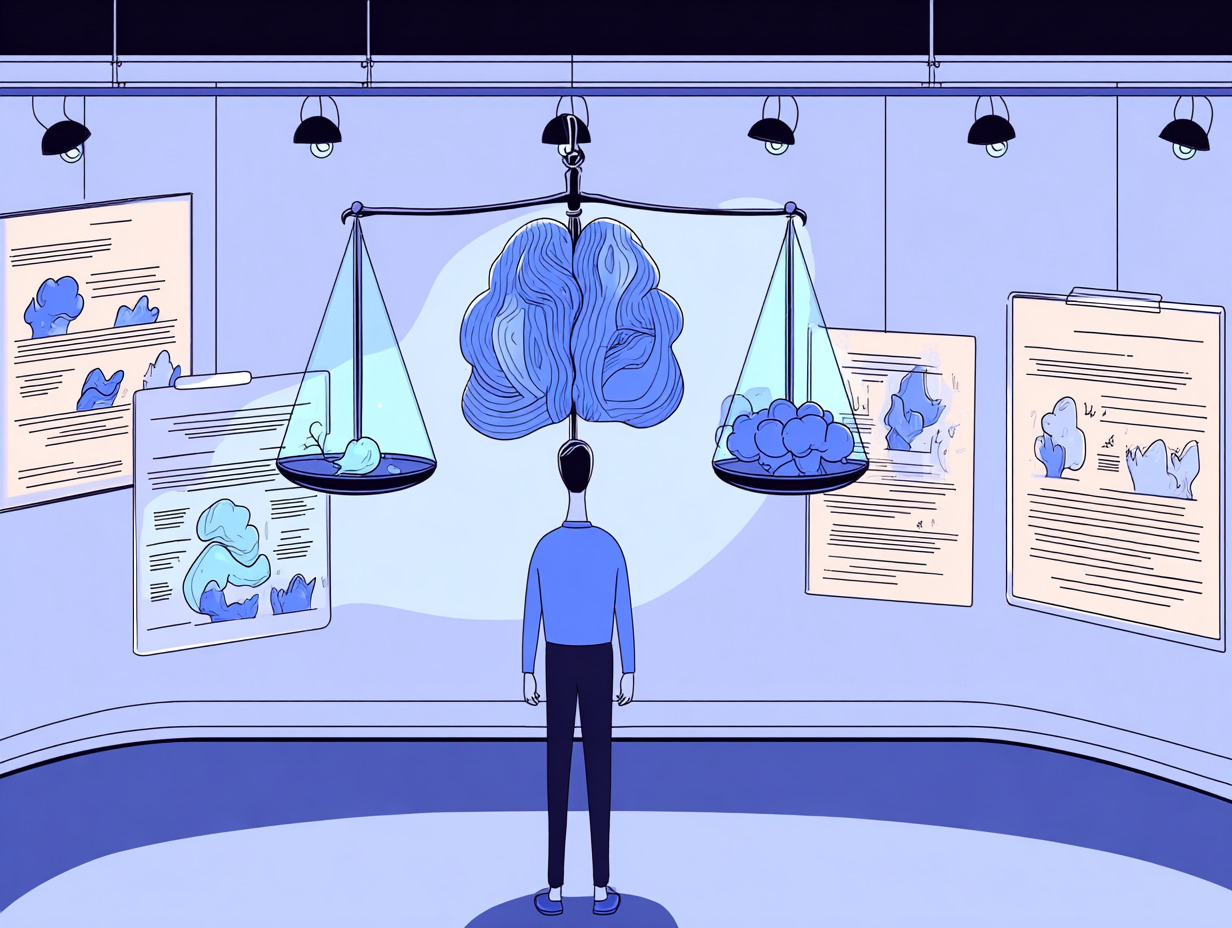
Although psychologists and neuropsychologists have distinct roles, the best outcomes often happen when they collaborate. Their partnership brings together two perspectives on human experience - one focused on emotion and behavior, the other on cognition and brain function.
In Clinical Practice
In hospitals, rehabilitation centers, and private clinics, collaboration is common. A neuropsychologist might evaluate how a stroke has affected memory and reasoning, while a psychologist supports emotional recovery and helps the person rebuild confidence. This teamwork ensures treatment addresses both the how and why behind a person’s difficulties.
Psychologists also rely on neuropsychologists when therapy progress stalls. If a client struggles with focus or problem-solving despite consistent effort, cognitive testing can uncover issues like attention deficits or processing-speed changes. Once identified, therapy can adapt to these findings and become more effective.
In Schools and Workplaces
Children with learning challenges or adults returning to work after injury often benefit from this dual support. A neuropsychologist identifies the underlying cognitive difficulties - for example, slower visual processing or working-memory limitations - while a psychologist teaches coping and stress-management techniques. Together they help individuals adjust expectations and build confidence.
Insurance and Referrals in the U.S.
In the United States, referrals often go both ways. A psychologist may suggest cognitive testing if emotional symptoms seem tied to brain function, while a neuropsychologist may refer a client to therapy for mood or anxiety management. Insurance plans typically cover both services when medically justified. It’s always best to confirm with your provider whether neuropsychological testing and psychotherapy are included under your mental-health benefits.
Shared Goal: Whole-Person Care
Both professionals believe that emotional health and cognitive function are intertwined. The psychologist helps with self-understanding, habits, and relationships; the neuropsychologist helps clarify how the brain supports those same skills. By working together, psychologists and neuropsychologists help people heal on every level - understanding how thoughts, emotions, and brain function interact. This collaboration ensures that care isn’t limited to either the mind or the body but integrates both.
It also highlights a simple reality of modern mental health - no professional can cover it all alone. When these specialists combine their knowledge, treatment becomes more precise, compassionate, and sustainable. Their shared efforts guide people toward steadier recovery, clearer insight, and genuine long-term strength.
Research Insights: How Brain and Mind Interact
Over the past two decades, scientific research has increasingly shown that the line between emotional and cognitive health is far thinner than once believed. Psychologists and neuropsychologists now work from a shared understanding - what affects the brain affects the mind - and vice versa.
What Studies Reveal
According to the National Institute of Mental Health, emotional stress can alter neural circuits in the amygdala and prefrontal cortex, changing how we regulate attention and mood. Conversely, neurological changes such as stroke, head trauma, or dementia can influence emotions, causing irritability, anxiety, or apathy. This two-way connection explains why treatment that addresses both brain and behavior leads to better outcomes.
The American Psychological Association also reports that therapy itself can produce measurable brain changes. Functional MRI studies show increased activity in regions associated with self-regulation and decreased reactivity in fear-related pathways after cognitive-behavioral therapy. In other words, talk therapy can reshape the brain just as medication or rehabilitation can.
How Collaboration Supports Research
Neuropsychologists contribute by developing precise tests that detect subtle shifts in attention, memory, and reasoning. Psychologists translate those findings into practical strategies that clients can use daily - relaxation exercises, problem-solving techniques, or new coping skills. Together, they turn data into life improvement.
The Future of Integrated Care
Universities and medical centers across the U.S. are moving toward integrated treatment models where psychologists, neuropsychologists, psychiatrists, and neurologists share data and coordinate plans. Early studies from institutions such as Harvard Health and Mayo Clinic suggest that combining emotional therapy with cognitive rehabilitation reduces relapse rates and improves long-term quality of life.
Here’s the encouraging part - modern research confirms what many clinicians already see in practice - that healing happens fastest when the brain and the mind are treated as partners, not separate systems.
References
- American Psychological Association. Understanding Psychological and Neuropsychological Testing. 2023.
- National Institute of Mental Health. Neuropsychological Assessment and Brain Disorders. 2022.
- Mayo Clinic. Neuropsychological Testing: What You Can Expect. 2023.Cleveland Clinic. Psychologist vs. Neuropsychologist. 2023.
- Verywell Mind. What Is a Neuropsychologist?. 2023.
Conclusion
Psychologists and neuropsychologists both help people understand their inner world, but they focus on different parts of it. A psychologist explores emotions, thoughts, and behavior, while a neuropsychologist studies how brain function influences those same experiences. Together, they provide comprehensive care - one grounded in both science and empathy.
If you ever feel uncertain about which specialist to see, start by discussing your concerns with your primary care doctor or a licensed therapist. They can guide you toward the right kind of assessment and support.
Emotional or cognitive changes can be overwhelming, but you don’t have to face them alone. With professional guidance, most people find clarity, healing, and renewed confidence.
If distress ever feels overwhelming or unsafe, call or text 988 (Suicide and Crisis Lifeline in the U.S.). If there’s immediate danger, dial 911.
Frequently Asked Questions
Do neuropsychologists provide therapy?
Some neuropsychologists offer limited therapy, but most focus on assessment and diagnosis. After testing, they often refer clients to psychologists or counselors for ongoing emotional support.
Do psychologists perform brain tests?
Psychologists can administer general psychological assessments, but neuropsychologists are specially trained to conduct detailed brain-based cognitive testing and interpret the results.
How do I find a licensed neuropsychologist in the U.S.?
You can search the American Psychological Association directory, contact local hospitals or rehabilitation centers, or use Psychology Today’s “Find a Therapist” tool with filters for neuropsychological services.
Does insurance cover neuropsychological testing?
Many U.S. insurance plans cover testing when medically necessary, especially after injury or illness. Always confirm coverage and referral requirements with your provider before scheduling an appointment.
Can a neuropsychologist diagnose ADHD or dementia?
Yes. Neuropsychologists are qualified to assess and diagnose attention-deficit disorders, dementia, and other conditions that affect thinking and memory, often in coordination with physicians or psychiatrists.
Can I see both a psychologist and a neuropsychologist?
Absolutely. Many people benefit from seeing both - the neuropsychologist identifies how the brain is functioning, while the psychologist provides therapy to support emotional and behavioral well-being.