Does a Psychologist Help With Panic Attacks? A Practical, Science-Based Guide to Calming Your Body and Getting Support
Feeling your heart race, your chest tighten, or your breath suddenly speed up can be terrifying, especially when you don’t know why it’s happening. Many people in the United States experience episodes like this, and it often leaves them wondering whether a psychologist for panic attacks can actually help. The short answer is yes - therapy is one of the most effective, research-supported ways to reduce the frequency and intensity of panic attacks and to regain a sense of control.
Panic attacks may feel unpredictable, but there are clear biological and psychological patterns behind them. When you understand how your body reacts and what tools can interrupt that cycle, the fear becomes far less overwhelming. A psychologist can guide you through these patterns, help you build practical skills, and offer support that fits your specific needs and daily life.
In this article, you’ll learn what happens during a panic attack, which techniques can help in the moment, how therapy works for panic symptoms, and when it’s a good idea to reach out to a licensed clinician. You’ll also see how long-term skills can prevent future attacks and strengthen your nervous system over time.
What Panic Attacks Feel Like and Why Your Body Reacts This Way
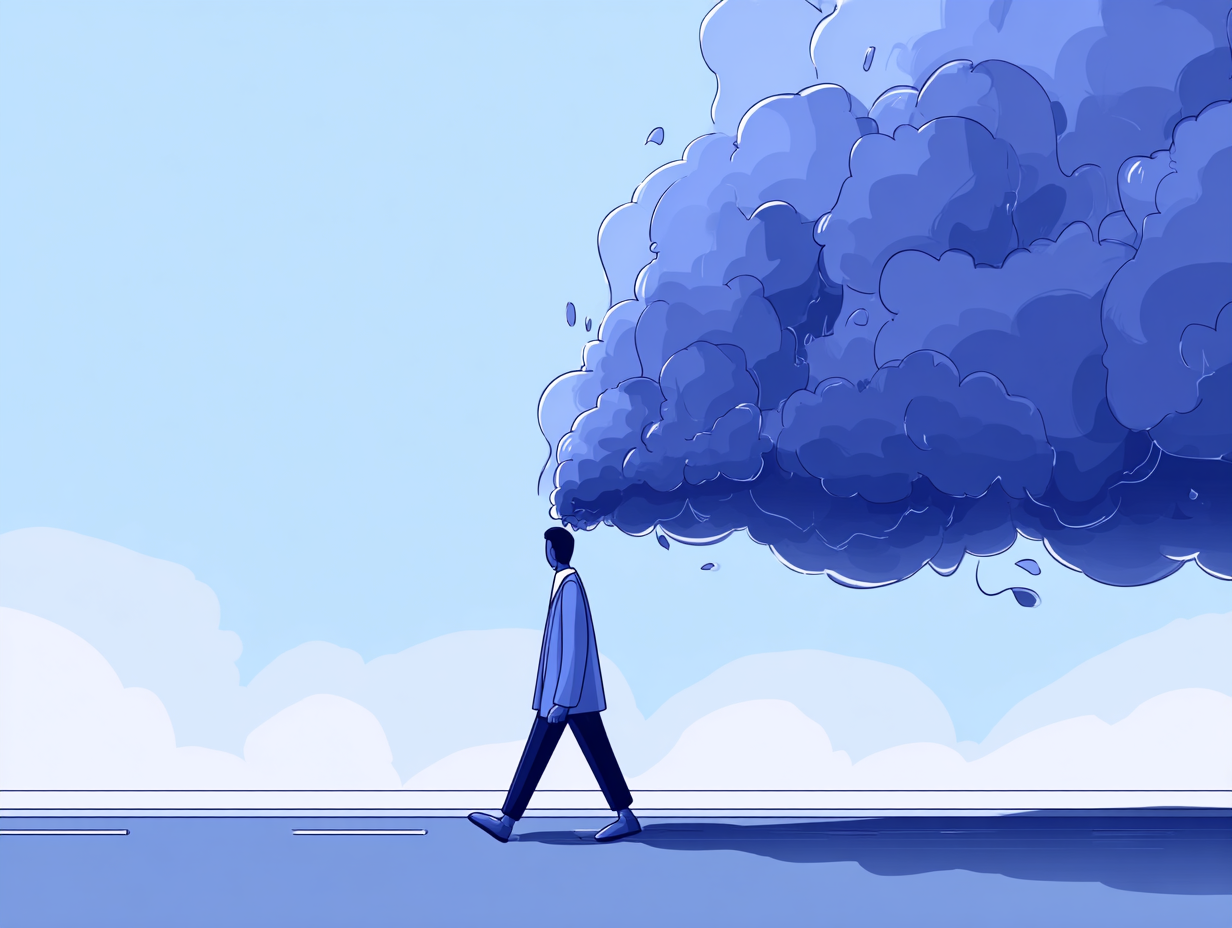
Panic attacks can feel sudden, overwhelming, and physically intense, even when nothing dangerous is happening. They’re short bursts of extreme fear driven by the body’s alarm system, not a personal failure or a sign that something is “wrong” with you. Understanding what’s happening inside your brain and nervous system can make the experience less frightening and easier to manage.
The Fight-or-Flight System
Your body is wired to protect you. When the brain senses a possible threat - sometimes a real one, sometimes a misinterpreted signal - it activates the fight-or-flight response. According to the National Institute of Mental Health, this system can trigger a surge of adrenaline, rapid breathing, a racing heart, and a sense of urgency. During a panic attack, the alarm goes off even though there’s no external danger. The brain misreads internal sensations as threats, and the body reacts automatically.
Physical, Emotional, and Cognitive Symptoms
A panic attack can produce a mix of sensations that feel confusing or alarming. People commonly report rapid heartbeat, shortness of breath, sweating, shaking, chest pressure, dizziness, or a sudden wave of heat. Emotionally, fear spikes so quickly that it may feel like losing control or “going crazy.” Cognitively, thoughts can spiral - “What if this never stops?” or “What if something is seriously wrong?” These reactions are uncomfortable but temporary; the body cannot sustain this level of arousal for long.
Why Attacks Often Feel “Out of Nowhere”
Panic attacks may seem sudden, but there’s usually a hidden buildup. Stress, lack of sleep, caffeine, or intense worry can sensitize the nervous system. The brain starts noticing harmless sensations - like a skipped heartbeat or a quick breath - and interprets them as threats. Mayo Clinic clinicians note that this internal misinterpretation is a major driver of panic symptoms. The trigger may be subtle, but the body’s reaction can be dramatic.
How a Psychologist Helps With Panic Attacks: Techniques, Evidence, and What Sessions Look Like
A psychologist for panic attacks helps you break the cycle of fear, physical symptoms, and misinterpretation that fuels each episode. Therapy gives you tools to calm your body, challenge the thoughts that intensify panic, and retrain your nervous system over time. Research from the American Psychological Association consistently shows that structured therapy - especially cognitive-behavioral approaches - can significantly reduce panic symptoms.
How Therapy Reduces the Fear Cycle
Panic attacks follow a predictable loop: a sensation sparks fear, fear intensifies sensations, and the cycle repeats. A psychologist teaches you how to interrupt this loop. Together, you’ll learn how the body’s alarm system works and how your thoughts, breathing patterns, and habits either escalate or soften the response. Understanding these mechanics alone can reduce fear; when your brain knows what’s happening, it stops assuming the worst.
CBT, ACT, and Exposure Principles
Most psychologists use evidence-based therapies backed by organizations like NIMH and Mayo Clinic.
- Cognitive Behavioral Therapy (CBT) - helps identify catastrophic thinking, reduce avoidance, and practice new responses.
- Exposure-based methods - gradually retrain the brain by facing feared sensations in a controlled way (for example, practicing intentional fast breathing to show your body it’s safe).
- Acceptance and Commitment Therapy (ACT) - teaches you to respond to fear with flexibility instead of resistance.
- Mindfulness-based work - stabilizes breathing, reduces reactivity, and strengthens awareness.
These approaches don’t erase fear - they teach your nervous system that it doesn’t need to sound the alarm every time you notice a heartbeat or breath change.
How Therapy Approaches Help With Panic Symptoms
| Therapy Type | Core Mechanism | Best For Panic-Related Patterns |
|---|---|---|
| CBT | Reframes catastrophic thoughts; breaks avoidance cycles | Fear of bodily sensations; “what if” spirals |
| ACT | Builds tolerance for discomfort; reduces struggle | Perfectionism, fear of losing control |
| Exposure | Retrains alarm system through gradual practice | Sensation-triggered panic; avoidance behaviors |
| Mindfulness-based work | Calms autonomic arousal; builds presence | Breath-focused fear, rumination |
What Happens in the First Sessions
Your first meeting with a psychologist is not a test - it’s an orientation. You’ll describe your symptoms, when the attacks happen, and what you fear most during them. In turn, the psychologist explains how panic works and outlines a plan tailored to your patterns. Many people feel relief after the first session simply because the experience suddenly makes sense.
Over the next few sessions, you’ll learn skills to manage symptoms in real time, identify the earliest warning signs, and practice small behavioral experiments that build confidence. If you choose, sessions may include in-office exposure work or structured breathing exercises.

Misconceptions About Therapy (and What Actually Works)
Some people worry that talking about panic will make it worse. In reality, discussing the experience with a trained clinician helps reduce shame and creates clarity. Others fear they’ll be told to “just relax.” A psychologist doesn’t minimize your symptoms - they teach you why panic feels so overwhelming and how to regain control.
Here’s the thing: panic attacks aren’t proof that you’re weak or unstable. Your nervous system is firing too quickly, and therapy helps it relearn safety session by session. And if symptoms ever escalate to thoughts of self-harm or overwhelming fear, you can call or text 988 in the United States; if it feels like an emergency or there’s immediate danger, call 911.
What You Can Do During a Panic Attack: Grounding, Breathing, and Re-centering Tools
Simple, repeatable tools can help your body settle during a panic attack, even when fear spikes quickly. These techniques don’t make the episode disappear instantly, but they give you something solid to hold onto while the nervous system comes down from its alarm state. The goal is not to “fight the panic,” but to guide your body back toward safety.
Grounding Techniques (5–4–3–2–1 and Variants)
Grounding works by shifting your attention away from fearful thoughts and toward your senses. One of the most effective tools is the 5–4–3–2–1 technique, often recommended by psychologists for re-anchoring the mind during intense panic:
- Notice 5 things you can see.
- Notice 4 things you can touch.
- Notice 3 things you can hear.
- Notice 2 things you can smell.
- Notice 1 thing you can taste.
This sensory sequence interrupts the cycle of catastrophic thinking and reduces the brain’s alarm signals. Shorter grounding versions exist too - such as naming three objects around you or feeling the texture of something solid (keys, a table, your sleeve).
CO₂-Regulating Breathing
Many panic attacks involve rapid or shallow breathing, which changes carbon-dioxide levels and makes symptoms feel stronger. Instead of taking big deep breaths, which can sometimes worsen dizziness, psychologists often teach a slower, more regulated pattern:
- Inhale for 4 seconds.
- Hold for 1–2 seconds.
- Exhale for 6 seconds.
- Repeat for 1–2 minutes.
The longer exhale activates the parasympathetic nervous system, helping the body shift out of fight-or-flight mode. You can pair this with placing a hand on your chest or stomach to feel the breath slow down.
Quick Cognitive Reframes
A panic attack can feel like a heart attack or a loss of control, but reframing the moment helps soften that fear. Examples psychologists often use include:
- This is uncomfortable, not dangerous.
- My body is reacting to fear, not to a medical crisis.
- These sensations peak and pass - they always do.
- I’ve had this feeling before, and I came through it.
These statements counter the brain’s instinct to catastrophize and help you ride the wave instead of fighting it.
Common Symptoms, Why They Happen, and What Helps
| Symptom | Why It Happens | What Helps in the Moment |
|---|---|---|
| Rapid heartbeat | Fight-or-flight adrenaline surge | Slow exhale breathing (4-1-6), grounding |
| Chest pressure | Muscle tension and fast breathing | Hand on chest, paced breathing |
| Dizziness | CO₂ drop from overbreathing | Longer exhales, slow head movements |
| Shaking | Adrenaline discharge | Steadying objects, grounding touch |
| Feeling unreal (derealization) | Overactivation of fear networks | Sensory grounding, cold water splash |
| Tingling hands or feet | CO₂ changes | Controlled breathing, loosening muscles |
When These Techniques Help - and When They Don’t
Grounding, breathwork, and reframes can reduce the intensity of a panic attack, but they work best when practiced proactively, not only in emergencies. Some episodes fade in a few minutes; others take longer, especially if the nervous system has been under chronic stress. If panic attacks happen frequently, interrupt daily functioning, or come with overwhelming fear, these tools are still helpful - but they may not be enough on their own.

That’s when working with a trained professional becomes important. A psychologist can tailor strategies to your specific triggers, help you understand hidden patterns, and build long-term tools so panic doesn’t hijack your day. And if fear ever becomes overwhelming or includes thoughts of self-harm, you can call or text 988 in the United States; if there’s immediate danger, call 911 for emergency support.
When a Psychologist Is the Right Next Step for Panic Attacks
A psychologist for panic attacks can be especially helpful when episodes start interfering with daily life, causing avoidance, or making you fear your own body. You don’t need to wait until panic feels “unmanageable” - therapy is most effective when you seek support early, not only during crises. Knowing the signs that it’s time to reach out can prevent panic from taking over work, relationships, or health.
Warning Signs to Contact a Clinician
Many people try to manage panic alone until symptoms become disruptive. If any of the following experiences are familiar, a licensed clinician can help you regain control:
- panic attacks appearing more often or lasting longer than before;
- worrying about having another attack every day;
- avoiding stores, driving, meetings, or social events because of fear;
- checking your pulse or breathing repeatedly;
- feeling unsafe in your own body;
- physical symptoms that feel too intense to manage alone.
These patterns don’t mean something is wrong with you - they mean your nervous system is overwhelmed, and professional support can bring it back into balance.
When to See a Primary-Care Doctor or Psychiatrist
A psychologist works on the behavioral, cognitive, and emotional layers of panic, but sometimes medical guidance is also helpful. You might consider seeing a primary-care doctor or psychiatrist if:
- symptoms come with chest pain, fainting, or unexplained medical sensations;
- you’re unsure whether symptoms are panic or a physical condition;
- you’ve had a recent health scare and need reassurance;
- panic attacks are paired with persistent anxiety, depression, or sleep disruption.
A primary-care physician can rule out medical issues and explain when medication might support therapy, while psychologists handle coping tools, exposure work, and emotional regulation. These roles complement each other - not compete.
Red Flags: When to Call 988 or 911
If panic ever escalates into severe distress, hopelessness, or thoughts of harming yourself, reach out immediately. In the United States, you can call or text 988 to connect with the Suicide and Crisis Lifeline. If someone is in immediate danger, or if symptoms suddenly resemble a medical emergency, dial 911.
Crisis lines are confidential and staffed by trained counselors who help stabilize the moment and connect you with the right level of support. Reaching out is a sign of awareness, not weakness.
Privacy, Insurance, and Teletherapy Options in the US
Many people delay therapy because they’re worried about privacy, cost, or insurance. In reality, therapy for panic is easier to access than it may seem.
Confidentiality: Therapy sessions are protected by HIPAA and state confidentiality laws. Personal details you discuss with a psychologist stay private unless there is risk of harm.
Insurance: Most insurance plans cover outpatient mental-health treatment, including therapy for panic symptoms. Copays vary, but many plans list in-network psychologists who specialize in anxiety and panic-related conditions. If you prefer a specific clinician, out-of-network reimbursement may still apply.
Teletherapy: Virtual sessions are widely covered and effective for panic attacks. Many psychologists teach grounding, breathing, and exposure exercises through secure video platforms, allowing you to practice skills in your own environment.
Here’s the reassuring part: reaching out early usually leads to faster progress. A psychologist for panic attacks can help you identify patterns, build tools that fit your life, and prevent panic from shaping your choices.
Long-Term Skills That Prevent Future Panic Attacks
Long-term stability comes from teaching your nervous system that bodily sensations aren’t threats and that fear doesn’t have to escalate into panic. These skills don’t silence anxiety completely, but they make your responses calmer, quicker, and more predictable. With steady practice - often supported by a therapist - you build resilience that keeps panic attacks from taking over your daily life.
Reducing Avoidance
Avoidance feels protective in the moment, but it reinforces panic over time. When you avoid driving, stores, elevators, or physical sensations that scare you, the brain learns that these situations are dangerous. A therapist guides you through small, structured steps that help reverse this pattern. You might begin with entering a store for two minutes, riding in a car around the block, or practicing light physical activity to intentionally raise your heart rate. Each success teaches your brain that the feared sensation or environment is safe.
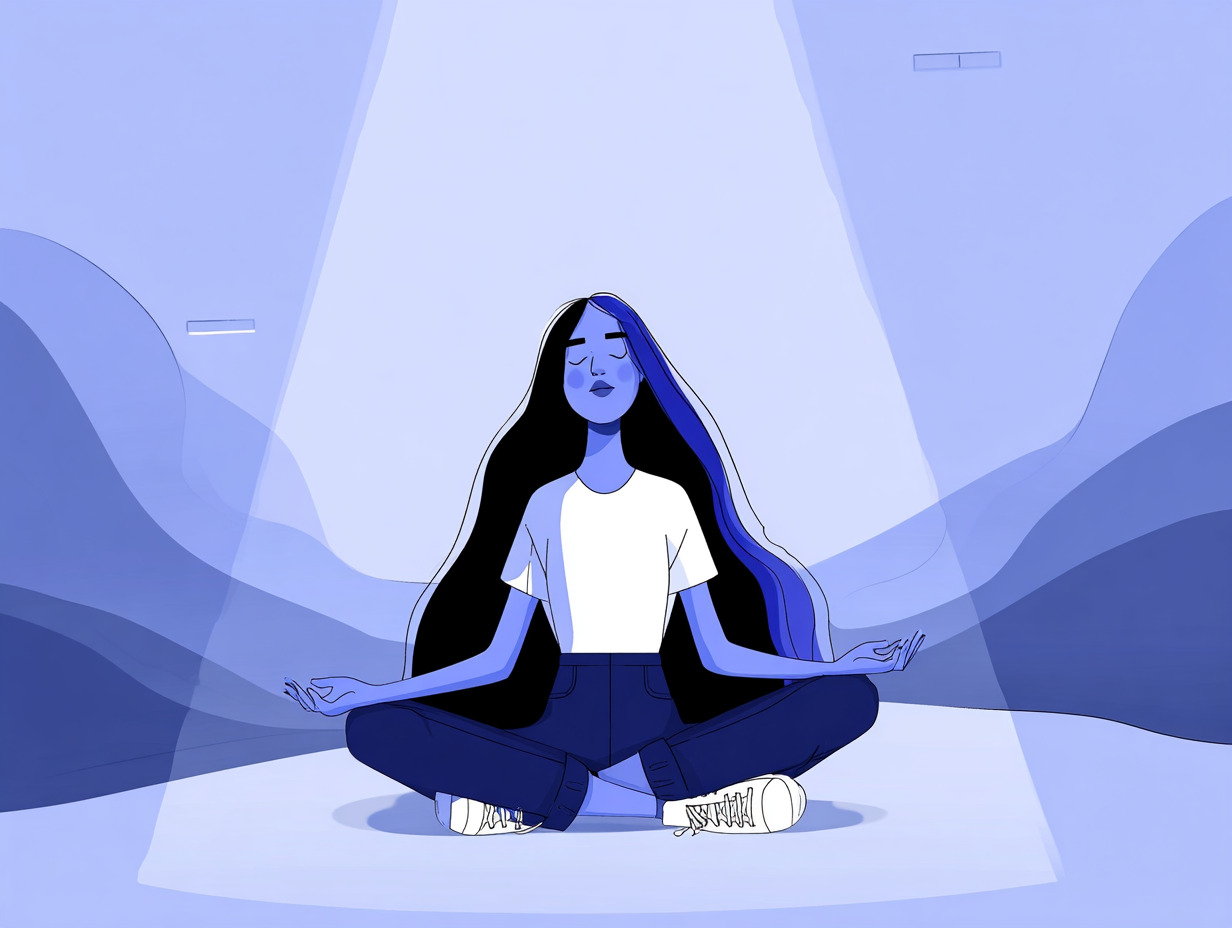
Avoidance reduction isn’t about pushing yourself harder - it’s about building confidence through repetition, pacing, and support.
Building Tolerance to Physical Sensations
Many panic attacks start when a harmless sensation - like a skipped heartbeat, warm flush, or sudden breath - gets misinterpreted as danger. Long-term work focuses on helping your brain tolerate these sensations without triggering fear. Techniques often practiced in therapy include:
- intentionally holding your breath briefly,
- spinning gently in a chair to create dizziness,
- jogging in place to raise heart rate,
- breathing through a straw to feel air resistance.
These exercises are safe when done with guidance, and they teach the brain that the sensations themselves aren’t dangerous. Over time, the nervous system becomes less reactive.
Lifestyle Factors That Stabilize the Nervous System
Small daily habits can make panic attacks less likely and less intense. Psychologists often highlight:
- regular sleep, which stabilizes cortisol cycles;
- balanced caffeine use, since large doses can mimic panic sensations;
- consistent movement, like walking or stretching to release muscle tension;
- steady meals, which help regulate blood sugar;
- recovery time, such as breaks between stressful activities;
- reduced screen overload, especially at night.
These habits don’t cure panic on their own, but they create a calmer baseline so spikes feel less overwhelming.
Relapse Prevention With a Therapist
Even after symptoms improve, it’s normal to have occasional flares during stressful seasons. A therapist helps you build a personalized prevention plan that might include:
- recognizing your earliest warning signs,
- knowing which grounding tools work fastest,
- deciding how to adjust stress or workload,
- practicing exposures every few weeks to maintain confidence,
- having a clear plan for teletherapy check-ins if symptoms return.
Think of this as building emotional maintenance rather than fixing a problem. When you understand your patterns and know how to interrupt them early, panic loses its power.
References
1. National Institute of Mental Health. Panic Disorder: When Fear Overwhelms. 2023.
2. American Psychological Association. Understanding Panic Attacks. 2024.
3. Mayo Clinic. Panic Attacks and Panic Disorder. 2023.
4. Substance Abuse and Mental Health Services Administration. Mental Health Resources. 2023.
5. Cleveland Clinic. Panic Attack vs. Heart Attack. 2022.
Conclusion
Panic attacks can feel overwhelming, sudden, and deeply unsettling - but they are also highly treatable. When you understand how your body reacts and why the alarm system misfires, the experience becomes less mysterious and more manageable. Techniques like grounding, paced breathing, and cognitive reframing can bring you back into your body during a spike of fear, while long-term skills help keep future episodes from taking hold.
A psychologist can guide you through these patterns, teach effective tools, and help you rebuild trust in your body. Therapy doesn’t erase fear - it reshapes your relationship with it so you’re no longer controlled by sudden sensations or spiraling thoughts. And if panic ever becomes overwhelming or leads to thoughts of self-harm, you can call or text 988 in the U.S. for immediate support; if you’re in immediate danger, call 911.
You’re not alone, and you’re not stuck this way. With the right information and the right support, your nervous system can learn safety again.
Frequently Asked Questions
Can panic attacks happen without a trigger?
Yes. Many people experience panic attacks that feel sudden or “out of nowhere.” Often the nervous system has been under stress for days or weeks, and the body reacts to subtle sensations that don’t feel stressful until the moment panic begins.
Does therapy actually help with panic attacks?
Yes. Evidence-based therapies like CBT, ACT, and exposure-based methods can reduce how often panic attacks occur and how intense they feel. A psychologist teaches skills to interrupt the fear cycle, regulate breathing, and reframe catastrophic thoughts.
What’s the difference between a panic attack and a medical emergency?
Panic attacks are intense but typically short-lived and non-dangerous. A medical emergency may include persistent chest pain, fainting, or symptoms that don’t improve as panic subsides. If you’re unsure or symptoms feel unfamiliar, contacting a doctor or calling 911 is the safest option.
Should I see a psychologist or a psychiatrist for panic attacks?
A psychologist provides therapy, coping tools, and exposure-based techniques that target panic patterns. A psychiatrist or primary-care doctor can help evaluate physical health and discuss medication options if needed. Many people benefit from a combination, depending on symptoms.
Are teletherapy sessions effective for panic attacks?
Yes. Teletherapy has been shown to be highly effective for anxiety and panic. Many psychologists guide clients through breathing exercises, grounding techniques, and exposure work through secure video platforms.
When should I seek emergency help during a panic attack?
If panic escalates into thoughts of self-harm, call or text 988. If symptoms suggest a possible medical emergency - such as severe chest pain, difficulty breathing, or loss of consciousness - call 911 immediately. When in doubt, it’s safer to get help.