Passive Aggressive Behavior: 12 Common Examples and How to Recognize Them
If you’ve ever left a conversation feeling uneasy, irritated, or oddly dismissed, you’re not imagining things. Many people search for answers when conflict doesn’t look openly hostile but still feels emotionally charged. Passive aggressive behavior refers to a pattern of expressing anger, resentment, or resistance indirectly rather than addressing issues openly. Instead of clear disagreement, it shows up through silence, sarcasm, delays, or subtle digs that are hard to call out in the moment.
What makes this behavior especially confusing is that, on the surface, everything may sound polite or cooperative. Yet over time, the tension builds. You might start questioning your reactions, wondering whether you’re being too sensitive or misreading the situation. That uncertainty is often part of the dynamic.
In this article, you’ll learn how passive aggressive behavior works, see 12 clear real-life examples across work, family, and romantic relationships, and understand why it can be so damaging. You’ll also find practical guidance on how to respond more confidently and when it may help to seek professional support.
What Is Passive Aggressive Behavior?
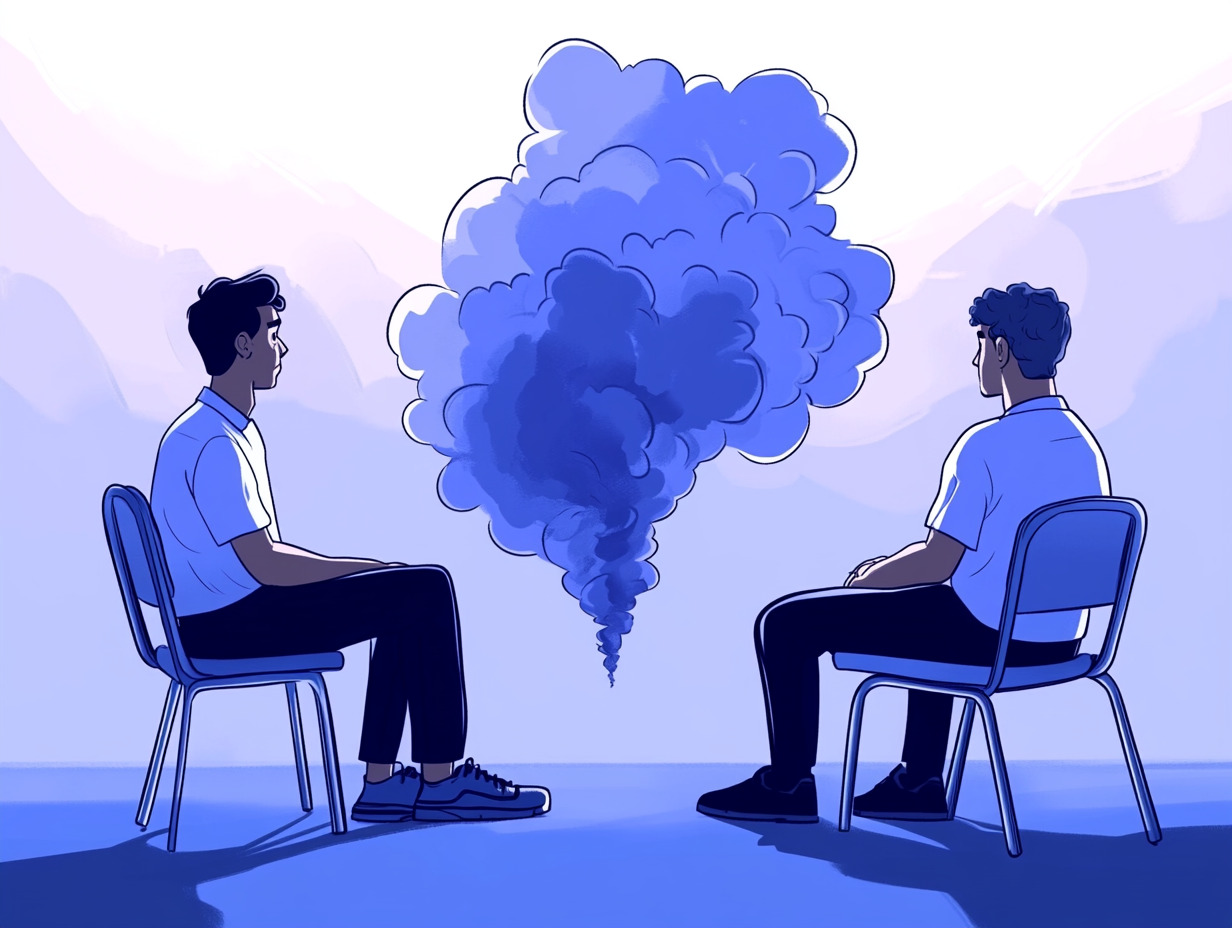
Passive aggressive behavior is a way of expressing anger, frustration, or resistance indirectly, rather than saying what’s wrong out loud. On the surface, a person may appear agreeable, calm, or even polite. Underneath, however, there is unresolved resentment that leaks out through actions instead of words. This is why interactions can feel tense or confusing even when no open conflict is happening.
Here’s where it gets confusing. Unlike direct aggression, passive aggressive behavior doesn’t involve yelling, insults, or obvious confrontation. Instead, it shows up through subtle signals: missed deadlines, sarcastic comments framed as jokes, deliberate silence, or repeated forgetting of responsibilities. Because the message is indirect, the other person is often left guessing what went wrong.
From a psychological perspective, this pattern is closely tied to conflict avoidance. Many people who rely on passive aggression have learned, often early in life, that expressing anger directly feels unsafe, unacceptable, or pointless. Rather than risk confrontation, they suppress their feelings, which then emerge sideways. According to guidance from the American Psychological Association, indirect communication tends to increase misunderstanding rather than resolve tension, especially in close relationships and workplaces.
It’s also important to separate behavior from intent. Passive aggressive behavior is not always conscious or malicious. In many cases, it’s a learned coping strategy for managing uncomfortable emotions without direct confrontation. That doesn’t make it harmless, but it does help explain why the pattern can be persistent.
To clarify how this style differs from other ways of communicating, here’s a simple comparison:
| Communication style | How feelings are expressed | Typical behavior | Emotional impact |
|---|---|---|---|
| Passive-aggressive | Indirect, hidden | Sarcasm, silence, delays | Confusion, tension |
| Assertive | Direct, respectful | Clear requests, boundaries | Clarity, trust |
| Aggressive | Direct, hostile | Blame, threats | Fear, defensiveness |
| Passive | Suppressed | Avoidance, compliance | Resentment |
If you’ve ever thought, “Something feels off, but I can’t quite explain why,” you’re describing the core effect of passive aggressive behavior. Naming the pattern is often the first step toward responding to it more clearly and protecting your own boundaries.
Passive Aggressive Behavior: 12 Real-Life Examples
Passive aggressive behavior often hides in plain sight. It rarely looks dramatic or openly hostile, which is why it can take so long to recognize. Below are 12 common, real-life examples that show how this pattern appears in everyday situations. If several of these feel familiar, that recognition alone can be grounding.
1. Sarcasm disguised as humor
A comment sounds like a joke, but it leaves a sting behind. Phrases such as “Wow, must be nice to have so much free time” are framed as playful, yet they communicate irritation or envy without taking responsibility for the feeling.
2. The silent treatment
Instead of addressing a disagreement, the person withdraws completely. Messages go unanswered, conversations shut down, and emotional distance replaces dialogue. The silence itself becomes the punishment.
3. Intentional procrastination
Someone agrees to help or complete a task, then repeatedly delays it. At work, this might look like missed deadlines. In relationships, it can mean putting off important conversations or shared responsibilities.
4. “Forgetting” important tasks
This goes beyond occasional forgetfulness. Requests are acknowledged but routinely ignored, especially when they come from someone the person feels resentful toward. The unspoken message is resistance, not confusion.
5. Backhanded compliments
Comments that sound positive on the surface but carry criticism underneath. For example, “I’m impressed you finished that, I didn’t think you would.” The praise and insult arrive together.
6. Chronic lateness
Showing up late, again and again, can be a subtle way of expressing anger or lack of respect. When the pattern continues despite reminders, it often signals unspoken resentment rather than poor time management.
7. Playing the victim
Instead of stating frustration directly, the person portrays themselves as unfairly treated. Statements like “I guess I’ll just do everything myself” shift blame while avoiding open discussion.
8. Withholding information
Details that are needed to succeed are shared too late or not at all. In the workplace, this might sabotage a project. In families, it can create confusion and dependency.
9. Agreeing but not following through
Outwardly, everything sounds cooperative. In practice, nothing changes. The verbal agreement prevents confrontation, while the lack of action communicates refusal.

10. Subtle sabotage
Mistakes happen, but repeated “accidents” that interfere with plans or goals can be another form of passive resistance. The damage is indirect, but the impact is real.
11. Indirect criticism through others
Instead of speaking directly, the person complains to a third party. You hear about the criticism secondhand, which increases tension and erodes trust.
12. Passive resistance to requests
Requests are technically met, but in the least helpful way possible. The task gets done poorly or minimally, signaling displeasure without ever saying it aloud.
What often surprises people is how draining these interactions feel. You may walk away replaying conversations, wondering what you did wrong or whether you imagined the tension. That ongoing uncertainty is one of the most harmful aspects of passive aggressive behavior.
Recognizing these examples doesn’t mean labeling someone as bad or toxic. It means identifying a communication pattern that creates confusion and stress, especially when it becomes repetitive.
Why Do People Use Passive Aggressive Behavior?
Passive aggressive behavior often develops as a workaround for emotions that feel difficult or unsafe to express directly. Instead of openly saying “I’m angry,” “I disagree,” or “This doesn’t work for me,” the person communicates those feelings indirectly. The behavior isn’t random. In most cases, it serves a purpose, even if it causes harm.
One common driver is fear of conflict. Some people grew up in environments where anger led to punishment, rejection, or escalation. Over time, they learned that staying outwardly agreeable felt safer than being honest. The frustration didn’t disappear, though. It simply found quieter ways to come out.
Another factor is a lack of confidence in assertive communication. If someone doesn’t believe their needs will be taken seriously, indirect resistance can feel like the only available option. This is especially common in workplaces with power imbalances or in relationships where one person feels unheard.
Passive aggressive behavior can also reflect suppressed resentment. When small disappointments aren’t addressed, they accumulate. Instead of one clear conversation, irritation leaks out through sarcasm, delays, or withdrawal. According to communication guidance from the American Psychological Association, avoiding direct discussion tends to intensify misunderstanding rather than resolve it.
It’s important to note that this pattern is not always deliberate. Many people aren’t consciously trying to manipulate or punish others. They may genuinely struggle to identify what they’re feeling until it shows up in their behavior. That doesn’t erase the impact, but it helps explain why the pattern can repeat unless it’s named and addressed.
Understanding the reasons behind passive aggressive behavior doesn’t mean excusing it. It simply creates space for clearer boundaries, more direct responses, and, when appropriate, professional support to build healthier ways of communicating.
Why Passive Aggressive Behavior Is So Harmful in Relationships
Passive aggressive behavior creates damage not because it is loud or explosive, but because it erodes trust slowly and quietly. When messages are indirect, the other person is left guessing. Over time, that uncertainty becomes emotionally exhausting.
One of the biggest problems is chronic confusion. Instead of addressing an issue openly, the behavior sends mixed signals. Words may sound agreeable, while actions suggest resentment or resistance. Many people start second-guessing themselves, wondering whether they are being too sensitive or imagining the tension. That self-doubt is often part of why the pattern feels so unsettling.
In close relationships, this dynamic can lead to emotional distance. For example, a partner who withdraws or uses sarcasm instead of talking through frustration may avoid arguments in the moment, but the unresolved feelings don’t disappear. They accumulate. According to relationship guidance commonly cited by the American Psychological Association and major clinical centers, indirect communication tends to increase stress and decrease relationship satisfaction over time.

The impact is just as strong in the workplace. When colleagues rely on passive aggressive behavior, collaboration suffers. Missed deadlines, unclear expectations, and unspoken resentment can create an environment where people feel tense but unsure how to address the problem. Productivity drops, and trust between team members weakens.
What often hurts most is the lack of repair. Direct conflict, while uncomfortable, at least offers a path forward. Passive aggression blocks that path. Without clear communication, there’s no shared understanding and no resolution, only a repeating cycle of irritation and withdrawal.
Recognizing how damaging this pattern can be is not about blaming. It’s about acknowledging that healthy relationships, personal or professional, depend on clarity. Without it, even small issues can quietly grow into lasting resentment.
How to Respond to Passive Aggressive Behavior and Set Boundaries
Responding to passive aggressive behavior can feel tricky. If you confront it too directly, the other person may deny anything is wrong. If you ignore it, the pattern often continues. The goal isn’t to win an argument, but to bring clarity back into the interaction.
What usually makes the situation worse
Matching indirectness with indirectness tends to escalate tension. Sarcasm, eye-rolling, or silent withdrawal may feel tempting, but they reinforce the same communication loop. Overexplaining or repeatedly apologizing can also backfire, as it shifts responsibility away from the behavior itself.
Use calm, direct language
One effective approach is naming what you observe without assigning blame. For example, “I noticed the deadline was missed after we agreed on a plan,” or “When messages go unanswered, I’m not sure how to move forward.” This kind of statement focuses on the impact rather than accusing the person of intent.
According to communication guidance often cited by the American Psychological Association, clear and respectful assertiveness reduces misunderstanding and defensiveness over time.
Set boundaries around behavior, not personality
Boundaries work best when they are specific and actionable. Instead of saying, “You’re being passive aggressive,” try “I’m willing to discuss this when we can talk about it directly,” or “If the task can’t be done by Friday, I need to know in advance.” These boundaries clarify what you will and won’t engage with, without labeling the other person.
Know when to step back
In some situations, especially at work or in long-standing family dynamics, you may not be able to change the other person’s communication style. Protecting your own emotional energy matters. Limiting exposure, documenting agreements, or involving a neutral third party can reduce ongoing stress.
When professional support can help
If passive aggressive behavior is a recurring pattern that affects your mental health, relationships, or job performance, speaking with a licensed counselor or psychologist may be useful. Therapy can help you strengthen assertive communication, recognize triggers, and decide how much engagement is healthy for you.

If interactions ever escalate into emotional distress or feelings of hopelessness, support is available. In the United States, you can call or text 988 to reach the Suicide and Crisis Lifeline. If you or someone else is in immediate danger, call 911.
Responding to passive aggressive behavior isn’t about fixing another person. It’s about restoring clarity, protecting your boundaries, and choosing responses that support your well-being.
References
1. American Psychological Association. Communication and Conflict in Relationships. 2023.
2. National Institute of Mental Health. Stress and Mental Health. 2023.
3. Mayo Clinic. Healthy Communication in Relationships. 2023.
4. Cleveland Clinic. Passive-Aggressive Behavior. 2024.
5. American Psychological Association. Ethical Principles of Psychologists and Code of Conduct. 2017.
Conclusion
Passive aggressive behavior thrives on ambiguity. Because nothing is said outright, tension lingers and clarity gets lost. Recognizing this pattern is often the first moment of relief, it puts words to something that has felt confusing or draining for a long time.
The key takeaways are simple but powerful. Indirect hostility is still hostility. Clear, respectful communication is not rude, it is protective. And setting boundaries around behavior is about self-respect, not control. You are allowed to ask for directness, even if the other person struggles to provide it.
If repeated exposure to passive aggressive behavior is affecting your emotional well-being, professional support can help you sort out next steps and strengthen assertive responses. And if distress ever feels overwhelming or unsafe, help is available. In the United States, you can call or text 988 to reach the Suicide and Crisis Lifeline. If you are in immediate danger, call 911.
Frequently Asked Questions
Is passive aggressive behavior intentional or unconscious?
It can be either. Some people are aware they are avoiding direct conflict, while others act this way automatically because they never learned healthier communication patterns. In both cases, the impact on relationships can be significant.
How can I tell the difference between passive aggression and simple forgetfulness?
Occasional forgetfulness happens to everyone. Passive aggressive behavior shows up as a repeated pattern, especially around specific people or requests, and often follows unresolved tension or disagreement.
Is passive aggressive behavior emotionally abusive?
Not always, but it can become emotionally harmful when it is chronic and used to control, punish, or destabilize another person. The ongoing confusion and lack of resolution are what make it damaging over time.
How should I respond to passive aggressive behavior at work?
Focus on facts, timelines, and clear expectations rather than motives. Document agreements, address issues calmly, and, if needed, involve a supervisor or human resources to reduce ongoing ambiguity.
Can therapy help someone change passive aggressive behavior?
Yes. Therapy can help people understand the emotions driving indirect behavior and build assertive communication skills. It can also support those affected in setting healthier boundaries.
When should I seek professional help for ongoing conflict?
If passive aggressive behavior is ongoing, affects your mental health, or interferes with work or close relationships, speaking with a licensed counselor or psychologist can provide clarity and support.