Night Owl vs Early Bird: Key Differences, Health Effects, and Which One You Are
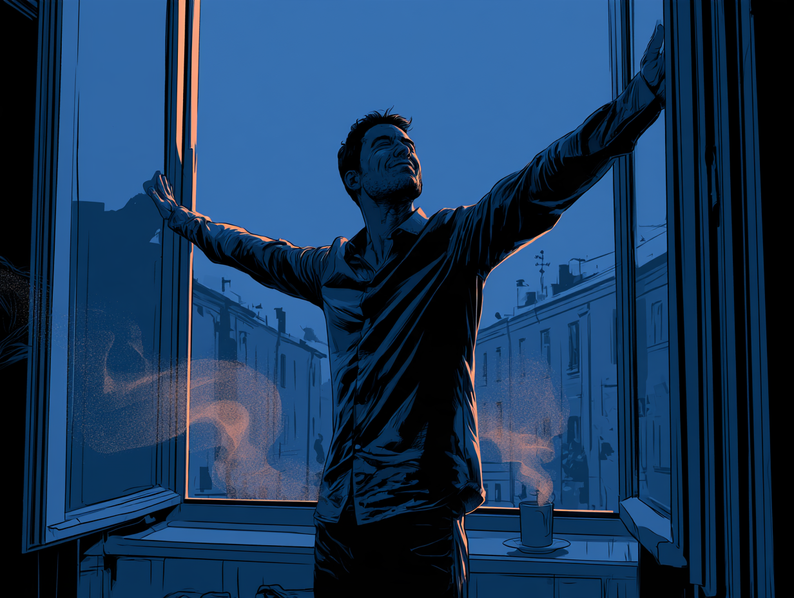
Some people wake up feeling refreshed before sunrise, while others find their focus and creativity peak long after dark. These differences are not necessarily signs of discipline, laziness, or poor time management. They often reflect a person's chronotype: the natural tendency to sleep, wake, and feel alert at particular times of day.
The night owl vs early bird distinction is closely connected to circadian rhythms, the biological processes that help regulate sleep and wakefulness. Although society frequently rewards early schedules, neither chronotype is automatically healthier, more productive, or more successful. What matters is how well your natural preferences align with your responsibilities, sleep needs, and daily habits.
Understanding your chronotype can help you recognize patterns in your energy, improve your sleep routine, and make more informed decisions about your schedule. This guide explains the differences between night owls and early birds, the science behind chronotypes, their potential health implications, and practical ways to work with your biological clock.
Night Owl vs Early Bird: Key Differences
The main difference between a night owl and an early bird is the timing of their preferred sleep and wake periods. Early birds generally feel sleepy earlier in the evening and naturally wake earlier in the morning. Night owls tend to become sleepy later and prefer waking later.
These preferences exist along a continuum rather than in two completely separate categories. Many people fall somewhere between the extremes, and their chronotype can change with age and environmental circumstances.
What Is a Night Owl?
A night owl is someone with an evening chronotype. People with this preference often feel more alert later in the day, experience their strongest concentration during the evening, and have difficulty falling asleep at an early bedtime.
For example, a night owl may struggle to feel fully awake at 7 a.m. but become mentally energized at 9 p.m. If allowed to follow a preferred schedule, this person might naturally fall asleep after midnight and wake later in the morning.
Being a night owl does not necessarily mean having insomnia. Insomnia involves difficulty initiating or maintaining sleep, or waking earlier than desired, accompanied by daytime impairment despite adequate opportunities for sleep. An evening chronotype, by contrast, describes a preference for later sleep timing.
However, night owls may experience difficulties when school or work requires them to wake much earlier than their biological preference. This mismatch can reduce sleep duration and contribute to daytime fatigue.
What Is an Early Bird?
An early bird is someone with a morning chronotype. Early birds usually feel alert relatively soon after waking, prefer completing demanding activities earlier in the day, and become sleepy earlier in the evening.
A person with a strong morning preference may naturally wake around 6 a.m. without an alarm and feel ready for focused work shortly afterward. Staying awake late into the night may feel uncomfortable, even when there is no obligation to wake early the next day.
Morning chronotypes often fit conventional school and office schedules more easily. Nevertheless, early birds can also experience sleep problems when social commitments, shift work, or evening responsibilities prevent them from maintaining their preferred bedtime.
Night Owl vs Early Bird Comparison
| Characteristic | Night Owl | Early Bird |
|---|---|---|
| Chronotype | Evening preference | Morning preference |
| Preferred bedtime | Generally later | Generally earlier |
| Preferred wake time | Generally later | Generally earlier |
| Typical alertness pattern | Greater alertness later in the day | Greater alertness earlier in the day |
| Common scheduling challenge | Early school or work start times | Late-night obligations |
| Potential advantage | Comfort with later activities | Comfort with earlier activities |
These are general patterns, not rigid rules. A person's energy and performance also depend on sleep quality, accumulated sleep debt, health, motivation, and the demands of a particular task.
What Determines Whether You Are a Night Owl or Early Bird?
Chronotype develops through interactions among biological rhythms, genetics, age, light exposure, and daily routines. It is not simply a habit that people can change instantly through willpower.
How Circadian Rhythms Influence Your Sleep
The circadian system coordinates approximately 24-hour rhythms in sleepiness, alertness, body temperature, hormone secretion, and other physiological functions.
A central biological clock in the brain, located in the suprachiasmatic nucleus of the hypothalamus, helps synchronize these rhythms with the external environment. Light is one of the strongest signals influencing this system.
Morning light generally helps advance circadian timing, encouraging earlier sleep and wake patterns. Evening and nighttime light can delay circadian timing, making it easier to remain awake later.
Melatonin, a hormone involved in signaling biological nighttime, typically begins increasing before habitual sleep onset. The timing of this increase differs between individuals and is one biological marker associated with chronotype.
Sleep timing is also influenced by homeostatic sleep pressure, which builds during wakefulness and decreases during sleep. The interaction between sleep pressure and circadian timing helps explain why someone may feel exhausted after insufficient sleep even when their biological clock is promoting alertness.
Genetics, Age, and Environmental Factors
Research indicates that chronotype has a substantial genetic component. Large genetic studies have identified numerous variants associated with morningness and sleep timing, although no single gene determines whether someone is a night owl or early bird.
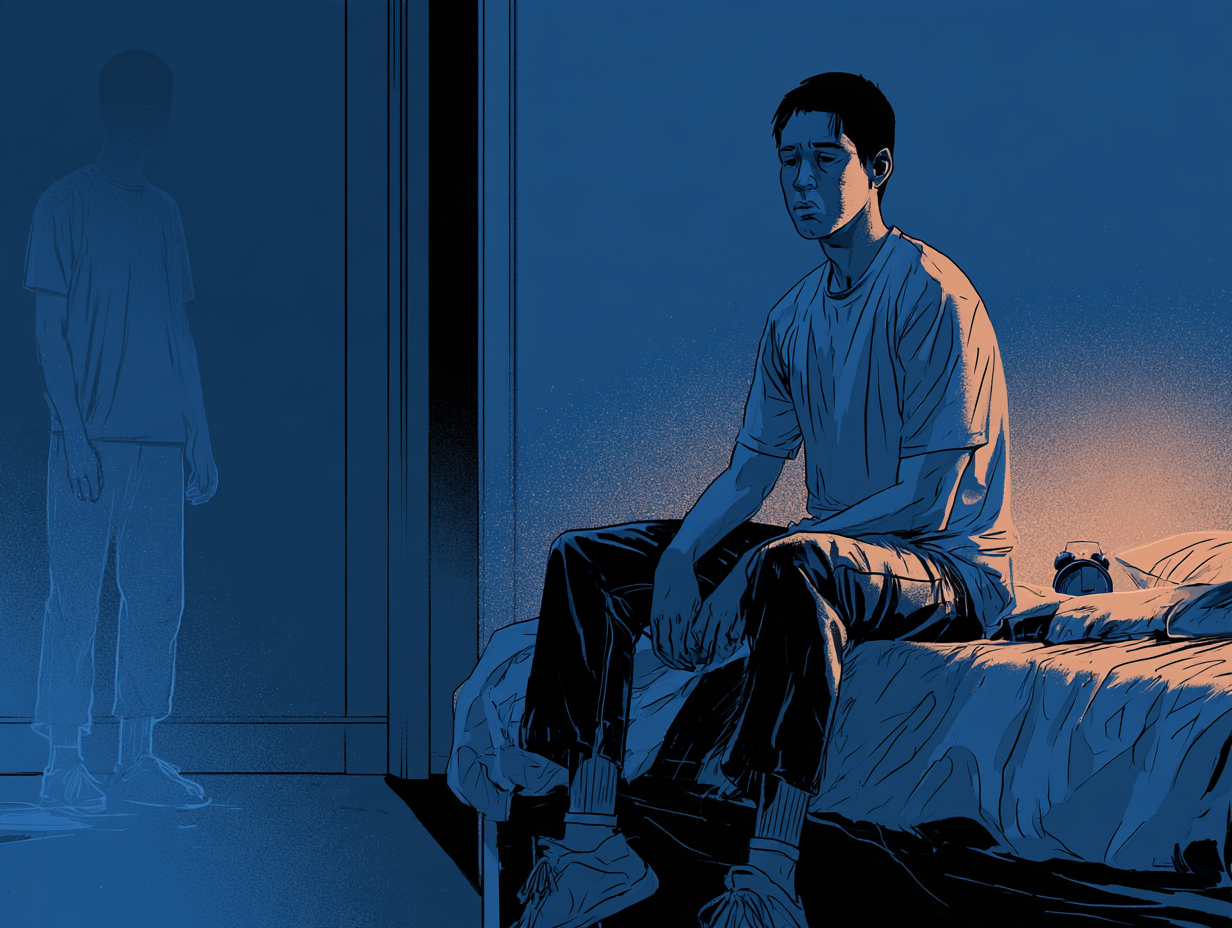
Age also plays an important role. Children often show relatively early sleep preferences, while adolescents commonly experience a shift toward later sleep timing. Chronotype generally moves earlier again during adulthood, although individual differences remain considerable.
Environmental factors can reinforce or modify these biological tendencies. Important influences include exposure to natural and artificial light, work schedules, social commitments, exercise timing, travel, and consistency of sleep routines.
For example, someone who works late shifts and receives substantial light exposure at night may develop a later sleep schedule. However, this does not necessarily mean their underlying biological preference has permanently changed.
Chronotype is therefore best understood as a relatively stable tendency that remains responsive to development and environmental conditions.
Night Owls, Early Birds, and Health Effects
Chronotype may be associated with differences in sleep duration, daily functioning, and certain health outcomes. However, it is essential to distinguish an association from a direct cause.
Being a night owl does not automatically cause poor health, and being an early bird does not guarantee better health. Sleep duration, consistency, lifestyle, socioeconomic circumstances, and the compatibility between biological preferences and daily schedules all matter.
Sleep Quality, Duration, and Social Jetlag
One of the most important challenges for evening chronotypes is social jetlag. This term describes the mismatch between a person's biological sleep timing and the schedule imposed by work, school, or other social obligations.
For example, a night owl may naturally prefer sleeping from 1 a.m. to 9 a.m. but need to wake at 6 a.m. for work. If the person cannot fall asleep much earlier, the result may be chronic sleep restriction during the workweek.
On weekends, that individual may sleep considerably later to compensate. The difference between workday and free-day sleep timing can create a recurring pattern of circadian disruption.
Early birds may experience a similar mismatch when required to work overnight or maintain late social schedules.
For most adults, consistently obtaining sufficient sleep is more important than fitting an idealized early-morning routine. The American Academy of Sleep Medicine and Sleep Research Society recommend that adults regularly sleep at least seven hours per night to support optimal health.
If you are unsure whether your current routine provides restorative sleep, a sleep quality questionnaire may help you reflect on your sleep patterns, nighttime disruptions, and daytime functioning. Such questionnaires are informational tools and do not replace clinical evaluation.
Physical and Mental Health Associations
Some observational studies have found associations between evening chronotype and less favorable cardiometabolic or mental health outcomes. Researchers have examined relationships involving depressive symptoms, anxiety, metabolic health, and other indicators of well-being.
These findings require careful interpretation. Observational research cannot establish that a later chronotype independently causes a particular condition. Differences in sleep duration, social jetlag, lifestyle, and other factors may contribute to the observed relationships.
For some night owls, repeatedly waking before their preferred biological time can lead to insufficient sleep and increased daytime strain. In these situations, improving schedule compatibility may be more useful than attempting to change one's identity as an evening person.
Sleep is also closely connected with emotional regulation. Insufficient or disrupted sleep can make it harder to manage everyday stressors and maintain concentration. Learning more about emotional health may provide useful context for understanding how sleep and psychological well-being interact.
People who experience persistent changes in mood, significant fatigue, or difficulty functioning should consider discussing their symptoms with a qualified healthcare professional rather than assuming chronotype is the only explanation.
Does Chronotype Affect Productivity?
Chronotype can influence when a person feels most alert, but productivity is more complicated than simply being a morning or evening person.
Performance may depend on the alignment between a task and an individual's preferred time of day. Some research describes a synchrony effect, in which certain cognitive tasks are performed more effectively at times that correspond with a person's chronotype.
However, these effects vary across tasks, populations, and experimental conditions. It would be inaccurate to claim that all night owls are more creative or that all early birds are more disciplined.
A night owl might find analytical work easier in the late afternoon, while an early bird might prefer completing demanding tasks shortly after breakfast. Neither pattern indicates greater intelligence or stronger work ethic.
Motivation, workload, sleep quality, and psychological well-being can also influence performance. When low energy or difficulty getting started becomes a persistent problem, exploring the relationship between motivation and daily productivity may help distinguish scheduling challenges from broader difficulties.
Whenever possible, people can experiment with scheduling their most demanding activities during periods when they naturally feel alert, while maintaining adequate sleep and realistic expectations.
How Can You Tell If You Are a Night Owl or Early Bird?
Identifying your chronotype involves observing your natural sleep preferences rather than focusing only on the schedule you currently follow.
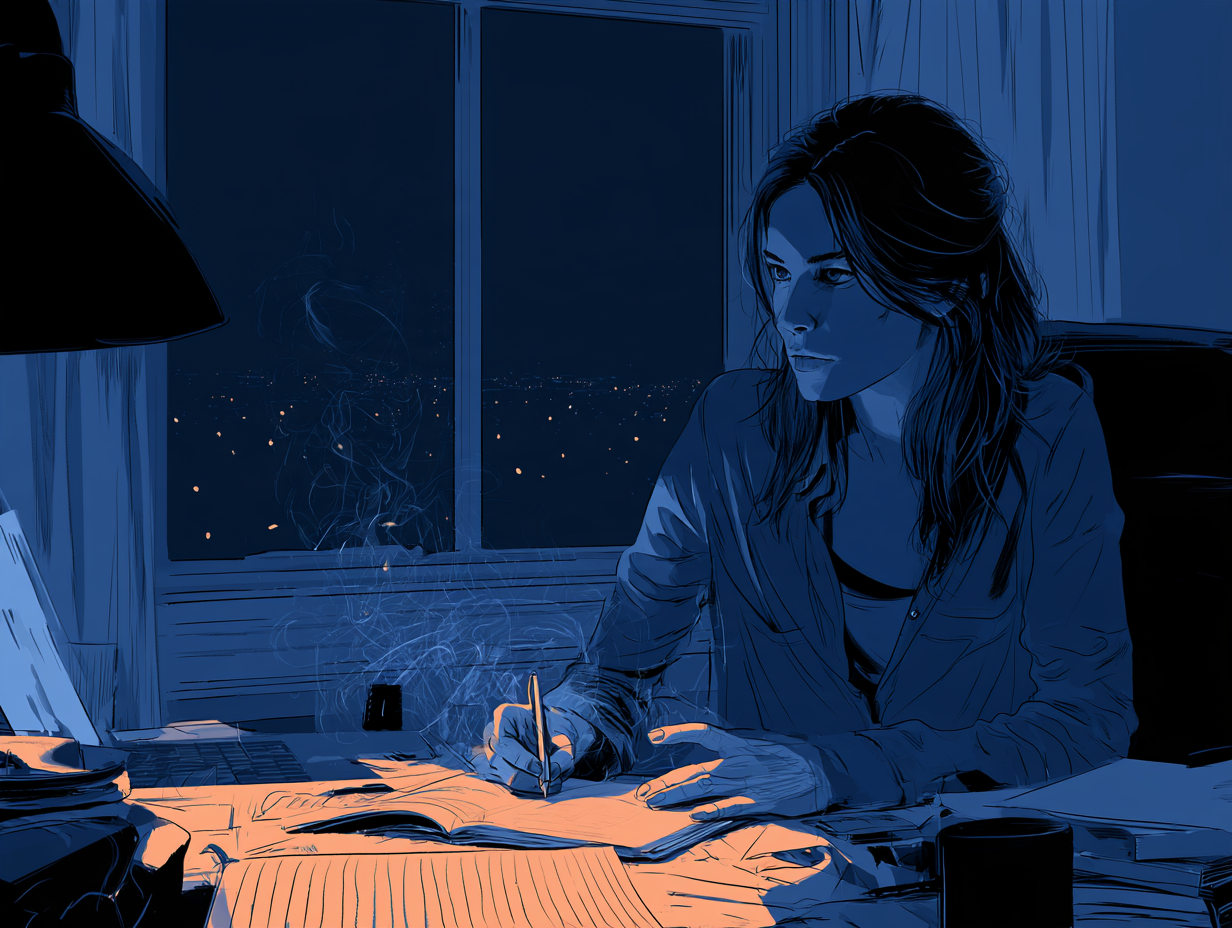
Someone who wakes early for work is not necessarily an early bird. Similarly, a person who stays awake late because of work or entertainment is not automatically a night owl.
Signs of Morning and Evening Chronotypes
Morning-oriented people commonly report feeling alert relatively soon after waking, preferring earlier bedtimes, and finding late-night activities more tiring.
Evening-oriented people often report difficulty becoming alert early in the morning, a preference for later bedtimes, and stronger subjective alertness later in the day.
One useful question is: What sleep schedule would you choose if you had no work, school, or family obligations and could sleep without an alarm?
Consider your usual preferences over several weeks rather than relying on one unusually tiring day. Sleep debt, illness, travel, and irregular schedules can temporarily distort your observations.
How to Assess Your Chronotype
Researchers commonly use validated questionnaires to study morningness and eveningness. One established instrument is the Horne–Östberg Morningness–Eveningness Questionnaire, which assesses preferences related to sleep timing and daily activity.
The Munich ChronoType Questionnaire takes a different approach by examining sleep timing on workdays and free days, including the influence of social schedules.
These instruments can provide more structured information than simply labeling yourself a night owl based on bedtime.
You can also explore your preferences through an early bird or night owl quiz. An online quiz may be useful for self-reflection, but its results should not be treated as a clinical diagnosis or assumed to be equivalent to a validated research questionnaire.
For a practical assessment, keep a sleep diary for one or two weeks. Record when you go to bed, when you estimate falling asleep, when you wake, whether you use an alarm, and how alert you feel throughout the day.
Pay particular attention to days when your schedule is relatively unrestricted. Those observations may offer a clearer picture of your natural preferences.
Can You Be Somewhere in Between?
Yes. Chronotype is a continuum, and many people have intermediate preferences rather than a strongly morning-oriented or evening-oriented pattern.
Someone with an intermediate chronotype may feel comfortable waking around 7:30 a.m., prefer going to bed before midnight, and experience reasonably consistent alertness throughout much of the day.
Chronotype can also shift gradually with age or changes in circumstances. A person who preferred late nights during adolescence may develop an earlier sleep pattern in adulthood.
These changes do not mean the person's earlier preferences were imaginary. They reflect the interaction between biological development and the environment.
Changing Your Sleep Schedule and When to Seek Help
Although chronotype has a biological basis, sleep timing can often be adjusted to some extent. The goal should not be to force everyone into the same schedule. Instead, adjustments should support sufficient sleep, daytime functioning, and realistic daily responsibilities.
Practical Ways to Adjust Your Sleep Schedule
If you want to move your bedtime and wake time earlier, gradual changes are usually easier to maintain than abrupt shifts. Consider moving your schedule by approximately 15–30 minutes at a time, allowing several days to adapt before making another adjustment.
Consistent wake times can help stabilize sleep timing. Morning exposure to outdoor light may also support an earlier circadian schedule, while reducing bright light exposure late in the evening can make earlier sleep more achievable.

Other useful strategies include creating a comfortable sleep environment, limiting caffeine close to bedtime, maintaining regular physical activity, and allowing enough time for sleep.
However, the timing of light exposure matters. For people with significant circadian rhythm sleep disorders, incorrectly timed light treatment may worsen the problem. Melatonin should likewise not be treated as a universal solution because its effects depend on dose, timing, and individual circumstances.
If you work shifts, travel across time zones, or have persistent difficulties adapting to a required schedule, personalized guidance may be more appropriate than generic sleep advice.
When Should You See a Sleep Specialist?
Consider seeking professional evaluation if sleep timing problems persist, interfere with work or relationships, or cause substantial daytime sleepiness despite adequate opportunities for rest.
Other reasons to seek medical advice include chronic difficulty falling asleep, repeated nighttime awakenings, loud snoring accompanied by breathing pauses, or unintended sleep episodes during the day.
A sleep specialist can assess whether your difficulties reflect ordinary chronotype variation, insufficient sleep, insomnia, a circadian rhythm sleep-wake disorder, or another medical condition.
For example, delayed sleep-wake phase disorder involves a persistent delay in sleep timing that causes clinically significant impairment. It is not diagnosed simply because someone enjoys staying awake late.
People who feel sleepy while driving should avoid driving until they are sufficiently alert and should seek appropriate medical advice when the problem is recurrent.
Night Owl vs Early Bird: Practical Comparison
The following table summarizes strategies that may be useful for different chronotypes. These are general considerations rather than universal prescriptions.
| Situation | Night Owl: Potential Strategy | Early Bird: Potential Strategy |
|---|---|---|
| Demanding mental work | Schedule later when possible | Schedule earlier when possible |
| Early work obligations | Protect bedtime and morning light exposure | Maintain a consistent routine |
| Late evening commitments | Preserve sufficient total sleep | Plan recovery time and avoid repeated sleep loss |
| Weekend sleep schedule | Avoid extreme differences from workdays | Avoid unnecessarily shifting bedtime later |
| Persistent sleep difficulties | Seek assessment when functioning is impaired | Seek assessment when functioning is impaired |
Neither chronotype requires a completely different set of health principles. Adequate sleep, consistency, appropriate light exposure, and attention to daytime functioning remain important for everyone.
References
1. American Academy of Sleep Medicine and Sleep Research Society. (2015). Recommended Amount of Sleep for a Healthy Adult: A Joint Consensus Statement.
2. Horne, J. A., & Östberg, O. (1976). A Self-Assessment Questionnaire to Determine Morningness-Eveningness in Human Circadian Rhythms. International Journal of Chronobiology.
3. Jones, S. E., et al. (2019). Genome-Wide Association Analyses of Chronotype in 697,828 Individuals Provides Insights Into Circadian Rhythms. Nature Communications.
4. Roenneberg, T., Wirz-Justice, A., & Merrow, M. (2003). Life Between Clocks: Daily Temporal Patterns of Human Chronotypes. Journal of Biological Rhythms.
5. Wittmann, M., Dinich, J., Merrow, M., & Roenneberg, T. (2006). Social Jetlag: Misalignment of Biological and Social Time. Chronobiology International.
6. National Institute of General Medical Sciences. Circadian Rhythms. Educational information on biological clocks and circadian regulation.
Conclusion
The difference between a night owl and an early bird reflects natural variation in circadian timing. Morning-oriented people generally prefer earlier sleep and wake schedules, while evening-oriented people tend to feel more alert later in the day.
Neither chronotype is inherently superior. Although research has identified associations between evening preference and certain health outcomes, those findings do not prove that being a night owl directly causes poor health. The relationship between chronotype, sleep duration, social obligations, and lifestyle is complex.
Understanding your natural preferences can help you recognize when your schedule supports your well-being and when it creates unnecessary sleep restriction. Rather than trying to become a different type of person, focus on obtaining sufficient sleep, maintaining a reasonably consistent routine, and adapting your schedule when practical.
If your sleep patterns repeatedly interfere with daily life, a healthcare professional can help determine whether an underlying sleep disorder or another health concern requires attention.

Frequently Asked Questions
Is it healthier to be an early bird or a night owl?
Neither chronotype is automatically healthier. Some studies associate evening preference with certain health risks, but these findings do not establish causation. Sufficient sleep, consistent routines, and alignment between sleep timing and daily obligations are important for both types.
Can a night owl become an early bird?
A night owl may be able to shift sleep timing earlier through gradual schedule adjustments and appropriately timed light exposure. However, biological preferences differ, and not everyone can comfortably adopt a strongly morning-oriented schedule. Persistent difficulties may require professional guidance.
Are night owls more intelligent or creative?
There is no reliable basis for concluding that night owls are universally more intelligent or creative than early birds. Cognitive performance depends on many factors, including sleep, task characteristics, individual abilities, and time of day.
How do I know whether I am a night owl or an early bird?
Observe when you naturally prefer to fall asleep, wake up, and perform demanding activities, especially on days without fixed obligations. A sleep diary or a validated morningness-eveningness questionnaire can provide additional insight.
Does chronotype change with age?
Yes. Sleep timing often shifts later during adolescence and gradually becomes earlier during adulthood. Genetics, light exposure, health, and lifestyle also influence individual chronotype patterns.
Is being a night owl the same as having insomnia?
No. Being a night owl means naturally preferring later sleep and wake times. Insomnia involves persistent difficulty sleeping despite adequate opportunity, usually accompanied by daytime impairment. A person can have an evening chronotype without experiencing insomnia.