My Wife Cheated on Me: What to Do Next — Psychologist’s Advice
Discovering that your wife cheated on you can feel like the ground disappeared overnight. Shock, anger, confusion, and a sense of unreality often arrive all at once, making even simple decisions feel impossible.
When my wife cheated, the pain isn’t just about broken rules or trust. It’s a sudden rupture in how you understood your relationship, your future, and often yourself. In the first days after infidelity, your nervous system is usually in crisis mode, which explains why emotions swing, thoughts loop, and sleep or focus fall apart. None of this means you’re weak or “handling it wrong.” It means your mind and body are responding to a perceived threat to safety and attachment.
This article is not about telling you whether to forgive or leave. Instead, it offers psychologist-informed guidance on what actually helps in the early phase, what tends to make things worse, and how to protect yourself emotionally while the shock settles. You’ll learn why the pain feels so intense, how to stabilize yourself before making major decisions, and when professional support can make a real difference.
You don’t have to solve your marriage today. The goal right now is clarity, containment, and support — so that whatever choice you make later comes from steadiness, not survival mode.
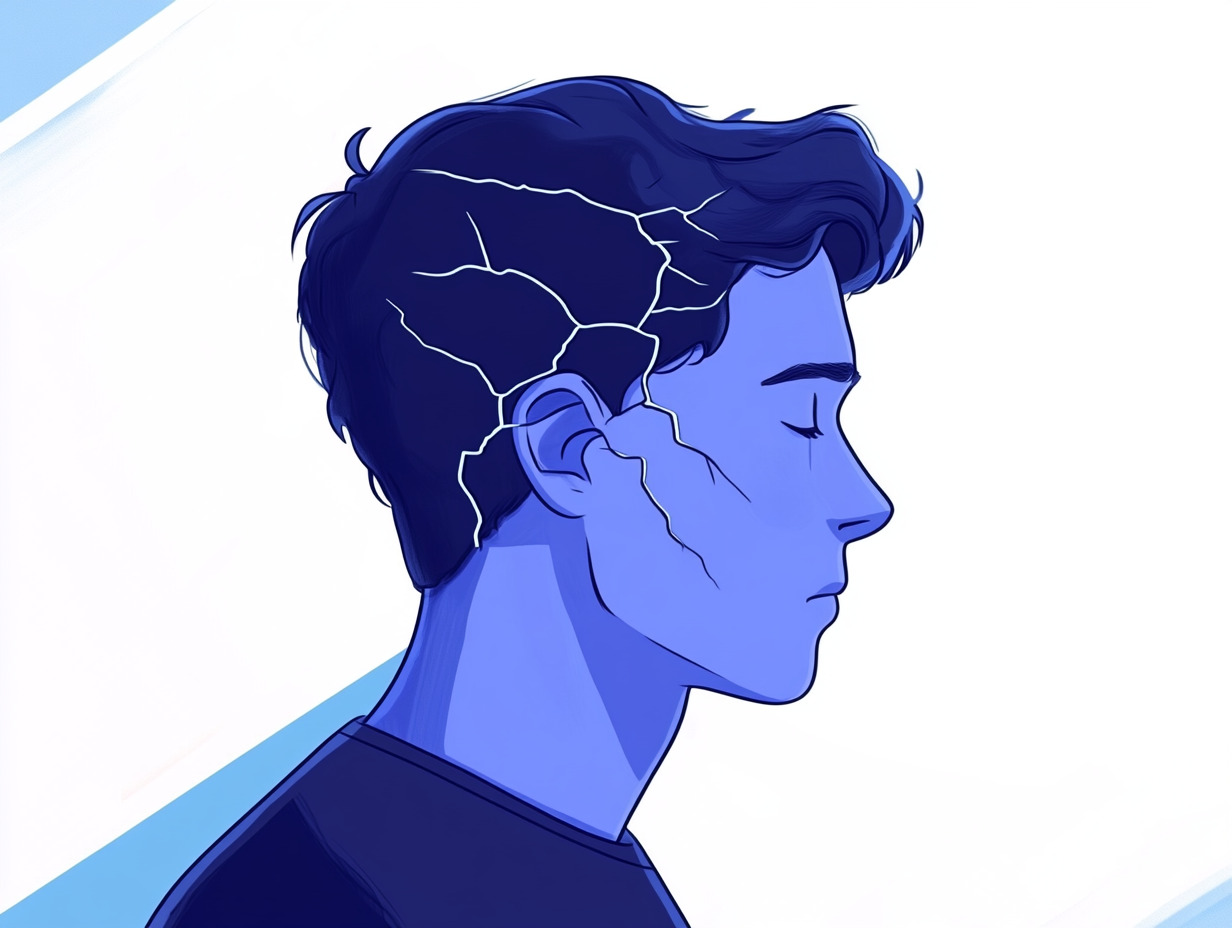
Why My Wife Cheated on Me Hurts So Much
Finding out that your wife cheated often feels less like a relationship problem and more like an internal collapse. The intensity can be confusing. You may wonder why this hurts so deeply, or why your reactions feel so out of proportion to what “actually happened.”
Betrayal as an attachment injury
Here’s the thing: when my wife cheated, the pain isn’t limited to anger or disappointment. It strikes at attachment — the psychological system that helps adults feel safe, connected, and oriented in close relationships. For many people, marriage becomes a primary source of emotional security. When that bond is violated, the mind doesn’t register it as a simple mistake. It registers it as a threat.
According to the American Psychological Association, infidelity often disrupts a person’s basic assumptions about trust, predictability, and emotional safety. You didn’t just lose confidence in your partner’s behavior; you lost confidence in your understanding of reality. That’s why questions like “Was any of it real?” or “How did I miss this?” keep looping. They’re attempts to restore a sense of coherence.
This is also why logic rarely helps at first. Being told to “look at the facts” or “stay calm” misses the point. Attachment injuries are processed emotionally before they’re processed rationally. Until the emotional system settles, clarity stays out of reach.
What happens in your brain and body after infidelity
When you discover that your wife cheated, your body often reacts before your mind can catch up. The National Institute of Mental Health explains that sudden emotional threats activate the body’s fight-flight-freeze response. Heart rate increases. Muscles tense. Cortisol rises. Sleep becomes shallow or fragmented.
Harvard Health researchers note that emotional threats activate the amygdala, the brain’s alarm center. When that system is switched on, the areas responsible for reflection and long-term planning go partially offline. That’s why you might feel stuck replaying conversations, imagining details you never wanted to know, or feeling flooded by waves of anger and grief with no clear trigger.
You may notice hypervigilance — constantly scanning for signs, rereading messages, or analyzing every interaction. This isn’t obsession or weakness. It’s your nervous system trying to prevent another shock.
What often gets missed is that this stress response can linger even if the affair is over. The body doesn’t reset just because new information arrives. It resets gradually, once safety feels believable again.
This is why early self-criticism is so damaging. Telling yourself you should “be over it” or “handle it better” adds shame to an already overloaded system. A more accurate frame is this: you’re responding to a relational rupture that your brain reads as a threat. Stabilization comes first. Meaning comes later.
Is My Reaction Normal After My Wife Cheated?
After discovering that your wife cheated, many people worry less about the relationship and more about themselves. The emotional swings, physical symptoms, and relentless thoughts can feel alarming, as if something inside you has broken.
Common emotional and physical responses
Yes — these reactions are normal. When my wife cheated, the nervous system often stays on high alert, especially in the first weeks. According to the American Psychological Association, intense emotional responses after infidelity are common and expected, particularly when trust and attachment are disrupted.
You might notice emotions that seem to contradict each other. Anger can spike without warning, then fade into numbness or exhaustion. Grief may show up alongside a desire to “just move on.” Some people feel desperate to talk; others withdraw completely. None of this is a sign that you’re unstable. It’s a sign that your system is trying to process a shock.
Physical reactions are common too. Trouble sleeping, loss of appetite, headaches, chest tightness, or constant fatigue often accompany emotional distress. The National Institute of Mental Health explains that acute stress affects both mood and bodily regulation, which is why emotional pain can feel so physical.
Anger, numbness, rumination, and confusion
One of the most distressing responses after infidelity is rumination. Your mind may replay conversations, imagine scenarios, or fixate on unanswered questions. This looping isn’t a failure of willpower. It’s an attempt to regain control and prevent future harm.
Numbness can be just as unsettling. Some people worry that feeling “nothing” means they don’t care or that the relationship never mattered. In reality, emotional shutdown is a common short-term response to overload. It’s the nervous system’s way of conserving energy when feelings feel too big to process all at once.
Confusion often follows. You may question your judgment, your memories, or even your identity within the marriage. That disorientation doesn’t mean you’re losing perspective. It means the story you relied on no longer fits, and your mind hasn’t rebuilt a new one yet.
Here’s an important boundary to keep in mind: short-term emotional instability after discovering infidelity does not mean you have a mental health disorder. Distress becomes a clinical concern when symptoms persist for months, intensify, or significantly impair daily functioning. In the early phase, your reaction is a human response to betrayal, not a diagnosis.
If you catch yourself thinking, “I shouldn’t feel this way,” pause. There is no correct emotional timeline after a rupture of trust. The goal right now isn’t emotional control — it’s understanding what your reactions are trying to protect.
What to Do First After My Wife Cheated
The urge to act immediately after discovering infidelity is powerful. You may feel pressure to confront, decide, explain, or fix everything at once. But when my wife cheated, the most helpful early goal isn’t resolution — it’s stabilization.
What helps in the first days
In the initial phase, your nervous system is still reacting to threat. That means decision-making is unreliable, emotions escalate quickly, and small interactions can feel overwhelming. The priority is to slow things down enough for your body and mind to regain footing.
Start with basics that sound simple but matter more than you think. Eat regular meals, even if your appetite is low. Protect sleep as much as possible, using routines rather than late-night conversations to calm yourself. If work is demanding, aim for “good enough” functioning rather than peak performance. This is not the time to prove resilience.
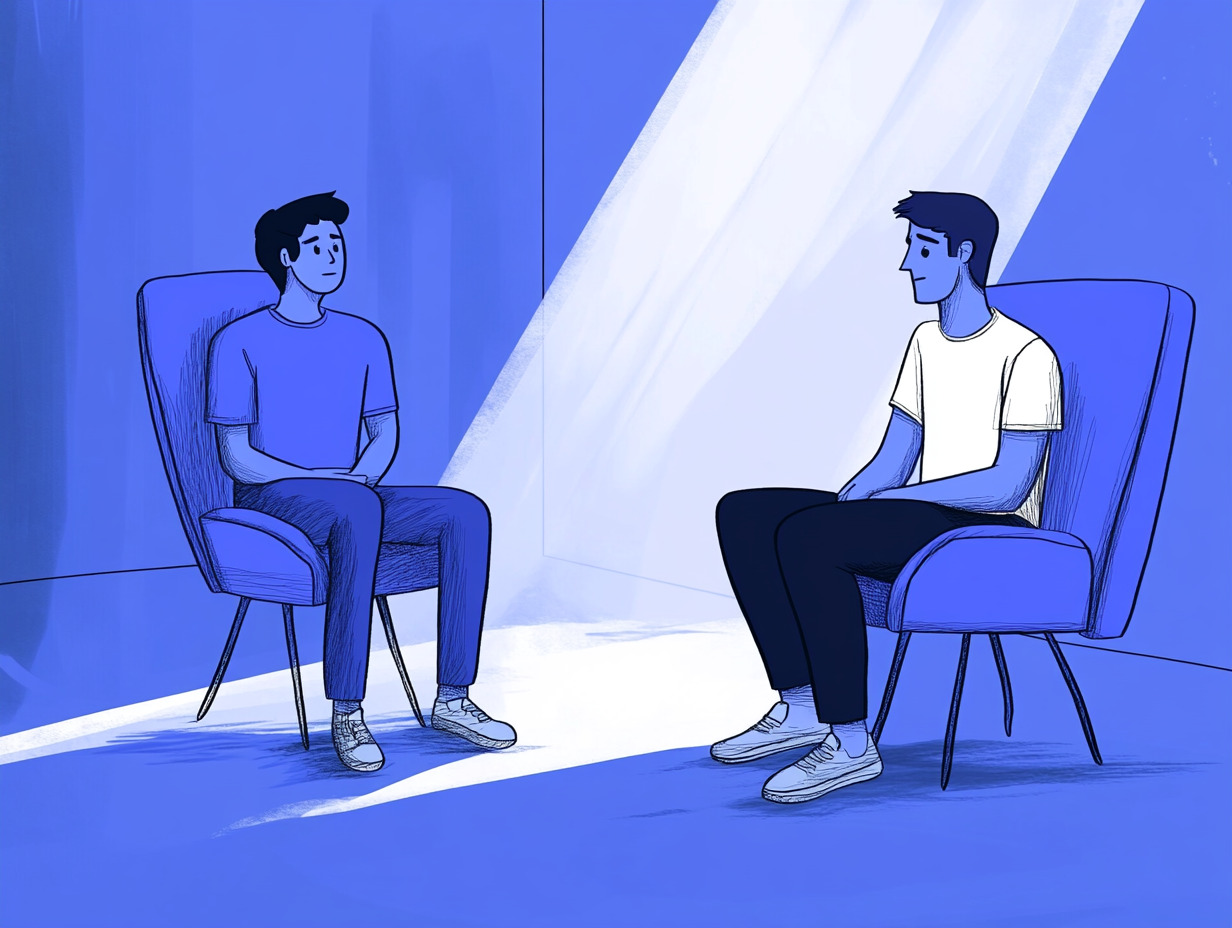
Choose carefully who you talk to. One or two grounded, trustworthy people are usually enough. Oversharing early can backfire, especially if others push you toward decisions you’re not ready to make. You’re allowed to say, “I’m still processing and don’t want advice yet.”
It can also help to put a temporary pause on big relationship conversations. That doesn’t mean avoiding the issue or pretending nothing happened. It means acknowledging that clarity improves when emotional flooding decreases.
What to avoid right now
Certain reactions feel urgent but often increase distress in the long run. Repeatedly replaying details, interrogating for every piece of information, or confronting in moments of peak anger can intensify trauma rather than resolve it. The Gottman Institute notes that early emotional flooding makes it harder to hear, remember, or evaluate information accurately.
Another common trap is forcing a decision too quickly. Deciding to leave or stay while your nervous system is still in crisis can lock you into a path driven by fear rather than values. Pausing is not avoidance; it’s containment.
Below is a comparison of early reactions that often come up after infidelity, and how they tend to affect recovery.
| Reaction | Why it feels tempting | Short-term effect | Longer-term impact |
|---|---|---|---|
| Replaying details repeatedly | trying to regain control and understanding | increases anxiety and emotional flooding | reinforces rumination and distress |
| Immediate confrontation in anger | need for release or answers | brief relief, often followed by regret | escalates conflict and confusion |
| Telling many people right away | seeking validation and support | mixed feedback, added pressure | loss of privacy, increased stress |
| Pausing major decisions | creating emotional space | reduces intensity over time | clearer thinking and boundaries |
| Maintaining basic routines | restoring a sense of normalcy | modest emotional stabilization | supports recovery and resilience |
| Grounding and self-regulation | calming the nervous system | lower emotional spikes | better decision-making later |
Holding a temporary boundary
A helpful mindset in this phase is containment. You’re not deciding the future of your marriage yet. You’re creating enough internal stability to eventually decide well. This may include setting short-term boundaries, such as limiting late-night discussions or asking for time before deeper conversations.
If emotions spike to the point where you feel out of control, stepping back is protective, not avoidant. And if you notice thoughts of hopelessness or feeling emotionally unsafe, reach out for immediate support. In the U.S., you can call or text 988 for the Suicide & Crisis Lifeline. If there is immediate danger, call 911.
Should I Leave or Stay After My Wife Cheated?
Once the initial shock settles, a harder question usually takes over: should you leave or stay? After my wife cheated, this decision can feel urgent, as if clarity itself will end the pain. In reality, rushing this choice often deepens confusion rather than resolving it.
Why rushing decisions can backfire
Infidelity creates emotional flooding. When stress hormones are high, the brain prioritizes immediate relief over long-term values. That’s why one day you may feel certain you’re done, and the next you might want closeness or reassurance. These swings don’t mean you’re indecisive. They mean your nervous system hasn’t stabilized yet.
According to relationship research summarized by the American Psychological Association, major relational decisions made during acute emotional distress are more likely to be regretted later. Early certainty often fades once emotions regulate. What feels like “clarity” in the moment may actually be an attempt to escape pain.
It can help to separate deciding from preparing to decide. Preparing means gathering emotional stability, information, and support. Deciding comes later, when your reactions are less driven by survival mode.
How to set emotional boundaries
Boundaries in this phase are not ultimatums. They are temporary structures that protect you while you regain balance. This might include limiting conversations to specific times, asking for space when emotions escalate, or postponing discussions that spiral into blame without resolution.
Boundaries also apply internally. Notice when your mind pushes you toward all-or-nothing thinking: “If I don’t leave now, I’m weak,” or “If I stay, I’m betraying myself.” These thoughts add pressure without offering clarity. A more helpful frame is: “I don’t have to decide today to respect myself.”
Setting boundaries doesn’t require certainty about the future of the marriage. It requires honesty about what you can handle right now.
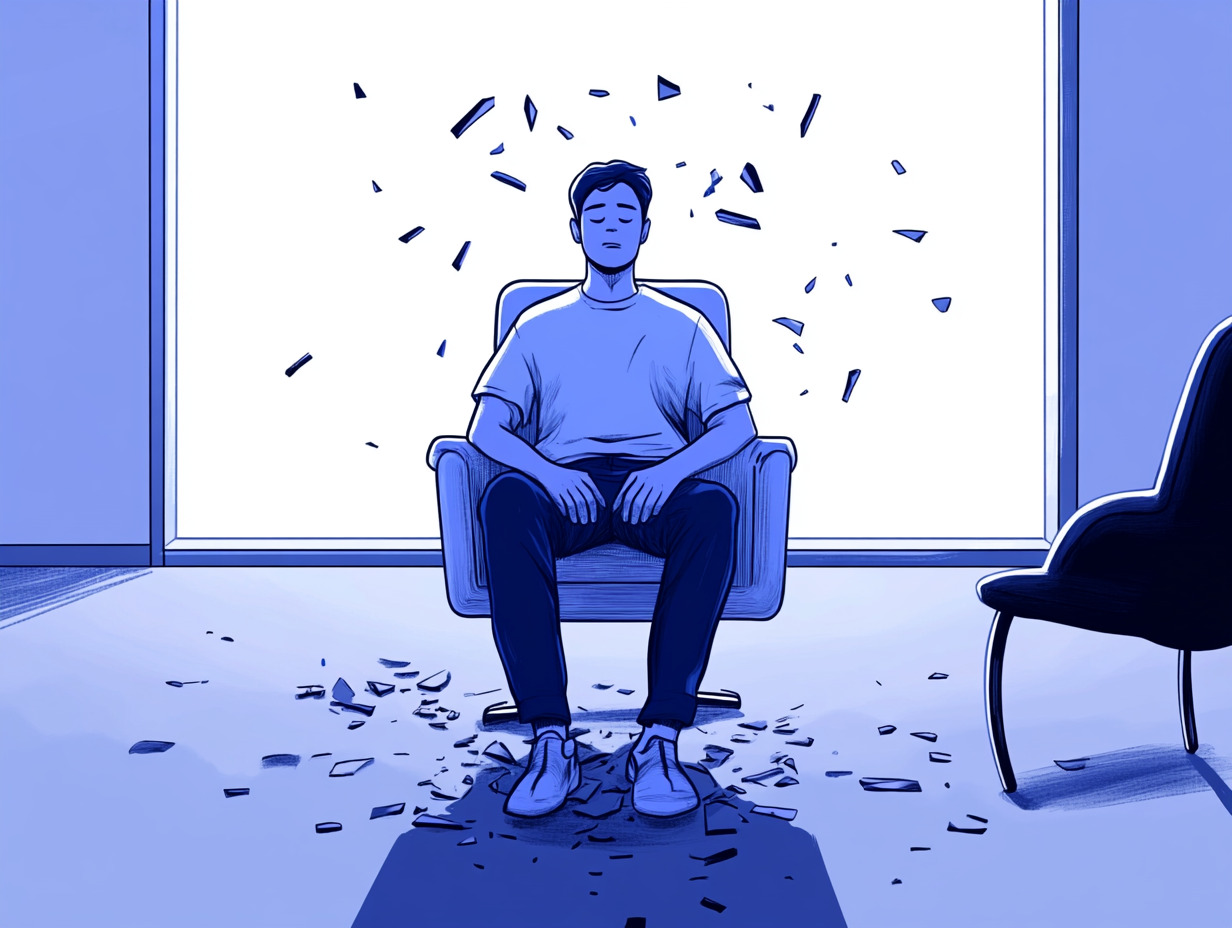
When confrontation helps — and when it doesn’t
Many people feel compelled to confront immediately, hoping answers will bring relief. Sometimes, a calm, contained conversation can reduce anxiety and stop the mind from filling in gaps. Other times, confrontation during peak anger intensifies harm.
Confrontation tends to help when emotions are regulated enough to listen, not just react. It tends to hurt when it becomes an interrogation or a release of built-up rage. If every conversation ends with more confusion, it may be a sign that you need support or more distance before continuing.
Here’s the key point: choosing not to confront immediately is not avoidance. It’s a strategy to ensure that when you do talk, the conversation serves clarity rather than escalation.
Staying or leaving after infidelity is not a test of strength or self-respect. It’s a complex decision shaped by safety, values, accountability, and capacity for repair. Giving yourself time to stabilize is not delaying the truth. It’s protecting your ability to see it clearly.
Can a Marriage Recover After My Wife Cheated?
After the shock and anger, another question often surfaces quietly: can a marriage actually recover after infidelity, or is the damage permanent? When my wife cheated, it’s natural to look for certainty — some clear sign that reconciliation will either work or fail. In reality, recovery is possible for some couples, but it is never automatic.
What rebuilding trust actually involves
Trust doesn’t return because time passes or because someone says they’re sorry. It rebuilds through consistent, observable change over time. That process is slow, uneven, and emotionally demanding for both partners.
Rebuilding trust usually involves accountability rather than explanations. This means acknowledging harm without minimizing it, answering questions without defensiveness, and accepting that the injured partner may need reassurance long after the affair itself has ended. According to clinicians and relationship researchers, trust grows when actions repeatedly align with words, especially during moments of tension.
It also requires space for anger and grief. Forgiveness, if it happens at all, comes later. Pushing it too early often backfires, because unprocessed emotions tend to resurface as resentment or emotional withdrawal.
When couples therapy makes sense
Couples therapy can be helpful after infidelity, but timing matters. Entering therapy while emotions are still flooding often leads to stalled sessions and repeated conflict. Many clinicians recommend individual stabilization first, especially for the partner who was betrayed.
When couples therapy does begin, approaches such as Emotionally Focused Therapy focus on repairing attachment injuries rather than assigning blame. Therapy doesn’t decide whether a marriage should continue. It helps both partners understand patterns, assess accountability, and determine whether repair is emotionally safe and realistic.
It’s also important to know what therapy cannot do. It cannot force trust, guarantee reconciliation, or erase the impact of betrayal. What it can do is create a structured environment where honesty, boundaries, and emotional safety are possible.
When separation may be healthier
Reconciliation is not always the most psychologically protective option. In some cases, separation reduces ongoing harm — particularly when there is continued dishonesty, lack of accountability, or emotional manipulation.
Choosing separation does not mean the marriage failed because you “didn’t try hard enough.” It may mean that the conditions required for repair are not present. Psychological health improves when people stop trying to heal in environments that repeatedly retraumatize them.
To clarify the differences, the table below outlines key psychological considerations on both paths.
| Aspect | Reconciliation path | Separation path | Clinical notes |
|---|---|---|---|
| Emotional safety | rebuilt gradually through consistency | created through distance and boundaries | safety is a prerequisite for healing |
| Trust rebuilding | requires time, transparency, accountability | trust shifts toward self and support systems | neither path restores trust instantly |
| Time and effort | long-term, emotionally demanding | intense early adjustment, then stabilization | both involve grief and adaptation |
| Impact on identity | reworking roles within the marriage | redefining self outside the relationship | identity disruption is common |
| Role of therapy | supports repair and communication | supports grief and transition | therapy helps in both paths |
When to See a Psychologist After Infidelity
After discovering that your wife cheated, many people hesitate to seek professional help. You might tell yourself that this is a relationship issue, not a psychological one, or that you should be able to handle it on your own. In reality, therapy after infidelity is less about weakness and more about stabilizing yourself during a major emotional rupture.
Individual therapy vs. couples therapy
In the early phase, individual therapy is often the most helpful starting point. When my wife cheated, emotions tend to be intense and unpredictable, which makes it difficult to think clearly or communicate effectively. Individual work focuses on helping you regulate emotional responses, reduce rumination, and regain a sense of internal stability before making major decisions.
Couples therapy usually becomes more productive later, once emotional flooding has decreased. At that stage, therapy can help clarify whether rebuilding trust is realistic and whether both partners are willing to engage in sustained repair. Many clinicians caution against starting couples therapy too early, because sessions can turn into repeated conflict rather than constructive dialogue.
What therapy can and cannot do
Therapy can help you understand your reactions, set boundaries, and slow down decision-making so choices are not driven by panic or shame. It can also provide a neutral space to explore whether staying, separating, or taking a pause aligns with your values and emotional capacity.
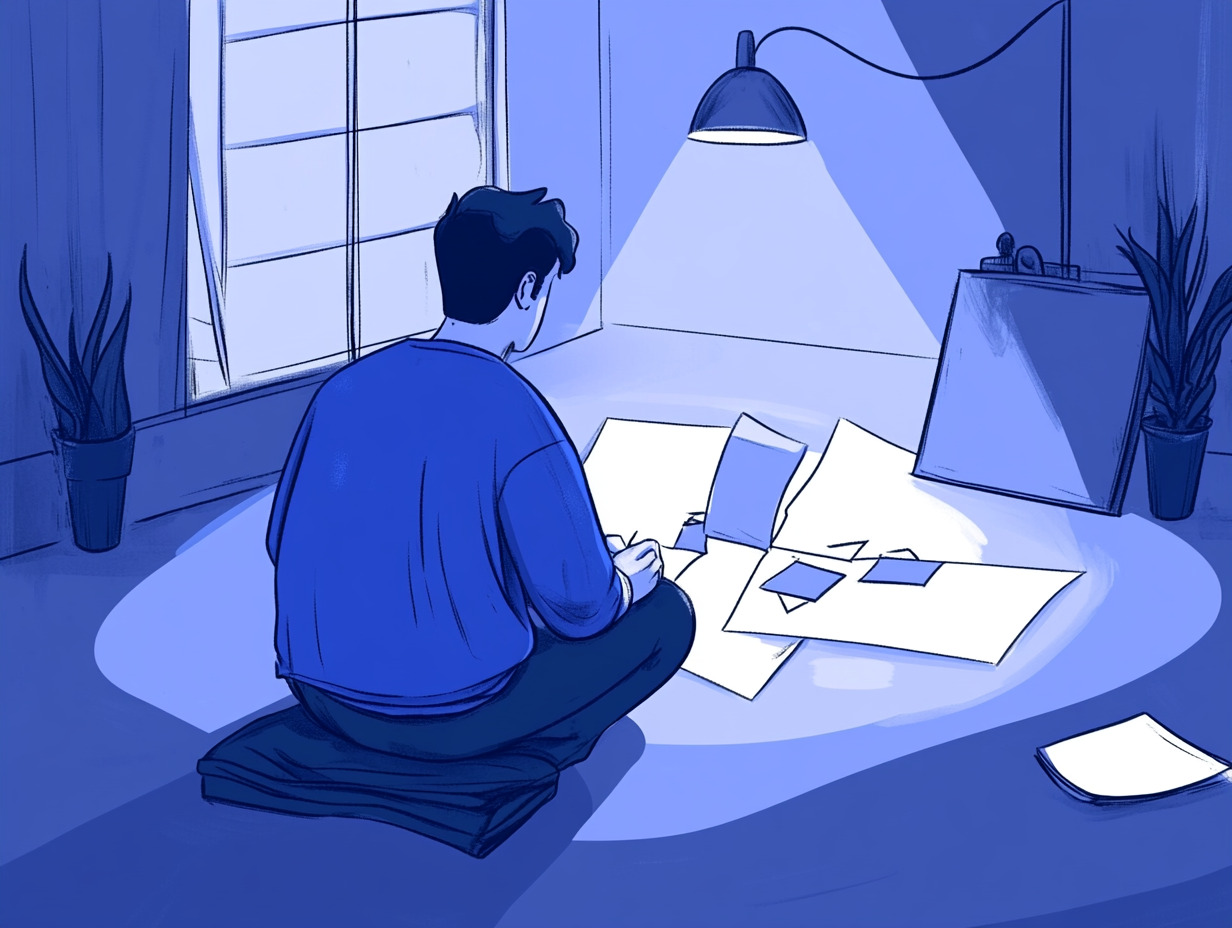
What therapy cannot do is tell you what decision to make. A psychologist’s role is not to push reconciliation or separation, but to support clarity and emotional safety. Therapy also cannot remove pain instantly. Recovery from betrayal takes time, even with support.
Accessing therapy in the U.S.
In the United States, therapy after infidelity is widely available through in-person and telehealth options. Many health insurance plans cover outpatient mental health services, though copays and provider networks vary. Some people choose out-of-network providers for greater privacy, while others use employee assistance programs or community clinics to reduce cost.
If distress begins to feel unmanageable — especially if you notice persistent hopelessness, thoughts of self-harm, or an inability to function at work or home — immediate support is essential. You can call or text 988 to reach the Suicide & Crisis Lifeline, available 24/7 in the U.S. If you or someone else is in immediate danger, call 911.
References
1. American Psychological Association. Infidelity: Causes, Consequences, and Recovery. 2023.
2. National Institute of Mental Health. Stress. 2023.
3. Harvard Health Publishing. Understanding the Stress Response. 2022.
4. Gottman Institute. Coping With Infidelity. 2022.
5. Substance Abuse and Mental Health Services Administration. 988 Suicide & Crisis Lifeline. 2023.
Conclusion
Discovering infidelity can shake your sense of safety, identity, and direction all at once. The intensity of the reaction does not mean you are failing — it means your mind and body are responding to a rupture in trust and attachment.
In the early phase, the most protective steps are slowing down, stabilizing yourself, and avoiding irreversible decisions made in emotional overload. Clarity comes later, after your nervous system has had a chance to settle. Whether you eventually choose reconciliation, separation, or a period of pause, that choice deserves to come from steadiness rather than survival mode.
Support matters. Individual therapy, and later couples therapy when appropriate, can help you process what happened and decide what is healthiest moving forward. You do not have to navigate this alone. And if at any point distress feels overwhelming or unsafe, immediate help is available — call or text 988 in the U.S., or 911 if there is immediate danger.
Frequently Asked Questions
Is it normal to feel this overwhelmed after my wife cheated on me?
Yes. Discovering infidelity often triggers shock, anger, grief, and confusion all at once. These reactions are common responses to a rupture in trust and emotional safety, not a sign that something is wrong with you.
How long does it take to recover emotionally from infidelity?
There is no fixed timeline. Many people notice gradual improvement over months rather than weeks, especially when they have support. Emotional recovery depends on safety, support, and whether ongoing stressors are reduced.
Should I confront my wife immediately after discovering cheating?
Not necessarily. Confrontation during peak emotional intensity can escalate harm and confusion. Many psychologists recommend pausing until emotions are more regulated so conversations can support clarity rather than conflict.
Can trust really be rebuilt after infidelity?
In some relationships, yes — but only with sustained accountability, transparency, and time. Rebuilding trust is a process, not an event, and it is not possible in every situation.
Do I need to see a psychologist if my wife cheated?
Many people benefit from individual therapy after infidelity, especially when emotions feel overwhelming or decisions feel paralyzing. Therapy can help stabilize reactions and support clearer thinking.
What should I do if I feel hopeless or emotionally unsafe?
If distress escalates to hopelessness or thoughts of self-harm, seek immediate support. In the U.S., you can call or text 988 to reach the Suicide & Crisis Lifeline. If there is immediate danger, call 911.