My Husband Is Annoying Me — What a Psychologist Recommends
It’s a strange kind of frustration - loving someone deeply and still feeling irritated by the smallest things they do. Maybe it’s how he leaves dishes in the sink, or the way he checks his phone mid-conversation. If you’ve ever found yourself Googling “my husband is annoying me”, you’re not alone. Most couples go through cycles of irritation, especially when stress and daily routines pile up.
Here’s the thing: feeling annoyed doesn’t mean your marriage is broken or that love has disappeared. It often signals unmet needs, stress overflow, or simple emotional fatigue - all things that can be understood and improved.
In this guide, we’ll unpack why these moments happen, what quick resets can stop an argument before it starts, and when it might help to reach out for professional support. The goal isn’t to blame or “fix” anyone - it’s to make space for both partners to breathe, communicate, and reconnect in healthier ways.
Why Does My Husband Annoy Me So Much? Understanding the Real Triggers
You might love your husband deeply and still find yourself gritting your teeth over something small - the way he chews, the way he drives, the endless sports commentary. That momentary irritation can feel irrational, but in most relationships, it’s actually a form of emotional feedback.
Here’s the thing: annoyance is often the tip of a much larger emotional iceberg. Underneath it, you may find exhaustion, resentment, or a need that hasn’t been voiced. For instance, irritation about “him never helping around the house” might really point to a desire for fairness or partnership.
Common psychological mechanisms
According to research highlighted by the American Psychological Association (APA), marital irritation often stems from perceived inequity or emotional disconnection, not from the minor behaviors themselves. Over time, couples unconsciously develop “micro-triggers” - small actions tied to a history of feeling unseen or unheard.
Let’s unpack a few common psychological triggers:
- Emotional fatigue: After work or childcare, even neutral behaviors can feel amplified when your stress is maxed out.
- Projection: Sometimes, what we find annoying in a partner mirrors what we struggle with ourselves.
- Routine overload: Repetition dulls our sense of novelty and makes quirks feel like irritants.
- Control needs: When life feels unpredictable, controlling small things (like how towels are folded) can temporarily soothe anxiety.
Even so, these triggers don’t mean you’re “too sensitive.” They mean your body and mind are signaling overload or imbalance.
Attachment and emotional cycles
From an attachment perspective, according to Harvard Health Publishing, recurring annoyance can emerge when one partner seeks connection while the other unconsciously withdraws - a dynamic known as pursue-withdraw. This doesn’t make either person “the problem.” It simply shows that the relationship’s communication loop needs adjustment.
When your nervous system senses distance, it reacts - through irritation, sighs, or passive comments. It’s a protection reflex, not an attack. But without naming what’s underneath (“I feel lonely when you scroll during dinner”), irritation can spiral into contempt, one of the strongest predictors of relational distress according to marriage researcher Dr. John Gottman.

Cognitive distortions that intensify annoyance
Sometimes, thinking patterns quietly magnify irritation:
- Mind reading: “He’s ignoring me on purpose.”
- All-or-nothing thinking: “He always does this.”
- Labeling: “He’s lazy.”
- Catastrophizing: “If he doesn’t change, I can’t stay married.”
Recognizing these distortions - a key element of cognitive-behavioral therapy (CBT) - helps couples respond from awareness rather than reactivity.
Short-term irritation is normal, but chronic anger, contempt, or emotional withdrawal can harm both partners’ mental health. If conflict escalates to yelling, humiliation, or fear, this may indicate emotional abuse. In a crisis, call or text 988. If there’s immediate danger, call 911.
The role of stress and environment
External stress plays a big role, too. Studies from the National Institutes of Health (NIH) show that when individuals face chronic work stress or sleep deprivation, they have lower emotional regulation capacity. That means the same behavior that’s mildly annoying on a good day can feel unbearable during exhaustion.
That’s why couples often argue more during transitions - after a move, job change, or after having a child. The relationship isn’t “worse”; it’s under higher environmental load.
Micro-repair moments
You can begin diffusing irritation by introducing micro-repairs - brief gestures that reset connection before things spiral:
- Pausing to breathe before responding.
- Using humor or a touch to de-escalate.
- Saying, “I’m overwhelmed right now - can we talk later?”
These simple steps prevent temporary annoyance from turning into chronic resentment.
How to Manage Annoyance Without Starting a Fight
When you feel annoyed by your husband, the goal isn’t to suppress your feelings - it’s to respond intentionally instead of reactively. Small, consistent regulation strategies can help you express what you need without fueling more conflict.
Here’s the thing: emotional self-regulation is a skill, not a personality trait. Even the most patient people lose their cool when they’re tired, overstimulated, or unheard. The key is learning to pause before the automatic reaction takes over.
Below are five therapist-approved strategies that help manage irritation and reduce tension in everyday interactions.
1. Name what’s happening - not who’s to blame
Annoyance grows when it’s ignored or blamed on character flaws (“You’re so inconsiderate”). Try identifying the behavior and your internal state instead:
“When you turn on the TV right after dinner, I feel disconnected.”
That sentence does three things: it focuses on a specific moment, names your emotion, and avoids attack language. The American Psychological Association (APA) emphasizes “I-statements” as one of the most effective ways to de-escalate domestic communication.
If you can, pause for 5–10 seconds before responding to a trigger. It gives your prefrontal cortex - the part of the brain responsible for impulse control - time to reengage after emotional activation.
2. Check your physical stress level
Sometimes it’s not your partner - it’s your body. According to the National Institutes of Health (NIH), fatigue, hunger, and cortisol spikes can all reduce tolerance for everyday stress. Before reacting, ask:
- Have I eaten?
- Am I overtired or overstimulated?
- Did something else frustrate me earlier?
Meeting your physical needs first often softens your emotional reaction. A brief walk, slow breathing, or even hydration can reduce irritation more effectively than confrontation.
3. Reframe “he’s annoying” into “this is hard for me right now”
It sounds small, but this cognitive shift is powerful. Cognitive-behavioral therapy (CBT) teaches that changing internal phrasing reduces emotional charge.
When you think, “He’s so annoying,” your brain prepares for battle. When you think, “This behavior is hard for me when I’m tired,” you shift into problem-solving mode. The irritation becomes manageable, not moral.
It’s okay to need boundaries. What helps is setting them calmly - “Could we agree to finish our phones before bed?” - instead of emotionally - “You’re always glued to your screen!”
4. Introduce micro-calming techniques before discussions
You can’t have a productive talk from a flooded nervous system. When irritation spikes:
- Ground: Place both feet flat and notice three things you see.
- Breathe: Inhale for 4, hold for 2, exhale for 6.
- Delay: Take five minutes apart before continuing the conversation.
These steps lower physiological arousal, making repair possible. The Gottman Institute found that couples who take short breaks before conflict recover faster and are less likely to resort to contempt or defensiveness.
Taking space isn’t avoidance - it’s regulation. Tell your partner, “I need a minute to cool down so I can talk calmly,” and always return to the topic once grounded.
5. Focus on repair, not perfection
No relationship stays free of annoyance. What defines stability isn’t the absence of irritation but the ability to repair quickly. After an argument, circle back with something small:
“I know I got snappy earlier - thanks for being patient.”
This simple acknowledgment reestablishes emotional safety. According to Harvard Health Publishing, small repair gestures (touch, humor, validation) activate oxytocin, a bonding hormone that can restore connection after stress.
Even humor has its place - a shared laugh releases tension and reminds both of you you’re on the same team, not opponents.
When self-regulation isn’t enough
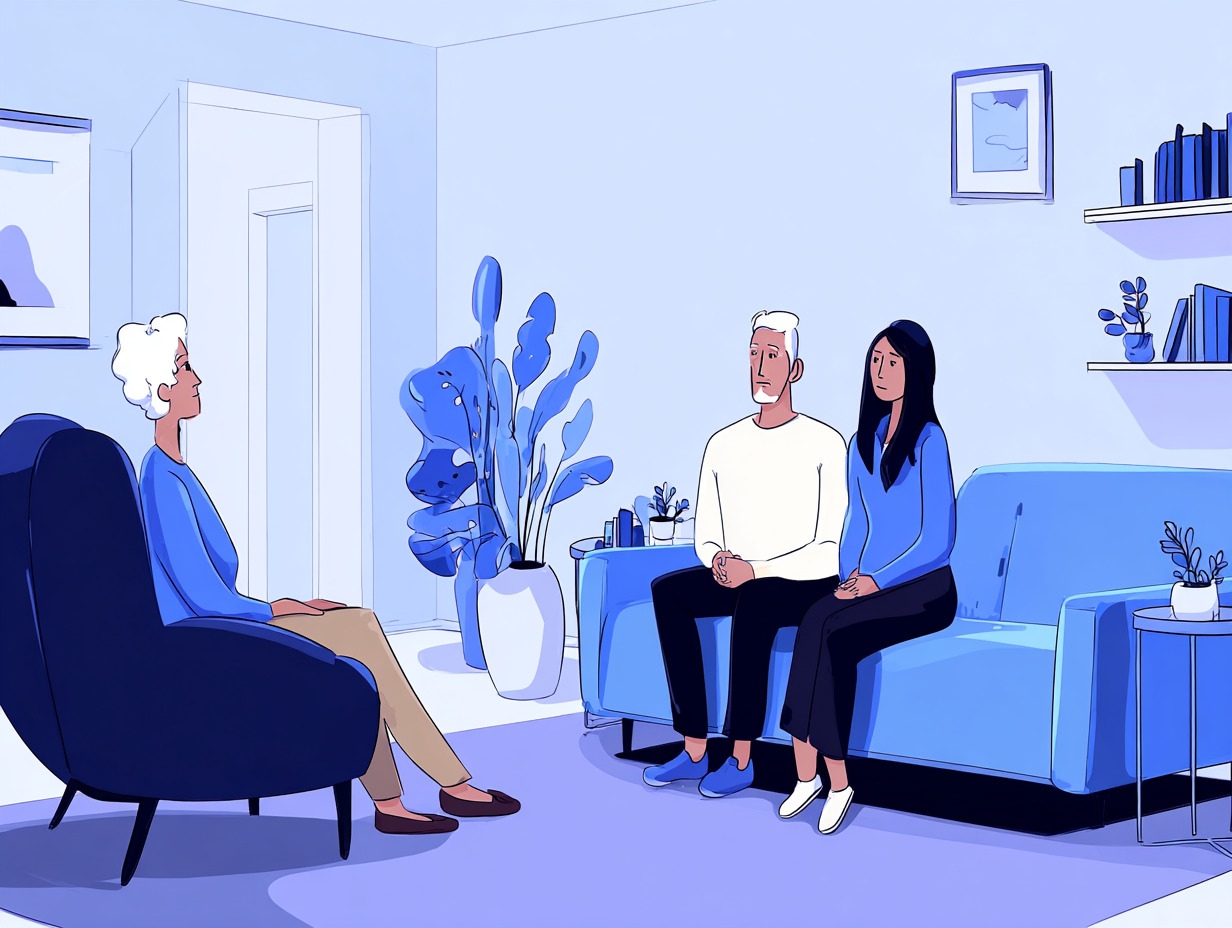
If irritation feels constant - like everything your spouse does grates on you - it may signal deeper issues such as emotional burnout, unresolved resentment, or unmet needs. That’s when professional support can help.
Couples therapy (especially Emotionally Focused Therapy or CBT-based relationship work) can help you both understand patterns and rebuild healthy communication. You can find a licensed therapist in your state via Psychology Today, your insurance provider’s directory, or telehealth platforms that comply with HIPAA privacy standards.
Irritation is one thing - fear is another. If your partner’s behavior involves control, humiliation, or physical aggression, this moves beyond “annoyance” into possible abuse. You deserve safety and support. In the U.S., you can call or text 988 or contact the National Domestic Violence Hotline at 1-800-799-SAFE (7233).
When Annoyance Turns Into Resentment - And What to Do About It
Occasional annoyance is part of every marriage, but when it lingers or grows into resentment, it may signal emotional distance or unspoken hurt. Learning to recognize these deeper signs early helps protect connection before bitterness sets in.
Ever felt that the little things your husband does now seem bigger than they should? When rolling your eyes becomes automatic, it’s no longer about the shoes by the door - it’s about emotional buildup. Resentment is what happens when small irritations go unspoken long enough to form a wall between partners.
Here’s the thing: resentment is often silent at first. You might still go through daily routines - dinner, chores, sleep - but beneath that, there’s a quiet withdrawal of warmth. And over time, that silence becomes a louder threat to intimacy than any argument could be.
How resentment grows
The Gottman Institute, known for decades of relationship research, identifies four communication behaviors that predict marital breakdown: criticism, defensiveness, stonewalling, and contempt. Annoyance often starts with criticism - “Why can’t you ever…?” - and, if unchecked, can slide toward contempt, the most damaging stage.
Resentment builds gradually through:
- Unspoken expectations: assuming your partner “should just know” what you need.
- Scorekeeping: tracking who’s right, who contributes more, or who apologizes less.
- Emotional invalidation: feeling dismissed when you try to express frustration.
- Lack of repair: never revisiting arguments to find closure.
Over time, emotional closeness erodes - replaced by tension, sarcasm, or numb coexistence.
Recognizing the emotional red flags
Resentment shows up in subtle ways before it becomes visible conflict. Ask yourself:
- Do I avoid small talk or humor with my partner?
- Do I feel more irritated than affectionate most days?
- Do I replay past arguments mentally?
- Does physical affection feel forced or distant?
If several of these feel familiar, that doesn’t mean your relationship is doomed - it means it’s signaling a need for reconnection and repair. According to Harvard Health Publishing, emotional withdrawal is often reversible with early intervention and intentional effort.
The emotional cost of staying stuck
Prolonged resentment doesn’t just hurt the relationship - it impacts individual well-being too. Studies cited by the American Psychological Association (APA) show that chronic marital conflict is linked to elevated cortisol levels, sleep problems, and symptoms of anxiety or low mood.
That’s why “toughing it out” in silence often backfires. Emotional suppression keeps the body in a low-grade stress state, leading to irritability, fatigue, and reduced empathy - which, ironically, make partners even more annoying to each other.
Steps to address resentment early
If you notice growing distance, here are some grounded, research-backed approaches to restore balance:
- Reopen curiosity. Ask open-ended questions again - “What’s been stressing you out lately?” or “How do you feel about our evenings together?” Genuine curiosity rebuilds empathy and signals emotional safety.
- Reintroduce positive interactions. Gottman’s “5:1 ratio” suggests stable couples have five positive moments (humor, kindness, appreciation) for every negative one. Try consciously adding small positives daily - a compliment, touch, or inside joke.
- Use time-outs wisely. When irritation spikes, pause with intention: “I need ten minutes to calm down so I don’t say something hurtful.” According to Cleveland Clinic, structured cool-downs lower emotional flooding and improve communication quality.
- Consider couples therapy. Persistent resentment often needs guided dialogue to unpack safely. A licensed marriage and family therapist (LMFT) or clinical psychologist can help both partners express underlying emotions without blame. Many couples report improvement after just a few sessions when they feel heard and supported.
If your partner dismisses your boundaries, uses guilt, or invalidates your feelings repeatedly, that’s not “normal marital irritation.” It may reflect a pattern of emotional manipulation. In those cases, individual therapy can help you clarify needs and decide what safety and respect should look like in your relationship.
If you ever feel unsafe or controlled, contact 988 or the National Domestic Violence Hotline (1-800-799-7233).
What healing looks like
Recovery from resentment doesn’t happen through one deep talk - it happens through small daily shifts. The tone softens, laughter returns, and you notice moments of tenderness again. The core of love reemerges not because the annoyances disappear, but because they lose their emotional weight.
Sometimes the biggest breakthrough comes from realizing: your husband isn’t your enemy - he’s another person struggling to connect under stress, just like you.
When both partners start viewing annoyance as a signal instead of an insult, genuine repair begins.
When to See a Therapist About Marital Irritation
Here’s the truth: waiting until a relationship feels unbearable before getting help is like calling the plumber only after the ceiling caves in. Early therapy intervention often prevents years of accumulated tension and emotional distance.
So, how do you know when “normal frustration” has crossed into “we might need help”? Let’s look at a few practical indicators - both emotional and behavioral - that suggest a conversation with a licensed therapist could make a real difference.
Signs that self-help isn’t enough
- You argue in circles without resolution. If every discussion feels like déjà vu - the same fight in different words - that’s a sign the communication pattern itself may need guidance to shift.
- You feel emotionally drained rather than supported. When every interaction leaves you tense, sad, or resentful instead of comforted, it often means emotional safety has eroded. A neutral professional can help both partners identify unmet needs and rebuild trust.
- You’ve stopped trying to talk about it. Avoidance or “walking on eggshells” is a stronger indicator of relational burnout than frequent arguments. According to the American Psychological Association (APA), emotional withdrawal is one of the earliest warning signs of relational breakdown.
- Physical or emotional intimacy feels distant. This doesn’t just mean sex - it includes touch, humor, shared curiosity, or empathy. When closeness feels like a chore or obligation, therapy can help uncover why.
Who to reach out to
In the United States, you have several options depending on your needs and insurance coverage:
| Professional Type | Credentials | Focus |
|---|---|---|
| LMFT (Licensed Marriage & Family Therapist) | Master’s-level clinician trained in couples and family systems | Relationship and communication patterns |
| Psychologist (Ph.D./Psy.D.) | Doctoral-level clinician | In-depth emotional, behavioral, and cognitive factors |
| LCSW / LPC / LMHC | Licensed clinical social worker / counselor | Emotional regulation, stress, and communication |
| Psychiatrist (M.D.) | Medical doctor | Can prescribe medication if mood or anxiety symptoms are severe |
Practical Tools to Reconnect When Your Husband Annoys You
Here’s the thing: “fixing” annoyance isn’t about becoming endlessly tolerant. It’s about regulating your own reactions so irritation doesn’t hijack connection. Below are simple, therapist-backed exercises you can try alone or together, designed to reduce reactivity and restore warmth.
1. The two-breath reset
Before responding to a frustrating comment, take two full breaths - in through the nose, out through the mouth - and silently ask yourself, “Is what I’m about to say helpful or just reactive?”
This simple mindfulness practice interrupts the brain’s amygdala response - the part that triggers fight-or-flight - and re-engages the prefrontal cortex, which governs logic and empathy. According to the American Psychological Association (APA), short, conscious pauses during conflict significantly lower physiological arousal and improve communication outcomes.
Try it once a day in neutral moments too - during coffee, traffic, or chores. The more you practice calm awareness outside arguments, the easier it becomes when tension hits.
2. The “assume goodwill” experiment
Many therapists use this CBT-style reframe: for one week, consciously assume your partner isn’t trying to irritate you on purpose.
When he forgets to do the dishes, mentally replace “He doesn’t care” with “He probably didn’t notice.” This doesn’t excuse the behavior - it changes your internal story. And that small shift can dramatically soften tone and body language.
In a Stanford Medicine review on emotional bias, researchers found that attributing positive intent reduces conflict escalation and boosts relationship satisfaction over time.
3. Micro-gratitude and the 5:1 rule
Remember the Gottman Institute’s “5 positive moments for every 1 negative”? That ratio is key for long-term stability.
To apply it, jot down one thing your husband does each day that’s not annoying - even tiny gestures count: refilling your coffee, fixing something, making you laugh.
Gratitude reorients attention away from frustration toward appreciation, rewiring the brain’s default mode network to notice more positives. Over time, it trains your perception to view your spouse through a balanced - not critical - lens.
Try this: End each night with one short text or sentence aloud:
“Thanks for making dinner tonight - I really liked it.”
That single moment can soften an entire week’s tension.
4. Set “irritation boundaries” for yourself
Healthy couples don’t avoid conflict; they manage how it unfolds. You can create internal rules like:
- “No serious talks after 9 p.m.” (when fatigue spikes reactivity)
- “If I raise my voice, I’ll pause the conversation.”
- “If we’re both frustrated, we take five minutes apart.”
These micro-agreements protect the relationship from heat-of-the-moment damage. The Cleveland Clinic reports that structured boundaries lower stress hormones and improve problem-solving capacity during conflict.
Boundaries are not about control - they’re about emotional regulation. They keep both partners accountable for their own behavior instead of trying to manage each other’s.
5. Plan neutral connection time
It’s easy for irritation to dominate the atmosphere if every shared moment turns into logistics or complaints. Rebuild neutral connection - time together with no agenda or deep talk.
That could mean:
- Cooking a new recipe together.
- Taking a short walk after dinner.
- Listening to a podcast side-by-side.
The point isn’t “date night perfection” - it’s gentle coexistence without pressure. Even ten minutes of low-stakes time per day can recalibrate the nervous system toward calm interaction.
Harvard Health Publishing notes that couples who maintain small, consistent shared rituals show higher emotional resilience than those relying solely on “big” events like vacations or anniversaries.
6. Use humor - wisely
Laughter isn’t denial; it’s repair. When both partners are open to it, humor releases tension and rebuilds positive association.
Try a playful comment that invites shared laughter, not sarcasm. For instance, “Should we both apply for a medal in leaving socks on the floor?” is gentler than, “You always do this!”
Humor triggers dopamine and oxytocin, which foster connection. As long as it’s inclusive, not mocking, it can instantly reset tone.
7. Know your emotional limits
You don’t have to love every behavior. Sometimes, acceptance means recognizing that irritation will resurface occasionally - and that’s okay.
Acceptance and Commitment Therapy (ACT) teaches that trying to suppress emotions often backfires. Instead, notice the annoyance (“I’m feeling tightness in my chest”), breathe through it, and act according to your values - like kindness, respect, or patience - rather than your mood.
Over time, this shifts your identity from “someone constantly irritated” to “someone who responds thoughtfully, even when frustrated.” That’s a quiet but powerful form of emotional maturity.
When to bring these tools into therapy
If you’re practicing these skills and still feel emotionally flooded or unheard, that’s a sign to discuss the dynamic with a therapist. Couples therapy can amplify these tools by customizing them to your communication style. You’ll get real-time feedback on what’s working - and what’s keeping you stuck.
The point of these practices isn’t to make annoyance vanish. It’s to transform frustration into awareness, reaction into dialogue, and distance into renewed partnership.
References
1. American Psychological Association. Healthy Relationships: Managing Conflict and Building Connection. 2023.
2. Gottman Institute. The Four Horsemen: Criticism, Contempt, Defensiveness, and Stonewalling. 2023.
3. Harvard Health Publishing. How to Improve Your Marriage: The Science of Relationship Repair. 2023.
4. Cleveland Clinic. How to Argue With Your Partner in a Healthy Way. 2024.
5. National Institute of Mental Health. Coping With Stress. 2023.
6. SAMHSA. 988 Suicide and Crisis Lifeline. 2023.
Conclusion
Annoyance in marriage doesn’t mean you’ve fallen out of love - it means your nervous system and emotions are signaling that something needs attention. Every couple hits rough patches where patience thins and connection feels fragile. What matters most is how you both choose to respond.
By pausing before reacting, practicing small empathy shifts, and remembering to repair rather than retaliate, you protect what matters: emotional safety and respect. If the cycle feels too heavy to break alone, a licensed therapist can help turn tension into teamwork.
You’re not failing for needing support - you’re choosing to invest in the relationship’s long-term health.
If conflict ever becomes emotionally or physically unsafe, remember: help is always available.
Call or text 988 (Suicide & Crisis Lifeline), or if you are in immediate danger, dial 911.
Frequently Asked Questions
Is it normal to find my husband annoying sometimes?
Yes, it’s completely normal. Long-term relationships bring shared routines and stressors that can amplify small irritations. What matters is how you manage them - with empathy, communication, and humor rather than criticism or avoidance.
When does irritation become a bigger problem?
If annoyance turns into chronic resentment, withdrawal, or contempt, it may indicate deeper relational stress. That’s when couples therapy or individual counseling can help you both reset communication patterns and rebuild trust.
Can therapy really help if my husband refuses to go?
Absolutely. Working with a licensed therapist individually can help you regulate your emotions, communicate boundaries effectively, and reduce reactivity. Often, one partner’s growth encourages the other to participate later.
What if I feel emotionally unsafe or controlled?
That’s not “annoyance” - that may be emotional abuse. If you feel unsafe, call or text 988, or contact the National Domestic Violence Hotline at 1-800-799-SAFE (7233). You deserve safety and respect.
How can I calm down before talking about something that bothers me?
Take a short break, breathe slowly, and remind yourself you’re talking to a teammate, not an enemy. Once you’ve grounded yourself, use “I” statements - like “I feel frustrated when...” - to express needs without blame.
Is it okay to need space from my spouse?
Yes. Taking space to cool off or recharge emotionally is healthy. The key is communicating that it’s temporary - tell your partner when you’ll return to the discussion. That keeps space from turning into distance.