How to Tell If a Psychologist Is Good: Clear Signs, Red Flags, and What to Expect
Starting therapy — or realizing that your current therapist may not be the right one — can stir up a lot of uncertainty. Many people worry that they’re being too picky, too impatient, or simply don’t know what “good therapy” is supposed to look like.
Here’s the reassuring truth: a good psychologist can usually be recognized through clear, observable signs over time. You don’t need clinical training to notice whether therapy feels purposeful, respectful, and supportive of real change. While every therapeutic relationship is different, effective psychologists tend to share consistent professional and ethical patterns that clients can learn to spot.
In this article, you’ll learn how to tell whether a psychologist is doing their job well, what healthy progress in therapy often looks like, and which red flags should not be ignored. We’ll also look at the difference between normal discomfort and genuine problems, and when it’s reasonable to consider changing therapists. Throughout, the focus stays practical, grounded, and aligned with U.S. clinical and ethical standards — without asking you to diagnose yourself or your therapist.

What Does a Good Psychologist Actually Do?
A good psychologist does more than offer a listening ear. From the very beginning, their work follows clear professional standards, protects your autonomy, and aims toward meaningful change rather than open-ended conversation. While styles differ, strong psychologists tend to show consistent patterns that clients can recognize.
A good psychologist follows ethical and professional standards
At a basic level, a good psychologist practices within established ethical guidelines. In the United States, those standards are reinforced through state licensure. You don’t need to know the details of the ethics code to feel its impact — it shows up in how the psychologist treats you.
Ethical practice usually looks like this:
- confidentiality is clearly explained from the start, including its limits;
- boundaries are consistent and predictable;
- your consent matters, especially when discussing goals, methods, or sensitive topics;
- the psychologist stays within their scope of training and refers out when appropriate.
If a therapist frequently blurs boundaries, dismisses ethical questions, or avoids explaining your rights as a client, that’s not a matter of style — it’s a professional concern.
A good psychologist explains the process, not just listens
Listening is essential, but it’s not the whole job. A good psychologist helps you understand how therapy works and why certain approaches are being used. That doesn’t mean lecturing or overwhelming you with theory. It means offering enough structure so the work feels intentional.
You might notice this through:
- clear conversations about what you want help with;
- explanations of how sessions are meant to support those goals;
- periodic check-ins about what’s working and what isn’t;
- openness to questions about the approach being used.
When therapy feels like a series of disconnected conversations with no shared direction, it can stall progress. A good psychologist helps create a roadmap, even if that roadmap evolves over time.
A good psychologist collaborates, rather than directs
Effective therapy is a collaboration, not a hierarchy. A good psychologist respects your lived experience and treats you as an active participant in the process. They bring expertise, but they don’t position themselves as the sole authority on your inner world.
Collaboration often shows up in small but meaningful ways:
- your feedback is welcomed, not defensively dismissed;
- goals are shaped together, not imposed;
- disagreements are explored rather than shut down;
- your pace and readiness are taken seriously.
This doesn’t mean therapy always feels comfortable. Growth can involve challenge. But with a good psychologist, challenge comes with respect and clarity, not pressure or control.
How Should Therapy With a Good Psychologist Feel Over Time?
Therapy rarely feels instantly “better.” With a good psychologist, the experience tends to unfold in phases, each with its own emotional tone and purpose. Understanding this timeline can help you tell the difference between healthy discomfort and signs that something isn’t working.
Early sessions: safety and structure before deep work
In the first few sessions, therapy with a good psychologist usually emphasizes safety, clarity, and orientation. You’re getting to know each other, setting expectations, and outlining what brings you in. Relief may come simply from being heard, but dramatic breakthroughs are not the goal yet.
Common early signs include:
- feeling listened to without being rushed;
- having a clearer sense of how sessions will be used;
- understanding confidentiality and boundaries;
- leaving sessions with a bit more clarity, even if emotions feel stirred.
It’s normal to feel exposed, uncertain, or emotionally tired at this stage. What matters is whether those feelings exist alongside a sense of respect and steadiness.
The middle phase: insight, emotional shifts, and practice
As therapy continues, the work usually deepens. This is where patterns become clearer and change begins to take effort. With a good psychologist, sessions often feel more focused, even when emotions run high.
You might notice:
- connections forming between past experiences and present reactions;
- new ways of thinking or responding that feel unfamiliar at first;
- emotional ups and downs as old habits are challenged;
- conversations that build on previous sessions rather than restarting each time.
Here’s the thing: progress in therapy is rarely linear. Feeling temporarily worse doesn’t automatically mean therapy is failing. What matters is whether there’s a sense of movement, reflection, and shared understanding about what’s happening.
If nothing changes after months, what that may mean
While patience is important, therapy shouldn’t feel stagnant indefinitely. If months go by with no clearer goals, no shifts in perspective, and no discussion of progress, it’s reasonable to pause and reassess.
Questions worth asking yourself include:
- Do I understand what we’re working toward?
- Can I name anything that has changed, even subtly?
- Does my psychologist invite conversations about progress or concerns?
A good psychologist doesn’t expect blind trust. They expect dialogue. When therapy feels stuck, bringing that concern into the room is often the next healthy step.
How Can You Tell If Therapy Is Actually Helping?
It’s not always obvious whether therapy is working, especially when progress is gradual. With a good psychologist, change tends to show up in small, practical ways long before life feels “fixed.” Learning how to recognize those signals can prevent unnecessary doubt — or help you notice when something truly isn’t moving.
Signs of progress that are easy to miss
Many people expect therapy to deliver quick emotional relief. In reality, improvement often looks quieter and more ordinary at first. You might notice that situations which once felt overwhelming are now manageable, or that your reactions make more sense to you.
Subtle but meaningful signs include:
- you recover faster after emotional stress;
- you notice patterns in your thoughts or behavior sooner;
- difficult conversations feel slightly less exhausting;
- you feel more choice in how you respond, even when emotions are strong.
According to guidance often referenced by the :contentReference[oaicite:0]{index=0}, effective therapy supports insight and functioning. That means progress isn’t only about how you feel in session, but how life unfolds between sessions.
Emotional discomfort vs. harm
Here’s an important distinction: feeling uncomfortable does not automatically mean therapy is hurting you. Growth often involves confronting habits, beliefs, or memories that were previously avoided. With a good psychologist, discomfort is paired with understanding and care.
Discomfort tends to feel:
- challenging but meaningful;
- temporary rather than escalating;
- accompanied by explanation and support.
Harm, on the other hand, often feels confusing, invalidating, or unsafe. If sessions consistently leave you feeling judged, dismissed, or emotionally destabilized without discussion, that’s not productive challenge — it’s a signal to pause and reflect.
Questions to ask yourself after sessions
Instead of asking “Do I feel better yet?”, more useful questions often sound like:
- Did this session help me understand something new?
- Do I feel respected and taken seriously?
- Is there a sense of direction, even if the work is hard?
- Can I bring up concerns without fear of dismissal?
These reflections help shift the focus from instant relief to meaningful progress.
Signs therapy is helping vs. signs it may not be
| Signs therapy is helping | Signs therapy may not be helping |
|---|---|
| sessions build on previous work | sessions feel repetitive or disconnected |
| goals are discussed and revisited | goals are vague or never mentioned |
| discomfort is explained and contained | distress escalates without support |
| feedback is welcomed | concerns are minimized or ignored |
| you feel more agency over time | you feel increasingly powerless |
This table isn’t a diagnostic tool. It’s a way to organize your observations. One sign alone doesn’t tell the full story, but patterns over time matter.
If you’re unsure, bringing these questions directly into therapy is often the healthiest next step. A good psychologist will treat that conversation as part of the work, not as a threat.
Is It a Bad Psychologist — or Just Not the Right Fit?
Not every uncomfortable therapy experience means you’re working with a bad psychologist. Sometimes the issue is fit — the match between your needs, personality, and expectations, and the psychologist’s style or approach. Understanding this difference can prevent unnecessary self-blame or premature decisions.
Why fit matters in therapy
Therapy is a relationship-based process. Even highly skilled psychologists won’t be equally effective for everyone. Research consistently points to the therapeutic alliance — the sense of trust, collaboration, and understanding between client and therapist — as one of the strongest predictors of positive outcomes.
Fit can be influenced by many factors:
- communication style (direct vs. exploratory);
- pace (structured vs. open-ended);
- level of emotional intensity;
- cultural background or lived experience;
- comfort discussing certain topics.
A good psychologist may still feel like the wrong match if these elements don’t align with what helps you feel safe and engaged.
Differences in style, pace, and approach
Psychologists are trained in different therapeutic models, and those models shape how sessions feel. Some approaches focus on structured strategies and skill-building, while others emphasize reflection and insight over time. Neither is inherently better — but one may suit you more at a particular moment.
For example, if you’re looking for concrete tools to manage anxiety, a highly exploratory style might feel frustrating. If you’re processing long-standing emotional patterns, a fast, directive approach could feel rushed. These reactions don’t mean therapy is failing; they point to a possible mismatch in expectations.

When misalignment is normal — and fixable
Early misalignment is common, especially in the first few sessions. You’re learning how to talk to each other, and your psychologist is still getting to know you. In many cases, naming the discomfort improves the work rather than ending it.
Misalignment may be fixable when:
- you feel basically safe and respected;
- your concerns are met with curiosity, not defensiveness;
- there’s openness to adjusting goals or methods.
It may be less about fit and more about quality when your feedback is consistently dismissed, or when the psychologist insists their way is the only way. That’s no longer a difference in style — it’s a limitation in the relationship.
Red Flags That a Psychologist May Not Be a Good Choice
Most therapy challenges can be talked through, but some behaviors signal deeper problems. These red flags are not about personal preference or temporary discomfort. They point to ethical, professional, or safety concerns that deserve attention.
Boundary and ethics violations
A good psychologist maintains clear, consistent boundaries. In the United States, these expectations are defined by professional standards such as those of the :contentReference[oaicite:0]{index=0}. When boundaries are crossed, the therapeutic relationship can become confusing or even harmful.
Common boundary-related red flags include:
- sharing excessive personal details that shift focus away from you;
- contacting you outside of sessions without a clear clinical reason;
- blurring roles (for example, acting like a friend, coach, or authority figure);
- ignoring or downplaying confidentiality limits.
These behaviors are not “relaxed style.” They undermine safety and trust.
Dismissive or invalidating behavior
Another warning sign is feeling consistently unheard or minimized. Therapy should challenge you at times, but challenge is different from dismissal.
Red flags in communication may look like:
- interrupting or rushing you through important topics;
- minimizing your emotions or experiences;
- using shame, sarcasm, or judgment;
- attributing your concerns to “resistance” without discussion.
A good psychologist can question your perspective while still respecting it. When respect disappears, the work suffers.
Lack of transparency or informed consent
Ethical therapy involves informed consent — you have the right to understand what you’re agreeing to. If your psychologist avoids explaining their approach or reacts defensively to questions, that’s a concern.
Warning signs include:
- refusing to discuss treatment goals or methods;
- discouraging questions about credentials or experience;
- making guarantees about outcomes;
- continuing therapy without revisiting purpose or progress.
Transparency builds trust. Avoidance erodes it.
Ethical red flags vs. healthy professional behavior
| Ethical red flags | Healthy professional behavior |
|---|---|
| unclear or shifting boundaries | boundaries explained and consistent |
| dismissing questions or concerns | openness to dialogue and feedback |
| pressure to continue therapy | respect for client autonomy |
| lack of consent or explanation | clear discussion of goals and methods |
| defensiveness when challenged | curiosity and professional reflection |
If you notice one concern once, it may be situational. If you notice a pattern, it’s worth taking seriously.
If a therapy experience ever feels unsafe or coercive, you are allowed to leave. And if emotional distress escalates to thoughts of self-harm or crisis, reach out immediately: call or text 988 to connect with the Suicide & Crisis Lifeline in the U.S. If there is immediate danger, call 911.
When Is It Reasonable to Change Psychologists?
Many people worry that changing therapists means they’ve failed at therapy or didn’t “try hard enough.” In reality, switching psychologists is sometimes a healthy and responsible choice. The key is understanding when it makes sense and how to approach that decision thoughtfully.
When staying longer may still be useful
Not every difficult phase of therapy is a reason to leave. Discomfort, resistance, or slow progress can be part of meaningful work, especially when you’re addressing long-standing patterns.
Staying a bit longer may be reasonable when:
- you generally feel safe and respected in sessions;
- your psychologist is open to discussing concerns;
- there is a shared understanding of goals, even if progress feels uneven;
- challenges are acknowledged and explored, not ignored.
In these cases, talking openly about doubts can deepen the work rather than derail it.
When switching is the healthier choice
There are also clear moments when continuing therapy no longer serves you. If core concerns repeat despite discussion, or if trust has eroded, staying out of obligation can do more harm than good.
Switching may be the healthier option when:
- ethical or boundary concerns persist;
- your feedback is consistently dismissed;
- therapy feels directionless over time;
- you leave sessions feeling increasingly confused, unsafe, or diminished.
A good psychologist understands that therapy is voluntary. They should respect your decision, even if it’s difficult.
How to leave therapy respectfully and safely
You are not required to justify your decision extensively, but clarity can help with closure. Some people choose to discuss their reasons in a final session; others prefer to end by message. Both approaches are valid.
If you do talk about leaving, it can help to:
- describe your experience without blaming;
- focus on your needs rather than the therapist’s intent;
- ask for referrals if you want continued support.
Ending therapy doesn’t erase the work you’ve done. It reflects self-awareness and a commitment to your well-being.
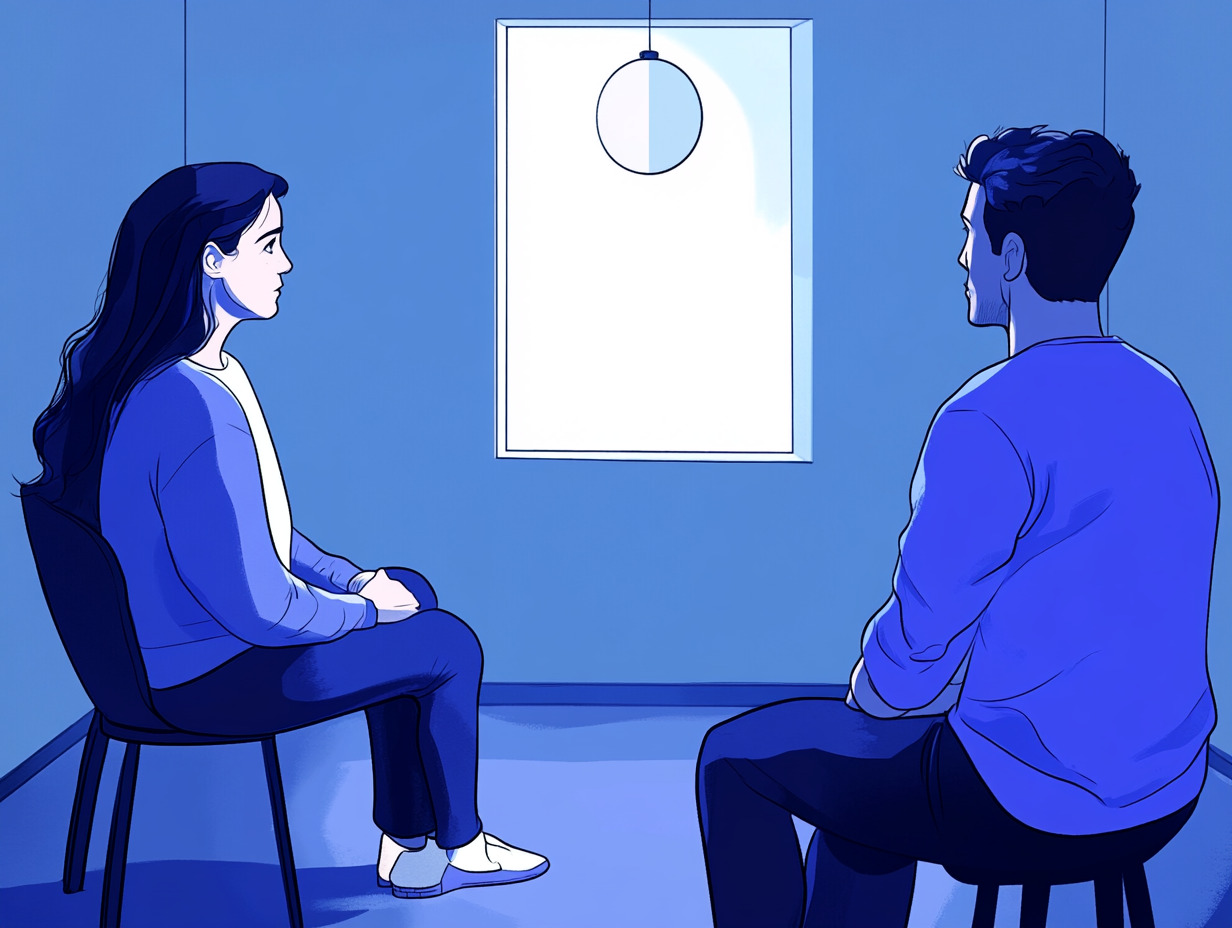
Practical US Considerations When Evaluating a Psychologist
Beyond personal fit and clinical quality, there are practical factors that shape your experience of therapy in the United States. Understanding these details can help you make informed choices and avoid unnecessary frustration.
Licensure and scope of practice
In the U.S., psychologists are licensed at the state level. That license defines where they can practice and what services they’re qualified to provide. A licensed psychologist has completed doctoral training, supervised clinical hours, and state examinations.
Practical points to keep in mind:
- the psychologist must be licensed in the state where you are physically located during sessions;
- licensure affects accountability and complaint processes;
- psychologists differ from psychiatrists, counselors, and clinical social workers in training and scope.
If you’re unsure, it’s appropriate to ask about licensure and experience. Transparency here is standard, not awkward.
Insurance, copays, and out-of-network care
Cost plays a real role in therapy decisions. Many people in the U.S. find therapists through insurance networks, but coverage varies widely.
When evaluating a psychologist, consider:
- whether they are in-network or out-of-network;
- expected copays, deductibles, or session limits;
- whether superbills are provided for reimbursement;
- how cancellations and missed sessions are handled.
A good psychologist is clear about fees and policies upfront. Financial confusion can undermine trust, even when the clinical work is solid.
Teletherapy, privacy, and HIPAA basics
Teletherapy has become common, and for many people it’s as effective as in-person care. Still, privacy and boundaries matter.
Healthy teletherapy practice includes:
- use of secure, HIPAA-compliant platforms;
- clear guidance about privacy on both ends of the session;
- discussion of what to do if technology fails;
- the same ethical standards as in-person therapy.
If you ever feel unsure about how your information is protected, asking for clarification is reasonable. Privacy is not a bonus feature — it’s a requirement.
References
1. American Psychological Association. Ethical Principles of Psychologists and Code of Conduct. 2017 (with amendments through 2023).
2. American Psychological Association. Understanding Psychotherapy and How It Works. 2022.
3. National Institute of Mental Health. Psychotherapies. 2023.
4. Substance Abuse and Mental Health Services Administration. National Strategy for Mental Health Workforce Well-Being. 2022.
5. Mayo Clinic. Psychotherapy: What You Can Expect. 2023.
Conclusion
Choosing a psychologist is not about finding someone perfect. It’s about finding someone who works ethically, communicates clearly, and supports real change over time. A good psychologist helps you feel respected, involved, and oriented toward meaningful goals, even when the work itself is challenging.
If therapy feels difficult but purposeful, that can be part of growth. If it feels confusing, invalidating, or unsafe — especially after concerns are raised — it’s reasonable to reconsider the relationship. You are allowed to ask questions, to evaluate progress, and to make changes in service of your mental health.
Support is available, and effective therapy is built on collaboration, transparency, and trust. If you ever feel overwhelmed or unsafe, reach out for immediate help. In the U.S., you can call or text 988 to reach the Suicide & Crisis Lifeline. If there is immediate danger, call 911.
Frequently Asked Questions
How long does it take to know if a psychologist is good?
You don’t need to decide after one session, but most people notice early signs within the first few weeks. Feeling respected, understanding the goals of therapy, and having space to ask questions are early indicators. Clear progress often becomes more noticeable over several months.
Is it normal to feel worse at times during therapy?
Yes. Therapy can bring up difficult emotions as you work through patterns or experiences. With a good psychologist, this discomfort is discussed openly and supported, rather than ignored or intensified without explanation.
What if I like my psychologist but don’t feel much progress?
Liking your psychologist matters, but progress matters too. It can help to talk directly about goals and outcomes. A good psychologist will welcome that conversation and adjust the work if possible, or discuss alternatives if needed.
Can I change psychologists without explaining why?
Yes. Therapy is voluntary, and you are not obligated to give a detailed explanation. Some people find closure helpful through a final conversation, but it’s not required for you to make a healthy decision.
Does insurance coverage affect the quality of a psychologist?
Insurance status does not determine clinical skill or ethics. However, financial stress can affect the therapy experience. Clear communication about fees, copays, and coverage helps support a stable therapeutic relationship.
When should I seek immediate help instead of evaluating therapy quality?
If you experience thoughts of self-harm, feel unsafe, or are in emotional crisis, seek immediate help. In the U.S., call or text 988 for the Suicide & Crisis Lifeline, or call 911 if there is immediate danger.