How to Break a Soul Tie: A Psychological Guide to Emotional Detachment
Feeling emotionally bound to someone long after a relationship has ended can be confusing and exhausting. Many people describe this experience as a “soul tie,” especially when thoughts, emotions, or urges seem to pull them back despite clear reasons to move on. How to break a soul tie is a question that often comes up when logic says one thing, but your emotional system says another.
From a psychological perspective, a soul tie isn’t something mystical or permanent. It’s a form of emotional attachment shaped by intimacy, repetition, and the way the brain learns safety and reward in close relationships. That’s why letting go can feel so hard, even when the relationship itself was painful or no longer healthy.
This guide explains what’s actually happening beneath that sense of emotional pull, why detachment can feel intense or even physical, and what evidence-based steps help people regain emotional autonomy. You’ll also learn when self-guided strategies are enough and when reaching out to a licensed mental health professional may be the most supportive next step.

What Is a Soul Tie From a Psychological Perspective?
People often use the term “soul tie” when an emotional connection feels unusually deep or hard to release. It usually shows up after a relationship that involved strong intimacy, vulnerability, or emotional reliance. While the phrase sounds spiritual, psychology offers a clear and grounded way to understand what’s behind it.
From a clinical perspective, a soul tie is best understood as a strong emotional attachment, not a mystical bond. Humans are wired to form attachments to people who provide closeness, safety, validation, or relief from distress. When those experiences repeat over time, the brain begins to associate that person with emotional regulation and reward. The bond can persist even after the relationship ends.
This is where people often get stuck. You may know, rationally, that the relationship is over or wasn’t good for you. Yet emotionally, your body still reacts as if that person is important for stability. Thoughts return. Memories feel charged. Letting go doesn’t happen on command.
Psychologists explain this through attachment theory and learning processes. Emotional bonds form through:
- repeated emotional intimacy
- shared stress or vulnerability
- patterns of comfort and reassurance
- identity overlap within the relationship
Over time, the nervous system learns, “This person equals safety or relief.” When the bond is disrupted, the system doesn’t immediately adjust. Instead, it keeps signaling for what it learned to rely on.
It’s important to say this clearly: experiencing a “soul tie” does not mean you are weak, dependent, or broken. It means your attachment system did its job. The difficulty arises when that attachment no longer serves you, but your emotional system hasn’t caught up with the change yet.
Many people also worry that this attachment means the relationship was uniquely destined or irreplaceable. Psychology doesn’t support that idea. Strong bonds feel singular because the brain narrows focus around familiar emotional patterns. With time and intentional detachment, those patterns can loosen.
Understanding a soul tie this way shifts the goal. You’re not trying to “sever” something mysterious. You’re helping your emotional system relearn safety, identity, and regulation without that specific person. That’s a process, not a failure of willpower.
Why Is It So Hard to Break a Soul Tie After a Relationship Ends?
You might decide, clearly and thoughtfully, that a relationship is over. And yet, days or weeks later, the emotional pull is still there. Thoughts return without warning. A memory, a song, or a quiet moment can suddenly bring a wave of longing or anxiety. This disconnect between what you know and what you feel is one of the most frustrating parts of trying to let go.
Here’s what’s happening. Emotional attachment doesn’t live only in conscious thought. It’s stored in patterns the brain and nervous system have learned over time. According to the American Psychological Association, close relationships shape attachment responses that operate automatically, especially under stress. When a bond ends, those systems don’t shut off instantly.
One reason detachment feels so difficult is habitual emotional loops. If you repeatedly turned to one person for comfort, reassurance, or emotional regulation, your brain learned a simple rule: distress → that person → relief. Even after the relationship ends, the cue remains. Stress shows up, and the mind reaches for the familiar solution, even if it’s no longer available.
There’s also a reward component. Emotional closeness activates the brain’s reward system, particularly through dopamine. Harvard Health notes that when a familiar source of emotional reward disappears, the brain can react with craving-like signals. This doesn’t mean you’re “addicted” to a person, but it does explain why urges to check messages or replay conversations can feel surprisingly intense.
Another factor is attachment style. People with anxious attachment patterns often experience stronger distress during separation. That distress can look like rumination, fear of replacement, or a sense that something essential is missing. Importantly, this isn’t a flaw. It reflects how your nervous system learned to manage closeness and loss earlier in life.
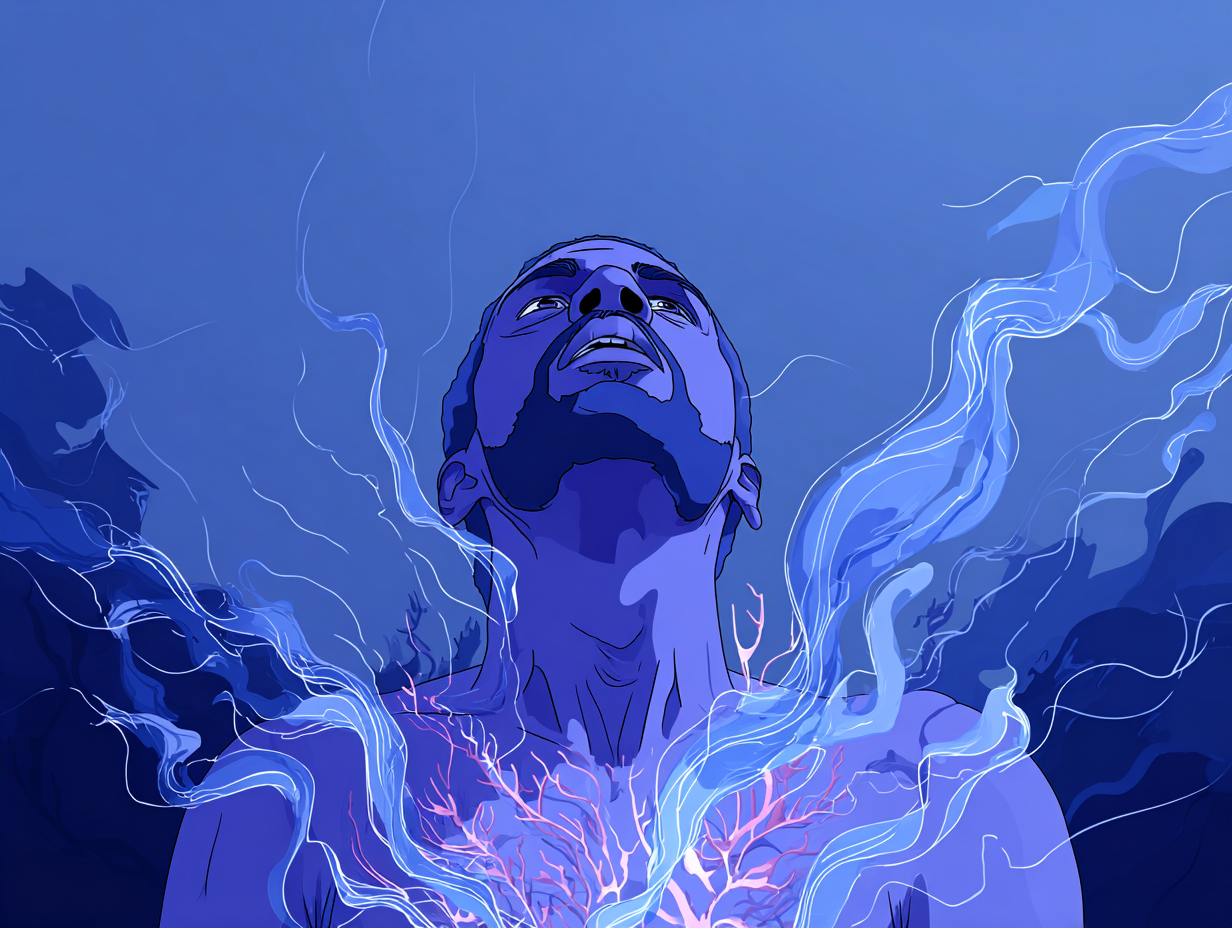
Finally, grief plays a role, even if the relationship was unhealthy. You’re not just letting go of a person. You’re letting go of routines, shared identity, future plans, and the version of yourself that existed in that connection. Emotional systems resist abrupt change, especially when meaning was involved.
All of this explains why willpower alone rarely works. You’re not failing to move on. Your emotional system is responding to learned patterns that take time and intention to reshape. The next step isn’t forcing detachment, but understanding how to work with these mechanisms rather than against them.
How to Break a Soul Tie: Evidence-Based Steps That Help
Breaking an intense emotional attachment isn’t about forcing yourself to “be over it.” That approach usually backfires. What actually helps is working with the mechanisms that keep the bond active, and gradually teaching your emotional system new patterns of safety and regulation. Below are evidence-based steps psychologists commonly use when helping people break a soul tie in a healthy, sustainable way.
Step 1: Establish Clear Emotional Boundaries
Emotional boundaries are not about punishment or denial. They’re about reducing cues that automatically reactivate attachment loops. Continued contact, checking social media, or replaying conversations keeps the bond neurologically “alive.”
This step often includes:
- limiting or ending contact, at least temporarily
- removing digital reminders that trigger emotional spikes
- avoiding environments that repeatedly pull you back into old roles
For example, if seeing your ex’s online activity reliably leads to anxiety or longing, that’s not a test of strength, it’s a cue-response loop. Reducing exposure gives your nervous system space to recalibrate.
Step 2: Interrupt Rumination Loops
Rumination is one of the strongest forces maintaining a soul tie. The mind replays moments, analyzes “what ifs,” or imagines alternate outcomes. While this feels like problem-solving, it usually reinforces emotional attachment.
Cognitive-behavioral strategies focus on defusion, creating distance between you and the thought rather than arguing with it. Instead of “Why can’t I stop thinking about them?” the shift becomes “I’m having the thought that I miss them right now.”
This small change matters. Research summarized by the American Psychological Association shows that naming thoughts as mental events reduces their emotional intensity over time. You’re not suppressing emotion, you’re preventing it from running the show.
Step 3: Regulate Emotional Cravings, Not Just Thoughts
Detachment isn’t purely cognitive. Emotional cravings often show up in the body: tightness in the chest, restlessness, sudden sadness. According to the National Institute of Mental Health, emotional distress can activate stress responses even without a mental health disorder.
Practical regulation tools include:
- paced breathing to calm physiological arousal
- grounding through physical movement or sensory focus
- short routines that signal safety to the body
For instance, taking a slow walk or engaging in a familiar calming activity during emotional surges can reduce the urgency to reconnect emotionally with the past.
Step 4: Rebuild Identity Outside the Bond
A soul tie often narrows identity. Roles, routines, and self-worth become intertwined with the relationship. Breaking that bond requires expanding identity again, not just removing the person.
This might mean:
- re-engaging with values that existed before the relationship
- strengthening friendships or community ties
- exploring goals that don’t involve romantic validation
Harvard Health notes that the brain resists loss most when it perceives no alternative sources of meaning. Creating new emotional anchors helps the attachment system loosen its grip naturally.
Step 5: Allow Grief Without Interpreting It as Failure
Here’s where many people get stuck. Emotional waves return, and the conclusion becomes, “I’m not making progress.” In reality, grief and detachment often coexist. Missing someone doesn’t mean the soul tie is intact. It means your emotional system is processing change.

Letting emotions rise and fall without acting on them is one of the strongest indicators of healing. Over time, the intensity decreases, even if moments of sadness still appear.
Learning how to break a soul tie is less about cutting something out and more about retraining emotional reliance. With consistent boundaries, cognitive flexibility, and emotional regulation, the bond loses its power. And when it doesn’t, or when distress becomes overwhelming, professional support can make the process steadier and less isolating.
Is a Soul Tie the Same as a Trauma Bond or Grief?
When emotional attachment feels overwhelming, it’s easy to assume everything intense falls into the same category. In reality, a soul tie, a trauma bond, and grief are related but distinct experiences. Understanding the difference matters, because each one calls for a different kind of response.
A soul tie, as people usually describe it, centers on persistent emotional attachment. The relationship may have been loving, unhealthy, or somewhere in between, but the defining feature is an ongoing emotional pull that continues after separation. The distress comes from difficulty detaching, not from fear or harm.
A trauma bond forms under very different conditions. It develops in relationships marked by cycles of emotional pain followed by relief, reconciliation, or affection. According to trauma-informed clinical models, the bond is reinforced by fear and unpredictability rather than intimacy alone. Letting go often triggers anxiety, guilt, or a sense of danger, not just sadness.
Grief, on the other hand, is a natural response to loss. It can involve longing, sadness, anger, or moments of emotional numbness. Grief typically moves in waves and gradually softens with time, even though reminders may still hurt. It doesn’t usually include the compulsive pull or emotional dependence seen in persistent attachment.
The table below highlights the key differences.
| Experience | Primary Trigger | Core Pattern | What Helps |
|---|---|---|---|
| Soul tie (emotional attachment) | Intimacy and bonding | Ongoing emotional pull | Boundaries and detachment skills |
| Trauma bond | Cyclic harm and relief | Fear-based dependency | Trauma-informed therapy |
| Grief | Loss of relationship | Waves of sadness and longing | Time and emotional processing |
This distinction can be relieving. If what you’re experiencing aligns with grief or emotional attachment, it doesn’t automatically signal trauma or pathology. At the same time, if fear, control, or repeated harm were central in the relationship, professional support is often essential.
Recognizing what you’re dealing with allows you to choose strategies that actually fit the problem, rather than blaming yourself for struggling to move on.
When Should You Seek Professional Help to Break a Soul Tie?
For many people, emotional detachment gradually becomes easier with time, boundaries, and self-guided coping strategies. But there are situations where the intensity or duration of attachment signals that additional support could be helpful. Seeking professional help isn’t a failure of self-control, it’s a way to prevent prolonged distress and regain stability.
One indicator is persistence. If emotional pain, intrusive thoughts, or urges to reconnect remain strong for several months with little improvement, that’s a sign your nervous system may need structured support. According to the American Psychological Association, ongoing emotional distress that interferes with daily functioning is a valid reason to consult a mental health professional, even when no diagnosis is present.
Another indicator is impact on functioning. Difficulty sleeping, concentrating at work, maintaining relationships, or caring for yourself suggests the attachment is affecting more than just emotions. In these cases, therapy can help interrupt rumination, regulate stress responses, and rebuild a sense of control.

The table below can help clarify when self-help strategies may be enough and when professional support is recommended.
| Sign | Duration | Impact on Life | Recommended Step |
|---|---|---|---|
| Intrusive thoughts | Several weeks | Mild distraction | Self-guided coping |
| Emotional distress | 1–2 months | Sleep or focus affected | Consider therapy |
| Loss of functioning | 2+ months | Work or relationships impaired | Seek professional support |
Licensed therapists often use approaches such as cognitive behavioral therapy, attachment-based therapy, or acceptance and commitment therapy to help people loosen unhealthy emotional bonds. These methods focus on emotional regulation, cognitive flexibility, and rebuilding identity outside the relationship.
If emotional distress escalates to thoughts of self-harm or hopelessness, immediate help is essential. In the United States, you can call or text 988 to reach the Suicide & Crisis Lifeline. If you’re in immediate danger, call 911. Support is confidential and available 24/7.
References
1. American Psychological Association. Attachment Styles and Relationships. 2023.
2. National Institute of Mental Health. Anxiety Disorders. 2023.
3. Harvard Health Publishing. Why Letting Go Is So Hard. 2022.
4. American Psychological Association. Understanding Psychotherapy and How It Works. 2022.
5. Substance Abuse and Mental Health Services Administration. 988 Suicide and Crisis Lifeline. 2023.
Conclusion
Breaking an intense emotional attachment can feel disorienting, especially when your thoughts and feelings lag behind your decisions. A soul tie, understood psychologically, reflects how deeply the human attachment system learns from intimacy, repetition, and emotional reliance. Detachment doesn’t happen through force or denial. It happens through boundaries, emotional regulation, and rebuilding a sense of self that isn’t organized around one relationship.
Progress often looks uneven. Moments of sadness or longing don’t mean you’re failing; they mean your emotional system is adjusting. With time, consistent coping strategies, and support when needed, the pull weakens and emotional autonomy returns.
If distress becomes overwhelming or begins to interfere with daily life, reaching out to a licensed mental health professional can make the process steadier and less isolating. And if emotional pain ever escalates to thoughts of self-harm, call or text 988 (Suicide & Crisis Lifeline). If you’re in immediate danger, call 911.
Frequently Asked Questions
Is a soul tie a real psychological concept?
The term “soul tie” isn’t a clinical diagnosis, but it describes a real experience of strong emotional attachment. Psychologically, it reflects learned bonding patterns shaped by intimacy, repetition, and emotional reliance.
How long does it take to break a soul tie?
There’s no fixed timeline. For many people, emotional intensity decreases over weeks or months as boundaries and coping strategies take effect. Progress is often gradual rather than linear.
Can you break a soul tie without therapy?
Yes, many people do using self-guided strategies like emotional boundaries, cognitive defusion, and identity rebuilding. Therapy becomes helpful when distress persists or daily functioning is affected.
Why does emotional detachment feel physically painful?
Emotional bonds are linked to the body’s stress and reward systems. When an attachment is disrupted, the nervous system can react with tension, restlessness, or discomfort, even without a medical condition.
Does breaking a soul tie mean suppressing emotions?
No. Healthy detachment allows emotions to rise and fall without acting on them. Suppression tends to strengthen attachment, while acknowledgment and regulation help it fade.
When does emotional attachment become a mental health concern?
When attachment leads to ongoing distress, loss of functioning, or thoughts of self-harm, professional support is recommended. A licensed mental health professional can help assess next steps.