Fear of Being Perceived: Understanding Social Anxiety and How to Cope
Feeling uncomfortable when people notice you can be surprisingly distressing. Many individuals experience intense self-awareness or embarrassment when attention turns toward them, even in everyday situations.
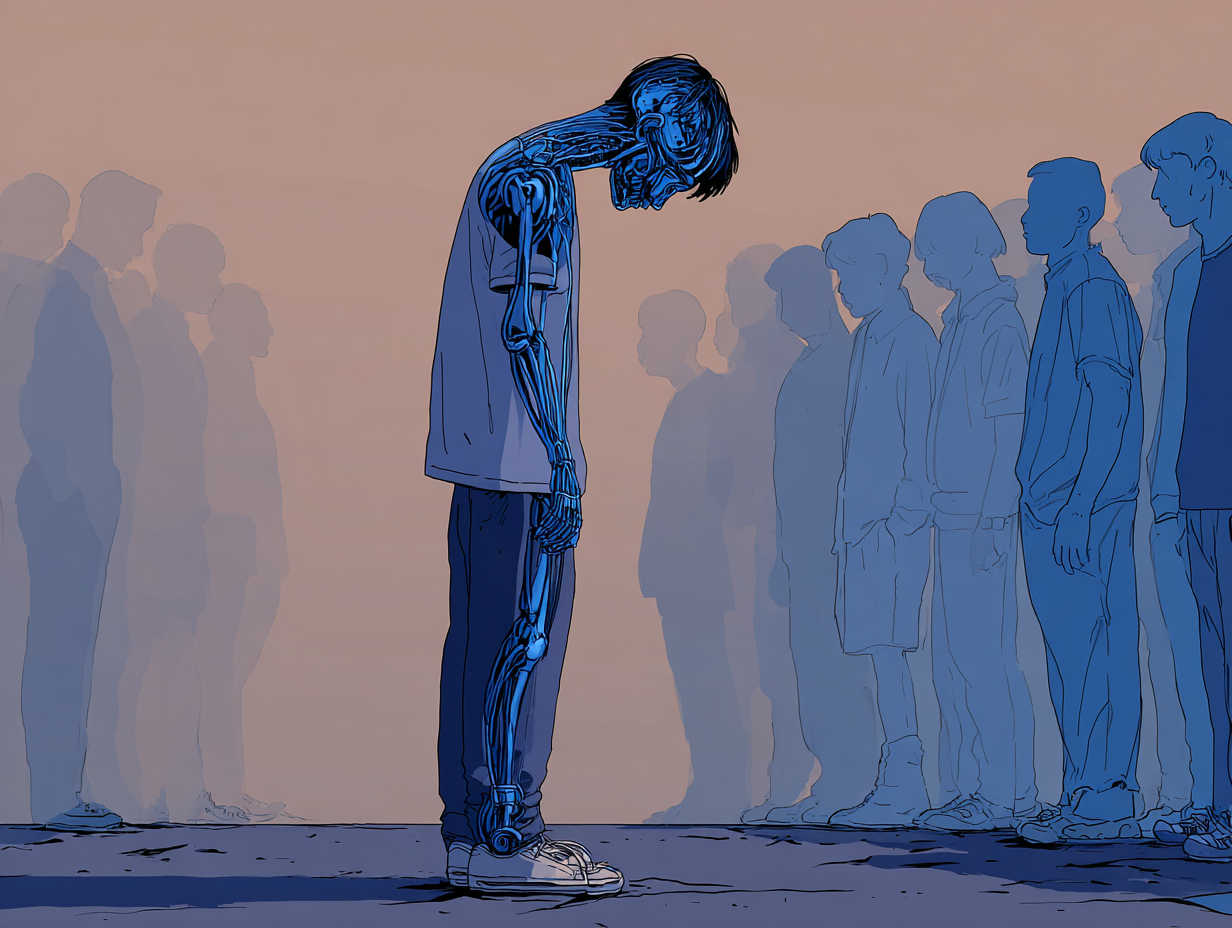
This reaction is often described as the fear of being perceived, a pattern closely related to social anxiety. When someone feels watched, evaluated, or judged, the brain may interpret that attention as a potential threat. As a result, the body activates a stress response that can trigger racing thoughts, physical tension, and a strong urge to avoid being noticed.
If this experience sounds familiar, you are not alone. Many people struggle with fear of attention in social settings such as meetings, classrooms, or even casual conversations. Understanding why this reaction happens can reduce shame and make it easier to respond in healthier ways.
In this guide, you will learn what the fear of being perceived means from a psychological perspective, how it connects to social anxiety, practical strategies that can help reduce the distress, and when it may be useful to speak with a licensed mental health professional.

What Is the Fear of Being Perceived and Why Does It Happen?
For many people, the fear of being perceived means feeling intense discomfort when attention turns toward them. Being watched, evaluated, or even simply noticed can trigger anxiety. This reaction often appears in situations like speaking in a meeting, walking into a crowded room, or posting something online where others might judge it.
Psychologists usually understand this experience through the lens of social anxiety and fear of negative evaluation. According to the National Institute of Mental Health, social anxiety involves a persistent fear of situations where a person may feel observed or judged by others. The mind interprets attention as a potential threat, even when no real danger exists.
At the psychological level, this fear develops from a combination of self-awareness and threat perception. Humans are naturally sensitive to social signals because belonging to a group historically improved survival. When the brain senses possible rejection or embarrassment, it activates a stress response designed to protect the individual from harm. In modern life, however, that same mechanism can misfire.
For example, imagine someone presenting a short update during a team meeting. As colleagues look toward them, their thoughts may quickly shift inward. They might start wondering: Do I sound nervous? What if I say something wrong? Are people judging me? This internal spotlight can amplify anxiety within seconds.
Psychologists call this pattern self-focused attention. Instead of engaging with the conversation or task, the person becomes hyper-aware of their own behavior, voice, posture, or facial expressions. Research discussed by the American Psychological Association suggests that this internal monitoring increases anxiety because it makes normal sensations feel like signs of failure.
Over time, the mind may start associating attention with embarrassment or rejection. This connection strengthens a pattern of anticipatory anxiety, where the person begins worrying about social situations before they even happen. Even small moments of visibility, such as being called on in class or receiving unexpected praise, can trigger discomfort.
It is important to understand that this reaction does not mean someone is weak or overly sensitive. Many people experience some level of anxiety when they become the center of attention. The difference lies in intensity and persistence. When the fear becomes strong enough to influence decisions, such as avoiding conversations, declining opportunities, or staying silent in groups, it may reflect a deeper anxiety pattern.
At the same time, fear of being perceived exists on a spectrum. For some individuals it appears occasionally during stressful moments. For others it becomes a recurring concern that shapes daily behavior. Understanding this distinction helps explain why the experience can feel confusing. A person may recognize that nothing dangerous is happening, yet their body still reacts as if it were.
Learning how this reaction develops is the first step toward managing it. Once people recognize that the fear comes from predictable psychological mechanisms, it becomes easier to interrupt the cycle and build more confidence in social situations.
Is Fear of Being Perceived Social Anxiety or Just Shyness?
Many people wonder whether the fear of being perceived is simply shyness or something closer to social anxiety. The short answer is that it can fall anywhere along a spectrum. Some individuals experience mild discomfort when attention shifts toward them, while others feel intense fear that leads them to avoid social situations entirely.
Shyness is a common personality trait. A shy person may feel hesitant in new social environments or when meeting unfamiliar people. However, the discomfort usually fades as the situation becomes more familiar. Shy individuals can still participate in conversations, express opinions, and handle occasional attention, even if they prefer quieter roles.
The fear of being perceived tends to involve a stronger internal reaction. Instead of mild hesitation, the person may feel immediate anxiety when others notice them. Their thoughts often revolve around being judged, criticized, or embarrassed. This mental focus can make even neutral situations feel threatening.
In some cases, this pattern overlaps with social anxiety disorder, a condition described in the DSM-5-TR. According to the National Institute of Mental Health, social anxiety disorder involves a persistent fear of social situations where a person might be observed or evaluated by others. People experiencing this condition often avoid situations that draw attention, such as public speaking, group discussions, or meeting new people.
The difference usually lies in how strongly the fear affects daily life. Occasional discomfort with attention is common. But when fear consistently interferes with work, relationships, or education, it may indicate a deeper anxiety pattern that could benefit from professional support.
The comparison below highlights the main differences.
| Experience | Typical Pattern | Anxiety Level | Impact on Life |
|---|---|---|---|
| Shyness | Initial hesitation in social settings | Mild | Usually temporary |
| Fear of being perceived | Strong discomfort when attention shifts to oneself | Moderate | May lead to avoiding attention |
| Social anxiety disorder | Persistent fear of judgment or embarrassment | High | Often interferes with daily functioning |
It is also important to remember that these experiences can overlap. Someone who identifies as shy may occasionally feel the fear of being perceived during stressful situations. Likewise, a person with social anxiety might experience both avoidance and intense self-consciousness when interacting with others.
If the fear mainly appears during specific moments, such as speaking in front of a group, it may reflect situational anxiety rather than a broader disorder. On the other hand, if attention from others consistently triggers distress or avoidance, it may be helpful to explore coping strategies or consult a licensed mental health professional.
Understanding this distinction helps reduce self-criticism. Feeling uncomfortable with attention does not mean there is something fundamentally wrong. It simply means the brain is reacting strongly to social evaluation, a process that can be managed with the right strategies and support.

Signs That the Fear of Being Perceived Is Affecting Your Mental Health
Occasional discomfort when people notice you is common. However, when the fear of being perceived becomes intense or persistent, it can start to affect emotional well-being and everyday functioning. Recognizing the signs early can help someone decide whether coping strategies or professional support may be useful.
Psychologists often describe social anxiety patterns through a combination of emotional, cognitive, and physical reactions. These responses occur because the brain’s threat system activates when a person expects negative judgment from others.
Emotional and cognitive signs
Many people notice that the fear begins with internal thoughts and feelings before any visible behavior appears. Common psychological signs include:
- persistent worry about being judged or criticized by others
- overthinking small interactions, conversations, or mistakes
- strong self-consciousness when others look at you
- fear of embarrassment in everyday situations such as speaking or being introduced
- anticipatory anxiety before social events or situations involving attention
These patterns often create a cycle. The more someone worries about being judged, the more attention they place on their own behavior. This heightened self-monitoring can increase anxiety and reinforce the fear.
Physical symptoms during social attention
When the brain interprets attention as a threat, the body activates the fight-or-flight response. This response is controlled by the autonomic nervous system and can produce noticeable physical sensations.
- rapid heartbeat or chest tightness
- blushing or feeling unusually warm in the face
- shaking, trembling, or muscle tension
- difficulty concentrating or speaking clearly
- nausea, dizziness, or shortness of breath
Although these sensations can feel alarming, they are normal stress responses. The body is reacting as if it needs to prepare for danger, even when the situation involves ordinary social interaction.
Behavioral patterns linked to the fear of being perceived
Over time, many people begin to change their behavior to avoid situations that trigger anxiety. These avoidance patterns can gradually reduce confidence and limit opportunities.
- avoiding situations where attention might shift toward you
- staying silent during discussions even when you have ideas to share
- declining invitations to events, presentations, or meetings
- leaving conversations early or avoiding eye contact
- relying heavily on preparation or scripts to manage interactions
Avoidance can provide temporary relief because it reduces immediate anxiety. However, mental health professionals often note that long-term avoidance can strengthen the fear by preventing the brain from learning that attention from others is usually safe.
When symptoms may indicate a need for support
If the fear of being perceived consistently interferes with work, education, or relationships, it may be helpful to speak with a licensed mental health professional such as a psychologist, clinical social worker, counselor, or psychiatrist.
According to the DSM-5-TR, social anxiety disorder involves a persistent fear of social situations where a person may be observed or evaluated by others. A clinician can evaluate whether symptoms meet diagnostic criteria and discuss appropriate treatment options. This article provides general information and should not be considered medical advice.
If feelings of anxiety become overwhelming or include thoughts of self-harm, immediate support is available in the United States by calling or texting 988, the Suicide and Crisis Lifeline. If someone is in immediate danger, contacting 911 or local emergency services is recommended.
Recognizing the signs of distress is an important step. Once people understand how the fear manifests emotionally, physically, and behaviorally, they can begin exploring strategies that help reduce anxiety and rebuild confidence in social situations.
Practical Ways to Cope With the Fear of Being Perceived
Learning to cope with the fear of being perceived usually involves gradually retraining how the brain interprets attention from others. Instead of viewing every moment of visibility as a threat, people can practice responding to these situations with more balanced thinking and controlled exposure.
Psychologists often recommend a combination of cognitive strategies, behavioral techniques, and supportive habits. These approaches aim to reduce anxiety and build confidence over time.
Shift attention outward during conversations
One common feature of social anxiety is excessive self-monitoring. When someone becomes highly aware of their own voice, posture, or facial expressions, anxiety tends to increase.
A useful technique involves deliberately redirecting attention toward the environment or the other person. Instead of analyzing your own behavior, focus on listening carefully to what someone is saying or noticing details in the room.
This shift can interrupt the cycle of self-focused attention and reduce the intensity of anxious thoughts.

Gradual exposure to attention
Avoidance may feel protective, but it can reinforce fear over time. Gradual exposure helps the brain learn that attention from others is often manageable and not as dangerous as it initially feels.
Examples of gradual exposure might include:
- sharing a brief comment during a small group discussion
- asking a simple question in a meeting or class
- making eye contact while speaking with someone
- posting a short message or idea online
- volunteering for small roles that involve limited attention
The goal is not to eliminate discomfort immediately. Instead, repeated experiences help the brain adapt and reduce the intensity of the fear response.
Reframe catastrophic thoughts
People experiencing the fear of being perceived often assume that others are judging them harshly. These thoughts can feel convincing even when there is little evidence supporting them.
Cognitive techniques used in therapy encourage individuals to question these assumptions. For example, someone might ask themselves:
- What evidence suggests that others are judging me negatively
- Is it possible that people are focused on their own concerns instead
- How would I view this situation if a friend experienced it
- What is the most realistic outcome of this moment of attention
By practicing more balanced thinking patterns, individuals can reduce the intensity of anxiety triggered by social attention.
Practice calming physiological responses
Because anxiety involves physical stress reactions, learning to regulate the body can also reduce distress.
Simple techniques include slow breathing, grounding exercises, and brief pauses to allow the nervous system to settle. These strategies do not remove anxiety instantly, but they can prevent symptoms from escalating.
The table below summarizes common coping approaches.
| Strategy | Goal | Example |
|---|---|---|
| Attention shifting | Reduce self-focused monitoring | Focus on listening rather than analyzing your behavior |
| Gradual exposure | Decrease fear through repeated experience | Speak briefly during a meeting |
| Cognitive reframing | Challenge negative assumptions | Question whether others are truly judging you |
| Physical regulation | Calm the nervous system | Slow breathing or grounding techniques |
When professional support may help
If the fear of being perceived continues to cause distress despite self-help strategies, speaking with a licensed clinician may be helpful. Therapists trained in evidence-based approaches such as cognitive behavioral therapy often help individuals address patterns of social anxiety.
Mental health professionals can also evaluate whether symptoms relate to social anxiety disorder or another condition. They may suggest therapy, skill-building exercises, or in some cases medication consultation with a psychiatrist.
Support is especially important when anxiety begins to limit education, work opportunities, or relationships. Seeking help does not mean someone has failed to cope on their own. It simply reflects a decision to use professional resources that can improve quality of life.
When to Seek Professional Help for the Fear of Being Perceived
Many people occasionally feel uncomfortable when attention turns toward them. In many cases, learning coping strategies and gradually facing social situations can significantly reduce anxiety. However, there are situations where the fear of being perceived becomes persistent enough that professional support may be helpful.
Mental health professionals evaluate this type of concern by looking at frequency, intensity, and impact on daily life. Occasional discomfort during presentations or unfamiliar social settings is common. But when the fear appears in many areas of life or leads to consistent avoidance, it may indicate a deeper anxiety pattern.
Signs that professional support may be helpful
A licensed clinician may be able to help if the fear begins to interfere with important parts of life. Some indicators include:
- avoiding work, school, or social opportunities because attention might shift toward you
- persistent anxiety before meetings, conversations, or public situations
- strong physical symptoms such as shaking, rapid heartbeat, or nausea during social attention
- spending significant time worrying about how others perceive you
- feeling isolated because fear makes social interaction difficult
When several of these patterns occur regularly, they may reflect symptoms related to social anxiety disorder, a condition described in the DSM-5-TR. A licensed clinician can conduct a mental health assessment and determine whether the symptoms meet diagnostic criteria.
Types of professionals who may help
Different mental health professionals are trained to address anxiety-related concerns. Depending on the situation, individuals might seek support from:
- a licensed psychologist who provides psychotherapy and psychological assessment
- a clinical social worker or counselor who specializes in anxiety treatment
- a psychiatrist who can evaluate whether medication may be appropriate
- a primary care provider who can offer referrals to mental health specialists
Common evidence-based treatment approaches
Therapists frequently use structured approaches that have strong research support for social anxiety. One of the most widely studied methods is cognitive behavioral therapy, which focuses on identifying anxious thought patterns and gradually facing feared situations in a controlled way.

Other supportive approaches may include:
- exposure-based techniques that help reduce avoidance behaviors
- skills for managing anxious thoughts and physical stress responses
- mindfulness-based strategies that improve awareness of emotional reactions
- group therapy, which allows individuals to practice social interaction in a supportive setting
Crisis resources and safety
If anxiety becomes overwhelming or includes thoughts of self-harm, immediate help is available. In the United States, individuals can call or text 988, the Suicide and Crisis Lifeline, to speak with trained counselors. If someone is in immediate danger, contacting 911 or local emergency services is recommended.
This article provides educational information and should not replace professional medical advice. Anyone experiencing severe distress should consider reaching out to a licensed clinician in their state for personalized guidance.
References
1. American Psychological Association. Social anxiety. APA Dictionary of Psychology. 2018.
2. National Institute of Mental Health. Social Anxiety Disorder: More Than Just Shyness. U.S. Department of Health and Human Services. 2023.
3. American Psychological Association. Shyness. APA Dictionary of Psychology. 2018.
4. Mayo Clinic. Social Anxiety Disorder (Social Phobia) - Symptoms and Causes. 2021.
5. Mayo Clinic. Social Anxiety Disorder (Social Phobia) - Diagnosis and Treatment. 2021.
Conclusion
The fear of being perceived can feel confusing and isolating, especially when ordinary moments of attention trigger intense self-awareness or anxiety. In many cases, this reaction is connected to patterns seen in social anxiety, where the mind interprets observation or evaluation as a potential threat.
Understanding the psychological mechanisms behind this experience can reduce shame and help people respond more effectively. Recognizing signs such as self-focused attention, avoidance, and physical stress reactions allows individuals to identify when the fear is beginning to affect daily life.
Practical strategies such as shifting attention outward, gradually facing social situations, and questioning catastrophic thoughts can help retrain the brain’s response to visibility. Over time, repeated experiences of safe social interaction can reduce the intensity of the fear.
For individuals whose anxiety significantly interferes with work, education, or relationships, professional support may provide additional tools. Licensed clinicians such as psychologists, counselors, and psychiatrists can help assess symptoms and recommend evidence-based approaches.
Although the fear of being perceived can feel overwhelming, many people successfully learn to manage it. With the right strategies and support, it becomes possible to participate more comfortably in social situations and build confidence in being seen and heard.
Frequently Asked Questions About the Fear of Being Perceived
What does the fear of being perceived mean?
The fear of being perceived refers to intense discomfort or anxiety when someone feels noticed, watched, or evaluated by others. This reaction often involves heightened self-awareness and concern about being judged. It is commonly associated with social anxiety patterns.
Is the fear of being perceived a mental disorder?
Not necessarily. Many people occasionally feel uncomfortable when attention turns toward them. However, when the fear becomes persistent and significantly interferes with daily life, it may be related to social anxiety disorder as described in the DSM-5-TR. A licensed mental health professional can evaluate symptoms and provide guidance.
Why do I feel anxious when people look at me?
Anxiety during social attention often occurs because the brain interprets observation as a possible threat of judgment or embarrassment. This activates the body's stress response, which can produce physical symptoms such as increased heart rate, blushing, or muscle tension.
Can therapy help with the fear of being perceived?
Yes. Evidence-based approaches such as cognitive behavioral therapy are commonly used to help people manage social anxiety and related fears. Therapy can teach strategies for challenging anxious thoughts, reducing avoidance, and gradually becoming more comfortable in social situations.
When should someone seek professional help?
Professional help may be useful if anxiety about being noticed consistently interferes with work, school, relationships, or everyday activities. Speaking with a licensed psychologist, counselor, clinical social worker, or psychiatrist can help determine the most appropriate treatment options.