Dolphin Chronotype: Traits, Sleep Schedule and How to Rest Better


You crawl into bed exhausted, expecting to fall asleep within minutes. But if you identify with the dolphin chronotype, you may know the frustration of lying awake while your mind stays unusually alert. Even when sleep finally comes, a faint noise or a change in room temperature might wake you, leaving you tired the next morning.
The dolphin chronotype is part of a popular sleep-personality model that describes people who tend to sleep lightly, struggle with consistent rest, and feel mentally active when they would rather be sleeping. However, it is not a medically recognized sleep disorder or a scientifically established chronotype category. Persistent sleep difficulties can have several causes, including insomnia, stress, and environmental factors.
Understanding your sleep patterns is more useful than trying to fit yourself into a rigid label. This guide explores common dolphin chronotype traits, offers a realistic sleep schedule, and explains practical ways to improve sleep quality. You'll also learn when ongoing sleep problems deserve professional attention.
What Is the Dolphin Chronotype?
The dolphin chronotype describes a sleep pattern commonly associated with light, easily interrupted sleep and difficulty switching off at night. It belongs to a popular four-animal sleep classification developed by sleep specialist Michael Breus, which also includes lions, bears, and wolves.
People who identify with this category often describe feeling tired throughout the day but unusually alert when bedtime arrives. Although these experiences are real, the dolphin label itself is not a medical diagnosis or a scientifically validated sleep category.
The Meaning Behind the Dolphin Sleep Type
The dolphin category takes its name from the animal's unusual sleeping behavior. Dolphins can rest one brain hemisphere at a time, allowing them to remain responsive to their surroundings. Humans do not sleep this way, so the comparison is metaphorical rather than biological.
In sleep science, a chronotype refers to an individual's natural preference for sleeping and waking at particular times. Researchers typically study morningness and eveningness rather than dividing people into four fixed animal types. Your chronotype can influence when you feel naturally alert, but it does not determine whether you will experience insomnia.
Common Dolphin Chronotype Traits
Within the popular model, dolphin sleepers are often described as having several recognizable characteristics:
- Light sleep that is easily disturbed by noise or movement;
- Difficulty falling asleep despite feeling physically exhausted;
- Frequent awakenings or trouble returning to sleep;
- Increased mental activity and persistent thoughts at bedtime;
- Daytime fatigue accompanied by occasional bursts of alertness.
For example, someone might feel sleepy while watching television but become fully awake after getting into bed. Another person may fall asleep quickly yet wake repeatedly throughout the night.
Recognizing these patterns can help you describe your sleep difficulties more clearly. However, experiencing several of these traits does not establish a particular chronotype or explain the underlying cause of disrupted sleep.
Dolphin Sleep Patterns and Common Challenges
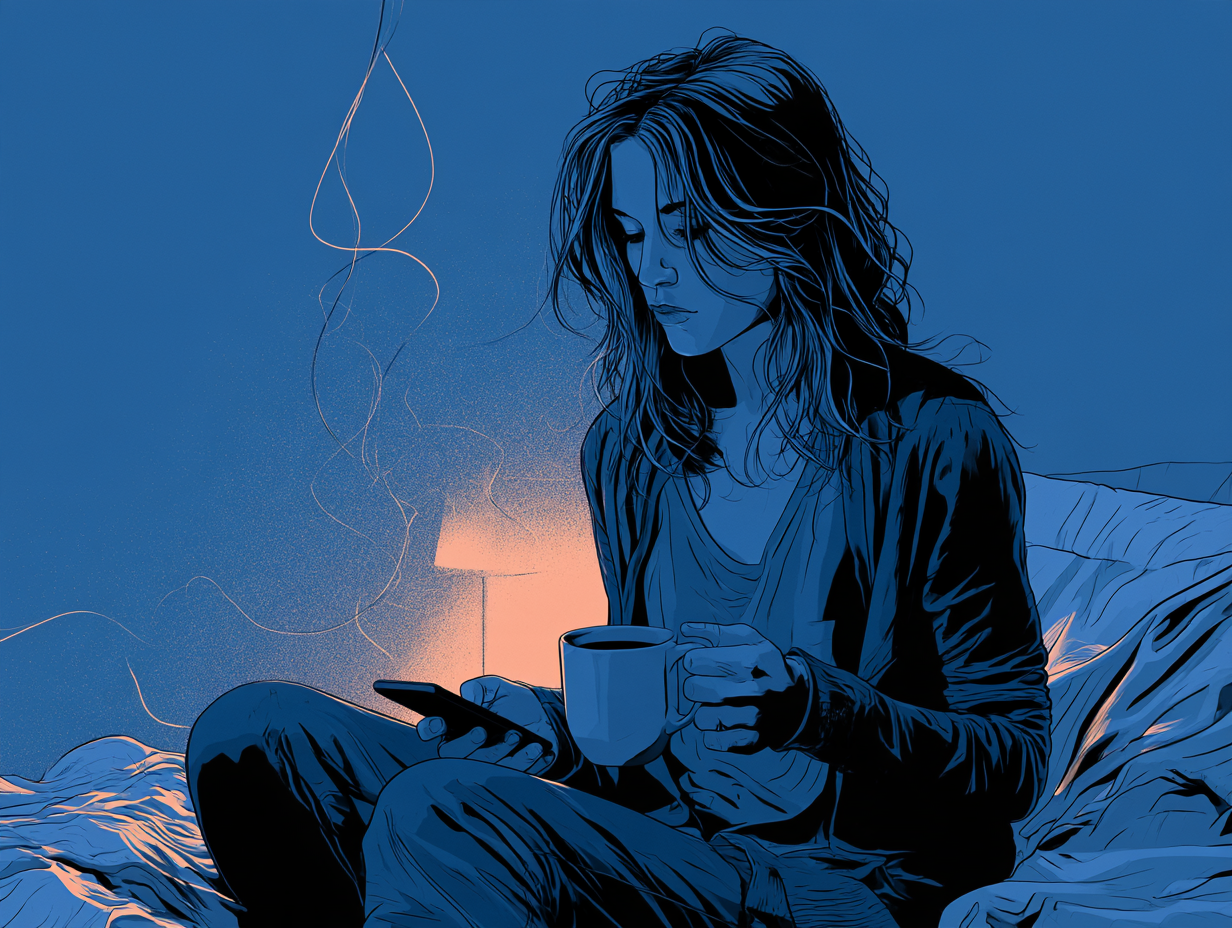
People who identify with the dolphin sleep type often describe a frustrating contradiction: their bodies feel exhausted, but their minds remain alert. This pattern may involve heightened arousal, inconsistent sleep habits, or other factors that interfere with falling asleep and staying asleep.
Hyperarousal and the Tired-but-Wired Feeling
Hyperarousal describes a state of increased mental or physiological activation that can interfere with sleep. Instead of gradually settling down at bedtime, the brain remains engaged with thoughts, worries, or environmental signals. Researchers have identified hyperarousal as one possible mechanism involved in chronic insomnia.
Imagine finishing a demanding workday, feeling ready to collapse into bed, and then spending an hour replaying conversations or planning tomorrow's tasks. The more you notice that you are still awake, the more frustrated you become. This growing tension can make falling asleep even harder.
Sleep-related anxiety may reinforce the pattern. After several difficult nights, someone might begin worrying about sleep hours before bedtime. That anticipation can increase alertness and turn the bedroom into a place associated with frustration rather than rest.
However, hyperarousal is not unique to people who identify as dolphin sleepers. Stress, irregular schedules, caffeine, and certain health conditions may contribute to similar experiences. Understanding your emotional health can also help you recognize how persistent worry and emotional strain affect your ability to relax.
If racing thoughts and emotional tension frequently interfere with your rest, Freudly's Stress Quiz can help you reflect on recent experiences of mental pressure and emotional strain. The results are intended for self-reflection and cannot diagnose a mental health condition.

Is the Dolphin Chronotype the Same as Insomnia?
No. The dolphin chronotype is a popular descriptive label, while insomnia disorder is a recognized clinical condition. The DSM-5-TR describes insomnia disorder in terms of persistent difficulties initiating or maintaining sleep, or waking too early, together with clinically significant distress or impairment.
Clinical assessment also considers how frequently symptoms occur, how long they have persisted, whether adequate opportunities for sleep exist, and whether other factors better explain the difficulties. A person cannot determine whether they have insomnia simply by identifying with a particular chronotype.
If disrupted sleep regularly affects your concentration, mood, relationships, or ability to function during the day, consider discussing your symptoms with a primary care physician or qualified sleep specialist.
What Is the Best Dolphin Chronotype Sleep Schedule?
The best sleep schedule for someone who identifies with the dolphin chronotype is one that provides enough time for rest while keeping wake-up times consistent. Although popular chronotype guides sometimes recommend precise sleeping hours, research has not established a universal bedtime specifically for dolphin sleepers. Your daily responsibilities, natural sleepiness, and individual sleep needs matter more than an animal-based classification.
Recommended Bedtime and Wake-Up Time
Most adults need at least seven hours of sleep per night, although individual requirements vary. For someone waking at 7:00 AM, an 11:00 PM bedtime allows eight hours in bed, although actual sleep duration may be shorter. People who regularly need more time to fall asleep may benefit from adjusting their evening routine rather than simply spending additional hours awake in bed.
A consistent wake-up time helps reinforce the body's circadian rhythm, which regulates daily patterns of sleepiness and alertness. Morning daylight provides an important environmental signal for this internal clock.
Instead of forcing yourself to sleep at an exact hour, begin winding down before your intended bedtime and go to bed when you feel genuinely sleepy. If your schedule needs adjustment, gradual changes are generally easier to maintain than repeatedly shifting between early and late bedtimes.
A Sample Daily Routine for Dolphin Chronotypes
The following schedule illustrates how someone with a typical daytime work routine might organize sleep-related habits. Adjust the timing to accommodate your work hours, personal responsibilities, and sleep needs.
| Time | Activity | Purpose |
|---|---|---|
| 7:00 AM | Wake up and get daylight | Support circadian timing |
| 8:00 AM | Breakfast and daily preparation | Establish a regular routine |
| 1:00 PM | Lunch and a movement break | Maintain daytime activity |
| 9:30 PM | Begin a relaxing evening routine | Reduce mental stimulation |
| 11:00 PM | Go to bed when sleepy | Allow sufficient sleep opportunity |
This routine is an example, not a medically prescribed schedule. Someone working evening shifts or naturally becoming sleepy later may need a different approach. The goal is to establish a sustainable rhythm that supports adequate sleep without creating additional pressure around bedtime.
Practical Ways to Improve Sleep Quality
If you identify with the dolphin sleep type, improving your rest starts with understanding what disrupts it. Consistent routines, appropriate light exposure, and a calmer sleep environment can support healthier sleep patterns. These strategies are useful regardless of chronotype, although persistent insomnia may require professional treatment.
Keep a Consistent Wake-Up Time
Choose a wake-up time that fits your responsibilities and allows sufficient sleep opportunity. Try to maintain it on weekends rather than sleeping several hours later after a difficult night. If you are consistently sleep-deprived, however, protecting adequate sleep duration should remain a priority.
Manage Light Exposure and Evening Stimulation
Morning daylight helps synchronize your internal clock with the natural day-night cycle. Consider spending some time outdoors after waking, whether you're walking to work or enjoying breakfast outside.
In the evening, reduce bright lighting and limit activities that leave you mentally stimulated. For example, answering work emails immediately before bed may keep your attention focused on unfinished responsibilities. A quieter transition can make it easier to recognize when genuine sleepiness arrives.
Create a Sleep-Friendly Bedroom
Light sleepers may find that small environmental disturbances interrupt their rest. A dark, quiet, comfortably cool bedroom can reduce unnecessary disruptions.
Consider blackout curtains, a comfortable mattress, and consistent background noise if sudden sounds frequently wake you. If you share a bedroom, discuss temperature preferences and nighttime routines with your partner. Small adjustments are often more realistic than trying to create a perfectly silent environment.
Reduce Sleep-Related Anxiety
Watching the clock while calculating how little sleep remains can increase frustration and alertness. If you notice yourself doing this, turn the clock away and redirect your attention toward a quiet, relaxing activity.
Slow breathing, gentle stretching, or reading something undemanding may help you unwind. If you remain awake and frustrated in bed, consider getting up briefly for a calm activity in dim light, then returning when sleepy. This approach reflects a principle of stimulus control used in behavioral treatment for insomnia, although a complete treatment plan should be developed with a qualified clinician.

Managing daytime stress may also make your evening routine feel less overwhelming. If you frequently struggle with persistent worries, exploring practical coping strategies can help you develop healthier ways to respond to emotional tension throughout the day.
Track Sleep Patterns Without Obsessing Over Numbers
A simple sleep diary can reveal patterns that are difficult to notice from memory alone. For one or two weeks, record your approximate bedtime, wake-up time, nighttime awakenings, caffeine intake, and daytime energy.
For an additional perspective, you can complete Freudly's Sleep Quality Questionnaire Test. This self-report assessment can help you reflect on your sleep experiences and how rested you feel in the morning. Its results should not be treated as a medical diagnosis.
Look for recurring connections rather than judging individual nights. For example, you might discover that late-afternoon coffee coincides with longer periods of wakefulness at bedtime. Consumer sleep trackers can provide additional observations, but their estimates of sleep stages are not precise enough to diagnose sleep disorders.
The goal is not perfect sleep every night. It is to identify manageable changes that make rest more predictable without turning sleep into another source of pressure.
When Should You Seek Professional Help for Sleep Problems?
Occasional restless nights are common, but ongoing difficulty falling asleep or staying asleep deserves attention, especially when it affects your daily life. A healthcare professional can assess possible causes and recommend appropriate treatment.
Signs That Sleep Difficulties Need Evaluation
Consider speaking with a healthcare professional if you regularly experience difficulty falling asleep, wake repeatedly during the night, or feel unrefreshed despite allowing enough time for sleep. Daytime problems such as impaired concentration, irritability, or excessive sleepiness are additional reasons to seek evaluation.
Chronic insomnia is generally characterized by sleep difficulties occurring at least three nights per week for three months or longer, together with associated distress or functional impairment. However, you do not need to wait three months to ask for help.
Loud snoring, gasping during sleep, or significant daytime sleepiness may suggest another sleep disorder, such as obstructive sleep apnea. These symptoms warrant medical assessment rather than adjustments to your chronotype routine alone.
How CBT-I and Sleep Specialists Can Help
Cognitive Behavioral Therapy for Insomnia (CBT-I) is recommended as a first-line treatment for adults with chronic insomnia. This structured approach addresses behaviors, thoughts, and sleep-related patterns that contribute to persistent difficulties.
CBT-I may include stimulus control, sleep scheduling strategies, and techniques for reducing unhelpful beliefs about sleep. Unlike general sleep hygiene advice, it involves an individualized treatment plan, typically delivered over several sessions.
A primary care physician can evaluate your symptoms and determine whether referral to a sleep medicine specialist or a clinician trained in CBT-I is appropriate. Effective treatment focuses on the underlying sleep problem, not on changing your supposed sleep personality.
References
- Adan, A., et al. (2012). Circadian typology: A comprehensive review. Chronobiology International, 29(9), 1153-1175. doi:10.3109/07420528.2012.719971.
- Watson, N. F., et al. (2015). Recommended amount of sleep for a healthy adult: A joint consensus statement of the American Academy of Sleep Medicine and Sleep Research Society. Sleep, 38(6), 843-844. doi:10.5665/sleep.4716.
- Riemann, D., et al. (2010). The hyperarousal model of insomnia: A review of the concept and its evidence. Sleep Medicine Reviews, 14(1), 19-31. doi:10.1016/j.smrv.2009.04.002.
- Qaseem, A., et al. (2016). Management of chronic insomnia disorder in adults: A clinical practice guideline from the American College of Physicians. Annals of Internal Medicine, 165(2), 125-133. doi:10.7326/M15-2175.
- Edinger, J. D., et al. (2021). Behavioral and psychological treatments for chronic insomnia disorder in adults: An American Academy of Sleep Medicine clinical practice guideline. Journal of Clinical Sleep Medicine, 17(2), 255-262. doi:10.5664/jcsm.8986.
- Irish, L. A., Kline, C. E., Gunn, H. E., Buysse, D. J., & Hall, M. H. (2015). The role of sleep hygiene in promoting public health: A review of empirical evidence. Sleep Medicine Reviews, 22, 23-36. doi:10.1016/j.smrv.2014.10.001.
Conclusion
The dolphin chronotype offers a familiar description for people who struggle with light sleep, nighttime alertness, and feeling tired despite spending enough time in bed. However, it is a popular sleep-personality label rather than a medically established category, and it cannot explain every sleep difficulty.
Instead of following a rigid schedule designed for a particular sleep type, focus on consistent wake-up times, sufficient sleep opportunity, morning daylight, and a comfortable sleep environment. Pay attention to patterns that affect your rest without putting pressure on yourself to achieve perfect sleep.
If sleep problems persist or interfere with daily functioning, professional evaluation can help identify underlying causes and guide effective treatment.
Frequently Asked Questions About the Dolphin Chronotype
Is the dolphin chronotype rare?
The dolphin chronotype is often described as less common than other sleep types in popular chronotype models. However, reliable population estimates are unavailable because the dolphin category is not a scientifically established chronotype classification. Research generally examines morningness and eveningness rather than assigning people to animal-based sleep types.
What time should a dolphin chronotype go to bed?
There is no scientifically established ideal bedtime specifically for dolphin chronotypes. A practical approach is to choose a consistent wake-up time, allow enough opportunity for sleep, and begin your bedtime routine when you naturally become sleepy. For example, someone waking at 7:00 AM might aim for an 11:00 PM bedtime, adjusting the schedule according to individual sleep needs.
How many hours of sleep do dolphin chronotypes need?
People who identify with the dolphin chronotype generally have the same sleep-duration needs as other adults. Most healthy adults should regularly get at least seven hours of sleep, although individual requirements vary. Feeling tired despite sufficient sleep opportunity may indicate disrupted sleep or another issue worth discussing with a healthcare professional.
Can your chronotype change over time?
Yes. Sleep-wake preferences can shift with age and may also be influenced by light exposure, work schedules, and daily routines. However, changes in scientifically studied circadian preferences should not be confused with moving between animal categories in a popular sleep-personality model.
Is being a dolphin chronotype the same as having insomnia?
No. The dolphin chronotype is a descriptive label, while insomnia disorder is a recognized clinical condition involving persistent sleep difficulties and associated distress or impairment. Identifying with dolphin-like traits does not establish an insomnia diagnosis. A qualified healthcare professional can evaluate symptoms and determine whether treatment is appropriate.
Can dolphin chronotypes become better sleepers?
Yes. People who experience light or disrupted sleep may benefit from consistent sleep schedules, appropriate light exposure, and a comfortable sleeping environment. If chronic insomnia is present, cognitive behavioral therapy for insomnia (CBT-I) is an evidence-based first-line treatment. Improvement depends on the underlying causes of sleep difficulties rather than belonging to a particular chronotype category.