Delayed Sleep Phase Syndrome vs Night Owl: How to Tell the Difference
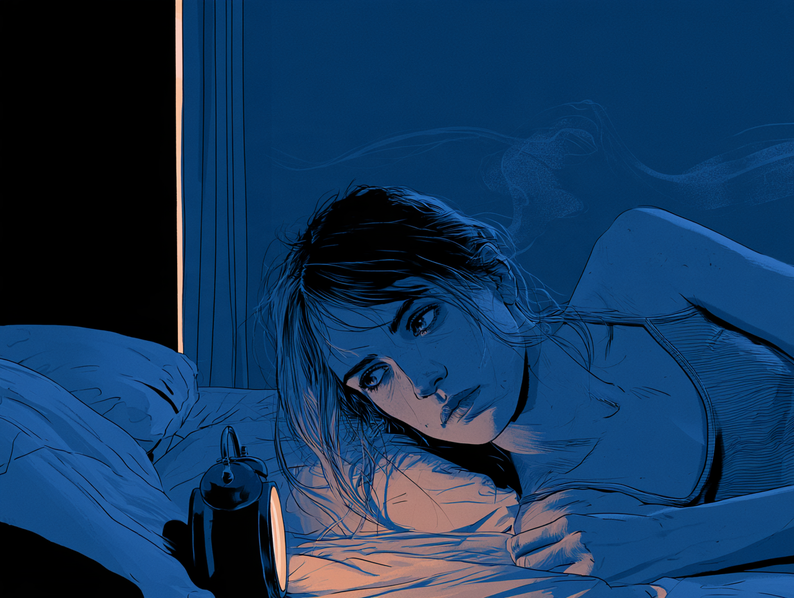

Staying up late doesn't automatically mean something is wrong with your sleep. Understanding delayed sleep phase syndrome vs night owl tendencies can help explain why some people naturally feel alert at midnight while others struggle to fall asleep until the early morning hours, even when they're exhausted.
The main difference isn't simply what time you fall asleep. Being a night owl usually reflects an evening chronotype, a natural preference for later sleep and wake times. Delayed sleep-wake phase disorder (DSWPD), however, involves a persistent shift in the body's internal clock that can make conventional schedules difficult to follow and interfere with everyday responsibilities.
If you've spent hours lying awake before an early workday, you may wonder whether your sleep habits are a choice or something beyond your control. This guide explains the key differences, common symptoms, possible causes, and when professional sleep evaluation may be helpful.
Delayed Sleep Phase Syndrome vs Night Owl: What's the Difference?
Although the terms are sometimes used interchangeably, being a night owl and having delayed sleep-wake phase disorder are not the same thing. Both involve a tendency to fall asleep and wake up later than average, but the distinction depends on the persistence of the pattern, its relationship to the internal circadian clock, and its effects on daily life.
What Does Being a Night Owl Mean?
A night owl is someone with an evening chronotype, meaning their natural preference is to be more alert and active later in the day. They may feel most productive in the evening, prefer going to bed after midnight, and find early mornings less comfortable.
Chronotype varies naturally among individuals. Some people are early birds, others are night owls, and many fall somewhere between these preferences. Genetics, age, and environmental factors can influence where a person falls on this spectrum.
Being a night owl is not inherently a medical condition. A person who prefers late nights may function well when their schedule allows sufficient sleep. However, an evening chronotype can still create difficulties when work, school, or family obligations require consistently early wake times.
What Is Delayed Sleep-Wake Phase Disorder?
Delayed sleep-wake phase disorder (DSWPD), historically called delayed sleep phase syndrome (DSPS), is a circadian rhythm sleep-wake disorder. It involves a persistent delay in the timing of sleep relative to the schedule required or desired by the individual.
Someone with DSWPD may find it extremely difficult to fall asleep at a conventional bedtime, even when they want to. Their natural sleep period may begin several hours later than expected, making early morning commitments difficult to meet.
Importantly, people with DSWPD often experience relatively normal sleep duration and quality when allowed to follow their preferred schedule. The central problem is not necessarily an inability to sleep, but a mismatch between internal circadian timing and external expectations.
Unlike an evening preference alone, DSWPD is associated with clinically significant distress or impairment. Diagnosis requires a comprehensive evaluation of symptoms, sleep timing, duration, and other possible explanations.
Key Differences at a Glance
The following comparison highlights several practical distinctions between an evening chronotype and delayed sleep-wake phase disorder.
| Feature | Night Owl | Delayed Sleep-Wake Phase Disorder |
|---|---|---|
| Basic pattern | Natural preference for later sleep and activity | Persistently delayed sleep-wake timing |
| Earlier bedtime | May be uncomfortable but sometimes manageable | Often consistently difficult despite attempts |
| Sleep on preferred schedule | Usually adequate when enough time is available | Often relatively normal in duration and quality |
| Daily functioning | May or may not cause difficulties | Associated with significant distress or impairment |
| Clinical diagnosis | Not a disorder by itself | Requires professional assessment |
These differences are useful starting points, but no single characteristic can establish whether someone has DSWPD. A clinical assessment considers the overall pattern and its consequences.
Symptoms and Warning Signs: When Late Nights Become a Problem
Late bedtimes are not automatically a cause for concern. The more important question is whether your sleep schedule repeatedly conflicts with your responsibilities, leaves you chronically sleep-deprived, or causes significant distress.
Common Signs of Delayed Sleep-Wake Phase Disorder
People with DSWPD may experience a recurring combination of sleep timing difficulties and daytime consequences. Common signs include:
- Difficulty falling asleep at a conventional bedtime, even when trying to sleep earlier.
- A consistent tendency to fall asleep and wake up several hours later than required.
- Significant difficulty waking up for early work, school, or other obligations.
- Daytime sleepiness when required schedules prevent adequate sleep.
- Improved sleep duration and quality when allowed to follow a preferred later schedule.
- Distress or problems with daily functioning related to the delayed sleep pattern.
These symptoms can resemble those of other sleep disorders. Their presence does not automatically mean someone has DSWPD, especially when irregular schedules, insufficient sleep, or other health conditions may be involved.
How Sleep Timing Can Affect Daily Life
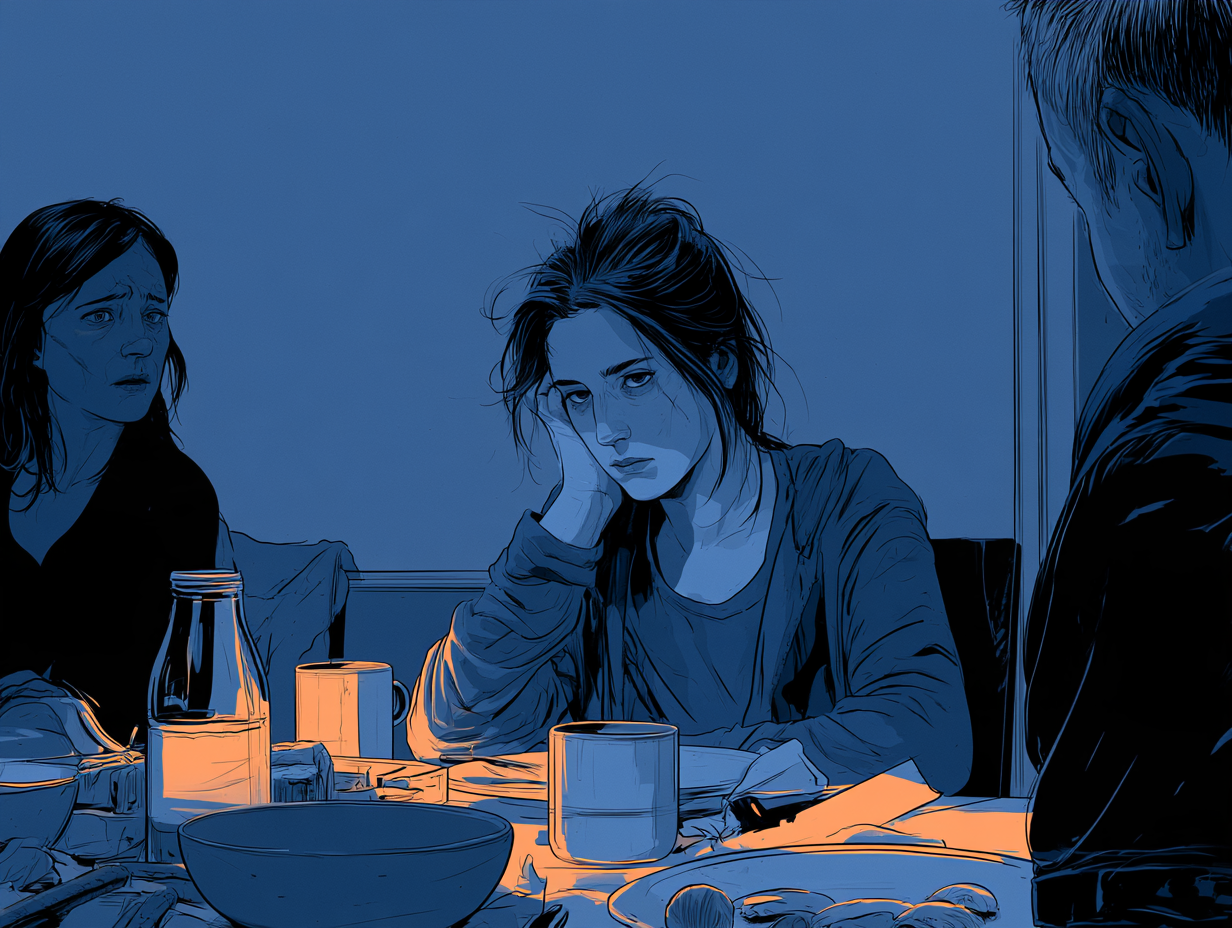
When a person's natural sleep schedule conflicts with social expectations, the consequences can extend beyond feeling tired in the morning. Repeatedly waking before the body is ready may reduce total sleep time and contribute to daytime fatigue, difficulty concentrating, and reduced alertness.
Work and education can become particularly challenging when attendance depends on early start times. Some people struggle to arrive on time, maintain consistent performance, or participate in morning activities.
Sleep difficulties may also affect relationships and emotional well-being. Feeling misunderstood or repeatedly being told to simply go to bed earlier can create frustration, especially when attempts to change the schedule have been unsuccessful.
Persistent sleep problems can sometimes occur alongside emotional distress, reduced motivation, or uncertainty about everyday responsibilities. For a broader discussion of these experiences, our guide on what to do when you feel stuck in life explores emotional well-being and ways to regain a sense of direction.
However, the relationship between sleep timing and emotional health is complex. A delayed sleep schedule does not automatically indicate a mental health condition, and emotional symptoms should be evaluated in their own context.
When Is Being a Night Owl Not a Disorder?
Preferring late evenings does not necessarily indicate a sleep disorder. Many night owls maintain healthy sleep patterns when their daily schedules allow them to sleep and wake at times that suit their natural preferences.
For example, someone who regularly sleeps from 1 a.m. to 9 a.m., feels rested, and functions well throughout the day may simply have an evening chronotype. The timing itself is not enough to establish a clinical problem.
Even when an evening preference makes early mornings inconvenient, that difficulty does not automatically establish DSWPD. Clinicians consider the persistence of the pattern, its effects on functioning, and whether another explanation better accounts for the symptoms.
The distinction matters because the goal is not to label every late sleeper as having a disorder. It is to identify situations in which sleep timing creates meaningful difficulties that may benefit from professional assessment.
Why Do Some People Naturally Fall Asleep Later?
Sleep timing is influenced by the body's internal circadian system, which helps regulate periods of alertness and sleepiness across approximately 24 hours. Individual differences in this system can explain why some people naturally feel sleepy earlier while others remain alert late into the night.
Genetics, age, environmental light exposure, and daily habits can all contribute to these differences. However, a preference for later sleep does not necessarily indicate a circadian rhythm disorder.
Chronotype and Your Internal Body Clock
Chronotype describes a person's natural tendency to sleep and be active at particular times of day. Morning chronotypes generally prefer earlier sleep and wake times, while evening chronotypes tend to feel more alert later in the day.
The circadian system helps coordinate sleep timing with other biological processes, including body temperature, hormone secretion, and changes in alertness.
Although chronotype is influenced by biology, it is not completely independent of the environment. Work schedules, social obligations, and exposure to light can affect when someone actually goes to sleep.
For example, a person with an evening chronotype may naturally prefer sleeping from 1 a.m. to 9 a.m. but regularly wake at 6 a.m. for work. This mismatch can lead to insufficient sleep without necessarily indicating DSWPD.
Understanding the difference between biological preference and clinical impairment is important. A late chronotype becomes more concerning when sleep timing is persistently difficult to adjust and significantly disrupts everyday functioning.
Melatonin and Circadian Rhythm
Melatonin is a hormone involved in signaling biological nighttime. Its secretion generally increases during the evening under dim-light conditions and helps communicate timing information to the body's circadian system.
In people with delayed sleep-wake phase disorder, circadian timing may be shifted later than expected. As a result, the biological signals associated with nighttime can occur later, making conventional bedtimes difficult to maintain.
However, melatonin is not the only factor controlling sleep. Sleep pressure, light exposure, behavior, and individual biological differences also influence when someone feels ready to fall asleep.
This is one reason why simply going to bed earlier may not solve a persistent circadian timing problem. A person can be physically tired while their internal biological clock is still promoting wakefulness.
Understanding these mechanisms can help explain why DSWPD is different from deliberately choosing to stay awake late.
Genetics, Age, and Daily Habits
Genetic differences contribute to individual variation in circadian timing and chronotype. Some people naturally have a stronger preference for evening activity, while others tend toward earlier sleep schedules.
Age also matters. Adolescents and young adults commonly experience a shift toward later sleep timing, although individual patterns vary considerably.
Environmental and behavioral factors can influence these biological tendencies. Evening exposure to bright light, inconsistent wake times, and irregular daily routines may contribute to later sleep schedules.
Late-night routines may also involve eating habits that affect overall well-being. If nighttime snacking has become a recurring pattern, our guide on how to stop eating at night explores psychological and behavioral factors that may contribute to nighttime eating.
However, lifestyle factors do not fully explain every case of delayed sleep timing. Someone with DSWPD may continue experiencing substantial difficulty falling asleep earlier even after making consistent efforts to improve their sleep habits.
Recognizing the interaction between biology and environment can help avoid oversimplified explanations that attribute all late sleeping to poor discipline or personal choice.
Night Owl or DSWPD: How to Recognize Your Sleep Pattern
Distinguishing a night owl from someone with delayed sleep-wake phase disorder requires looking beyond bedtime. The most useful clues include how consistently your sleep is delayed, whether you can fall asleep earlier when necessary, and how your sleep schedule affects daily functioning.

Track Your Sleep Patterns
Keeping a sleep diary can help identify patterns that are difficult to notice from memory alone. Record when you go to bed, when you believe you fall asleep, when you wake up, and how rested you feel.
Keeping a sleep diary for about two weeks, including workdays and days off, can provide a useful starting point for discussing your symptoms with a clinician. A short observation period alone cannot establish DSWPD, which requires evaluation of a persistent sleep-wake pattern.
Note whether you use alarms, take naps, or consume caffeine late in the day. These details may help explain differences between your intended sleep schedule and your actual sleep patterns.
For example, if you consistently fall asleep around 3 a.m. despite attempting an earlier bedtime, that pattern may be worth discussing with a healthcare professional.
A sleep diary cannot establish a diagnosis, but it can provide useful information during an evaluation.
If you want to reflect on how restorative your sleep feels, you can also explore the Sleep Quality Questionnaire Test. This self-report questionnaire examines aspects of perceived sleep quality, although its results cannot diagnose delayed sleep-wake phase disorder.
Look Beyond Your Bedtime
Ask yourself whether your sleep difficulties persist even when you maintain a regular routine. Consider whether you sleep well when allowed to follow your preferred schedule.
Also examine the consequences. Do you regularly miss morning commitments, struggle to stay awake at work, or experience significant distress because of your sleep timing?
Together, these details provide a clearer picture of whether your sleep schedule is simply a preference or a recurring source of difficulty. However, they cannot reliably confirm or exclude DSWPD without clinical assessment.
What Else Could Explain Your Symptoms?
Several conditions and circumstances can resemble delayed sleep-wake phase disorder.
Insomnia may cause difficulty initiating sleep without a consistently delayed circadian phase. Irregular schedules, shift work, insufficient sleep, and certain medications can also affect sleep timing.
Mental health conditions, including depression and anxiety, may contribute to sleep difficulties. ADHD can also coexist with delayed sleep timing, although the two are not interchangeable diagnoses.
Because emotional distress can accompany sleep difficulties, the Depression, Anxiety and Stress Test (DASS-21) may help you reflect on related symptoms. This self-report screening tool cannot determine whether you have DSWPD and does not replace a professional mental health assessment.
A qualified clinician can review your history, sleep diary, and symptoms. Actigraphy, a wearable method of monitoring rest and activity patterns, may sometimes support the assessment.
Can Delayed Sleep Phase Syndrome Be Treated?
Yes, delayed sleep-wake phase disorder can often be managed with treatments designed to shift the body's internal clock toward an earlier schedule. Treatment may involve carefully timed light exposure, melatonin, and consistent sleep habits. However, the most appropriate approach depends on individual circadian timing, symptoms, and daily responsibilities.
Light Therapy and Circadian Timing
Light is one of the strongest environmental signals regulating the circadian clock. Light exposure can influence circadian timing, and carefully scheduled light therapy may be considered as part of an individualized treatment plan. Its effects depend on timing relative to the internal circadian clock, and evidence for specific treatment protocols remains limited.
Some people may benefit from a clinician-supervised light therapy plan using natural daylight or a specialized light box. The timing matters because exposure at the wrong point in the circadian cycle can produce an unintended shift.
Evening light management may also help. Reducing exposure to bright light before the intended bedtime can support a more consistent sleep schedule.
Light therapy is not appropriate for everyone, particularly without additional medical guidance when certain eye conditions or medications that increase light sensitivity are involved.
Melatonin and Sleep Schedule Adjustments
Melatonin is sometimes used to help adjust circadian timing in people with delayed sleep-wake phase disorder.
Unlike a conventional sleeping pill, melatonin primarily acts as a biological timing signal. Its effects depend on when it is taken relative to the person's internal clock.
Because inappropriate timing may reduce its effectiveness or shift the rhythm in an unwanted direction, dosage and scheduling should be discussed with a qualified healthcare professional.
Consistent wake times, regular exposure to daytime light, and gradual schedule adjustments may complement treatment. However, simply forcing an earlier bedtime is often ineffective when the underlying circadian rhythm remains delayed.
When to See a Sleep Specialist
Consider seeking professional evaluation if your sleep schedule repeatedly interferes with work, education, relationships, or your ability to function safely during the day.
A sleep specialist may review your medical history, examine sleep diary records, and recommend actigraphy to assess sleep-wake patterns. Additional testing may be considered when another sleep disorder is suspected.
Treatment goals should reflect your circumstances rather than assuming everyone needs the same bedtime. With appropriate support, many people can improve the alignment between their biological rhythms and daily obligations.
References
- National Heart, Lung, and Blood Institute. Circadian Rhythm Disorders: Types. National Institutes of Health, 2020.
- National Heart, Lung, and Blood Institute. Circadian Rhythm Disorders: Diagnosis. National Institutes of Health, 2021.
- National Heart, Lung, and Blood Institute. Circadian Rhythm Disorders: Treatment. National Institutes of Health, 2020.
- Cleveland Clinic. Delayed Sleep Phase Syndrome (DSPS): Symptoms & Treatment, 2021.
- Mayo Clinic. Delayed Sleep Phase: Diagnosis and Treatment, 2023.
- Auger RR, Burgess HJ, Emens JS, Deriy LV, Thomas SM, Sharkey KM. Clinical Practice Guideline for the Treatment of Intrinsic Circadian Rhythm Sleep-Wake Disorders. Journal of Clinical Sleep Medicine. 2015.
Conclusion
The difference between delayed sleep phase syndrome and being a night owl isn't simply how late someone goes to bed. An evening chronotype reflects a natural preference for later sleep and wake times, while delayed sleep-wake phase disorder involves a persistently delayed sleep schedule associated with significant distress or difficulty meeting everyday obligations.
Both patterns can make early mornings challenging, and people with DSWPD may sleep well when allowed to follow their preferred schedule. That's why bedtime alone cannot determine whether someone has a circadian rhythm disorder.
If your sleep schedule repeatedly interferes with work, school, or daily functioning, consider tracking your sleep patterns and discussing them with a healthcare professional. An appropriate evaluation can help identify the cause and determine whether treatment or schedule adjustments may be beneficial.
Frequently Asked Questions
Is Delayed Sleep Phase Syndrome the Same as Being a Night Owl?
No. Being a night owl describes an evening chronotype, or a natural preference for later sleep and wake times. Delayed sleep-wake phase disorder is a circadian rhythm disorder involving persistently delayed sleep timing and clinically significant distress or impairment. The two patterns can overlap, so a late bedtime alone cannot distinguish them.
Can a Night Owl Develop Delayed Sleep-Wake Phase Disorder?
Yes, someone with an evening chronotype can also meet the diagnostic criteria for delayed sleep-wake phase disorder. However, being a night owl does not necessarily mean the person will develop a disorder. Persistent sleep timing difficulties, their effects on daily functioning, and clinical assessment are important when distinguishing the two.
How Late Do People With Delayed Sleep Phase Syndrome Fall Asleep?
People with DSWPD may not fall asleep until the early morning hours, sometimes around 2 a.m., 3 a.m., or later. However, there is no single bedtime that establishes the diagnosis. Clinicians consider how delayed the sleep schedule is relative to required times, how consistently the pattern occurs, and whether it causes significant problems.
Can Delayed Sleep Phase Syndrome Go Away?
DSWPD can sometimes improve with appropriately timed treatment and consistent sleep scheduling, but outcomes vary. Some people experience persistent difficulties or a return of symptoms when treatment or routines change. A sleep specialist can help establish realistic goals and identify strategies suited to the person's circumstances.
Is Delayed Sleep Phase Syndrome Related to ADHD?
Research has identified associations between ADHD and delayed sleep timing, including evening chronotype and circadian rhythm difficulties. However, ADHD does not automatically cause DSWPD, and having delayed sleep timing does not establish an ADHD diagnosis. People experiencing symptoms of both conditions may benefit from a comprehensive clinical assessment.
Can Melatonin Help With Delayed Sleep Phase Syndrome?
Melatonin may help some people with DSWPD adjust their circadian timing. Its effects depend heavily on when it is taken relative to the internal biological clock. Because inappropriate timing may be ineffective or shift sleep in an unwanted direction, melatonin use should be discussed with a qualified healthcare professional.