Core Wounds: A Clear List, How They Form, and How Healing Works
Many people sense that something deeper than stress or bad luck keeps shaping their relationships, self-esteem, or emotional reactions. You may notice the same patterns repeating, even when you try to act differently or think positively. In psychology, these patterns are often explained through core wounds, which are deeply held emotional injuries formed early in life and reinforced through relationships.
Core wounds are not diagnoses and they are not signs that something is wrong with you. They describe learned emotional beliefs about safety, worth, and connection that once helped you adapt, but now quietly influence how you respond to closeness, conflict, or rejection. Understanding how core wounds develop helps explain why insight alone does not always lead to change.
In this article, you will find a clear list of the most common core wounds, how they tend to show up in adult life, and what healing realistically looks like. The focus is educational and supportive, with guidance on self-work, therapy options, and when professional help may be useful.

What Are Core Wounds in Psychology?
Core wounds are deeply rooted emotional injuries that shape how a person experiences safety, connection, and self-worth. They are not clinical diagnoses and do not appear as labels in the DSM-5-TR. Instead, core wounds describe underlying emotional beliefs that develop through early relationships and formative experiences, especially when basic emotional needs are unmet or inconsistently met.
At their core, these wounds reflect answers the nervous system learned to important questions such as Am I safe? Am I valued? Can I rely on others? When early caregivers were emotionally unavailable, unpredictable, critical, or overwhelmed themselves, a child often adapted by forming internal beliefs that helped them survive that environment. Those beliefs may have been protective then, but they can become limiting in adult life.
Core wounds are closely connected to attachment theory. Attachment research shows that children do not need perfect caregiving, but they do need emotional responsiveness that is good enough. When that responsiveness is missing or inconsistent, the child’s developing brain learns to anticipate disconnection, rejection, or emotional danger. Over time, these expectations become automatic emotional responses rather than conscious thoughts.
It is important to distinguish core wounds from trauma diagnoses. Trauma, as defined in the DSM-5-TR, involves exposure to actual or threatened death, serious injury, or sexual violence. Many people with core wounds do not meet criteria for trauma-related disorders. A person can grow up in a household that looked stable from the outside and still develop deep emotional wounds due to chronic emotional neglect, lack of attunement, or persistent criticism.
Here is the key point: core wounds are about meaning, not events. Two people can experience similar situations and develop very different internal beliefs depending on temperament, support, and context. For one child, emotional distance may register as I must be independent. For another, it may register as I am not important. Both are adaptations, not failures.
In adult life, core wounds tend to show up when emotions run high. For example, someone may logically know that a delayed text does not mean rejection, yet feel an intense surge of anxiety or shame in their body. This disconnect happens because core wounds are stored not only as thoughts, but also as emotional and physiological responses shaped by the nervous system.
Core wounds also differ from personality traits. They are not fixed characteristics or identities. While personality describes relatively stable patterns of behavior, core wounds are changeable emotional learning patterns. With awareness, supportive relationships, and often therapy, these wounds can soften over time.
Understanding core wounds offers a compassionate framework. Instead of asking, What is wrong with me? the question becomes, What did I learn early on that still affects me today? That shift alone often reduces shame and opens the door to meaningful change.
What Are the Main Types of Core Wounds?
Core wounds tend to organize around a small number of recurring emotional themes. While people often experience more than one, most individuals recognize one or two wounds as especially familiar. These wounds are not personality flaws. They are internal beliefs about self and relationships that once helped a person adapt, but now shape emotional reactions automatically.
Below is a clear overview of the most commonly described core wounds in clinical and attachment-informed psychology.
Emotional Abandonment
This wound forms when emotional support was inconsistent or unavailable. Caregivers may have been physically present but emotionally distant, overwhelmed, or unpredictable.
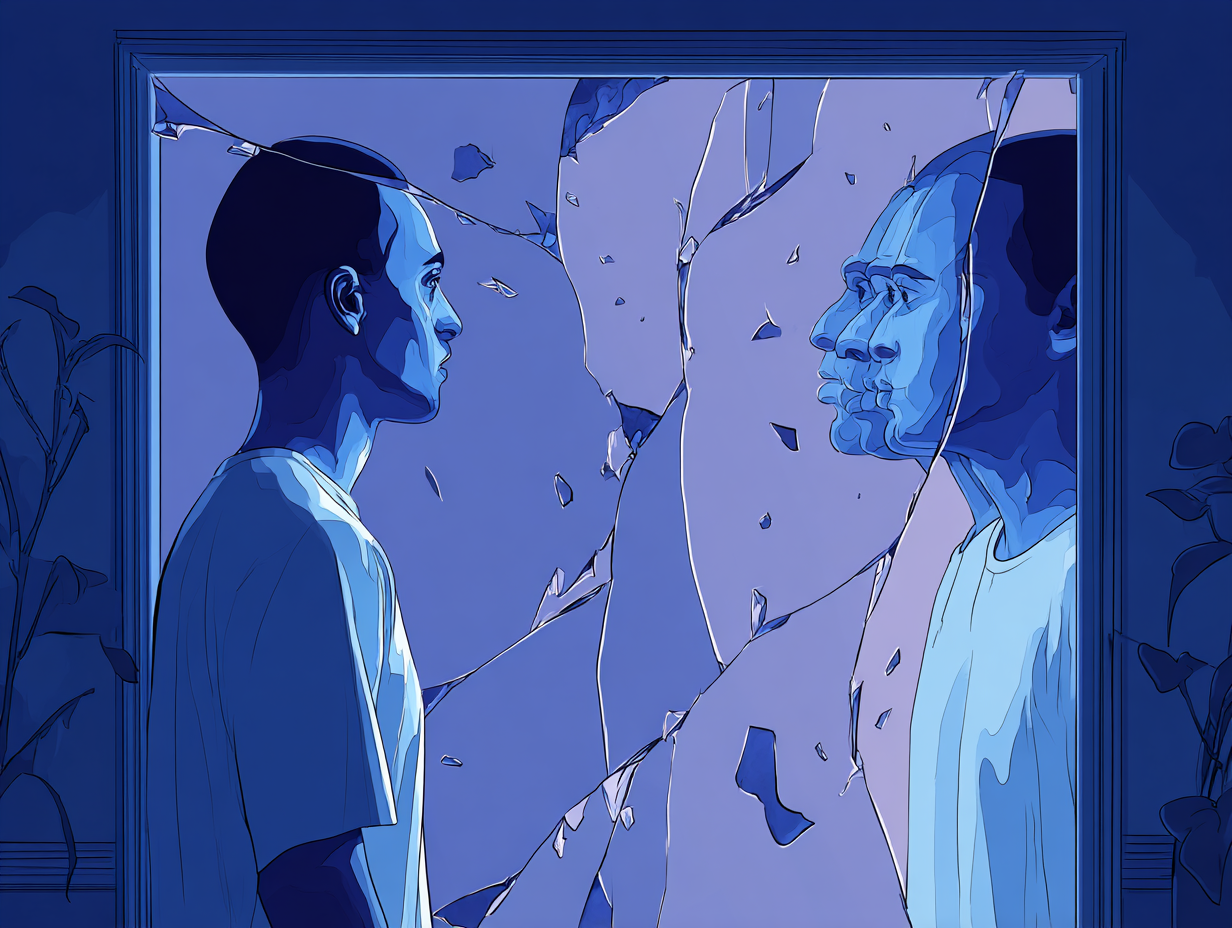
People with this wound often carry the belief that closeness is fragile and temporary. In adulthood, this can show up as anxiety in relationships, strong reactions to perceived distance, or a tendency to stay hyper-attuned to others’ moods. Even small signs of withdrawal can trigger intense fear of being left.
Rejection
The core belief here is I am not wanted. This wound often develops in environments where affection felt conditional, or where a child’s needs, interests, or emotions were repeatedly dismissed.
Adults with a rejection wound may avoid vulnerability, pull away before others can hurt them, or assume disapproval even without evidence. Compliments may feel uncomfortable or untrustworthy, while criticism lands deeply and lingers.
Shame or Defectiveness
This wound centers on the belief Something is wrong with me. It often develops through chronic criticism, comparison, or subtle messages that a child’s feelings or traits were unacceptable.
In adult life, this wound frequently shows up as perfectionism, harsh self-talk, or difficulty receiving care. Success may never feel like enough, and mistakes can trigger disproportionate self-blame or emotional collapse.
Invisibility or Emotional Neglect
Invisibility forms when a child’s inner world was consistently overlooked. Needs were not punished, but they were also not noticed or responded to.
As adults, people with this wound may struggle to express needs, feel uncomfortable taking up space, or assume their feelings are a burden. They often become highly self-reliant, while quietly longing to be truly seen.
Unsafe Attachment
This wound develops when early relationships felt unpredictable, chaotic, or emotionally unsafe. Love may have been mixed with fear, volatility, or role reversal.
Adults with this pattern often crave closeness but feel dysregulated when it actually occurs. Relationships may feel intense, unstable, or emotionally exhausting. Calm connection can even feel unfamiliar or boring.
Common Core Wounds and How They Show Up
| Core wound | Core belief | Common adult patterns |
|---|---|---|
| Emotional abandonment | People leave | Clinginess, fear of distance |
| Rejection | I am unwanted | Avoidance, emotional withdrawal |
| Shame or defectiveness | I am flawed | Perfectionism, self-criticism |
| Invisibility | My needs do not matter | Over-independence, emotional suppression |
| Unsafe attachment | Closeness is dangerous | Relationship instability, emotional swings |
It is common to recognize yourself in more than one row. Core wounds rarely exist in isolation, and they often interact. For example, invisibility can coexist with shame, or abandonment can overlap with unsafe attachment.
The goal of identifying core wounds is not labeling yourself, but gaining clarity. When patterns are named accurately, they become easier to observe without judgment. That awareness creates the foundation for change, which we will explore next.
How Core Wounds Affect Adult Relationships and Behavior
Core wounds tend to stay quiet until something activates them. Daily life may feel manageable, but moments of closeness, conflict, or evaluation often bring these wounds to the surface. This is why people frequently say, I do not understand why I reacted so strongly. The reaction is not random. It follows an internal emotional map shaped long before adulthood.
Core wounds influence relationships and behavior because they operate below conscious awareness. They shape expectations, emotional intensity, and the body’s stress response, often faster than rational thought can intervene.
Core Wounds in Romantic Relationships
Romantic relationships are one of the most common activation points. Intimacy naturally touches themes of safety, worth, and abandonment.
For example, someone with an emotional abandonment wound may feel calm when things are distant, but highly anxious once a bond deepens. A delayed response, a shift in tone, or a request for space can trigger panic or a strong urge to seek reassurance. On the outside, this may look like neediness. On the inside, it feels like an alarm system activating.
With a rejection or shame-based wound, the pattern often flips. Closeness can feel threatening, because being seen increases the risk of being judged or exposed. These individuals may pull away emotionally, minimize needs, or keep relationships surface-level, even when they want connection.
Unsafe attachment wounds often create push–pull dynamics. A person may crave closeness intensely, then feel overwhelmed or dysregulated once it is offered. Calm, stable relationships can feel unfamiliar, while intensity feels oddly normal.
Core Wounds at Work and in Self-Worth
Core wounds do not stay confined to romantic life. They strongly influence work behavior, confidence, and boundaries.
Someone with an invisibility wound may overfunction professionally, take on excessive responsibility, and struggle to ask for help. Their competence becomes a way to feel seen, even if exhaustion builds quietly. Praise may feel uncomfortable, while lack of feedback feels confirming.
Shame-based wounds often drive perfectionism. Mistakes are not experienced as learning moments, but as proof of defectiveness. This can lead to overpreparation, burnout, or avoidance of opportunities where failure feels possible.

In contrast, rejection wounds may show up as disengagement or chronic self-doubt. A neutral email from a supervisor can be interpreted as disapproval, triggering withdrawal or defensive behavior.
Why Insight Alone Is Not Enough
Many people recognize these patterns intellectually. They can name them, explain their origins, and even predict when they will happen. Yet the emotional reaction still arrives with the same force.
This happens because core wounds are encoded not just as thoughts, but as emotional and physiological responses. When a wound is activated, the nervous system shifts into threat mode. Heart rate changes, muscles tense, and attention narrows. Logic becomes secondary to safety.
For instance, knowing that a partner’s silence does not mean abandonment does not immediately calm a body that learned early on that silence equals danger. This gap between insight and emotional regulation is a hallmark of core wounds.
The Repetition Cycle
Core wounds also shape behavior in ways that unintentionally reinforce themselves. A person who fears abandonment may seek constant reassurance, which can strain relationships. Someone who expects rejection may withdraw first, preventing genuine closeness. Over time, these outcomes appear to confirm the original belief.
This cycle is not a flaw in character. It is a predictable learning loop driven by the nervous system’s attempt to avoid pain. Breaking it requires more than willpower. It requires new emotional experiences that gradually update the body’s expectations.
Understanding how core wounds affect adult behavior helps shift the focus from self-blame to self-awareness. Once patterns are seen clearly, the question changes from Why am I like this? to What does my system need in order to feel safer? That question points directly toward healing.
How Do You Heal Core Wounds?
Healing core wounds does not mean erasing the past or eliminating emotional reactions entirely. It means changing how those early emotional beliefs live in the present. Healing happens when the nervous system learns, through repeated experience, that safety, connection, and self-worth are possible now, even if they were not reliable before.
This process is gradual and relational. Core wounds formed in relationship, and they heal through relationship, whether that relationship is with a therapist, a partner, or increasingly with oneself.
What Healing Really Means
A healed core wound does not disappear. Instead, it loses its power to run behavior automatically. The emotional response becomes softer, slower, and more manageable. A trigger that once caused panic may still register, but it no longer takes over the entire system.
For example, someone with an abandonment wound may still notice fear when a partner pulls away. The difference is that the fear no longer dictates urgent action or spiraling thoughts. There is space to pause, reflect, and respond rather than react.
Healing is not about becoming invulnerable. It is about building internal and external safety so that emotional reactions do not feel overwhelming or threatening.
What Self-Work Can Help With
Self-work plays an important role, especially when it focuses on awareness and regulation rather than self-correction. Helpful forms of self-work include learning to identify triggers, practicing emotional regulation, and developing self-compassion.
Journaling can help bring patterns into conscious awareness. Mindfulness practices can increase tolerance for uncomfortable emotions without avoidance. Somatic grounding techniques, such as slow breathing or body scanning, can calm the nervous system when a wound is activated.
However, self-work has limits. Core wounds are often relational and pre-verbal, meaning they formed before a person had language or cognitive tools. In these cases, insight alone does not create change. Without relational repair, self-work can sometimes turn into self-monitoring or self-blame.
The Role of Therapy in Healing Core Wounds
Therapy offers something self-work cannot: a consistent, attuned relationship where emotional experiences can be felt and processed safely. In therapy, core wounds often show up in real time through emotional reactions to the therapist, pauses, misunderstandings, or moments of closeness.
This is not a mistake. It is the mechanism of healing. A skilled therapist helps notice these moments, name them, and respond differently than the past taught the nervous system to expect. Over time, this creates new emotional learning.
Several therapy approaches are commonly used to address core wounds:
- attachment-based therapy focuses on safety, trust, and emotional responsiveness
- schema therapy works directly with core beliefs such as defectiveness or abandonment
- trauma-informed CBT helps link emotional reactions to underlying beliefs while supporting regulation
- EMDR and other trauma-focused approaches may help when wounds are connected to overwhelming experiences
- somatic therapies focus on releasing stored tension and restoring regulation
The goal is not to analyze endlessly, but to create lived experiences of safety, consistency, and repair.
Healing Paths: Self-Work and Therapy
| Healing focus | Self-work support | Therapy support | What changes over time |
|---|---|---|---|
| Emotional awareness | Journaling, mindfulness | Real-time emotional reflection | Triggers recognized earlier |
| Nervous system regulation | Breathing, grounding | Co-regulation in session | Reduced emotional intensity |
| Core beliefs | Self-compassion practices | Schema and attachment work | Beliefs soften, flexibility grows |
| Relational safety | Boundary awareness | Corrective relational experience | More stable connections |
Core wounds formed through repetition, not single moments. Healing follows the same principle. Each experience of being met with understanding, rather than rejection or neglect, updates the nervous system slightly. Over time, these updates accumulate.
Setbacks are part of the process. A trigger does not mean failure. It means the system encountered something familiar and needs support. Healing is measured not by the absence of pain, but by increased capacity to stay present with it.
When people stop expecting quick fixes and instead focus on steady emotional learning, progress becomes both realistic and sustainable.
When to Seek Professional Help for Core Wounds
Many people can make meaningful progress with reflection, education, and supportive relationships. However, there are times when self-work is not enough. Core wounds often sit at a level that requires relational repair and professional guidance, especially when they significantly affect daily functioning or emotional stability.
A helpful rule of thumb is this: if understanding your patterns has not reduced their emotional intensity or impact over time, professional support may be appropriate.
Signs That Additional Support May Help
Consider reaching out to a licensed mental health professional if you notice that core wounds are consistently interfering with your life. Common signs include:
- repeated relationship conflicts that feel intense or unmanageable
- emotional reactions that feel disproportionate or hard to regulate
- chronic shame, fear, or numbness that does not ease with insight
- difficulty trusting others, even in safe relationships
- patterns that contribute to anxiety, depressive symptoms, or burnout
These signs do not mean something is wrong with you. They indicate that your nervous system may need support that goes beyond individual coping strategies.
What Therapy Can Offer
Working with a therapist provides a structured and confidential space to explore core wounds safely. In the United States, licensed psychologists, clinical social workers, professional counselors, and marriage and family therapists are trained to help people work through attachment-related patterns and emotional regulation difficulties.
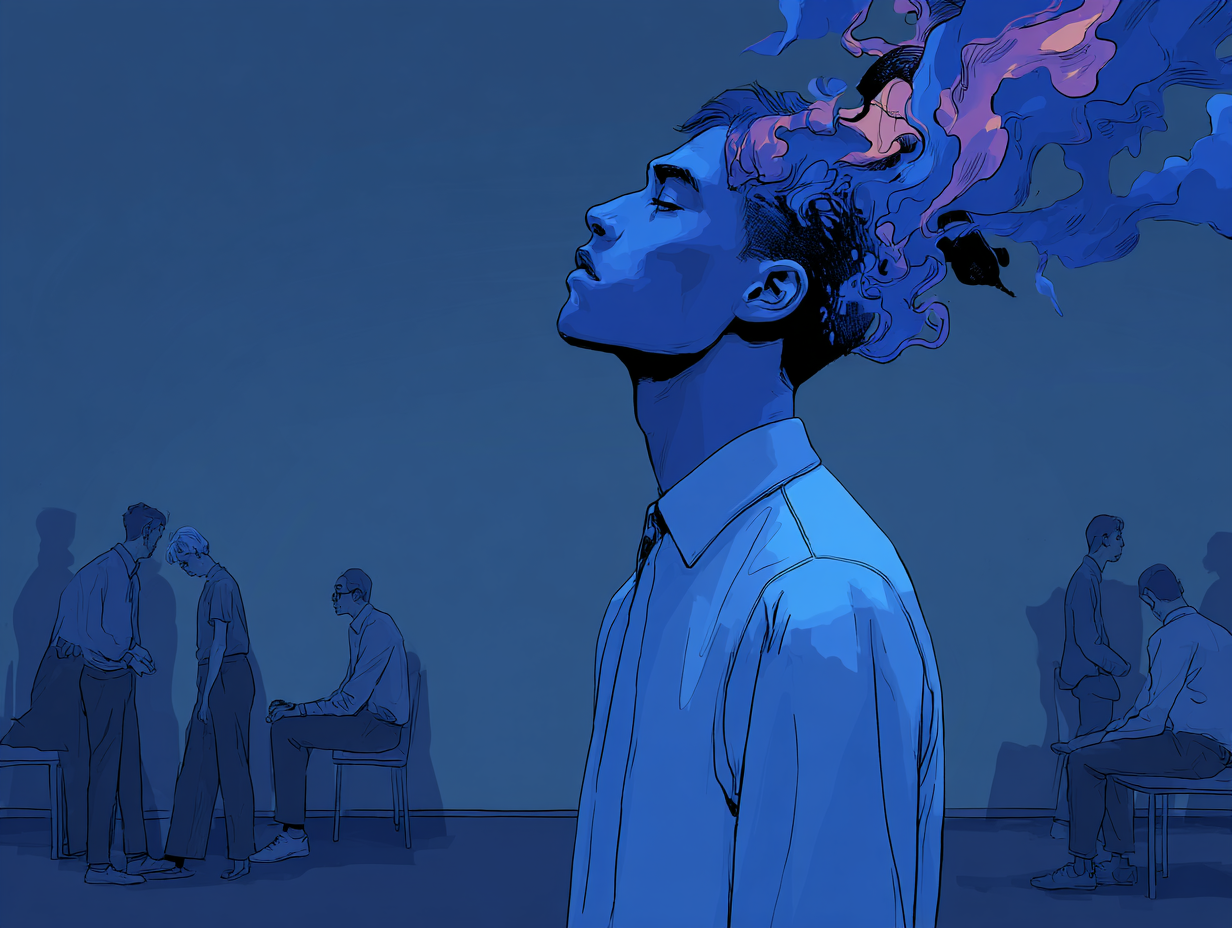
Therapy allows core wounds to be addressed as they appear in real time, not just discussed intellectually. Over time, this creates new emotional experiences that help soften rigid beliefs and increase tolerance for closeness, uncertainty, and vulnerability.
If you are considering therapy, it can be helpful to look for professionals who describe their work as trauma-informed, attachment-based, or relational. Many clinicians list these approaches in their profiles or can discuss them during an initial consultation.
Ethical and Safety Considerations
Mental health care is guided by ethical standards that prioritize client well-being. The American Psychological Association emphasizes self-awareness, appropriate referral, and seeking consultation when emotional difficulties affect functioning. Therapy is considered a proactive step toward health, not a last resort.
If emotional distress ever escalates to thoughts of hopelessness, self-harm, or feeling unsafe, immediate support is essential.
In the United States, call or text 988 to reach the Suicide and Crisis Lifeline. If you are in immediate danger, call 911.
Moving Forward with Support
Seeking professional help does not mean giving up autonomy. It means recognizing that some forms of healing require support from another regulated nervous system. With the right help, core wounds can become less central in daily life, allowing relationships and self-trust to feel steadier and more secure.
References
1. American Psychological Association. Attachment and Human Development. 2023.
2. National Institute of Mental Health. Trauma and Stress-Related Disorders. 2023.
3. American Psychological Association. Understanding Core Beliefs. 2022.
4. Cleveland Clinic. Emotional Neglect and Long-Term Effects. 2023.
5. Substance Abuse and Mental Health Services Administration. Trauma-Informed Care in Behavioral Health. 2022.
Conclusion
Core wounds are not flaws or diagnoses. They are learned emotional responses shaped by early experiences and reinforced through relationships over time. Understanding them helps explain why certain patterns feel automatic, intense, or difficult to change through insight alone.
Healing core wounds is a gradual process that focuses on safety, emotional regulation, and relational repair. For some people, self-reflection and supportive relationships create meaningful shifts. For others, therapy provides the consistent, attuned support needed to update deeply held emotional beliefs.
If you recognize these patterns in yourself, the most important takeaway is this: change is possible. With the right support and realistic expectations, core wounds can lose their grip and allow for more stable relationships, self-trust, and emotional flexibility.
If you ever feel overwhelmed, unsafe, or unsure where to turn, help is available. In the United States, you can call or text 988 to reach the Suicide and Crisis Lifeline. If you are in immediate danger, call 911.
Frequently Asked Questions
Are core wounds the same as trauma?
No. Core wounds are emotional beliefs shaped by early relationships, while trauma diagnoses in the DSM-5-TR involve exposure to specific threatening events. A person can have core wounds without meeting criteria for a trauma-related disorder.
Can you have more than one core wound?
Yes. Many people recognize elements of several core wounds, though one or two usually feel most dominant. These wounds often overlap and influence each other.
Do core wounds ever fully go away?
Core wounds typically do not disappear completely, but they can lose their intensity and influence. Healing means greater emotional flexibility and less automatic reactivity, not emotional numbness.
Is therapy required to heal core wounds?
Not always. Some people make progress through self-work and supportive relationships. Therapy is especially helpful when emotional reactions feel overwhelming, repetitive, or resistant to insight.
What type of therapist works with core wounds?
Licensed psychologists, clinical social workers, and counselors trained in attachment-based, trauma-informed, or relational approaches often work with core wounds. Many list these specialties in their professional profiles.
When should I seek immediate help?
If emotional distress includes thoughts of self-harm, hopelessness, or feeling unsafe, seek immediate support. In the United States, call or text 988 for the Suicide and Crisis Lifeline, or call 911 if you are in immediate danger.