How to Tell if Your Child Needs a Psychologist: Signs, Support, and Next Steps
When a child is having a hard time, parents often feel every bit of it too. Worry, guilt, and confusion can creep in — especially when progress feels slow or when you’re unsure whether what you’re seeing is “normal.” A child psychologist can help clarify what’s happening and guide both you and your child toward healthier ways of coping.
Therapy for kids isn’t just for serious problems. It’s a tool for growth — helping children learn to express feelings, manage frustration, and build confidence. In this article, you’ll learn how to recognize signs your child may need extra support, what therapy for children looks like, and how to find the right professional when the time comes.
What Does a Child Psychologist Do?
A child psychologist focuses on understanding how children think, feel, and behave — and how family, school, and environment shape that process. Unlike general counselors, they’re trained to recognize the stages of emotional and cognitive development and to tailor therapy to a child’s age and abilities.
According to the American Psychological Association, a child psychologist helps kids develop emotional regulation, manage stress, and learn coping skills through evidence-based methods such as play therapy, cognitive-behavioral therapy (CBT), and parent–child interaction therapy (PCIT). The goal isn’t to “fix” a child but to build resilience and strengthen family relationships.
How They Work
Therapy for children looks different from therapy for adults. Sessions might include drawing, role-playing, or storytelling — activities that make it easier for kids to communicate feelings they can’t yet put into words. The psychologist observes themes in play, teaches emotional vocabulary, and guides parents on how to respond calmly and consistently at home.
Confidentiality is key, but it has boundaries. Under HIPAA, psychologists share overall progress with parents while keeping private details that help the child feel safe to open up. Exceptions apply if there’s risk of harm to self or others.
Collaboration With Parents and Schools
Parents are part of the process, not bystanders. A good therapist keeps communication open — updating you on goals, suggesting ways to reinforce skills, and sometimes involving teachers to support consistency between home and school.
When families, schools, and therapists work together, progress usually happens faster. Children start identifying their feelings, parents gain confidence in responding to emotional moments, and teachers notice improved focus and social behavior.
You don’t need a formal diagnosis to see a child psychologist. If something in your child’s behavior worries you or daily life feels tense, early guidance can make things smoother for everyone.
Normal Behavior vs. When to Worry
Children go through intense emotional swings as they grow — frustration, fear, defiance, and sadness are all part of learning how to handle big feelings. What’s tricky is knowing when those ups and downs start signaling something more. Most of the time, strong emotions are brief and connected to change: a new sibling, a move, starting school. When reactions become persistent or extreme, a child psychologist can help determine whether additional support is needed.
Understanding What’s Typical
It’s normal for young children to:
-
have tantrums when tired or overwhelmed;
-
struggle to share or take turns;
-
show fear of strangers or new situations;
-
resist bedtime or separation.
These behaviors usually pass as children learn self-regulation. Emotional outbursts at three or four years old are different from the same at seven or eight, when most kids can already express feelings with words. Developmental context matters — comparing your child only to others their age can be misleading if stress or family transitions are involved.
Typical vs. Concerning Behavior in Children
| Behavior Type | Typical / Age-Appropriate | When It May Need Attention |
|---|---|---|
| Tantrums | Brief, linked to fatigue or frustration; child settles with support. | Lasts 15–20+ minutes, near-daily, or includes aggression or self-harm. |
| Worry or Fear | Temporary fears (dark, strangers, loud sounds). | Ongoing anxiety, nightmares, or avoiding school/social events. |
| Sadness | Short dips after loss or disappointment. | Lasting sadness, no interest in play, talk of worthlessness. |
| Anger or Defiance | Occasional limit-testing or arguing. | Constant conflict, destruction, or harm to people/pets. |
| Concentration | Sometimes distracted on long tasks. | Trouble focusing across settings; teacher concerns persist. |
| Sleep | Occasional bedtime battles or nightmares. | Chronic insomnia, daytime fatigue, flipped sleep schedule. |
| Social Behavior | Shy at first, then warms up. | Avoids peers, isolates, or sudden personality shift. |
Signs That Deserve a Closer Look
According to the Child Mind Institute, lasting changes in mood or functioning often indicate a deeper issue.
Red flags to pay attention to:
-
your child seems sad or irritable for weeks at a time;
-
things they used to love — friends, games, hobbies — no longer interest them;
-
they often complain of stomachaches or headaches, and the doctor can’t find a reason;
-
you notice bursts of aggression, sudden withdrawal, or new fears that appear out of nowhere;
-
they lose skills they had mastered, like using the bathroom or speaking clearly;
-
sleep becomes a struggle, or it’s harder for them to focus on simple tasks.
When these patterns persist across different settings — home, school, and social life — they may reflect emotional distress rather than “bad behavior.”
The Role of Stress and Environment
Even normal life events can feel overwhelming to a child. Divorce, bullying, illness in the family, or a move can trigger anxiety or acting out. While parents can often ease mild stress through reassurance and structure, ongoing distress may need professional help to prevent long-term effects on mood or confidence.
When Behavior Becomes Concerning
The line between typical and concerning behavior is persistence and intensity. If you’ve tried consistent routines and calm responses but your child remains frequently angry, withdrawn, or fearful, it’s time for a consultation. A psychologist can distinguish temporary reactions from patterns suggesting anxiety, depression, or trauma response — without labeling or pathologizing the child.
Early support doesn’t mean your child will need years of therapy. Many kids benefit from just a few sessions focused on skills for naming emotions, calming their bodies, and communicating needs more clearly.
Common Signs Your Child May Need Support
Every child communicates distress differently. Some cry or lash out, while others grow quiet and withdrawn. The challenge for parents is to look beyond surface behavior and notice patterns — especially those that last for weeks or interfere with daily life. A child psychologist can help interpret these signals and guide you toward the right type of care.
Behavioral Signs
Changes in behavior are often the first clue that something is off. Pay attention if your child:
-
has frequent, explosive tantrums that don’t improve with structure or calm parenting;
-
shows aggression toward family members, pets, or peers;
-
suddenly refuses to go to school or participate in favorite activities;
-
develops rituals or repetitive behaviors that seem driven by fear or control.
These behaviors may indicate underlying anxiety, trauma, or frustration with unexpressed emotions.
Emotional Signs
Emotions can reveal what words can’t. Persistent sadness, guilt, or fear are never just “moods” when they start affecting sleep or appetite. Children may:
-
cry easily or appear unusually sensitive;
-
express worry about everyday tasks (“What if something bad happens?”);
-
blame themselves for things outside their control;
-
seem numb, hopeless, or uninterested in play.
NIMH estimates that about one in six U.S. kids will face emotional or behavioral challenges at some point. Step in early and you’re far more likely to keep small problems from snowballing.
Social and School-Related Signs
In the classroom, little struggles get loud — focus, cooperation, getting along with peers. That’s why teachers sometimes notice shifts before parents do. Warning signs include:
-
dropping grades or loss of concentration;
-
avoiding classmates or preferring to be alone;
-
conflict with teachers or frequent rule-breaking;
-
reluctance to leave home in the morning.
When stress shows up both at school and home, it’s rarely “just a phase.” A psychologist can collaborate with educators to create consistent strategies that support learning and emotional regulation.
Physical and Somatic Signs
The body tells its own version of the story. Headaches, stomachaches, or sudden tiredness can show up when a child feels anxious or tense, even if the doctor says everything looks fine. Changes in sleep, appetite, or new nightmares can be quiet signs that something inside needs attention.
When Multiple Signs Overlap
Occasional outbursts or fears are normal. What matters is duration, intensity, and interference with daily life. If several signs appear together or last more than a few weeks, that’s a good reason to reach out for professional input.
Remember, therapy doesn’t label your child — it helps uncover what the behavior is trying to say.
How Therapy for Children Works
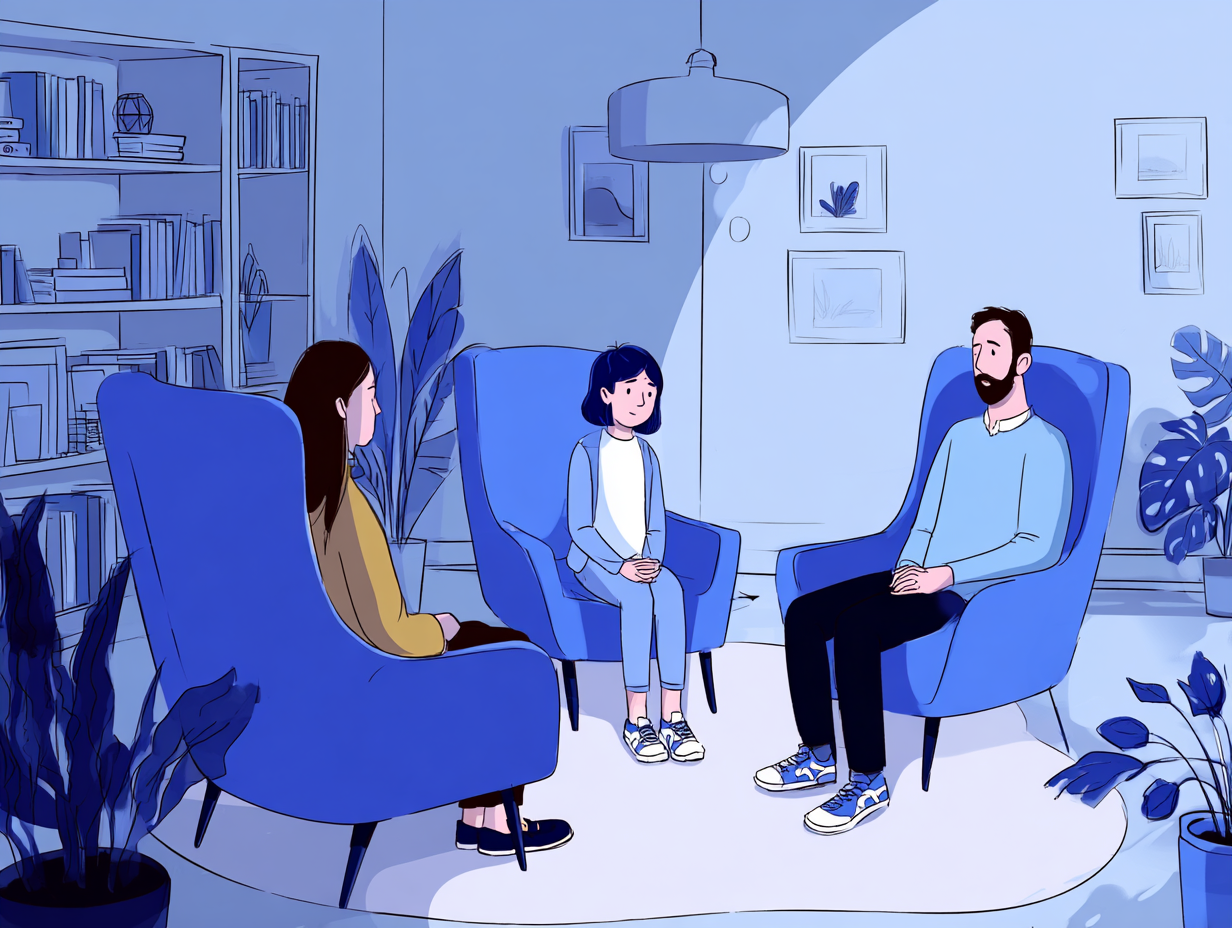
Therapy for children doesn’t look like sitting on a couch and talking about problems. It looks like play — drawing, storytelling, movement, games, and imagination. Through these activities, a child psychologist helps children express emotions safely and make sense of what they’re feeling, even before they have the words to explain it.
The First Sessions
The first few appointments are mostly about getting to know your child. The psychologist observes how they play, how they separate from you, and how they communicate through toys or drawings. At the same time, you’ll discuss your concerns, daily routines, and what seems hardest right now. Together, you and the therapist set small, realistic goals — for example, reducing bedtime struggles or helping your child make friends more easily.
Sessions usually last 30–50 minutes and happen once a week. Many therapists invite parents to join at the start or end of sessions to review progress and plan next steps.
Common Therapeutic Approaches
According to the American Psychological Association, the following evidence-based methods are frequently used with children:
-
Play therapy: helps children process emotions and build problem-solving skills through symbolic play.
-
Cognitive-behavioral therapy (CBT): teaches kids to identify unhelpful thoughts and practice calm, flexible thinking.
-
Parent–child interaction therapy (PCIT): coaches parents in real time to strengthen communication and reduce behavior problems.
-
Family therapy: focuses on patterns of interaction that influence a child’s emotions and behavior.
Many psychologists blend these techniques depending on the child’s age, personality, and challenges.
What Progress Looks Like
Improvement can be subtle. It might start with shorter tantrums, better sleep, or new ways of expressing frustration. Over time, children become more confident at naming feelings and using coping strategies on their own.
Parents often notice changes in themselves too — more patience, clearer boundaries, and less guilt about asking for help. Therapy works best when parents and children practice together at home what they learn in session.
Confidentiality and Trust
Trust is the foundation of therapy. The U.S. Department of Health and Human Services explains that HIPAA privacy laws protect children’s therapy sessions, though psychologists typically share general progress updates with parents. The goal is to keep children honest and parents informed — a balance that encourages openness and safety for everyone involved.
Teletherapy and Accessibility
Since the pandemic, many therapists have offered secure video sessions. For children comfortable with screens, teletherapy can be effective, especially when travel or scheduling is difficult. Most U.S. insurance plans now cover online sessions, though coverage varies by state and provider.
Therapy doesn’t have to be long-term. For many children, 6–12 sessions are enough to identify challenges and learn new coping skills, especially when parents stay actively involved.
How Parents Can Help at Home
Even the best therapy sessions last less than an hour a week — the real progress happens at home. A child psychologist can guide parents on what to practice between sessions, but daily interactions are where emotional growth takes root. The goal isn’t to become your child’s therapist; it’s to become their steady base of support.
Model Calm and Connection
Children learn emotional regulation by watching how adults handle stress. When you stay calm during a meltdown, you’re teaching your child that big feelings can be managed safely.
Try to:
-
speak in a steady, low voice instead of shouting;
-
name your own emotions (“I’m frustrated, but I can handle it”);
-
take a few deep breaths before responding;
-
model apologizing and repair when you lose patience.
According to the American Psychological Association, parental stress management directly affects a child’s resilience and behavior. Your calm presence helps their nervous system settle faster than any words.
Validate Feelings Before Correcting Behavior
Children often act out because they don’t feel understood. Before offering solutions, show empathy. Say things like: “That looks really hard,” or “I can see you’re upset.” Validation doesn’t mean agreement — it means you acknowledge their emotion. Once your child feels heard, they’re more open to problem-solving together.
You can start with simple feeling words — “mad,” “worried,” “disappointed.” When kids learn the right words, they explode less and connect more. Naming emotions turns chaos into something they can handle.
Create Predictable Routines
Kids breathe easier when they know what’s coming next. Regular times for meals, bedtime, and homework take pressure off everyone. Add tiny rituals — reading a few pages together, sharing the best and hardest part of the day. Predictability doesn’t make life boring; it makes it feel safe.
Encourage Healthy Outlets
Energy and emotion need a release. Encourage physical play, art, music, or time outside — all proven ways to lower stress hormones and boost mood. Limit screen time before bed and help your child wind down with quiet activities.
Take Care of Yourself Too
Parenting a struggling child is emotionally demanding. It’s okay to seek your own support, whether through therapy, parenting groups, or trusted friends. Children sense when caregivers are overwhelmed; caring for yourself is part of caring for them.
Small, consistent actions — listening, keeping routines, and staying calm — often make a bigger difference than long speeches or strict rules. Stability and empathy at home can reinforce everything your child learns in therapy.
When and How to Seek Professional Help
Sometimes love and patience aren’t enough on their own. When your child’s emotions or behavior start interfering with daily life — school attendance, friendships, or family harmony — it may be time to reach out for professional support. Talking with a child psychologist doesn’t mean you’ve failed; it means you’re taking proactive steps to understand what your child needs.
When to Reach Out
The National Institute of Mental Health and the Child Mind Institute both emphasize that early intervention leads to better outcomes. Consider scheduling an evaluation if:
-
symptoms persist for several weeks or worsen over time;
-
emotional struggles affect sleep, appetite, or learning;
-
your child expresses hopelessness or self-blame;
-
conflicts at home feel constant despite consistent routines;
-
teachers or caregivers express concern about mood or social skills.
If you ever suspect risk of self-harm, call or text 988 (Suicide & Crisis Lifeline) right away, or 911 if there’s immediate danger.
How to Find a Qualified Professional
You can begin by asking your child’s doctor if they know someone they trust. Another option is to check reliable directories like Psychology Today or your insurance’s mental-health listings. When you read profiles, look for credentials such as Ph.D., Psy.D., or LCSW with experience in working with kids — and make sure the therapist is licensed in your state.
Many communities also have nonprofit clinics, school-based counselors, or telehealth options covered by insurance. When cost is a concern, sliding-scale clinics or university training programs may provide affordable services under supervision.
What to Expect During the Process
The first visit is usually an intake — a conversation about your child’s history, current symptoms, and family dynamics. You’ll discuss school reports, medical background, and developmental milestones. The psychologist may meet with your child separately to observe behavior and comfort level.
After assessment, you’ll receive feedback and a plan — which might include individual therapy, family sessions, or recommendations for further evaluation (like occupational therapy or speech assessment, if relevant).
Insurance, Privacy, and Practicalities
Most U.S. insurance plans cover child therapy under behavioral-health benefits, though copays and authorizations differ. If you prefer complete privacy, you can self-pay — psychologists are ethically and legally bound by HIPAA to protect your child’s information, except when there’s a safety concern.
For families who live far from big cities, online therapy can be a lifeline. Video sessions let kids get help without long drives, and in many states insurance now covers telehealth the same way it covers in-person visits.
Overcoming Hesitation and Stigma
It’s normal to pause before calling a therapist. Many parents worry their child will be labeled or that others will judge them. But therapy isn’t about putting a name on a problem — it’s about understanding what’s really going on. Reaching out doesn’t mean something’s wrong with your parenting; it means you care enough to get support. The earlier you begin, the more tools your child gains for handling life’s challenges.
References
- National Institute of Mental Health. Children and Mental Health. 2023.
- Child Mind Institute. When to Worry About Your Child’s Mental Health. 2023.
- American Psychological Association. How to Tell if Your Child Might Need Therapy. 2023.
- American Psychological Association. Benefits of Therapy for Children and Teens. 2023.
- U.S. Department of Health and Human Services. HIPAA Privacy Rule and Sharing Information Related to Mental Health. 2022.
- Centers for Disease Control and Prevention. Supporting Child Development and Mental Health. 2022.
- American Psychological Association. Parent Stress and Child Well-Being. 2022.
- SAMHSA. 988 Suicide and Crisis Lifeline. 2023.
Conclusion
Every parent faces moments of uncertainty — wondering whether their child’s struggles are just a phase or something deeper. Taking that concern seriously is an act of love, not fear. When emotions or behaviors start to interfere with daily life, reaching out to a child psychologist can bring clarity and relief.
Therapy gives children tools to understand their feelings, and it gives parents guidance to support growth with confidence. The earlier you seek help, the smoother everyday life becomes — for your child and for you.
If your child ever expresses hopelessness or you’re worried about their safety, call or text 988 (Suicide & Crisis Lifeline) in the U.S. If there’s immediate danger, call 911. You don’t have to handle it alone — help is available, and healing is possible.
Frequently Asked Questions
What’s the difference between a child psychologist and a counselor?
A child psychologist holds a doctoral degree and specialized training in assessment, diagnosis, and therapy for children. Counselors usually have a master’s degree and focus more on practical coping strategies. Both can support emotional well-being, but psychologists often handle more complex or long-term issues.
How long does child therapy usually take?
It depends on the child’s needs. Some benefit from 6–12 sessions, while others need longer support. Progress is measured by changes in behavior, mood, and communication, not by a fixed timeline.
Will my child know what’s happening during therapy?
Yes. Therapists explain things in age-appropriate ways, emphasizing that therapy is a safe space to talk and play. Children often see it as a place to learn about feelings, not as “treatment.”
Can parents join therapy sessions?
In most cases, yes. Many therapists include parents in parts of sessions to review progress and practice strategies at home. The balance depends on the child’s age and comfort level.
What if I can’t afford private therapy?
Community clinics, school-based counselors, and university programs often provide low-cost or sliding-scale therapy. Telehealth options may also reduce cost and travel barriers. You can ask your pediatrician or insurance provider about covered options.
Will therapy be confidential?
Yes, with limits. Child psychologists follow HIPAA privacy laws. Parents receive general updates but not specific details shared by the child, unless there’s a safety concern.