Child Psychologist for 3-Year-Olds: When to Worry and How Therapy Can Help
Raising a 3-year-old can feel like living in two worlds at once — one filled with giggles and imagination, the other with sudden tears that seem to appear out of nowhere. It’s natural to question where normal toddler mood swings end and deeper struggles begin. When emotions run high or small routines turn into daily battles, a child psychologist for 3-year-olds can help parents understand what’s happening beneath the surface and guide the family toward calmer, more connected days.
In the early years, feelings tend to outrun language. Toddlers haven’t yet learned how to explain what’s wrong, so their emotions spill out in tears, clinginess, or sudden silence. A child psychologist observes and plays alongside them to uncover what those reactions really mean. The goal isn’t to diagnose or label — it’s to help the child find ways to express emotions, understand them, and feel secure in their everyday world.
In this guide, you’ll learn what a child psychologist actually does, how to recognize when your 3-year-old might benefit from professional help, and what therapy sessions look like in practice. You’ll also find simple ways to support your child’s emotional growth at home. Whether you’re feeling uncertain or just curious, this article will walk you through what’s normal, what’s not, and how early guidance can make family life calmer for everyone.
What Does a Child Psychologist Do for a 3-Year-Old?
For many parents, the phrase “child psychologist” brings to mind a quiet office and serious conversations. In reality, a session with a 3-year-old looks more like playtime than therapy — and that’s exactly the point. At this age, children communicate through play, movement, and expression rather than words. A child psychologist for 3-year-olds understands that toys, drawings, and games reveal more than language ever could.
The main goal isn’t to “fix” a child but to understand how they see the world. Psychologists use play-based methods to observe how a toddler interacts, copes with frustration, separates from parents, and handles transitions. These observations help identify whether behaviors like frequent tantrums, aggression, or withdrawal stem from normal development, stress, or something that may need extra support.

What Happens in a Typical Session
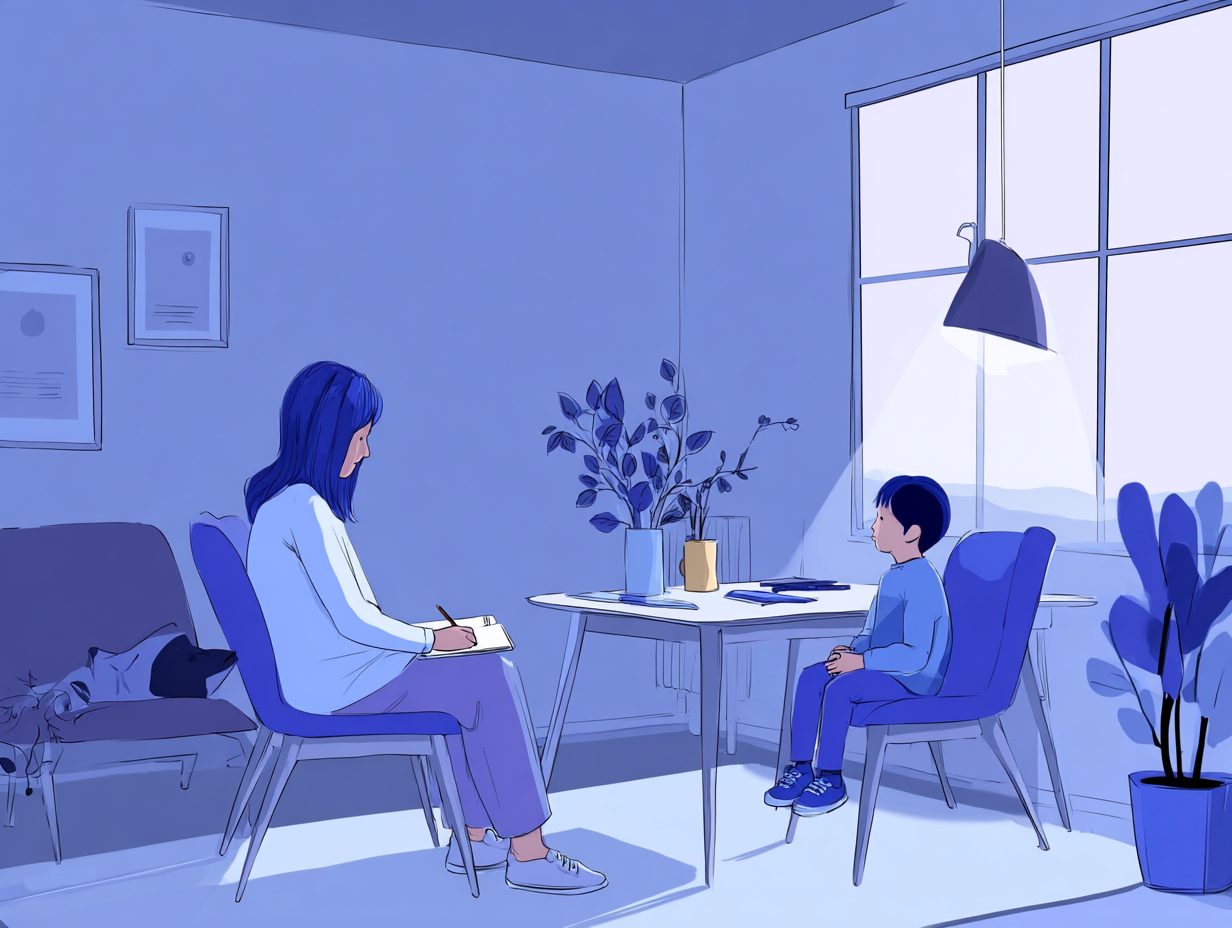
A first visit often begins with the parents. The psychologist asks about the child’s birth, temperament, sleep, milestones, and any recent changes at home. Then, the child enters a space designed for comfort: shelves of toys, blocks, puppets, and art materials. During free play, the psychologist quietly observes — noting how the child explores, how long they focus, and how they react when frustrated or comforted.
Therapy sessions for toddlers are usually short, around 30 to 45 minutes, and move entirely at the child’s pace. The psychologist might quietly observe at first, then join in, letting the child lead the play. Through games and imagination, they learn about the child’s emotions, relationships, and view of the world. For instance, if a child often plays out “good” and “bad” roles, it may hint at how they understand fairness, rules, or conflict at home.
Therapy for toddlers isn’t about sitting still or having deep conversations. It’s about offering a safe place where feelings can come out freely. A skilled child psychologist for 3-year-olds connects through play, curiosity, and empathy — meeting the child exactly where they are.
How Psychologists Assess Development
Observation is only one part of the process. Child psychologists also use structured tools to understand a toddler’s emotional and cognitive development. They may conduct:
-
short play-based assessments;
-
parent questionnaires about daily behavior;
-
developmental screenings for language, social, or motor skills.
These aren’t “tests” in the usual sense. They’re short, playful moments that help the psychologist see how a child reacts, learns, and connects. A few minutes of drawing, building blocks, or make-believe games can say more than a questionnaire ever could. If a toddler finds it hard to calm down or talk about feelings, therapy might weave in stories or role-play to show them gentler ways to express themselves.
Parental Involvement
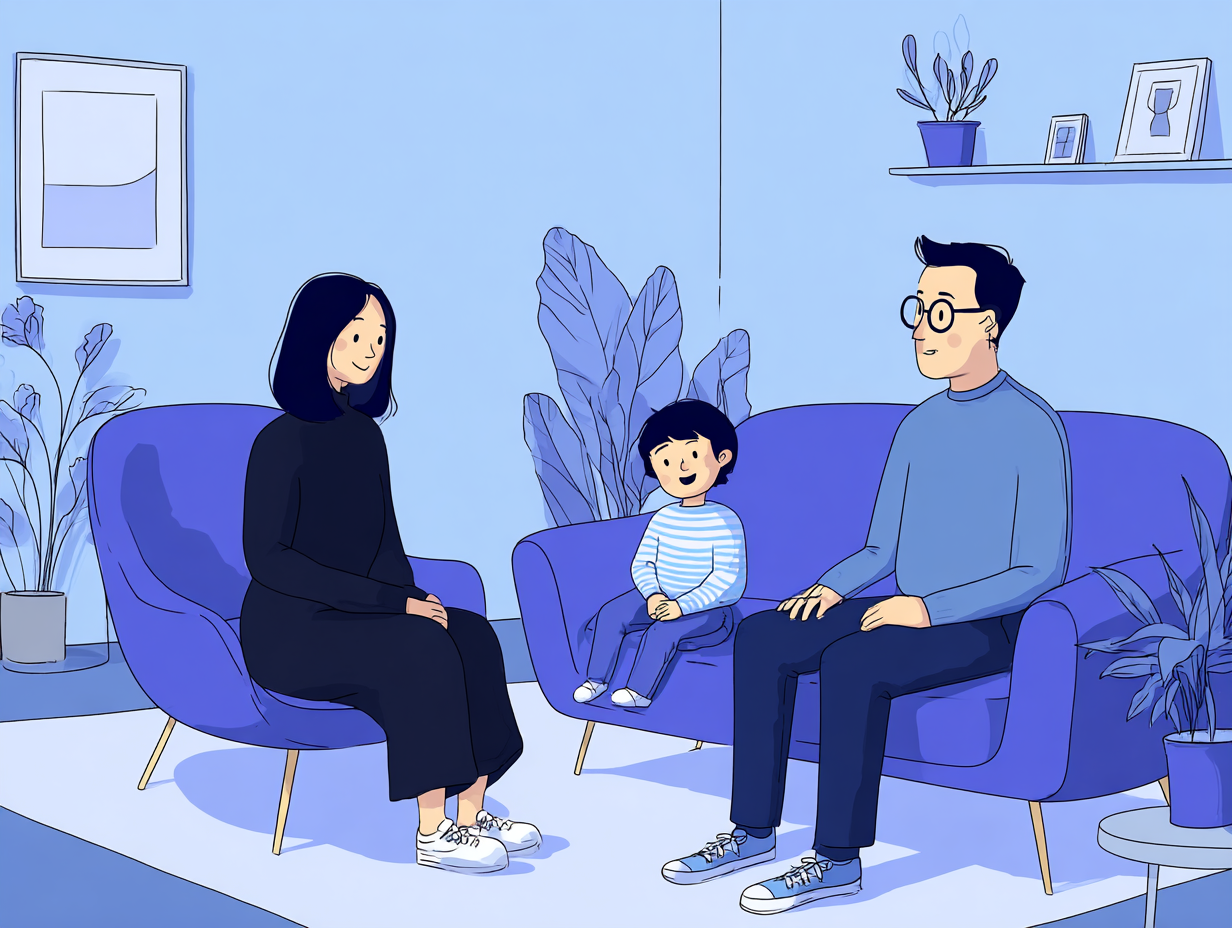
Parents are part of this process from the start. They’re often invited to sit in for a few minutes, share what’s happening at home, and learn small techniques to make everyday life easier. A psychologist might help them find better ways to handle tantrums, build predictable routines, or turn ordinary moments — bedtime, mealtime, getting dressed — into calm, connected interactions.
For a lot of parents, that understanding feels like a deep breath after months of tension. Child therapy isn’t about assigning blame — it’s about uncovering what’s really going on underneath a child’s reactions. Once parents and psychologists begin working together, behavior that once seemed defiant starts to look like a child’s best attempt to be heard. That’s often the turning point when things finally start to shift.
What a Child Psychologist Looks For
| Typical for Age 3 | May Need Attention |
|---|---|
| Occasional tantrums that end quickly | Tantrums lasting over 20 minutes or causing harm |
| Shyness around new people | Persistent social withdrawal or no interest in peers |
| Speech with short sentences | No meaningful words or regression in speech |
| Active imagination | Repetitive play that never varies |
| Testing limits | Constant aggression toward people or animals |
This table isn’t meant to diagnose anything. It’s just a guide to help parents notice patterns that seem stronger or more persistent than usual. Psychologists combine these small clues with what parents observe at home to understand whether therapy might be helpful.
How Therapy Helps the Whole Family
When a toddler’s emotions run high, the ripple reaches everyone in the house. A tough morning or bedtime meltdown can set the tone for the whole day. Therapy offers more than support for the child — it gives the entire family shared tools, new routines, and a common language for feelings. Over time, those small changes build confidence on both sides: the child learns that big emotions can be managed, and parents learn they’re not alone in figuring it out.
A child psychologist for 3-year-olds often becomes a bridge between understanding and relief. By translating behavior into meaning, they help parents see that most “bad” behavior is communication in disguise. And when professional support enters early, it can make the next developmental stage smoother and less stressful for everyone involved.
What’s Normal Behavior at Age 3 — and What Might Signal a Problem?
Every 3-year-old is a mix of sweetness and storm. One moment they’re offering a hug, the next they’re on the floor screaming because their socks “feel wrong.” That unpredictability is part of being three. A child psychologist for 3-year-olds understands that emotional swings are signs of rapid brain growth — not bad parenting.
At this age, the brain regions responsible for emotional control are still developing. The prefrontal cortex, which manages impulse control and planning, is only beginning to connect with the limbic system — the brain’s emotional center. That’s why frustration often bursts out before reasoning has a chance to step in.
The American Academy of Pediatrics notes that short tantrums, clinginess, and resistance to change are part of healthy development between ages two and four. These moments help toddlers test boundaries and discover independence in a safe way. But when emotional storms start feeling constant or unusually intense, it might be a sign that a child needs a bit more support learning to manage their feelings.
Typical Behaviors at Age 3
-
Tantrums that stop once a parent offers comfort or a distraction;
-
Shyness with new people, easing after a few minutes of familiarity;
-
Everyday fears — loud noises, darkness, or being apart from parents;
-
Curiosity and imitation of adults;
-
Trouble sharing toys but interest in playing near other children;
-
Mild separation anxiety, especially during new transitions like preschool.
All of this fits within the wide range of normal development. When a toddler melts down, it’s often their way of saying, “This is too much for me right now.” With time, routine, and patient guidance, most children learn to recover more quickly and express their needs with fewer tears.
When to Pause and Look Closer
It’s not about a single rough day — what really matters is the pattern that unfolds over time. A quiet stretch, a few tough mornings, or an occasional tantrum are part of growing up. But if the same challenges keep coming back, or start getting stronger, it might be time to take a closer look. Warning signs can include:
-
Tantrums that last more than 20 minutes or happen several times a day;
-
Limited or fleeting eye contact, little interest in playing with others;
-
Losing words, gestures, or social skills that had already developed;
-
Constant repetitive movements, such as rocking or spinning;
-
Aggression toward others or self;
-
Unusual sensitivity to sound, touch, or light;
-
Lack of effort to communicate needs — even through gestures.
If several of these signs continue for a few weeks or begin to interfere with daily routines, it’s a good idea to check in with your pediatrician. They might recommend a developmental screening or a play-based assessment with a child psychologist for 3-year-olds to better understand what’s going on.
The “Normalize + Boundary” Approach
Parents often wonder if they’re worrying too much. A psychologist’s job is to sort through those worries — to explain what’s part of normal development and what might benefit from a closer look. Many emotional ups and downs at this age are temporary, but getting guidance early can make life easier for both child and parent.
Take speech delays, for example. When a child can’t find the right words, frustration builds fast. Therapy that supports communication often helps those angry moments fade. Or consider frequent hitting and yelling — sometimes it’s not “bad behavior” but a reaction to too much noise, new environments, or fatigue. Once those triggers are understood, parents can help their child find calmer ways to cope.
The most useful thing parents can do is simply observe, without trying to label or correct every reaction. Noting what happens right before, during, and after a meltdown often uncovers patterns — maybe the child was hungry, overtired, or overwhelmed by noise or change. Those small observations can make a big difference. They give the psychologist a clearer understanding of what’s behind the behavior and help shape realistic, gentle strategies that make family life more peaceful.
The National Institute of Mental Health highlights that early support for emotional or developmental struggles leads to stronger long-term outcomes. The goal isn’t to assign labels but to give families clarity and tools that make daily life easier.
Noticing that something feels off doesn’t make you overprotective — it makes you tuned in. And sometimes, just one or two professional consultations are enough to bring understanding, reassurance, and a sense of calm.
When Should Parents Seek Professional Help?
Even the most patient parents reach a point where they wonder, “Is this still normal, or should we talk to someone?” Knowing when to seek help can be tricky because every child develops at their own pace. But certain patterns tell us it’s time to get a professional perspective. A child psychologist for 3-year-olds is trained to recognize when behaviors cross from temporary stress into signals that a child is struggling emotionally or developmentally.
Red Flags That Deserve Attention
The following signs don’t automatically mean a disorder, but they are good reasons to schedule an evaluation:
-
Extreme or frequent tantrums that last more than 20 minutes.
-
Persistent aggression — hitting, biting, or hurting others.
-
Minimal or no speech by age three.
-
Repeated loss of skills (for example, suddenly stopping talking or playing).
-
Strong resistance to change or transitions.
-
Constant fearfulness or avoidance of everyday activities.
-
Little interest in play, even alone.
When these issues interfere with family life, preschool, or social interactions, professional support can make a big difference.
Here’s the thing: early help often means less therapy later. Addressing challenges before they solidify makes it easier for children to learn coping and communication skills.
Where to Start
Most families begin by speaking with their pediatrician. Doctors can rule out medical factors (like hearing problems or sleep issues) that may affect behavior. If emotional or developmental concerns remain, the next step is referral to a child psychologist for 3-year-olds or a licensed child therapist.
The psychologist may start with:
-
a parent interview about daily routines and triggers;
-
observation of play or interaction;
-
developmental screening tools;
-
feedback and recommendations for next steps.
If needed, they might collaborate with speech therapists, occupational therapists, or early-intervention programs. In the U.S., these services are often available through local school districts or community health centers for children under five.
Insurance, Cost, and Privacy
Many parents hesitate to seek therapy because of financial worries or fears about privacy. The good news: most U.S. insurance plans cover behavioral health, including therapy for children. You can usually find in-network providers on your insurer’s website.
-
Confidentiality: Sessions are protected by HIPAA laws. Information is shared only with your consent or in safety-related emergencies.
-
Billing: Insurers receive only basic codes (for sessions, not personal details).
-
Out-of-network: If you prefer a specific psychologist, you can ask about partial reimbursement.
Some psychologists also offer sliding-scale rates or community programs that adjust fees based on income.
Many parents worry that visiting a psychologist will become part of some official record. In reality, that almost never happens. Mental health notes are private and stay within the provider’s system unless you give written consent to share them. Confidentiality is a core part of ethical practice.
How to Choose the Right Psychologist
Finding the right match matters more than finding the biggest reputation. Look for someone who:
-
has specific experience in early childhood or developmental psychology;
-
makes both you and your child feel comfortable and understood;
-
encourages parent involvement instead of keeping you at a distance;
-
explains their approach in clear, simple language you can trust.
When you first reach out, don’t hesitate to ask direct questions:
-
“How do you include parents in the sessions?”
-
“Do you focus more on play therapy or on behavioral techniques?”
-
“What does a typical course of therapy look like — how long does it usually last?”
Pay attention not only to what the psychologist says, but to how you feel while speaking with them. If the tone feels rushed or the approach doesn’t fit your child’s temperament, it’s okay to move on. A good psychologist will listen openly, answer questions with patience, and treat your family as partners in the process.
The American Psychological Association emphasizes that early emotional support builds stronger brain connections and resilience. Seeking help doesn’t label your child — it gives them extra tools to manage emotions, adapt to change, and grow with confidence. Early guidance can make everyday life smoother now and set the stage for healthy coping later on. Many parents describe relief after the first appointment — not because problems vanish overnight, but because they finally understand what’s happening.
By reaching out early, you’re modeling something powerful for your child: that asking for help is normal, healthy, and brave.
How Does Therapy for Toddlers Work?
For a toddler, therapy doesn’t look like “talking about feelings” — it looks like play. A child psychologist for 3-year-olds uses toys, drawings, and movement to enter the child’s world, not pull them into an adult one. Through play, children reveal how they see relationships, express emotions, and process experiences.
The goal isn’t to diagnose but to help the child regulate emotions, build communication skills, and feel secure. Therapy for young children also strengthens the parent–child bond by showing caregivers how to interpret behaviors with more compassion and less fear.

The First Meetings
The first session usually focuses on trust. Toddlers need to feel safe before they can explore. The psychologist introduces toys, keeps the pace slow, and lets the child lead. Parents might stay for part of the session or watch from behind a one-way mirror — depending on what helps the child feel calm.
Early sessions are also about understanding family routines. The psychologist asks about the child’s sleep, diet, transitions, and any recent changes, such as moving homes or starting preschool. These details help shape a plan that fits the child’s real environment.
Core Techniques Used in Therapy
-
Play Therapy. This is the cornerstone of early childhood psychology. Children use dolls, blocks, or pretend games to express thoughts they can’t verbalize. A psychologist might notice how a child re-enacts daily life or conflict scenes through toys — a safe way to process feelings like fear or frustration.
-
Parent–Child Interaction Therapy (PCIT). In PCIT, the psychologist coaches parents live (sometimes through an earpiece) during play. The goal is to strengthen positive interactions, reduce negative cycles, and teach parents how to praise cooperation instead of reacting to misbehavior.
-
Cognitive-Behavioral Strategies (modified for age). While 3-year-olds can’t do formal CBT, simple versions help them label feelings and practice calming routines. For instance, learning to “blow out imaginary birthday candles” can teach deep breathing in a fun way.
-
Mindfulness and Movement. Gentle body awareness exercises — like “feeling our feet on the floor” or stretching like animals — help toddlers recognize and calm body tension.
Therapy for toddlers always moves at the child’s pace. If a session feels too fast or structured, progress can stall. Good therapists balance guidance with flexibility, following the child’s cues rather than forcing activities.
Parental Role in the Process
Parents aren’t just observers — they’re active participants. The psychologist might assign small “home missions,” such as naming emotions during storytime or using consistent bedtime phrases to reduce anxiety.
Between sessions, families are encouraged to practice small, everyday routines that make emotions feel more manageable:
-
predictable transitions — a short song before bedtime or a countdown before leaving the house;
-
naming emotions out loud — “You’re frustrated because the block tower fell; let’s build it again together”;
-
co-regulation — calming down with the child, rather than expecting them to do it alone.
Between sessions, families usually practice simple, repeatable routines that help the child feel steady and understood:
-
short rituals for everyday transitions — saying the same phrase before bedtime or giving a “two-minute warning” before leaving the park;
-
naming emotions as they happen — “You’re angry because the block tower fell. Let’s try again together”;
-
calming together instead of apart — taking a breath, sitting close, showing that big feelings can be handled side by side.
These small moments matter more than they seem. They teach a child that emotions aren’t dangerous or shameful — they can be noticed, named, and eased with help from someone who cares.
How Progress Is Measured
Progress in toddler therapy isn’t about talking things through — it shows up in daily life. A child might have fewer outbursts, fall asleep more easily, or start seeking comfort instead of running away. Psychologists look for subtle shifts: better focus during play, smoother separations, warmer connection with parents.
Improvement takes time. The goal isn’t quick change but steady growth — a little more calm, a little more trust, day after day.
Some parents expect quick fixes or worry that therapy will label their child. In truth, the process is gentle and collaborative. The psychologist’s notes are private, and most children enjoy sessions because they feel heard through play. Another misconception is that therapy replaces parenting. It doesn’t. It enhances it — giving parents new tools and understanding, not judgment.
The Power of Early Intervention
According to the National Institute of Mental Health and the American Psychological Association, early therapeutic support can prevent later behavioral difficulties and improve school readiness. Emotional regulation is a skill that, when learned young, sets a foundation for lifelong resilience.
The earlier families access help, the easier it becomes for a child to adapt, communicate, and thrive — at home, in preschool, and beyond.
Practical Tips for Parents at Home
Even small shifts at home can make a big difference in how a 3-year-old handles emotions. While a child psychologist for 3-year-olds offers professional guidance, daily interactions with parents shape most of a toddler’s emotional learning. The goal isn’t perfection — it’s connection.
At this age, children don’t yet know how to calm themselves — they borrow that calm from you. When a parent manages to stay steady, the child’s body starts to relax too. That quiet sense of safety, repeated over and over, is what slowly turns daily chaos into confidence.
1. Label Feelings, Don’t Fix Them Right Away
When your child cries or yells, the instinct is to stop it fast. But the best first step is to show you understand. Say something like, “You’re angry because the puzzle won’t fit,” or “You’re sad because Dad had to leave.”
Putting words to feelings helps toddlers make sense of what’s happening inside them. It doesn’t stop the emotion, but it helps them see it’s something that can be named — and eventually, managed.
2. Create Predictable Routines
Young children feel safest when they know what to expect. Regular times for meals, naps, and bedtime help keep their world in order. Even tiny rituals — the same song before brushing teeth, a hug before leaving home — give them a sense of rhythm. When life feels predictable, it feels safe.
3. Offer Choices Within Limits
Too many options can overwhelm a toddler, but a few small choices give them a healthy sense of control. “Do you want the blue cup or the red one?” “Should we read this book or that one?” Simple, structured decisions make kids feel capable — and reduce battles over power.
4. Practice Co-Regulation
Children don’t learn calm from being told to calm down — they learn it by feeling your calm. During a meltdown, lower your voice, get down to their level, and say softly, “I’m here. Let’s take a breath.”
If you both need to reset, try the “five senses” game: name one thing you can see, hear, touch, smell, and taste. It gently brings you back to the present moment.
5. Use Play to Teach
Play is how toddlers make sense of the world. Reading books about emotions, guessing facial expressions, or drawing simple “feelings faces” together teaches empathy without any lectures. Through play, children learn that feelings come and go — and that connection is always safe to return to.
6. Watch Your Own Stress
Children mirror adult emotions. If you’re tense or tired, your child often feels it too. Self-care — short walks, deep breathing, time with friends — isn’t selfish; it’s part of parenting. A calm parent is the best model for emotional stability.
If you’ve tried these strategies consistently for several weeks and behavior hasn’t improved — or your child’s distress feels overwhelming — that’s the right time to reach out for professional guidance. Early support prevents frustration from turning into long-term patterns.
Helping Your Child — and Yourself — Through the Process
When a child goes through a rough phase, parents feel it too — every tantrum, every sleepless night, every moment of doubt. Worry and guilt can creep in, especially when change takes time. Yet, as child psychologists for 3-year-olds often remind families, progress is a shared process: the child learns to handle emotions, and the parent learns to stay patient and grounded. Taking care of yourself isn’t a distraction from parenting — it’s part of it.
Start with Realistic Expectations
Growth in early childhood rarely looks dramatic. It shows up quietly — a tantrum that ends sooner, a bedtime that goes more smoothly, a new word that replaces tears. These small shifts matter more than they seem. Keeping a short note or mental list of what went a little better today helps you see that things are moving forward, even if it’s just one gentle step at a time.
Let Go of Guilt
Many parents blame themselves when their child struggles. But behavior in young kids is communication, not a verdict on parenting. A meltdown usually means, “I’m overwhelmed and need help,” not “You’ve failed me.” Therapy gives parents tools to respond with understanding instead of frustration.
Admitting that you need help doesn’t make you weak — it shows awareness and care. That openness is something your child will notice and, one day, copy.
Build Your Own Support System
Parenting through emotional ups and downs can feel lonely. Try reaching out to other parents, relatives, or even your child’s teachers — people who understand this stage firsthand. Talking about the hard days helps take some of the pressure off.
And if stress keeps piling up, it’s okay to seek support for yourself. A few sessions with a counselor can make a big difference, giving you space to sort through your feelings so you can show up calmer and more present for your child.
Celebrate Connection, Not Perfection
The most healing moments often happen between sessions — a shared laugh, a calm hug after a meltdown, a bedtime story that ends in peace instead of tears. These are signs that safety and trust are growing.
Psychologists call this “attunement”: the ability to sense and respond to a child’s emotional needs. You don’t have to get it right every time; you just have to keep showing up. That consistency builds resilience for both of you.
You and your child are learning together — how to express, recover, and reconnect. And that’s the heart of emotional development: not eliminating struggle, but finding your way through it, side by side.
References
- American Psychological Association. Child and Adolescent Psychology. 2023.
- National Institute of Mental Health (NIMH). Children and Mental Health. 2022.
- American Academy of Pediatrics (AAP). Behavioral Health Integration for Pediatric Care. 2023.
- Harvard Health Publishing. Understanding Toddler Emotions. 2021.
Conclusion
Early childhood can feel like a roller coaster — full of joy, surprises, and occasional tears. Understanding what’s behind your 3-year-old’s behavior turns confusion into clarity and frustration into empathy.
A child psychologist for 3-year-olds doesn’t just work with children; they support families. Through play and guidance, psychologists help toddlers build emotional skills and teach parents how to respond with confidence instead of worry.
If your child’s struggles feel persistent or overwhelming, reaching out for help is a sign of strength, not failure. The earlier you act, the easier it is to guide your child toward calm and connection. And if you ever feel lost or alone in that process, remember: help is always available.
Call or text 988 to reach the Suicide and Crisis Lifeline (U.S.) if you or someone you know is in distress. If there’s immediate danger, call 911.
Frequently Asked Questions
How can I tell if my 3-year-old needs to see a psychologist?
If your child’s tantrums last longer than 20 minutes, aggression or withdrawal persist for weeks, or milestones like speech and social play seem delayed, it may help to consult a child psychologist. They can assess whether the behavior is developmental or needs support.
What happens during play therapy for toddlers?
Play therapy lets children express feelings through toys and imagination. The psychologist observes how the child interacts and helps them manage emotions, improve communication, and strengthen bonds with caregivers.
Is therapy safe for a 3-year-old?
Yes. Sessions are play-based, gentle, and adapted to a child’s developmental level. Therapists use games and activities to teach coping and emotional awareness in a safe environment.
Do parents take part in sessions?
Usually, yes. Parents often join the beginning or end of sessions to share updates, learn strategies, and practice new communication skills. Therapy works best as teamwork between the psychologist, the child, and the family.
How long does child therapy last?
It depends on the child’s needs. Some families see improvement after a few months, while others continue for a year or more. Progress is gradual — measured by smoother routines and calmer reactions, not perfection.
Will insurance cover therapy for toddlers?
Most U.S. insurance plans include outpatient mental health benefits. Check if your provider covers play therapy or early-intervention services. Many psychologists also offer sliding-scale options for families paying out of pocket.
What if my child refuses to go to therapy?
That’s common at first. Therapists are trained to help children feel comfortable through play. Parents can explain therapy simply as “a place where we play and learn about feelings together.” Most toddlers grow to enjoy it once they feel safe.