Bullying at School: How a Child Psychologist Can Help
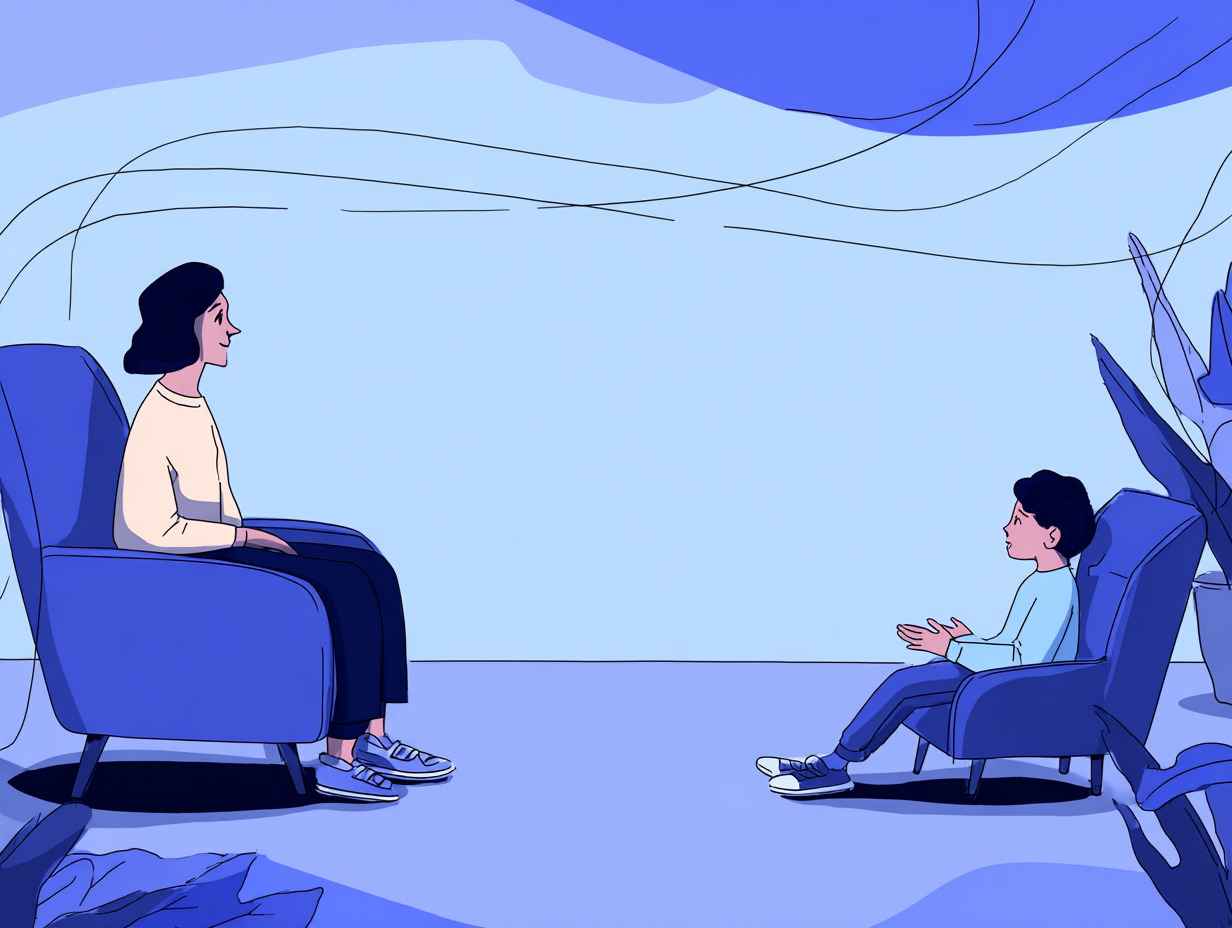
When a child psychologist becomes involved in a bullying case, their first priority is understanding - not labeling. They explore what the child has experienced, how it feels, and how those experiences are shaping behavior at home or school.
A licensed child psychologist helps children process the emotional and physical impact of bullying, whether it shows up as withdrawal, irritability, sleep problems, or school refusal. They use developmentally appropriate methods - such as play therapy, cognitive-behavioral therapy (CBT), or family sessions - to create a sense of safety and control. The psychologist’s role isn’t to “fix” the child but to help them rebuild trust and self-worth.
Here’s what that often looks like in practice:
-
Assessment: Gentle interviews and activities to learn how the child perceives themselves and others.
-
Validation: Helping the child understand that being bullied is not their fault.
-
Skill-building: Teaching coping strategies such as emotion labeling, assertive communication, and relaxation exercises.
-
Family collaboration: Coaching parents on how to respond calmly and supportively.
-
School coordination: With consent, working with teachers and counselors to ensure a safer environment.
Important to know: Child psychologists work within ethical guidelines that prioritize confidentiality and the child’s emotional safety. In cases of severe distress or harm risk, they collaborate with parents and schools to ensure immediate protection.
By blending empathy, structure, and evidence-based tools, a psychologist becomes both a guide and a partner in recovery - helping children believe again that school can be a safe place.
How Does Bullying Affect a Child’s Mind and Body?
Bullying doesn’t just hurt feelings - it can change how a child’s body and brain react to stress. When a child faces repeated teasing, exclusion, or physical intimidation, their nervous system often shifts into a constant state of alert. This “fight, flight, or freeze” response, guided by the amygdala and HPA axis, can make ordinary school days feel unsafe.
According to the American Psychological Association, children exposed to chronic bullying are more likely to experience symptoms such as sleep problems, headaches, irritability, and concentration difficulties. Emotionally, they might seem withdrawn or unusually clingy; cognitively, they may begin doubting their worth or assuming others will always reject them. Over time, this pattern can affect memory, learning, and emotional regulation.
Here’s how bullying often shows up in different areas of a child’s life:
| Area Affected | Possible Reaction | Why It Happens | What Helps |
| Body | Stomachaches, headaches, fatigue | Chronic stress hormones (cortisol, adrenaline) | Calming routines, consistent sleep, relaxation exercises |
| Emotions | Anxiety, sadness, shame | Internalized fear and loss of safety | Validation, open listening, therapy support |
| Behavior | Withdrawal, aggression, regression | Defense mechanisms, learned helplessness | Parent modeling, safe boundaries, positive reinforcement |
| Learning | Drop in grades, focus loss | Preoccupied by fear, hypervigilance | Teacher collaboration, calm study spaces, coping skills |
When Should Parents Seek Professional Help - and When Is Support at Home Enough?
Every child faces occasional conflict, but bullying leaves deeper marks when it repeats, isolates, or frightens. So how can you tell when to call a child psychologist rather than relying on family talks or school mediation?
A good rule of thumb: seek professional support if your child’s mood, sleep, or daily functioning changes for more than two weeks. When a child avoids school, cries before class, has unexplained stomachaches, or shows sudden aggression or withdrawal, these are early signals of distress - not defiance.
According to the American Academy of Pediatrics, bullying-related stress can lead to emotional symptoms similar to anxiety or depression. Acting early helps prevent these patterns from becoming ingrained.
Here’s a simple way to think about thresholds for help:
| Situation | Try Support at Home First | Consult a Child Psychologist |
| One-time teasing, mild conflict | Active listening, empathy, problem-solving together | - |
| Ongoing bullying, social exclusion | Continue communication, contact teacher or counselor | ✓ Yes - especially if distress continues |
| Physical threats or online harassment | Safety planning with school, document incidents | ✓ Immediate consultation |
| Declining grades, sleep or appetite changes | Routine support, check-ins | ✓ Professional evaluation recommended |
Inside the Therapy Room: Assessment, Play-Based CBT, and Family Coaching
When a family meets with a child psychologist after bullying, the process is gentle, structured, and designed to help both the child and parents feel safe. The psychologist begins with assessment, often through drawings, stories, and games rather than direct questioning. These tools help children express fear, shame, or confusion that words alone can’t reach.
In many cases, psychologists use play-based cognitive behavioral therapy (CBT) - a child-friendly form of CBT that teaches kids how thoughts, feelings, and actions connect. Through storytelling, art, or role-play, children practice identifying bullying-related triggers (“I feel scared when I see that group at recess”) and learn coping strategies like breathing, grounding, or assertive responses.
Here’s a look inside a typical therapy process:
-
Building safety and trust - Creating a space where the child feels accepted and believed.
-
Identifying thoughts and feelings - Using visuals, puppets, or emotion cards to externalize emotions safely.
-
Teaching coping tools - Breathing techniques, reframing unhelpful thoughts, and body relaxation.
-
Skill rehearsal - Role-playing real school situations to boost confidence.
-
Family sessions - Helping parents respond to setbacks without pressure or blame.
According to the American Psychological Association, CBT and family-based interventions have strong evidence for reducing anxiety, trauma symptoms, and self-blame in bullied children. The therapist may also communicate (with consent) with teachers or school counselors to align strategies - such as agreed-upon check-ins or safety plans during recess.
Important to know: Therapy is confidential, but psychologists are mandatory reporters if a child is at risk of harm. They’ll always explain this in age-appropriate ways, reinforcing that safety - not punishment - is the goal.
Parents often describe the most powerful change not as the child “getting over it,” but as seeing their confidence return. When therapy works, kids begin to believe: “It wasn’t my fault - and I can handle what comes next.”

How Can Parents Partner With the School Without Putting Their Child at Risk?
Reaching out to the school can feel tricky. Parents often worry that speaking up will make things worse - that their child will be labeled a “troublemaker” or that the bullying will intensify. A child psychologist can guide parents through this process, helping them communicate concerns clearly and effectively while protecting the child’s privacy and emotional safety.
The psychologist may suggest starting with the school counselor or teacher who knows the child best. The first goal is to share specific, factual observations - what happened, when, and how it affected the child - rather than accusations. This approach helps the school respond based on documentation, not emotion.
Here’s a practical framework often used in therapy-based school coordination:
-
Prepare facts: Keep a dated log of incidents (who, what, where, when).
-
Use neutral language: “My child reported feeling unsafe at lunch” instead of “You’re not doing enough.”
-
Request collaboration, not confrontation: Ask how staff can monitor, intervene, and follow up.
-
Set boundaries: Clarify that your child should not have to face the bully directly in mediation without consent.
-
Follow up in writing: Summarize meetings to ensure accountability.
According to StopBullying.gov, consistent parent–school collaboration is one of the most effective deterrents for ongoing harassment, especially when adults present a united, calm front.
A 504 Plan or Individualized Education Program (IEP) may be appropriate if bullying causes academic or emotional impact. Psychologists can help document emotional distress for school accommodations under Section 504 of the Rehabilitation Act.
At the same time, children need reassurance that adults are handling things behind the scenes. Let them know: “You don’t have to solve this alone.” When schools, families, and mental health professionals coordinate, safety plans become stronger - and children begin to feel seen and protected again.
What If Bullying Is Online or Bias-Based?
Not all bullying happens in hallways anymore. In the U.S., many children experience cyberbullying - repeated harm or humiliation through text messages, social media, or online games. Others face bias-based bullying, targeted because of race, gender identity, disability, or other personal traits. Both types can be deeply distressing and require specialized psychological and legal responses.
A child psychologist helps children and parents understand that digital or identity-based attacks are not “less real.” These experiences can trigger the same stress responses as in-person bullying: hypervigilance, sleep problems, and avoidance behaviors. Therapy focuses on building resilience and reclaiming control, not on forcing the child to ignore or “toughen up.”
Cyberbullying: How Psychologists Intervene
-
Digital safety coaching: Encouraging parents and children to document evidence (screenshots, dates) before blocking perpetrators.
-
Cognitive restructuring: Helping children separate self-worth from online comments and rebuild healthy self-image.
-
Psychoeducation for parents: Teaching adults how social media algorithms amplify peer feedback loops.
-
Collaboration with schools: Many districts include cyberbullying under their anti-harassment policies.
Bias-Based Bullying: Addressing Identity and Safety
For children bullied because of race, gender, or disability, psychologists take a trauma-informed and culturally sensitive approach. Sessions may include:
-
Exploring experiences of identity safely, validating pride and belonging.
-
Teaching assertive responses while addressing fear of retaliation.
-
Helping families connect with supportive community or advocacy groups (e.g., GLSEN, NAACP youth initiatives, local disability networks).
-
Consulting with school teams to ensure compliance with federal protections such as Title IX and the Individuals with Disabilities Education Act (IDEA).
In bias-related or digital harassment cases involving explicit threats, families should notify law enforcement or the school district’s Title IX coordinator. For emotional support, a child psychologist or counselor can help the child process the trauma while safety measures are pursued.
Every form of bullying undermines belonging - but understanding context and identity allows therapy to restore not only safety, but dignity.
What Can Parents Do Tonight? Practical Tools Kids Actually Use
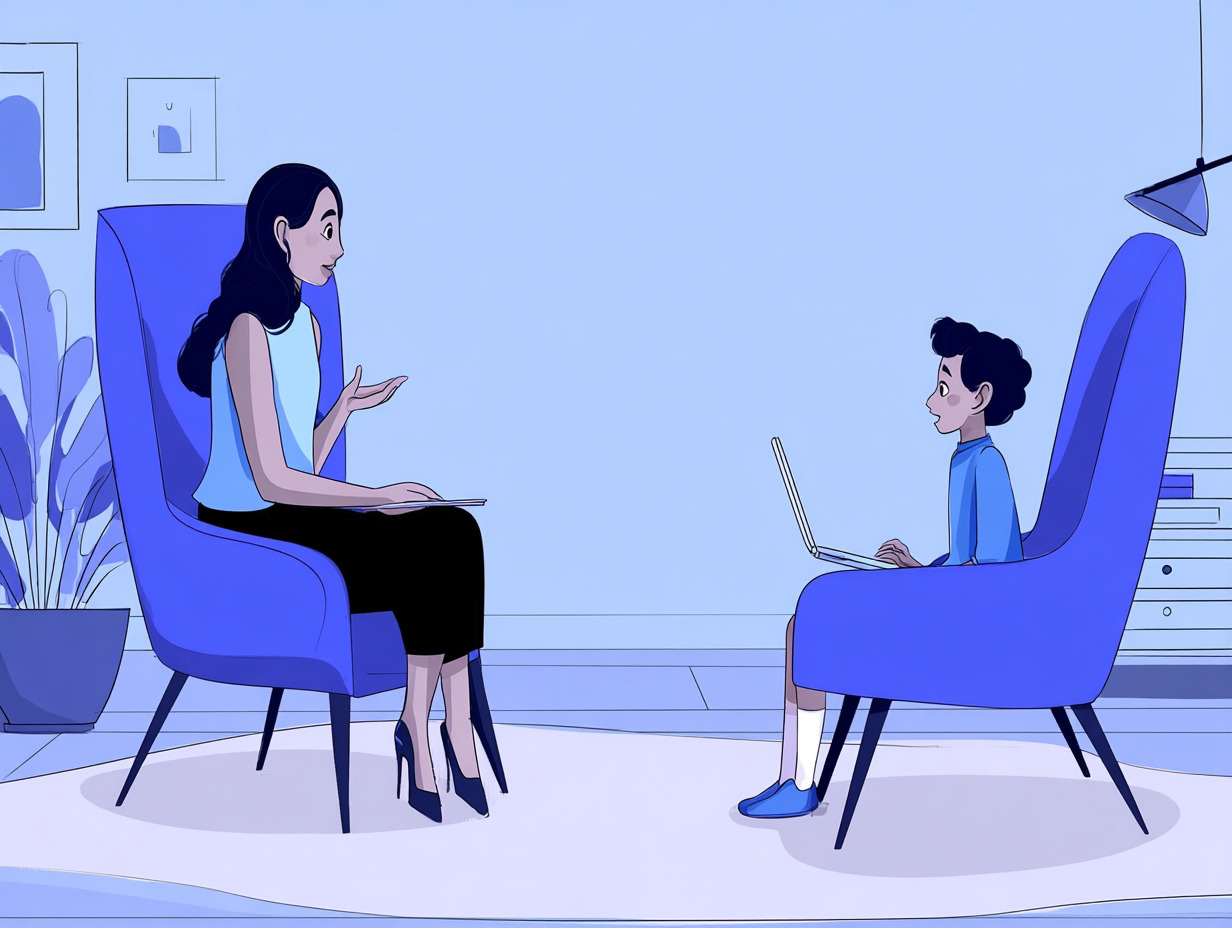
When your child is hurting, waiting for the next therapy session or school meeting can feel unbearable. But even small, consistent actions at home can help your child begin to recover from bullying right away. Psychologists often teach parents to focus on safety, validation, and coping routines - the foundation for resilience.
Here are a few evidence-based strategies families can start using tonight:
-
The “Name It to Tame It” Technique
Encourage your child to describe emotions out loud: “I feel scared,” “I feel angry.”
Labeling emotions activates parts of the brain that regulate fear and stress. Try drawing “feelings faces” or using an emotion wheel before bedtime to open gentle conversation. -
Create a Predictable Evening Routine
A calm, structured environment helps reset the nervous system after a stressful day.
Simple rituals - family dinner, reading time, consistent lights-out - send the message: You’re safe here. -
Model Calm Problem-Solving
Children learn from watching. When you manage frustration (say, after a stressful email or traffic jam) and narrate it - “I’m taking a breath before I answer” - your child absorbs emotional regulation skills indirectly. -
Introduce Small Wins for Confidence
Ask: “What’s one thing that went okay today?” This rewires the brain to notice safety, not just threat.
Over time, daily “micro-victories” rebuild a sense of agency. -
Keep Communication Open - Even When It’s Hard
If your child doesn’t want to talk, that’s okay. Stay present without pushing. Try side-by-side conversations - in the car, during a walk, while cooking. Presence builds trust more than pressure.
Important to know: Avoid promising “it will never happen again.” Instead, focus on what will be done to keep them safe: involving teachers, monitoring online spaces, and connecting with professionals like a child psychologist if fear persists.
The most powerful message a child can hear after bullying isn’t advice - it’s belief. “I believe you. You’re not alone. And together, we’ll get through this.”

Confidentiality, Consent, Insurance, and Logistics in the U.S.
Before starting therapy, many parents wonder: What will it cost? What information is private? Understanding the practical side of working with a child psychologist helps families move forward confidently.
Confidentiality and Parental Involvement
In the United States, therapy with minors includes a balance between privacy and safety.
-
Confidentiality: Psychologists protect the child’s privacy by keeping session details private unless safety is at risk.
-
Exceptions: If a child reports being in danger, self-harming, or harming others, the psychologist must share that information to ensure safety.
-
Parental role: Parents are often included in progress updates, but the child’s trust comes first - this encourages honest communication in therapy.
Important to know: Psychologists are mandatory reporters in all 50 states. They’re legally required to report suspected abuse or imminent risk, but this is always explained to the child and parents upfront.
Consent and Access
In most states, parents or legal guardians provide consent for therapy with minors under 18. However, some states allow adolescents (often 12–16+) to consent independently for limited mental health care, depending on local laws. A psychologist will review these boundaries during intake.
Insurance and Cost
-
Coverage: Most major U.S. health insurance plans, including Medicaid, cover therapy when deemed medically necessary.
-
Copays and deductibles: Typical copays range from $20–$50 per session; out-of-network providers may require full payment upfront.
-
School-based access: Some schools partner with community clinics for free or low-cost sessions.
-
Telehealth: HIPAA-compliant virtual sessions are widely available and covered by most plans since 2020.
If you’re unsure where to start, you can search by ZIP code through PsychologyToday.com, your insurance directory, or local nonprofit mental health centers.
By understanding the logistics - privacy, consent, and cost - families can focus less on paperwork and more on healing. The goal isn’t just access to therapy, but access to trust, safety, and growth.
Conclusion
Bullying can shake a child’s confidence, safety, and sense of belonging - but it doesn’t have to define their story. Understanding the emotional, physical, and social effects of bullying helps families respond with clarity instead of fear. A child psychologist provides a bridge between emotional healing, family support, and school collaboration, ensuring that no child faces this pain in isolation.
If your child is struggling after bullying, reaching out for professional support is an act of strength, not overreaction. Healing begins when children know that the adults around them believe them, protect them, and will walk beside them - one safe conversation at a time.
If there’s ever talk of hopelessness or self-harm, call or text 988 (Suicide & Crisis Lifeline). In immediate danger, dial 911. Help is always available.
References
-
American Psychological Association (APA). Bullying: What We Know and What Can Help. 2023.
StopBullying.gov (U.S. Department of Health & Human Services). Bullying Prevention and Response Resources. 2024.
American Academy of Pediatrics. Bullying: It’s Not OK. 2023.
Child Mind Institute. Helping Kids Deal With Bullying. 2023.
National Institute of Mental Health (NIMH). Child and Adolescent Mental Health. 2024.
Frequently Asked Questions
How can I tell if my child needs therapy after bullying?
If your child’s mood, sleep, or school performance changes for more than two weeks, or if they seem fearful or withdrawn, it may help to consult a licensed child psychologist. They can assess stress reactions and guide next steps.
What happens during child therapy for bullying?
Therapists often use play therapy or cognitive behavioral therapy (CBT) to help children express feelings safely and learn coping skills. Family sessions support communication and restore a sense of control.
Does insurance cover therapy for bullying-related stress?
Most U.S. insurance plans, including Medicaid, cover therapy when deemed medically necessary. Many child psychologists also offer sliding-scale or telehealth options for families without coverage.
What if the bullying happens online?
Cyberbullying can be just as harmful as in-person bullying. Save screenshots, report abuse, and seek professional support. A therapist can teach coping tools and coordinate with the school on safety planning.
Can therapy really help a bullied child recover?
Yes. Research from the American Psychological Association and Child Mind Institute shows that early intervention with a child psychologist can reduce anxiety, rebuild confidence, and improve peer relationships over time.
What should I do if my child mentions self-harm?
Take every statement seriously. Call or text 988 for the Suicide & Crisis Lifeline, or 911 if there’s immediate danger. Trained counselors are available 24/7 to provide confidential support.