What Is Bipolar Disorder With Mixed Features? Symptoms, Risks, and Treatment
/https://cdn.freudly.ai/media/pages/images/660a4fa6-c8a5-41cb-a650-2613222df471.png)
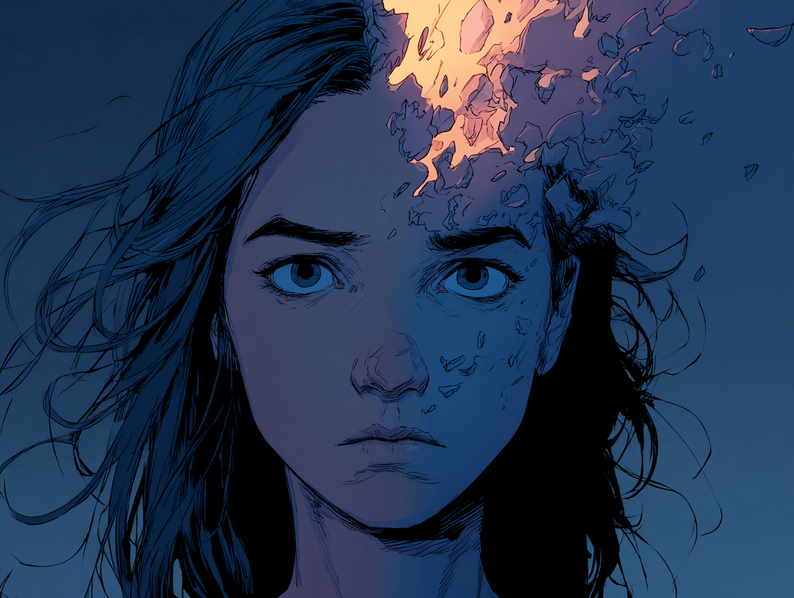
Feeling emotionally overwhelmed and mentally pulled in opposite directions can be frightening, especially when the experience does not seem to fit a clear definition of depression or mania. Bipolar mixed features describe a mood state where symptoms of depression and mania happen at the same time, creating an emotionally intense and often confusing experience. A person may feel hopeless while also restless, impulsive, unable to sleep, or mentally overstimulated.
For many people, this combination feels exhausting because the mind and body seem to move in different directions at once. According to the National Institute of Mental Health, bipolar disorder can involve overlapping mood symptoms that affect sleep, energy, judgment, and emotional regulation. In this article, you’ll learn what bipolar disorder with mixed features actually means, how symptoms may appear in daily life, why mixed episodes can carry higher emotional risks, and what treatment and support options are available in the United States.
What Are Bipolar Mixed Features?
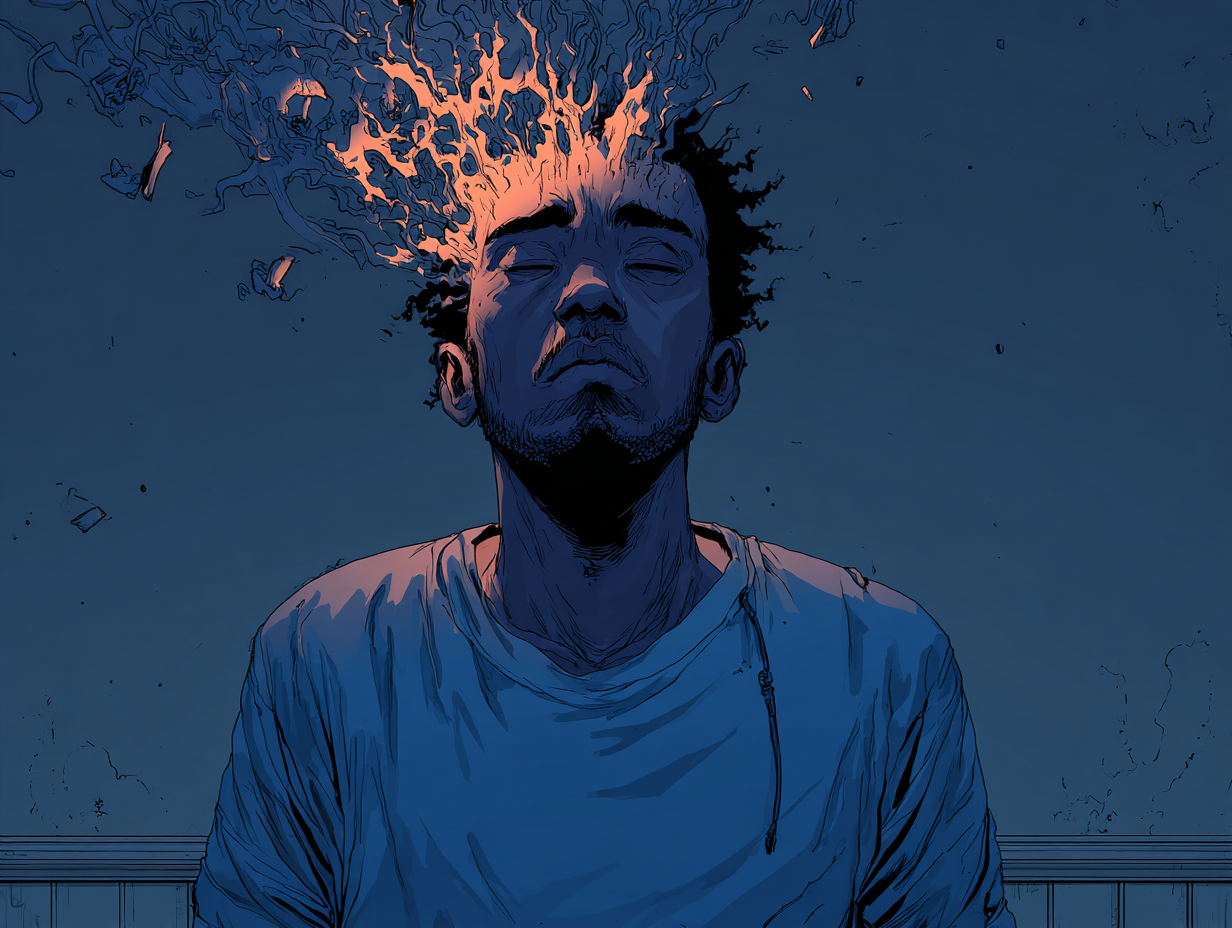
Bipolar mixed features happen when symptoms associated with depression and mania appear during the same mood episode. Instead of feeling only emotionally low or only unusually energized, a person may experience both states at once. That emotional overlap can feel deeply disorienting because the body may seem activated while the mind feels hopeless, irritable, or emotionally exhausted.
Many people describe mixed states as mentally noisy and emotionally painful. Someone might feel unable to slow their thoughts down while also struggling with guilt, despair, or thoughts of worthlessness. In real life, this often feels very different from the classic public image of bipolar disorder.
How DSM-5-TR Defines Mixed Features
The American Psychiatric Association uses the term “with mixed features” as a diagnostic specifier in DSM-5-TR. This means a person may be experiencing a depressive, manic, or hypomanic episode while simultaneously showing symptoms from the opposite mood state.
For example, during a depressive episode, a person may also experience:
- racing thoughts;
- increased talkativeness;
- agitation or restlessness;
- reduced need for sleep;
- impulsive behavior;
- surges of energy despite emotional pain.
At the same time, someone in a manic or hypomanic state may still feel:
- hopelessness;
- guilt;
- emotional emptiness;
- persistent sadness;
- suicidal thinking.
Here’s what makes bipolar mixed features especially difficult to recognize: the symptoms can appear contradictory. A person may look energetic externally while internally feeling emotionally crushed. Friends or family members sometimes misunderstand these episodes because the person does not appear “typically depressed.”
According to the National Institute of Mental Health, bipolar disorder affects mood regulation, energy, activity levels, and judgment. Mixed features complicate that picture because emotional states stop fitting into neat categories. Instead, the nervous system may rapidly swing between emotional pain and overstimulation.
Why Opposite Emotions Can Happen Together
Researchers still do not fully understand why mixed states happen, but several biological and psychological factors appear linked to them. Mood regulation involves complex interactions between neurotransmitters, stress systems, sleep cycles, and brain regions responsible for impulse control and emotional processing.
Sleep disruption often plays a major role. Even one or two nights of significantly reduced sleep can intensify manic symptoms in vulnerable individuals. At the same time, ongoing stress, trauma, substance use, or inconsistent treatment may increase emotional instability.
Imagine someone lying awake at 3 a.m. after several nights of poor sleep. Their thoughts are racing, their body feels physically restless, and they suddenly feel an urge to make major life decisions. At the same time, they also feel emotionally hopeless and overwhelmed. That combination reflects the emotional contradiction many people experience during mixed episodes.
For some people, irritability becomes more noticeable than sadness. Instead of appearing tearful or withdrawn, they may become angry, reactive, impatient, or emotionally explosive. This can strain relationships and make the condition harder to identify early.
Research supported by the NIH suggests that mixed mood states may carry higher emotional risk partly because depressive thoughts combine with increased energy and impulsivity. In other words, someone may have the emotional pain associated with depression while simultaneously having the activation and agitation that increase the likelihood of risky behavior.
Important to know: Bipolar mixed features are recognized psychiatric symptoms, not personal weakness or “attention-seeking.” If you’ve ever felt emotionally devastated and strangely overstimulated at the same time, you are not imagining it.
Mixed episodes can vary in intensity. Some people experience relatively brief periods of emotional overlap, while others may struggle with longer episodes that significantly affect work, sleep, finances, or relationships. Early treatment and professional support often improve stability and reduce long-term disruption.
This is also why accurate diagnosis matters. Bipolar mixed features can sometimes resemble anxiety disorders, ADHD, major depression, or borderline personality disorder. A licensed mental health professional can evaluate patterns over time rather than focusing on one isolated emotional moment.
What Do Bipolar Mixed Features Feel Like?
Bipolar mixed features often feel emotionally chaotic because depressive and manic symptoms collide instead of appearing separately. A person may feel emotionally hopeless while simultaneously experiencing physical agitation, racing thoughts, impulsive urges, or bursts of energy. That emotional contradiction is one reason mixed episodes can feel frightening and hard to explain to other people.
Many people with mixed states say they do not feel “high” in a euphoric way. Instead, they feel internally overwhelmed, overstimulated, emotionally raw, and unable to calm their nervous system. The experience can shift rapidly throughout the day, making it difficult to predict reactions, motivation, or emotional stability.
Emotional Symptoms
Depressive symptoms usually remain present during mixed episodes, but they become tangled together with activation and agitation. Someone may cry frequently while also feeling mentally restless or unable to stop thinking.
Common emotional symptoms may include:
- hopelessness;
- intense irritability;
- emotional overwhelm;
- sudden anger or frustration;
- feelings of worthlessness;
- anxiety or panic;
- persistent inner tension;
- rapid emotional shifts.
For many people, irritability becomes more visible than sadness. A person may snap at loved ones, argue impulsively, or become emotionally reactive over small problems. Internally, however, they may still feel emotionally exhausted and deeply unhappy.
Here’s the difficult part: mixed episodes can create emotional intensity without emotional clarity. Someone might feel desperate to escape their emotional state while not fully understanding what is happening inside their own mind.
Picture this: a person spends the afternoon crying in their car after work, convinced they are failing at life. Hours later, they suddenly feel driven to reorganize the entire apartment overnight, start impulsive projects, or spend money recklessly online. The emotional pain never truly disappears, but the nervous system remains activated.
Physical and Behavioral Signs
Bipolar mixed features do not only affect emotions. They often affect sleep, concentration, movement, speech, and impulse control. According to Mayo Clinic experts, disrupted sleep and increased agitation are common during mood instability.
Behavioral and physical symptoms may include:
- sleeping very little without feeling tired initially;
- pacing or physical restlessness;
- talking unusually fast;
- racing thoughts;
- difficulty focusing;
- impulsive spending or risky decisions;
- increased conflict in relationships;
- difficulty slowing down mentally or physically.
Some people describe feeling trapped inside an overactive mind. Their thoughts move quickly, but emotionally they still feel depressed or emotionally numb. Others feel physically exhausted while mentally unable to stop planning, worrying, or reacting.
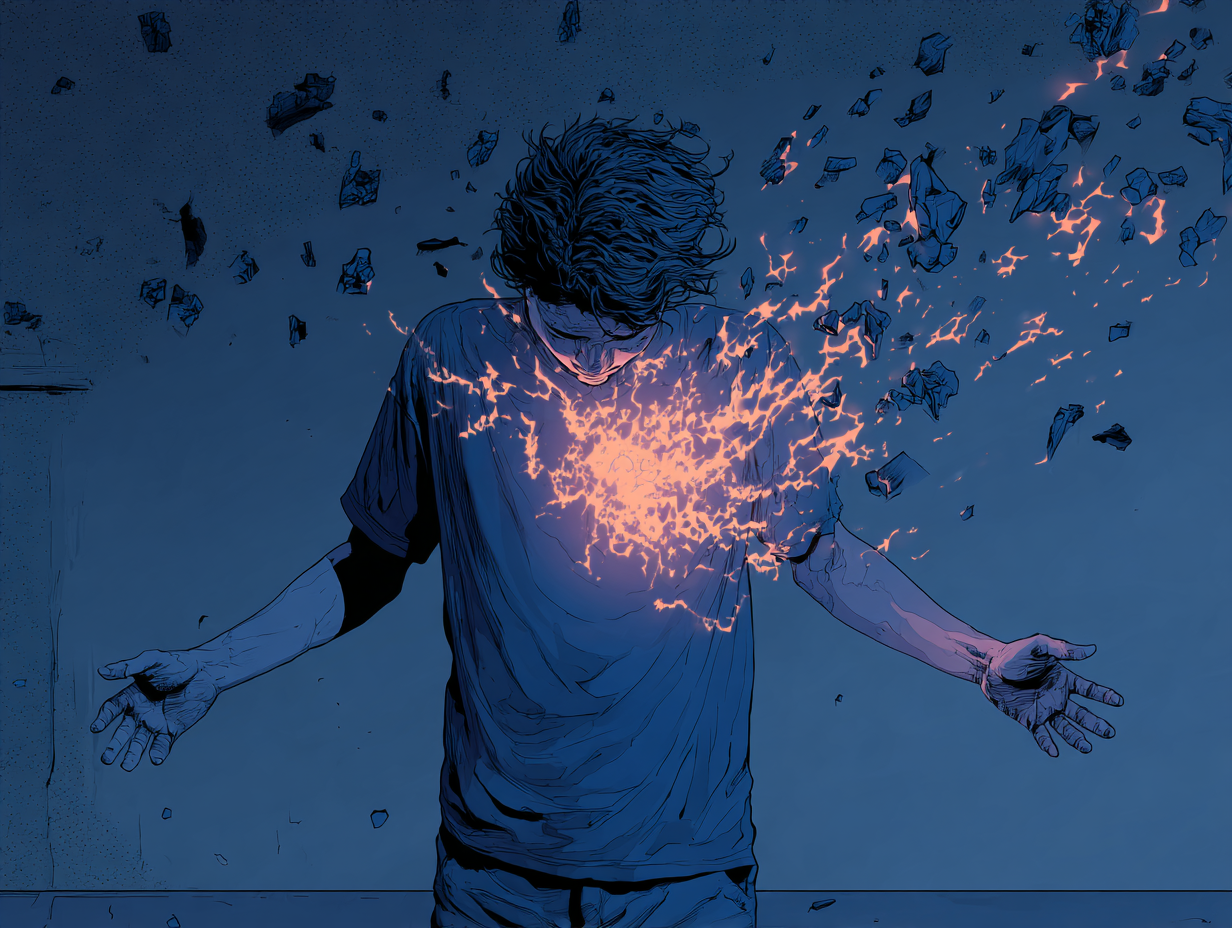
Sleep problems are especially important. Reduced sleep can intensify emotional dysregulation and impulsivity very quickly. In some cases, a person may stay awake most of the night while feeling emotionally agitated and increasingly hopeless the next day.
At work or school, mixed symptoms can appear confusing to others. A person may seem energetic, productive, or unusually talkative externally while privately struggling with despair or suicidal thinking. That disconnect sometimes delays diagnosis because friends, coworkers, or family members assume the person is “doing fine.”
Why Mixed Episodes Can Increase Suicide Risk
Research supported by the NIH and psychiatric organizations suggests that mixed episodes may carry higher suicide risk than depression alone. This does not mean everyone with bipolar mixed features is suicidal, but it does mean these symptoms deserve serious attention and professional evaluation.
One reason risk increases is that depression and activation happen simultaneously. During severe depression, people sometimes lack the physical energy to act on dangerous thoughts. During a mixed episode, however, hopelessness may exist alongside agitation, impulsivity, insomnia, and increased energy.
That combination can become dangerous very quickly.
For example, someone may spend days feeling emotionally trapped, sleeping poorly, and becoming increasingly restless. They may start acting impulsively, driving recklessly, using substances, or talking about wanting everything to “stop.” Loved ones sometimes mistake this for anger or stress rather than a psychiatric crisis.
Warning signs that require urgent professional support may include:
- talking about hopelessness or feeling trapped;
- sudden reckless behavior;
- severe insomnia for several days;
- self-harm thoughts;
- rapid emotional escalation;
- psychotic symptoms such as paranoia or hallucinations.
Important to know: If someone experiencing bipolar mixed features talks about suicide, self-harm, or losing control, take it seriously. In the United States, call or text 988 for the Suicide & Crisis Lifeline. If there is immediate danger, call 911.
Not every mixed episode becomes an emergency. Many people stabilize with treatment, therapy, medication management, and structured support. Still, recognizing symptoms early can reduce long-term emotional and physical harm.
If you’ve ever felt emotionally devastated while also physically restless or mentally overstimulated, you are not alone. These experiences are recognized in modern psychiatry, and support is available.
Bipolar Mixed Features vs Mania and Depression
Bipolar mixed features can be difficult to identify because they borrow symptoms from both mania and depression at the same time. A person may appear energized, restless, or impulsive externally while internally feeling hopeless, emotionally numb, or deeply distressed. This overlap is one reason mixed episodes are frequently misunderstood or misdiagnosed.
In classic bipolar disorder, manic and depressive episodes are usually more separated. Mixed states blur those boundaries, creating a more unstable emotional experience that often feels unpredictable and emotionally exhausting.
| Condition | Mood Pattern | Energy Level | Common Signs |
|---|---|---|---|
| Bipolar mixed features | Depression and agitation together | High or unstable | Hopelessness, racing thoughts, insomnia |
| Mania | Elevated or euphoric mood | Very high | Grandiosity, impulsivity, reduced sleep |
| Major depression | Persistent low mood | Usually low | Fatigue, slowed thinking, withdrawal |
Mixed Features vs Mania
Classic mania is often associated with elevated mood, inflated confidence, increased energy, reduced need for sleep, and impulsive behavior. Some people become unusually productive, socially outgoing, or euphoric during manic episodes.
Mixed features usually feel more emotionally painful.
Instead of confidence or excitement, a person may feel intensely irritable, emotionally trapped, or internally overwhelmed. Racing thoughts and impulsivity can still appear, but they coexist with depressive symptoms rather than replacing them.
For example, someone in a manic state might excitedly launch multiple business ideas and feel unstoppable. A person experiencing bipolar mixed features may also start impulsive projects, but internally they may feel panicked, hopeless, or convinced they are failing.
Agitation is another major difference. Mixed episodes often involve emotional tension and internal discomfort rather than euphoric energy. Many people describe feeling unable to relax, unable to sleep, and unable to emotionally “land.”
Mixed Features vs Major Depression
Major depression usually involves low energy, slowed movement, emotional heaviness, reduced motivation, and withdrawal from daily activities. Some people sleep excessively or struggle to complete even basic tasks.
Mixed states can look very different.
A person may still feel depressed and emotionally exhausted, but their nervous system remains activated. Instead of slowing down physically, they may pace, talk rapidly, sleep very little, or experience nonstop mental activity.
This difference matters clinically because treatment approaches may change depending on the type of mood episode involved. According to psychiatric research and the American Psychiatric Association, recognizing activation symptoms during depression is important for accurate diagnosis and safer treatment planning.
In real life, mixed episodes sometimes confuse loved ones because the person does not appear “traditionally depressed.” Someone may continue working, talking, or staying physically active while privately experiencing severe emotional distress.
Imagine a person who appears productive during the day but spends the night unable to sleep, overwhelmed by guilt, racing thoughts, and intrusive hopelessness. Externally, others may only notice the activity level. Internally, the emotional experience feels completely different.
Why Misdiagnosis Happens
Bipolar mixed features can resemble several other mental-health conditions, especially when symptoms fluctuate quickly or irritability dominates the presentation.
Conditions that may overlap with mixed symptoms include:
- major depressive disorder;
- ADHD;
- anxiety disorders;
- borderline personality disorder;
- substance-related disorders;
- trauma-related conditions.
For example, racing thoughts and impulsivity may resemble ADHD, while emotional intensity and relationship conflict can sometimes resemble borderline personality disorder. Anxiety disorders may also involve agitation, insomnia, and restlessness.
Here’s why long-term evaluation matters: diagnosis in psychiatry usually depends on patterns over time, not one isolated emotional moment. A licensed psychiatrist, psychologist, or other qualified mental health professional may ask detailed questions about sleep, mood history, impulsive behavior, family history, and previous depressive episodes before making conclusions.
Sleep patterns are especially important because reduced need for sleep often signals mood activation rather than ordinary stress alone. Family history may also provide useful information because bipolar-spectrum disorders sometimes run in families.
Misdiagnosis can delay proper support and increase emotional suffering. Still, accurate diagnosis is possible, especially when people seek help early and openly describe both depressive and activation symptoms instead of focusing on only one side of the experience.
Many people feel embarrassed talking about impulsive behavior, agitation, or racing thoughts. In reality, those details often help clinicians understand the full picture more clearly.
How Is Bipolar Disorder With Mixed Features Treated?
Treatment for bipolar disorder with mixed features usually involves a combination of psychiatric care, psychotherapy, lifestyle stabilization, and long-term symptom monitoring. Because mixed episodes combine depressive symptoms with activation and impulsivity, treatment often focuses on reducing emotional instability while improving safety, sleep, and daily functioning.
Recovery rarely happens through one single intervention alone. For many people, stability develops gradually through consistent support, accurate diagnosis, and structured routines that reduce emotional overload on the nervous system.
Medication and Psychiatric Care
Medication management is commonly part of treatment for bipolar mixed features, especially when symptoms significantly affect sleep, judgment, relationships, or safety. According to the National Institute of Mental Health and the American Psychiatric Association, psychiatrists may use mood stabilizers, atypical antipsychotic medications, or other psychiatric treatments depending on the person’s symptoms and history.
The goal is not to “erase personality.” The goal is to reduce dangerous mood instability, impulsivity, agitation, and severe emotional swings.
Medication responses vary widely from person to person. Some people notice improvements in sleep and agitation relatively quickly, while emotional stabilization may take longer. Side effects, medication adjustments, and ongoing monitoring are common parts of psychiatric treatment.
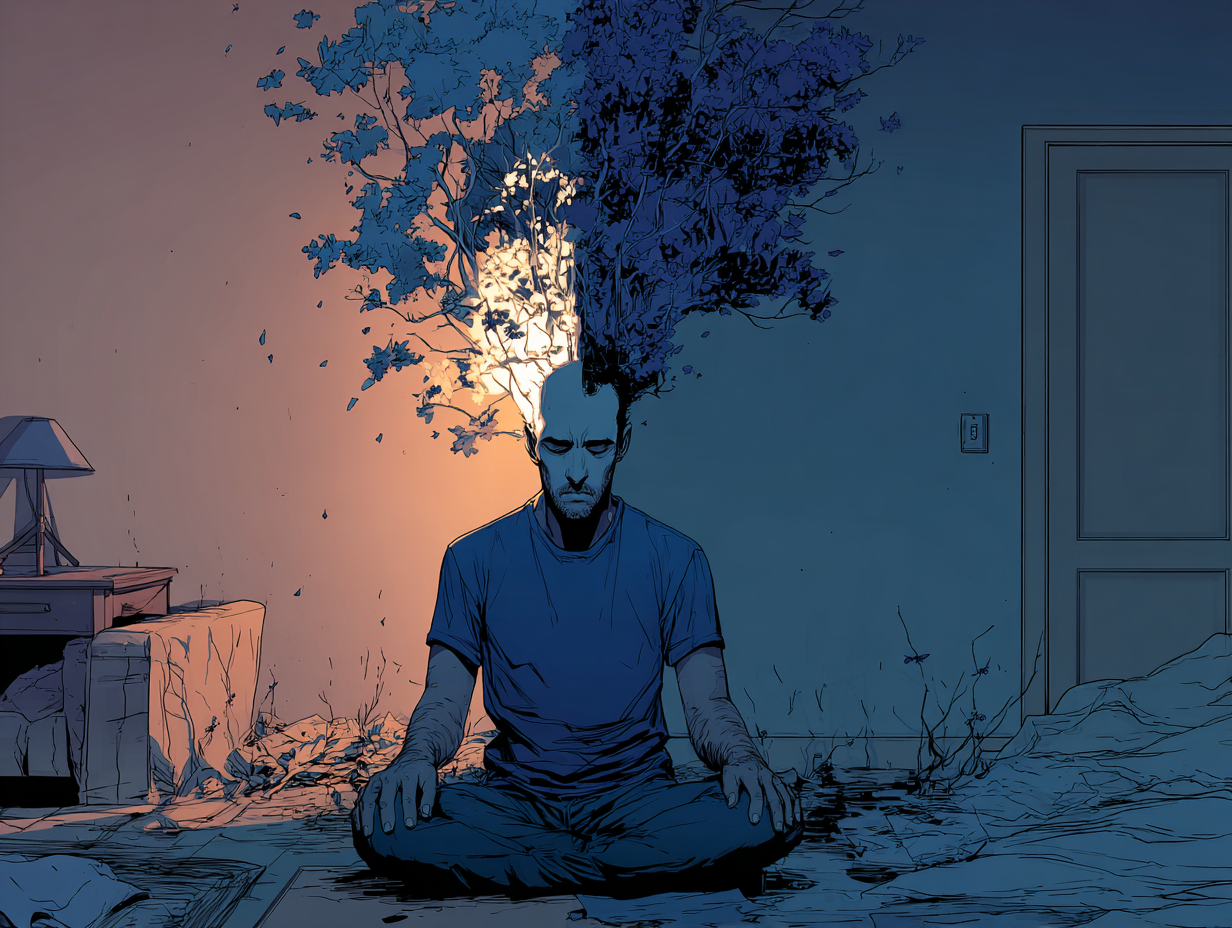
Because mixed states can involve depressive symptoms alongside activation, professional supervision matters. A psychiatrist can evaluate how symptoms evolve over time rather than focusing only on one emotional state.
Here’s something many people do not expect: stabilization often begins with sleep. When sleep improves consistently, emotional intensity and impulsivity sometimes become easier to manage. This is one reason psychiatrists frequently ask detailed questions about nighttime routines, insomnia, energy levels, and circadian rhythm disruption.
For example, a person experiencing repeated mixed episodes may initially focus only on sadness or anxiety. After tracking symptoms more carefully, they may realize that several nights of reduced sleep tend to appear before emotional escalation and impulsive behavior.
Therapy Approaches That May Help
Psychotherapy can help people understand patterns, reduce emotional overwhelm, and build coping strategies for future episodes. Therapy does not “cure” bipolar disorder, but it often improves emotional regulation, treatment adherence, communication, and relapse prevention.
Several evidence-based approaches may help:
- cognitive behavioral therapy (CBT), which helps identify harmful thinking patterns and emotional triggers;
- dialectical behavior therapy (DBT), which focuses on distress tolerance and emotional regulation;
- psychoeducation, which teaches people how bipolar symptoms affect sleep, stress, and relationships;
- family-focused therapy, which improves communication and support systems at home;
- mindfulness-based approaches, which may reduce emotional reactivity and increase awareness of mood changes.
According to the American Psychological Association, psychotherapy works best when it becomes part of a long-term support plan rather than a short-term crisis response alone.
Therapy can also reduce shame.
Many people with bipolar mixed features blame themselves for emotional instability, impulsive behavior, or damaged relationships. A skilled therapist helps separate the person from the symptoms. That shift often reduces hopelessness and improves motivation for treatment.
Imagine someone who repeatedly feels embarrassed after emotional outbursts or reckless decisions during mixed episodes. In therapy, they may begin recognizing early warning signs instead of only reacting after situations escalate. Over time, this self-awareness can improve relationships, work stability, and emotional confidence.
Sleep, Stress, and Lifestyle Stabilization
Daily routines may sound simple, but they often play a major role in long-term stability. Bipolar-spectrum conditions are closely connected to sleep regulation, stress levels, and nervous-system activation.
Small disruptions can sometimes intensify symptoms faster than people expect.
Helpful stabilization strategies may include:
- maintaining consistent sleep and wake times;
- reducing alcohol or substance use;
- tracking mood and sleep changes;
- building predictable daily structure;
- limiting overstimulation during escalating symptoms;
- maintaining regular therapy or psychiatric follow-up;
- asking trusted people to help monitor warning signs.
Stress management matters too. Emotional overload, conflict, overwork, major life changes, or chronic sleep deprivation may increase vulnerability to mood destabilization. According to SAMHSA, long-term stress can affect emotional regulation, concentration, and physical health across multiple mental-health conditions.
At the same time, perfectionism can become a hidden problem during recovery. Some people expect themselves to “stay stable perfectly” at all times. In reality, treatment usually involves learning patterns, adjusting routines, and responding early when symptoms begin shifting.
Important to know: Seeking professional support early is not weakness. Many people maintain careers, relationships, parenting responsibilities, and long-term goals while living with bipolar-spectrum conditions, especially when treatment and support systems remain consistent.
Recovery is rarely linear. Some periods feel stable and manageable, while others may require increased support or medication adjustments. Still, with proper treatment, many people experience meaningful improvement in emotional regulation, functioning, and quality of life.
When Should Someone Seek Immediate Help for Bipolar Mixed Features?
Bipolar mixed features can sometimes become dangerous when emotional despair combines with agitation, impulsivity, insomnia, or rapidly escalating behavior. Not every mixed episode becomes a psychiatric emergency, but certain warning signs should never be ignored. Early intervention often prevents symptoms from becoming more severe or life-threatening.
Many people wait too long before asking for help because they assume they should “handle it themselves.” In reality, recognizing escalating symptoms and reaching out early is often one of the safest and most responsible decisions a person can make.
Emergency Warning Signs
According to SAMHSA, the National Institute of Mental Health, and psychiatric safety guidelines, urgent professional support may be necessary when mood instability begins affecting safety, judgment, or reality testing.
Warning signs may include:
- talking about suicide or self-harm;
- feeling trapped, hopeless, or emotionally unbearable;
- severe insomnia lasting several days;
- reckless driving or dangerous impulsive behavior;
- aggressive agitation or emotional escalation;
- psychotic symptoms such as paranoia, hallucinations, or delusional thinking;
- substance misuse during emotional destabilization;
- inability to care for basic physical needs.
Here’s why mixed states can become especially risky: emotional pain may exist alongside increased energy and impulsivity. A person might feel intensely hopeless while also feeling physically activated and unable to slow down mentally.
Imagine someone who has barely slept for several nights. They begin speaking rapidly, acting recklessly, withdrawing emotionally from loved ones, and saying things like “I can’t do this anymore.” Even if they later minimize those comments, the situation deserves serious attention.
Important to know: Any mention of suicide, self-harm, or feeling unable to stay safe should be treated seriously, even if the person later says they “didn’t mean it.”
In the United States:
- call or text 988 to reach the Suicide & Crisis Lifeline;
- call 911 if there is immediate danger or medical emergency;
- go to the nearest emergency room if symptoms are rapidly escalating.
Crisis support is confidential, available 24/7, and designed to help people stay safe during overwhelming emotional states.
How Loved Ones Can Respond Supportively
Family members and partners often feel confused during mixed episodes because behavior can change quickly. Someone may appear angry one moment, emotionally devastated the next, and highly energized hours later. That unpredictability can create fear and conflict inside relationships.
Supportive responses usually work better than confrontation.
Helpful approaches may include:
- speaking calmly and directly;
- encouraging professional support without shaming the person;
- helping reduce stimulation and stress;
- monitoring sleep disruption and escalating impulsive behavior;
- offering practical help with appointments, meals, or transportation;
- taking suicidal statements seriously instead of dismissing them.
What usually does not help is arguing intensely, criticizing the person’s emotions, or demanding that they “just calm down.” During severe emotional dysregulation, the nervous system may already feel overloaded and unable to self-regulate effectively.
Loved ones also need support themselves. Caring for someone during severe mood instability can become emotionally exhausting. Therapy, psychoeducation, or family support groups may help partners and relatives understand symptoms more clearly while protecting their own mental health.
If you are personally experiencing bipolar mixed features and feel frightened by your symptoms, remember this: needing help does not mean you are weak, dramatic, or beyond recovery. These symptoms are recognized medical and psychological experiences, and treatment can reduce their intensity significantly over time.
References
1. National Institute of Mental Health. Bipolar Disorder. 2024.
2. American Psychiatric Association. What Are Bipolar Disorders? 2024.
3. Mayo Clinic. Bipolar Disorder - Symptoms and Causes. 2024.
4. Cleveland Clinic. Bipolar Disorder. 2024.
5. Substance Abuse and Mental Health Services Administration (SAMHSA). 988 Suicide & Crisis Lifeline. 2024.
6. American Psychological Association. Bipolar Disorder. 2024.
Conclusion
Bipolar mixed features can feel emotionally exhausting because depressive pain and emotional activation happen simultaneously. A person may feel hopeless while also restless, impulsive, unable to sleep, or mentally overstimulated. That emotional contradiction often creates confusion, shame, and fear, especially before someone understands what is happening.
Accurate diagnosis, professional support, structured treatment, and early intervention can make a significant difference. Many people living with bipolar-spectrum conditions build stable relationships, maintain careers, and improve emotional regulation over time with consistent care.
If symptoms ever begin affecting safety, judgment, or the ability to function, reach out for help quickly. In the United States, call or text 988 for the Suicide & Crisis Lifeline. If there is immediate danger, call 911.
Frequently Asked Questions
Can bipolar mixed features happen without full mania?
Yes. A person may experience depressive symptoms alongside hypomanic or activation symptoms without reaching full mania. This is one reason mixed features can sometimes be difficult to recognize early.
Why do bipolar mixed features feel so emotionally confusing?
Mixed states combine symptoms from opposite mood poles at the same time. A person may feel emotionally hopeless while also physically restless, mentally overstimulated, or impulsive, creating a conflicting emotional experience.
Are mixed episodes more dangerous than depression alone?
Research suggests mixed episodes may carry higher suicide risk because emotional pain can occur alongside increased energy, agitation, and impulsivity. Any suicidal thoughts or dangerous behavior should be taken seriously and evaluated by a licensed professional.
What can trigger bipolar mixed features?
Triggers vary between individuals, but common factors may include sleep deprivation, chronic stress, substance use, medication changes, trauma, or major life disruptions. Consistent routines and professional treatment often help reduce instability.
Does therapy help bipolar disorder with mixed features?
Yes. Therapy may help people recognize warning signs, improve emotional regulation, reduce shame, and maintain treatment routines. CBT, DBT, psychoeducation, and family-focused approaches are commonly used alongside psychiatric care.
When should someone seek emergency psychiatric help?
Emergency support is important when symptoms involve suicidal thinking, psychosis, severe insomnia, reckless behavior, or inability to stay safe. In the United States, call or text 988, or call 911 during immediate danger.
Can people with bipolar mixed features maintain stable relationships and careers?
Many people do maintain stable and meaningful lives with proper treatment and support. Long-term stability often improves through therapy, medication management, structured routines, sleep regulation, and strong support systems.