Autistic Burnout: Signs, Causes, Duration, and Recovery
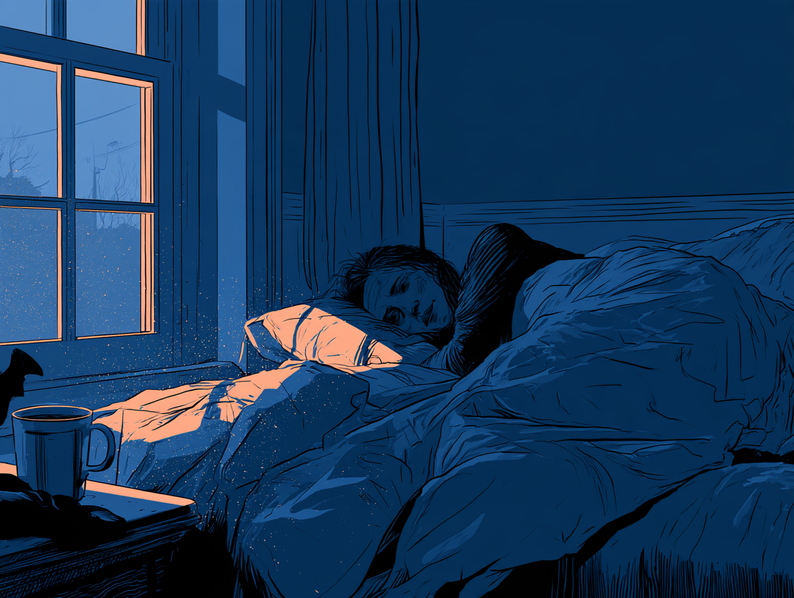
Imagine waking up exhausted after a full night's sleep, struggling to answer a simple message, or finding everyday sounds almost unbearable. Autistic burnout can make familiar routines feel unexpectedly difficult. For some people with autism, even activities they previously managed without much trouble begin to require enormous effort.
Autistic burnout is generally described as a state of prolonged exhaustion, reduced ability to manage everyday demands, and increased sensitivity to sensory input. It is often associated with chronic stress, autistic masking, and environments that do not adequately accommodate individual needs.
Although researchers have increasingly explored this experience, autistic burnout is not currently recognized as a standalone diagnosis in the Diagnostic and Statistical Manual of Mental Disorders, Fifth Edition, Text Revision (DSM-5-TR). Its symptoms may also overlap with depression, anxiety, sleep disorders, and other health conditions.
This guide explains the signs and causes of autistic burnout, how long it may last, and practical strategies that may support recovery. It also explores how autistic burnout differs from depression and when professional support may be necessary.
What Is Autistic Burnout and What Are the Signs?
What Does Autistic Burnout Mean?
Autistic burnout refers to an experience of intense, often prolonged exhaustion and reduced functioning reported by some people with autism. Unlike ordinary fatigue after a demanding day, it can affect several areas of life simultaneously, including communication, concentration, emotional regulation, and sensory tolerance.
In a 2020 study published in Autism in Adulthood, researcher Dora Raymaker and colleagues explored autistic burnout through the experiences of autistic adults. Participants described chronic exhaustion, loss of skills, and reduced tolerance for sensory stimulation. They also connected burnout to a mismatch between external expectations and available support.
These findings help explain why autistic burnout cannot be understood simply as being tired or needing a vacation. The experience may develop after months or years of managing demands that consistently exceed a person's available resources.
For example, someone may successfully maintain a full-time job, attend social events, and manage household responsibilities for years. However, doing so may require constant conscious effort, particularly when the environment offers little flexibility. Eventually, tasks that once seemed manageable may become overwhelming.
Autistic burnout is not a formal medical diagnosis, and researchers are still developing ways to define and measure it. Nevertheless, understanding the experiences associated with it may help people recognize when their current demands have become unsustainable.
Physical, Emotional, and Cognitive Signs
The signs of autistic burnout can vary considerably. Some people notice physical exhaustion first, while others experience increased sensory sensitivity, emotional distress, or difficulty concentrating.
Commonly reported experiences include:
- Persistent exhaustion: Feeling physically or mentally depleted even after sleeping or taking time off;
- Increased sensory sensitivity: Finding sounds, lights, smells, textures, or crowded environments more difficult to tolerate;
- Cognitive difficulties: Struggling to concentrate, process information, make decisions, or organize thoughts;
- Reduced social capacity: Finding conversations, messages, meetings, or social expectations unusually demanding;
- Emotional distress: Experiencing increased irritability, frustration, anxiety, or difficulty managing emotions;
- Greater need for recovery time: Requiring longer periods of quiet or reduced activity after everyday responsibilities.
Consider a person who previously enjoyed grocery shopping. During burnout, the combination of fluorescent lighting, background music, conversations, and decisions about what to buy may feel unbearable. They might leave the store without purchasing anything, not because they have forgotten how to shop, but because the demands exceed what they can manage at that moment.

Some people find it helpful to reflect on their experiences using a general burnout self-assessment. However, general burnout questionnaires are not designed to diagnose autistic burnout, and their results should not replace professional evaluation.
Importantly, these symptoms are not exclusive to autistic burnout. Persistent fatigue, concentration problems, and emotional changes can also occur with depression, chronic illness, medication effects, and sleep-related conditions.
Loss of Skills and Executive Functioning Difficulties
One particularly distressing aspect of autistic burnout is the feeling of losing access to abilities that previously seemed reliable.
A person may suddenly struggle to prepare meals, answer emails, maintain personal hygiene routines, or communicate verbally in situations they once handled more easily. These changes may be especially confusing when the person has spent years developing strategies to manage everyday responsibilities.
Executive functioning difficulties can play an important role. Executive functions include processes involved in planning, organizing, initiating tasks, switching attention, and managing competing priorities.
During burnout, even a relatively simple activity may involve too many steps. Answering an email, for example, requires reading the message, interpreting its meaning, deciding how to respond, choosing appropriate wording, and initiating the response. When cognitive resources are depleted, this sequence may feel overwhelming.
Reduced functioning does not automatically mean that previously acquired skills have disappeared permanently. Some people report improvements as their circumstances become more manageable and they have opportunities to recover.
However, sudden, substantial, or unexplained changes in functioning deserve medical attention. They should not automatically be attributed to autistic burnout without considering other possible causes.
What Causes Autistic Burnout?
Autistic burnout is generally understood as the result of prolonged demands that exceed a person's available resources, particularly when opportunities for recovery and appropriate support are limited.
There is no single established cause. Instead, research and lived-experience accounts describe several interacting factors, including masking, sensory overload, chronic stress, and insufficient accommodations.
Autistic Masking and Social Demands
Autistic masking, sometimes called camouflaging, involves consciously or unconsciously modifying behavior to meet social expectations. This may include suppressing natural movements, rehearsing conversations, maintaining uncomfortable eye contact, or closely monitoring facial expressions and tone of voice.
Masking can help some people navigate environments where autistic communication styles are misunderstood. However, maintaining these adjustments over extended periods may require considerable effort.
Imagine an employee who spends an entire workday interpreting colleagues' expressions, participating in spontaneous conversations, and carefully monitoring their own reactions. They may appear comfortable and engaged, while privately experiencing significant exhaustion.
After returning home, the person might have little energy left for cooking, household responsibilities, or social interaction. If the same demands continue every day without adequate recovery time, the cumulative burden may become increasingly difficult to manage.
Social expectations can also create pressure outside the workplace. Family gatherings, friendships, appointments, and everyday interactions may involve unpredictable situations or unspoken rules.
Not every person with autism masks, and masking does not affect everyone in the same way. Nevertheless, researchers have identified sustained masking and pressure to meet external expectations as important themes in autistic burnout experiences.
Sensory Overload and Chronic Stress
Sensory processing differences can make certain environments particularly demanding for people with autism. Bright lighting, overlapping conversations, strong smells, unexpected touch, and continuous background noise may require substantial effort to manage.
For someone with heightened sensory sensitivity, an ordinary office, classroom, or shopping center can involve repeated exposure to uncomfortable stimulation.
The difficulty is not necessarily one particularly loud sound or bright light. It may be the accumulation of sensory demands throughout the day, especially when the person cannot leave, adjust the environment, or take breaks.
Chronic stress can add to this burden. Unpredictable schedules, frequent transitions, financial concerns, relationship difficulties, and demanding responsibilities may all reduce opportunities for recovery.
For example, a person who works in a noisy office may manage the environment during the day but return home to additional responsibilities. If they rarely have access to quiet time, predictable routines, or practical assistance, their overall stress load may continue increasing.
Research has not established a precise amount of sensory exposure or stress that causes autistic burnout. Individual tolerance and circumstances vary, so the same environment may be manageable for one person and overwhelming for another.
Why Lack of Support Can Make Burnout Worse
Environmental demands become more difficult when people lack the resources or flexibility needed to manage them.
In autistic burnout research, participants have described the impact of expectations that do not account for autistic needs. These may include pressure to communicate in particular ways, tolerate uncomfortable environments, or maintain demanding schedules without adjustments.
Insufficient support can take several forms:
- Limited workplace flexibility: Having little control over schedules, breaks, communication methods, or sensory conditions;
- Lack of understanding: Encountering people who interpret exhaustion or withdrawal as unwillingness rather than difficulty coping;
- Unpredictable responsibilities: Managing frequent changes without sufficient preparation or recovery time;
- Limited practical assistance: Having no reliable help with household tasks, appointments, transportation, or administrative responsibilities;
- Barriers to healthcare: Struggling to find professionals familiar with autism in adults and the experiences associated with autistic burnout.
These challenges may be especially significant for people who cannot easily reduce their responsibilities because of financial pressures, caregiving duties, or employment requirements.
Recognizing these limitations matters because recovery advice that focuses exclusively on personal habits may overlook the conditions contributing to burnout.
Reducing demands is not always a matter of choosing to do less. Sometimes, meaningful changes require accommodations, assistance from others, or adjustments to the surrounding environment.
How Long Does Autistic Burnout Last?
One of the most common questions about autistic burnout is how long recovery takes. Unfortunately, research has not established a reliable timeline that applies to everyone.
Some people describe experiences lasting months or longer, while others report periods of improvement followed by renewed difficulties. The duration may depend on continuing stressors, available support, coexisting health conditions, and opportunities to reduce demands.
Is There a Typical Recovery Timeline?
There is currently no evidence-based average recovery time for autistic burnout.
In the 2020 study by Raymaker and colleagues, participants described autistic burnout as a prolonged experience, often lasting three months or longer. However, this description should not be interpreted as a universal minimum duration or a prediction of how long recovery will take.
Some people may begin noticing improvements after reducing responsibilities and gaining access to a more manageable environment. Others may continue experiencing substantial difficulties despite making changes.
Recovery may also happen gradually rather than all at once.
For example, someone might initially find that they can tolerate everyday sounds more comfortably. Later, they may regain enough energy to prepare meals, communicate with friends, or return to selected activities. More demanding responsibilities may still require adjustments.
It is important not to interpret a single productive day as evidence that recovery is complete. Similarly, a difficult day does not necessarily mean that previous progress has disappeared.
Because the symptoms associated with autistic burnout overlap with other conditions, persistent or worsening exhaustion should be discussed with a healthcare professional rather than managed solely through self-assessment.
What Can Make Recovery Take Longer?
Recovery may be more difficult when the circumstances contributing to burnout remain unchanged.
For instance, a person may take several days off work but return to the same overwhelming schedule, sensory environment, and communication expectations. Although the break may provide temporary relief, the original demands may continue exceeding their available resources.
Several factors may complicate recovery:
- Continuing overload: Ongoing sensory, social, cognitive, or emotional demands without sufficient opportunities for recovery;
- Pressure to resume previous activities: Expectations to return immediately to a demanding routine before it becomes manageable;
- Limited accommodations: Lack of flexibility in employment, education, healthcare, or daily responsibilities;
- Coexisting health conditions: Depression, anxiety, sleep disorders, or physical illnesses that also contribute to exhaustion;
- Insufficient practical support: Difficulty obtaining help with essential responsibilities or accessing appropriate services.
These factors do not determine an individual's recovery timeline. They illustrate why the process may require changes beyond simply getting more sleep or taking a short break.
When circumstances cannot be changed immediately, identifying smaller adjustments may still be worthwhile. However, people should not be expected to resolve systemic or financial barriers through individual effort alone.
Can Autistic Burnout Come Back?
Some adults with autism report experiencing autistic burnout more than once.
Recurrence may be associated with returning to environments or routines that involve sustained overload. For example, someone may feel better after a period of reduced responsibilities but begin struggling again when their schedule becomes increasingly demanding.
Researchers have not established how frequently autistic burnout recurs or which factors reliably predict another episode.
Nevertheless, paying attention to early changes in energy, sensory tolerance, and everyday functioning may help people recognize when their current demands are becoming difficult to manage.
Possible warning signs include needing progressively longer recovery periods after routine activities, withdrawing from previously manageable interactions, or finding familiar tasks increasingly exhausting.
Recognizing these changes does not guarantee that burnout can be prevented. However, it may create opportunities to seek support and reconsider responsibilities before difficulties become more severe.
How to Recover From Autistic Burnout
There is no single clinically established treatment for autistic burnout, and recovery strategies need to reflect individual circumstances.
Research and lived-experience accounts suggest that reducing overwhelming demands, creating more supportive environments, and allowing sufficient recovery time may be helpful. These approaches are best understood as practical strategies rather than guaranteed treatments.
Reduce Demands and Allow Time for Rest
When everyday responsibilities consistently exceed available energy, reducing demands may be an important part of recovery.
This does not necessarily mean abandoning work, relationships, or personal goals. Instead, it may involve identifying which activities are essential, which can be postponed, and which could be managed differently.
For example, someone experiencing significant exhaustion might temporarily simplify meals, reduce optional social commitments, or ask another household member to manage administrative tasks.
It can be helpful to distinguish between activities that genuinely restore energy and those that merely appear restful.
Watching television, scrolling through social media, or attending a quiet gathering may be relaxing for some people. For others, these activities can involve additional sensory or cognitive demands.
Rest may therefore look different from person to person. Some people prefer quiet environments, familiar routines, solitary activities, or time without expectations to communicate.
General guidance on recovering from burnout and restoring energy may offer additional ideas for managing exhaustion. However, general burnout strategies are not necessarily sufficient for autistic burnout, particularly when sensory demands and masking contribute to the experience.
For people who cannot significantly reduce work or caregiving responsibilities, smaller changes may be more realistic. These could include scheduling brief quiet periods, simplifying recurring decisions, or arranging help with selected tasks.
Create a Sensory-Friendly Environment
Increased sensory sensitivity is commonly reported during autistic burnout. Adjusting the environment may help reduce the amount of effort required to manage everyday activities.
Useful adjustments depend on individual sensory preferences and may include:
- Lighting: Using softer lighting, reducing glare, or avoiding unnecessarily bright spaces;
- Sound: Wearing comfortable hearing protection when appropriate, choosing quieter locations, or limiting overlapping audio sources;
- Clothing: Selecting fabrics, seams, and fits that feel comfortable against the skin;
- Workspace: Reducing visual clutter or arranging access to a quieter area;
- Daily schedules: Allowing additional time between activities that involve significant sensory stimulation.
For example, a person who finds grocery stores overwhelming might shop during quieter hours, use a prepared shopping list, or arrange delivery when available and affordable.
Another person may benefit from replacing bright overhead lighting with adjustable lamps while working at home.
These changes do not eliminate every source of stress, but they may make daily activities less demanding.
Sensory needs can also change over time. An environment that previously felt comfortable may become difficult to tolerate during periods of exhaustion, so adjustments may need to be revisited.
Reconsider Masking and Social Expectations
For people who regularly mask autistic traits, reducing the effort involved in social interactions may be worth considering.
This does not mean that everyone should stop masking in every situation. Decisions about disclosure and behavior can involve personal safety, employment concerns, relationships, and the risk of discrimination.
Instead, a person might identify situations where they feel comfortable communicating more naturally or reducing unnecessary social performance.

Examples could include:
- Choosing written communication instead of phone calls when possible;
- Taking breaks during long social events;
- Allowing natural movements or self-regulating behaviors in supportive environments;
- Explaining communication preferences to trusted people;
- Declining optional activities that require more energy than is currently available.
For example, someone who finds spontaneous phone conversations exhausting may ask a friend to communicate through text messages instead.
Another person may decide to leave a gathering earlier rather than remain until they become overwhelmed.
The goal is not to eliminate meaningful relationships or avoid all social experiences. It is to explore whether certain expectations can be adjusted so that participation becomes more sustainable.
Ask for Accommodations and Practical Support
Recovery may be difficult when the surrounding environment continues placing excessive demands on a person.
Workplace, educational, and household adjustments can sometimes reduce those demands without requiring someone to withdraw entirely from important activities.
Depending on the situation, practical support might include flexible scheduling, access to a quieter workspace, written instructions, predictable routines, or assistance with administrative responsibilities.
In the United States, the Job Accommodation Network (JAN) provides information about workplace accommodations and employment-related disability issues.
People who need adjustments at work may benefit from discussing their circumstances with an appropriate workplace representative or qualified professional. The availability of specific accommodations depends on individual circumstances and applicable legal requirements.
Support outside work can be equally important.
A trusted friend or family member might help with grocery shopping, transportation, scheduling appointments, or preparing meals. For someone experiencing severe exhaustion, practical assistance may be more useful than repeated encouragement to push through difficulties.
Not everyone has access to supportive relationships or flexible employment. In those situations, healthcare professionals, disability services, or community organizations may help identify available resources.
Build a Sustainable Recovery Routine
As functioning improves, it may be tempting to resume every previous responsibility immediately. However, returning to an overwhelming routine can recreate the conditions associated with burnout.
A more sustainable approach may involve gradually reconsidering how activities fit into daily life.
For example, someone returning to work after a period of significant exhaustion might explore whether a reduced schedule, predictable breaks, or fewer simultaneous responsibilities are possible.
It may also help to notice which activities consistently require substantial recovery time.
Some people find it useful to keep a simple record of energy levels, sensory difficulties, and daily demands. The purpose is not to measure productivity or create another obligation, but to identify patterns that might otherwise be difficult to recognize.
Recovery routines should remain flexible. A schedule that works during one period may need adjustment when health, employment, or family circumstances change.
It is also important to consider other explanations for persistent exhaustion. Sleep problems, depression, nutritional deficiencies, medication effects, and other medical conditions may require separate assessment and treatment.
Professional support can help distinguish overlapping concerns and develop an individualized plan when symptoms interfere with daily functioning.
Autistic Burnout vs. Depression: When to Seek Help
Autistic burnout and depression can involve similar experiences, including exhaustion, withdrawal, reduced motivation, and difficulty managing everyday activities.
Because these experiences overlap, distinguishing them through symptoms alone can be difficult. Depression can also occur alongside autistic burnout.
How Is Autistic Burnout Different From Depression?
Depression is a recognized mental health condition that can involve persistent low mood, loss of interest or pleasure, changes in sleep or appetite, feelings of worthlessness, and other symptoms.
Autistic burnout, by contrast, is a research concept describing prolonged exhaustion and reduced functioning in the context of autistic experiences and sustained demands.
The following comparison highlights commonly discussed differences. It is not a diagnostic checklist, and individual experiences may not fit neatly into either category.
| Aspect | Autistic Burnout | Depression |
|---|---|---|
| Clinical status | Not a standalone DSM-5-TR diagnosis | Recognized clinical condition |
| Commonly discussed context | Prolonged demands, masking, sensory overload, and insufficient support | May involve biological, psychological, environmental, and social factors |
| Energy and functioning | Persistent exhaustion and difficulty managing previously familiar activities | Fatigue, reduced activity, and difficulties with concentration or daily functioning |
| Emotional experiences | May involve distress, irritability, withdrawal, or feeling overwhelmed | May involve persistent sadness, hopelessness, guilt, or loss of interest and pleasure |
| Support considerations | Reducing demands and improving accommodations may be helpful | Evidence-based care may include psychotherapy, medication, or other clinical interventions |
For example, someone experiencing autistic burnout may still enjoy a favorite activity but lack the energy or sensory tolerance to participate in it. A person experiencing depression may lose interest or pleasure in activities they previously enjoyed.
However, this distinction is not reliable enough to establish a diagnosis. People experiencing either condition may report both patterns, and the conditions can coexist.
Readers who want to learn more about depressive symptoms and support options can explore this psychologist's guide to understanding and overcoming depression.
When symptoms persist, worsen, or significantly affect daily life, a qualified healthcare professional can help evaluate possible causes.
When Should You See a Mental Health Professional?
Professional support may be particularly important when exhaustion, emotional distress, or changes in functioning interfere with essential activities.
Consider seeking an evaluation if:
- Exhaustion continues despite opportunities for rest;
- Everyday tasks become increasingly difficult to manage;
- Sleep, appetite, concentration, or mood changes significantly;
- Withdrawal or emotional distress begins affecting important relationships or responsibilities;
- Symptoms appear suddenly, become severe, or cannot be explained by current demands.
A primary care professional may help assess physical health concerns, sleep problems, medication effects, and other possible contributors. A mental health professional can evaluate depression, anxiety, and related difficulties.
Some people also use general questionnaires to reflect on their symptoms. For example, the Burnout Assessment Tool (BAT) explores experiences associated with burnout, including exhaustion and cognitive or emotional difficulties.
However, the BAT is not an autistic burnout diagnostic instrument and cannot determine whether someone has depression or another medical condition.
If someone is experiencing thoughts of suicide or immediate safety concerns, urgent support is appropriate. In the United States, the 988 Suicide & Crisis Lifeline provides crisis support by calling or texting 988. For an immediate life-threatening emergency, call 911.
Finding Autism-Informed Support in the United States
When seeking professional help, it may be useful to look for clinicians who have experience working with autistic adults and understand how sensory differences, communication preferences, and masking can affect daily functioning.
An autism-informed professional should consider the person's individual needs rather than assuming that every difficulty is caused by autism.
Before scheduling an appointment, someone may wish to ask whether the clinician has experience supporting adults with autism, evaluating overlapping mental health conditions, and adapting communication or appointment environments.
Possible accommodations during healthcare visits include written questions, clear explanations, reduced sensory stimulation, or additional time to process information.
It may also help to describe specific changes rather than relying only on the term autistic burnout.
For example, explaining that preparing meals has become difficult, ordinary sounds feel overwhelming, or work responsibilities now require substantially more recovery time can give a clinician useful information about current functioning.
The goal of professional assessment is not necessarily to assign every experience to a single category. It is to understand what is happening, identify potentially treatable conditions, and develop support that reflects the person's circumstances.
Conclusion
Autistic burnout can affect far more than energy levels. Persistent exhaustion, increased sensory sensitivity, and difficulty managing familiar tasks may disrupt work, relationships, and everyday routines. These experiences are often associated with prolonged demands, masking, and environments that do not provide sufficient support.
There is no universal timeline for autistic burnout recovery. Reducing unnecessary responsibilities, making sensory adjustments, and seeking practical accommodations may help, but progress can vary considerably from one person to another. Recovery is not necessarily about returning to every previous expectation. Sometimes, it means finding a more sustainable way to manage daily life.
If exhaustion persists, functioning declines, or emotional distress becomes difficult to manage, consider speaking with a qualified healthcare professional. Appropriate assessment and individualized support can help address overlapping conditions and identify realistic next steps.
References
1. Raymaker, D. M., et al. (2020). “Having All of Your Internal Resources Exhausted Beyond Measure and Being Left with No Clean-Up Crew”: Defining Autistic Burnout. Autism in Adulthood.
2. Higgins, J. M., Arnold, S. R. C., Weise, J., Pellicano, E., & Trollor, J. N. (2021). Defining Autistic Burnout Through Experts by Lived Experience: Grounded Delphi Method Investigating Autistic Burnout. Autism.
3. Research on the Measurement of Autistic Burnout. PubMed. Bibliographic details require verification before publication.
4. Cleveland Clinic. Understanding Autistic Burnout. Cleveland Clinic Health Essentials.
5. Autism CRC. Autistic Burnout. Autism Cooperative Research Centre.
6. National Institute of Mental Health. Depression. National Institutes of Health.
7. Job Accommodation Network. Workplace Accommodation Resources. U.S. Department of Labor, Office of Disability Employment Policy.
8. 988 Suicide & Crisis Lifeline. 988 Suicide & Crisis Lifeline. Official U.S. Crisis Support Resource.
Frequently Asked Questions
Can autistic burnout happen without a formal autism diagnosis?
People who have not received a formal autism diagnosis may recognize experiences described in autistic burnout research. However, exhaustion, sensory sensitivity, and difficulties with everyday tasks cannot establish that someone has autism or autistic burnout. A qualified healthcare professional can help evaluate persistent symptoms and consider other possible explanations.
Can autistic burnout cause temporary loss of skills?
Some people experiencing autistic burnout report difficulty using skills they previously managed more easily, including communication, planning, and everyday activities. These changes do not automatically mean that the abilities have been permanently lost. Significant or unexpected changes in functioning should be evaluated by a healthcare professional.
Is autistic burnout the same as depression?
No. Autistic burnout and depression are different concepts, although both may involve exhaustion, withdrawal, and difficulty managing daily activities. Depression is a recognized clinical condition, while autistic burnout is not a standalone DSM-5-TR diagnosis. The two can coexist, making professional assessment important when symptoms persist or worsen.
Can sleep alone resolve autistic burnout?
Adequate sleep and rest may support recovery, but they may not address the demands contributing to autistic burnout. Reducing sensory overload, adjusting responsibilities, and accessing practical support may also help. Researchers have not established a single recovery approach that works for everyone.
How do I know if I am recovering from autistic burnout?
Possible signs of improvement include having more energy for everyday activities, finding sensory experiences easier to manage, and gradually regaining the ability to complete previously difficult tasks. Recovery may be uneven, with periods of improvement followed by renewed exhaustion. Persistent or worsening symptoms deserve professional attention.
Can autistic burnout happen more than once?
Some adults with autism describe experiencing autistic burnout repeatedly, particularly when overwhelming demands continue or return. Identifying recurring stressors and making sustainable adjustments may help reduce those demands. However, research has not established a reliable method for predicting whether or when burnout will recur.