Attachment Wound: What It Is and How to Heal
Emotional pain in relationships can feel confusing and deeply personal, especially when the same patterns repeat no matter how much effort you put in. Many people blame themselves for being “too sensitive,” “too distant,” or “bad at relationships,” without understanding what’s actually driving these reactions. An attachment wound refers to an early emotional injury related to closeness, safety, and connection that continues to shape how a person experiences relationships later in life.
In simple terms, an attachment wound forms when early needs for consistency, comfort, or emotional attunement were unmet or unpredictable. This doesn’t require extreme neglect or abuse, and it doesn’t mean caregivers were intentionally harmful. Still, the nervous system learns certain expectations about closeness, trust, and abandonment, and those expectations can quietly influence adult emotions, behaviors, and relationship choices.
In this article, you’ll learn what an attachment wound really is, how it shows up in adult relationships, and why it is not a mental disorder or diagnosis. You’ll also explore what healing actually looks like in adulthood, including practical self-work and when professional support can be helpful. If you’ve ever wondered why intimacy feels overwhelming, why distance feels unbearable, or why relationships trigger intense reactions that don’t seem to match the situation, this guide is designed to give clarity, relief, and a realistic path forward.

What Is an Attachment Wound?
An attachment wound is an emotional injury related to safety, connection, and trust that develops within early relationships and continues to influence how a person experiences closeness later in life. It is not a diagnosis, disorder, or fixed trait. Instead, it describes a learned emotional pattern shaped by how the nervous system adapted to relationships that felt inconsistent, overwhelming, or emotionally unavailable.
At its core, an attachment wound reflects how the brain and body learned to answer a basic question: Is it safe to rely on others? When early experiences sent mixed or unreliable signals, the system adapted in ways that once made sense, even if they later cause pain in adult relationships.
How attachment wounds form
Attachment wounds usually develop during childhood, when the brain is highly sensitive to relational cues. Children depend on caregivers not only for physical care but also for emotional regulation. When a caregiver is consistently responsive, the nervous system learns that distress can be soothed through connection. When responses are unpredictable, dismissive, frightening, or emotionally absent, the nervous system adapts differently.
These adaptations can form even in families that look “functional” from the outside. An attachment wound does not require overt abuse or neglect. It can emerge in situations such as:
- a caregiver who is loving but emotionally inconsistent
- frequent separations, hospitalizations, or losses early in life
- a parent struggling with untreated depression, anxiety, or substance use
- environments where emotions were minimized, ignored, or punished
- role reversal, where a child had to emotionally care for an adult
In these contexts, the child’s nervous system learns survival strategies. Some children become hyper-attuned to others’ moods, constantly scanning for signs of rejection. Others learn to shut down emotional needs altogether. These responses are adaptive at the time, but they often persist long after the original environment has changed.
Attachment wound vs. trauma: what’s the difference?
Attachment wounds are often confused with trauma, but they are not the same thing. Trauma typically involves a specific overwhelming event or series of events that exceed the nervous system’s ability to cope. Attachment wounds, by contrast, are relational patterns that develop over time.
To clarify the distinction:
- trauma is usually event-based and may involve threat to safety
- attachment wounds are relationship-based and involve unmet emotional needs
- trauma can occur at any age, while attachment wounds form primarily in early development
- a person can have an attachment wound without meeting criteria for trauma-related conditions
That said, the two can overlap. Chronic relational stress in childhood may contribute to both attachment wounds and trauma responses. The key difference is that attachment wounds shape how a person relates, not just how they react to danger.
Here’s an example. A person with an attachment wound may feel intense anxiety when a partner doesn’t text back, even when there is no real threat to the relationship. The reaction is not about the present moment alone, but about old expectations of disconnection being activated automatically.
Understanding this distinction matters because attachment wounds are addressed through relational repair, emotional regulation, and corrective experiences, rather than through exposure-based trauma treatment alone.
Most importantly, having an attachment wound does not mean something is “wrong” with you. It means your nervous system learned patterns that helped you survive emotionally at one point in life, even if they no longer serve you now.
How Attachment Wounds Affect Adult Relationships
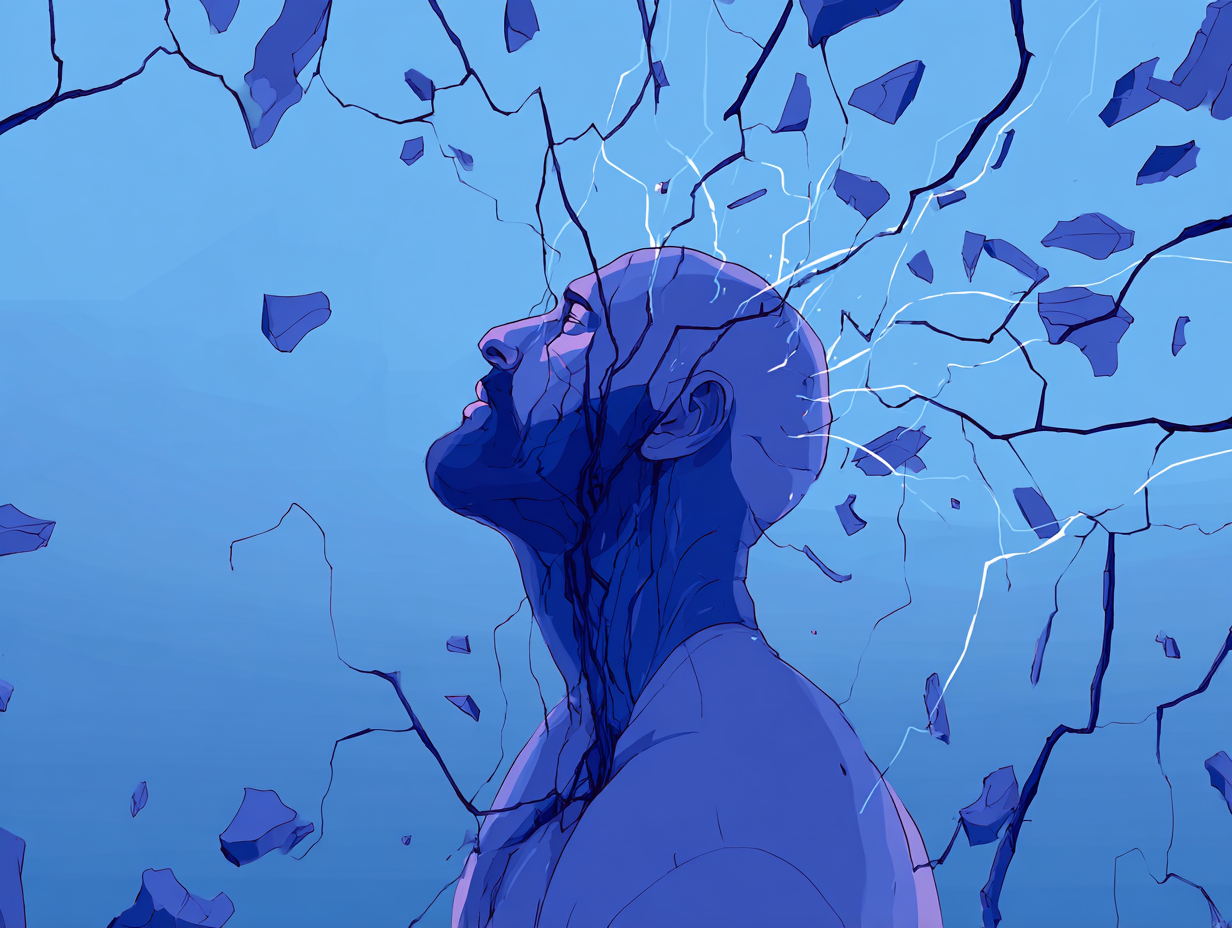
Attachment wounds often stay invisible until intimacy activates them. Many people function well at work, in friendships, and in daily life, yet feel emotionally overwhelmed, shut down, or reactive once closeness, dependency, or vulnerability enters the picture. This is because attachment wounds shape relational expectations, not surface-level behavior.
At a nervous-system level, relationships begin to feel like situations that must be managed for safety rather than experienced for connection. Even when a partner is caring and reliable, old patterns can quietly dictate emotional responses.
Emotional patterns shaped by attachment wounds
One of the clearest signs of an attachment wound is emotional intensity that feels out of proportion to the situation. The reaction itself is real, but it is often driven by earlier relational learning rather than present-day threat.
Common emotional patterns include:
- fear of abandonment when a partner needs space
- anxiety that rises quickly during conflict or silence
- emotional numbness or shutdown during closeness
- strong shame after expressing needs
- persistent doubt about being “too much” or “not enough”
For example, someone may feel a wave of panic when a partner seems distracted, even if there is no evidence of rejection. Another person may feel the urge to pull away emotionally as soon as a relationship deepens, despite wanting intimacy. These reactions are not conscious choices. They are automatic responses learned long before adult reasoning was available.
Attachment wounds often create a push–pull dynamic. The same person may crave closeness and fear it at the same time. When connection feels uncertain, anxiety increases. When connection feels too close, the nervous system may interpret it as overwhelming and signal danger.
Common behaviors linked to attachment wounds
Emotional patterns shaped by attachment wounds often translate into behaviors that strain relationships, even when intentions are good. These behaviors are not character flaws. They are protective strategies that once served a purpose.
Common behavioral expressions include:
- reassurance-seeking or repeated checking for signs of commitment
- difficulty tolerating uncertainty or delayed responses
- withdrawing, becoming distant, or “going numb” during conflict
- avoiding difficult conversations to prevent perceived rejection
- intense emotional reactions followed by regret or self-criticism
Consider a scenario where a partner asks for time alone after a disagreement. For someone with an attachment wound, this may register as abandonment rather than a request for regulation. The body reacts before logic can intervene. The result may be protest behaviors, emotional shutdown, or attempts to restore closeness urgently.
Over time, these cycles can reinforce painful beliefs such as “relationships are unsafe,” “I will always be left,” or “my needs drive people away.” These beliefs are not facts, but they feel convincing because they are reinforced emotionally, not intellectually.
Attachment wounds do not mean someone is incapable of healthy relationships. They mean that closeness activates old emotional learning that has not yet been updated. With awareness, emotional regulation, and corrective relational experiences, these patterns can soften and change.
Are Attachment Wounds a Mental Disorder?
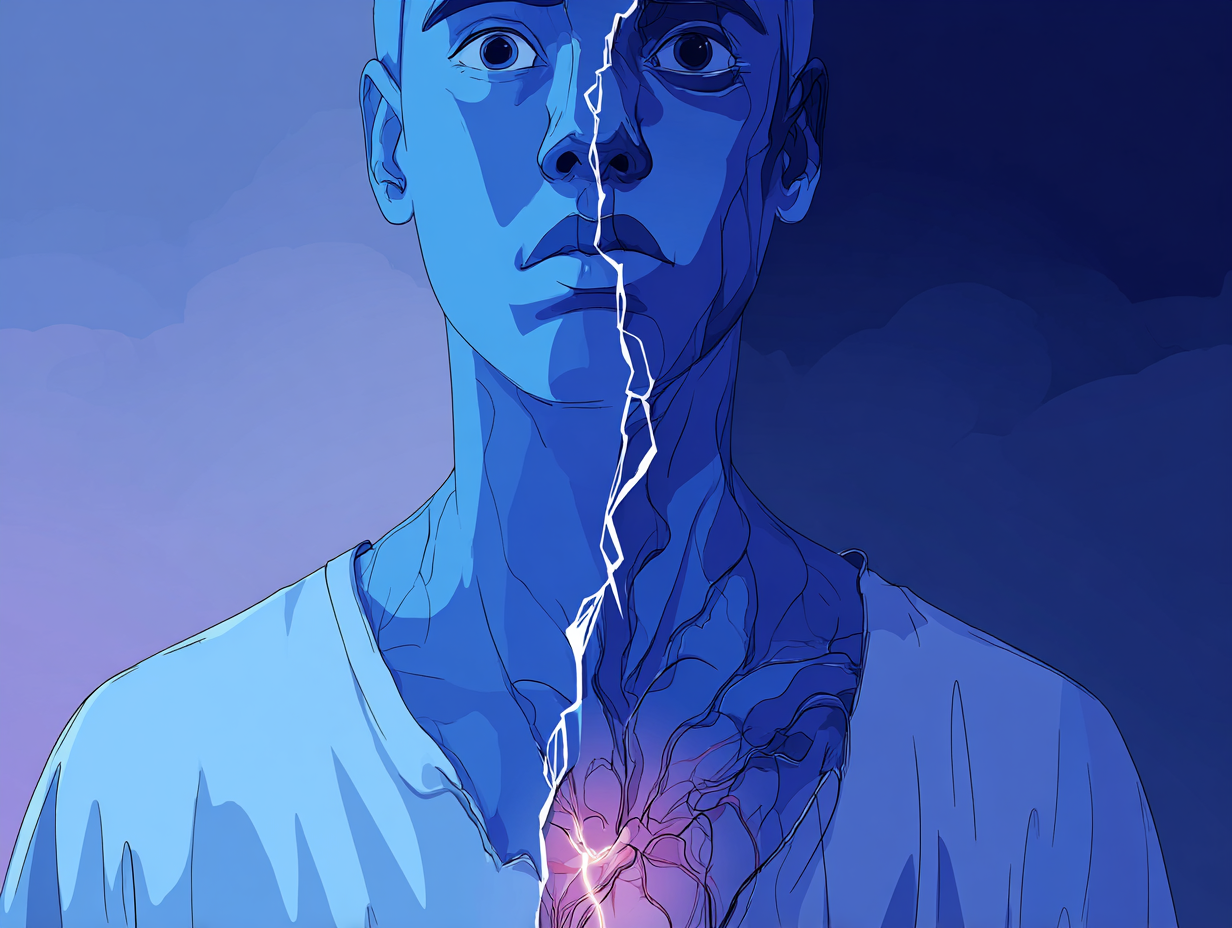
Attachment wounds are often misunderstood as signs of a mental disorder, especially when emotional reactions feel intense or difficult to control. This confusion can increase shame and make people hesitant to seek support. It’s important to be clear: an attachment wound is not a diagnosis, and it is not classified as a mental disorder.
Instead, attachment wounds describe relational learning patterns that shape how a person experiences closeness, safety, and emotional connection. These patterns exist on a continuum and are influenced by environment, relationships, and ongoing experiences throughout life.
What DSM-5-TR does and does not say
The DSM-5-TR, which clinicians in the United States use to define and diagnose mental health conditions, does not include “attachment wound” as a diagnostic category. Attachment-related experiences are discussed in developmental and relational contexts, but they are not treated as standalone disorders in adults.
Certain diagnoses may involve attachment-related features, such as difficulties with emotional regulation or relationships, but this does not mean that attachment wounds equal pathology. Most people with attachment wounds do not meet criteria for any mental disorder. They may function well in many areas of life while struggling specifically with intimacy or emotional safety.
The distinction matters. Diagnoses are used to guide treatment planning and insurance coverage. Attachment wounds, by contrast, are conceptual tools that help explain why certain relational patterns exist. They inform therapeutic direction without labeling a person as disordered.
Why attachment wounds are not a diagnosis
Attachment wounds develop as adaptive responses to early relational environments. At the time they formed, these patterns helped the nervous system manage uncertainty, emotional overwhelm, or inconsistency. From a clinical perspective, adaptation is not the same as dysfunction.
Here are key reasons attachment wounds are not considered a mental disorder:
- they reflect learned relational strategies, not fixed traits
- they can change through new emotional experiences
- they do not inherently impair reality testing or judgment
- they often improve with insight, regulation, and supportive relationships
For example, someone who becomes emotionally distant under stress is not “disordered.” Their system learned that emotional withdrawal was safer than vulnerability at an earlier point in life. That strategy may no longer be helpful, but it is understandable.
Therapists use attachment language to reduce blame, not increase it. Understanding attachment wounds allows people to see their reactions as patterned and meaningful, rather than as personal failures. This shift alone can reduce shame and create space for change.
If attachment-related difficulties begin to significantly impair daily functioning, relationships, or emotional stability, a licensed mental health professional can help assess what support may be useful. That assessment focuses on current needs and well-being, not on labeling someone as broken.
Attachment wounds describe how people learned to relate, not who they are. And because they are learned, they can be relearned in safer, more supportive ways.
Can Attachment Wounds Heal?
Yes, attachment wounds can heal. Healing does not mean erasing the past or never feeling triggered again. It means that the nervous system gradually learns new expectations about safety, closeness, and emotional regulation, allowing relationships to feel more stable and less overwhelming over time.
Healing is not a single breakthrough moment. It is a process of updating old relational learning through repeated experiences of safety, consistency, and emotional responsiveness. For adults, this happens through a combination of insight, emotional regulation, and corrective relational experiences.
What healing actually means
Healing an attachment wound involves changing how the body and emotions respond to closeness, not forcing yourself to act secure through logic alone. Attachment patterns live largely in the nervous system, which is why insight without emotional work often is not enough.
In practical terms, healing may look like:
- noticing emotional reactions sooner, before they escalate
- being able to stay present during closeness or conflict
- experiencing reassurance without needing constant confirmation
- tolerating distance without assuming abandonment
- responding rather than reacting in emotionally charged moments
Progress is often uneven. A person may feel regulated in one relationship and highly triggered in another. This does not mean healing has failed. It reflects that attachment wounds are activated in specific relational contexts, especially those that resemble early dynamics.
Healing also does not require blaming caregivers. Many caregivers did the best they could within their own limitations. Attachment wounds form through mismatch, not malice. Understanding this helps reduce internal conflict and supports emotional integration rather than resentment.
Self-work that supports healing
While therapy is often central to healing attachment wounds, meaningful change can also be supported outside of therapy. Self-work helps build emotional awareness and regulation, which are necessary foundations for relational change.
Helpful forms of self-work include:
- emotional tracking, noticing what situations trigger strong reactions
- learning to pause before responding during moments of distress
- grounding techniques that calm the body during relational stress
- journaling to identify recurring beliefs about closeness or rejection
- practicing self-compassion instead of self-criticism after emotional reactions
Self-work is most effective when it focuses on regulation, not self-control. For example, calming the body through breathing or movement allows the nervous system to feel safer, making reflection possible. Trying to reason your way out of attachment responses without regulation often increases frustration.
Importantly, self-work does not replace relational healing. Attachment wounds heal in relationship, whether that relationship is therapeutic, romantic, or gradually built through emotionally safe connections.
To clarify what attachment wounds are, and what they are not, the table below compares attachment wounds with trauma responses and stable personality traits.
| Aspect | Attachment Wound | Trauma Response | Personality Traits |
|---|---|---|---|
| Primary origin | Early relational experiences | Overwhelming events | Temperament and learning |
| Main impact | Closeness and trust | Safety and threat | Behavioral style |
| Typical trigger | Intimacy or distance | Reminders of danger | Situational preferences |
| Change over time | Yes, with support | Yes, with treatment | Usually stable |
This distinction matters because attachment wounds respond best to relational repair, emotional attunement, and consistency, rather than to exposure-based approaches alone.
Healing is not about becoming perfectly secure. It is about expanding your capacity to stay emotionally present, even when old fears are activated. With the right support, attachment wounds can soften, integrate, and lose their power to define your relationships.
When to Seek Professional Help for Attachment Wounds
Many people live with attachment wounds without ever entering therapy, especially if their lives function well on the surface. But there are times when professional support becomes not just helpful, but necessary. Knowing when to reach out can prevent long-term relational pain and reduce the emotional toll that repeated triggers create.
Seeking help is not a sign that self-work has failed. It is often a sign that the nervous system needs relational support to change patterns that developed in relationship.
Therapy approaches that help attachment wounds
Attachment wounds respond best to therapies that focus on emotional safety, regulation, and relational repair. In the United States, several evidence-informed approaches are commonly used.
- attachment-based therapy, which focuses directly on patterns of closeness, trust, and emotional responsiveness
- psychodynamic therapy, which helps identify and work through early relational templates and emotional defenses
- emotionally focused therapy, especially helpful for couples, to create secure emotional bonds
- trauma-informed cognitive behavioral therapy, which supports emotional regulation while gently challenging rigid relational beliefs
- somatic and body-based approaches, which help calm the nervous system when attachment triggers are activated
A licensed psychologist, licensed clinical social worker, counselor, or psychiatrist can help determine which approach fits best. The goal is not to fix attachment, but to create experiences that allow the nervous system to feel safe enough to relate differently.
Signs it’s time to talk to a professional
Professional support is recommended when attachment-related patterns begin to interfere with emotional well-being or daily functioning. Common indicators include:
- repeated cycles of intense closeness followed by withdrawal or conflict
- overwhelming fear of abandonment or rejection that feels hard to regulate
- emotional shutdown or numbness during intimacy
- persistent relationship anxiety that does not improve with self-work
- difficulty maintaining stable relationships despite insight and effort
Therapy is also strongly recommended if attachment wounds coexist with depression, anxiety, trauma symptoms, or a history of relational loss. A professional can help clarify what kind of support is most appropriate, without jumping to diagnostic conclusions.
If emotional distress escalates to thoughts of self-harm, hopelessness, or feeling unsafe, immediate support is essential.

In the United States, call or text 988 to reach the Suicide and Crisis Lifeline, available 24 hours a day. If you are in immediate danger, call 911.
Attachment wounds heal in environments where emotional experience is met with consistency and care. For many people, therapy becomes that environment. With the right professional support, attachment wounds can lose their intensity and stop defining how relationships feel and function.
References
1. American Psychological Association. Attachment Theory and Relationships. 2021.
2. American Psychiatric Association. Diagnostic and Statistical Manual of Mental Disorders, Fifth Edition, Text Revision (DSM-5-TR). 2022.
3. National Institute of Mental Health. Trauma and Stress-Related Disorders. 2023.
4. Substance Abuse and Mental Health Services Administration. Mental Health and Emotional Well-Being. 2022.
5. Harvard Health Publishing. Understanding Attachment Styles in Relationships. 2021.
Conclusion
Attachment wounds are not signs of weakness or permanent damage. They reflect how the nervous system learned to protect connection in environments where emotional safety felt uncertain. These patterns once served a purpose, even if they now create pain or confusion in adult relationships.
Healing an attachment wound does not mean eliminating vulnerability or becoming perfectly secure. It means increasing your capacity to stay emotionally present, regulate reactions, and experience closeness without overwhelming fear or shutdown. With awareness, supportive relationships, and, when needed, professional help, attachment wounds can soften and lose their grip on how relationships feel.
If you recognize these patterns in yourself, you are not alone. And you do not have to navigate this process by yourself.
If you ever feel unsafe or overwhelmed by thoughts of self-harm, call or text 988 in the United States. If you are in immediate danger, call 911.
Frequently Asked Questions
Can attachment wounds heal in adulthood?
Yes. Attachment wounds can heal through emotional regulation, supportive relationships, and therapy. Healing involves changing nervous-system responses to closeness, not erasing the past.
Are attachment wounds the same as trauma?
No. Trauma usually involves overwhelming events, while attachment wounds develop through ongoing relational experiences. They can overlap, but they are not the same.
Do attachment wounds mean something was wrong with my parents?
Not necessarily. Attachment wounds often form through emotional mismatch or inconsistency, not intentional harm. Many caregivers did their best with the resources they had.
Can I heal an attachment wound without therapy?
Self-work can support healing, especially emotional awareness and regulation. However, attachment wounds heal best through safe relationships, and therapy often accelerates this process.
When should I seek professional help for attachment issues?
Consider professional help if relationship anxiety, emotional shutdown, or fear of abandonment significantly affects your well-being or relationships over time.