What to Do After a Breakup: A Complete Recovery Guide
A breakup can feel like the ground just disappeared beneath you. When you are trying to figure out what to do after a breakup, your body and mind may both feel overwhelmed, restless, or painfully empty. That reaction is not a sign of weakness. It is a normal stress response tied to attachment, grief, and sudden change.
In the first days and weeks, your nervous system is adjusting to loss. You may cycle through sadness, anger, longing, and confusion, sometimes all in one hour. In this guide, you will learn why breakups hurt so intensely, what actually helps in the early stages of recovery, how to rebuild stability step by step, and when it may be wise to seek support from a licensed mental health professional in the United States.

What Should You Do Immediately After a Breakup?
Right after a breakup, your priority is not self-improvement or closure. It is stabilization. The first 72 hours are about calming your nervous system, protecting your emotional bandwidth, and avoiding decisions you might regret later.
Slow the Emotional Shock
A breakup activates the same stress pathways involved in other forms of loss. Cortisol levels rise, sleep may fragment, and your thoughts can become repetitive. This does not mean you are falling apart. It means your attachment system has been disrupted.
Start with physical basics:
- eat small, regular meals even if appetite is low
- hydrate consistently
- aim for consistent sleep and wake times
- limit alcohol or impulsive coping behaviors
When your body feels safer, your thinking becomes clearer. Even short walks or 10 minutes of deep breathing can lower physiological arousal and interrupt panic spirals.
If you notice racing thoughts at night, try writing them down once before bed. Externalizing rumination reduces mental looping.
Do Not Make Major Decisions Yet
Here is something many people overlook: intense emotion narrows perspective. During the first days after a breakup, your brain is operating under stress chemistry. That is not the ideal time to:
- send long emotional messages
- demand immediate closure
- quit your job
- move cities
- immediately start dating someone new
Pause. Give your nervous system at least several days to settle before making irreversible choices.
Consider a Short-Term No-Contact Period
Many people ask whether they should maintain contact. In early breakup recovery, distance often supports emotional regulation. Constant texting or checking social media keeps the attachment system activated.
No contact does not have to be dramatic. It can simply mean:
- muting their social accounts
- removing conversation threads from your main view
- avoiding just checking in messages
For example, if you find yourself refreshing their Instagram at midnight, notice what happens in your body. Usually anxiety rises first, followed by a brief dopamine spike if you see new information, then a deeper crash. That cycle reinforces distress. Interrupting it reduces emotional volatility.
Create Immediate Emotional Anchors
Breakups disrupt routine. Your evenings, weekends, or daily rituals may suddenly feel empty. Replace at least one shared routine quickly.
If you used to cook dinner together, schedule dinner with a friend twice that week. If you watched shows together, choose a new series that is not associated with the relationship. These are not distractions. They are nervous system stabilizers.
Social connection is especially protective. According to public health data from the CDC, isolation increases stress markers and depressive symptoms. Even brief contact with a supportive friend can buffer emotional shock.
Normalize the Waves
The first days after a breakup often feel chaotic. You may cry intensely in the morning and feel strangely calm by afternoon. That variability is typical of acute grief. It does not mean you are regressing.
If you ever notice thoughts of hopelessness escalating into thoughts of self-harm, seek help immediately. In the United States, you can call or text 988 to reach the Suicide and Crisis Lifeline. If you are in immediate danger, call 911.
For most people, the early stage is about containment, not resolution. Focus on stabilizing your body, limiting impulsive reactions, and building small daily structure. Healing after a breakup begins with safety.
Why Does a Breakup Hurt So Much? The Psychology and Brain Science
A breakup does not only hurt emotionally. It can feel physical. That intensity happens because romantic attachment is wired into the brain’s reward and stress systems, not just your thoughts.
The Attachment System Goes Into Alarm
Humans form attachment bonds that regulate safety and connection. When a relationship ends, that attachment system does not immediately shut off. It shifts into protest mode.
You might experience:
- intrusive thoughts about your ex
- urges to reconnect
- sudden waves of longing
- anxiety when imagining them moving on
From a psychological perspective, this resembles grief. The bond existed. The loss is real. According to the American Psychological Association, grief responses often include emotional swings, sleep disturbance, and concentration problems. Breakup grief follows similar patterns.
Here’s the key point: intense yearning does not mean the relationship was perfect. It means your nervous system was bonded.
Dopamine Withdrawal Is Real
Romantic relationships activate the brain’s reward circuitry, including dopamine pathways. Harvard Health and other university-based research centers have explained that romantic rejection can activate the same neural regions associated with craving and addiction-like withdrawal.
When the relationship ends:
- dopamine drops
- reward anticipation collapses
- motivation temporarily declines
This is why ordinary activities may feel flat. It is not that your life suddenly has no value. It is that your brain is recalibrating.
If you find yourself obsessively replaying memories, that is partly the reward system attempting to re-access what it lost. Rumination is an attempt at reconnection.
Stress Hormones Surge
Breakups also elevate cortisol, the body’s primary stress hormone. Elevated cortisol can lead to:
- disrupted sleep
- stomach discomfort
- increased heart rate
- irritability
Your body interprets relational loss as a threat to stability. Evolutionarily, social bonds were tied to survival. Even today, the nervous system reacts as if something essential has been removed.
This biological component explains why telling yourself to just move on rarely works. Recovery involves both cognitive and physiological adjustment.
Why You Cannot Stop Thinking About Them
Many people worry that constant thoughts about an ex mean they are weak or overly attached. In reality, rumination is common after relational loss.
Psychologically, the brain seeks narrative closure. When something meaningful ends abruptly, the mind tries to solve it. You may replay conversations or analyze what you could have done differently.
Cognitive distortions often appear during this stage:
- personalization - assuming the breakup proves you are inadequate
- catastrophizing - believing you will always be alone
- mind reading - assuming you know what your ex is thinking
Cognitive behavioral therapy, or CBT, focuses on identifying and gently restructuring these patterns. If rumination becomes overwhelming, working with a licensed psychologist can help reduce repetitive thought cycles and restore perspective.
Is This Normal Grief?
In most cases, yes. The DSM-5-TR recognizes that significant relational loss can trigger grief responses that resemble depressive symptoms without meeting criteria for major depressive disorder.

Normal breakup grief often includes:
- sadness tied specifically to the relationship
- preserved self-esteem
- moments of relief or neutrality
- gradual improvement over weeks
Major depressive episodes, by contrast, involve persistent low mood most of the day nearly every day for at least two weeks, loss of interest in most activities, and significant impairment.
We will look at that distinction more closely in the next section.
The Brain Rewires With Time
Here is the reassuring part: the same brain that bonded can also adapt. Neuroplasticity allows new routines, social connections, and sources of meaning to gradually rebuild reward pathways.
For example, someone who felt unable to enjoy weekends alone might initially force themselves to attend a fitness class or reconnect with a friend. At first it feels mechanical. After several weeks, the brain begins associating those experiences with small dopamine increases again. Motivation slowly returns.
This does not erase the loss. It integrates it.
Breakup pain is intense because attachment is powerful. But attachment systems are also flexible. With time and intentional coping, the emotional charge decreases, and the brain regains equilibrium.
How to Start Healing After a Breakup
Healing after a breakup is not about forcing yourself to move on. It is about gradually retraining your nervous system, thoughts, and daily habits to function without that attachment bond. Recovery happens through small, repeatable actions more than dramatic emotional breakthroughs.
Decide on Boundaries That Protect You
One of the most effective early strategies in breakup recovery is boundary clarity. That often means a structured no-contact or low-contact period, especially if emotions are still intense.
No contact is not punishment. It is nervous system protection. Each time you re-engage through texting, checking social media, or re-reading old messages, you reactivate the attachment system discussed earlier.
If you share responsibilities such as children or work, full no contact may not be realistic. In those cases:
- limit communication to logistics
- avoid emotional processing over text
- keep messages brief and neutral
Boundaries create psychological space. Without space, healing stalls.
Interrupt Rumination With Structured Reflection
After a breakup, many people fall into unstructured rumination. The mind loops around why questions without resolution. This increases anxiety and self-blame.
A more effective approach is structured reflection.
Try setting a 20-minute window once a day to write answers to:
- What did I learn about my needs?
- What patterns showed up repeatedly?
- What would I want to do differently next time?
When thoughts arise outside that window, gently remind yourself, I will think about this during my reflection time. This CBT-based containment strategy reduces mental spiraling.
For example, if you catch yourself replaying the same argument during your commute, label it as rumination. Take three slow breaths. Then redirect attention to a podcast, music, or your surroundings. This trains attentional flexibility.
Rebuild Daily Structure
Breakups often disrupt routines. Shared habits leave empty time blocks that can magnify loneliness.
Instead of trying to feel better first, rebuild structure first. Emotion often follows behavior.
Focus on:
- consistent wake and sleep times
- scheduled exercise three times per week
- planned social interaction at least twice weekly
- one goal unrelated to relationships
Behavioral activation, a core component of evidence-based therapy, shows that increasing meaningful activity improves mood even when motivation is low. You do not have to wait to feel ready.
Imagine someone who used to spend Sunday mornings with their partner. Now Sundays feel heavy and quiet. Replacing that ritual with a standing coffee date, volunteer shift, or long run creates new neural associations with that time block.
Strengthen Social Support Intentionally
Isolation amplifies breakup distress. According to public health research summarized by the CDC and NIMH, strong interpersonal connections are protective against prolonged depressive symptoms.
That does not mean venting to everyone. Choose two or three people who can:
- listen without escalating anger
- avoid speaking negatively about you or your ex
- encourage forward movement
It is okay to say, I do not need advice right now. I just need someone to hear me. Clear communication prevents conversations from becoming re-traumatizing.
Regulate the Body, Not Just the Mind
Emotional pain after a breakup is stored in the body as much as in thoughts. Mindfulness-based therapies emphasize grounding techniques to lower physiological stress.
Helpful practices include:
- paced breathing, such as inhaling for four counts and exhaling for six
- progressive muscle relaxation
- short mindfulness scans focusing on physical sensations
These techniques calm the HPA axis, the body’s stress-regulation system. When physiological arousal decreases, cognitive clarity improves.
Resist Impulsive Coping
It is common to want immediate relief. That can show up as:
- rebound dating
- excessive drinking
- drastic appearance changes
- contacting your ex late at night
Short-term relief often leads to long-term confusion. Before acting, ask: Will this make tomorrow easier or harder?
Healing after a breakup is not about perfection. You may slip. The goal is awareness and gradual course correction.
Allow Grief Without Losing Identity
Here is something many people misunderstand: letting yourself feel sadness does not mean you are stuck. Avoidance tends to prolong distress. Acceptance-based therapies encourage allowing waves of emotion to rise and fall without trying to eliminate them immediately.
At the same time, protect your identity outside the relationship.
Make a list of:
- personal values unrelated to partnership
- friendships that existed before the relationship
- hobbies you neglected
Reinvesting in these areas rebuilds self-concept. A relationship may have been meaningful, but it is not your entire identity.

When Self-Help Is Not Enough
Most people recover from breakup distress over time. However, if you notice:
- inability to function at work for several weeks
- persistent insomnia
- dramatic appetite loss
- hopelessness that does not fluctuate
it may be wise to consult a licensed psychologist, clinical social worker, or counselor. Therapy provides structured tools, emotional processing space, and accountability.
If you ever experience thoughts of self-harm or feel unsafe, call or text 988 in the United States. If you are in immediate danger, call 911.
Healing after a breakup is not linear. Some days will feel steady. Others will feel like setbacks. Progress is measured in increased stability, reduced rumination, and restored engagement with life.
Is It Heartbreak or Depression?
After several weeks of intense sadness, many people start to worry. Is this still normal heartbreak, or am I depressed? That question matters, especially if your mood feels heavy most of the day or your functioning has dropped significantly.
Short answer: most breakup distress is grief. But sometimes it crosses into clinical depression. Understanding the difference can help you decide when to seek support.
How Breakup Grief Typically Looks
Breakup grief usually centers on the relationship itself. The sadness is painful, but it is specific.
Common features include:
- waves of sadness triggered by reminders
- longing for the person, not loss of all pleasure
- preserved self-worth, even if shaken
- moments of distraction or enjoyment
- gradual improvement over weeks
You might cry intensely when you see a photo, yet still laugh with a friend later that evening. That emotional variability is a hallmark of grief.
According to the American Psychological Association, grief reactions fluctuate and are tied to reminders of the loss. They do not typically erase a person’s entire sense of self or future.
How Major Depression Differs
The DSM-5-TR defines a major depressive episode as at least two weeks of persistent depressed mood or loss of interest in nearly all activities, accompanied by additional symptoms such as:
- significant appetite or weight changes
- insomnia or hypersomnia
- fatigue nearly every day
- feelings of worthlessness or excessive guilt
- difficulty concentrating
- recurrent thoughts of death
In depression, the sadness is more global. It is not only about the breakup. Activities that once felt meaningful may no longer register emotionally.
Here is a simplified comparison:
| Feature | Breakup Grief | Major Depression |
|---|---|---|
| Emotional pattern | Waves, triggered by reminders | Persistent most of the day |
| Self-esteem | Usually intact | Often markedly reduced |
| Pleasure | Still possible at times | Marked loss of interest |
| Focus of sadness | Centered on relationship | Global hopelessness |
| Course over time | Gradual improvement | May persist without treatment |
This table does not replace professional evaluation. It offers a general framework.
What About Adjustment Disorder?
Some people experience symptoms that are more intense than typical grief but do not meet full criteria for major depressive disorder. In those cases, clinicians sometimes consider adjustment disorder, a stress-related condition described in the DSM-5-TR.
Adjustment-related symptoms usually:
- begin within three months of a stressor
- cause noticeable distress
- improve as the person adapts
A licensed mental health professional can help clarify what is happening if you are unsure.
When to Seek Professional Help
It may be wise to reach out to a psychologist, clinical social worker, counselor, or psychiatrist if:
- sadness feels constant for several weeks
- you cannot perform at work or school
- sleep is severely disrupted
- you feel persistently hopeless
- you experience thoughts of self-harm
Seeking help does not mean you are weak. It means you are taking your mental health seriously.
In the United States, if you ever experience thoughts of suicide or feel unsafe, call or text 988 to reach the Suicide and Crisis Lifeline. If you are in immediate danger, call 911.
Therapy Can Support Breakup Recovery
Even when symptoms fall within normal grief, therapy can accelerate recovery. Evidence-based approaches such as cognitive behavioral therapy, acceptance and commitment therapy, and grief counseling can help reduce rumination, challenge distorted beliefs, and strengthen emotional regulation.
For example, someone who believes This breakup proves I am unlovable may work with a psychologist to examine evidence, reframe the narrative, and build self-compassion. Over time, that cognitive shift reduces shame and increases resilience.
If you are uncertain whether your experience qualifies as depression, you do not have to decide alone. A mental health assessment can provide clarity and peace of mind.
The Realistic Timeline of Breakup Recovery
Most people want a number. Two weeks? Three months? A year? The honest answer is that breakup recovery follows patterns, but not fixed deadlines. Healing is influenced by attachment style, relationship length, personal history, and available support.
What the Early Phase Often Looks Like
The first one to three weeks are usually the most intense. During this stage, your attachment system is still activated, and stress hormones remain elevated. Sleep disruption, appetite changes, and emotional waves are common.
You may feel:
- shock or disbelief
- strong urges to contact your ex
- rapid mood shifts
- physical anxiety symptoms
This phase is about stabilization, not clarity. Many people still hope for reconciliation, even if they intellectually understand the relationship has ended.
The Reorganization Phase
Between one and three months, many people enter a reorganization stage. Emotional spikes may still occur, but they are less constant.
Typical signs of progress include:
- fewer intrusive thoughts
- longer periods of emotional neutrality
- renewed interest in hobbies or friendships
- improved concentration
This is often when insight begins to develop. You may start seeing relationship patterns more clearly, including both strengths and incompatibilities. For example, someone who initially blamed themselves entirely might begin recognizing mutual communication breakdowns. That cognitive shift signals integration rather than denial.
Factors That Influence How Long It Takes
Breakup recovery is not purely about time. Several variables matter. Attachment style plays a significant role. People with anxious attachment may experience more intense early distress, while those with avoidant attachment may feel delayed waves of emotion weeks later.
Relationship depth also matters. A five-year partnership typically requires more adjustment than a three-month dating period, especially if shared routines, social networks, or living arrangements were involved. Previous losses influence the timeline as well. If the breakup activates unresolved grief from earlier experiences, recovery may feel heavier.
Social support is one of the strongest predictors of resilience. According to research summarized by the National Institute of Mental Health, strong interpersonal connections buffer stress and reduce the likelihood of prolonged depressive symptoms.
When Progress Feels Nonlinear
Many people panic when they feel better for a few days and then suddenly feel sad again. This does not mean you are back at the beginning.
Emotional recovery is rarely linear. Think of it as widening space between waves rather than eliminating waves entirely. Over time, the intensity decreases and the recovery period shortens. If you find yourself thinking, I should be over this by now, gently question that belief. There is no universal deadline for attachment recalibration.
Signs You Are Moving Forward
You may not notice healing day by day, but certain markers suggest meaningful progress:
- you can think about your ex without immediate panic
- you imagine a future that includes new possibilities
- self-blame decreases
- you engage in new goals unrelated to the relationship
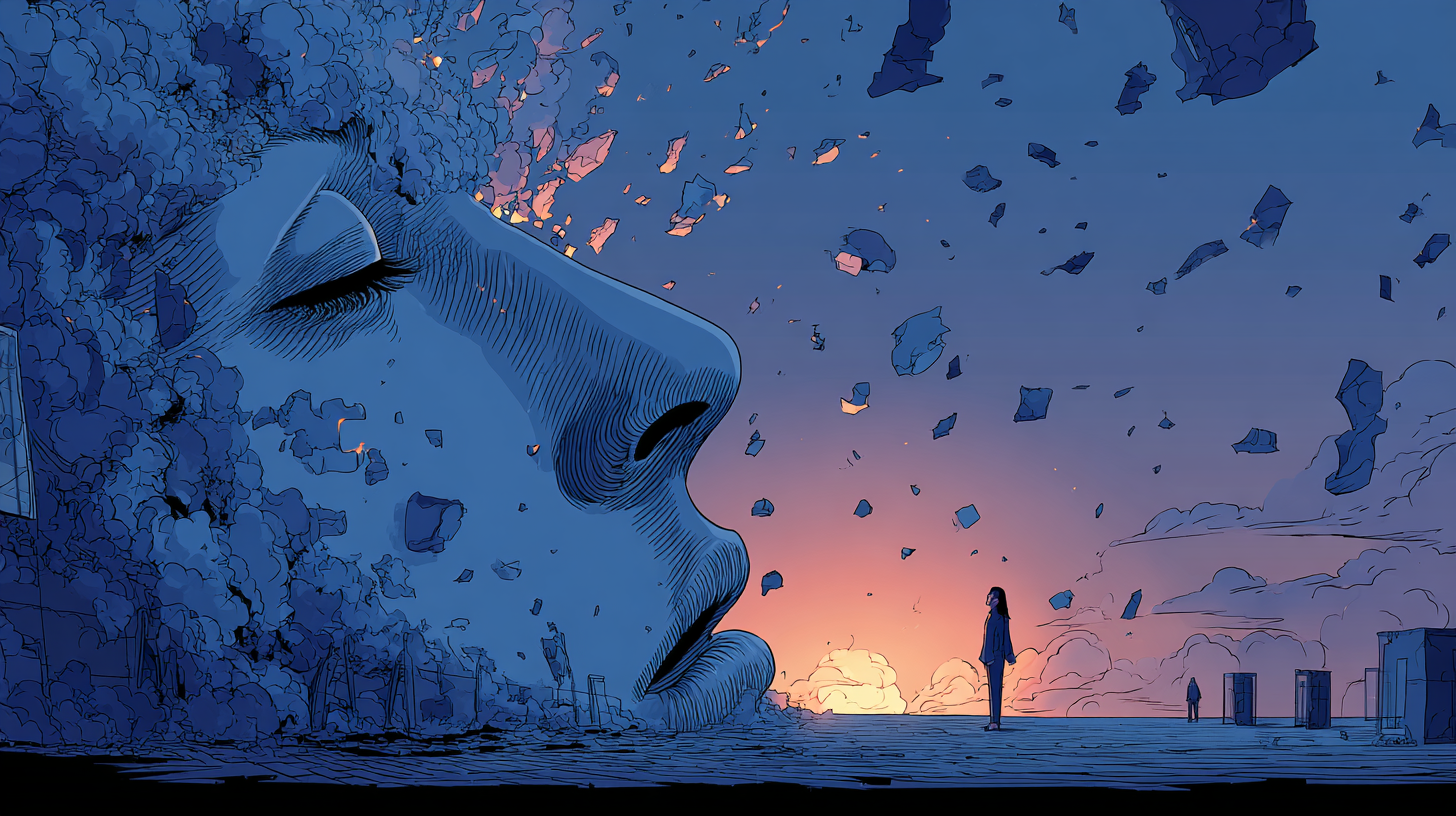
At this stage, the breakup becomes part of your story, not the center of it.
When Recovery Stalls
If after several months you notice:
- persistent inability to function
- ongoing severe insomnia
- complete withdrawal from social life
- hopelessness about all areas of life
it may be beneficial to consult a licensed psychologist or other qualified mental health professional. Therapy can help identify stuck cognitive patterns, unresolved attachment wounds, or depressive symptoms that require targeted intervention. In cases where distress escalates into thoughts of self-harm or feeling unsafe, contact 988 in the United States or call 911 if you are in immediate danger.
Growth is possible. Many people eventually report that a painful breakup led to clearer boundaries, stronger self-awareness, and healthier relationship choices later. That does not minimize the loss. It acknowledges the capacity for adaptation.
Breakup recovery is not about erasing what happened. It is about integrating the experience while rebuilding identity, connection, and stability. With time, structure, and support, most people move from acute distress to grounded resilience.
References
1. American Psychological Association. Grief. 2023.
2. National Institute of Mental Health. Depression. 2024.
3. Centers for Disease Control and Prevention. Coping with Stress. 2023.
4. Harvard Health Publishing. The Neuroscience of Love. 2022.
5. Substance Abuse and Mental Health Services Administration. 988 Suicide & Crisis Lifeline. 2024.
Conclusion
Breakups can destabilize your emotions, your routine, and even your sense of identity. Understanding what to do after a breakup begins with stabilization, not self-criticism. The pain you feel is rooted in attachment biology, grief processes, and stress activation. It is real, and it is human.
Most people move through waves of sadness, reorganization, and gradual rebuilding over time. Structure, boundaries, social support, and intentional coping accelerate that process. If distress becomes persistent, global, or impairing, seeking professional support is a responsible next step, not a sign of failure.
You do not have to navigate heartbreak alone. If at any point you feel unsafe or experience thoughts of self-harm, call or text 988 in the United States. If you are in immediate danger, call 911. Support is available 24 hours a day.
Frequently Asked Questions
How long does it usually take to get over a breakup?
There is no fixed timeline. Many people notice significant improvement within one to three months, but recovery depends on attachment style, relationship length, and support. Emotional waves can continue for a while even as overall stability improves.
Is it normal to feel physical pain after a breakup?
Yes. Romantic attachment activates brain regions involved in reward and stress. When the bond ends, cortisol can rise and dopamine can drop, leading to sleep problems, appetite changes, and physical tension. These reactions usually decrease over time.
Should I go no contact after a breakup?
In the early stages, limiting contact often helps regulate emotions and reduce rumination. No contact is not about punishment. It creates psychological space for healing. In shared-parenting situations, structured low-contact communication may be more appropriate.
How do I know if I am depressed instead of just heartbroken?
Heartbreak usually fluctuates and remains tied to the relationship. Depression involves persistent low mood or loss of interest in most activities for at least two weeks, along with other symptoms such as fatigue, guilt, or sleep disruption. A licensed clinician can provide an accurate assessment.
When should I see a psychologist after a breakup?
Consider seeking therapy if sadness feels constant for weeks, daily functioning declines, sleep or appetite changes are severe, or hopelessness increases. Early professional support can prevent prolonged distress and help rebuild stability.
Can therapy really help with breakup recovery?
Yes. Evidence-based therapies such as cognitive behavioral therapy and acceptance-based approaches can reduce rumination, strengthen coping skills, and clarify relationship patterns. Therapy provides structure and accountability during emotional transitions.