What Is a Trauma Bond? Understanding and Breaking Free
If you’ve ever felt deeply attached to someone who repeatedly hurt you, you may have questioned your own judgment. A trauma bond is a powerful emotional attachment that forms between a person and someone who harms or mistreats them, often through cycles of abuse and intermittent kindness. It can feel confusing, intense, and even addictive, making it hard to leave even when you know the relationship is unhealthy.
In this guide, you’ll learn what a trauma bond really is, how it forms in the brain and nervous system, how it differs from healthy attachment, and what practical steps can help you break free. You’ll also see when it may be time to seek professional support.
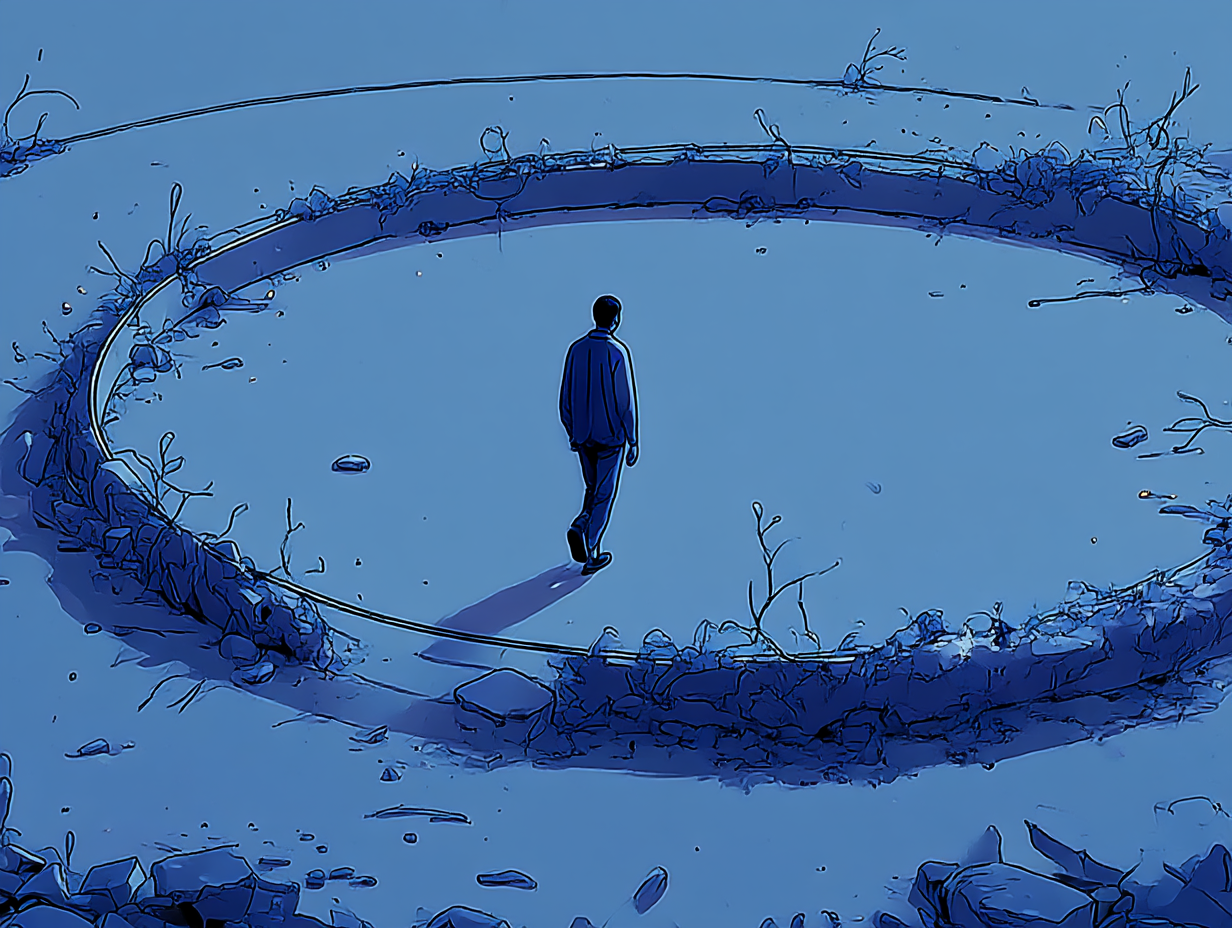
What Is a Trauma Bond?
A trauma bond is a strong emotional attachment that develops between a person and someone who repeatedly causes them harm, often within a cycle of mistreatment and reconciliation. The bond is reinforced not by safety or mutual respect, but by unpredictable rewards, emotional intensity, and fear of loss.
In simple terms, a trauma bond forms when distress and comfort come from the same source.
The concept is commonly discussed in the context of abusive or coercive relationships. While “trauma bond” is not a formal diagnosis in the DSM-5-TR, it describes a pattern often seen in relationships involving emotional abuse, manipulation, or intermittent reinforcement. People experiencing this pattern may know the relationship is unhealthy, yet feel unable to detach.
Here’s how it typically looks in real life. A partner criticizes, withdraws affection, or behaves in controlling ways. After conflict, they apologize, show warmth, or promise change. That sudden return of affection brings relief and closeness. Over time, the brain begins to associate the relationship not only with pain, but with powerful moments of reward.
This is why the attachment can feel intense, even urgent. The nervous system cycles between stress and relief. The contrast strengthens the emotional pull.
It is important to distinguish this from normal relationship ups and downs. In healthy attachment, conflict may occur, but there is consistent respect, accountability, and emotional safety. In a trauma bond, fear, instability, and power imbalance are central features.
Common signs of a trauma bond include:
- feeling loyal to someone who repeatedly hurts you
- minimizing or justifying harmful behavior
- craving contact after mistreatment
- difficulty leaving despite clear red flags
- anxiety or panic during separation
If you’ve experienced something like this, you are not irrational or weak. Strong attachment under stress is a human survival response. The brain is wired to seek connection, especially when that connection feels threatened.
Understanding what a trauma bond is does not automatically break it. But naming the pattern is often the first step toward regaining clarity and choice.
How Does a Trauma Bond Form?
A trauma bond forms through repeated cycles of harm followed by relief. The combination of stress, fear, and intermittent kindness activates powerful learning mechanisms in the brain. Over time, the nervous system begins to link survival, attachment, and emotional intensity to the same person.
Here’s what’s happening beneath the surface.
Intermittent Reinforcement and the Reward System
One of the strongest drivers of a trauma bond is intermittent reinforcement. This is a behavioral principle well documented in psychology: unpredictable rewards create stronger attachment than consistent ones. It is the same mechanism that makes gambling addictive.
In a relationship context, the “reward” may be affection, apology, intimacy, or reassurance. When these moments appear unpredictably after conflict or mistreatment, they create a spike in dopamine, the brain’s reward neurotransmitter. The relief feels powerful because it follows distress.
Picture this: after days of coldness or criticism, your partner suddenly becomes loving and attentive. The emotional shift feels dramatic. That contrast wires the brain to focus on the reward, not the harm. You start waiting for the next good moment.
Over time, the relationship becomes structured around anticipation.
The Stress Response and Survival Attachment
At the same time, the body’s stress system is activated. Conflict, emotional withdrawal, or intimidation can trigger the fight, flight, or freeze response. The HPA axis, which regulates cortisol, becomes repeatedly engaged.
When the same person who triggers stress also provides comfort, the nervous system pairs safety with the source of fear. This dynamic is sometimes called “stress bonding.” In threatening environments, humans often attach more tightly to key figures because attachment increases perceived survival.
This pattern can be especially strong if someone has a history of attachment trauma. Research on early attachment suggests that inconsistent caregiving in childhood can make unpredictable affection feel familiar. That familiarity can increase vulnerability to trauma bonding later in life.
Cognitive Dissonance and Emotional Confusion
Another piece of the puzzle is cognitive dissonance. When someone hurts you but also expresses love, your brain tries to resolve the contradiction. Many people do this by minimizing the harm.
You might think, “They didn’t mean it,” or “It’s my fault,” or “The good times prove they care.” These interpretations reduce psychological tension, but they also deepen the bond.

Over time, identity can become entangled with the relationship. Leaving may feel not only painful, but destabilizing. If the relationship has been central to your emotional life, separation can trigger anxiety, grief, and even symptoms that resemble withdrawal.
Why It Can Feel Like Addiction
People often describe a trauma bond as feeling like addiction. While it is not classified as a substance use disorder in the DSM-5-TR, there are parallels in how the brain processes reward and craving.
The cycle typically looks like this:
- Tension or conflict builds.
- Emotional distress increases.
- Reconciliation or affection occurs.
- Relief and closeness feel intense.
- The cycle resets.
The unpredictability strengthens attachment. The relief reinforces hope. The brain learns that staying might eventually bring comfort.
That does not mean you are weak. It means your nervous system adapted to instability in a way that once felt protective.
Understanding how a trauma bond forms can reduce shame. When you see the mechanism clearly, the attachment starts to look less like a personal failure and more like a conditioned pattern. And conditioned patterns, with support and time, can change.
Trauma Bond vs Healthy Attachment
Not every intense relationship is a trauma bond. The key difference lies in safety, consistency, and power balance. Healthy attachment can include conflict and strong emotions, but it is grounded in mutual respect. A trauma bond is rooted in instability and fear.
Before breaking the cycle, it helps to clarify what you’re actually experiencing.
Here is a side-by-side comparison:
| Feature | Trauma Bond | Healthy Attachment |
|---|---|---|
| Emotional pattern | High highs, painful lows | Stable, predictable closeness |
| Conflict cycle | Harm → apology → repeat | Conflict → repair → growth |
| Sense of safety | Walking on eggshells | Emotional security |
| Ability to leave | Feels impossible or terrifying | Difficult but realistic |
| Core driver | Fear and intermittent reward | Trust and mutual care |
In a healthy attachment, disagreements do not threaten your sense of worth. You can express concerns without fearing retaliation or abandonment. Repair after conflict involves accountability and lasting behavioral change.
In a trauma bond, apologies often come without sustained change. The emotional relief after reconciliation may feel intense, even euphoric. But the underlying instability remains. The cycle continues.
What About Anxious Attachment?
It is also helpful to distinguish trauma bonding from anxious attachment.
People with an anxious attachment style may fear abandonment and seek reassurance frequently. However, in healthy relationships, those fears can be soothed through consistent responsiveness. The relationship itself does not revolve around harm.
In contrast, a trauma bond involves repeated mistreatment, manipulation, or coercive dynamics. The attachment forms around cycles of stress and relief, not simply fear of distance.
For example, someone with anxious attachment might feel uneasy when their partner does not text back quickly. Someone in a trauma bond may feel panic after a partner insults or threatens to leave, then overwhelming relief when that partner returns with affection.

The difference lies in whether the relationship structure itself is destabilizing.
If you are unsure which pattern applies, ask yourself:
1. Do I feel fundamentally safe here?
2. Does conflict lead to growth, or does it repeat?
3. Is my anxiety about closeness, or about harm?
These questions are not about labeling your relationship. They are about understanding the emotional mechanics at work. When you can see the difference between intensity and safety, clarity begins to emerge.
How to Break a Trauma Bond Safely
Breaking a trauma bond is not just a decision. It is a process of retraining your nervous system and rebuilding clarity. Because the attachment is reinforced by cycles of stress and relief, separation can feel intense, even destabilizing.
The goal is not to “just leave,” but to leave in a way that protects your safety and supports emotional withdrawal.
1. Increase Awareness of the Pattern
Start by documenting the cycle. Write down what happens before conflict, during conflict, and after reconciliation. Seeing the repetition on paper reduces cognitive dissonance.
For example, you might notice: tension builds, criticism escalates, you feel anxious, then an apology restores closeness. Over time, recognizing the predictability of the cycle weakens its emotional pull.
Clarity interrupts conditioning.
2. Prepare for Emotional Withdrawal
When you reduce contact, your body may react strongly. You might experience:
- intrusive thoughts
- urges to reach out
- sadness or panic
- difficulty sleeping
These reactions do not mean you made the wrong choice. They reflect a stress-response system adjusting to change. The brain expects relief from the same person who caused the distress.
Plan for this phase. Arrange support before you initiate distance. Identify friends, family members, or a therapist who can help you stay grounded.
3. Limit Reinforcement
Intermittent contact can prolong the bond. Each affectionate message or apology reactivates the reward cycle. If it is safe to do so, consider structured boundaries such as:
- no contact
- blocking or muting digital access
- limiting conversations to logistics only
- avoiding environments that trigger reconnection
If there is any risk of escalation or abuse, safety planning is essential. The National Domestic Violence Hotline provides confidential support at 1-800-799-7233 or through online chat. In immediate danger, call 911.
Your physical safety always comes first.
4. Rebuild Identity Outside the Relationship
Trauma bonds often narrow a person’s world. Activities, friendships, and routines may have faded. Reinvesting in independent interests restores emotional balance.
Small actions matter. Reconnecting with a hobby, scheduling time with supportive people, or pursuing a new goal helps the brain form new associations of reward and stability.
Recovery is not only about loss. It is also about expansion.
5. Consider Trauma-Informed Therapy
A licensed psychologist, clinical social worker, counselor, or psychiatrist trained in trauma-informed care can help unpack the bond without judgment. Approaches such as CBT, EMDR, or attachment-focused therapy may support emotional regulation and pattern recognition.
If symptoms such as nightmares, hypervigilance, or intrusive memories are present, they may overlap with trauma-related patterns described in the DSM-5-TR. A mental health professional can assess this carefully without rushing to labels.
Therapy is not about telling you what to do. It is about strengthening your capacity to choose safely and confidently.
6. Practice Self-Compassion During the Process
Many people feel embarrassed about staying in painful relationships. Shame can delay healing. Remind yourself that trauma bonding reflects a nervous system response to instability, not a character flaw.
If you find yourself wanting to reach out, pause and ask: What am I hoping to feel right now? Often the answer is safety, reassurance, or connection. Those needs are valid. The task is finding healthier ways to meet them.
Breaking a trauma bond takes time. There may be setbacks. Progress often looks uneven. What matters most is steady movement toward safety and self-respect.
When Should You Seek Professional Help?
If a trauma bond is affecting your safety, mental health, or daily functioning, professional support can make the process safer and more manageable. You do not need to wait until things feel unbearable to ask for help.
Consider reaching out to a licensed psychologist, clinical social worker, counselor, or psychiatrist if you notice:
- repeated return to a relationship that feels harmful
- panic, depression, or severe anxiety during separation
- intrusive memories, nightmares, or hypervigilance
- isolation from friends or family
- difficulty concentrating at work or school
These symptoms may overlap with trauma-related patterns described in the DSM-5-TR, such as posttraumatic stress symptoms. That does not mean you meet criteria for a diagnosis. It simply means your nervous system may be under strain.

A mental health professional can help you:
- clarify whether the relationship involves coercive control or abuse
- create a personalized safety plan
- develop coping skills for emotional withdrawal
- rebuild attachment security
- strengthen boundaries
If cost is a concern, many U.S. communities offer sliding-scale clinics, community mental health centers, or telehealth options. Insurance plans often cover outpatient therapy, though copays and out-of-network policies vary.
If at any point you feel unsafe or experience thoughts of harming yourself, reach out immediately. In the United States, you can call or text 988 to connect with the Suicide and Crisis Lifeline. If you are in immediate danger, call 911.
Seeking help is not a sign that you failed to leave on your own. It is a way of protecting your long-term well-being. Trauma bonds thrive in isolation. Healing strengthens through connection, clarity, and professional support when needed.
References
1. National Institute of Mental Health. Post-Traumatic Stress Disorder. 2023.
2. American Psychological Association. Understanding Trauma. 2022.
3. Substance Abuse and Mental Health Services Administration. Trauma and Violence. 2023.
4. The National Domestic Violence Hotline. Trauma Bonding. 2023.
5. Centers for Disease Control and Prevention. Intimate Partner Violence Fast Facts. 2024.
Conclusion
Trauma bonds can feel overwhelming, confusing, and deeply personal. They are built through cycles of stress and relief that condition the brain to associate instability with connection. Understanding the mechanism does not erase the attachment overnight, but it replaces shame with insight.
Breaking a trauma bond is a gradual process of increasing safety, reducing reinforcement, and rebuilding identity outside the relationship. Support from trusted people and licensed mental health professionals can make that process steadier and safer.
If you ever feel unsafe or overwhelmed, remember that help is available. In the United States, you can call or text 988 to reach the Suicide and Crisis Lifeline. If you are in immediate danger, call 911.
Frequently Asked Questions
Is a trauma bond the same as love?
No. Love is built on safety, mutual respect, and consistent care. A trauma bond forms through cycles of harm and intermittent affection, which can feel intense but are rooted in instability rather than security.
Why do I miss someone who hurt me?
The brain associates that person with both distress and relief. When the relief phase ends, your nervous system may crave the comfort that previously followed conflict. This reaction reflects conditioning, not weakness.
How long does it take to break a trauma bond?
Recovery timelines vary. Many people notice gradual improvement over weeks or months after reducing contact and increasing support. Trauma-informed therapy can help stabilize the process.
Can therapy help with trauma bonding?
Yes. Licensed mental health professionals can provide coping strategies, trauma-informed approaches such as CBT or EMDR, and structured safety planning. Therapy helps reduce shame and clarify patterns.
Is trauma bonding considered a mental disorder?
Trauma bonding itself is not a formal diagnosis in the DSM-5-TR. It describes a relational pattern that may overlap with trauma-related symptoms. A licensed clinician can assess your situation individually.