What Is a Night Owl? Signs, Causes, and Health Effects
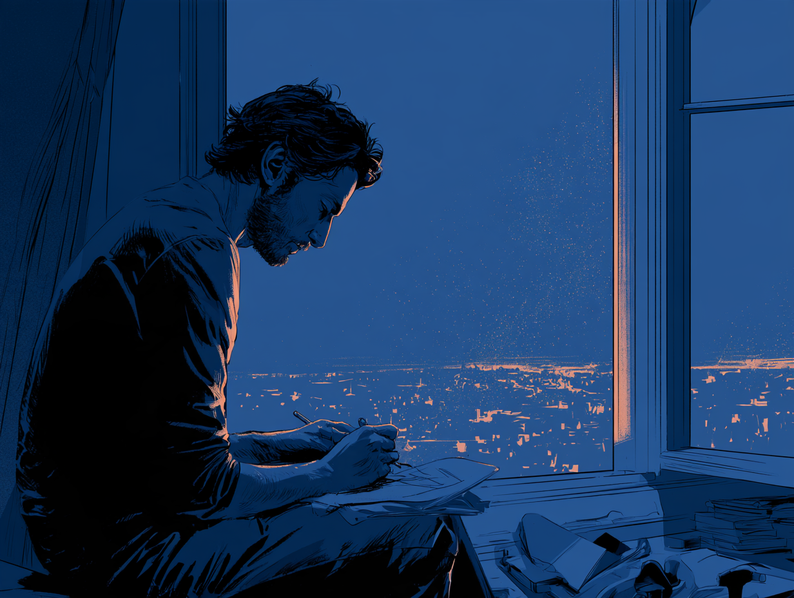
Some people wake up feeling refreshed at sunrise, while others struggle to get going until much later in the day. If you feel most alert after sunset and naturally prefer staying awake late, you might be a night owl. This sleep preference, known as an evening chronotype, is closely connected to your body's internal clock and isn't necessarily a sign of unhealthy habits.
For some people, late evenings are when concentration improves, creativity flows, and everyday tasks feel easier. The challenge often begins when an early work schedule or morning classes interfere with their natural sleep patterns. Over time, that mismatch can leave them feeling exhausted, even when they try to maintain a consistent bedtime.
But is being a night owl actually bad for your health? Understanding why your body prefers later hours can help you separate normal biological differences from sleep problems that deserve attention. This article explores the signs and causes of an evening chronotype, its possible health effects, and practical ways to get better sleep.
What Is a Night Owl and What Are the Signs?
A night owl is someone who naturally prefers staying awake and going to sleep later than most people. In sleep science, this pattern is called an evening chronotype. It reflects when your body tends to feel alert or sleepy, rather than simply how late you choose to stay up.
Being a night owl doesn't automatically mean you have poor sleep habits. The important distinction is whether your preferred schedule allows you to get enough sleep and function well during the day.
What Does Being a Night Owl Mean?
Your chronotype describes your natural preference for sleeping and waking at certain times. It is influenced by your circadian rhythm, the internal biological system that helps regulate sleep, alertness, body temperature, and other daily processes.
Morning types generally feel more alert earlier in the day, while evening types tend to reach their preferred periods of wakefulness later. Most people fall somewhere between these two patterns.
For example, a night owl might naturally feel sleepy around 1 a.m. and prefer waking at 9 a.m. If that person gets sufficient sleep and feels rested, the schedule itself isn't necessarily a problem.
However, someone who regularly stays awake until 2 a.m. because of work, entertainment, or scrolling through social media isn't automatically an evening chronotype. Sleep preferences and bedtime habits can overlap, but they aren't the same thing.
Common Signs of a Night Owl
The signs of an evening chronotype usually become most noticeable when you have the freedom to follow your preferred schedule.
Common characteristics include:
- Feeling more alert in the evening: Your concentration and energy may improve later in the day;
- Struggling with early mornings: Waking up early can feel particularly difficult, even when you have a reason to get out of bed;
- Preferring a later bedtime: You may not feel naturally sleepy when other people are ready for bed;
- Sleeping later on free days: Without an alarm, you tend to wake up later than your usual weekday schedule allows;
- Feeling better on a later schedule: You may feel more rested and productive when your sleep timing matches your natural preferences.
These signs describe tendencies, not diagnostic criteria. A single late night or difficulty waking up after insufficient sleep doesn't establish your chronotype.
To recognize your natural pattern, pay attention to when you become sleepy and when you wake up without an alarm over several days when work or school obligations are less restrictive.
The Science Behind Being a Night Owl
Being a night owl isn't simply a matter of personal preference or willpower. Your natural sleep schedule develops through a combination of genetic influences, biological processes, age, and environmental factors. These influences help determine when you feel sleepy, when you become alert, and how easily you adapt to an early morning routine.
Genetics and Your Internal Body Clock
Your body operates on an internal timing system known as the circadian clock. It helps coordinate your sleep-wake cycle with the approximately 24-hour day. A small region of the brain called the suprachiasmatic nucleus, located in the hypothalamus, plays a central role in keeping this system synchronized.
Light is one of the strongest signals affecting your circadian clock. When light enters your eyes, it sends information to the brain that helps regulate the timing of sleep and wakefulness. Melatonin secretion is regulated by the circadian system and is typically suppressed by light, helping signal biological nighttime.
For evening chronotypes, the timing of these biological processes tends to occur later. As a result, someone may feel mentally alert at midnight even when they would prefer to fall asleep earlier.
Genetics also contributes to these differences. Research has identified genetic variations associated with morning and evening preferences, suggesting that chronotype is partly inherited. However, no single gene determines whether someone will become a night owl.
Age, Light Exposure, and Daily Habits
Chronotype can change throughout life. Adolescents commonly experience a shift toward later sleep and wake times during puberty. This biological tendency can make early school schedules especially challenging, even when teenagers are trying to maintain healthy habits.
As people grow older, their preferred sleep timing often shifts earlier, although individual differences remain.
Daily routines can also influence when your body expects sleep. Bright artificial lighting in the evening, including light from electronic devices, may delay circadian timing and make it harder to feel sleepy at an earlier hour.
Conversely, exposure to natural light after waking can help reinforce an earlier sleep-wake schedule.
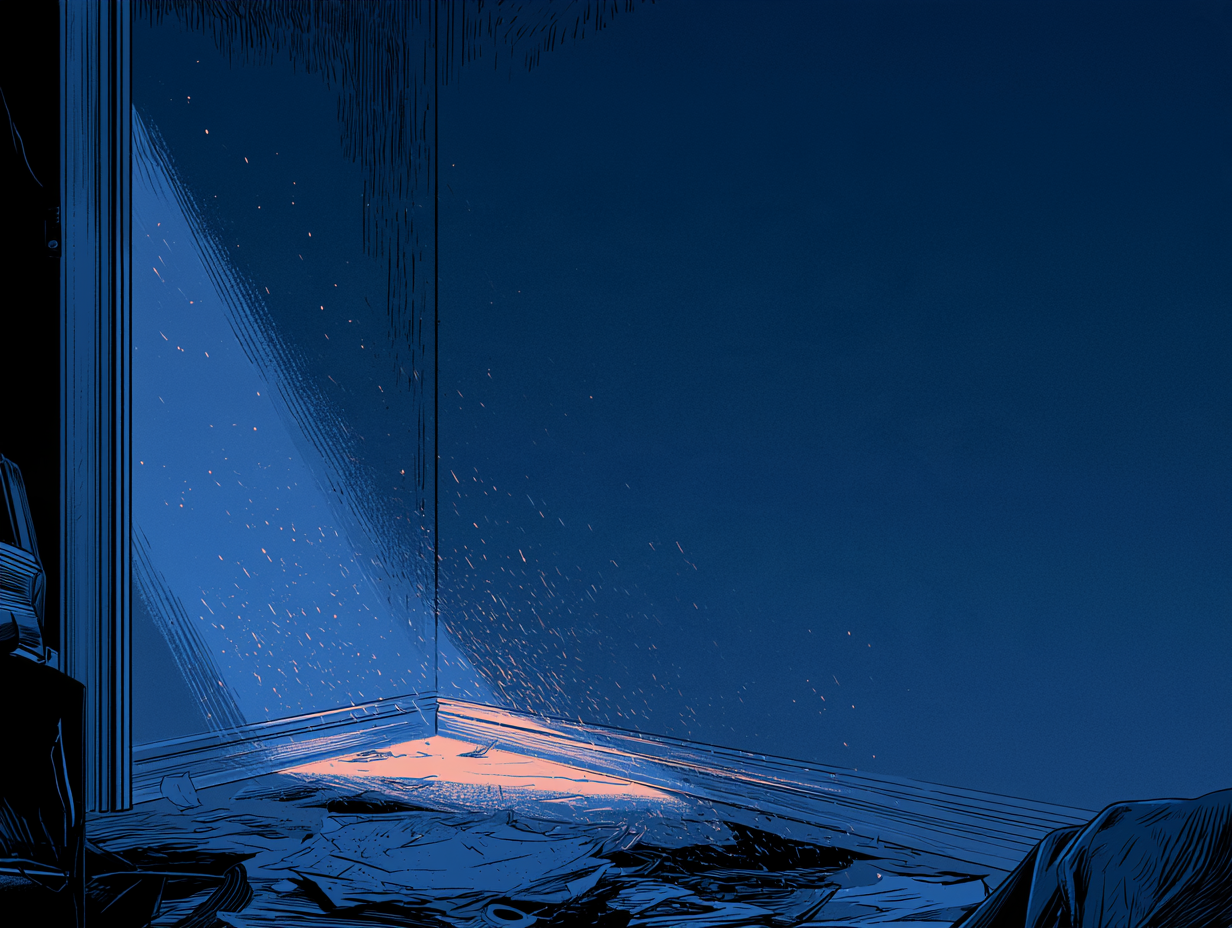
Consider a college student who naturally feels sleepy around 1 a.m. but needs to wake at 6 a.m. for classes. Their evening preference may have a biological basis, while late-night studying and bright indoor lighting can reinforce the delayed schedule.
The key distinction is that biology shapes your natural tendencies, but your environment and daily habits can influence how those tendencies appear. Understanding both factors is useful when deciding whether to adjust your sleep schedule or work more comfortably with your existing chronotype.
Is Being a Night Owl Bad for Your Health?
Being a night owl isn't inherently unhealthy. What matters most is whether you get enough sleep, maintain a reasonably consistent schedule, and feel rested during the day. Health concerns are more likely to arise when your natural sleep timing conflicts with work, school, or other obligations.
Research has found associations between evening chronotypes and certain health problems. However, these findings don't mean that staying up late directly causes illness. Sleep duration, lifestyle habits, and the mismatch between biological and social schedules can all influence health outcomes.
When Being a Night Owl Is Not a Problem
Imagine someone who naturally falls asleep at 1 a.m., wakes at 9 a.m., and feels energetic throughout the day. If they consistently get adequate sleep and their schedule doesn't interfere with daily responsibilities, there may be little reason to change it.
For most adults, the American Academy of Sleep Medicine and the Sleep Research Society recommend at least seven hours of sleep per night. Individual needs vary, and sleep quality also matters.
A late bedtime becomes more concerning when it regularly results in insufficient sleep. Someone who falls asleep at 1 a.m. but must wake at 6 a.m. is getting only five hours of sleep, regardless of whether their evening preference is natural.
Potential Health Risks and Social Jet Lag
One challenge for evening chronotypes is social jet lag , which occurs when sleep timing differs substantially between workdays and free days.
For example, someone might wake at 6 a.m. during the week but sleep until 11 a.m. on weekends. This pattern can reflect a mismatch between their internal clock and external obligations, sometimes accompanied by accumulated sleep debt.
Chronic insufficient sleep is associated with difficulties involving attention, emotional regulation, and metabolic health. Some studies have also found associations between evening chronotypes and certain cardiovascular and mental health outcomes.
However, these findings do not establish that a late sleep preference directly causes illness. Sleep duration, lifestyle habits, and differences between biological and social schedules may contribute to the observed relationships.
For example, someone who naturally falls asleep at 1 a.m. but must wake at 6 a.m. may experience chronic sleep restriction. The resulting health concerns cannot automatically be attributed to their chronotype alone.
Researchers cannot always separate the effects of chronotype from factors such as sleep deprivation, smoking, physical activity, diet, and work schedules.
Sleep disruption can also affect daily routines, including meal timing and eating habits. If late-night eating has become a recurring concern, our guide on how to stop eating at night explores the behavioral and emotional factors that may contribute to this pattern.
The practical takeaway is that protecting sufficient sleep and reducing schedule-related disruption are generally more useful goals than trying to eliminate an evening preference.
Night Owl vs. Delayed Sleep-Wake Phase Disorder
A natural evening chronotype isn't the same as delayed sleep-wake phase disorder (DSWPD).
DSWPD is a circadian rhythm sleep-wake disorder involving a persistent delay in sleep timing that causes significant difficulties meeting desired or required schedules. People with this condition may struggle to fall asleep until very late and find it extremely difficult to wake at conventional times.
Importantly, someone with DSWPD may sleep normally when allowed to follow their delayed schedule. The distinction therefore isn't simply whether a person can sleep well at their preferred hours. Persistent symptoms, functional impairment, and clinical assessment matter.
| Feature | Night Owl | Morning Person | Possible DSWPD |
|---|---|---|---|
| Preferred bedtime | Usually later | Usually earlier | Persistently delayed |
| Preferred wake-up time | Usually later | Usually earlier | Often substantially delayed |
| Sleep on a preferred schedule | May be adequate and refreshing | May be adequate and refreshing | May be adequate and refreshing |
| Daily functioning | Often normal when schedules align | Often normal when schedules align | Significant difficulty meeting required schedules |
This comparison is informational, not a diagnostic tool. A sleep specialist may consider your sleep history, daily functioning, and sleep patterns over time before determining whether a circadian rhythm disorder is present.
Healthy Sleep Habits for Night Owls
A healthy sleep routine doesn't require every night owl to become an early riser. The most effective approach is to build a routine that supports adequate sleep while accounting for work, school, and personal responsibilities. Small, consistent adjustments are usually more sustainable than suddenly forcing yourself into an earlier bedtime.
Build a Sleep Schedule That Works for You
Start by identifying how much sleep you need to feel rested. Most adults should aim for at least seven hours each night, although individual sleep requirements vary.
If your schedule allows flexibility, choose sleeping and waking times that align with your natural preferences. Someone who feels comfortable sleeping from midnight to 8 a.m. may not benefit from forcing a 9 p.m. bedtime.
When early mornings are unavoidable, calculate your bedtime backward from your required wake-up time. Keep your wake-up time reasonably consistent, including on weekends, to help stabilize your sleep-wake cycle.
Avoid repeatedly sacrificing sleep during the week and relying on long weekend sleep-ins to compensate. Catch-up sleep may reduce some immediate sleepiness, but it doesn't fully eliminate the effects of ongoing sleep restriction.
If you're unsure whether your sleep is restorative, the Sleep Quality Questionnaire can help you reflect on sleep duration, nighttime awakenings, and how you feel after waking. This brief self-report assessment is not a diagnostic test and does not determine your chronotype.
Use Light and Daily Habits to Support Better Sleep
Light exposure is one of the most useful tools for influencing circadian timing. Bright light after waking can help support an earlier schedule, while reducing bright light before bedtime may make it easier to fall asleep sooner.
Other helpful habits include:
- Limit late caffeine: Avoid coffee, energy drinks, and other stimulants close to bedtime, especially if you're sensitive to their effects;
- Create a wind-down routine: Spend the final part of your evening doing relaxing activities rather than stimulating work;
- Exercise regularly: Physical activity supports overall sleep health, although vigorous exercise immediately before bed may be disruptive for some people;
- Keep your bedroom comfortable: A dark, quiet, and relatively cool environment can make sleep easier;
- Reduce evening light exposure: Dim bright lights and adjust screen use when preparing for sleep.
These habits can improve sleep consistency, even if your natural preference remains relatively late.
Can a Night Owl Become a Morning Person?
A night owl can often shift their sleep schedule earlier, but that doesn't necessarily mean their underlying chronotype will completely change.
If you need an earlier schedule, try making small, gradual adjustments to your bedtime and wake-up time while protecting your total sleep duration. The pace of change may depend on your current sleep pattern and individual circumstances.
Pair these adjustments with appropriately timed morning light and reduced evening light exposure.
For example, someone who normally wakes at 9 a.m. might begin waking at 8:30 a.m. before gradually moving toward an earlier target.
Avoid cutting sleep short simply to force an earlier bedtime the following night. Consistency matters, but so does getting enough rest.
If changing your schedule causes persistent insomnia, severe daytime sleepiness, or significant difficulty functioning, consider discussing the problem with a healthcare professional.
When Should a Night Owl Seek Professional Help?
Being a night owl doesn't usually require medical treatment. However, if your sleep schedule consistently interferes with work, school, relationships, or everyday activities, a professional evaluation may help identify the underlying problem.
The purpose of professional support is to understand why you're struggling and find a sleep routine that supports your health and responsibilities.
Signs That Your Sleep Schedule Needs Attention
Consider speaking with a healthcare professional if you regularly experience:
- Persistent daytime sleepiness: You struggle to stay awake during meetings, classes, or other routine activities;
- Difficulty meeting daily obligations: Your sleep schedule repeatedly causes missed appointments, lateness, or problems at work;
- Ongoing trouble falling asleep: You cannot fall asleep at the time you need to, even when you allow enough time for rest;
- Chronic sleep deprivation: Your natural bedtime and required wake-up time consistently leave you with insufficient sleep;
- Significant emotional distress: Sleep difficulties contribute to persistent frustration, anxiety, or problems with daily functioning.
These symptoms don't automatically indicate a circadian rhythm disorder. Insomnia, insufficient sleep, sleep apnea, medication effects, and other health conditions can produce overlapping difficulties.
If you experience persistent difficulty falling asleep, staying asleep, or feeling rested, the Insomnia Severity Index (ISI) test can help you reflect on the severity and daily impact of your symptoms. Its results cannot establish a diagnosis or identify the cause of your sleep difficulties.
What a Sleep Specialist Can Help With
A primary care provider can review your symptoms and determine whether further evaluation is appropriate. If necessary, they may recommend a sleep medicine specialist.
A sleep assessment may include questions about your usual bedtime, wake-up time, work schedule, daytime alertness, and sleep habits. You might also be asked to keep a sleep diary or use a wearable activity monitor to document your sleep patterns.
If a circadian rhythm sleep-wake disorder is identified, treatment may involve carefully timed light exposure, behavioral adjustments, or other individualized approaches. Melatonin is sometimes considered for certain circadian conditions, but its timing and suitability should be discussed with a qualified clinician.
When sleep problems are accompanied by ongoing stress, anxiety, or other emotional difficulties, psychological support may also be helpful. Our article explaining what a medical psychologist does explores how these professionals address the relationship between emotional well-being, behavior, and physical health.
If you're experiencing severe sleepiness that makes driving unsafe, avoid driving until the problem has been addressed.
Seeking professional guidance is about improving sleep and daily functioning, not correcting a personal flaw.
References
1. National Heart, Lung, and Blood Institute. Circadian Rhythm Disorders. National Institutes of Health, 2017.
2. Centers for Disease Control and Prevention. Individual Differences: Larks and Owls. National Institute for Occupational Safety and Health, 2020.
3. American Academy of Sleep Medicine and Sleep Research Society. Recommended Amount of Sleep for a Healthy Adult: A Joint Consensus Statement. Sleep. 2015.
4. National Heart, Lung, and Blood Institute. Types of Circadian Rhythm Disorders. National Institutes of Health, 2021.
5. Harvard Health Publishing. Tips to Change Your Night-Owl Lifestyle. Harvard Medical School, 2022.
Conclusion
Being a night owl is a natural variation in sleep timing, not automatically a sign of unhealthy habits or a sleep disorder. Genetics, age, circadian rhythms, and environmental influences all contribute to when you feel most awake and when your body prefers to rest.
The biggest challenges often arise when your natural schedule conflicts with early work or school obligations. Consistently getting too little sleep can affect your well-being, regardless of your chronotype. Maintaining a regular sleep routine, getting adequate rest, and managing light exposure can help reduce these difficulties.
If your sleep schedule causes persistent exhaustion or interferes with daily life, consider speaking with a healthcare professional. The goal is to find a healthy rhythm that works for your body and your responsibilities.
Frequently Asked Questions
Is being a night owl genetic?
Genetics plays an important role in determining your chronotype. Researchers have identified genetic variations associated with morning and evening sleep preferences. However, age, light exposure, and daily routines also influence when you naturally feel sleepy or alert.
Are night owls more intelligent or creative?
There is no reliable evidence that being a night owl automatically makes someone more intelligent or creative. Some studies have explored relationships between chronotype and cognitive performance, but results depend on factors such as sleep quality, testing time, and individual differences. Your preferred sleep schedule doesn't determine your intelligence or creative ability.
Is being a night owl a sleep disorder?
No. An evening chronotype is a natural variation in sleep timing. However, persistent difficulty sleeping and waking at required times, especially when it causes significant problems in daily life, may warrant evaluation for a circadian rhythm sleep-wake disorder.
Can you be a night owl and still be healthy?
Yes. Night owls can maintain good health when they get sufficient sleep, follow reasonably consistent schedules, and practice healthy daily habits. A later bedtime isn't necessarily harmful. Problems are more likely when an early schedule repeatedly prevents adequate rest.
Can a night owl become a morning person?
Some night owls can gradually shift their sleep schedules earlier by maintaining consistent wake-up times and adjusting light exposure. However, changing your schedule doesn't necessarily change your underlying chronotype. The process may be easier for some people than others.
What time do night owls usually go to sleep?
There is no single bedtime that defines a night owl. Some evening chronotypes naturally prefer falling asleep around midnight, while others feel sleepy considerably later. Chronotype is better understood through consistent sleep preferences than through a specific clock time.