Unrequited Love: How to Cope When Your Feelings Aren’t Returned
Loving someone who doesn’t feel the same can feel destabilizing, even humiliating. Unrequited love often brings a mix of longing, grief, self-doubt, and intrusive thoughts that can take over your daily life. You may replay conversations, analyze every message, or wonder what you could have done differently. The pain is real — psychologically and physically — because rejection activates the same brain regions involved in physical injury and stress.
What makes this experience especially difficult is that nothing “officially” ended. There may not have been a relationship to lose, yet the emotional attachment feels just as powerful. You’re not only grieving the person — you’re grieving the future you imagined, the hope you built, and the identity you started forming around that connection.
If you’re struggling to move on, you’re not weak or dramatic. You’re responding to attachment, loss, and unmet expectations. In this guide, you’ll learn why unrequited love hurts so intensely, why it can feel nearly impossible to let go, what practical strategies actually help calm the rumination cycle, how to distinguish heartbreak from depression, and when professional support may be useful.
Why Does Unrequited Love Hurt So Much?
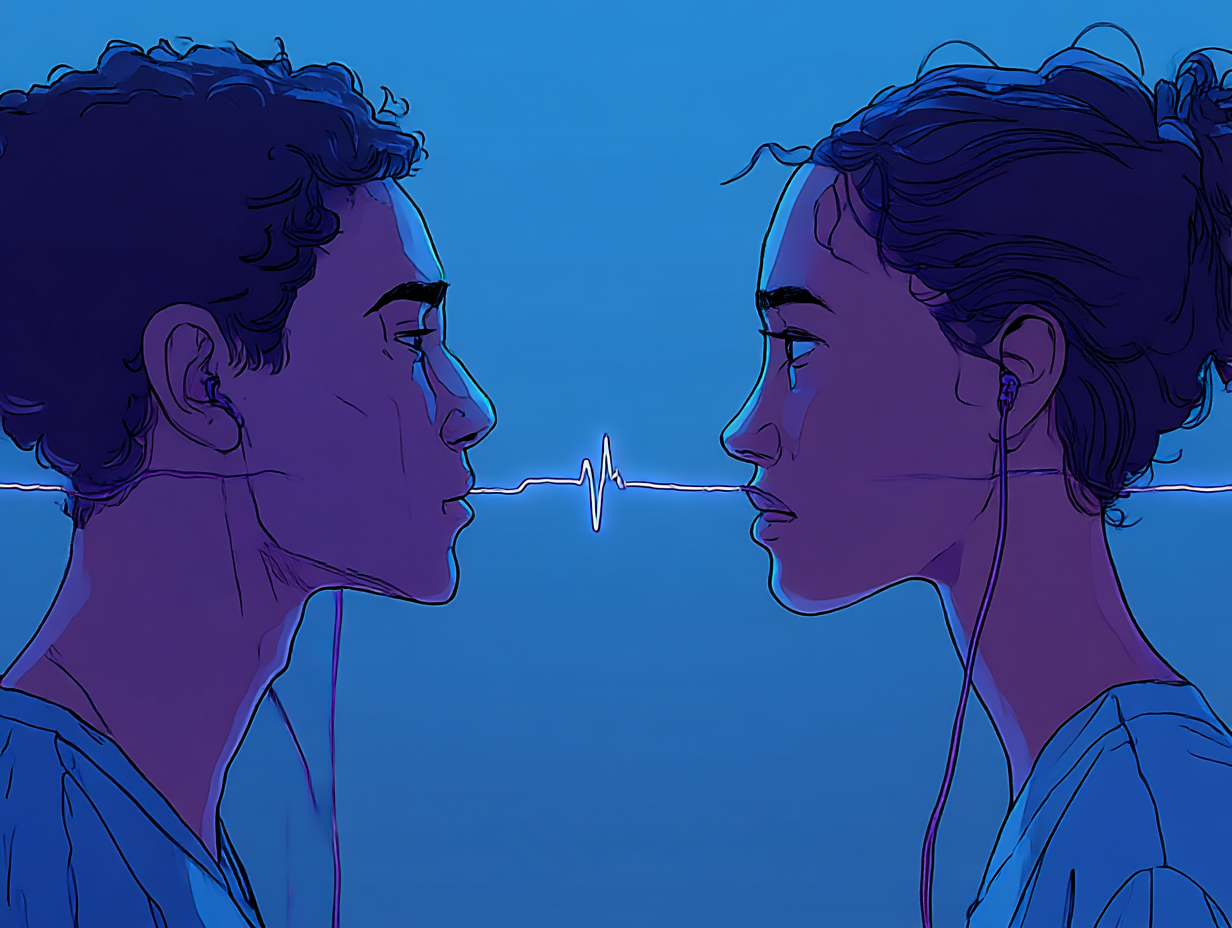
Unrequited love hurts because your brain processes romantic rejection as a form of loss and threat. The emotional pain is not imaginary — it activates stress systems involved in both attachment and survival. When someone you care about doesn’t return your feelings, your body reacts as if something important has been taken away.
Here’s the thing: romantic attachment isn’t just about preference. It’s a bond shaped by biology. When you feel close to someone, your brain releases dopamine linked to reward and motivation and oxytocin linked to bonding. If that connection is suddenly unavailable — or never fully forms — your brain still craves it. That craving can feel urgent and obsessive.
The Brain Interprets Rejection as Threat
Research in social neuroscience has shown that social rejection activates areas of the brain associated with physical pain, particularly the anterior cingulate cortex. That’s why rejection can feel sharp, not just sad. Your nervous system reads it as danger to belonging — and belonging has always been tied to survival.
Cortisol, the body’s primary stress hormone, may rise during rejection. Sleep becomes lighter. Appetite shifts. Concentration drops. You might replay conversations at 2 a.m., searching for what went wrong. These are common stress responses — not signs that you’re losing it.
For example, imagine learning that someone you’ve grown attached to has started dating someone else. Even if the relationship was undefined, your body may respond with racing thoughts, tightness in your chest, or waves of nausea. That reaction reflects attachment disruption, not weakness.
It’s a Form of Grief
Unrequited love is a kind of ambiguous loss. You’re not only grieving the person — you’re grieving the future you imagined with them. The plans, inside jokes, shared possibilities. The mind doesn’t distinguish sharply between losing a real relationship and losing a hoped-for one.
Grief often includes:
- denial Maybe they’ll change their mind.
- bargaining If I act differently, maybe this will work.
- sadness and longing
- anger or self-blame
These reactions can cycle rather than follow a neat order. That’s normal.
Idealization Intensifies the Pain
When love isn’t reciprocated, the mind sometimes fills in the gaps with idealization. You may focus on the person’s best qualities while minimizing incompatibilities or mixed signals. Cognitive distortions — like mind-reading They secretly care but are scared or personalization I wasn’t enough — can deepen the emotional wound.
If you’ve ever caught yourself scrolling through their social media and interpreting every post as a hidden message, that’s not irrationality. It’s the brain searching for relief from uncertainty.
Why It Can Feel So Personal
Rejection can activate core beliefs about worthiness. If you already struggle with self-doubt, unreturned feelings may reinforce painful narratives like I’m always too much or People leave. Attachment patterns formed earlier in life — especially anxious attachment — can make the distress feel amplified.
At the same time, experiencing intense heartbreak does not mean you have a mental disorder. The DSM-5-TR distinguishes between normal grief reactions and clinical conditions. Feeling devastated after romantic rejection can fall within a normal adjustment response, especially in the first weeks or months.
That said, if symptoms become persistent — such as severe sleep disturbance, hopelessness, or inability to function at work — it may help to consult a licensed mental health professional.
If you ever experience thoughts of harming yourself or feel unsafe, call or text 988 Suicide & Crisis Lifeline in the U.S. If you are in immediate danger, call 911.
Unrequited love hurts because it touches attachment, identity, and hope all at once. Understanding that biological and psychological foundation can be the first step toward healing.
Why Can’t I Let Go? Attachment, Rumination, and Rejection Sensitivity
If you’re asking why you can’t just move on, the answer usually lies in attachment patterns and cognitive loops — not weakness. When feelings aren’t returned, the mind often clings harder, not softer. Unrequited love can activate deep attachment systems that make emotional distance feel almost unbearable.
Here’s what’s happening under the surface.
Attachment Styles and Emotional Intensity
Attachment theory suggests that early relational experiences shape how we respond to closeness and rejection. People with more anxious attachment tendencies often experience stronger fear of abandonment and heightened sensitivity to mixed signals. If a person you care about becomes unavailable, your nervous system may interpret that as urgent loss.
You might notice:
- increased texting or checking behaviors
- hyperfocus on small changes in tone or response time
- difficulty tolerating uncertainty
On the other hand, someone with more avoidant attachment may try to suppress feelings — but suppression doesn’t erase longing. It often resurfaces later as rumination or emotional confusion.
Attachment patterns are not diagnoses. They’re relational tendencies that can shift over time, especially with insight and secure relationships.
The Rumination Loop
Rumination is repetitive thinking about a distressing event without moving toward resolution. In unrequited love, it often sounds like:
Did I say something wrong?
What if I had waited longer?
Maybe they’re just scared of intimacy.
Your brain keeps replaying the story because it wants closure. The problem is that mental replay rarely provides new information. Instead, it strengthens neural pathways linked to longing and distress.
For example, you might wake up thinking about one conversation from weeks ago, dissecting every sentence. By the time you’ve reviewed it ten times, your mood has already shifted downward — even though nothing new has happened.
Cognitive-behavioral research shows that rumination sustains emotional pain by reinforcing negative thought patterns. The more you revisit the narrative, the more emotionally charged it becomes.
Rejection Sensitivity
Rejection sensitivity refers to a heightened expectation or fear of being rejected. When someone doesn’t reciprocate feelings, this sensitivity can amplify the emotional impact. Neutral events may feel loaded with meaning.
Imagine seeing them laugh with someone else at a gathering. Your mind might jump to, They were never that happy with me, even if there’s no evidence for that conclusion. That interpretation intensifies distress.
Over time, repeated rejection experiences can strengthen these interpretations. But awareness changes the equation. Recognizing rejection sensitivity as a pattern — not a fact — helps create emotional distance from the automatic reaction.
Dopamine and the Reward Withdrawal Effect
Romantic interest activates the brain’s reward circuitry, particularly dopamine pathways associated with motivation and anticipation. When access to that person is removed, the brain can experience something similar to withdrawal. Craving increases before it decreases.
This explains why:
- you feel compelled to check their social media
- hearing their name triggers a spike of emotion
- small interactions feel disproportionately meaningful
It’s not obsession in a moral sense. It’s your nervous system adjusting to the absence of anticipated reward.
Why Uncertainty Makes It Worse
Unrequited love often lacks clear closure. If the person is kind but noncommittal, or says I’m not ready right now, ambiguity fuels hope. Hope keeps the attachment system active.
Clear rejection, while painful, can sometimes allow faster healing than prolonged ambiguity. The brain prefers certainty, even when it hurts.
If you’ve been holding onto phrases like maybe later, it may be worth gently asking yourself: Is this realistic, or is this keeping me emotionally suspended?
The Identity Factor
Letting go isn’t just about the other person. It’s also about releasing the version of yourself you imagined in that relationship. If you saw this person as the one, your sense of future identity may feel shaken.
You’re not only grieving them — you’re adjusting your self-concept.
That process takes time.
And importantly, difficulty letting go does not mean you’re incapable of healthy love. It often means your attachment system is activated and seeking safety.

In the next section, we’ll focus on what actually helps break the rumination cycle and rebuild emotional balance.
How to Cope with Unrequited Love: Practical Strategies That Actually Help
You don’t heal from unrequited love by forcing yourself not to care. You heal by regulating your nervous system, interrupting unhelpful thought patterns, and rebuilding your sense of self outside the relationship. Coping is not about pretending you’re fine — it’s about moving through the pain without letting it define you.
Below are strategies grounded in cognitive-behavioral and acceptance-based approaches commonly used in therapy.
1. Create Clear Boundaries Especially With Contact
If you’re still texting, checking their stories, or staying in daily contact, your attachment system stays activated. Even small interactions can reset the emotional clock.
For many people, a structured period of limited or no contact allows the nervous system to calm. This isn’t about punishment. It’s about recovery.
For example, muting their social media updates for 30 days can significantly reduce rumination triggers. You’re not erasing them — you’re reducing exposure while you stabilize.
If contact is unavoidable work, shared social circles, shift to predictable, neutral communication. Consistency reduces emotional spikes.
2. Interrupt Rumination With Cognitive Reframing
When thoughts loop, gently challenge distortions rather than suppressing them.
Common distortions in unrequited love include:
- personalization It failed because I’m not enough
- mind-reading They secretly love me but are afraid
- all-or-nothing thinking I’ll never find this again
A CBT-style reframing exercise looks like this:
Thought I wasn’t chosen because I’m unlovable.
Balanced reframe This person didn’t feel the same connection. That says more about compatibility than worth.
The goal isn’t blind optimism. It’s accuracy.
If you notice the same thought repeating, label it That’s the rumination loop. Naming the process creates distance.
3. Allow Grief Instead of Fighting It
Avoiding sadness often prolongs it. Acceptance and Commitment Therapy ACT emphasizes allowing emotional waves without trying to eliminate them.
Instead of I need to stop feeling this, try I’m noticing sadness right now.
Emotions rise and fall when given space. Fighting them tends to amplify them.
You might set aside 10 to 15 minutes a day for intentional reflection — journaling about what you lost and what you hoped for. Containing grief to a defined time prevents it from dominating the entire day.
4. Rebuild Identity Outside the Relationship
Unrequited love narrows attention to one person. Recovery expands it again.
Ask yourself:
- What parts of my life did I put on hold?
- What friendships need attention?
- What goals matter independent of this person?
Even small actions — signing up for a class, reconnecting with a friend, returning to a hobby — rebuild psychological autonomy.
Your brain needs new sources of reward to recalibrate dopamine pathways.
5. Reduce Trigger Exposure Strategically
Certain triggers intensify longing. These might include:
- specific music
- shared locations
- late-night texting habits
- scrolling through old photos
Rather than white-knuckling through triggers, temporarily limit exposure while you strengthen coping skills.
Below is a simplified framework:
| Trigger | Psychological Mechanism | What Helps |
|---|---|---|
| Social media checking | Reward craving loop | Mute or limit access |
| Replaying conversations | Rumination | Label and redirect attention |
| Ambiguous hope | Attachment activation | Clarify reality in writing |
| Self-blame thoughts | Cognitive distortion | Balanced reframe |
| Isolation | Mood decline | Schedule social contact |
Small structural changes often reduce emotional intensity more effectively than pure willpower.
6. Practice Self-Compassion Not Self-Criticism
Here’s the thing: many people respond to rejection by attacking themselves. I should have known better. I’m too much. I’m not enough.
Research in health psychology shows that self-compassion reduces stress reactivity and improves emotional resilience. Speak to yourself the way you would speak to a friend in the same situation.
Try This hurts because I cared. Caring is not a flaw.
That shift alone can reduce shame.
7. Set a Future-Focused Anchor
It’s hard to let go when your mind keeps asking what if? Shift to what next?
Choose one short-term goal unrelated to dating. It might be fitness, travel planning, professional growth, or creative work. Direction decreases emotional drift.
This doesn’t mean you stop missing the person overnight. It means you’re giving your brain evidence that life continues expanding.
A Realistic Timeline
People often ask how long it takes to move on. There’s no fixed number. Early weeks tend to be the most intense. Over time, frequency of intrusive thoughts decreases, even if occasional waves remain.
If after several months you feel stuck at the same intensity — unable to sleep, work, or engage socially — that’s a sign additional support may help.
Coping with unrequited love is less about erasing feelings and more about recalibrating attachment. With boundaries, cognitive restructuring, emotional acceptance, and renewed identity, the intensity gradually softens. You may not feel it immediately. But change happens quietly before it becomes obvious.
Is It Just Heartbreak — or Something More Serious Like Depression?
Most intense heartbreak is painful but temporary. The key question isn’t Do I feel terrible? — it’s Is this distress gradually shifting, or is it becoming pervasive and impairing? Unrequited love can look dramatic in the early weeks, yet still fall within a normal adjustment response. What matters is duration, severity, and functional impact.
Normal Heartbreak vs. Clinical Depression
The DSM-5-TR distinguishes between typical grief reactions and Major Depressive Disorder MDD. After romantic rejection, it’s common to experience sadness, tearfulness, sleep disruption, and preoccupation with the person. These symptoms often fluctuate. You might have a rough evening but still enjoy a lunch with a friend or feel motivated at work.
Clinical depression, by contrast, tends to be more persistent and global. According to the National Institute of Mental Health, depression involves a depressed mood or loss of interest most of the day, nearly every day, for at least two weeks, along with additional symptoms such as significant appetite changes, fatigue, impaired concentration, feelings of worthlessness, or recurrent thoughts of death.
Here’s a practical way to think about it:
- Heartbreak is usually tied to the specific person or situation.
- Depression spreads across areas of life and may feel detached from the original trigger.
For example, after unrequited love, you might feel intense longing when you see reminders of that person but still find moments of relief when distracted. With depression, even normally enjoyable activities can feel flat or meaningless.
What About Adjustment Disorder?
In some cases, distress following rejection may meet criteria for what clinicians call an adjustment disorder — emotional or behavioral symptoms that develop in response to a stressor and cause significant impairment. This condition is time-limited and directly linked to the event.
The difference is not about strength. It’s about impact. If you’re missing work, withdrawing from all social contact, or unable to perform daily responsibilities, it may be worth consulting a licensed mental health professional for evaluation.
Red Flags That Warrant Attention
While intense emotion is expected after unrequited love, certain warning signs suggest the need for professional support:
- persistent hopelessness lasting weeks
- inability to function at work or school
- severe insomnia or appetite disruption
- substance misuse to numb feelings
- thoughts of self-harm or feeling that life isn’t worth living
If you ever experience thoughts of harming yourself, call or text 988 Suicide & Crisis Lifeline in the U.S. If you’re in immediate danger, call 911.
Self-Assessment Questions
Ask yourself:
- Am I having moments of relief, or does the sadness feel constant?
- Is my sense of self-worth collapsing beyond this relationship?
- Am I able to imagine a future that doesn’t include this person?
Temporary difficulty imagining the future is common. Complete loss of hope across domains is not.
The Good News
Research consistently shows that most people recover from romantic rejection over time, especially when they maintain social connection and healthy routines. The brain adapts. Emotional intensity declines.
If what you’re feeling feels overwhelming but not all-encompassing, it may simply be heartbreak moving through its natural course. If it’s expanding and impairing your functioning, professional support can help prevent deeper depressive patterns from taking hold.
There is no shame in seeking clarity. Distinguishing between grief and depression isn’t about labeling yourself — it’s about choosing the right kind of care.
When Should You See a Therapist for Unrequited Love?
You don’t need to wait until you’re in crisis to seek help. Therapy isn’t only for emergencies — it’s for clarity, emotional regulation, and understanding patterns that keep repeating. If unrequited love feels stuck rather than gradually softening, that’s often a good time to reach out.
Signs Therapy May Help
Consider speaking with a licensed mental health professional if:
- intrusive thoughts dominate most of your day
- sleep or appetite disruption lasts several weeks
- you’re avoiding work, school, or social contact
- self-worth feels severely diminished
- you notice repeating patterns of pursuing unavailable partners
- your distress feels disproportionate to the situation
You don’t have to meet criteria for a mental disorder to benefit from therapy. Many people seek support simply to process loss and rebuild confidence.
What Therapy for Unrequited Love Often Focuses On
Therapists may use evidence-based approaches such as:
Cognitive Behavioral Therapy CBT — to identify and restructure distorted thoughts like I’ll never find love again.
Acceptance and Commitment Therapy ACT — to help you allow painful emotions while reconnecting with personal values and long-term direction.
Attachment-focused therapy — to explore relational patterns, especially if anxious or avoidant attachment tendencies contribute to repeated heartbreak.
Mindfulness-based approaches — to reduce rumination and calm physiological stress responses.
Therapy provides something self-help can’t always offer: an external perspective. A trained clinician can help you separate fact from interpretation and recognize patterns you may not see on your own.
If You’re Worried About Overreacting
Here’s the thing: emotional pain is not a competition. The question isn’t whether someone else has it worse. The question is whether your distress is affecting your life.
For example, if months have passed and you still check this person’s social media multiple times a day, or you feel unable to date again despite wanting connection, therapy can help interrupt those loops.
Seeking help reflects self-awareness, not weakness.
How to Find Support in the U.S.
You can search for licensed psychologists, counselors, or clinical social workers through:
- your insurance provider’s directory check in-network options and copays
- Psychology Today’s therapist finder
- your primary care provider for referrals
- local community mental health clinics
If privacy is a concern, therapy is protected by HIPAA confidentiality laws. Disclosures remain private except in situations involving imminent risk of harm or legal reporting requirements.
Telehealth is widely available across most U.S. states and may offer flexible scheduling.
Crisis and Immediate Support
If at any point you experience thoughts of self-harm or feel unsafe:
Call or text 988 to reach the Suicide & Crisis Lifeline in the U.S. If you are in immediate danger, call 911.
A Final Perspective
Unrequited love can feel like proof that something is wrong with you. More often, it reveals attachment, vulnerability, and the human need for connection. Therapy can help transform that pain into insight — and insight into healthier future relationships. You deserve reciprocity. And you deserve support while healing.
References
1. National Institute of Mental Health. Depression. 2023.
2. American Psychological Association. Attachment and Relationships. 2022.
3. American Psychological Association. Stress Effects on the Body. 2023.
4. Substance Abuse and Mental Health Services Administration. 988 Suicide & Crisis Lifeline. 2023.
5. Mayo Clinic. Adjustment Disorders. 2022.
Conclusion
Unrequited love can feel overwhelming because it activates attachment, identity, and loss all at once. The pain is real — but it is also survivable. When you understand why your brain clings, why rumination loops form, and how to regulate them, the intensity gradually decreases.
Healing rarely happens in a straight line. Some days will feel steady; others may reopen the wound. What matters is movement. With boundaries, cognitive clarity, social reconnection, and self-compassion, the attachment system recalibrates.
If you ever feel stuck, hopeless, or unable to function, professional support can make the process faster and less isolating. And if you experience thoughts of harming yourself, call or text 988 Suicide & Crisis Lifeline in the U.S. If you are in immediate danger, call 911.
You are not weak for caring deeply. You are human. And reciprocity is possible in future relationships.
Frequently Asked Questions
How long does it take to get over unrequited love?
There is no fixed timeline. Intensity is often highest in the first weeks and gradually decreases. Recovery depends on attachment style, level of contact, and use of coping strategies.
Is unrequited love a mental disorder?
No. It is a common emotional experience. If symptoms persist and significantly impair daily functioning, a licensed clinician can evaluate for depression or adjustment disorder.
Why do I keep choosing people who don’t choose me?
Repeated patterns may reflect attachment tendencies or fear of vulnerability. Therapy can help identify relational dynamics and build more secure patterns.
Should I cut contact completely?
For many people, a structured period of limited or no contact reduces rumination and emotional spikes. If separation is not possible, neutral and predictable communication can help.
Can therapy really help with heartbreak?
Yes. Evidence-based therapies such as CBT and ACT can reduce rumination, improve emotional regulation, and rebuild self-worth.
When should I seek immediate help?
If you experience thoughts of self-harm, persistent hopelessness, or feel unsafe, call or text 988 in the U.S. If you are in immediate danger, call 911.