Strict Parents: 10 Long-Term Effects on Adult Mental Health
Growing up in a highly controlled household can leave marks that are hard to name. Many adults raised by strict parents struggle with anxiety, perfectionism, or difficulty expressing emotions, even if their childhood looked “stable” from the outside. Strict parents often use rigid rules, high expectations, and limited emotional warmth as primary tools for discipline, and research in developmental psychology shows that this pattern can shape long-term adult mental health.
If you’ve ever wondered why you feel tense when making small mistakes, guilty for setting boundaries, or afraid of disappointing others, your early environment may play a role. In this article, you’ll learn what strict parenting means in psychological terms, the 10 most common long-term effects in adulthood, how attachment styles are shaped, and when it may be helpful to speak with a licensed mental health professional.

What Does “Strict Parents” Really Mean in Psychology?
In everyday language, strict parents are often described as disciplined, firm, or demanding. In psychology, however, the concept is more specific. It typically aligns with what developmental researchers call an authoritarian parenting style - high control, low emotional responsiveness.
The Core Psychological Definition
Developmental psychologist Diana Baumrind identified several parenting styles, later expanded by researchers. Authoritarian parenting is characterized by:
- rigid rules with little explanation
- high expectations for obedience
- frequent criticism or punishment
- limited emotional validation
This does not automatically mean abuse. Many strict parents believe they are protecting their children or preparing them for success. The key difference lies in emotional climate. When warmth, flexibility, and open communication are consistently limited, children may internalize fear rather than confidence.
Here’s the important nuance: discipline itself is not harmful. Structure can support healthy development. The risk appears when control outweighs emotional attunement.
Strict vs Authoritarian vs Abusive Parenting
Not all strict households are abusive, but the lines can feel blurry. The distinction matters because long-term outcomes differ depending on emotional safety and severity.
| Parenting Pattern | Control Level | Emotional Warmth | Impact on Child |
|---|---|---|---|
| Authoritative | High | High | Confidence and self-regulation |
| Authoritarian | High | Low | Anxiety and fear of mistakes |
| Emotionally Abusive | Extreme | Hostile or rejecting | Trauma-related symptoms |
Authoritative parenting, often considered the healthiest style, combines clear expectations with emotional responsiveness. Authoritarian parenting, more commonly associated with strict parents, emphasizes obedience and performance over dialogue. Emotional abuse involves humiliation, threats, or persistent invalidation and may meet criteria for trauma-related disorders in the DSM-5-TR.
Understanding where your experience fits can reduce confusion. You can acknowledge harm without exaggerating it.
Why Control Without Warmth Has Lasting Effects
Children depend on caregivers to regulate stress. When mistakes lead to harsh criticism instead of guidance, the child’s nervous system may remain on alert. Over time, this can condition a pattern of hypervigilance - always scanning for potential disapproval.
Imagine a child who receives a B instead of an A and is met with silence or disappointment. The lesson learned is not “work harder.” It may become “I am only safe when I perform perfectly.” That belief can follow someone into adulthood, shaping career pressure, relationship anxiety, and chronic self-doubt.
Research from the American Psychological Association and related developmental studies suggests that high-control, low-warmth parenting is associated with increased anxiety symptoms and lower self-esteem in adulthood. The mechanism is not mysterious. When emotional validation is inconsistent, children learn to suppress feelings and prioritize compliance.
Cultural Context Matters - But So Does Emotional Safety
Some families and cultures emphasize strict discipline as a sign of care. Cultural norms can influence how rules are expressed and interpreted. However, across cultural contexts, consistent emotional rejection or fear-based control tends to predict poorer adult mental health outcomes.
This is not about blaming parents. Many strict caregivers were raised in similar environments. Patterns are often intergenerational. The goal here is not accusation but understanding.
When we define strict parents through a psychological lens, we move from judgment to clarity. And clarity is the first step toward recognizing how early dynamics may still be shaping adult mental health today.
10 Long-Term Effects of Strict Parents on Adult Mental Health
Adults raised by strict parents often carry invisible patterns into their careers, relationships, and inner dialogue. These effects are not character flaws. They are adaptive responses to early environments that emphasized control over emotional safety.
Below are the most common long-term psychological patterns observed in adulthood.
1. Chronic Anxiety and Hypervigilance
Growing up under constant evaluation can wire the nervous system to expect criticism. As adults, this may show up as persistent worry, muscle tension, or difficulty relaxing even during calm situations.
For example, someone might rehearse a simple email for 20 minutes, afraid of sounding incompetent. The threat is no longer a parent’s disapproval, but the body reacts as if it is.
According to the National Institute of Mental Health, prolonged childhood stress can sensitize the stress response system, increasing vulnerability to anxiety-related symptoms later in life.
2. Perfectionism and Fear of Failure
Many adults from strict households equate mistakes with rejection. Success feels required for emotional safety.
Perfectionism in this context is not ambition. It is fear-based. A missed deadline or minor criticism may trigger disproportionate shame or panic.
Research in developmental psychology links high-control parenting with elevated self-criticism and maladaptive perfectionism patterns in adulthood.
3. Difficulty Identifying Emotions
If emotions were dismissed or punished in childhood, adults may struggle to recognize their own feelings. Instead of saying, “I feel hurt,” they might say, “It doesn’t matter.”
This emotional suppression can increase risk for depressive symptoms, somatic complaints, or emotional numbness.
The DSM-5-TR describes emotional regulation difficulties as central features in several anxiety and mood disorders, though experiencing these patterns does not automatically mean a diagnosis.

4. Low Self-Trust
Strict parents often make decisions without explanation. Children learn compliance rather than independent judgment.
In adulthood, this can become chronic self-doubt. A person may repeatedly ask others for reassurance before making small choices - what to wear, what to order, whether to apply for a job.
Over time, lack of self-trust can impair career development and personal confidence.
5. People-Pleasing and Boundary Problems
When approval is conditional, pleasing others feels necessary for safety. Adults may struggle to say no, even when overwhelmed.
Picture someone agreeing to extra work despite exhaustion because declining feels “disrespectful.” The fear is rarely about the task itself. It is about losing approval.
6. Shame-Based Identity
Children internalize repeated criticism. Instead of thinking, “I made a mistake,” they learn, “I am a mistake.”
Shame-based identity can fuel social anxiety, avoidance, or persistent feelings of inadequacy. The American Psychological Association has noted that chronic shame is associated with increased vulnerability to depression and relational difficulties.
7. Emotional Avoidance in Relationships
Some adults cope by suppressing vulnerability altogether. If expressing feelings once led to punishment, emotional openness may feel unsafe.
This can contribute to avoidant attachment patterns, where closeness triggers discomfort rather than comfort.
8. Overachievement and Burnout
High-control parenting often emphasizes performance. As adults, individuals may overwork to maintain worth.
Burnout becomes common. Despite external success, there is little internal satisfaction. According to APA workforce stress reports, chronic performance pressure significantly increases emotional exhaustion.
9. Difficulty Tolerating Conflict
Strict households may have discouraged disagreement. Adults raised in such environments may freeze, appease, or withdraw during conflict.
Instead of expressing needs directly, they may internalize resentment.
10. Heightened Sensitivity to Criticism
Even neutral feedback can feel like an attack. The nervous system reacts as if old authority dynamics are being replayed.
A supervisor’s simple suggestion might trigger racing thoughts, self-blame, or sleeplessness. The reaction is less about the present and more about early conditioning.
Why Do These Effects Persist?
Here’s the key mechanism: childhood experiences shape neural pathways. Repeated exposure to rigid control can activate the HPA axis, the body’s stress regulation system. When that system is frequently triggered, the brain learns to anticipate threat.
These patterns become automatic. They feel like personality traits, but they began as survival strategies.
Important to know: having these patterns does not mean something is permanently broken. Neuroplasticity research shows that emotional regulation skills can change through therapy, supportive relationships, and intentional practice.
A Note on Severity
Not every adult raised by strict parents will experience all 10 effects. Intensity varies depending on:
- consistency of emotional warmth
- presence of supportive figures
- temperament of the child
- exposure to trauma
Some individuals develop resilience and self-discipline. Others develop anxiety or shame. Most people fall somewhere in between.
If these patterns interfere with sleep, relationships, or daily functioning for several weeks or more, speaking with a licensed psychologist, clinical social worker, counselor, or psychiatrist may help clarify what is happening.
How Strict Parents Shape Attachment Styles in Adulthood
The way caregivers respond to distress teaches children what to expect from closeness. When strict parents prioritize obedience over emotional attunement, children often adapt in ways that later influence attachment styles and adult relationships.
Attachment theory, originally developed by John Bowlby and expanded by Mary Ainsworth, explains how early caregiving patterns shape expectations about safety, trust, and connection. These expectations tend to follow us into adulthood.
From Control to Attachment Patterns
Children raised in high-control, low-warmth environments may develop one of two common patterns:
- anxious attachment
- avoidant attachment
Neither is a diagnosis. They are relational strategies formed in response to early dynamics.
If affection felt conditional, a child may grow into an adult who anxiously seeks reassurance. They might worry constantly about being abandoned or criticized. A delayed text message from a partner can trigger intense fear.
On the other hand, if emotional expression was discouraged or dismissed, a child may learn to detach. As an adult, they may appear independent but feel uncomfortable with vulnerability. When a partner asks for deeper emotional sharing, the reaction may be withdrawal.
The Nervous System Connection
Attachment is not just psychological. It is biological.
When a child repeatedly experiences rigid control or unpredictable approval, the stress response system may remain activated. The HPA axis regulates cortisol, the body’s primary stress hormone. Chronic activation during development can increase baseline anxiety and emotional reactivity in adulthood.
According to research summarized by the American Psychological Association and the National Institute of Mental Health, early relational stress influences emotional regulation systems in the brain, particularly the amygdala and prefrontal cortex. The amygdala detects threat. The prefrontal cortex helps regulate it. When stress is frequent, regulation can become harder.
This is why adult reactions can feel disproportionate. A minor disagreement may activate the same physiological response once triggered by parental disapproval.
Common Relationship Patterns in Adulthood
Adults shaped by strict parents may experience:
- difficulty trusting compliments
- fear of disappointing partners
- overanalyzing tone or facial expressions
- discomfort with healthy conflict
- confusion between love and approval
For example, someone might interpret a partner’s request for space as rejection rather than normal autonomy. Another person might avoid expressing hurt feelings because conflict once led to punishment.
These patterns are adaptive. They once kept the child safe.
Is This Trauma?
Not all strict parenting meets criteria for trauma-related disorders in the DSM-5-TR. Trauma diagnoses involve specific exposure and symptom criteria. However, relational stress without overt abuse can still shape emotional development.
The distinction matters. You do not need a formal diagnosis to acknowledge impact. Many adults experience subclinical anxiety, chronic self-criticism, or relational insecurity that stems from early control dynamics.

Here’s a helpful reframe: attachment patterns are learned. What is learned can be revised.
How Attachment Can Change
Attachment styles are not permanent personality traits. Research in adult attachment shows that secure relationships and therapy can gradually shift anxious or avoidant patterns.
In therapy, individuals often work on:
- identifying triggers linked to childhood dynamics
- building tolerance for vulnerability
- practicing direct communication
- developing self-soothing skills
Imagine someone who once shut down during conflict learning to say, “I feel overwhelmed. Can we pause and revisit this in an hour?” That small shift reflects nervous system regulation and increased relational security.
The goal is not to blame strict parents. It is to understand how early control and limited emotional warmth may have shaped expectations about love, safety, and self-worth.
When you see the pattern clearly, you gain the ability to change it.
Can You Heal from the Long-Term Impact of Strict Parents?
Yes. The patterns shaped by strict parents can change, even in adulthood. The nervous system is adaptable, beliefs can be revised, and relationships can become safer with intentional work.
Healing does not mean erasing your past. It means understanding how early experiences shaped your responses and building new emotional skills.
Step 1: Increase Awareness Without Self-Blame
The first shift is recognizing patterns as learned adaptations rather than personal defects.
If you notice thoughts like, “I am never good enough,” pause and ask where that voice originated. Many adults discover that their inner critic echoes phrases once heard in childhood.
Cognitive behavioral therapy, or CBT, often helps people identify these automatic thoughts and test whether they are accurate or outdated. Reframing self-criticism reduces shame and anxiety over time.
Step 2: Practice Emotional Identification
Strict households sometimes discouraged emotional expression. As adults, that can translate into difficulty naming feelings.
A simple practice is emotional labeling. Instead of saying, “I’m fine,” try identifying specific emotions: frustrated, disappointed, embarrassed, overwhelmed.
Research shows that labeling emotions can reduce amygdala activation and support regulation. Even writing down feelings for five minutes a day can improve clarity.
Step 3: Build Self-Compassion
Many adults raised by strict parents excel at discipline but struggle with kindness toward themselves.
Self-compassion does not mean lowering standards. It means responding to mistakes with the same understanding you would offer a friend.
For example, after a work error, instead of spiraling into self-attack, you might say, “This is uncomfortable, but mistakes happen. I can repair this.” That shift interrupts shame-based identity patterns.
Mindfulness-based interventions and acceptance-based therapies, such as ACT, frequently include self-compassion exercises for this reason.
Step 4: Rework Boundaries
People-pleasing and fear of conflict are common long-term effects of strict parents. Learning to set boundaries is a core healing task.
Start small. Decline a minor request without overexplaining. Notice the anxiety that arises and allow it to pass without immediately fixing it.
Over time, repeated exposure to safe boundary-setting builds confidence. The brain learns that disagreement does not equal rejection.
Step 5: Regulate the Stress Response
Because early control can sensitize the HPA axis, calming the body is often as important as changing thoughts.
Helpful practices include:
- slow diaphragmatic breathing
- regular physical movement
- consistent sleep routines
- reducing caffeine if anxiety is high
- brief mindfulness pauses between tasks
These are not quick fixes. They are foundational supports for nervous system stability.
Important to know: healing is not linear. Old reactions may resurface under stress. This does not mean failure. It reflects how deeply ingrained early survival strategies can be.
Step 6: Consider Therapy
Working with a licensed psychologist, clinical social worker, or counselor can accelerate change. Therapy offers:
- structured exploration of childhood dynamics
- identification of cognitive distortions
- trauma-informed regulation skills
- relational practice within a safe alliance
Evidence-based therapies, including CBT and attachment-focused approaches, have strong research support for anxiety and mood-related patterns. The National Institute of Mental Health and the American Psychological Association both recognize psychotherapy as an effective treatment for many emotional difficulties.
You do not need to meet full DSM-5-TR diagnostic criteria to benefit from therapy. Many adults seek support simply to feel less tense, less self-critical, and more secure in relationships.
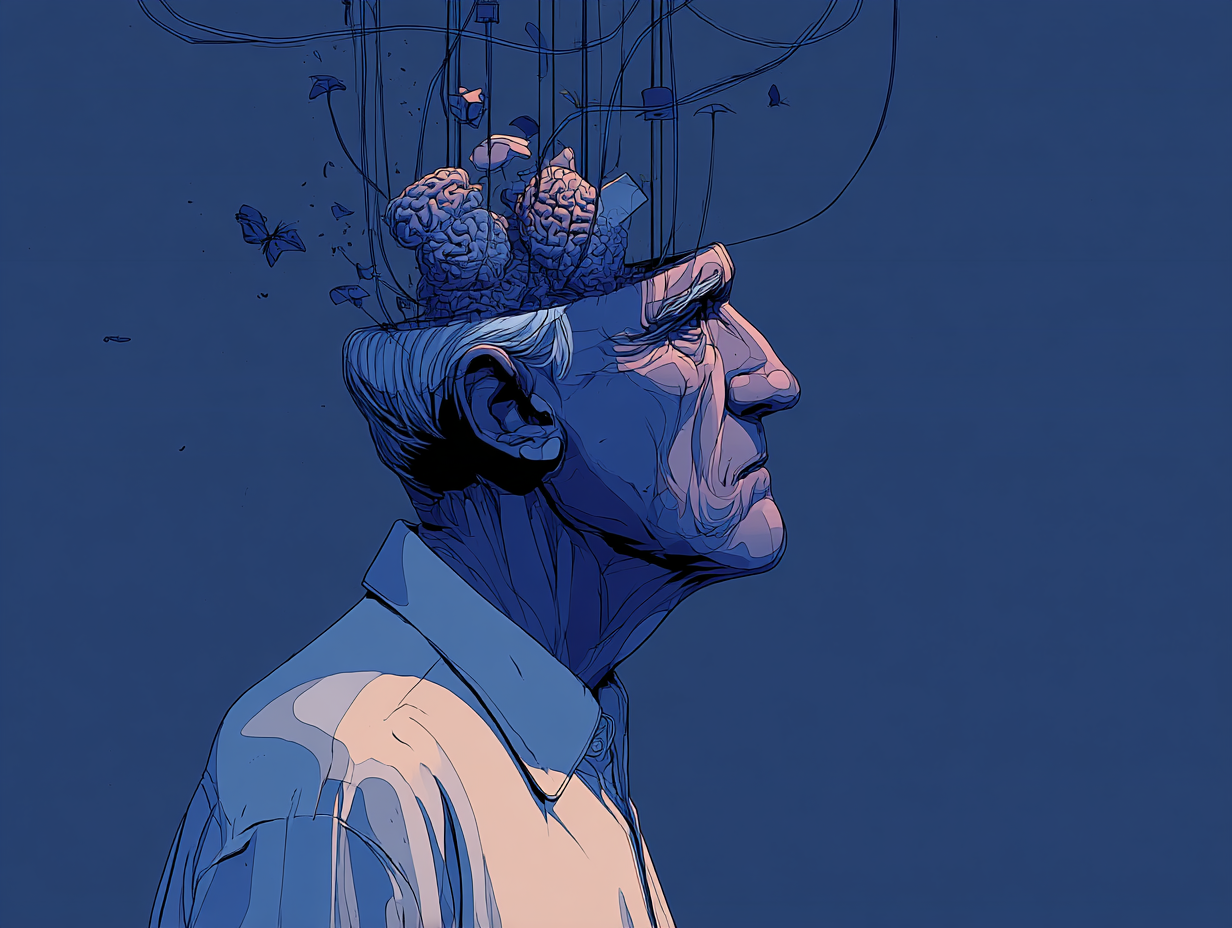
What Healing Looks Like Over Time
Healing often appears gradual:
- making decisions with less second-guessing
- tolerating constructive feedback without spiraling
- expressing needs directly
- feeling calm during ordinary mistakes
Imagine receiving critical feedback at work and thinking, “That’s useful information,” instead of, “I am a failure.” That shift reflects new neural pathways.
Strict parenting patterns may have shaped adult mental health, but they do not have to define it.
When Should You See a Psychologist for the Effects of Strict Parents?
Not every adult raised by strict parents needs therapy. Many people reflect, adjust, and grow through supportive relationships or self-directed work. At the same time, there are situations where professional support can make a meaningful difference.
Signs It May Be Time to Reach Out
Consider speaking with a licensed psychologist, clinical social worker, counselor, or psychiatrist if you notice:
- persistent anxiety or irritability lasting several weeks
- sleep disruption linked to rumination or self-criticism
- repeated relationship conflicts driven by fear or avoidance
- panic-like symptoms during evaluation or criticism
- depressive symptoms such as low mood, loss of interest, or hopelessness
The DSM-5-TR outlines specific criteria for anxiety and depressive disorders, but you do not need to meet diagnostic thresholds to benefit from therapy. If emotional patterns interfere with work, relationships, or daily functioning, that alone is enough reason to consult a professional.
When Patterns Feel Overwhelming
Sometimes the impact of strict parents becomes clearer during major life transitions. Becoming a parent, entering a long-term relationship, or taking on leadership at work can reactivate old authority dynamics.
For example, a new manager might feel paralyzed when giving feedback, afraid of being perceived as harsh. Or a new parent may overcorrect, swinging between rigid control and guilt.
If these reactions feel intense or confusing, therapy can help disentangle past conditioning from present reality.
What Therapy Can Offer
In a therapeutic setting, you can safely explore:
- early family dynamics without minimizing them
- internalized beliefs about worth and performance
- patterns of anxiety or avoidance
- strategies for emotional regulation
A clinician may use cognitive behavioral therapy, attachment-informed approaches, or trauma-sensitive methods depending on your needs. Therapy is collaborative. It is not about blaming caregivers. It is about expanding emotional flexibility and self-understanding.
Confidentiality and Professional Standards
In the United States, therapy is protected by confidentiality laws, including HIPAA regulations. Your sessions are private except in situations involving imminent risk of harm to yourself or others, abuse reporting requirements, or court orders.
If you use insurance, you can ask your provider about copays, deductibles, and in-network options. Many clinicians also offer telehealth, which increases access across states.
Crisis Resources
If distress escalates to thoughts of self-harm or suicide, immediate support is available.
Call or text 988 to reach the Suicide and Crisis Lifeline in the United States.
If you are in immediate danger, call 911.
Seeking help in a crisis is not a weakness. It is a protective step.
References
1. American Psychological Association. Parenting Styles and Their Effects on Children. 2014.
2. National Institute of Mental Health. Anxiety Disorders. 2023.
3. Centers for Disease Control and Prevention. About Adverse Childhood Experiences. 2023.
4. American Psychological Association. Stress Effects on the Body. 2022.
5. Mayo Clinic. Depression: Symptoms and Causes. 2023.
Conclusion
Strict parents can shape adult mental health in ways that are subtle but powerful. High control paired with low emotional warmth may contribute to anxiety, perfectionism, shame, and attachment insecurity long after childhood ends.
The good news is that these patterns are learned. What is learned can change. With awareness, nervous system regulation, boundary practice, and sometimes therapy, adults can build greater emotional flexibility and self-trust.
If your reactions feel intense, persistent, or interfere with daily life, reaching out to a licensed mental health professional can provide structure and relief. And if you ever feel unsafe or in crisis, call or text 988 in the United States. If you are in immediate danger, call 911.
You are not broken. You adapted. And adaptation can evolve.
Frequently Asked Questions
Are strict parents the same as abusive parents?
Not necessarily. Strict parenting usually involves high control and rigid expectations. Abuse involves humiliation, threats, or ongoing emotional or physical harm. Both can affect adult mental health, but severity and outcomes differ.
Can strict parents cause anxiety in adulthood?
They can contribute. Growing up in a high-control environment may sensitize the stress response system, increasing vulnerability to anxiety patterns later in life. Many factors influence anxiety, including temperament and life stressors.
Is it normal to resent strict parents?
Mixed feelings are common. Adults may feel gratitude for structure while also grieving limited emotional warmth. Therapy can help process these complex emotions without forcing blame or forgiveness.
Do attachment styles formed in childhood ever change?
Yes. Research in adult attachment shows that secure relationships and psychotherapy can gradually shift anxious or avoidant patterns. Change takes repetition and emotional safety.
When should I see a psychologist about childhood effects?
If anxiety, shame, perfectionism, or relationship conflict persist for weeks and impair daily functioning, it may help to consult a licensed mental health professional for evaluation and support.
Can therapy really change long-standing patterns?
Yes. Evidence-based therapies such as CBT and attachment-informed approaches can reshape cognitive and emotional patterns over time through structured skill-building and relational safety.