Spousal Abandonment Syndrome: When Your Partner Leaves Without a Word

/https://cdn.freudly.ai/media/pages/images/1fac94d5-4539-46cb-8ccf-5610e2305431.png)
Few relationship experiences feel as destabilizing as being suddenly abandoned by a spouse. Spousal abandonment syndrome is a commonly used term for the intense emotional and physical reactions that can happen when a partner unexpectedly leaves, cuts off communication, or emotionally disappears from a marriage. Although the DSM-5-TR does not recognize it as an official mental health diagnosis, the distress connected to sudden abandonment can feel deeply traumatic and may affect sleep, concentration, emotional safety, and daily functioning.
If you’ve found yourself replaying conversations, checking your phone constantly, or feeling physically sick from confusion and grief, you are not alone. In this guide, you’ll learn why abandonment can trigger such overwhelming reactions, what symptoms often appear, what coping strategies may help stabilize you emotionally, and when professional support may be worth considering.

What Is Spousal Abandonment Syndrome?
Spousal abandonment syndrome describes the emotional collapse, shock, and psychological distress some people experience after a spouse suddenly leaves the relationship without meaningful explanation, emotional closure, or gradual transition. The term is widely used online and in relationship discussions because many people struggle to find language strong enough to describe the experience.
For some, the abandonment happens overnight. A partner moves out while the other spouse is at work. Communication suddenly stops. Divorce papers appear without warning after years together. Even when a relationship had problems beforehand, the abruptness can leave the nervous system reacting as though safety itself has disappeared.
Why the term exists
Here’s the difficult part: sudden abandonment often creates more than ordinary heartbreak. People may experience panic symptoms, obsessive thoughts, emotional numbness, sleep disruption, and intense fear of rejection all at once. Because these reactions can feel extreme, many search for a framework that explains why the pain seems to affect both mind and body.
That is largely why the phrase spousal abandonment syndrome became popular. It gives people a way to describe a cluster of abandonment-related reactions that feel larger than “just sadness.”
At the same time, the phrase should be understood carefully. According to the American Psychiatric Association, spousal abandonment syndrome is not listed as a formal diagnosis in the DSM-5-TR. A licensed clinician may instead evaluate whether someone is experiencing trauma-related stress, anxiety symptoms, depression, grief-related distress, or an adjustment-related condition.
That distinction matters ethically, but emotionally, it does not make the suffering less real.
Is spousal abandonment syndrome an official diagnosis?
No. Spousal abandonment syndrome is not an officially recognized psychiatric disorder in the DSM-5-TR. You cannot be formally “diagnosed” with it in the same way someone might receive a diagnosis related to depression or PTSD.
Still, many therapists recognize that sudden relational abandonment can create very real psychological distress. The human brain is deeply wired for attachment and emotional predictability. When an important attachment figure disappears abruptly, especially after years of emotional dependence or partnership, the nervous system may react with intense alarm.
For example, someone may logically understand that the marriage was struggling while still feeling blindsided emotionally. One part of the brain knows the relationship had problems. Another part keeps waiting for the spouse to walk back through the door.
That emotional contradiction can feel frightening and disorienting.
Why sudden abandonment feels traumatic
Being left without explanation often creates what therapists sometimes call an “ambiguous loss.” The relationship is gone, yet emotionally unfinished. There may be no clear goodbye, no shared understanding, and no satisfying answer to why the abandonment happened.
This uncertainty tends to intensify emotional distress. The brain naturally searches for closure after painful events. When closure never arrives, many people become trapped in cycles of rumination:
- replaying conversations repeatedly;
- searching old messages for hidden clues;
- imagining alternate outcomes;
- checking phones or email compulsively;
- blaming themselves for the abandonment.
For people with a history of attachment insecurity, childhood emotional neglect, betrayal, or earlier abandonment experiences, the emotional impact may feel even stronger. Old wounds can reactivate alongside the current loss.
According to the American Psychological Association, overwhelming relational stress can affect emotional regulation, concentration, sleep, and physical stress responses. That helps explain why abandonment sometimes feels less like ordinary sadness and more like emotional survival mode.
And honestly, that reaction can be difficult for outsiders to understand. Friends may say things like “just move on” or “you’re better off without them.” But emotional attachment does not switch off instantly, especially after years of shared routines, emotional dependence, parenting, or future planning.
If you feel emotionally exhausted from trying to make sense of what happened, that response makes sense. Sudden abandonment can destabilize identity, trust, and emotional safety all at once.
Why Spousal Abandonment Syndrome Can Feel Like Emotional Trauma
For many people, sudden abandonment does not feel like a normal breakup. It can feel closer to emotional shock. Spousal abandonment syndrome often affects the nervous system in ways that resemble trauma responses, especially when the separation happens abruptly or without emotional closure.
You may know rationally that the relationship is ending while your body reacts as though danger is everywhere. That disconnect can feel confusing, even frightening.
Emotional symptoms
Some people describe abandonment as grief. Others describe it as emotional free fall. Both reactions can happen simultaneously.
Common emotional symptoms may include:
- panic or intense anxiety;
- waves of sadness and crying;
- emotional numbness;
- anger and resentment;
- fear of being permanently alone;
- shame or self-blame;
- desperate need for answers or closure;
- fear of trusting future partners.
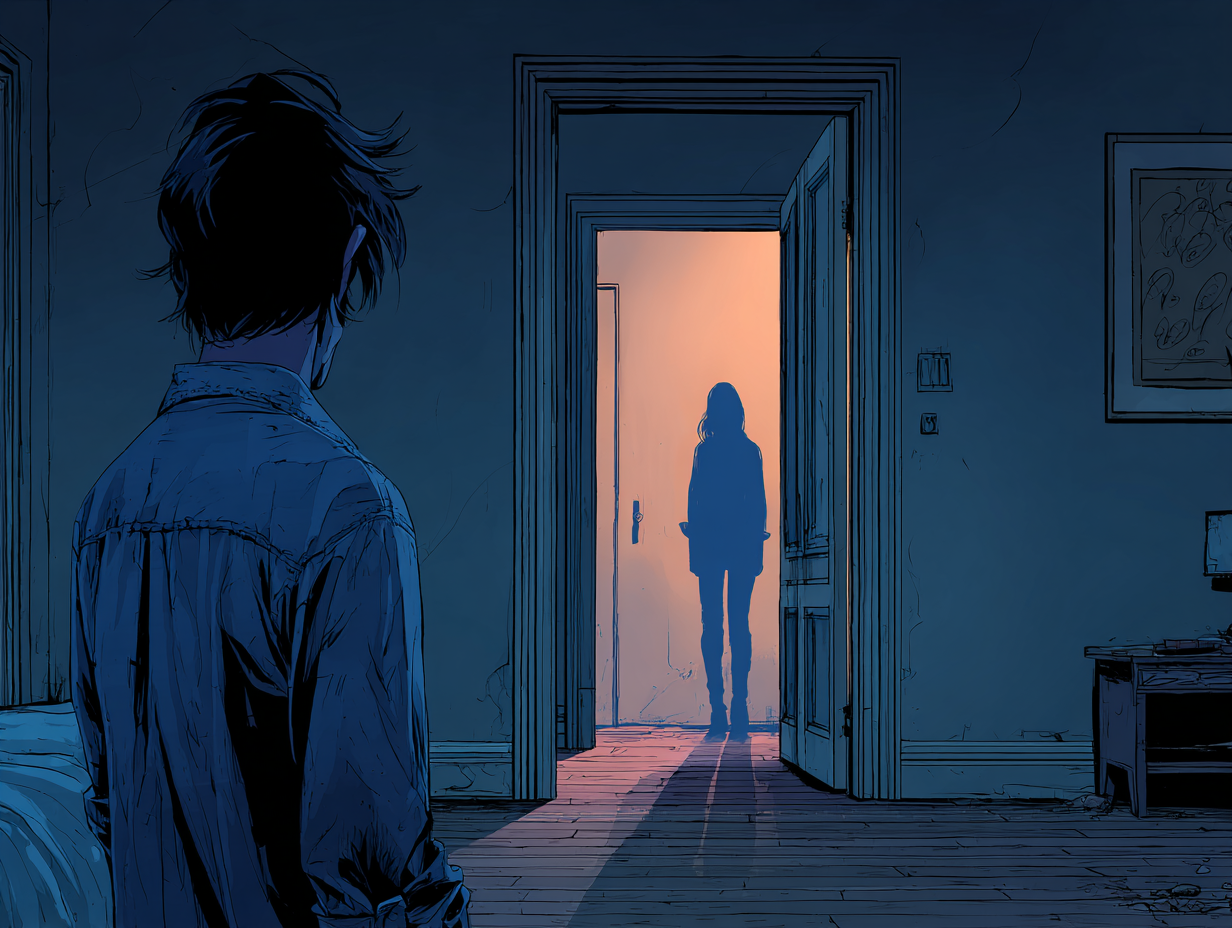
Picture this: someone wakes up expecting an ordinary weekday, only to discover their spouse packed belongings during the night and left a short text message saying the marriage is over. Even if conflict existed before, the nervous system may still react with shock because the emotional rupture happened too quickly for the brain to process safely.
That reaction is not weakness. Human attachment systems are designed to seek stability and connection. When an attachment bond suddenly breaks, the brain often interprets the experience as a threat to emotional survival.
Physical and nervous-system symptoms
Abandonment distress is not “just emotional.” The body often becomes heavily involved. According to the National Institute of Mental Health, prolonged stress can affect sleep, appetite, concentration, muscle tension, and emotional regulation.
Some people experiencing spousal abandonment syndrome report symptoms such as:
- insomnia or fragmented sleep;
- chest tightness or rapid heartbeat;
- nausea or appetite changes;
- fatigue and exhaustion;
- difficulty concentrating;
- hypervigilance and constant alertness;
- restlessness or inability to relax.
Here’s why this matters: the nervous system often cannot distinguish cleanly between emotional threat and physical threat. Sudden abandonment may activate the body’s fight-or-flight response, increasing stress hormones like cortisol and adrenaline.
For some people, the body remains stuck in that activated state for weeks or months. They may repeatedly check messages, wake up in panic during the night, or feel unable to calm down even in safe environments.
You may also notice that ordinary tasks suddenly feel exhausting. Grocery shopping, answering work emails, or helping children with homework may require far more emotional energy than usual. Stress overload narrows the brain’s ability to focus on anything except emotional danger.
| Experience | Common Emotional Pattern | Typical Focus |
|---|---|---|
| Grief after separation | Sadness and longing | Loss of relationship |
| Trauma-related distress | Hypervigilance and panic | Emotional safety |
| Spousal abandonment syndrome | Shock and rejection | Sudden relational rupture |
| Depression | Persistent hopelessness | Low mood and withdrawal |
Why obsessive thoughts happen
One of the most distressing parts of abandonment is the mental looping. People often replay conversations repeatedly, search for hidden explanations, or imagine scenarios where the relationship could still be repaired.
You may catch yourself rereading messages late at night or checking whether your spouse viewed a social media story. Even when you know these behaviors increase distress, stopping can feel nearly impossible.
This usually happens because the brain is trying to restore predictability. Sudden abandonment leaves emotional questions unresolved:
- Why did this happen?
- Was any of it real?
- Could I have prevented it?
- Will they come back?
The brain naturally wants a coherent story after painful events. Without one, rumination often becomes an attempt to regain emotional control.
Attachment patterns may also influence these reactions. People with anxious attachment tendencies sometimes experience stronger fears of rejection or emotional abandonment. That does not mean they are “too needy.” It means the nervous system may become especially sensitive to separation and unpredictability.
At the same time, obsessive searching for answers rarely creates lasting relief. In many cases, it increases emotional activation and delays stabilization. This is one reason therapists often focus first on grounding, sleep, emotional regulation, and restoring daily structure before trying to solve every unanswered question.
Important to know: if abandonment-related distress starts interfering with eating, parenting, work responsibilities, or personal safety, professional mental-health support may help. Severe hopelessness, self-harm thoughts, or inability to function deserve immediate attention. In the United States, call or text 988 for crisis support. If there is immediate danger, call 911.
How to Cope With Spousal Abandonment Syndrome Day by Day
The early stages of abandonment often feel chaotic and emotionally consuming. Spousal abandonment syndrome can disrupt routines, concentration, appetite, sleep, and even basic decision-making. During this phase, healing usually begins with stabilization, not with finding perfect answers.
That can feel frustrating. Most people desperately want closure first. But the nervous system generally recovers faster when safety and structure return before deep emotional analysis begins.
Immediate stabilization strategies
When emotional overwhelm is high, the goal is not to “feel positive.” The goal is reducing emotional overload enough for the body and mind to function again.
Some practical coping strategies include:
- maintaining regular meals, even if appetite feels low;
- creating a simple daily structure for mornings and evenings;
- limiting repeated checking of texts or social media;
- getting physical movement each day, even brief walks;
- using grounding exercises during panic or emotional spirals;
- staying connected to at least one emotionally safe person.
Grounding techniques can help interrupt the nervous system’s threat response. For example, some people use the “5-4-3-2-1” method:
- identify 5 things you can see;
- identify 4 things you can touch;
- identify 3 things you can hear;
- identify 2 things you can smell;
- identify 1 thing you can taste.
This does not erase grief. What it often does is help the brain reconnect with the present moment instead of remaining trapped in emotional alarm.
Sleep deserves special attention. After abandonment, many people wake repeatedly during the night or replay conversations for hours in bed. Gentle structure sometimes helps more than forcing sleep itself:
- consistent bedtime and wake times;
- reduced late-night scrolling or message checking;
- lower caffeine intake during high-stress periods;
- calming routines before bed.
If sleep problems become severe or continue for weeks, discussing them with a licensed healthcare professional may be appropriate.
Rebuilding routines after abandonment
One reason abandonment feels so destabilizing is that relationships shape daily identity. Shared meals, parenting patterns, finances, weekend routines, and future plans suddenly disappear or change. Even small moments can trigger grief.
For example, someone may break down emotionally while buying groceries because they automatically reach for foods their spouse liked. Another person may feel panic every evening because that used to be the couple’s time together.
These moments can feel irrational, but they are extremely common.
During recovery, routines help restore predictability to the nervous system. That does not mean becoming emotionally numb. It means giving the brain repeated signals that life still contains structure and safety.
Helpful rebuilding strategies may include:
- keeping regular work or school schedules when possible;
- reintroducing hobbies that existed before the relationship;
- creating new rituals with children or friends;
- setting small achievable goals for each week;
- limiting major impulsive decisions during peak emotional distress.
Here’s something many people do not expect: emotional waves often arrive unpredictably. You may feel stable one morning and devastated by afternoon after hearing a song, seeing a photograph, or receiving legal paperwork. Recovery rarely moves in a perfectly straight line.
That does not mean healing is failing.
What usually makes healing harder
When people feel abandoned, the brain naturally searches for relief. Some coping behaviors help stabilize recovery. Others accidentally intensify emotional distress over time.
Common patterns that often prolong suffering include:
- repeatedly begging for reassurance or contact;
- tracking a spouse’s social media obsessively;
- isolating completely from supportive people;
- using alcohol or substances to numb emotions;
- neglecting eating, hydration, or sleep;
- making major financial or relationship decisions impulsively.
And honestly, many of these behaviors make emotional sense in the moment. Someone who feels emotionally abandoned is usually trying to regain connection, certainty, or control.

But closure cannot always be forced. Repeated attempts to extract explanations from an emotionally unavailable spouse sometimes deepen humiliation and emotional exhaustion instead of reducing them.
This is where boundaries become important. Boundaries are not about pretending you no longer care. They are about protecting emotional stability while grief and uncertainty are still raw.
For parents, coping may also involve balancing personal distress with caregiving responsibilities. Children often notice emotional tension quickly, even when adults try to hide it. Maintaining routines, emotional reassurance, and calm communication tends to support children more effectively than oversharing adult conflict details.
If you feel emotionally exhausted from trying to hold everything together, pause for a moment and recognize this: surviving sudden abandonment requires enormous emotional energy. Stabilization is not weakness or avoidance. In many cases, it is the first stage of recovery.
When Professional Help for Spousal Abandonment Syndrome May Help
Not everyone who experiences abandonment needs therapy immediately. At the same time, spousal abandonment syndrome can sometimes overwhelm a person’s ability to function emotionally, physically, or socially. Professional support may help when distress remains intense for weeks, begins affecting daily life, or starts creating safety concerns.
Seeking support is not an admission of weakness. In many cases, it is a way of helping the nervous system recover before emotional exhaustion deepens further.
Therapy approaches that may help
Different therapy approaches support different needs. A licensed psychologist, counselor, clinical social worker, or psychiatrist may tailor treatment depending on symptoms, trauma history, and current stress levels.
According to the American Psychological Association, trauma-informed approaches and cognitive-behavioral therapies often help people process overwhelming emotional experiences more safely.
Therapy after abandonment may focus on:
- reducing panic and emotional overwhelm;
- improving sleep and daily functioning;
- processing betrayal, grief, or rejection;
- rebuilding emotional boundaries;
- understanding attachment patterns;
- reducing obsessive rumination;
- restoring self-trust and emotional stability.
Several evidence-based approaches may be useful:
- CBT, which helps identify distressing thought patterns and emotional spirals;
- Acceptance and Commitment Therapy (ACT), which supports emotional flexibility and grounding;
- trauma-informed therapy, especially when abandonment activates older relational wounds;
- grief counseling, particularly after long marriages or family disruption;
- family therapy, when children are struggling emotionally after separation.
For some people, medication discussions with a healthcare provider may also become part of treatment, especially if severe anxiety, panic symptoms, depression, or insomnia persist. Medication decisions should always be made with a qualified medical professional familiar with the individual’s situation.
And honestly, one of the most healing parts of therapy is often simple emotional validation. Many abandoned spouses spend months wondering whether they are “too emotional” or “overreacting.” A skilled clinician can help normalize distress while also guiding recovery forward.
Signs extra support may be needed
Emotional pain after separation is normal. But certain signs suggest the nervous system may need more structured support.
Professional help may be worth considering if you notice:
- persistent inability to sleep or eat normally;
- panic attacks or severe anxiety;
- difficulty caring for children or meeting work responsibilities;
- thoughts of hopelessness or worthlessness;
- social withdrawal lasting weeks or months;
- increased alcohol or substance use;
- constant emotional numbness or dissociation;
- repetitive thoughts of self-harm or suicide.
Some people delay seeking help because they believe they should “handle it alone.” Others fear therapy means the situation is more serious than they want to admit.
But here’s a key point: therapy is not reserved only for crisis situations. Many people benefit from support long before distress reaches a dangerous level.
If abandonment has activated older trauma, childhood emotional neglect, or previous relationship injuries, healing may also take longer without professional guidance. A therapist can help untangle those overlapping emotional layers safely.
Important to know: if emotional distress escalates into thoughts of self-harm, inability to stay safe, or complete emotional collapse, immediate support matters. In the United States, call or text 988 for the Suicide & Crisis Lifeline. If there is immediate danger, call 911.
What recovery often looks like
Recovery from abandonment rarely happens in one dramatic breakthrough. More often, healing unfolds gradually through small moments of emotional stabilization.
At first, progress may simply mean sleeping through the night again. Later, it may look like going several hours without checking your phone obsessively. Eventually, many people notice they can think about the relationship without entering full emotional survival mode.
That process takes time. Especially after long marriages, the nervous system may need months to adjust to the loss of emotional routines and attachment patterns.
For many people, recovery eventually includes:
- less emotional panic during reminders of the relationship;
- stronger daily functioning and concentration;
- improved emotional boundaries;
- reconnection with friendships or personal interests;
- greater emotional self-trust;
- reduced obsession with obtaining closure.
Some relationships reconcile after separation. Others do not. Healing does not depend entirely on whether the marriage survives. In many cases, recovery means rebuilding emotional safety inside yourself rather than waiting for another person to restore it.
It’s okay if recovery feels slower than you expected. Sudden abandonment can shake identity, attachment, and emotional security simultaneously. Stabilization often happens step by step, not all at once.
Can Relationships and Trust Recover After Spousal Abandonment Syndrome?
After sudden abandonment, many people stop asking only “Why did this happen?” and begin asking something even more painful: “Will I ever feel safe with someone again?” That fear is extremely common after spousal abandonment syndrome, especially when trust was broken abruptly or without explanation.
Healing is not only about surviving the end of a relationship. It is also about rebuilding emotional safety, identity, and the ability to connect without constant fear of rejection.
Supporting children during separation
Children often notice emotional changes quickly, even when adults try to shield them from conflict. They may become anxious, withdrawn, irritable, or unusually clingy during separation and abandonment-related stress.
What tends to help most is not pretending everything is fine. Children usually benefit more from emotional steadiness, predictable routines, and age-appropriate honesty.
Helpful approaches often include:
- maintaining regular school and bedtime routines;
- avoiding adult conflict discussions in front of children;
- reassuring children that they are not responsible for the separation;
- allowing emotional expression without pressure;
- seeking family or child therapy if emotional distress increases.
For example, a child may repeatedly ask when the absent parent is coming home. That question can trigger enormous grief in the abandoned spouse. Still, calm reassurance usually supports children more effectively than emotionally loaded explanations or visible panic.
Parents do not need to appear emotionally perfect. They only need to provide enough consistency and emotional safety for children to feel protected.
Fear of future abandonment
One of the lasting effects of abandonment trauma is hypervigilance inside future relationships. Some people become emotionally guarded. Others become highly anxious about signs of rejection, delayed text messages, or emotional distance.
This reaction often develops because the brain is trying to prevent another painful shock. If abandonment once arrived unexpectedly, the nervous system may start scanning constantly for danger.
You might notice thoughts like:
- “What if this person leaves too?”;
- “I should not trust anyone completely again.”;
- “If someone pulls away emotionally, I need to prepare immediately.”.
These fears can feel exhausting. And honestly, they often persist even after the relationship itself is over.
Therapy, supportive relationships, and emotional boundaries may gradually help reduce this hypervigilance over time. Healing usually involves learning that emotional safety cannot come entirely from controlling another person’s behavior.
Instead, safety often grows from self-trust, emotional awareness, healthy boundaries, and the ability to tolerate uncertainty without collapsing emotionally.
Rebuilding emotional safety
Recovery does not necessarily mean forgetting the abandonment or pretending it did not matter. In many cases, healing means integrating the experience into your life story without allowing it to define your future completely.
For some people, rebuilding emotional safety eventually includes dating again. For others, it begins much earlier through friendships, family support, personal routines, creative work, spirituality, or reconnecting with parts of identity that became lost inside the marriage.

Here’s something important to remember: abandonment often damages trust in yourself as much as trust in others. Many people begin questioning their judgment, emotional instincts, or ability to recognize unhealthy dynamics.
Over time, emotional recovery often looks like:
- feeling less panic around uncertainty;
- trusting personal boundaries more consistently;
- recognizing unhealthy relationship patterns earlier;
- allowing closeness without constant fear;
- building a life that feels emotionally stable again.
That process rarely happens quickly. But people absolutely can rebuild meaningful relationships and emotional security after abandonment. Human attachment systems are capable of healing, especially when supported by safe relationships, emotional insight, and appropriate mental-health care.
If recovery feels uneven, that does not mean you are failing. It often means your nervous system is still learning that connection and safety are possible again.
References
1. American Psychiatric Association. Diagnostic and Statistical Manual of Mental Disorders (DSM-5-TR). 2024.
2. American Psychological Association. Stress Effects on the Body. 2023.
3. National Institute of Mental Health. So Stressed Out Fact Sheet. 2023.
4. American Psychological Association. Clinical Practice Guideline for the Treatment of PTSD. 2023.
5. 988 Suicide & Crisis Lifeline. 988 Suicide & Crisis Lifeline. 2025.
6. Substance Abuse and Mental Health Services Administration (SAMHSA). Disaster Distress and Emotional Support Resources. 2024.
Conclusion
Spousal abandonment syndrome can leave people feeling emotionally shattered, confused, and physically exhausted. Even though the term is not an official DSM-5-TR diagnosis, the distress connected to sudden abandonment is very real and can affect the nervous system, emotional regulation, sleep, and daily functioning.
Recovery usually begins with stabilization rather than instant closure. Rebuilding routines, emotional safety, boundaries, and supportive connections often matters more initially than finding perfect explanations for what happened.
If abandonment-related distress becomes overwhelming or starts affecting safety, parenting, work, or emotional functioning, professional support may help. Healing rarely happens all at once, but emotional stability and trust can gradually return over time.
In a crisis, call or text 988 in the United States for the Suicide & Crisis Lifeline. If there is immediate danger, call 911.
Frequently Asked Questions
Is spousal abandonment syndrome a real diagnosis?
No. Spousal abandonment syndrome is not an official diagnosis in the DSM-5-TR. The term is commonly used to describe intense emotional and physical distress after sudden relational abandonment.
Why does abandonment hurt physically?
Sudden abandonment can activate the body’s stress response system. Some people experience chest tightness, insomnia, nausea, fatigue, or panic symptoms because the nervous system reacts to emotional loss as a serious threat.
Can sudden abandonment trigger panic attacks?
Yes. Intense emotional shock and uncertainty can trigger panic symptoms in some people, especially if the separation happened abruptly or activated older trauma or attachment fears.
How long does recovery from abandonment usually take?
Recovery timelines vary widely. Some people begin stabilizing within months, while others need longer periods to rebuild emotional safety, routines, and trust after major relationship loss.
Should I keep contacting my spouse for closure?
Repeated attempts to force closure sometimes increase emotional distress instead of reducing it. Boundaries, emotional support, and stabilization often help recovery more effectively than constant pursuit of explanations.
When should I seek therapy after abandonment?
Consider professional support if distress interferes with sleep, parenting, work, safety, or emotional functioning. Therapy may also help if panic, hopelessness, or obsessive rumination persist for weeks.
Can people trust again after abandonment?
Yes. Trust often rebuilds gradually through emotional healing, healthy boundaries, supportive relationships, and self-trust. Recovery does not erase pain, but many people eventually feel emotionally safe again.