Marriage Communication Tips: How to Improve Communication and Reduce Conflict

/https://cdn.freudly.ai/media/pages/images/cd7f02ef-9cb6-4c41-b6cf-99bb5f99cc6e.png)
Communication problems in marriage can feel exhausting, especially when the same arguments repeat without resolution. Many people search for marriage communication tips when they feel unheard, misunderstood, or stuck in conflict. The good news is that communication is a skill, not a personality trait, which means it can be improved with the right approach.
In this guide, you’ll learn why communication breaks down, what actually helps in real conversations, and how to respond differently during conflict. You’ll also see when it makes sense to seek professional support and what that process looks like in the United States.

Understanding Marriage Communication Tips and Their Impact
Marriage communication tips are practical strategies that help partners express thoughts, emotions, and needs in a way that builds understanding instead of conflict. At their core, these tips are not about “winning” conversations but about creating clarity, safety, and connection between two people.
Here’s the key point: most communication problems in marriage are not about what is being said, but how it is being said and interpreted. Two people can discuss the same issue, yet experience completely different emotional realities. That mismatch is where frustration begins.
In everyday life, this often shows up in subtle ways. For example, one partner may say, “You never help around the house,” intending to express overwhelm. The other partner hears criticism and responds defensively. The original need, support, gets lost in the exchange.
From a psychological perspective, communication in relationships is shaped by emotional regulation, past experiences, and learned behavior patterns. According to the American Psychological Association, communication quality is one of the strongest predictors of relationship satisfaction. When communication becomes reactive or avoidant, relationship stress tends to increase.
Healthy communication does not mean the absence of conflict. In fact, disagreements are normal in long-term relationships. What matters is how partners navigate those moments. Effective marriage communication tips focus on three core elements:
- clarity of expression, so needs are understandable rather than implied;
- emotional awareness, so reactions do not override the message;
- mutual respect, even during disagreement.
At the same time, it is important to normalize that communication struggles are common. Many couples fall into repetitive patterns without realizing it. Feeling misunderstood does not mean the relationship is broken. But if these patterns continue without adjustment, they can lead to emotional distance over time.
Think of communication as a system rather than isolated conversations. Each interaction either strengthens trust or adds tension. Small changes in how you speak and listen can gradually shift that system toward more stability and connection.
If you have ever felt like conversations escalate too quickly or end without resolution, you are not alone. The purpose of learning marriage communication tips is not to eliminate disagreement, but to make those conversations more productive, respectful, and emotionally safe.
Why Does Communication Break Down in Marriage?
Communication in marriage usually breaks down not because partners don’t care, but because they fall into automatic emotional and behavioral patterns. These patterns can develop slowly and become so familiar that couples stop noticing them.
Here’s the thing: most conflict conversations follow predictable cycles. Once you recognize them, it becomes easier to interrupt the pattern instead of repeating it.
The Criticism–Defensiveness Cycle
One of the most common patterns described in relationship research, including work by the Gottman Institute, is the cycle of criticism and defensiveness. It often starts with a complaint that turns into a personal attack.
For example, instead of saying, “I feel overwhelmed and need help,” a partner says, “You never help me.” The other partner may respond with excuses, counterattacks, or withdrawal. At that point, the conversation shifts from solving a problem to protecting oneself. In this version, the statement sounds like blame rather than a request for support.
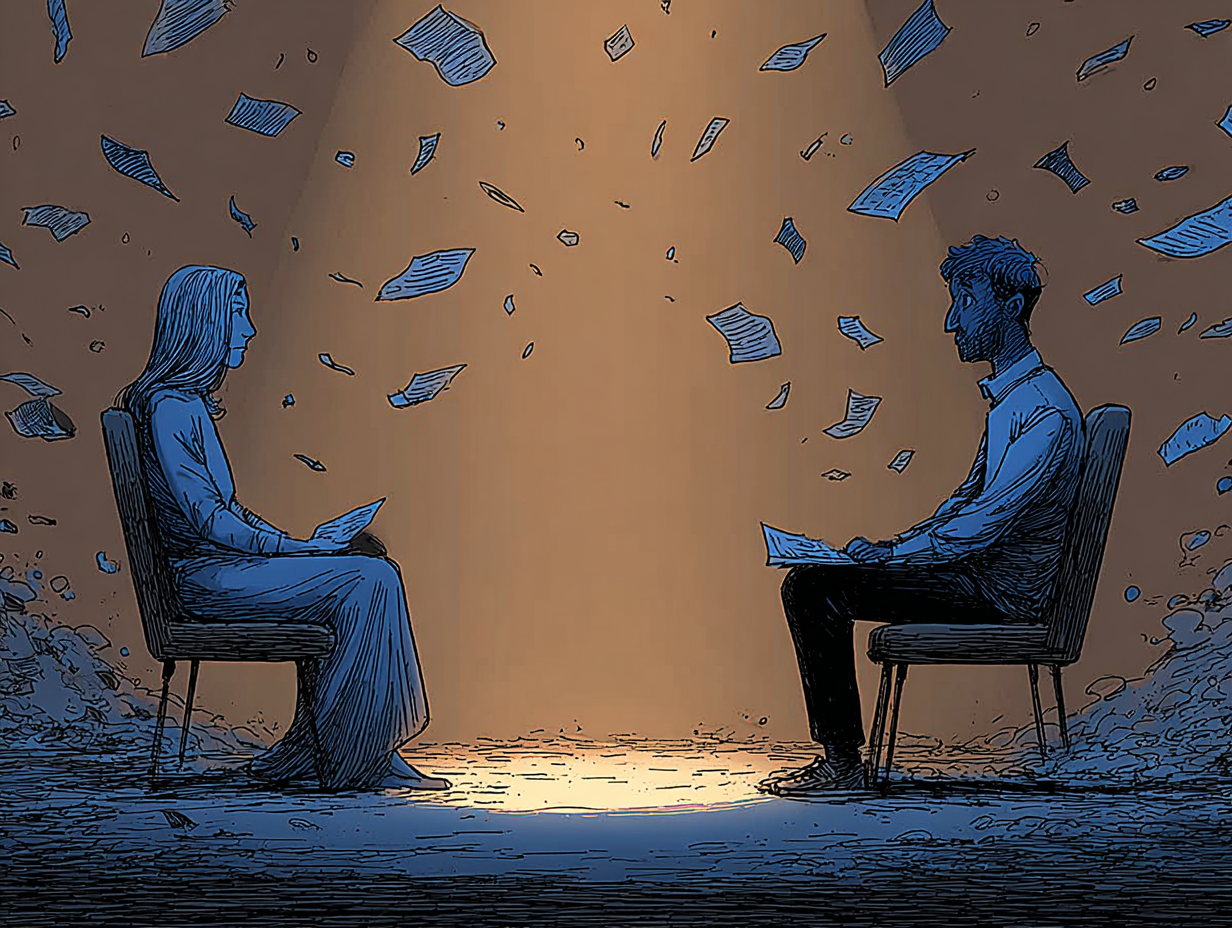
This cycle escalates quickly because both people feel misunderstood. Over time, repeated experiences like this can reduce trust and emotional safety in the relationship.
Emotional Flooding
Another key mechanism is emotional flooding. This happens when the nervous system becomes overwhelmed during conflict. Heart rate increases, thinking becomes less clear, and reactions become more impulsive.
In that state, even simple communication becomes difficult. A neutral comment can feel like criticism, and small disagreements can turn into larger arguments. According to research in relationship psychology, once a person is emotionally flooded, their ability to listen and respond constructively drops significantly.
Imagine a situation where a couple is discussing finances after a stressful day. One partner raises a concern, the other already feels tense, and within minutes the conversation becomes heated. The problem is not just the topic, but the emotional state each person brings into it.
Avoidance and Withdrawal
Not all communication breakdowns look like arguments. In many marriages, the pattern is the opposite: silence. One partner may avoid difficult conversations altogether to prevent conflict.
At first, avoidance can feel like keeping the peace. But over time, it creates distance. Important issues remain unresolved, and resentment can build quietly. The partner who wants to talk may feel ignored, while the one avoiding conflict may feel overwhelmed or pressured.
This dynamic is sometimes linked to attachment styles, such as avoidant or anxious patterns, although it does not mean anything is “wrong” with either person. It simply reflects different ways of coping with stress in relationships.
Unspoken Expectations
Another frequent cause of miscommunication is the assumption that a partner should “just know” what the other needs. When expectations are not expressed clearly, disappointment becomes almost inevitable.
For instance, one partner may expect emotional support after a difficult day but does not say it directly. When the other partner responds in a practical or distracted way, it feels like neglect, even though the need was never clearly communicated.
This gap between expectation and expression is where many misunderstandings begin. Marriage communication tips often focus on making the invisible visible, turning assumptions into clear, respectful requests.
Why These Patterns Repeat
These patterns persist because they are reinforced over time. Each negative interaction strengthens the familiar response. Without conscious effort, the brain defaults to the same reactions again and again.
The important part is this: these patterns are learned, which means they can be changed. Understanding how communication breaks down is the first step toward applying more effective marriage communication tips in real conversations.
Best Marriage Communication Tips That Actually Work
Effective marriage communication tips are not about saying the “perfect” words. They are about changing patterns so conversations feel safer, clearer, and more productive. Small shifts in how you speak and listen can quickly change the tone of an interaction.
Below are practical techniques that are widely used in counseling and evidence-based approaches like cognitive behavioral therapy and the Gottman method. The goal is not perfection, but consistency.
Active Listening: Understand Before Responding
Active listening means focusing on what your partner is saying instead of preparing your reply. It helps reduce defensiveness and increases the chance of being understood on both sides.
In practice, this can be as simple as reflecting back what you heard. For example, instead of responding immediately, you might say, “So you’re feeling overwhelmed because of work and home responsibilities, did I get that right?”
This approach slows the conversation down and signals respect. Even if you disagree, your partner feels heard, which lowers emotional intensity.
Use “I” Statements Instead of Blame
How you start a sentence often determines how the conversation will unfold. “You” statements tend to sound like criticism, while “I” statements express personal experience without обвинение.
Compare these two examples:
- “You never listen to me”;
- “I feel ignored when I’m talking and don’t get a response”.
The second version communicates the same issue but invites understanding instead of triggering defensiveness. Over time, this shift can significantly improve communication in marriage.
Choose the Right Timing
Timing matters more than most people expect. Difficult conversations rarely go well when one or both partners are tired, stressed, or distracted.
For instance, bringing up a sensitive topic late at night or during a busy workday often leads to quick escalation. A more effective approach is to agree on a time to talk when both people are emotionally available.
This does not mean avoiding important conversations. It means creating conditions where communication can actually work.
Avoid Criticism, Defensiveness, and Stonewalling
Many relationship researchers highlight four communication patterns that tend to damage relationships: criticism, defensiveness, contempt, and withdrawal (often called stonewalling). Even reducing these patterns slightly can improve relationship satisfaction.
Instead of criticizing, focus on specific behaviors. Instead of defending automatically, pause and consider your partner’s perspective. If you feel overwhelmed, it is okay to take a short break and return to the conversation later.
For example, you might say, “I’m starting to feel overwhelmed, can we pause and continue this in 20 minutes?” This keeps the conversation respectful without shutting it down completely.
Make Clear and Specific Requests
One of the most useful marriage communication tips is learning to ask for what you need directly. Vague complaints often lead to confusion, while clear requests make it easier for your partner to respond.
Instead of saying, “You don’t support me,” try something specific like, “Can we spend 20 minutes talking about my day without distractions?”

This reduces guesswork and increases the likelihood of a positive outcome. Clear requests also prevent the buildup of frustration over time.
Consistency Matters More Than Intensity
Here’s a key insight: communication improves through repetition, not one perfect conversation. Trying a new approach once may feel awkward, but using it consistently creates new habits.
Imagine a couple who starts using active listening during disagreements. At first, it feels unnatural. But after several conversations, it becomes more automatic, and conflicts begin to resolve faster.
In many cases, progress in communication is gradual. Even small improvements can reduce tension and rebuild a sense of partnership.
How to Stay Calm and Communicate During Conflict?
Staying calm during conflict is one of the most challenging parts of communication in marriage. Strong emotions can override logic within seconds, making even simple conversations feel intense. The goal is not to suppress emotions, but to manage them so communication remains constructive.
Here’s the key point: when your nervous system is overwhelmed, your ability to listen, think clearly, and respond thoughtfully decreases. That is why emotional regulation is central to effective marriage communication tips.
Recognize Early Signs of Escalation
Conflict rarely explodes instantly. It usually builds through small signals: raised voice, faster speech, tension in the body, or a sudden urge to interrupt. Learning to notice these signs early gives you a chance to change direction before the conversation escalates.
For example, you might notice your heart rate increasing during a discussion about responsibilities. Instead of pushing through, you can pause and acknowledge it: “I’m getting tense, I want to keep this conversation productive.”
Pause Instead of Reacting Automatically
One of the most effective techniques is a simple pause. When you feel triggered, take a few seconds before responding. This creates space between emotion and reaction.
In real situations, this might mean taking a breath, counting silently, or briefly looking away to reset. Even a short pause can prevent a defensive or hurtful response that would escalate the conflict.
Think of it as interrupting the automatic pattern described earlier. Instead of reacting, you are choosing how to respond.
Use Grounding Techniques
Grounding techniques help bring your attention back to the present moment and reduce emotional intensity. These methods are commonly used in therapy, including approaches like mindfulness-based interventions and cognitive behavioral strategies.
- slow breathing, focusing on longer exhales;
- noticing physical sensations, such as your feet on the floor;
- briefly stepping away from the conversation to reset.
These techniques are simple, but they directly affect the body’s stress response. When your body calms down, your communication improves naturally.
Take Breaks Without Avoiding the Issue
Taking a break during conflict is helpful, but only if it is done intentionally. Walking away without explanation can feel like rejection to your partner. A more effective approach is to agree on a pause and return to the conversation later.
For example: “I’m feeling overwhelmed right now. Can we take a 20-minute break and come back to this?” This keeps the connection intact while allowing both people to regulate emotions.
Research in relationship psychology suggests that even short breaks can significantly reduce emotional flooding and improve problem-solving.

Taking a break is not the same as avoiding conflict. The key difference is commitment to return and continue the conversation once both partners feel calmer.
Shift From Winning to Understanding
During conflict, it is easy to focus on proving a point or “winning” the argument. However, this mindset often makes communication worse. When both partners try to win, both usually feel unheard.
Shifting the goal to understanding changes the tone of the conversation. Instead of asking, “How do I prove I’m right?” the question becomes, “What is my partner actually trying to express?”
For instance, a disagreement about chores may actually be about feeling unsupported or overwhelmed. Addressing the underlying emotion leads to more meaningful resolution than debating surface details.
Practice Emotional Responsibility
Each partner is responsible for managing their own emotional responses. This does not mean ignoring feelings, but recognizing them without placing blame on the other person.
For example, saying “I’m feeling frustrated and I need a moment” takes ownership of the emotion. Blaming statements, on the other hand, often escalate conflict and reduce cooperation.
Over time, practicing emotional responsibility strengthens trust and makes difficult conversations easier to navigate.
When Should You Seek Professional Help for Communication Issues?
Most couples can improve communication by applying consistent strategies, but there are situations where outside support becomes important. Seeking help does not mean the relationship is failing. In many cases, it is a proactive step to prevent deeper problems.
Here’s the key point: if communication patterns feel stuck, escalate quickly, or begin affecting daily life, professional guidance can provide structure and clarity that is difficult to achieve alone.
Signs That Extra Support May Help
Some communication challenges are temporary, while others become repetitive and harder to resolve over time. You may benefit from professional support if you notice patterns like:
- the same arguments repeating without resolution;
- conversations escalating into conflict very quickly;
- feeling consistently misunderstood or emotionally disconnected;
- avoidance of important topics to prevent arguments;
- tension affecting sleep, work, or overall well-being.
These signs do not indicate a diagnosis. They simply suggest that additional tools or perspective could be helpful.
How Couples Therapy Supports Communication
Couples therapy focuses on identifying communication patterns and replacing them with healthier alternatives. Licensed professionals such as psychologists, clinical social workers, or counselors are trained to observe interaction dynamics that partners may not notice themselves.
In many evidence-based approaches, such as cognitive behavioral therapy or emotionally focused therapy, sessions include structured exercises. These might involve practicing active listening, reframing negative thoughts, or learning how to express needs more clearly.
For example, a therapist may help a couple slow down a typical argument and identify where misunderstanding begins. This process can make communication more predictable and less reactive over time.
What to Expect in the United States
In the U.S., couples therapy is typically provided in 45–60 minute sessions, often once per week. Many providers offer in-person and telehealth options. Insurance coverage varies, but some plans include mental health benefits, while others may require out-of-network payment.
You can find licensed professionals through directories such as Psychology Today, insurance provider lists, or referrals from primary care providers. When choosing a therapist, it is reasonable to ask about their experience with relationship communication and evidence-based approaches.
Confidentiality is protected under HIPAA regulations. Information shared in therapy remains private, except in situations involving risk of harm to self or others, consistent with U.S. law.
Addressing Common Concerns About Therapy
Some people hesitate to seek help because they believe they should solve communication problems on their own. Others worry about being judged or misunderstood. These concerns are common and understandable.
In practice, therapy is not about assigning blame. It focuses on understanding patterns and creating more effective ways of interacting. Many couples report that even a few sessions help them see each other’s perspectives more clearly.
If one partner is unsure about therapy, starting with an individual session or consultation can be a less intimidating first step.
Crisis and Immediate Support
If communication issues are accompanied by intense distress, hopelessness, or thoughts of self-harm, it is important to seek immediate support.
- call or text 988 to reach the Suicide & Crisis Lifeline in the United States;
- if you or someone else is in immediate danger, call 911;
- these services are available 24/7 and provide confidential support.
Reaching out in difficult moments is a responsible and protective step. Support systems exist to help you navigate both relationship challenges and personal distress safely.
Ultimately, professional help can accelerate progress, especially when communication patterns have become deeply ingrained. Combining self-help strategies with guided support often leads to more stable and lasting improvement.
References
1. American Psychological Association. Marriage and Relationships. 2023.
2. American Psychological Association. Communication and Relationships. 2022.
3. National Institute of Mental Health. Stress. 2023.
4. Substance Abuse and Mental Health Services Administration. National Helpline. 2023.
5. Mayo Clinic. Conflict Resolution. 2022.
Conclusion
Effective marriage communication tips focus on small, consistent changes that improve clarity, emotional safety, and mutual understanding. Most communication breakdowns are driven by patterns like criticism, defensiveness, or emotional overwhelm, not a lack of care between partners.
Learning to pause, listen actively, and express needs clearly can significantly reduce conflict and improve connection over time. Even if communication feels difficult right now, these skills can be developed with practice.
If challenges persist or begin to affect your daily life, reaching out to a licensed mental health professional can provide structure and support. You do not have to navigate these patterns alone, and improvement is possible with the right tools and guidance.
If you are in crisis or experiencing thoughts of self-harm, call or text 988 (Suicide & Crisis Lifeline in the U.S.). If you are in immediate danger, call 911.
Frequently Asked Questions
What are the most important marriage communication tips?
The most important marriage communication tips include active listening, using “I” statements, choosing the right time for conversations, and making clear requests. These strategies reduce defensiveness and improve understanding between partners.
Why do couples keep having the same arguments?
Repeated arguments often come from communication patterns such as criticism, defensiveness, or avoidance. Without changing how conversations happen, the same issues tend to resurface even if the topic changes.
How can I communicate better with my spouse during conflict?
Focus on staying calm, pausing before reacting, and expressing your feelings clearly using “I” statements. Taking short breaks when emotions rise can also help maintain productive communication.
Is it normal to struggle with communication in marriage?
Yes, communication challenges are common in long-term relationships. Differences in emotional expression, stress levels, and expectations can all affect how partners interact. These skills can be improved over time.
When should couples consider therapy for communication issues?
Couples may consider therapy when conflicts repeat frequently, escalate quickly, or create emotional distance. A licensed therapist can help identify patterns and guide more effective communication strategies.
Can communication in marriage really improve?
Yes, communication is a learned skill. With consistent effort and the right techniques, many couples experience significant improvements in understanding and connection over time.