Soul Ties: What They Are, Common Signs, and When They Become Unhealthy
Strong emotional connections can linger long after a relationship ends. You might feel pulled back to someone you know wasn’t good for you, replay conversations in your head, or struggle to let go even when you want to move on. These experiences can be confusing and, at times, unsettling.
The term soul ties is often used to describe this kind of intense emotional bond. In psychology, soul ties are not a clinical diagnosis, but a popular way people try to explain why certain connections feel unusually powerful or hard to break. Behind the term are well-studied psychological processes, including attachment, bonding, and the brain’s reward systems, that can make emotional separation genuinely difficult.
In this article, you’ll learn what soul ties mean in psychological terms, the most common signs people associate with them, and how they differ from concepts like attachment or trauma bonding. We’ll also look at when these bonds are part of normal human connection, and when they may signal a need for extra support. The goal is clarity, not labels, so you can better understand what you’re experiencing and decide what steps, if any, make sense for you.

What Are Soul Ties in Psychological Terms?
At a basic level, soul ties is a popular, non-clinical term people use to describe an unusually strong emotional bond with another person. It often comes up when someone feels deeply connected, emotionally “stuck,” or unable to let go after a relationship ends. In psychology, however, soul ties is not a diagnosis and does not appear in the DSM-5-TR.
From a clinical perspective, what people call soul ties can be explained through well-studied psychological processes: attachment patterns, emotional bonding, and brain-based reward systems. These mechanisms help humans form close relationships, but under certain conditions they can also make separation feel intensely painful.
Why “Soul Ties” Is Not a Clinical Diagnosis
Psychology relies on clearly defined concepts that can be researched, assessed, and treated. The term soul ties doesn’t meet those criteria. Relationship science explains strong emotional bonds through attachment theory, trauma responses, and learning processes rather than spiritual or metaphysical explanations.
That distinction matters. Calling something a soul tie can make it feel mysterious or permanent, as if the bond exists outside your control. Psychological models, by contrast, emphasize that emotional connections are learned, reinforced, and changeable. That framing opens the door to understanding and, when needed, healing.
Why the Experience Feels So Real
Even though the term isn’t clinical, the experience people describe is very real. Emotional bonds are supported by powerful neurobiological systems designed to promote closeness and survival. When you connect deeply with someone, especially through intimacy, vulnerability, or shared stress, your brain releases chemicals like dopamine and oxytocin.
Dopamine reinforces reward and motivation. Oxytocin strengthens feelings of trust and closeness. Together, they can create a strong sense of emotional pull. When the relationship ends or becomes unstable, the sudden absence of that connection can trigger distress, rumination, and longing, much like withdrawal from a powerful habit.
This is why people sometimes say, “I know this relationship wasn’t healthy, but I still feel tied to them.” The reaction isn’t a failure of willpower. It’s the nervous system responding to the loss of a bond it learned to rely on.
How Attachment Fits In
Attachment theory helps explain why some emotional bonds feel harder to release than others. People with anxious or insecure attachment patterns may experience stronger fears of abandonment, heightened emotional dependence, or difficulty tolerating separation. In these cases, the bond can feel all-consuming, even when the relationship itself was short-lived.
For example, someone might feel intensely connected after a brief but emotionally charged relationship. They may replay interactions, idealize the other person, or feel a persistent urge to reconnect. These reactions reflect attachment activation, not a mystical connection.
A Useful Reframe
Here’s a helpful way to think about it: what’s often called a soul tie is an emotional bond that hasn’t fully resolved. It’s shaped by attachment needs, emotional learning, and the brain’s reward system. Understanding it this way doesn’t minimize the pain. It explains it.
And importantly, it also means the bond can change. Emotional ties are not fixed or destined. With time, reflection, and sometimes professional support, people can loosen unhealthy bonds and rebuild a sense of emotional autonomy.
What Are the Most Common Signs of a Soul Tie?
People usually start searching for answers about soul ties because something about their emotional experience feels confusing or out of proportion. The bond doesn’t fade the way they expected, even after a breakup or a decision to move on. While this term isn’t clinical, the signs people describe tend to follow recognizable psychological patterns.
Below are the most common emotional, cognitive, and behavioral signs often associated with what people call a soul tie. Experiencing one or two of these does not mean something is wrong with you. What matters is the intensity, duration, and impact on daily life.

Emotional Signs
One of the clearest indicators is a persistent emotional pull toward another person, even when the relationship has ended or was unhealthy. You may feel drawn to them despite logical reasons not to reconnect.
Common emotional signs include:
- a lingering sense of longing or emotional ache
- strong anxiety at the thought of permanent separation
- idealizing the person and minimizing the harm in the relationship
- feeling emotionally incomplete or unsettled without them
If you’ve ever thought, “I know this wasn’t good for me, but I still feel attached,” you’re describing a very human response. Emotional bonds don’t disappear on command. They unwind gradually, and sometimes unevenly.
Behavioral and Cognitive Signs
Beyond feelings, these bonds often show up in thought patterns and behaviors that are hard to interrupt.
You might notice:
- intrusive thoughts about the person that return throughout the day
- repeatedly checking their social media or rereading old messages
- difficulty focusing on work, relationships, or self-care
- urges to reach out, even after deciding not to
Cognitively, people may get stuck in “what if” thinking, replaying conversations, imagining different outcomes, or wondering whether the connection meant more than it actually did. These loops are fueled by the brain’s reward system, which learned to associate that person with comfort, validation, or emotional relief.
When the Signs Become Concerning
Strong emotional reactions after intimacy or loss are normal. What raises concern is how much these signs interfere with functioning. If emotional preoccupation lasts for months, disrupts sleep, isolates you from others, or keeps you from forming new connections, the bond may be reinforcing distress rather than healing.
This is where many people begin to worry that the connection is permanent or deeper than normal. In reality, these patterns often reflect unresolved attachment needs or emotional conditioning, not an unbreakable tie.
A Grounding Perspective
Here’s a key point: intense bonds say more about how the nervous system learned to attach than about destiny or fate. Feeling strongly connected doesn’t mean you’re weak or overly dependent. It means your brain and emotions did what they’re designed to do, seek closeness and safety.
The next step is understanding how these signs differ from other forms of attachment or trauma-related bonding, which helps clarify what kind of support, if any, is most helpful.
Soul Ties vs Attachment or Trauma Bond: What’s the Difference?
Many people feel confused when trying to understand intense emotional bonds because the language around them overlaps. Terms like soul ties, attachment, and trauma bonding are often used interchangeably online, even though they describe different psychological processes. Clarifying these differences helps reduce fear and points toward the right kind of support.
At a high level, what people call soul ties is a non-clinical umbrella term. Psychology explains similar experiences more precisely through attachment theory and trauma-related bonding.
| Concept | How it forms | Emotional pattern | When it becomes a problem |
|---|---|---|---|
| Healthy attachment | Consistent care and trust | Closeness with autonomy | Rarely limits functioning |
| Soul ties | Intense emotional or sexual bond | Strong emotional pull | When it blocks recovery |
| Trauma bond | Cycles of stress and relief | Anxiety and dependence | Leads to loss of control |
How Attachment Differs From Trauma Bonding
Attachment is a normal part of being human. According to attachment theory, people develop expectations about closeness and safety based on early and later relationships. Secure attachment allows intimacy without losing independence. Insecure attachment, especially anxious attachment, can amplify fear of loss and emotional dependence during adult relationships.
Trauma bonding is different. It develops when emotional connection is paired with unpredictability, fear, or emotional pain. The bond strengthens not despite the distress, but because of it. Periods of conflict or emotional withdrawal are followed by relief, affection, or reconciliation, which reinforces the attachment cycle.
This pattern is commonly discussed in trauma-informed psychology and is distinct from healthy attachment. It’s also more likely to involve loss of control, emotional dysregulation, and difficulty leaving even clearly harmful relationships.
Where “Soul Ties” Fits
The term soul ties often sits somewhere between these concepts. People use it to describe the felt intensity of a bond, not its mechanism. Sometimes the experience reflects anxious attachment. Other times, it overlaps with trauma bonding. In some cases, it’s simply the emotional aftermath of closeness, intimacy, and loss.
The key difference is this: psychology focuses on how a bond affects functioning. If the connection allows emotional growth and flexibility, it’s likely within the range of normal attachment. If it traps someone in distress, rumination, or repeated harm, it may reflect trauma-related patterns that benefit from professional support.
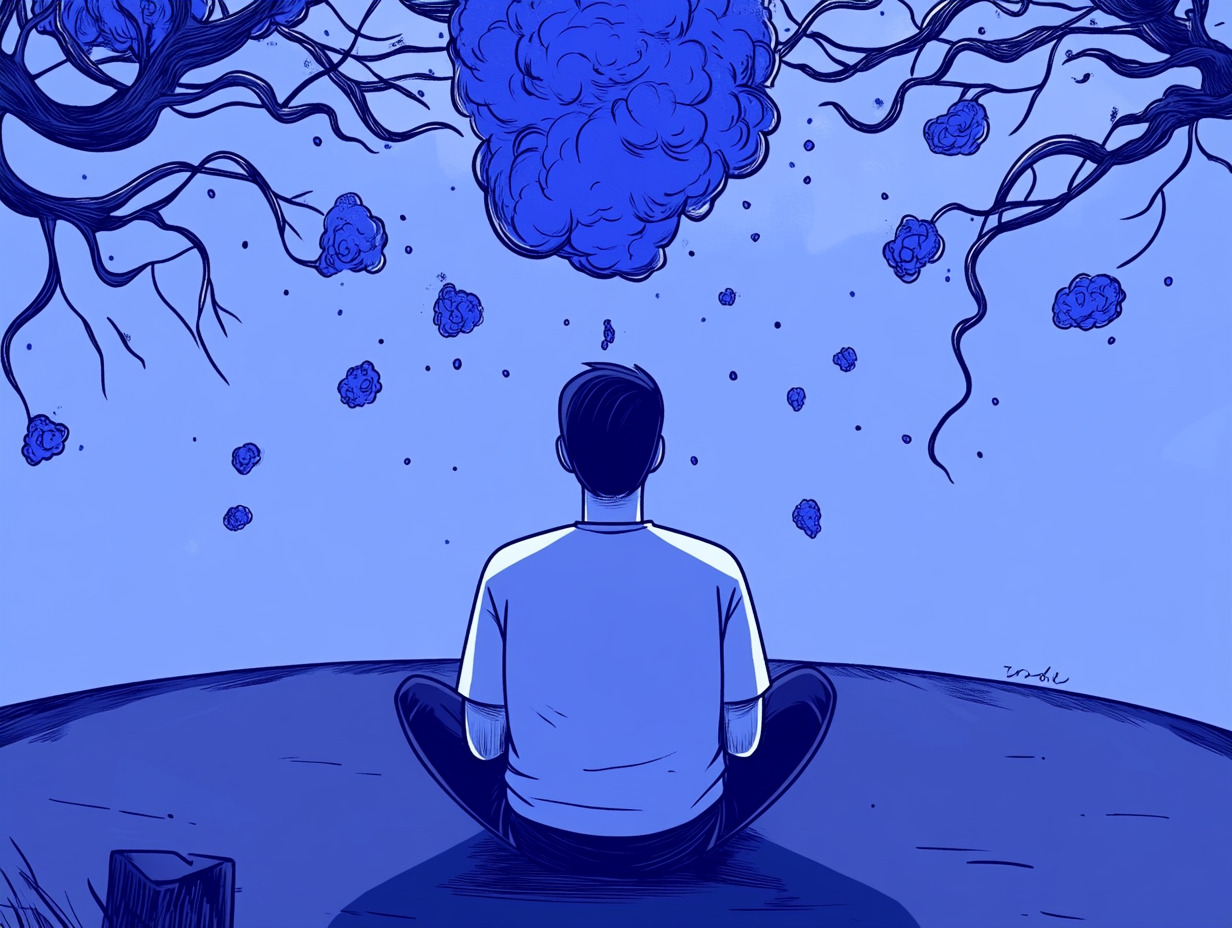
Understanding these distinctions can be relieving. It shifts the question from “Is this a special or destined bond?” to “What is happening in my nervous system, and what would help it settle?”
Are Soul Ties Always Unhealthy?
Not every intense emotional bond is a problem. Humans are wired for connection, and strong feelings after closeness or loss are often a normal part of attachment and grief. What matters is not the strength of the bond itself, but how it affects your ability to live, recover, and relate to others.
When Emotional Bonds Are Healthy
In healthy attachment, emotional closeness coexists with autonomy. You may miss someone, think about them occasionally, or feel sadness after a breakup, while still functioning in daily life. Over time, the emotional intensity gradually softens. New routines form, attention returns to work and relationships, and the bond loosens without force.
Even meaningful, loving relationships can leave a deep emotional imprint. Feeling changed by a connection does not mean you’re stuck with it forever. It means the relationship mattered.
When Emotional Bonds Become Limiting
An emotional bond becomes unhealthy when it interferes with healing or autonomy. This can look like prolonged rumination, emotional numbness, or feeling unable to imagine life beyond the relationship months or years later. Some people describe feeling frozen, as if part of them is still emotionally tied to the past.
At this point, the issue isn’t the bond itself, but the way it’s being reinforced. Avoidance of grief, repeated contact, or idealization can keep the nervous system activated, preventing emotional resolution.
A Practical Boundary
Here’s a simple guideline many clinicians use: ask whether the bond is flexible or rigid. Flexible bonds allow emotional movement and change. Rigid bonds feel fixed, consuming, and resistant to time or insight.
Strong emotions alone don’t mean something is wrong. Difficulty adapting, re-engaging with life, or regulating distress may signal that extra support could be helpful.
Recognizing this boundary helps reduce fear. It reframes the experience from “I’m permanently tied to this person” to “My emotional system hasn’t fully settled yet.” And systems, unlike fate, can change.
When Should You Seek Professional Help for a Soul Tie?
Strong emotional bonds usually ease with time, reflection, and support. But sometimes they don’t. Knowing when to seek professional help can prevent prolonged distress and help you regain a sense of balance.
Signs That Extra Support May Help
Consider reaching out to a licensed mental health professional if emotional attachment begins to affect your daily functioning or well-being. Common signals include:
- persistent rumination that lasts for months and disrupts sleep or concentration
- feeling emotionally stuck or unable to imagine life beyond the relationship
- repeated urges to reconnect despite clear negative consequences
- increasing anxiety, hopelessness, or isolation from friends and activities
These patterns don’t mean you’re failing to move on. They suggest your nervous system may need guidance to settle and recalibrate.
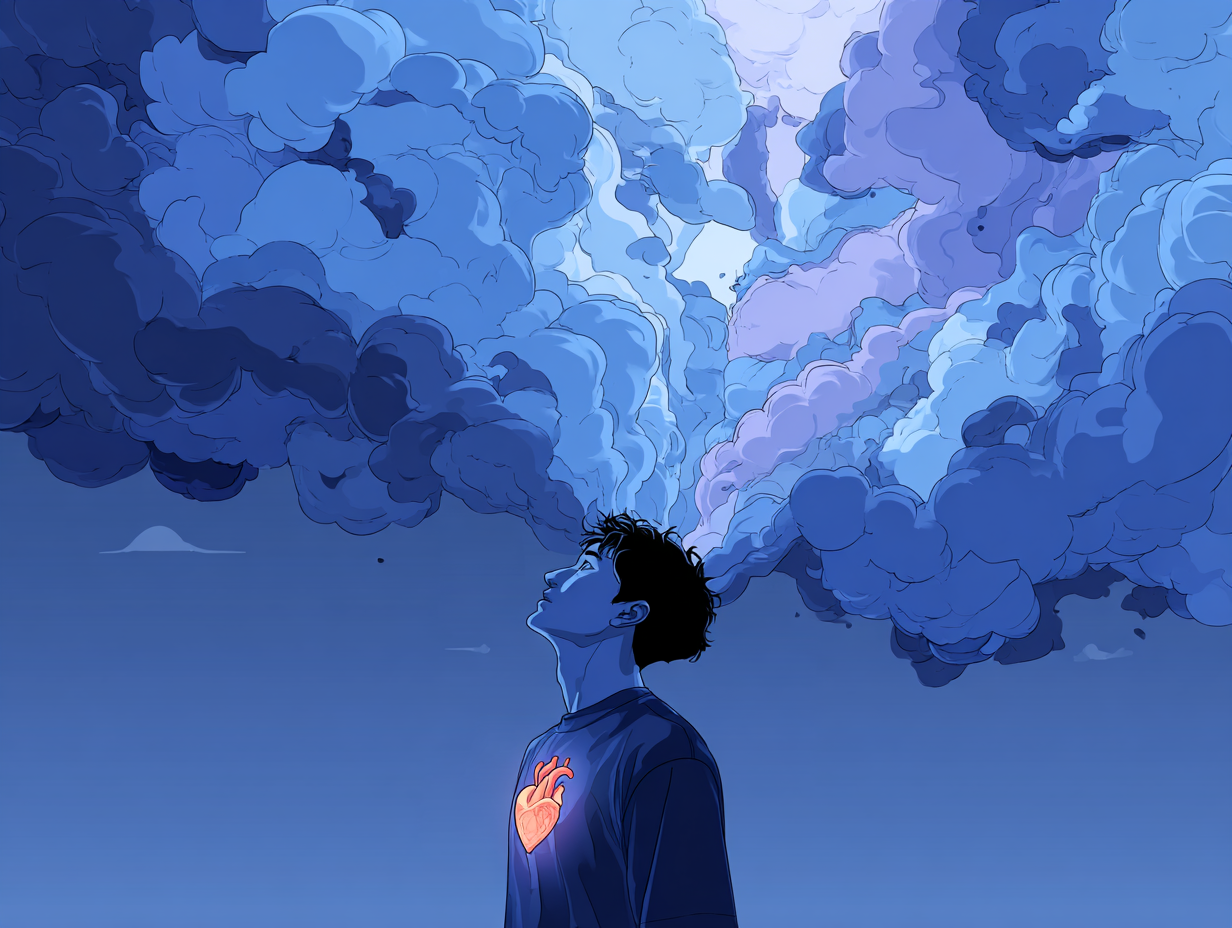
What Kind of Therapy Can Help
Several evidence-based approaches are commonly used to work with intense emotional bonds.
- attachment-based therapy helps identify and reshape patterns related to closeness, abandonment, and security
- cognitive behavioral therapy addresses rumination, idealization, and unhelpful thought loops that keep the bond active
- trauma-informed therapy can be useful if the relationship involved cycles of fear, instability, or emotional harm
- acceptance and commitment therapy supports letting go of struggle with thoughts and reconnecting with personal values
A therapist will not label your experience as destiny or pathology. The focus is practical: reducing distress, restoring autonomy, and supporting emotional recovery.
Safety and Crisis Resources
If emotional distress escalates to thoughts of self-harm, hopelessness, or feeling unsafe, seek immediate support. In the United States, you can call or text 988 to reach the Suicide and Crisis Lifeline. If you’re in immediate danger, call 911.
Confidential help is available around the clock. Reaching out early can shorten recovery and reduce suffering.
References
1. American Psychiatric Association. Diagnostic and Statistical Manual of Mental Disorders, DSM-5-TR. 2022.
2. National Institute of Mental Health. The Biology of Stress and Attachment. 2023.
3. American Psychological Association. Attachment Theory and Adult Relationships. 2021.
4. Substance Abuse and Mental Health Services Administration. 988 Suicide and Crisis Lifeline. 2023.
Conclusion
Intense emotional bonds can feel overwhelming, especially when they linger longer than expected. What many people call soul ties is not a diagnosis or a permanent condition, but a way of describing unresolved attachment shaped by emotion, learning, and the brain’s bonding systems.
Strong connections are part of how people love and attach. They become a concern only when they rigidly block recovery, autonomy, or daily functioning. When that happens, support can help the nervous system settle and the bond loosen in a healthier way.
You don’t have to navigate this alone. Clarity, time, and when needed professional guidance can help emotional ties soften and make room for new, more balanced connections.
Frequently Asked Questions
Are soul ties a real psychological diagnosis?
No. Soul ties are not a clinical diagnosis and do not appear in the DSM-5-TR. The term is commonly used to describe intense emotional bonds that psychology explains through attachment and bonding processes.
Can soul ties form quickly?
Yes. Emotional and sexual intimacy can rapidly activate bonding systems in the brain. This can make a connection feel unusually strong even after a short relationship.
Are soul ties the same as trauma bonds?
Not exactly. Trauma bonds involve cycles of stress and relief, often in unstable or harmful relationships. Soul ties is a broader, non-clinical term that may or may not involve trauma.
Do strong emotional bonds mean a relationship was meant to last?
Strong feelings don’t predict long-term compatibility or relationship health. Psychology focuses on how a relationship affects well-being, not on destiny or permanence.
How can therapy help with unhealthy emotional attachment?
Therapy can help reduce rumination, clarify attachment patterns, and restore emotional autonomy. Approaches like cognitive behavioral therapy and attachment-based therapy are commonly used.
When should I seek urgent help?
If emotional distress escalates to thoughts of self-harm or feeling unsafe, seek immediate support. In the United States, call or text 988, or call 911 in an emergency.