Signs Your Husband Doesn’t Value You: 12 Red Flags to Watch
When you feel unseen or dismissed in your own marriage, the confusion can be as painful as the conflict itself. Many women search for signs your husband doesn’t value you after months or even years of feeling taken for granted. While every relationship has disagreements, repeated patterns of disrespect, emotional neglect, or indifference may signal something deeper than ordinary conflict.
In this guide, you’ll learn 12 specific red flags to watch for, how to tell the difference between normal stress and chronic devaluation, and what steps you can take next. You’ll also find guidance on when couples counseling or individual therapy may help, and when safety support becomes important.

What Are the Signs Your Husband Doesn’t Value You?
If you’re wondering whether your concerns are valid, it helps to look at patterns rather than isolated moments. The signs your husband doesn’t value you usually show up as repeated behaviors that minimize your feelings, dismiss your needs, or ignore your contributions to the relationship. One bad day is human. A consistent pattern of disregard is something else.
Below are 12 red flags to watch for. Not every sign automatically means your marriage is beyond repair, but together they can reveal whether respect and emotional investment are eroding.
1. He Regularly Dismisses Your Feelings
When you express hurt or frustration, he tells you you’re “too sensitive,” “overreacting,” or “dramatic.” Over time, this kind of invalidation can make you question your own emotional reality.
Healthy partners may disagree, but they still acknowledge feelings. Chronic dismissal communicates that your inner experience does not matter.
2. He Shows Little Interest in Your Life
He rarely asks about your work, friendships, or goals. Conversations revolve around him, or practical logistics only. Emotional curiosity is a key marker of value in long-term relationships.
If you feel more like background support than a partner, that imbalance matters.
3. Appreciation Is Rare or Absent
Do you handle childcare, finances, or household tasks with little recognition? While no one needs constant praise, consistent lack of appreciation can signal being taken for granted.
Research summarized by the American Psychological Association shows that expressions of gratitude strengthen relational bonds. Their absence weakens them.
4. Important Decisions Happen Without You
Major choices about money, family, or future plans are made unilaterally. Being excluded from decisions communicates that your perspective carries less weight.
Marriage is meant to function as a partnership. When collaboration disappears, respect often goes with it.
5. He Prioritizes Others Over You Consistently
Work stress happens. Friend commitments happen. But if you are routinely last on the list, that pattern signals a hierarchy where you are not central.
For example, if he cancels plans with you repeatedly but never cancels for others, the message becomes clear.
6. He Uses Contempt or Sarcasm During Conflict
Eye-rolling, mocking, name-calling, or belittling humor are strong warning signs. Relationship research consistently identifies contempt as one of the most damaging relational behaviors.
Even subtle sarcasm, when repeated, can chip away at emotional safety.
7. Your Boundaries Are Ignored
You’ve expressed limits around time, privacy, or emotional topics, yet he pushes past them. Disregarding boundaries suggests a lack of respect for autonomy.

In healthy marriages, boundaries are negotiated, not bulldozed.
8. He Minimizes Your Achievements
When you share good news, the response is lukewarm or dismissive. Sometimes he redirects the conversation back to himself.
Partners who value each other celebrate growth and success. Consistent minimization can feel deeply invalidating.
9. Emotional Support Is One-Sided
You support him through stress, illness, or career challenges, but when you need comfort, he becomes distant or unavailable.
This imbalance often leaves one partner emotionally exhausted.
10. You Feel Alone Even When You’re Together
You may sit in the same room, but emotional connection feels absent. Conversations stay surface-level. Attempts at vulnerability are met with silence or distraction. If you’ve ever thought, “I feel lonelier in this marriage than I did when I was single,” that feeling deserves attention.
11. He Threatens Withdrawal or Abandonment During Conflict
Statements like “Maybe we should just separate” used during arguments can create instability and fear. Repeated threats undermine emotional security.
Healthy conflict involves problem-solving, not destabilizing ultimatums.
12. You Constantly Question Your Worth
Perhaps the most important red flag is internal. If you routinely ask yourself whether you are asking for too much, whether your needs are unreasonable, or whether you deserve better treatment, something is off.
When a relationship steadily erodes self-esteem, it is not functioning as a safe emotional environment.
A Key Pattern to Notice
Here’s the thing: the signs your husband doesn’t value you are rarely loud at first. They tend to accumulate slowly. One dismissive comment. One forgotten milestone. One more conversation where your feelings are minimized.
Over time, those moments form a pattern of emotional neglect. And emotional neglect, even without yelling or overt aggression, can deeply affect mental health, increasing anxiety, sadness, and self-doubt.
The goal here is not to label your spouse. It is to help you observe behavior clearly. Patterns tell the story. If several of these red flags feel familiar, the next step is understanding whether this is temporary stress or something more persistent.
How Emotional Neglect and Invalidation Become Signs Your Husband Doesn’t Value You
Emotional neglect rarely announces itself loudly. It usually shows up as absence rather than aggression. Over time, that absence can quietly erode trust, intimacy, and self-worth.
When the signs your husband doesn’t value you become a pattern, the deeper issue is often chronic invalidation or emotional neglect. Understanding how these dynamics work can help you move from confusion to clarity.
What Is Emotional Neglect in Marriage?
Emotional neglect happens when one partner consistently fails to respond to the other’s emotional needs. This does not always involve yelling or cruelty. It can look like indifference, distraction, or disengagement.
For example, imagine sharing that you had a difficult day at work. Instead of curiosity or comfort, you get a shrug or a quick subject change. One instance may not mean much. But repeated moments like that send a message: your emotional world is not a priority.
Over time, this pattern can create a profound sense of loneliness within the relationship.
The Impact of Chronic Invalidation
Invalidation goes one step further. It does not just ignore feelings; it questions their legitimacy. Phrases like “You’re too sensitive,” “That never happened,” or “You’re making it a big deal” can gradually undermine confidence.
Research summarized by the American Psychological Association highlights that chronic invalidation in close relationships is linked to increased anxiety, depressive symptoms, and stress-related health concerns. Humans are wired for connection. When emotional bids are repeatedly rejected, the nervous system interprets it as threat or rejection.
You may notice physical signs: tension, difficulty sleeping, stomach discomfort before conversations. These reactions are not weakness. They are stress responses.
The Slow Shift in Self-Perception
Here’s where it becomes especially damaging. When someone you love repeatedly dismisses your experience, you may begin to internalize that dismissal.
- Maybe I am too demanding.
- Maybe I should not bring things up.
- Maybe I am the problem.
This internal shift is often one of the clearest signs your husband doesn’t value you. Your confidence decreases while accommodation increases.
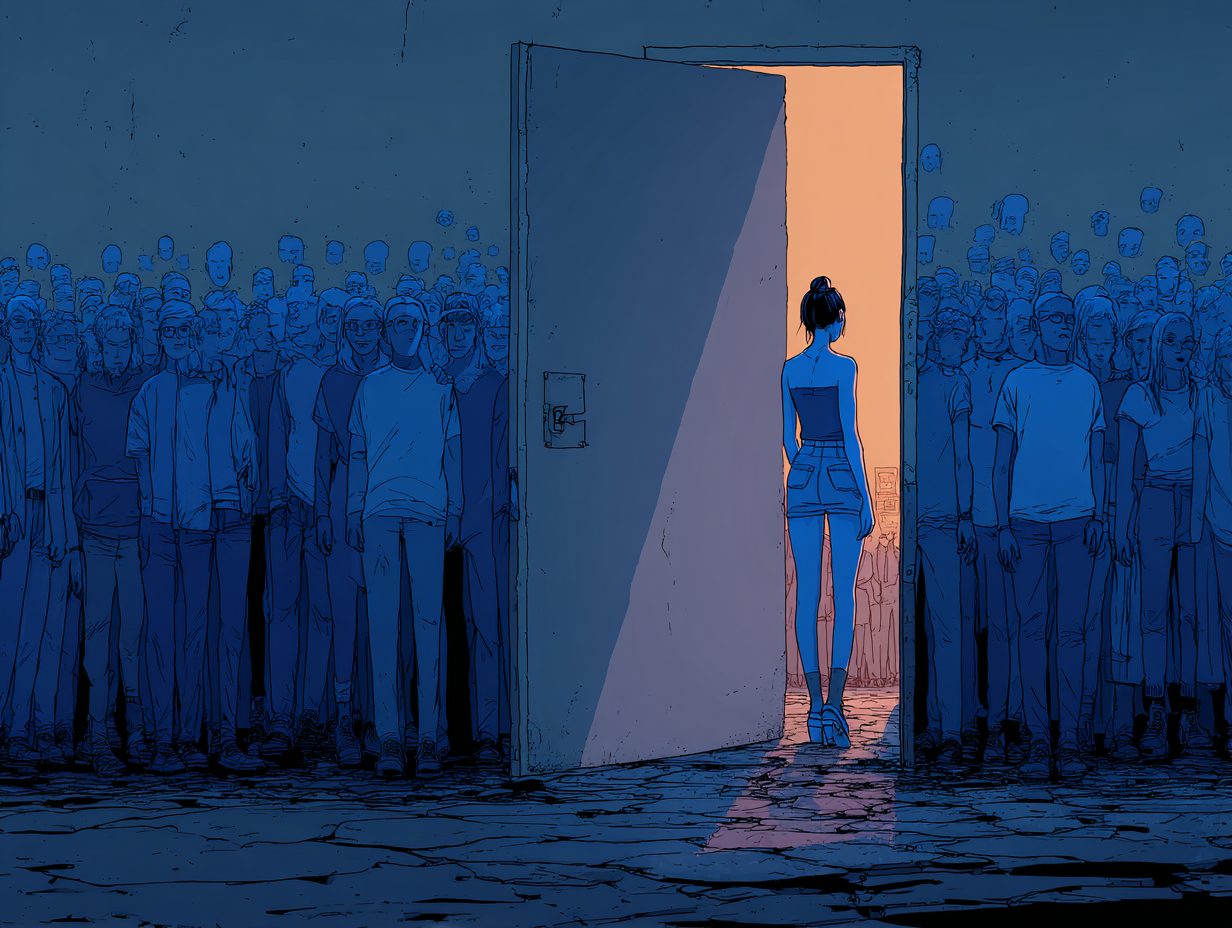
Emotional Withdrawal as Protection
Some partners respond to neglect by pursuing more connection. Others withdraw. Emotional shutdown can feel safer than repeated rejection.
For example, you might stop sharing hopes or concerns altogether. Conversations become transactional. The relationship functions logistically but not emotionally.
At that point, the marriage may appear stable from the outside while intimacy quietly disappears.
Why Patterns Matter More Than Intent
It is possible that your husband does not consciously intend to devalue you. Stress, poor communication skills, unresolved trauma, or learned relational patterns can all play a role.
However, impact matters more than intent. Even if behavior is unintentional, repeated emotional disregard still causes harm. Healthy relationships require responsiveness. That means noticing, acknowledging, and engaging with each other’s emotional cues.
The Mental Health Consequences
Chronic emotional neglect can contribute to:
- heightened anxiety
- low mood
- loss of self-esteem
- difficulty trusting your own perceptions
While this article does not diagnose, prolonged relational stress can sometimes overlap with symptoms described in the DSM-5-TR under adjustment-related distress. If you find that your mood, sleep, appetite, or concentration are significantly affected, professional support may help.
It is not dramatic to seek help when a relationship affects your psychological well-being. It is proactive.
The Core Question
Ask yourself this: Do I feel emotionally safe expressing myself in this marriage?
Emotional safety is foundational. Without it, intimacy cannot deepen. If you consistently brace yourself before speaking, minimize your needs, or feel invisible, those signals deserve serious attention.
Recognizing emotional neglect is not about assigning blame. It is about acknowledging reality so you can decide what kind of relationship you want moving forward.
What Should You Do If You Feel Unvalued in Your Marriage?
If you recognize several of the signs your husband doesn’t value you, the next question is often, “What now?” The goal is not to react impulsively, but to respond thoughtfully. You deserve clarity, respect, and emotional safety. The steps below can help you move forward in a grounded way.
1. Pause and Clarify Your Experience
Before confronting your partner, take time to reflect. Write down specific examples rather than global statements. For instance, instead of “You never care about me,” identify moments like, “When I shared that I was overwhelmed and you changed the subject.”
Specificity prevents the conversation from becoming abstract or defensive. It also helps you see patterns more clearly.
2. Communicate Using Direct, Calm Language
When you’re ready to talk, focus on describing impact rather than accusing character.
Try: “I feel dismissed when my concerns are brushed aside. I need us to slow down and talk things through.”
Avoid: “You don’t care about me at all.”
The first invites dialogue. The second often triggers defensiveness.

If he is open to discussion, notice whether he shows curiosity, empathy, and willingness to adjust. Accountability and repair are strong indicators of value.
3. Set and Reinforce Boundaries
Boundaries are not ultimatums. They are statements about what you need in order to feel respected.
For example: “I’m willing to discuss disagreements, but I won’t continue conversations where I’m being mocked.”
Consistency matters. If boundaries are stated but never upheld, patterns are unlikely to change.
4. Consider Couples Counseling
If conversations stall or escalate, couples therapy can provide structure and neutrality. The American Association for Marriage and Family Therapy reports that many couples experience improvement in relationship satisfaction through evidence-based counseling approaches.
A licensed marriage and family therapist, psychologist, or clinical social worker can help both partners:
- identify negative communication cycles
- rebuild emotional responsiveness
- clarify expectations
- develop conflict-resolution skills
Therapy does not assign blame. It focuses on patterns and solutions.
5. Seek Individual Therapy for Support
If you feel chronically anxious, confused, or emotionally worn down, individual therapy can help you regain stability. A psychologist or licensed counselor can help you:
- rebuild self-trust
- assess relationship dynamics clearly
- develop coping strategies
- plan next steps safely
Support is not a sign that your marriage has failed. It is a sign that your well-being matters.
6. Evaluate Safety Honestly
Most marriages struggle without becoming dangerous. However, if devaluation escalates into threats, intimidation, isolation, financial control, or fear, the situation requires immediate attention.
In the United States: Call or text 988 to reach the Suicide and Crisis Lifeline if emotional distress feels overwhelming. Call 911 if you are in immediate danger.
You can also contact the National Domestic Violence Hotline for confidential guidance if emotional harm includes controlling or abusive behaviors.
You are not obligated to endure fear in order to preserve a relationship.
7. Decide What You Are Willing to Accept
Here’s a grounded truth: you cannot force someone to value you. You can communicate, set boundaries, and seek support. The other person must choose to engage.
Ask yourself: If nothing changed, would I be willing to live this way long term? Do I feel respected more often than dismissed?
Clarity may not come overnight. But self-honesty creates momentum.

When you begin noticing signs your husband doesn’t value you, the most important step is clarity. Patterns of dismissal, lack of appreciation, and emotional neglect deserve attention. Normal conflict includes repair and accountability. Chronic devaluation erodes confidence and connection.
You deserve emotional safety, respect, and partnership. Many marriages improve with honest communication and professional guidance. If change does not happen, understanding your options helps you move forward thoughtfully rather than reactively.
If emotional distress ever becomes overwhelming, call or text 988 in the United States to reach the Suicide and Crisis Lifeline. If you are in immediate danger, call 911. Support is available.
References
1. American Psychological Association. Relationships and Marriage Research Overview. 2023.
2. American Psychological Association. Stress in Close Relationships. 2022.
3. American Association for Marriage and Family Therapy. About Marriage and Family Therapists. 2023.
4. National Institute of Mental Health. 5 Things You Should Know About Stress. 2023.
5. National Domestic Violence Hotline. What Is Emotional Abuse? 2023.
Conclusion
Recognizing signs your husband doesn’t value you is not about assigning blame. It is about observing patterns honestly and deciding what kind of partnership you want to experience. Repeated dismissal, lack of appreciation, and emotional neglect can gradually erode confidence and connection.
Healthy marriages include conflict, but they also include repair, accountability, and emotional safety. If those elements are missing, clear communication, boundary setting, and professional support can help you evaluate your next steps.
You deserve respect, partnership, and emotional security. If distress ever feels overwhelming, call or text 988 in the United States to reach the Suicide and Crisis Lifeline. If you are in immediate danger, call 911. Support is available.
Frequently Asked Questions
Am I overreacting if I feel unvalued in my marriage?
Occasional hurt feelings are normal in long-term relationships. However, if dismissal or disrespect happens repeatedly and affects your self-esteem or mental health, your concern is valid. Patterns matter more than isolated incidents.
Can a marriage recover if my husband doesn’t value me?
Yes, many marriages improve when both partners acknowledge unhealthy patterns and commit to change. Couples counseling with a licensed therapist can help rebuild communication and emotional safety.
Is feeling unvalued the same as emotional abuse?
Not always. Feeling unvalued may stem from poor communication or stress. Emotional abuse involves consistent patterns of control, humiliation, intimidation, or fear. If behavior includes threats or coercion, seek professional or safety support immediately.
Should I see a therapist alone or with my husband?
If both partners are willing, couples therapy can address relational patterns directly. If your spouse is unwilling or you feel emotionally overwhelmed, individual therapy can help you gain clarity and strengthen boundaries.
What if he refuses to change?
You cannot control another person’s willingness to grow. What you can control are your boundaries and decisions. Therapy can help you evaluate your options and protect your emotional well-being.
When should I seek immediate help?
If you feel unsafe, threatened, or emotionally overwhelmed, reach out immediately. In the U.S., call or text 988 for crisis support. If you are in immediate danger, call 911. Your safety comes first.