Signs of a Nervous Breakdown in a Woman: How to Recognize and Respond

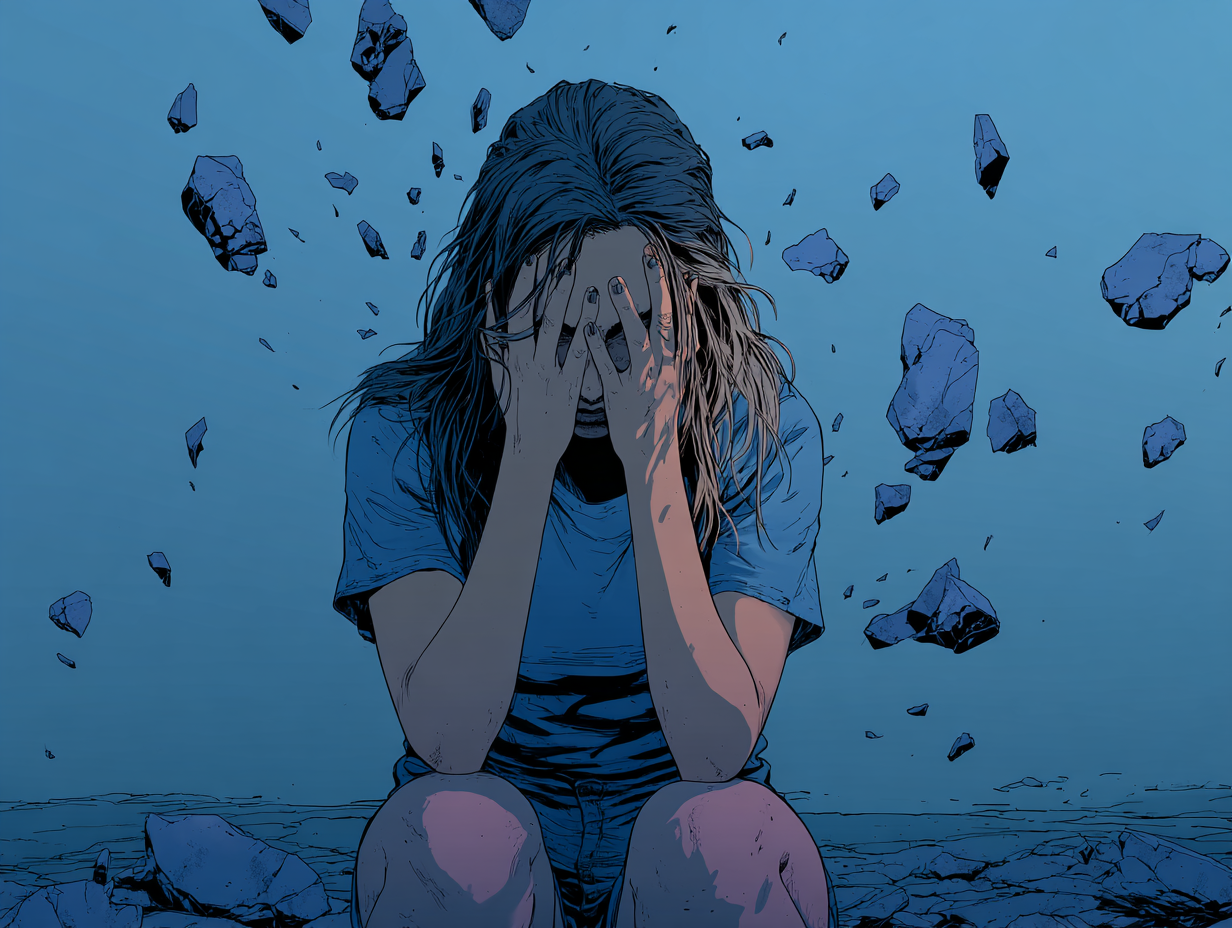
/https://cdn.freudly.ai/media/pages/images/9e1284e7-e9bf-4c0b-9559-f48613a893e7.png)
Sometimes stress doesn’t just feel overwhelming - it feels like everything is falling apart at once. If you’re searching for signs of a nervous breakdown in a woman, you may be worried about yourself or someone close to you and trying to understand what’s really happening. While “nervous breakdown” is not a formal diagnosis in the DSM-5-TR, it’s a commonly used term to describe a state of intense emotional and mental overload where coping becomes difficult.
In many cases, this experience develops after prolonged stress, burnout, or emotional strain. It can affect how a person thinks, feels, and functions day to day. In this guide, you’ll learn how to recognize the key signs, understand what may be causing them, and know what steps to take to feel safer and more stable again.

What Is a Nervous Breakdown and What Does It Really Mean?
A “nervous breakdown” is not a medical diagnosis, but a widely used term to describe a period when stress becomes so intense that a person struggles to function in daily life. In clinical language, this state is usually connected to acute stress reactions, severe anxiety, burnout, or depressive symptoms rather than a single defined disorder.
Here’s the key point: a nervous breakdown is less about something “snapping” suddenly and more about the nervous system becoming overwhelmed over time. When stress builds without enough recovery, the brain and body can shift into a state where even simple tasks feel unmanageable.
What happens in the mind and body?
Under prolonged stress, the body activates its stress response system, often referred to as the HPA axis. This system releases hormones like cortisol and adrenaline to help you cope with challenges. In short bursts, this response is helpful. But when it stays activated for too long, it can start to affect sleep, concentration, mood, and physical health.
For example, someone juggling work deadlines, family responsibilities, and emotional strain might begin to feel constantly “on edge.” Over time, their ability to regulate emotions weakens. They may feel anxious one moment and completely drained the next. This is how chronic stress can gradually lead to what people describe as a breakdown.
Is it the same as a mental illness?
Not exactly. A nervous breakdown is better understood as a signal, not a diagnosis. It can overlap with conditions described in the DSM-5-TR, such as anxiety disorders, depression, or trauma-related disorders, but it does not automatically mean a person has one of these conditions.
At the same time, if symptoms persist or worsen, a licensed mental health professional can help clarify what’s going on and recommend appropriate support. This is especially important if functioning at work, school, or in relationships is affected.
Why the term is still used
Even though clinicians don’t use “nervous breakdown” as a formal term, many people find it helpful because it captures a real experience - reaching a point where emotional resources feel depleted. It gives language to something that can otherwise feel confusing or frightening.
If you’ve ever felt like your mind is overloaded, your emotions are unpredictable, and your usual coping strategies aren’t working, you’re not alone. Many people experience periods like this, especially during major life stressors or long-term pressure.
Important to know
A nervous breakdown can feel intense, but it is often reversible with the right support and recovery time. If symptoms include thoughts of self-harm, severe panic, or inability to care for yourself, it’s important to seek immediate help. In the U.S., you can call or text 988 (Suicide & Crisis Lifeline). If you are in immediate danger, call 911.
Signs of a Nervous Breakdown in a Woman: Key Emotional and Physical Symptoms
The signs of a nervous breakdown in a woman often appear across emotional, physical, and behavioral levels at the same time. These symptoms are not random - they reflect a nervous system that is overloaded and struggling to regulate stress effectively.
Here’s the thing: it’s rarely just “feeling stressed.” Instead, people often notice a combination of intense emotions, physical exhaustion, and changes in daily functioning that feel hard to control.
Emotional signs to pay attention to
Emotional symptoms are usually the first noticeable changes. They can feel sudden, but often build up over time.
Common emotional signs include:
- frequent crying spells or feeling on the verge of tears;
- intense anxiety or panic without a clear trigger;
- irritability or sudden mood swings;
- feeling emotionally numb or disconnected;
- overwhelming fear, hopelessness, or loss of control.
For example, a woman who previously managed stress well may suddenly feel unable to handle minor challenges, like a routine conversation at work or a small conflict at home.
Physical symptoms that often get overlooked
Stress doesn’t stay in the mind - it shows up in the body. Physical symptoms can sometimes be mistaken for unrelated health issues.
- persistent fatigue, even after rest;
- sleep problems, such as insomnia or frequent waking;
- headaches, muscle tension, or body aches;
- changes in appetite or digestion;
- rapid heartbeat or shortness of breath.
If you’ve ever felt your heart racing while doing something ordinary, like sitting at your desk or standing in line, that can be a sign your stress response is staying activated longer than it should.
Behavioral and cognitive changes
As stress intensifies, it often starts to affect how a person behaves and thinks.
- difficulty concentrating or making decisions;
- withdrawing from friends, family, or daily activities;
- avoiding responsibilities or feeling unable to complete tasks;
- increased use of coping behaviors, like overeating or isolating;
- feeling mentally “foggy” or overwhelmed by simple choices.
Picture this: someone who used to stay organized at work now struggles to answer emails or keep track of basic tasks. This shift is not laziness - it’s a sign of cognitive overload.

How to recognize when it’s becoming serious
Not every stressful period is a breakdown. The difference is intensity, duration, and impact on daily life.
| Symptom type | What it looks like | What it may mean |
|---|---|---|
| Emotional | constant crying, panic | emotional overload |
| Physical | insomnia, exhaustion | chronic stress activation |
| Behavioral | withdrawal, avoidance | reduced coping capacity |
| Cognitive | confusion, indecision | mental overload |
| Red flags | hopelessness, self-harm thoughts | urgent support needed |
If symptoms begin to interfere with work, relationships, or basic self-care, it’s a strong signal that support is needed. This is especially true if the person feels stuck in this state for days or weeks without relief.
Important to know
These signs can overlap with anxiety disorders, depression, or trauma-related conditions described in the DSM-5-TR. Only a licensed clinician can provide a proper assessment. If symptoms escalate to thoughts of self-harm or feeling unsafe, call or text 988 (Suicide & Crisis Lifeline). If there is immediate danger, call 911.
What Causes a Nervous Breakdown in Women?
A nervous breakdown usually doesn’t come out of nowhere. In most cases, it develops when stress builds up faster than a person can recover from it. Over time, the nervous system becomes overloaded, and the ability to cope starts to break down.
In other words, it’s not a single event that causes it, but a combination of pressures that accumulate without enough rest, support, or emotional processing.
Chronic stress and burnout
One of the most common causes is long-term stress that never fully resolves. This can include work pressure, caregiving responsibilities, financial strain, or managing multiple roles at once.
For example, a woman balancing a full-time job, family responsibilities, and emotional support for others may appear to be functioning well on the outside. But internally, stress keeps building. Without time to reset, even small additional demands can start to feel overwhelming.
Burnout often develops in this context. It shows up as emotional exhaustion, reduced motivation, and a sense of detachment from things that once mattered.
Emotional overload and unresolved experiences
Stress is not only about current responsibilities. Past experiences can also play a role, especially if they were never fully processed.
Unresolved grief, trauma, or long-standing relationship difficulties can increase emotional sensitivity. When new stress is added, the system may become overwhelmed more quickly.
For instance, someone who has gone through a difficult loss may find that a new stressful situation triggers a much stronger reaction than expected. This doesn’t mean something is wrong with them - it reflects how accumulated emotional load works.
Major life changes
Significant transitions can also trigger a breakdown, even when they are positive.
- divorce or relationship conflict;
- job loss or career changes;
- moving to a new place;
- pregnancy or postpartum adjustments;
- loss of a loved one.
These events require adaptation. When several changes happen at once, or when support is limited, the stress response can intensify quickly.
Biological and mental health factors
Some people may be more vulnerable due to underlying mental health conditions or biological sensitivity to stress. For example, anxiety disorders or depression can lower the threshold at which stress becomes overwhelming.
From a physiological perspective, prolonged activation of the stress system affects sleep, energy levels, and emotional regulation. When the body doesn’t return to baseline, it becomes harder to recover between stressors.
At the same time, having these vulnerabilities does not mean a breakdown is inevitable. With the right coping strategies and support, many people maintain stability even under pressure.
Social and cultural pressures
Social expectations can also contribute. In many cases, women feel pressure to “handle everything” without showing distress. This can lead to suppressing emotions or delaying support-seeking.
Over time, this pattern increases internal strain. When expression is limited and demands remain high, the risk of emotional overload grows.
Here’s a common scenario: someone continues to meet others’ needs while ignoring their own limits. Eventually, the system reaches a point where it can no longer compensate, and symptoms intensify rapidly.
Why it can feel sudden
Many people describe a nervous breakdown as happening “all at once.” In reality, the buildup may have been happening for weeks or months.

The moment of breakdown is often the point when the system can no longer maintain balance. A relatively small trigger - like a minor conflict or unexpected task - can push it past its limit.
This can feel confusing, especially if the trigger seems insignificant compared to the reaction. But the intensity reflects cumulative stress, not just the immediate situation.
Signs of a Nervous Breakdown in a Woman: What to Do Right Now
If the signs of a nervous breakdown in a woman are already showing up, the priority is not to “fix everything” at once. The goal is to stabilize the nervous system, reduce immediate overwhelm, and create a sense of safety step by step.
Here’s the thing: when stress reaches this level, logic alone doesn’t help. The body needs to calm down before the mind can think clearly again.
Step 1: Slow down the stress response
Start with simple, physical grounding techniques. These help signal to the brain that the immediate threat has passed.
- take slow breaths, focusing on longer exhales;
- place your feet firmly on the ground and notice physical sensations;
- name five things you can see, four you can touch, three you can hear;
- step outside for fresh air, even for a few minutes.
For example, if someone feels a wave of panic while at home, sitting down, placing a hand on the chest, and slowing the breath can gradually reduce intensity within minutes.
Step 2: Reduce demands temporarily
During this state, trying to maintain full productivity often makes things worse. It’s okay to pause non-essential responsibilities.
- postpone tasks that are not urgent;
- limit exposure to stressful conversations or environments;
- focus only on basic needs: food, hydration, rest.
This is not avoidance. It’s a short-term reset that allows the nervous system to recover enough to function again.
Step 3: Reach out to a safe person
Isolation tends to intensify distress. Talking to someone you trust can help regulate emotions and reduce the sense of being overwhelmed.
This could be a friend, partner, family member, or a licensed mental health professional. The goal is not to explain everything perfectly, but simply to not go through it alone.
For instance, sending a message like “I’m having a really hard moment, can you stay on the phone with me?” can make a significant difference.
Step 4: Support someone experiencing a breakdown
If you’re helping someone else, your role is to provide calm, not solutions.
- speak slowly and gently;
- avoid telling them to “calm down”;
- offer simple choices, like sitting down or drinking water;
- stay present until the intensity decreases.
Imagine someone who is crying uncontrollably and unable to explain what’s wrong. Sitting nearby, speaking softly, and staying with them can help their nervous system settle faster than trying to “fix” the situation.
Step 5: Create short-term stability
Once the immediate intensity passes, focus on small stabilizing actions.
- get adequate sleep, even if routines are disrupted;
- eat regular meals to support energy levels;
- limit stimulants like caffeine if anxiety is high;
- write down what feels overwhelming to externalize it.
These steps may seem basic, but they help restore the body’s baseline, which is essential for emotional recovery.
Important to know
If symptoms escalate to severe panic, dissociation, or thoughts of self-harm, immediate support is critical. In the U.S., you can call or text 988 (Suicide & Crisis Lifeline). If there is immediate danger, call 911. Reaching out early can prevent symptoms from worsening.
When Should You Seek Professional Help?
Not every period of stress requires professional care, but there are clear situations where outside support becomes important. If a nervous breakdown begins to affect daily functioning or does not improve with rest and basic coping strategies, it’s a strong signal to reach out to a licensed clinician.
Here’s a simple way to think about it: if the symptoms feel persistent, intense, or overwhelming to the point that you can’t manage them alone, support can make recovery faster and safer.
Signs that professional help is needed
Some warning signs indicate that stress has moved beyond what self-help strategies can address.
- symptoms lasting more than a few days without improvement;
- difficulty performing basic daily tasks like work, hygiene, or communication;
- frequent panic attacks or constant anxiety;
- persistent sadness, hopelessness, or emotional numbness;
- withdrawing completely from social contact;
- thoughts of self-harm or feeling unsafe.
If you recognize several of these at once, it’s not a sign of weakness. It’s a sign that your system needs more support than it currently has.
What kind of help is available?
In the United States, several types of licensed professionals can help assess and support recovery:
- psychologists - provide therapy and mental health assessment;
- clinical social workers - offer counseling and practical support;
- licensed counselors - focus on emotional and behavioral strategies;
- psychiatrists - evaluate whether medication may be helpful.
Therapy approaches such as cognitive behavioral therapy (CBT), dialectical behavior therapy (DBT), and stress management techniques are commonly used to help regulate emotions and rebuild coping capacity.
In many cases, treatment focuses on stabilizing the nervous system first, then addressing underlying stressors and patterns that led to the breakdown.
How to take the first step
Starting can feel overwhelming, especially when energy is already low. Keeping it simple helps.
- contact your primary care provider for a referral;
- use directories like Psychology Today to find a therapist;
- check your insurance for in-network providers or out-of-network coverage;
- consider telehealth options if leaving home feels difficult.
Even scheduling a first appointment is a meaningful step toward recovery. You don’t need to have everything figured out before reaching out.
What to expect from therapy
In early sessions, a clinician will focus on understanding your current symptoms, stressors, and level of functioning. The goal is not to label you immediately, but to build a clear picture of what support you need.
For example, someone experiencing emotional overwhelm and sleep disruption might begin with stabilization techniques and structured routines before exploring deeper patterns.
Over time, therapy can help you:
- identify stress triggers and patterns;
- develop healthier coping strategies;
- restore emotional balance and energy;
- set boundaries that prevent future overload.
Crisis and immediate support
If distress escalates to thoughts of self-harm, feeling unsafe, or losing the ability to care for yourself, immediate help is essential.
In the United States, you can call or text 988 to reach the Suicide & Crisis Lifeline. This service is available 24/7 and connects you with trained counselors.
If you or someone else is in immediate danger, call 911.
Reaching out in these moments can feel difficult, but it is one of the most important steps in protecting your safety and well-being.
References
1. National Institute of Mental Health. Stress. 2023.
2. American Psychological Association. Stress Effects on the Body. 2022.
3. Substance Abuse and Mental Health Services Administration (SAMHSA). National Helpline and Crisis Resources. 2023.
4. Mayo Clinic. Stress Symptoms: Effects on Your Body and Behavior. 2023.
5. Cleveland Clinic. Stress: Symptoms, Causes and Management. 2022.
Conclusion
When people talk about a “nervous breakdown,” they are usually describing a moment when stress has gone beyond what the mind and body can handle alone. Recognizing the signs early, understanding what’s happening, and taking small stabilizing steps can make a meaningful difference.
In many cases, recovery begins with simple actions: slowing down, reducing pressure, and reaching out for support. At the same time, if symptoms feel intense or persistent, working with a licensed mental health professional can help restore balance and prevent future overload.
You don’t have to go through this alone. Support is available, and recovery is possible with the right care and understanding.
If you ever feel unsafe or overwhelmed by thoughts of self-harm, call or text 988 (Suicide & Crisis Lifeline in the U.S.). If you are in immediate danger, call 911.
Frequently Asked Questions
Is a nervous breakdown a real medical condition?
No, it is not a formal diagnosis in the DSM-5-TR. The term is commonly used to describe a period of intense stress or emotional overwhelm that affects daily functioning. A licensed clinician can help identify the underlying condition, if any.
How long does a nervous breakdown last?
The duration varies depending on the cause and level of support. Some people feel better within days with rest, while others may need weeks or professional help to fully recover. Early support often shortens recovery time.
Can a nervous breakdown happen suddenly?
It can feel sudden, but in most cases it results from stress building up over time. A small trigger may push someone past their limit, but the underlying pressure usually develops gradually.
Is it anxiety or a nervous breakdown?
A nervous breakdown is not a diagnosis, while anxiety disorders are defined clinical conditions. The two can overlap, and a breakdown may involve intense anxiety symptoms. A professional evaluation can clarify the difference.
What helps during a nervous breakdown?
Immediate support includes slowing breathing, reducing demands, and reaching out to someone you trust. Grounding techniques and rest can help stabilize the body, while therapy can address underlying causes.
When should I see a therapist?
If symptoms interfere with daily life, last more than a few days, or feel overwhelming, it’s a good idea to consult a licensed mental health professional. Early support can prevent symptoms from worsening.