Scapegoat Child: Role and Long-Term Consequences in Families
Family conflict can leave deep emotional marks, especially when one person seems to carry the blame for everything. A scapegoat child is a child who is repeatedly blamed, criticized, or held responsible for broader family tensions, even when those problems are not truly theirs to carry. In many families, this role develops gradually as a way to redirect stress, shame, or unresolved conflict onto one member.
If you’ve ever wondered why you were labeled “the difficult one” while others were protected, you are not alone. In this guide, you’ll learn how the scapegoat role forms within family systems, how it can affect mental health long term, how to distinguish it from normal discipline or sibling rivalry, and what healing can realistically look like.
What Is a Scapegoat Child in a Family System?
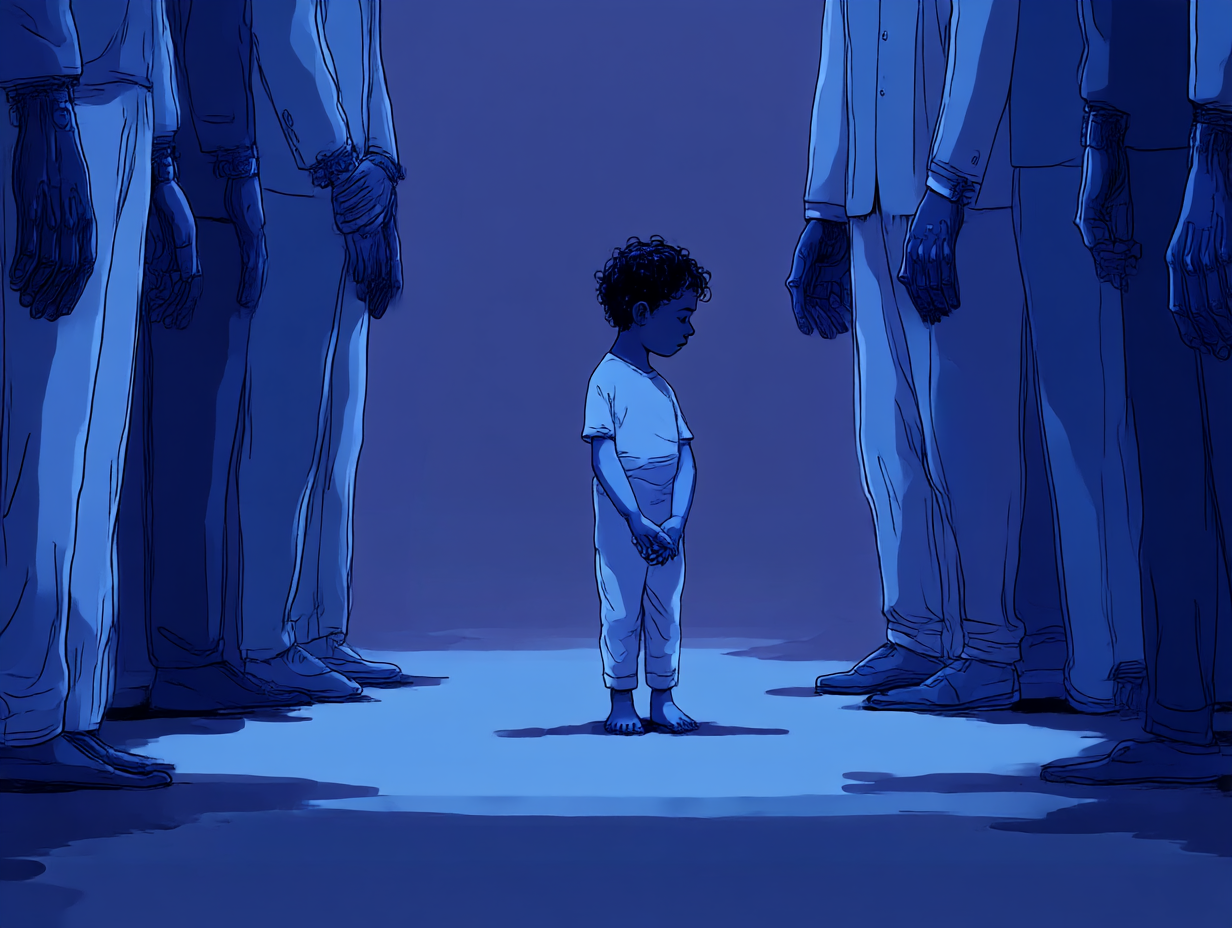
A scapegoat child is a child who becomes the primary target of blame for a family’s stress, conflict, or dysfunction. In family systems theory, this role serves a psychological function: it protects the family from confronting deeper issues by concentrating tension onto one member. Understanding this dynamic helps explain why scapegoating often feels persistent and unfair.
The Family Systems Perspective
Family systems theory, widely used in clinical psychology, views the family as an interconnected emotional unit. When stress rises, families unconsciously reorganize to stabilize themselves. Sometimes that stabilization happens in healthy ways. Other times, one child is positioned as the “identified problem.”
Here’s how it typically unfolds: a family is struggling with unresolved marital conflict, financial pressure, mental health concerns, or generational trauma. Instead of addressing those root causes, tension gets redirected. The scapegoat child may be labeled rebellious, overly sensitive, dramatic, selfish, or ungrateful. Over time, the label becomes part of the child’s identity.
This role is rarely assigned consciously. Parents often believe their criticism is justified. Yet the intensity of blame is disproportionate to the behavior. The child becomes the emotional lightning rod for the entire system.
Projection and Emotional Displacement
One key mechanism behind scapegoating is projection. Projection occurs when someone attributes unwanted feelings or traits to another person. For example, a parent struggling with anger may describe the child as “the angry one.” A caregiver dealing with shame might accuse the child of being embarrassing or defective.
In these cases, the scapegoat child absorbs emotions that actually belong to the broader system. This can create chronic confusion. The child senses something is unfair but is repeatedly told they are the source of the problem.
Over time, repeated projection can shape self-concept. Children naturally assume adults are correct. If blame is constant, the child may internalize the belief that they are fundamentally flawed.
Why One Child?
Families often assign roles based on temperament and vulnerability. The scapegoat child might be:
- more emotionally expressive;
- more sensitive to injustice;
- less compliant than siblings;
- the child who resembles a disliked relative;
- or simply the one who challenges unhealthy patterns.
Ironically, the child who resists dysfunction is sometimes the one punished for it. The role is less about behavior and more about the family’s need for emotional regulation.
How This Differs From Normal Discipline
Healthy discipline focuses on behavior and change. Scapegoating focuses on identity and blame. In normal discipline, a child is corrected and then supported. In scapegoating, criticism becomes global and ongoing.
For example, a parent might say, “That behavior isn’t okay.” In scapegoating, the message shifts to, “You are the problem.” That difference matters. One targets actions; the other targets character.
The Emotional Experience of the Scapegoat Child
Children in this role often describe:
- feeling misunderstood or unheard;
- being compared unfavorably to siblings;
- walking on eggshells;
- becoming hyperaware of family moods;
- feeling relief when away from home.
These experiences do not automatically indicate abuse, but they do suggest a persistent relational imbalance.
It is important not to self-diagnose family members. The DSM-5-TR does not include “scapegoat child” as a diagnosis. This is a relational pattern, not a mental disorder. However, long-term exposure to chronic blame can contribute to anxiety, depression, or trauma-related symptoms later in life.
Recognizing the pattern is not about assigning fault. It is about understanding context. When you see the role clearly, shame begins to loosen. What once felt like personal failure may instead reflect a family coping strategy that came at your expense.
How Does the Scapegoat Child Role Affect Mental Health Long Term?
Growing up as the scapegoat child can shape identity, stress responses, and relationships well into adulthood. When blame becomes a defining experience, it often leaves patterns that continue long after the family dynamic changes. These effects are not inevitable, but they are common enough that many adults recognize themselves in them years later.
Internalized Shame and Self-Concept
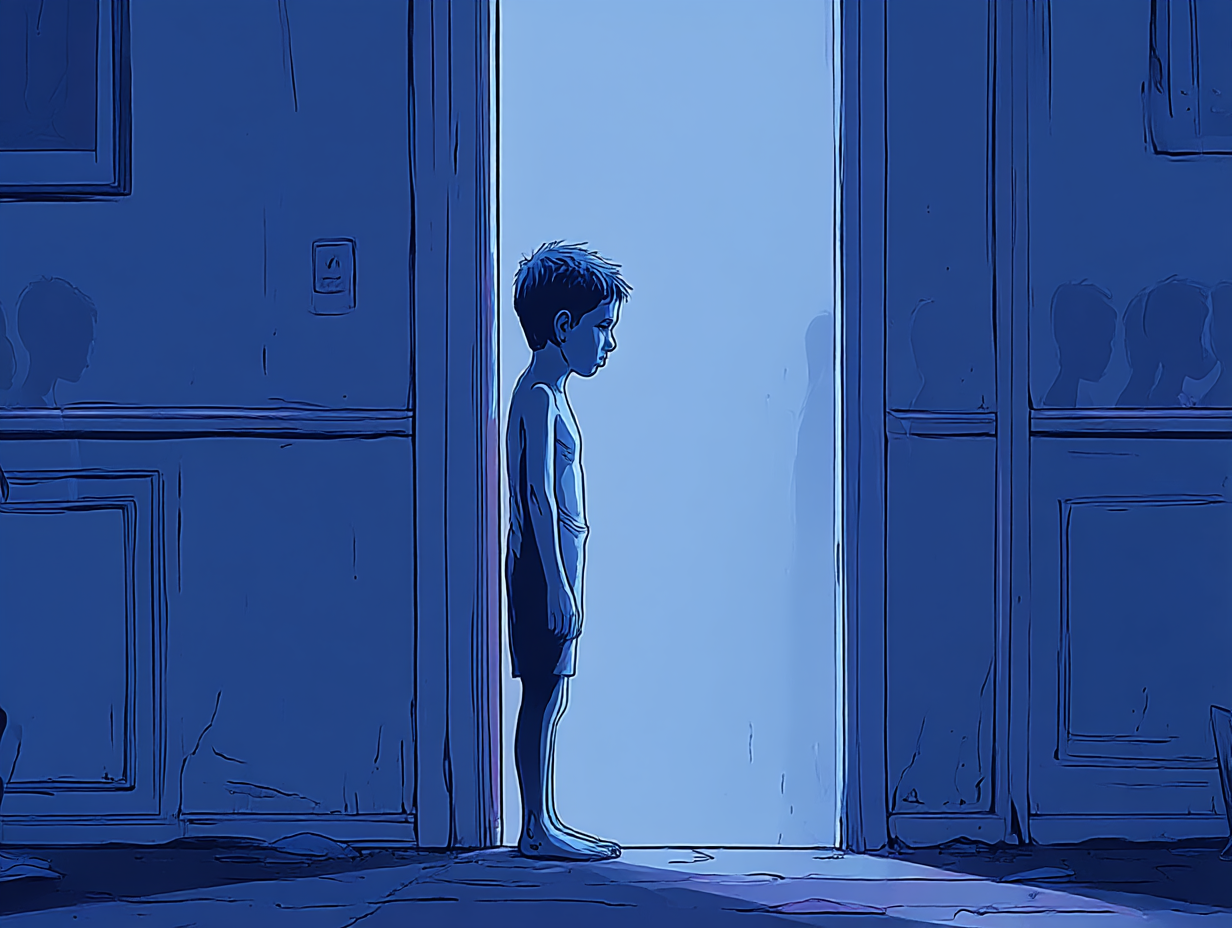
Children rely on caregivers to understand who they are. When the repeated message is “you are the problem,” that message can harden into identity. Adults who grew up in the scapegoat child role often describe a persistent sense of being fundamentally flawed.
This internalized shame can show up as:
- harsh self-criticism;
- chronic guilt;
- difficulty accepting praise;
- expecting rejection;
- over-apologizing even when not at fault.
Here’s the thing: shame is different from guilt. Guilt says, “I did something wrong.” Shame says, “I am wrong.” Long-term scapegoating tends to cultivate shame rather than accountability.
Over time, this may contribute to anxiety disorders or depressive symptoms as described in the DSM-5-TR, though not everyone develops a diagnosable condition. The emotional tone is often quieter but persistent, a background belief of inadequacy.
Chronic Stress and the Body
Repeated blame activates the stress response system. When a child constantly anticipates criticism, the body remains on alert. The hypothalamic – pituitary – adrenal axis, often called the HPA axis, regulates cortisol and stress hormones. Chronic activation during childhood can sensitize this system.
Adults who were scapegoated sometimes report:
- hypervigilance in relationships;
- strong reactions to perceived criticism;
- difficulty relaxing;
- physical tension or sleep problems.
This does not mean permanent damage. The brain and body remain capable of change throughout life. But early relational stress can shape how quickly someone’s nervous system activates in conflict.
For example, imagine receiving mild feedback from a supervisor. Instead of hearing neutral guidance, your body reacts as if you are about to be attacked. The reaction feels disproportionate because it is layered on past experiences.
Attachment and Relationship Patterns
Family roles often influence attachment style. A scapegoat child may grow up feeling unsafe expressing needs. In adulthood, that can lead to patterns such as:
- anxious attachment, fearing abandonment;
- avoidant attachment, minimizing vulnerability;
- intense sensitivity to rejection;
- difficulty trusting partners.
Some adults become people-pleasers, trying to prevent conflict at any cost. Others lean into anger, becoming hyper-defensive when criticized. Both responses often trace back to the same origin: repeated invalidation.
It is important not to label yourself prematurely. Attachment patterns exist on a spectrum. Therapy can help clarify which patterns are present and how they formed.
Identity as the “Difficult One”
Many former scapegoat children carry a subtle narrative: “I am too much.” Too emotional. Too sensitive. Too outspoken. Too needy. That narrative can limit career decisions, friendships, and even parenting.
In some cases, individuals may overachieve to disprove the label. In others, they may withdraw to avoid further blame. Both strategies are attempts to manage early relational pain.
Research summarized by the American Psychological Association suggests that persistent childhood invalidation increases risk for mood disorders and difficulties with emotion regulation later in life. This does not mean causation is simple or automatic, but patterns of chronic blame are linked with mental health strain.
Anger, Grief, and Ambivalence
Another long-term effect is complicated anger. Adults often feel torn between loyalty to family and resentment about unfair treatment. Anger may surface unexpectedly, especially during life transitions such as becoming a parent.
Grief can also emerge. There is often grief for the childhood that did not include consistent emotional safety. That grief may be delayed for decades, surfacing only when someone feels safe enough to examine it.
Both anger and grief are normal responses to prolonged invalidation. They are not signs of being broken. They are signals that something meaningful was missing.
Risk for Trauma-Related Symptoms
Not all scapegoating meets criteria for trauma under DSM-5-TR definitions. However, when blame is chronic, humiliating, and paired with emotional neglect or abuse, some individuals may experience trauma-related symptoms.
These can include:
- intrusive memories of conflict;
- heightened startle response;
- emotional numbing;
- persistent negative beliefs about oneself.
If symptoms interfere with work, relationships, or daily functioning, professional evaluation can be helpful. Trauma-informed therapy is designed to address these patterns safely.
The Possibility of Change
Here is an important boundary: early scapegoating influences development, but it does not define destiny. Neuroplasticity allows the brain to form new pathways. Healthy relationships can revise attachment expectations. Therapy can help rewrite internal narratives.
Many adults who recognize their scapegoat child history report significant improvement once they understand the pattern. Clarity reduces self-blame. Self-blame is often the heaviest part of the burden.
Understanding how the role affected you is not about vilifying family members. It is about accurately naming experience. When experience is named, it becomes workable.
Scapegoating vs Normal Conflict: Key Differences
Not every difficult childhood reflects scapegoating. Families argue. Parents make mistakes. Siblings compete. The difference lies in patterns, intensity, and whether blame becomes a fixed identity. Understanding this distinction prevents overgeneralization and helps clarify what actually happened.
Occasional Conflict vs Assigned Identity
In healthy families, conflict is situational. A child misbehaves, consequences follow, and the relationship repairs. The behavior is addressed, not the child’s core worth.
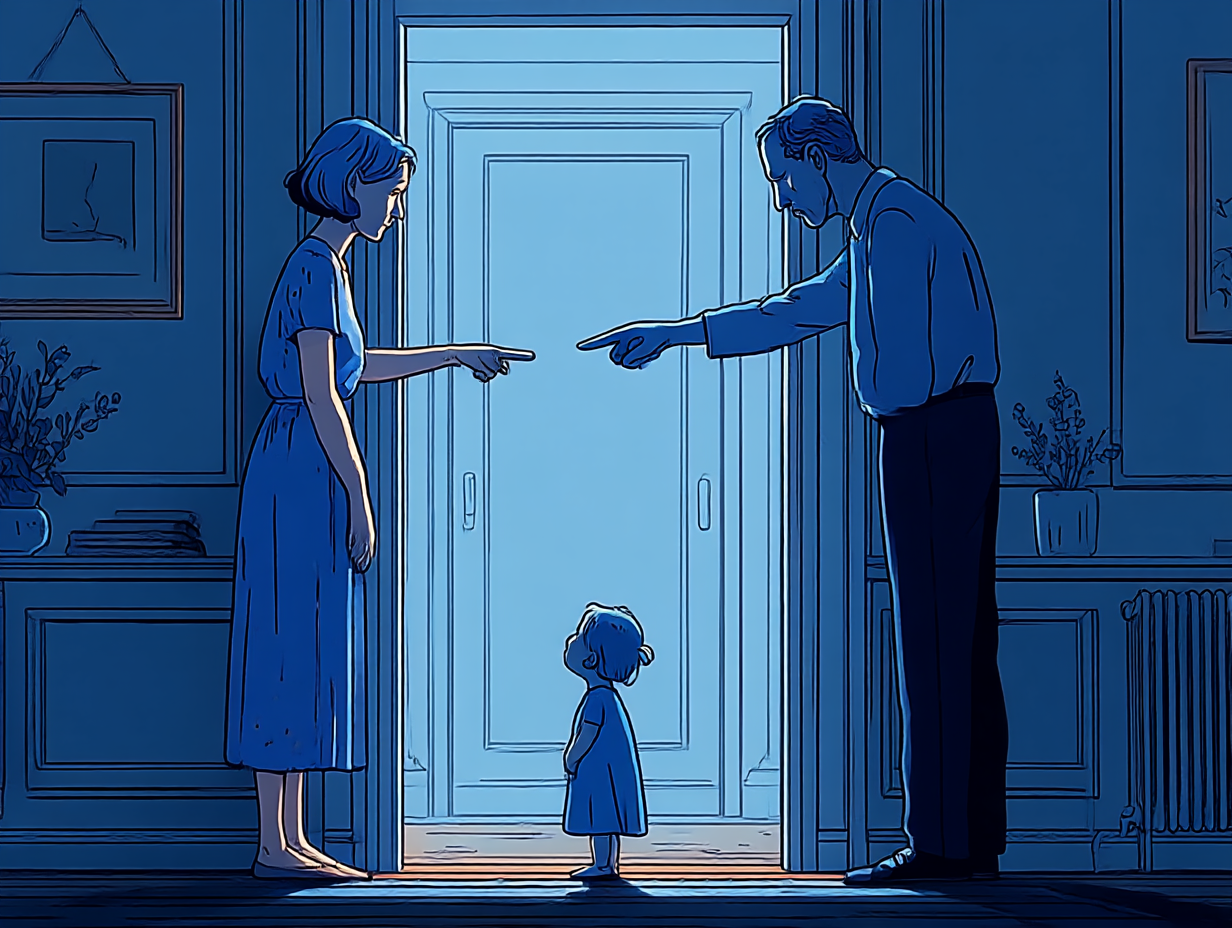
In scapegoating, blame becomes chronic and global. The same child is repeatedly positioned as the cause of tension, even when events are unrelated. Over time, this pattern becomes predictable.
For example, if two siblings argue and only one is consistently punished regardless of evidence, that may signal role assignment rather than discipline. If a parent’s bad day automatically results in criticism of one child, the issue is no longer about behavior.
The “Identified Patient” Dynamic
In clinical settings, the term identified patient refers to the family member who appears to carry the visible symptoms of distress. In some families, the scapegoat child functions this way. The system stabilizes by pointing to one person as the source of dysfunction.
This dynamic allows other family members to avoid examining marital conflict, substance use, untreated mental health conditions, or generational trauma. The scapegoat absorbs the focus.
It is important to approach this concept carefully. Not every child with behavioral challenges is being scapegoated. Some children genuinely struggle with ADHD, anxiety, learning difficulties, or mood disorders. Proper assessment by a licensed professional is essential before drawing conclusions.
| Feature | Normal Discipline | Sibling Rivalry | Scapegoating |
|---|---|---|---|
| Focus of criticism | Specific behavior | Shared conflict | Child’s identity |
| Pattern over time | Variable | Mutual | Persistent toward one child |
| Repair after conflict | Yes | Usually | Often absent |
| Blame intensity | Proportionate | Shared | Disproportionate |
| Impact on identity | Temporary | Limited | Chronic shame |
When Scapegoating Crosses Into Emotional Abuse
Scapegoating may overlap with emotional abuse when criticism includes humiliation, degradation, or isolation. Warning signs include:
- constant name-calling or character attacks;
- public shaming;
- encouragement of siblings to join in ridicule;
- threats of abandonment;
- withholding affection as punishment.
According to guidance from the American Psychological Association, chronic emotional invalidation and humiliation can significantly affect mental health development. When patterns include fear, intimidation, or psychological control, professional evaluation is strongly recommended.
The Risk of Over-Labeling
Here’s the balancing point: labeling family members without nuance can oversimplify complex dynamics. Some parents react poorly under stress without intentionally assigning roles. Some children perceive favoritism that shifts over time.
Before concluding that you were the scapegoat child, consider:
- Was blame consistent across years?
- Did criticism target who you were rather than what you did?
- Were siblings shielded from similar treatment?
- Did adults acknowledge mistakes or repair harm?
Patterns matter more than isolated events.
Why Clarifying the Difference Matters
Understanding whether you experienced scapegoating or typical family conflict affects healing. If the pattern was chronic and identity-based, self-compassion and boundary work become central. If conflict was situational but painful, communication repair may be more relevant.
Clarity reduces confusion. Confusion fuels shame. When experiences are accurately named, emotional reactions begin to make sense.
If you are uncertain, discussing family history with a licensed psychologist or clinical social worker can help differentiate relational roles from developmental or behavioral concerns. A thorough assessment considers context, duration, and impact rather than relying on labels alone.
How Do You Heal After Growing Up as the Scapegoat Child?
Healing after growing up as the scapegoat child is possible, but it rarely happens through insight alone. Understanding the role explains the past. Recovery requires building new internal experiences in the present. The goal is not to erase history but to loosen its grip on identity and relationships.
Step 1: Separate Identity From the Role
One of the most powerful shifts is recognizing that scapegoating was a family coping strategy, not a personality trait. Many adults carry internalized messages such as “I’m the problem” or “I ruin things.” These beliefs often formed before they had the cognitive capacity to question them.
Start by identifying recurring self-statements. Do you automatically assume fault in conflicts? Do you feel responsible for other people’s moods? Naming these patterns allows you to challenge them.
Cognitive Behavioral Therapy, an evidence-based therapy supported by the American Psychological Association, helps people examine and reframe distorted core beliefs. Over time, repeated reframing weakens shame-based identity.
Step 2: Build Emotional Regulation Skills
If you were repeatedly blamed, your nervous system may still react quickly to criticism. Learning regulation skills can help your body feel safer in present-day situations.
Helpful practices include:
- paced breathing to calm physiological stress;
- grounding exercises that anchor attention to the present;
- noticing physical tension and releasing it intentionally;
- labeling emotions instead of suppressing them.
For example, instead of thinking “I’m overreacting,” you might say, “My body is responding to an old pattern.” That subtle shift creates psychological distance.
Mindfulness-based therapy approaches emphasize observing emotions without judgment. Research summarized by NIMH indicates that mindfulness can reduce rumination and improve emotional regulation over time.
Step 3: Strengthen Boundaries
Many former scapegoat children struggle with boundaries. When you are used to being blamed, it can feel safer to over-accommodate others. Healing often requires practicing new limits.
Boundary work may involve:
- saying no without over-explaining;
- limiting contact with family members who continue scapegoating behavior;
- clarifying expectations in adult relationships;
- stepping away from conversations that become disrespectful.
This does not require hostility. Boundaries are not punishment. They are protection of emotional well-being.
If direct communication feels overwhelming, a therapist can help rehearse conversations and anticipate responses.
Step 4: Process Grief and Anger Safely
There is often grief beneath the anger. Grief for validation not received. Grief for emotional safety that was inconsistent. Allowing space for that grief can be transformative.
Trauma-informed therapy approaches, including attachment-based therapy or schema therapy, help clients revisit early relational experiences without retraumatization. These approaches focus on building corrective emotional experiences rather than assigning blame.
It is also common to experience ambivalence. You may love your family and still resent aspects of the dynamic. Therapy provides space to hold both truths without pressure to choose one.
Step 5: Develop Self-Compassion
Self-compassion is not self-pity. It is the practice of treating yourself with the same empathy you would offer a close friend. Adults who were scapegoated often struggle with this skill because self-criticism feels familiar and protective.
Try asking: “If a child were treated the way I was, how would I respond?” This perspective can soften harsh internal dialogue.
Studies cited by the American Psychological Association suggest that self-compassion is associated with lower anxiety and depressive symptoms. It also improves resilience during interpersonal stress.
Step 6: Break the Intergenerational Pattern
Many adults worry about repeating the scapegoat dynamic with their own children. Awareness is the first protective factor. Parents who reflect on their childhood roles are less likely to unconsciously reenact them.
Healthy family systems emphasize:
- shared responsibility for conflict;
- repair after disagreements;
- separating behavior from identity;
- validating emotions even when correcting actions.
If you notice tendencies to label one child as “the difficult one,” pause. Seek consultation or parenting support early. Preventing repetition is often part of healing.
The Role of Professional Support
While self-help strategies can be powerful, some patterns are deeply rooted. Therapy can accelerate change by offering structured exploration and accountability.
Evidence-based therapy approaches commonly used for this work include:
- CBT for core belief restructuring;
- schema therapy for entrenched relational patterns;
- trauma-focused therapy for chronic invalidation;
- family therapy if safe and appropriate.
A licensed psychologist, clinical social worker, or counselor trained in trauma-informed care can tailor treatment to your history.
Healing does not require cutting off family unless safety demands it. It requires building a stable sense of self that is not defined by the scapegoat child role.
Change is gradual. But many adults report that once they understand the pattern and begin practicing new responses, shame diminishes and relationships become more intentional.
When Should You Seek Professional Mental Health Support?
Not everyone who grew up in a scapegoat child role needs therapy. Some people gain clarity through reflection, supportive relationships, or personal growth work. The key question is not whether scapegoating happened, but whether its effects are interfering with your life now.
Signs That Support May Be Helpful
Consider reaching out to a licensed mental health professional if you notice:
- persistent anxiety or depressive symptoms that last for weeks;
- intense emotional reactions to mild criticism;
- recurring relationship conflicts tied to fear of rejection;
- difficulty setting boundaries without guilt;
- intrusive memories or distress related to childhood experiences;
- feelings of hopelessness, numbness, or self-blame that feel overwhelming.
According to the National Institute of Mental Health, ongoing mood changes, sleep disruption, and impaired functioning are indicators that professional evaluation can be beneficial. Seeking support is not an admission of weakness. It is a step toward stability.
Therapy Is Confidential
Many adults hesitate because they worry about privacy. In the United States, therapy is protected by HIPAA and state confidentiality laws. Sessions do not become part of employment or licensing records. Information is only disclosed if there is risk of harm to yourself or others, or in limited legal circumstances defined by law.
If you are unsure, ask directly during an initial consultation. Ethical principles in psychology emphasize transparency about confidentiality and boundaries.

What Type of Professional Should You See?
Several types of clinicians are trained to address relational trauma and long-term family dynamics:
- licensed psychologists;
- licensed clinical social workers;
- licensed professional counselors;
- marriage and family therapists.
If symptoms include significant depression, severe anxiety, or possible trauma-related concerns, a psychologist or clinical social worker trained in trauma-informed care may be particularly helpful.
If you are uncertain where to start, you can use national directories such as Psychology Today or consult your insurance provider’s network.
When It Becomes Urgent
If distress escalates to thoughts of self-harm, suicidal ideation, or feeling unable to stay safe, seek immediate support. Call or text 988 to reach the Suicide and Crisis Lifeline in the United States. If you are in immediate danger, call 911. These services are confidential and available 24 hours a day.
A Balanced Perspective
Here is the grounding truth: recognizing the scapegoat child pattern is a form of insight, not diagnosis. Therapy is helpful when insight alone is not enough to reduce distress.
If old patterns continue to shape your present relationships, if shame feels automatic, or if anger feels unmanageable, professional support can provide structure and safety for deeper change.
Seeking help does not confirm that your childhood was catastrophic. It confirms that your well-being matters now.
References
1. American Psychological Association. Family Dynamics. 2023.
2. American Psychological Association. The Mental Health Effects of Childhood Adversity. 2022.
3. National Institute of Mental Health. Depression. 2023.
4. National Institute of Mental Health. Anxiety Disorders. 2023.
5. Substance Abuse and Mental Health Services Administration. Trauma and Violence. 2022.
Conclusion
Growing up as the scapegoat child can leave lasting emotional patterns, but it does not define who you are. When blame becomes part of identity, shame can follow into adulthood. Understanding the family role helps separate personal worth from systemic dynamics. Healing often involves three shifts: recognizing the pattern, regulating the stress response, and rebuilding identity with self-compassion and boundaries. Many people find that once the dynamic is named clearly, self-blame begins to loosen.
If old experiences continue to shape your present relationships or mental health, support is available. Speaking with a licensed psychologist, counselor, or clinical social worker can help you move from insight to meaningful change. If you are in crisis, call or text 988 in the United States. If you are in immediate danger, call 911.
Frequently Asked Questions
Is being the scapegoat child the same as emotional abuse?
Not always. Scapegoating becomes emotionally abusive when criticism is chronic, humiliating, or identity-based. Occasional conflict or discipline is different from persistent blame that targets a child’s character. A licensed mental health professional can help clarify the distinction.
Can the long-term effects of the scapegoat child role be reversed?
Many long-term effects can improve significantly. Through evidence-based therapy, boundary work, and self-compassion practices, individuals often reduce shame, anxiety, and relationship distress. The brain remains capable of change throughout adulthood.
Why do families choose one child as the scapegoat?
Scapegoating is usually an unconscious family coping strategy. It can redirect attention away from marital conflict, stress, or unresolved trauma. The role says more about the system’s needs than about the child’s worth.
Should I confront my family about being the scapegoat child?
Confrontation is not always necessary or helpful. Before addressing family members directly, it can be useful to process your experiences in therapy. A clinician can help you evaluate safety, timing, and realistic expectations.
When is therapy strongly recommended?
Therapy is strongly recommended if you experience persistent depression, anxiety, intrusive memories, or difficulty maintaining healthy relationships. If distress affects work or daily functioning, professional support can provide structured guidance.