Resentment in Marriage: Causes, Signs, and How Couples Heal
/https://cdn.freudly.ai/media/pages/images/6fff06e8-7b4f-4506-92b9-4375f72133b5.png)
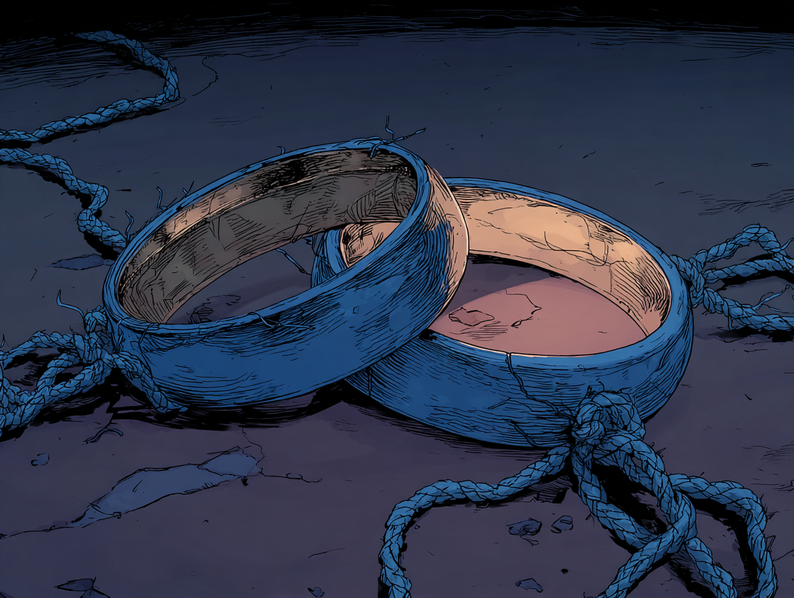
Marriage can feel painfully lonely when unresolved hurt starts building beneath everyday conversations. Resentment in marriage often develops slowly through repeated emotional disappointments, imbalance, and conflicts that never fully heal. What begins as frustration about chores, intimacy, parenting, or emotional support can gradually turn into bitterness, emotional distance, and exhaustion.
Sometimes couples do not even notice the shift at first. They simply feel more irritated, less connected, or emotionally tired around each other. Over time, small disagreements begin carrying the weight of years of unmet needs and unresolved tension.
The good news is that resentment does not always mean a relationship is doomed. In many marriages, emotional repair becomes possible once both partners understand what resentment actually is, why it develops, and how healthier communication patterns can slowly rebuild trust. In this guide, you’ll learn the most common causes of resentment in marriage, the warning signs couples often miss, practical ways to reduce emotional distance, and when professional support may help.

What Is Resentment in Marriage and Why Does It Build Over Time?
Resentment in marriage usually does not appear after one single argument. More often, it develops through repeated emotional injuries that never fully heal. A partner may feel ignored, emotionally unsupported, overburdened, or dismissed for months or even years before resentment becomes obvious.
Sometimes resentment looks loud and angry. Sometimes it looks quiet. A spouse may stop initiating conversations, avoid affection, or emotionally withdraw long before they openly admit feeling hurt.
How resentment differs from temporary frustration
Every long-term relationship includes moments of irritation and disappointment. Temporary frustration is a normal part of sharing responsibilities, navigating stress, and adjusting to changing life circumstances. In healthy relationships, couples usually repair these moments through communication, accountability, or emotional reassurance.
Resentment works differently. The emotional pain lingers after the conflict ends. Instead of feeling resolved, the hurt quietly accumulates.
For example, imagine one partner repeatedly asking for more help with childcare or household responsibilities. The other partner apologizes during arguments but never meaningfully changes their behavior. After enough repetitions, the issue often stops feeling like “help with chores” and starts feeling like emotional abandonment.
That emotional shift matters.
According to relationship research discussed by the American Psychological Association, unresolved stress and chronic conflict can gradually erode emotional connection and trust. When couples feel emotionally unseen for long periods, the nervous system may begin reacting defensively even during ordinary conversations.
Why unresolved emotional injuries accumulate
Here’s the thing: resentment rarely grows because of one major issue alone. It usually grows through repetition.
A missed conversation here. Emotional dismissal there. Promises that never fully turn into action. Over time, the brain starts expecting disappointment before interactions even begin.
Many people experiencing resentment in marriage describe feeling emotionally “on guard” around their spouse. Small comments suddenly feel sharper. Neutral situations begin triggering outsized reactions. Even affectionate moments can feel emotionally complicated because unresolved hurt still sits underneath the surface.
Sometimes couples start keeping score without realizing it:
- who sacrifices more;
- who apologizes first;
- who carries the emotional workload;
- who feels consistently unheard;
- who initiates affection or repair.
This scorekeeping often signals that emotional safety has weakened.
In many marriages, resentment also becomes tied to identity. A person may begin thinking:
- “I always have to carry everything alone”;
- “My needs never matter here”;
- “Nothing changes no matter how much I communicate”.
Once these beliefs become emotionally entrenched, conflict usually becomes harder to resolve calmly.
Emotional distance often appears before open hostility
Not every resentful marriage looks explosive from the outside. Some couples rarely fight at all. Instead, they slowly drift into emotional numbness, politeness without closeness, or chronic avoidance.
If you’ve started feeling emotionally tired before conversations even begin, you’re not alone. Many couples notice resentment only after warmth and ease begin disappearing from ordinary daily interactions.
At the same time, resentment does not automatically mean a marriage is beyond repair. Emotional injuries can often be addressed when both partners become willing to acknowledge the pain honestly instead of minimizing or avoiding it. That process usually takes patience, emotional accountability, and consistent behavioral change rather than one dramatic conversation.
What Are the Signs of Resentment in Marriage?
Resentment in marriage often shows up long before couples openly say, “We have a serious problem.” In many relationships, the earliest signs are subtle emotional shifts: less patience, less warmth, less willingness to reconnect after conflict. Over time, those patterns can harden into chronic emotional distance.
Sometimes people assume resentment always looks explosive or dramatic. In reality, it frequently appears through emotional exhaustion and quiet withdrawal instead.
Emotional signs couples often miss
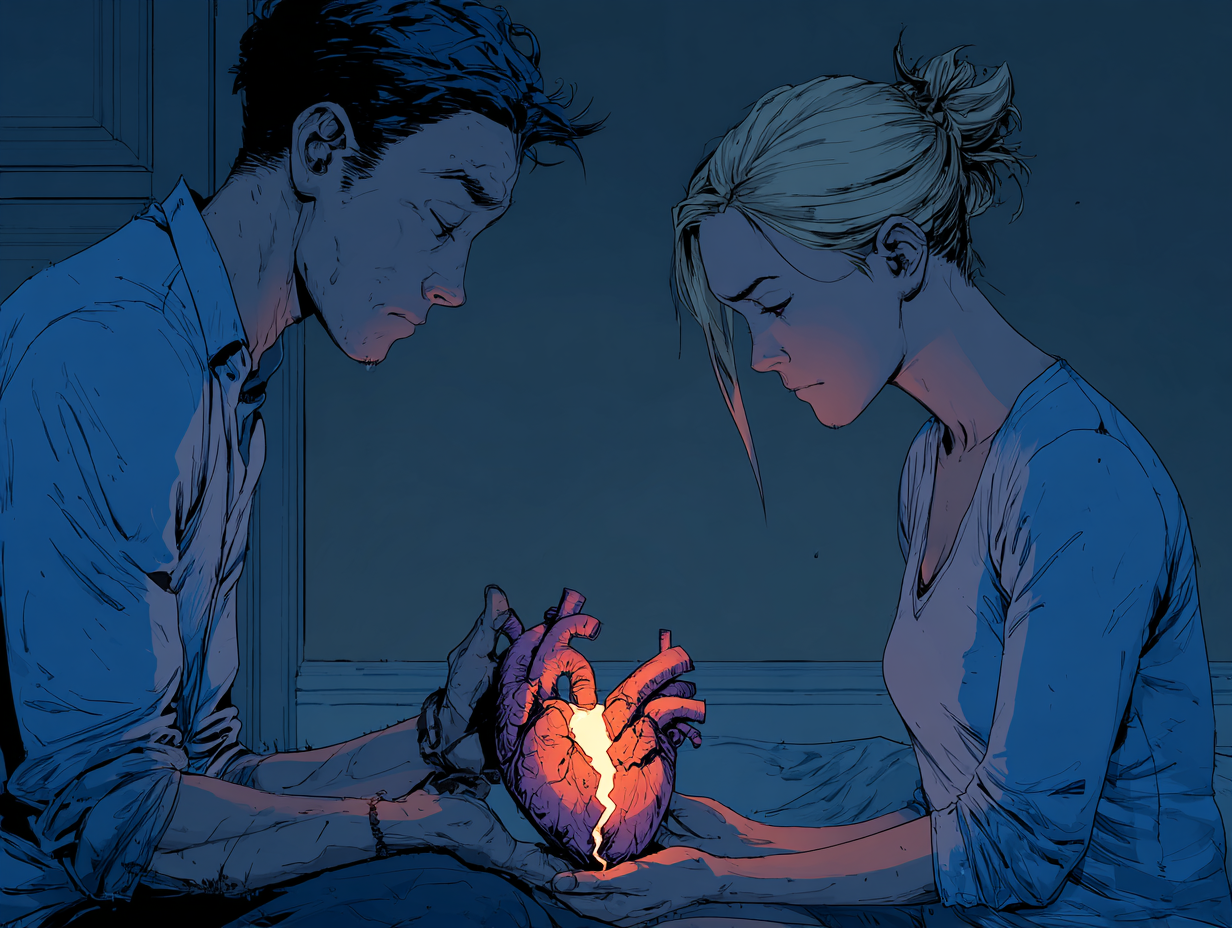
One of the most common signs is persistent irritation that feels disproportionate to the situation. Small habits that once seemed manageable suddenly trigger strong emotional reactions. A forgotten text, dishes left in the sink, or a distracted comment can carry emotional weight far beyond the moment itself.
Some people also notice:
- emotional numbness during conversations;
- reduced empathy toward their spouse;
- feeling emotionally unsafe expressing needs;
- fantasizing about escape or emotional distance;
- hopelessness after repeated unresolved arguments.
Here’s a difficult reality: some couples stop fighting not because things improved, but because emotional hope quietly faded. Conflict avoidance can sometimes signal emotional exhaustion rather than peace.
According to relationship research from the Gottman Institute, contempt and emotional withdrawal are especially important warning signs. Contempt may appear through sarcasm, eye-rolling, humiliation, or chronic criticism. Emotional withdrawal often looks quieter but can be equally damaging over time.
Behavioral patterns that damage connection
Behavioral changes usually follow emotional disconnection. A resentful spouse may begin protecting themselves emotionally instead of engaging openly.
Common behavioral patterns include:
- avoiding meaningful conversations;
- withholding affection;
- keeping score during disagreements;
- becoming defensive quickly;
- spending less intentional time together;
- passive-aggressive comments or sarcasm;
- shutting down emotionally during conflict.
Picture this: one partner tries discussing finances or parenting stress, and the other immediately becomes defensive or emotionally unavailable. After enough repetitions, difficult conversations start feeling emotionally dangerous rather than productive. Couples may then avoid honest communication altogether.
That avoidance often deepens resentment even further.
Temporary frustration vs chronic resentment
| Pattern | Temporary Frustration | Chronic Resentment |
|---|---|---|
| Conflict | Usually resolves | Lingers emotionally |
| Communication | Still open | Avoided or tense |
| Affection | Returns after repair | Feels emotionally distant |
| Thought Patterns | Situation-focused | Negative scorekeeping |
| Emotional Tone | Temporary irritation | Hopelessness or bitterness |
This distinction matters because all marriages experience stress. Chronic resentment usually involves emotional accumulation that no longer resolves through ordinary repair attempts.
Physical and mental stress responses
Long-term relationship tension can also affect physical and emotional health. According to Mayo Clinic experts, chronic emotional stress may contribute to sleep problems, headaches, fatigue, and difficulty concentrating. When the body stays emotionally tense for long periods, even routine conversations can start triggering stress responses.
Some people begin noticing anxiety before going home after work. Others feel emotionally drained after ordinary interactions with their spouse. In severe cases, resentment may overlap with depressive symptoms, hopelessness, or intense emotional isolation.
That does not automatically mean a mental-health disorder is present. Still, persistent emotional distress deserves attention rather than minimization.
And honestly, many couples wait too long before acknowledging how heavy resentment has become.
Common Causes of Resentment in Marriage
Resentment rarely appears without context. In most marriages, it grows from repeated experiences where one or both partners feel emotionally unseen, unsupported, or chronically overwhelmed. The specific trigger may differ from couple to couple, but the emotional pattern is often similar: hurt accumulates faster than repair.
Sometimes the issue is obvious, like betrayal or financial secrecy. Other times, resentment develops through smaller daily experiences that quietly repeat for years.
Unequal emotional and household labor
One of the most common causes of resentment in marriage is imbalance. This does not only mean physical chores. Emotional labor matters too.
Emotional labor includes:
- remembering appointments;
- managing family schedules;
- maintaining emotional connection;
- handling childcare planning;
- monitoring household needs;
- initiating difficult conversations;
- carrying invisible mental responsibility.
In many marriages, one partner gradually becomes the emotional manager of the relationship while the other participates more passively. Over time, that imbalance often creates exhaustion and bitterness.
For example, imagine a spouse who works full-time, coordinates school logistics, remembers birthdays, manages emotional tension between family members, and still carries most household planning responsibilities. Even if the other partner contributes financially or helps occasionally, the imbalance may still feel emotionally crushing.
Here’s the thing: resentment often grows less from the amount of work itself and more from feeling alone inside the responsibility.
According to the American Psychological Association, chronic relational stress can gradually affect emotional regulation, sleep quality, and overall well-being. When people feel unsupported for long periods, emotional patience tends to shrink.
Avoidance, criticism, and unresolved conflict
Some couples fight constantly. Others avoid conflict completely. Both patterns can fuel resentment when emotional needs remain unaddressed.
Avoidance usually feels safer in the short term. A couple may postpone difficult discussions to “keep the peace.” But unresolved issues rarely disappear on their own. Instead, they often harden into emotional assumptions:
- “They never listen anyway”;
- “There’s no point bringing this up”;
- “I’m always the problem here”.
Over time, couples may stop discussing vulnerable emotions altogether and communicate mostly through irritation, sarcasm, or withdrawal.
Criticism also plays a major role. Relationship researcher Dr. John Gottman identifies chronic criticism and contempt as particularly damaging patterns in long-term relationships. Contempt can include mocking, humiliation, eye-rolling, dismissive laughter, or treating a partner with superiority.
Even subtle contempt matters emotionally.
A spouse who repeatedly feels judged or dismissed may eventually stop seeking closeness altogether. Emotional shutdown can become a form of self-protection.
Financial stress, parenting pressure, and intimacy changes
External stressors often intensify existing relationship tension. Financial pressure, parenting exhaustion, career instability, caregiving responsibilities, and health problems can all increase emotional vulnerability inside a marriage.
For some couples, resentment develops after becoming parents. Sleep deprivation, unequal childcare responsibilities, and reduced emotional connection can create powerful feelings of loneliness. Partners may begin functioning more like coworkers managing logistics than emotionally connected spouses.
In other marriages, resentment forms around intimacy and affection. One partner may feel rejected sexually or emotionally, while the other feels pressured, overwhelmed, or emotionally disconnected. Without honest communication, both people often begin interpreting each other’s behavior negatively.
Sometimes resentment grows after major life transitions:
- relocation;
- infertility struggles;
- job loss;
- caring for aging parents;
- chronic illness;
- grief or trauma.
During periods of prolonged stress, emotional bandwidth narrows. Couples may become more reactive, defensive, or emotionally unavailable without fully understanding why.
Unspoken expectations often fuel resentment
Many marital resentments are rooted in expectations that were never clearly discussed. One partner may assume emotional support should happen automatically. The other may genuinely believe they are already doing enough.
This mismatch creates confusion on both sides.
For instance, a spouse might deeply value verbal reassurance and emotional attentiveness, while their partner focuses primarily on practical support like work or finances. Without explicit conversations about emotional needs, both people can end up feeling unappreciated simultaneously.
Sometimes couples are not fighting about dishes, money, or schedules at all. They are fighting about feeling emotionally valued.
And when those emotional injuries remain unresolved long enough, resentment can slowly replace emotional safety inside the relationship.
Can Resentment in Marriage Be Healed?
Yes, resentment in marriage can sometimes heal, but usually not through one apology or one emotional conversation. Healing tends to happen gradually through consistent emotional repair, accountability, and behavioral change. Couples often need to rebuild emotional safety before closeness can genuinely return.
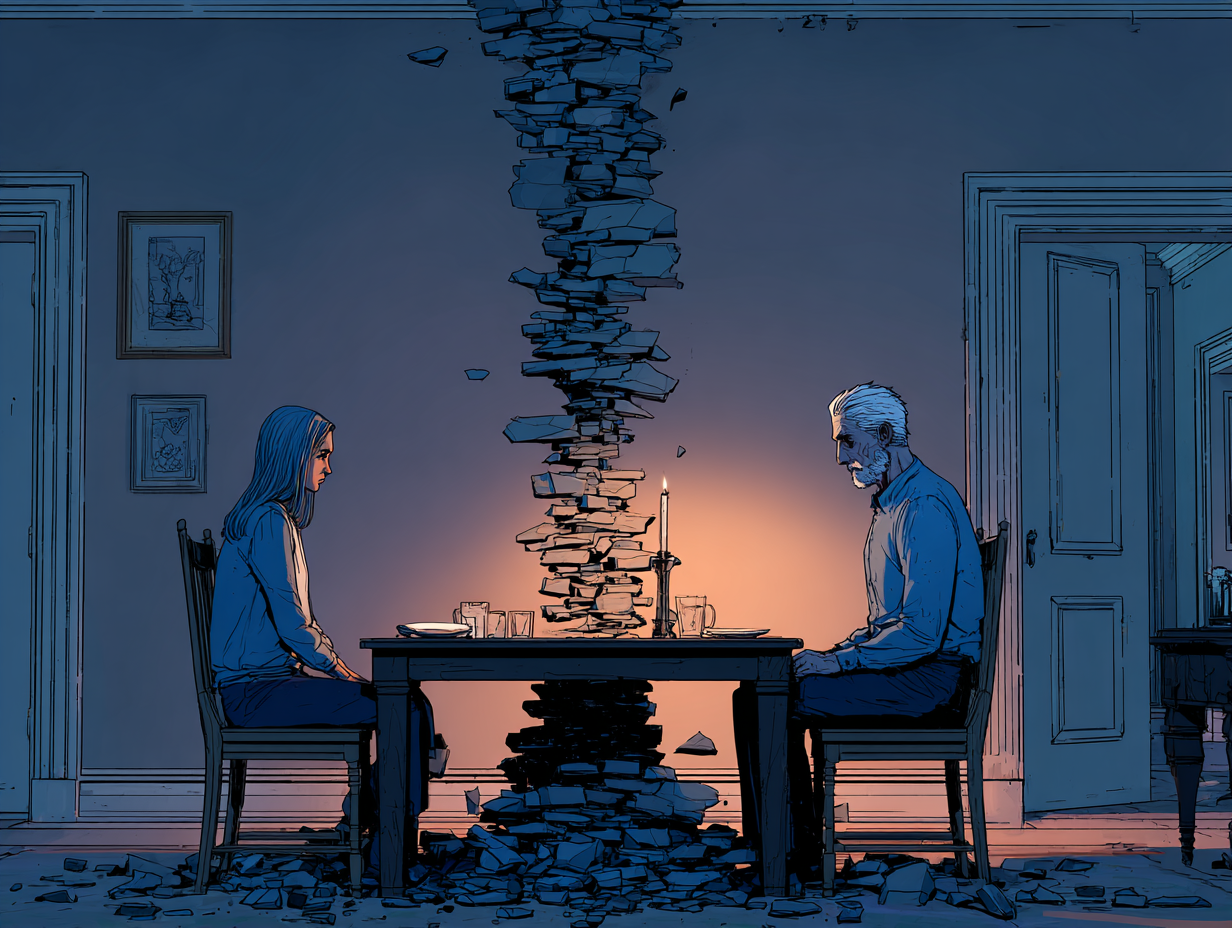
That process can feel frustratingly slow at first. Especially when both people are carrying accumulated hurt.
What emotionally safe conversations look like
Many couples try discussing resentment only after emotions have already escalated. By that point, the conversation often becomes defensive instead of productive.
Emotionally safer conversations usually sound different. Instead of attacking character, they focus on emotional experience and specific behaviors.
For example:
- “I feel emotionally alone when parenting responsibilities fall mostly on me”;
- “I miss feeling emotionally connected to you”;
- “I don’t want us to keep repeating this cycle”.
That approach is not about avoiding accountability. It is about reducing emotional threat so both people can stay engaged long enough to actually hear each other.
Here’s the hard part: healing resentment often requires listening without immediately defending yourself. Many people feel an intense urge to explain, justify, or counterattack during difficult conversations. But emotional repair usually begins when partners become willing to tolerate discomfort without shutting down or escalating.
According to the American Association for Marriage and Family Therapy, couples therapy often focuses on rebuilding emotional responsiveness and improving conflict patterns rather than simply “winning” arguments.
Small repair attempts matter more than dramatic promises
Couples sometimes wait for one huge breakthrough moment to fix everything. In reality, resentment usually softens through repeated smaller experiences of emotional reliability.
That may include:
- following through on commitments;
- acknowledging hurt without minimizing it;
- apologizing specifically;
- sharing responsibilities more fairly;
- checking in emotionally during stressful periods;
- responding with curiosity instead of contempt.
Imagine a spouse who normally dismisses concerns becoming consistently more emotionally present over several months. They start helping without being asked repeatedly. They listen without interrupting. They follow through after difficult conversations. Those smaller moments gradually rebuild trust because they create emotional predictability.
In many marriages, healing begins when actions finally start matching words.
How couples rebuild trust gradually
Trust repair is often less about perfection and more about consistency. A resentful partner usually wants evidence that emotional pain is finally being understood seriously.
Sometimes that means changing communication patterns. Sometimes it means renegotiating household responsibilities, parenting expectations, financial boundaries, or intimacy needs.
At the same time, healing resentment does not mean suppressing anger or pretending everything feels okay immediately. Emotional recovery usually includes difficult conversations, setbacks, and periods of uncertainty.
Some couples notice improvement through structured habits like:
- Weekly emotional check-ins.
- Discussing one conflict at a time instead of revisiting years of unresolved pain simultaneously.
- Taking short pauses during escalating arguments instead of emotionally flooding each other.
- Rebuilding positive interactions outside conflict discussions.
- Practicing accountability without humiliation or blame.
These approaches help reduce nervous system defensiveness and increase emotional stability during conflict.
When individual or couples therapy helps
Sometimes resentment becomes too emotionally entrenched for couples to untangle alone. Therapy can help create a more structured and emotionally regulated environment for difficult conversations.
Evidence-based approaches commonly used for relationship resentment include:
- Emotionally Focused Therapy (EFT);
- Gottman-informed couples therapy;
- Cognitive Behavioral Therapy (CBT);
- attachment-focused therapy;
- mindfulness-based interventions for emotional regulation.
Therapy does not guarantee reconciliation. But it can help couples better understand the emotional patterns underneath repeated conflict.
In some situations, individual therapy also becomes important. A person carrying long-term resentment may need support exploring boundaries, burnout, trauma history, anxiety, or emotional exhaustion outside the relationship itself.
And honestly, seeking therapy is not a sign that a marriage has failed. In many cases, it reflects willingness to stop repeating painful patterns and start approaching the relationship differently.
If you’ve been carrying resentment for a long time, it’s okay to admit that the emotional weight feels heavy. Most people were never taught how to repair emotional injuries safely or consistently.
Healing is possible. But it usually requires honesty, emotional accountability, patience, and mutual effort from both partners.
When Is Resentment in Marriage a Serious Warning Sign?
Not all resentment means a relationship is beyond repair. Many couples experience periods of emotional frustration and eventually reconnect through honest communication and meaningful change. But sometimes resentment becomes so chronic and emotionally corrosive that it starts affecting psychological safety, mental health, and daily functioning.
One important warning sign is persistent contempt. According to research from the Gottman Institute, contempt is strongly linked to long-term relationship deterioration. This may appear through ridicule, humiliation, disgust, mocking, or treating a partner with ongoing disrespect.
Another serious sign is emotional shutdown.
Some people stop expressing anger entirely because they no longer believe emotional repair is possible. Conversations become emotionally flat, distant, or purely logistical. Affection disappears. Emotional vulnerability starts feeling unsafe.
Signs emotional damage may be deepening
Certain patterns deserve closer attention, especially when they continue for months without improvement:
- chronic hostility or sarcasm;
- fear before conversations;
- emotional numbness around a partner;
- repeated humiliation or intimidation;
- intense hopelessness about the relationship;
- constant walking on eggshells;
- complete avoidance of emotional intimacy;
- thoughts of escape during ordinary interactions.
Sometimes resentment overlaps with anxiety, burnout, or depressive symptoms. A person may feel emotionally trapped, physically exhausted, or persistently tense at home. According to the National Institute of Mental Health, chronic stress can affect sleep, concentration, mood, and emotional regulation over time.
Important to know: resentment and conflict are not automatically emotional abuse. However, repeated humiliation, intimidation, threats, fear, or emotional cruelty should never be minimized or normalized.
When to seek immediate support
Professional support becomes especially important when:
- communication consistently escalates into emotional harm;
- one or both partners feel emotionally unsafe;
- conflict affects children significantly;
- resentment has turned into chronic contempt;
- emotional distress begins affecting work, sleep, or functioning;
- hopelessness or thoughts of self-harm appear.
In many cases, couples counseling helps create safer emotional structure for difficult conversations. Individual therapy may also help people clarify boundaries, process emotional exhaustion, or evaluate relationship patterns more clearly.
And sometimes, support is needed urgently.
If emotional distress ever escalates into thoughts of hopelessness, self-harm, or feeling unable to stay safe, call or text 988 to reach the Suicide & Crisis Lifeline in the United States. If there is immediate danger or risk of harm, call 911.
Reaching out for support is not weakness. It is a form of protection for both emotional health and personal safety.
References
1. American Psychological Association. Healthy Relationships. 2024.
2. American Association for Marriage and Family Therapy. Couples Therapy. 2024.
3. The Gottman Institute. The Four Horsemen: Contempt. 2023.
4. National Institute of Mental Health. 5 Things You Should Know About Stress. 2023.
5. Substance Abuse and Mental Health Services Administration (SAMHSA). Find Support for Mental Health. 2024.
6. Mayo Clinic. Stress Symptoms: Effects on Your Body and Behavior. 2024.
7. Cleveland Clinic. Signs of Emotional Stress. 2024.
Conclusion
Resentment in marriage rarely appears all at once. More often, it grows quietly through repeated emotional injuries, imbalance, exhaustion, and unresolved conflict. Over time, couples may stop feeling emotionally safe, understood, or connected, even if they still deeply care about each other.
The encouraging part is that resentment does not always mean a relationship is permanently broken. Many couples rebuild emotional trust through accountability, healthier communication, clearer boundaries, and consistent behavioral change. Repair usually happens gradually, not perfectly.
At the same time, persistent contempt, emotional fear, or chronic hopelessness should never be ignored. Professional support from a licensed therapist, psychologist, counselor, or marriage and family therapist can help couples better understand the patterns underneath recurring conflict.
If emotional distress becomes overwhelming or safety feels uncertain, call or text 988 in the United States to reach the Suicide & Crisis Lifeline. If there is immediate danger, call 911.
Frequently Asked Questions
Can resentment ruin a marriage permanently?
Resentment can seriously damage emotional connection when it remains unresolved for long periods. However, many couples improve their relationship through accountability, emotional repair, and consistent communication changes. Early intervention usually makes healing easier.
How do I talk to my spouse about resentment without starting another fight?
Try discussing emotions during calmer moments rather than during active conflict. Focus on describing your emotional experience instead of attacking your partner’s character. Slower, more specific conversations often feel emotionally safer and more productive.
Is resentment in marriage normal?
Temporary resentment can happen in many long-term relationships, especially during stressful life periods. Chronic resentment that creates emotional distance, hopelessness, or ongoing hostility deserves more attention and support.
Can couples heal resentment without therapy?
Some couples improve resentment patterns through honest communication, accountability, and healthier conflict habits. Still, therapy can provide structure and emotional safety when conversations repeatedly become defensive or emotionally painful.
When should couples counseling start?
Couples counseling may help when resentment keeps returning, communication feels emotionally unsafe, or emotional distance continues growing despite repeated repair attempts. Many therapists recommend seeking support before contempt becomes deeply entrenched.
What if my partner refuses therapy?
Individual therapy can still help you process emotional exhaustion, clarify boundaries, and better understand relationship patterns. Even when only one partner seeks support initially, healthier communication and emotional awareness can still influence relationship dynamics.