How to Correctly Arrange Colors at a Psychologist’s Office: Creating a Space That Feels Safe and Professional
Choosing colors for a therapy office often feels deceptively simple. Many psychologists assume that as long as the space looks “nice” or neutral, it will naturally feel safe to clients. In practice, however, psychologist’s office colors play a much more meaningful role than decoration alone. They shape first impressions, influence emotional regulation, and quietly affect how secure or alert a person feels before a single word is spoken.
For clients who arrive anxious, guarded, or overwhelmed, the visual environment becomes part of the therapeutic frame. Colors can either support a sense of calm and predictability or, unintentionally, add to sensory load and tension. This does not mean that specific shades can treat mental health conditions, but it does mean that thoughtful color choices help reduce unnecessary barriers to trust and engagement.
In this article, we will look at how colors function in a therapy setting from a clinical, not decorative, perspective. You’ll learn how color interacts with the nervous system, which palettes tend to support emotional safety, what to avoid in a psychologist’s office, and how to make trauma-informed choices that align with ethical practice in the United States. The goal is not to follow trends, but to create a professional space that quietly supports the work you do.
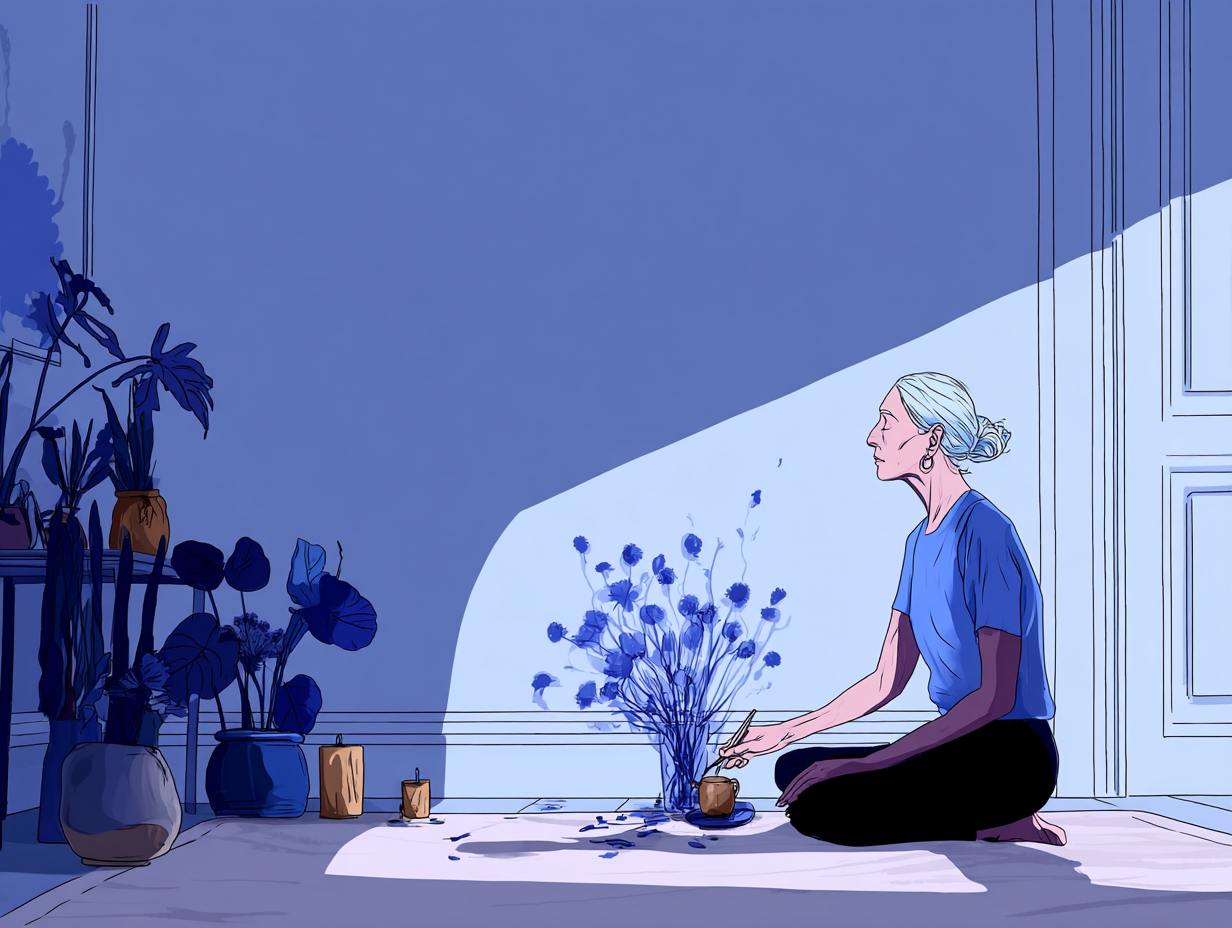
Why Colors in a Psychologist’s Office Matter More Than You Think
Before a client shares their story, their nervous system is already taking in information. The moment someone steps into a therapy office, they begin forming impressions about safety, professionalism, and emotional tone. Colors are a central part of that process, even when neither the client nor the therapist is consciously focused on them.
How Clients Perceive Space Before They Speak
Here’s the thing: perception comes before language. Research in environmental psychology shows that people evaluate spaces within seconds, using visual cues to decide whether they feel at ease or on guard. In a psychologist’s office, colors help signal what kind of space this is. Is it calm or tense? Predictable or overstimulating? Neutral or emotionally loaded?
For many clients, especially those coming to therapy for the first time, anxiety is already present. Subtle elements such as wall color, contrast, and saturation can either soften that anxiety or amplify it. This response is not a judgment of taste. It is a basic human reaction to visual input.
Importantly, these impressions form before rapport has a chance to develop. Even a skilled clinician may find that clients take longer to settle if the environment feels visually overwhelming or confusing. Thoughtful color choices help remove friction at the very start of the session.
Emotional Safety and the Therapeutic Alliance
The therapeutic alliance depends on trust, emotional safety, and a sense of being understood. While color alone does not create that alliance, it can support or undermine it. According to the American Psychological Association, clinicians have an ethical responsibility to avoid causing harm and to consider contextual factors that may affect a client’s well-being. The physical environment is one of those factors.
Psychologist’s office colors influence how contained and supported a client feels during sessions. Soft, non-intrusive palettes can help signal that the space is stable and intentional. This is especially relevant for clients who are hypervigilant, emotionally overwhelmed, or sensitive to sensory input. When the visual environment feels steady, the client has more capacity to focus inward rather than scanning for threats.
At the same time, a therapy office should not feel impersonal or sterile. Extremely cold or medical-looking spaces can create emotional distance, making it harder for clients to open up. The goal is balance: a professional environment that feels human without being emotionally demanding.
From a clinical perspective, color choices are part of boundary-setting. They communicate that the office exists for the client’s needs, not as an expression of the therapist’s personality. When colors are chosen intentionally, they quietly reinforce the frame of therapy, supporting focus, trust, and emotional regulation from the very first moment.
How Color Affects the Nervous System in a Therapy Office
Color does not work on the mind in an abstract or symbolic way alone. It interacts with the body first. When a client enters a therapy office, their nervous system immediately begins to assess the environment for cues of safety or threat. Color is one of the signals that shapes this physiological response, often before conscious thought catches up.
Arousal, Calm, and Sensory Load
At a basic level, the nervous system is constantly regulating arousal. It shifts between states of alertness and calm depending on perceived demands. Visual input plays a role in this process. Highly stimulating environments can push the nervous system toward activation, while calmer environments make regulation easier.
In a therapy office, color contributes to what clinicians often describe as sensory load. Bright, high-contrast, or intensely saturated colors require more processing. For some people, this added stimulation can translate into restlessness, irritability, or difficulty focusing. This is especially relevant for clients who already arrive in a heightened state of arousal due to anxiety, chronic stress, or trauma exposure.
More subdued palettes tend to place fewer demands on attention. Soft neutrals, muted greens, or gentle blues are less likely to compete with internal reflection or emotional processing. They allow the nervous system to downshift slightly, supporting the kind of reflective state therapy often requires.
It is important to clarify boundaries here. Color does not treat anxiety, depression, or trauma. However, the environment can either reduce unnecessary strain on regulation systems or add to it. From a clinical standpoint, reducing avoidable sensory stressors is a reasonable and ethical goal.
What Research in Environmental Psychology Shows
Environmental psychology and health psychology research consistently show that visual surroundings influence stress responses. Studies referenced by institutions such as Harvard Health Publishing and the National Institute of Mental Health describe how environmental stimuli, including light and color, can affect physiological arousal and emotional states.
Calmer visual environments are associated with lower stress markers and improved concentration, while chaotic or overstimulating spaces are linked to increased tension and vigilance. This does not mean there is a universal correct color. Individual differences, cultural background, and personal history all shape perception. Still, patterns emerge at the population level that are relevant for clinical spaces.
For therapists, this research supports a principle rather than a formula. The goal is not to design an office that evokes a specific emotion, but to avoid colors that demand too much from clients’ nervous systems. A therapy room should not ask clients to manage visual intensity on top of emotional work.
Another key finding is predictability. Environments that feel visually coherent, where colors work together rather than clash, are easier for the brain to process. Predictability supports a sense of control, which is particularly important for clients who feel overwhelmed or unsafe in other areas of life.
From an ethical perspective, these insights align with trauma-informed care principles promoted by U.S. organizations such as SAMHSA. Minimizing unnecessary stimulation and supporting regulation helps create conditions where clients can engage more fully in therapy.
In short, color choices in a therapy office matter because they shape the physiological backdrop of every session. When that backdrop supports calm and focus, both client and therapist can devote more energy to the therapeutic work itself.
Which Colors Work Best in a Psychologist’s Office (and Why)
Once the goal is clear - supporting emotional regulation without adding sensory strain - color choices become easier to evaluate. The most effective psychologist’s office colors are not about style trends or personal preference. They are about creating a background that feels steady, predictable, and emotionally neutral enough to let therapy take center stage.
Neutral and Earth Tones
Neutral and earth-based colors are widely used in therapy settings for a reason. Shades such as warm beige, soft gray, taupe, muted clay, or light sand tend to feel grounding without being cold. They offer visual stability and do not pull attention away from the therapeutic process.
These colors work well because they sit in the background rather than competing with emotional content. Clients are less likely to react strongly to them, which reduces the risk of overstimulation. Earth tones also tend to age well over time, helping the office feel consistent and reliable rather than trendy or transient.

From a clinical perspective, consistency matters. When a space feels familiar and unchanged, it reinforces predictability. This is especially helpful for clients who struggle with anxiety or hypervigilance, as it reduces the number of variables their nervous system needs to track.
Soft Blues and Greens
Soft blues and greens are often associated with calm and balance, and research in environmental psychology supports their use in spaces designed for focus and emotional regulation. In a therapy office, these colors can gently support parasympathetic activity, making it easier for clients to settle into sessions.
The key word here is soft. Pale sage, muted eucalyptus, or gray-blue tones tend to work better than bright turquoise or saturated teal. When blues and greens are too intense, they can feel stimulating rather than calming. Used thoughtfully, however, they add subtle warmth and depth to neutral palettes.
Many clinicians use these tones on a single wall, in textiles, or through artwork rather than covering the entire room. This approach maintains balance while avoiding visual monotony.
Accent Colors: When and How to Use Them
Accent colors can be helpful, but they require restraint. Small touches of color in cushions, rugs, artwork, or plants can make a therapy office feel human and welcoming without overwhelming the senses.
Accent colors work best when they are muted and limited in scope. Soft terracotta, dusty blue, or olive green can add warmth and visual interest. Bright or highly saturated accents, especially reds or yellows, should be used cautiously, as they can draw attention and increase arousal.
Clinically, accent colors should never dominate the visual field. Their role is to soften the space, not define it. When accents start to compete with eye contact or emotional processing, they work against the therapeutic goal.
Summary Table: Color Choices in a Therapy Office
| Color Type | Typical Emotional Effect | Best Use in a Therapy Office | What to Avoid |
|---|---|---|---|
| Warm neutrals (beige, taupe) | Grounding, stable | Walls, large surfaces | Stark white or yellow-heavy tones |
| Soft blues | Calm, focused | Accent walls, artwork | Bright or saturated blues |
| Muted greens | Balanced, soothing | Plants, textiles, décor | Neon or highly contrasted greens |
| Earth tones | Safe, predictable | Furniture, rugs | Overly dark, heavy browns |
| Accent colors (muted) | Warmth, interest | Small decorative elements | Large, dominant color blocks |
When choosing psychologist’s office colors, the guiding question is simple: does this color help the space fade into the background, or does it demand attention? Colors that support therapy are the ones clients barely notice - because their nervous systems feel at ease.
Colors to Avoid in a Psychologist’s Office
Just as some colors support emotional regulation, others can quietly interfere with it. In a therapy setting, the issue is rarely whether a color is objectively bad, but whether it places unnecessary demands on a client’s nervous system. Certain choices are more likely to increase tension, distraction, or emotional distance, outcomes that work against the goals of therapy.
Overstimulating and High-Contrast Colors
Highly saturated colors tend to activate rather than soothe. Bright reds, intense oranges, neon shades, or sharp color contrasts can elevate physiological arousal and draw attention outward. In everyday environments this may be acceptable, but in a psychologist’s office it can make it harder for clients to slow down and reflect.
Red, in particular, is associated with alertness and urgency. While small, muted touches may be appropriate in limited contexts, large red surfaces often feel intrusive. For clients who experience anxiety, panic symptoms, or hypervigilance, this kind of stimulation can increase discomfort without anyone explicitly noticing why.
High-contrast combinations, for example stark black-and-white patterns, can also strain visual processing. These contrasts demand constant adjustment from the brain, which may translate into subtle agitation or fatigue over the course of a session. The effect is cumulative, especially for clients who attend therapy regularly.
Sterile or Medical Palettes
At the opposite extreme, overly sterile environments can create emotional distance. Offices dominated by stark white, cold gray, or institutional beige may resemble medical or administrative settings rather than therapeutic ones. While cleanliness and professionalism are important, spaces that feel clinical can discourage vulnerability.
Clients may associate such environments with evaluations, authority, or loss of control. This is particularly relevant for individuals with prior negative healthcare experiences or trauma histories. When the room feels impersonal, clients often remain guarded longer, making it harder to establish a strong therapeutic alliance.
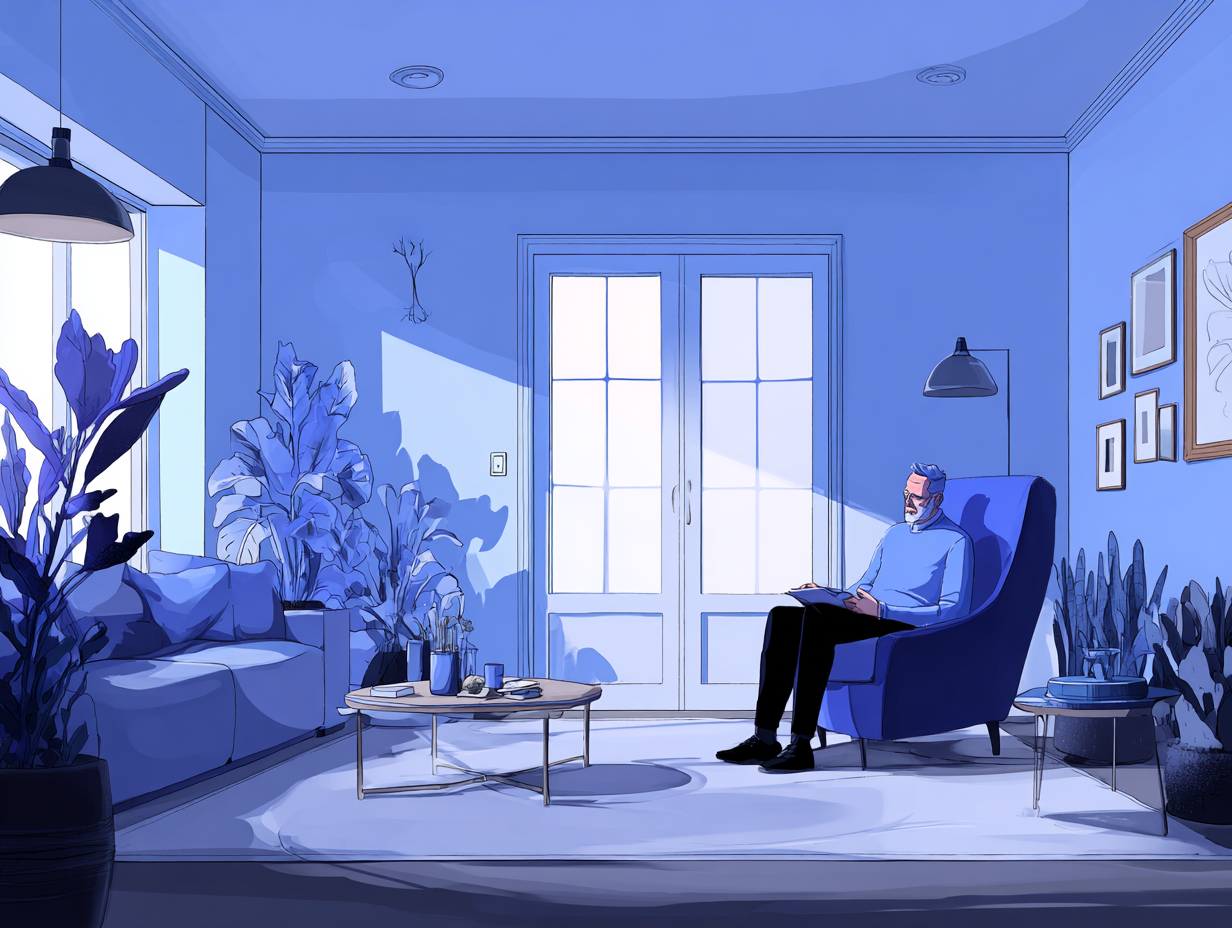
The goal is not to eliminate white or light gray entirely, but to soften them. Adding warmth through texture, gentle contrast, or natural elements can help prevent the space from feeling emotionally flat or intimidating.
Summary Table: Colors and Clinical Considerations
| Color Type | Potential Impact on Clients | Clinical Considerations |
|---|---|---|
| Bright reds and oranges | Increased arousal, tension | May heighten anxiety or agitation |
| Neon or highly saturated colors | Sensory overload | Distracting, difficult to ignore |
| High-contrast patterns | Visual fatigue | Can increase restlessness over time |
| Stark white or cold gray | Emotional distance | May feel clinical or impersonal |
| Very dark palettes | Heaviness, withdrawal | Can feel oppressive or closed |
Avoiding these colors does not mean eliminating personality or warmth. Instead, it reflects an ethical choice to prioritize client comfort over visual impact. In a psychologist’s office, the most effective design decisions are often the quiet ones, those that clients barely register because nothing in the environment competes with the work happening in the room.
Trauma-Informed Color Choices for a Therapy Office
Trauma-informed care asks a simple but demanding question: does this environment support a sense of safety, choice, and control? When applied to office design, that question makes color selection less about preference and more about predictability and regulation. For many clients with trauma histories or heightened anxiety, visual surroundings can either help the nervous system settle or quietly keep it on edge.
Predictability and Visual Safety
One of the core principles of trauma-informed practice is reducing uncertainty. Environments that feel visually coherent are easier for the brain to process and less likely to trigger vigilance. Consistent, low-contrast color palettes support this sense of predictability.
In a therapy office, this means avoiding abrupt shifts in color from one surface to another. When walls, furniture, and décor follow a related palette, the space feels intentional and contained. Clients are not forced to constantly scan or adjust to visual surprises. Over time, this consistency helps reinforce the idea that the therapy room is a stable, reliable place.
Predictability also supports emotional regulation. According to trauma-informed care frameworks promoted by SAMHSA, minimizing unnecessary sensory input can help clients remain within a tolerable window of arousal. Color choices that stay within a narrow, muted range reduce the likelihood of sudden activation or shutdown during sessions.
This does not require making the space bland. Subtle variation in tone and texture can add warmth without breaking visual continuity. The key is that changes feel gradual rather than abrupt.
Supporting Clients with Anxiety or PTSD
Clients experiencing anxiety disorders or post-traumatic stress often arrive in therapy already managing heightened arousal. Their nervous systems may be primed to detect threat, even in neutral situations. In this context, color becomes part of the overall safety signal.
Soft, desaturated colors are generally easier to tolerate for these clients. Muted greens, warm neutrals, and gentle blues tend to place fewer demands on attention. They do not insist on being noticed, which allows clients to focus inward rather than monitoring their surroundings.
Trauma-informed color choices also avoid symbolism that could carry unintended meaning. Deep reds, aggressive contrasts, or dramatic lighting can sometimes be experienced as intrusive or overwhelming, even if the therapist’s intention is warmth or energy. Because trauma responses are highly individual, erring on the side of simplicity reduces the risk of accidental triggering.
It is equally important to remember boundaries. Trauma-informed design supports regulation but does not attempt to control or fix emotional states. Colors should not be used to manipulate mood. Instead, they create a backdrop that makes regulation more possible, leaving the therapeutic work to the relationship and clinical skill.
From an ethical standpoint, this approach aligns with guidance from the American Psychological Association on avoiding harm and attending to contextual factors that affect client well-being. Choosing trauma-informed psychologist’s office colors is one way to honor that responsibility without making assumptions about any individual client.
In practice, many clinicians adopt a layered approach: neutral base colors, gentle natural tones, and minimal accents. This creates a flexible environment that accommodates a wide range of clients, including those who may not disclose trauma histories but still benefit from a visually calm space.
Balancing Personal Style and Professional Boundaries in Office Colors
Every psychologist brings a personal aesthetic into their workspace, whether intentionally or not. The challenge is not to erase that individuality, but to ensure it does not overshadow the purpose of the space. In a therapy office, color choices sit at the intersection of personal style, professional identity, and ethical responsibility.
Therapist Identity vs Client Needs
It is natural to want your office to feel like yours. Many clinicians spend long hours in their workspace, and an environment that feels completely foreign or uncomfortable can contribute to fatigue. At the same time, the therapy office exists primarily for clients. This means that personal preferences must remain secondary to client comfort and safety.
When choosing colors, a useful guiding question is: does this choice support the client’s experience, or primarily reflect my own taste? Bold palettes, strong contrasts, or emotionally expressive colors may feel energizing to the therapist but distracting or overwhelming to clients. In contrast, restrained, neutral choices signal that the space is designed to hold many different emotional experiences, not express a single point of view.
Professional boundaries are also communicated visually. An office that feels overly personal can blur lines, making it harder for clients to stay focused on their own process. Colors that are too expressive or idiosyncratic may invite attention toward the therapist rather than the work. Thoughtful restraint helps keep the therapeutic frame clear.
Cultural Sensitivity and Inclusivity
Color perception is not universal. Cultural background, personal history, and lived experience all shape how a person responds to visual environments. What feels warm and welcoming to one client may feel unfamiliar or even unsettling to another. For this reason, inclusivity favors neutrality and balance over strong stylistic statements.
In the United States, therapists often work with clients from diverse cultural and socioeconomic backgrounds. Choosing colors that are broadly calming and non-symbolic reduces the likelihood of unintended associations. Natural tones, soft contrasts, and minimal saturation tend to translate more easily across cultural contexts than highly stylized palettes.
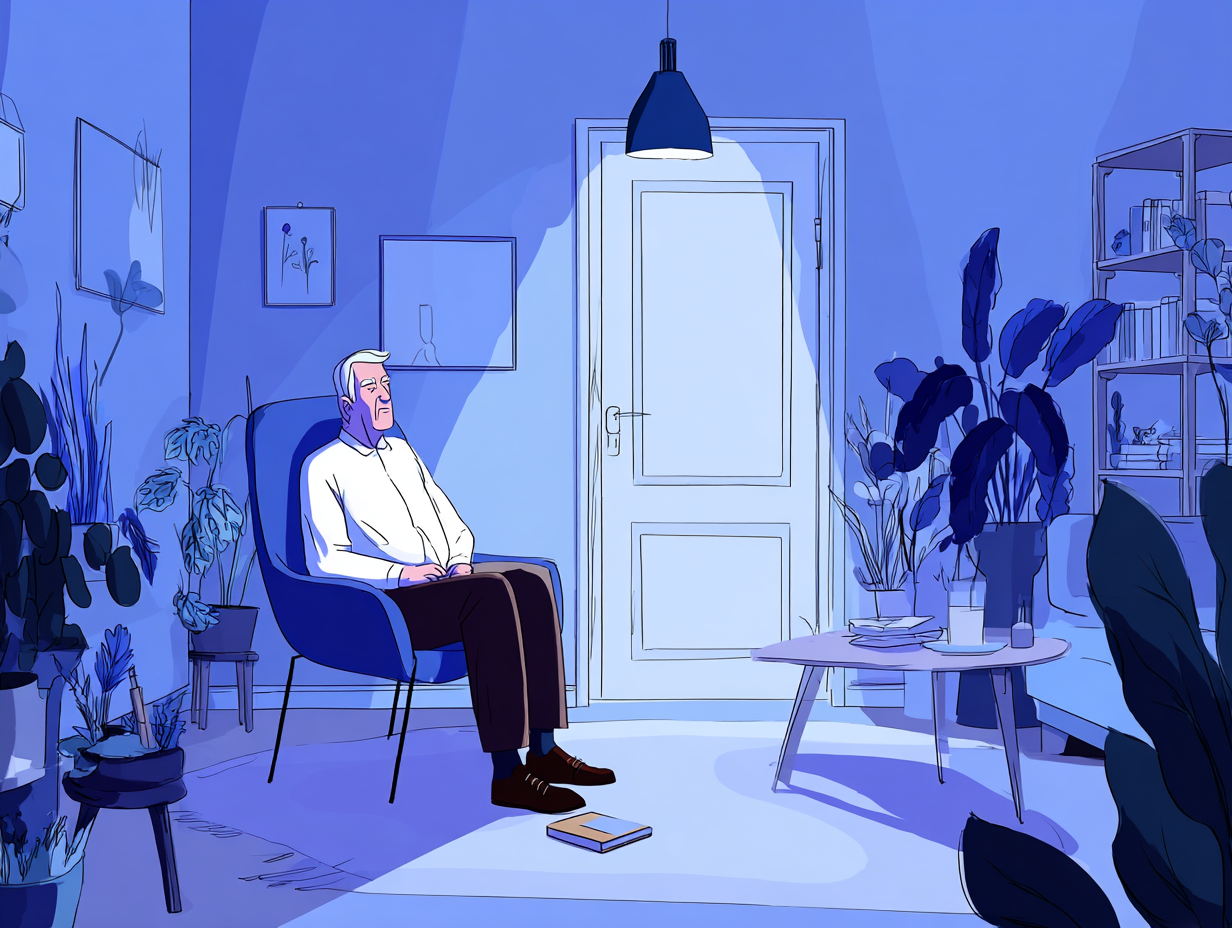
Inclusivity also extends to neurodivergent clients and those with sensory sensitivities. Visually busy spaces can create barriers to engagement, even when the therapist’s intentions are positive. A simplified, cohesive color scheme communicates respect for different sensory needs without singling anyone out.
Ultimately, balancing personal style with professional boundaries is an ongoing process. Offices evolve, just as practices do. Periodically reassessing color choices through a clinical lens helps ensure that the environment continues to serve its primary purpose: supporting clients in feeling safe, respected, and able to focus on their therapeutic work.
References
1. American Psychological Association. Ethical Principles of Psychologists and Code of Conduct. 2017.
2. American Psychological Association. Guidelines for Psychological Practice. 2021.
3. Substance Abuse and Mental Health Services Administration. Trauma-Informed Care in Behavioral Health Services. 2014.
4. National Institute of Mental Health. Anxiety Disorders. 2023.
5. Harvard Health Publishing. How Stress Affects Your Body. 2022.
Conclusion
Color choices in a psychologist’s office are not a matter of decoration, but of clinical awareness. The visual environment shapes first impressions, influences nervous system regulation, and can either support or complicate the therapeutic process. Thoughtful use of calm, predictable colors helps reduce unnecessary sensory load and allows clients to focus on the work they came to do.
There is no single correct palette for every practice. What matters is intentionality. By prioritizing emotional safety, professional boundaries, and trauma-informed principles, psychologists can create offices that feel steady, respectful, and inclusive. When the space fades quietly into the background, therapy has room to unfold.
If you are ever concerned that environmental factors may be affecting client well-being, consultation and reflection are appropriate steps. And if distress or crisis arises, clients in the United States can call or text 988 for the Suicide and Crisis Lifeline, or call 911 in an emergency.
Frequently Asked Questions
Do colors in a therapy office really affect clients?
Yes, although the effect is indirect. Colors influence how safe, calm, or overstimulating a space feels, which can affect a client’s ability to relax and engage in therapy.
Are there specific colors psychologists should always use?
There is no universal rule. Neutral and muted tones tend to work well for many clients, but choices should be guided by predictability, balance, and clinical judgment rather than trends.
Can office colors trigger clients with trauma?
They can, particularly if colors are highly saturated, aggressive, or unpredictable. Trauma-informed design aims to reduce this risk by favoring calm, consistent palettes.
Is it ethical to consider office design in therapy practice?
Yes. According to the American Psychological Association, psychologists should consider contextual factors, including the physical environment, that may affect client well-being.
Should a therapy office reflect the therapist’s personality?
Only to a limited extent. Personal comfort matters, but client needs and professional boundaries should take priority when choosing colors and design elements.
When should a psychologist reconsider their office color choices?
If clients consistently seem uncomfortable, distracted, or overstimulated, it may be worth reassessing the environment and seeking peer consultation.