Protest Behavior in Anxious Attachment: Why It Happens and How to Stop the Cycle
When connection feels uncertain, emotional reactions can escalate quickly. Many people describe moments in relationships where panic, anger, or desperation seem to take over — especially when a partner feels distant or unavailable. This experience is often linked to protest behavior in anxious attachment, a pattern driven by fear of losing emotional closeness rather than a desire to cause harm.
Protest behavior refers to actions meant to restore connection when attachment needs feel threatened. These behaviors can include excessive reassurance-seeking, emotional withdrawal, jealousy, or testing a partner’s commitment. While they are rooted in a need for safety and closeness, they often create the opposite result, increasing conflict and distance over time.
In this article, you’ll learn what protest behavior really is, why it feels so urgent in anxious attachment, and how it affects relationships. You’ll also explore practical ways to interrupt this cycle and understand when support from a licensed mental health professional may be helpful. The goal is clarity without blame — recognizing patterns, taking responsibility, and learning healthier ways to seek connection.
What Is Protest Behavior in Anxious Attachment?
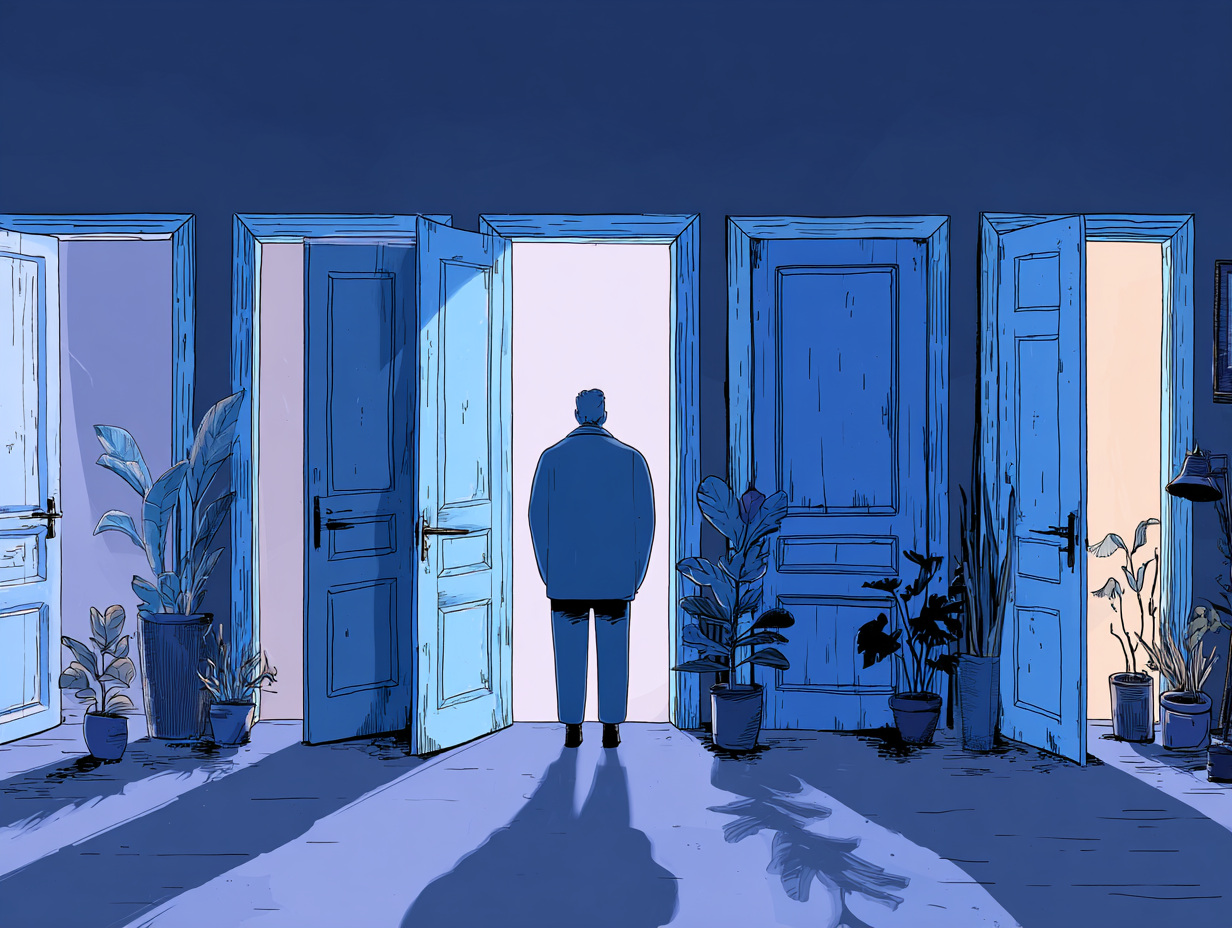
Protest behavior is a set of actions people may use when they fear emotional disconnection from someone they depend on. In the context of anxious attachment, these behaviors are attempts to re-establish closeness when a relationship feels uncertain or threatened. The intention is connection and reassurance, but the impact often increases tension instead.
At its core, protest behavior is not about manipulation or control. It is a response to perceived emotional distance that activates the attachment system. When reassurance is delayed or unclear, anxiety rises quickly, and behavior shifts toward urgency. The person may feel an intense need to do something to pull the partner back emotionally, even if that something later feels regrettable.
From a psychological perspective, anxious attachment is characterized by heightened sensitivity to signs of rejection or abandonment. When those signs appear, protest behavior becomes a way to signal distress. The behavior communicates, I need closeness now, but it often does so indirectly, through actions rather than clear emotional expression.
Common examples of protest behavior
Protest behavior can look very different from one relationship to another. Some actions are overt and emotional, while others are subtle or passive. Common examples include:
- repeated texting or calling when a partner does not respond right away
- expressing jealousy or suspicion without clear evidence
- withdrawing affection or becoming emotionally distant to provoke a response
- making ultimatums or threats related to the relationship
- testing a partner’s commitment by creating conflict or drama
For example, imagine someone notices their partner replying more slowly than usual. Instead of asking directly for reassurance, they send multiple messages, then abruptly stop responding themselves. The goal is not to punish, but to trigger reassurance and regain a sense of emotional safety.
It is important to understand that protest behavior is driven by fear, not malice. People engaging in it are often aware, at least afterward, that their reactions feel excessive or out of character. This awareness can bring shame, which further complicates communication and repair.
Protest behavior becomes problematic not because the need for connection is wrong, but because the strategy used to express that need tends to escalate insecurity on both sides. Recognizing this pattern is the first step toward changing it.
Why Does Protest Behavior Happen in Anxious Attachment?
Protest behavior does not appear randomly. It is triggered when the attachment system senses a threat to emotional closeness. For people with anxious attachment, that system is especially sensitive, reacting quickly and intensely to signs of distance, ambiguity, or perceived rejection. The behavior is an attempt to regulate overwhelming anxiety when internal reassurance is not enough.
At the psychological level, anxious attachment develops when early relationships taught the person that connection can be unpredictable. As adults, this history shapes how the nervous system responds to closeness and separation. When a partner seems distracted, less affectionate, or emotionally unavailable, the body reacts as if an important bond is at risk. Protest behavior is the outward expression of that alarm.
How the attachment system reacts to perceived distance
The attachment system is designed to keep people close to those they depend on. When closeness feels secure, the system stays calm. When it feels threatened, it activates. In anxious attachment, this activation happens faster and with more intensity.
Small cues can trigger it, such as a delayed reply, a change in tone, or less frequent contact. These cues may be neutral or unrelated to the relationship, but the anxious attachment system interprets them as warning signs. The emotional response escalates before there is time for reflection.
Once activated, attention narrows. Thoughts become focused on the relationship and the partner’s availability. The body may respond with restlessness, tightness in the chest, or a sense of urgency. Protest behavior emerges as an effort to reduce this discomfort by restoring closeness as quickly as possible.
Why protest behavior feels urgent and hard to control
Protest behavior often feels compulsive rather than deliberate. That is because the response is driven more by emotional memory and physiological arousal than by conscious choice. In the moment, the priority is relief from anxiety, not long-term relationship health.
For example, a person may know logically that sending repeated messages could push their partner away. Still, the fear of being ignored feels intolerable. Acting brings temporary relief, even if it later leads to regret. This short-term soothing reinforces the behavior, making it more likely to happen again under stress.
Another factor is difficulty with self-soothing. People with anxious attachment often rely on external reassurance to feel emotionally regulated. When that reassurance is unavailable, protest behavior becomes a way to force connection instead of asking for it directly.
Over time, this pattern can create a cycle. The more anxious the person feels, the more intense the protest behavior becomes. The partner may respond by pulling back, which further activates anxiety. Understanding this mechanism is essential, because change starts with recognizing that protest behavior is a response to fear, not a personal flaw or moral failing.
How Protest Behavior Affects Relationships Over Time
In the short term, protest behavior can feel like it keeps a relationship alive. It creates movement, contact, and emotional intensity when distance feels unbearable. Over time, however, these same behaviors often erode trust and safety on both sides of the relationship, especially if the pattern goes unrecognized.
Protest behavior changes how partners interpret each other’s actions. What begins as a bid for reassurance can start to look like pressure, criticism, or unpredictability. As this pattern repeats, both people may feel misunderstood, even though both are reacting to fear in different ways.
The anxious–avoidant cycle
One of the most common long-term effects of protest behavior is the anxious–avoidant cycle. When a person with anxious attachment protests, their partner may experience the intensity as overwhelming. In response, the partner may withdraw emotionally, seek space, or shut down to regulate their own discomfort.
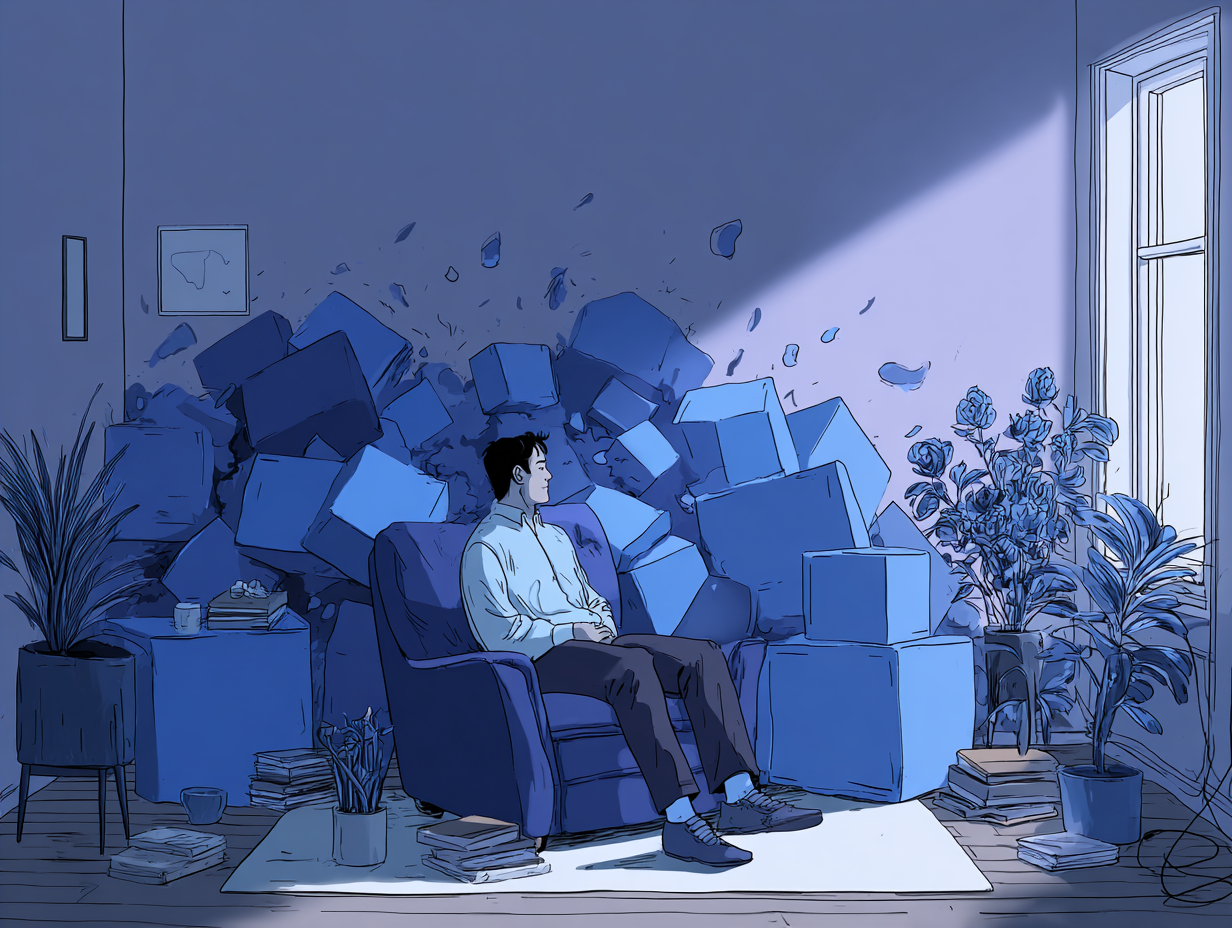
This withdrawal confirms the anxious person’s deepest fear: that closeness is slipping away. Anxiety increases, protest behavior escalates, and the cycle repeats. Each round reinforces the same story on both sides. One person feels abandoned, the other feels suffocated. Neither feels safe enough to slow the interaction down.
For example, a partner who receives multiple urgent messages during a busy workday may stop responding altogether to avoid conflict. The silence is not meant as punishment, but it is experienced as rejection. By the time the two reconnect, both are emotionally activated and less able to communicate clearly.
Why protest behavior often backfires
The core problem with protest behavior is that it communicates need indirectly. Instead of clearly expressing vulnerability, it signals distress through actions that can be misinterpreted. Over time, partners may respond more to the behavior than to the underlying need.
Common long-term consequences include:
- increased conflict around communication and boundaries
- emotional distancing or avoidance by one or both partners
- growing resentment or defensiveness
- difficulty repairing after disagreements
- fear of bringing up needs on either side
Protest behavior can also shift the emotional balance of the relationship. One partner may begin to feel responsible for regulating the other’s anxiety, while the anxious partner feels increasingly dependent on reassurance. This dynamic strains intimacy and reduces the sense of mutual choice.
Importantly, none of this means the relationship is doomed. These patterns are common, especially in relationships where attachment styles differ. The key issue is not the presence of anxiety, but the absence of tools to express it safely. When protest behavior is recognized and addressed, couples often find that conflict decreases and emotional closeness becomes more stable.
Is Protest Behavior Manipulation or a Cry for Connection?
This is one of the most common and painful questions people ask themselves after reacting in ways they regret. Protest behavior can look manipulative on the surface, especially when it involves withdrawal, ultimatums, or emotional intensity. The distinction, however, lies in intent, awareness, and flexibility.
Protest behavior in anxious attachment is primarily a cry for connection. It emerges when fear of abandonment overwhelms the ability to communicate needs directly. Manipulation, by contrast, is driven by an intention to control another person’s behavior for personal gain, often with awareness and strategic planning. While protest behavior can still be harmful, it is usually reactive rather than calculated.
Understanding this difference matters because it shapes responsibility without shame. A behavior can be understandable and still need to change.
How protest behavior differs from healthy needs and manipulation
| Pattern | Primary driver | Level of awareness | Impact on relationship |
|---|---|---|---|
| Protest behavior | Fear of abandonment | Low in the moment | Escalates anxiety and conflict |
| Healthy expression of needs | Desire for connection | High and intentional | Supports clarity and closeness |
| Manipulation | Control or advantage | Moderate to high | Erodes trust and autonomy |
For instance, saying I feel anxious when I do not hear from you, can we talk about it, is a direct expression of need. Sending repeated messages, then going silent to provoke reassurance, is protest behavior. Using threats or guilt consistently to force compliance moves closer to manipulation.
Why intent does not erase impact
It is important to hold two truths at once. Protest behavior is rooted in fear and vulnerability, and it can still damage trust if it becomes a primary way of relating. Partners on the receiving end may feel pressured, blamed, or emotionally managed, even if that was never the intention.
This is where accountability becomes essential. Understanding the attachment-driven nature of protest behavior explains why it happens, but it does not justify continuing patterns that hurt the relationship. Responsibility means learning new ways to express needs without activating fear on either side.

Another key difference is flexibility. When someone recognizes protest behavior and can pause, reflect, and repair, the pattern remains changeable. When behaviors are rigid, denied, or justified despite repeated harm, they move further away from attachment distress and closer to relational control.
Recognizing protest behavior as a cry for connection allows room for compassion. Recognizing its impact allows room for change. Both are necessary for healthier, more secure relationships.
How to Reduce Protest Behavior and When to Seek Help
Reducing protest behavior does not mean suppressing emotional needs or becoming less attached. It means learning how to recognize anxiety earlier and respond to it in ways that support connection rather than escalate fear. Change begins with awareness, but it becomes sustainable only when new skills replace old patterns.
The goal is not perfection. Even people with secure attachment experience moments of protest under stress. What matters is the ability to pause, repair, and choose a different response over time.
What helps in the moment of protest
When protest behavior is activated, the nervous system is already in a heightened state. Trying to think your way out rarely works at that point. Instead, effective strategies focus on slowing the emotional response before taking action.
Helpful steps may include:
- pause before acting, even a short delay such as waiting 20 minutes before sending a message can reduce impulsive reactions
- name the emotion internally, silently labeling what you feel helps shift the brain out of alarm mode
- ground the body, slow breathing, a brief walk, or physical movement can lower physiological arousal
- translate behavior into words, ask yourself what reassurance you are actually seeking and how to express it directly
- choose clarity over intensity, clear statements of need are more likely to bring closeness than indirect actions meant to provoke a response
For example, instead of repeatedly checking your phone or withdrawing in frustration, you might say, I am feeling anxious and could use some reassurance. Can we talk later today. This approach reduces confusion and gives the other person a chance to respond without pressure.
These skills take practice. At first, it may feel unnatural or even risky to express needs openly. Over time, however, direct communication tends to build more trust than protest behavior ever could.
When therapy may be helpful
If protest behavior feels frequent, intense, or hard to control, working with a licensed mental health professional can be especially useful. Therapy provides a structured space to explore attachment patterns without blame and to develop tools for emotional regulation and communication.
Attachment focused therapy, emotionally focused therapy, and cognitive behavioral approaches are commonly used to address anxious attachment patterns. A therapist can help identify triggers, challenge catastrophic thinking, and practice expressing needs in safer ways. Therapy is also important when protest behavior begins to affect self esteem, daily functioning, or relationship stability.
If emotional distress escalates to thoughts of self harm or hopelessness, immediate support is critical. In the United States, you can call or text 988 to reach the Suicide and Crisis Lifeline. If you are in immediate danger, call 911. Seeking help in these moments is a protective step, not a failure.
Protest behavior is not a life sentence. With awareness, support, and practice, people can learn to respond to attachment anxiety in ways that create steadier, more secure relationships.
References
1. American Psychological Association. Attachment Theory and Close Relationships. 2011.
2. American Psychological Association. Relationships and Mental Health. 2023.
3. National Institute of Mental Health. Anxiety Disorders. 2023.
4. American Psychiatric Association. Diagnostic and Statistical Manual of Mental Disorders DSM 5 TR. 2022.
5. Johnson S M. Emotionally Focused Therapy and Attachment. 2019.
Conclusion
Protest behavior in anxious attachment is not a character flaw or a sign of emotional immaturity. It is a fear based response that develops when closeness feels uncertain and internal regulation feels out of reach. While these behaviors are meant to restore connection, they often increase distance unless the underlying pattern is recognized.
Understanding why protest behavior happens creates space for responsibility without shame. With awareness, direct communication, and support, people can learn to express attachment needs in ways that protect both intimacy and autonomy. Change is not about becoming less emotional, but about becoming more intentional.
If attachment anxiety continues to disrupt relationships or emotional well being, working with a licensed mental health professional can help build more secure and sustainable ways of relating. Support is available, and learning new patterns is possible at any stage of life.
If you ever feel overwhelmed by distress or experience thoughts of self harm, call or text 988 to reach the Suicide and Crisis Lifeline in the United States. If you are in immediate danger, call 911.
Frequently Asked Questions
Is protest behavior always unhealthy?
Protest behavior reflects an unmet need for connection, which is normal. The behavior itself becomes problematic when it repeatedly escalates anxiety or damages trust. Learning to express needs directly helps reduce its negative impact.
Can people with anxious attachment change protest behavior?
Yes. With awareness, emotional regulation skills, and often therapy, people can learn new ways to respond to attachment anxiety. Change focuses on replacing indirect actions with clearer communication.
Is protest behavior the same as being manipulative?
No. Protest behavior is usually driven by fear and happens with limited awareness in the moment. Manipulation involves intentional control. Both can harm relationships, but they are not the same process.
What should I do if my partner protests frequently?
It can help to acknowledge the underlying need while maintaining clear boundaries. Encouraging calm communication and, when needed, suggesting professional support can reduce repeated conflict.
When should someone seek therapy for anxious attachment?
Therapy may be helpful when anxiety repeatedly disrupts relationships, causes distress, or feels hard to manage alone. Licensed therapists can help address attachment patterns safely and effectively.